In the high northwestern corner of North Carolina — bordering Virginia along the high ridges of the Blue Ridge Mountains — Alleghany County is one of the most genuinely peaceful corners of the High Country. Formed in 1859 from the eastern part of Ashe County, the county shares much of its early character with its western neighbor: a remote, hard-to-reach setting known historically as one of North Carolina’s “Lost Provinces,” cool summer temperatures rarely climbing above 90°F, and a deep connection to the Blue Ridge Parkway that runs along its eastern and southern borders. Today, with the historic county seat of Sparta as its anchor and 32 scenic miles of Parkway threading through the county, Alleghany County offers visitors some of the most rewarding mountain experiences in this part of the state. Click on the towns below to dive deeper into the spots we’ve personally explored around Alleghany County.
A Lost Province with a Real Story
For much of its early history, Alleghany County was effectively cut off from the rest of North Carolina. Together with neighboring Ashe and Watauga counties, the high Blue Ridge Mountains formed such a barrier between this corner of the state and the lowlands to the east that the region came to be known as one of North Carolina’s Lost Provinces — a community that, for generations, was more connected to neighboring Virginia and Tennessee than to the rest of its own state. The land had been surveyed in the early 1700s by Peter Jefferson — Thomas Jefferson’s father — long before the county was officially formed, and the same surveyor’s name lives on through other prominent High Country features like nearby Mount Jefferson and Pond Mountain.
The county was officially established in 1859, formed from the eastern part of Ashe County. Its name traces back to either the Allegewi people — an early Indigenous tribe — or the Delaware (Lenape) word “oolikhanna,” meaning “beautiful stream,” according to NCpedia and the North Carolina Museum of History. Either origin is fitting for a place defined by its waterways and ridges. Sparta, the county seat, has gone by three names since its founding: Bower’s Store in 1825, Gap Civil in 1846, and finally Sparta in 1879, named for the ancient Greek city.
The Birthplace of the Blue Ridge Parkway
Alleghany County holds a special place in the history of one of America’s most beloved scenic roads. The Blue Ridge Parkway begins its long climb through the Southern Appalachians at Cumberland Knob (Milepost 217.5) — right here in Alleghany County. This is where the Parkway’s construction first began in 1935, and the site remains a meaningful milestone for anyone tracing the road’s origins. The Parkway then winds through approximately 32 miles of Alleghany County, passing some of its most stunning overlooks and protected lands.
The county’s most celebrated stop along the Parkway is Doughton Park (Mileposts 238.5–241) — the largest recreation area on the entire Blue Ridge Parkway. Named for Alleghany County’s own Robert L. Doughton, a longtime U.S. Congressman who championed the Parkway’s creation and played a leading role in the passage of the Social Security Act, Doughton Park features expansive mountain meadows, historic homesteads, dramatic long-range views, and miles of hiking trails. It’s one of the most rewarding mountain destinations along the entire Parkway.
A Mountain County Built for Slowing Down
What makes Alleghany County so worth seeking out isn’t any one big attraction — it’s the everyday character of the place. The New River — one of the oldest rivers in the world — flows along the county’s western and northern borders, drawing paddlers, anglers, and tubers throughout the warmer months. Quiet farmland stretches across the higher elevations, with cattle pastures, Christmas tree farms, and small family-owned orchards lining the country roads. Cool summer temperatures make the area particularly welcoming during the months when the rest of North Carolina turns hot and humid.
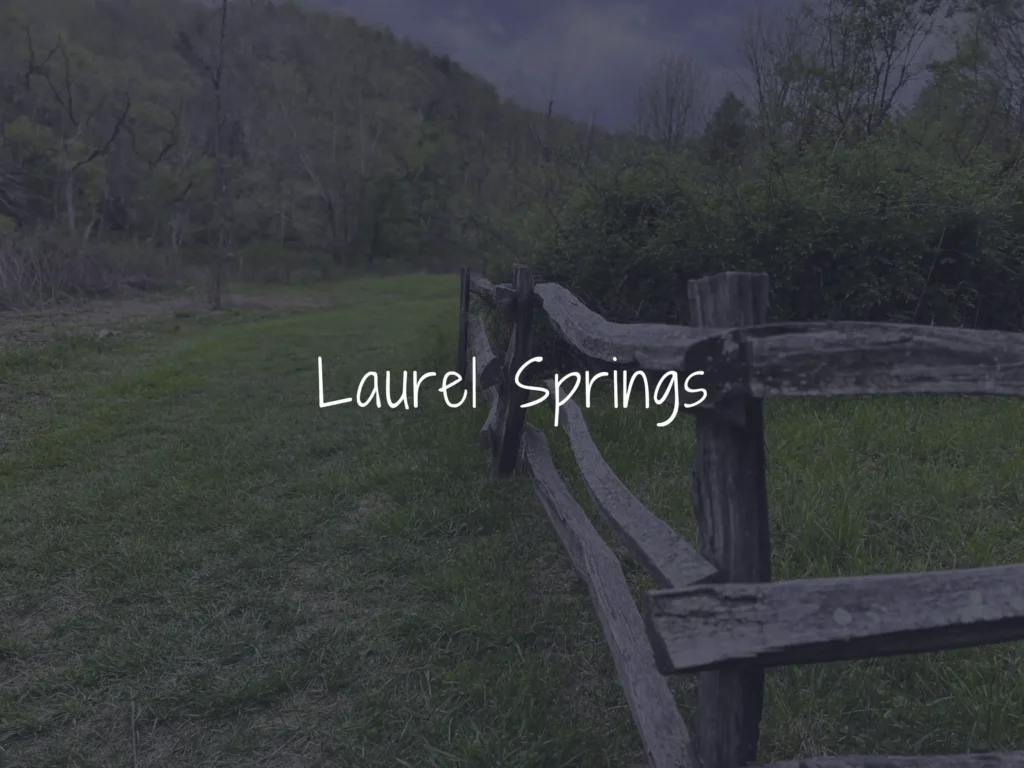
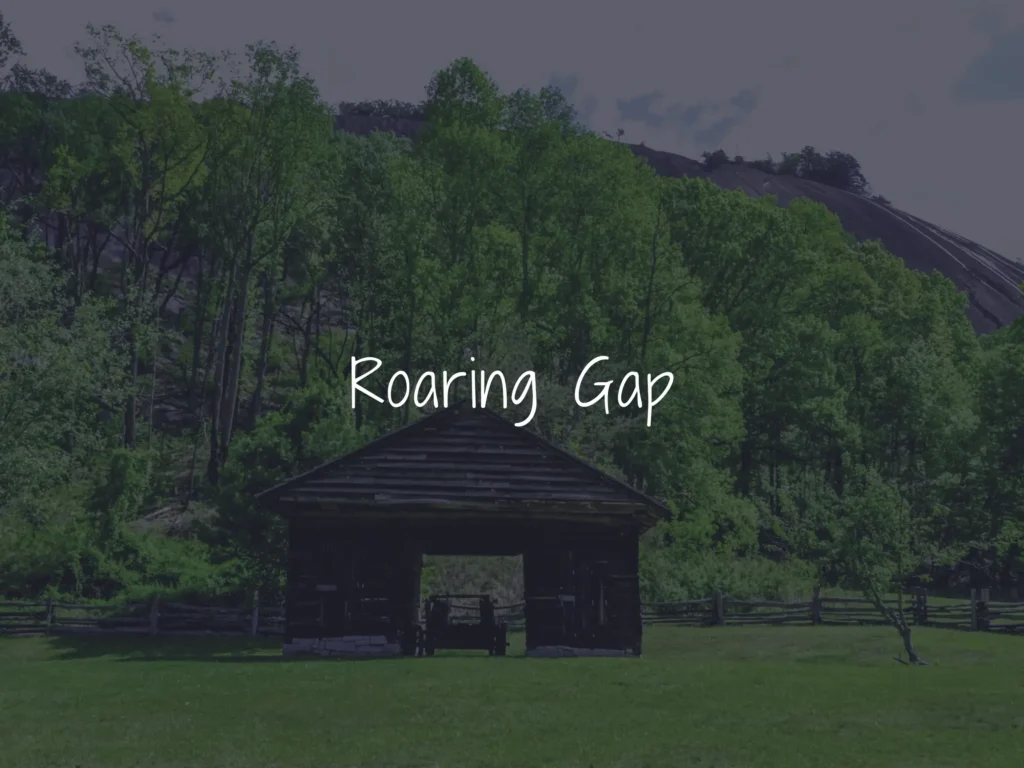
The county’s small towns each have their own personality. Sparta anchors the county as its civic and commercial heart, with a walkable downtown and easy access to the surrounding mountains. Roaring Gap sits along the Blue Ridge escarpment with its own quietly storied history, dating to a vacation resort that opened in 1894. And Laurel Springs offers the kind of true small-town mountain experience that makes the High Country special.
Plan Your Visit
Click on the towns below to dive deeper into the spots we’ve personally explored around Alleghany County — the places we keep coming back to, and the ones we think are worth your time. Whether you’re here to trace the Blue Ridge Parkway’s origins at Cumberland Knob, hike the meadows of Doughton Park, paddle the New River, or simply settle into a quieter pace of mountain life, Alleghany County has a way of making you want to stay a little longer.