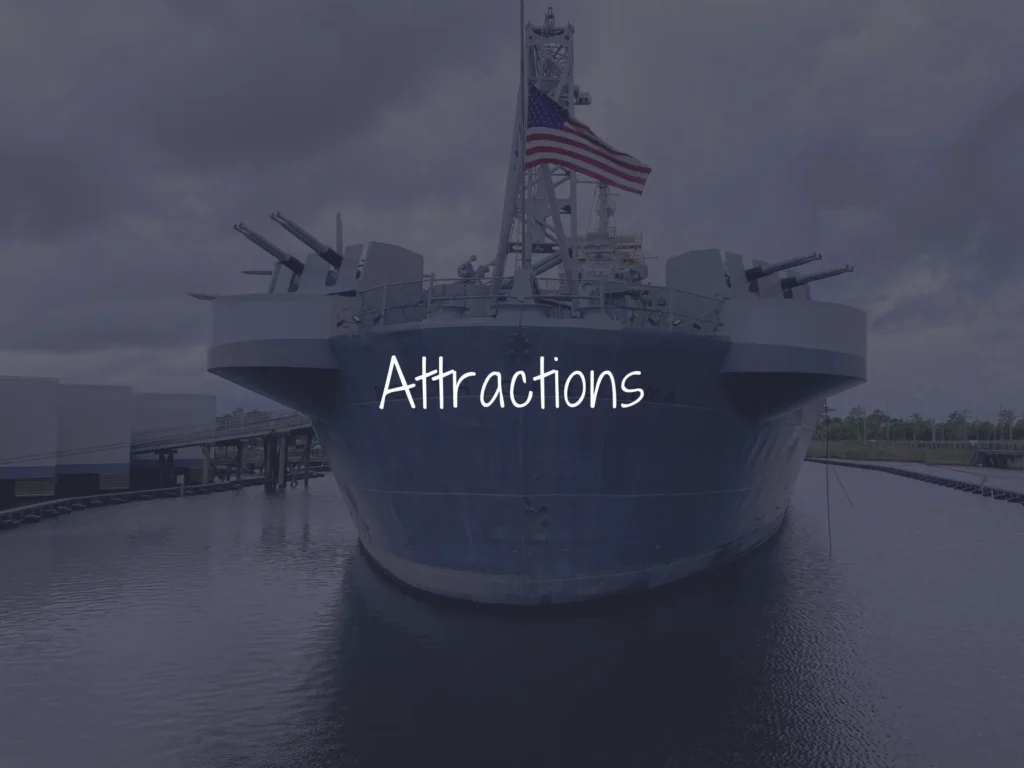
Wilmington is the kind of city that sneaks up on you. It’s a port town and a college town, a historic riverfront and a film capital, a place with deep Southern roots and a genuinely modern pulse. One minute you’re walking cobblestone streets past 19th-century mansions, the next you’re wandering a garden full of centuries-old oaks or a greenhouse of carnivorous plants. It’s a place that rewards slowing down and a place that can easily fill a day or three.
A City Shaped by the River
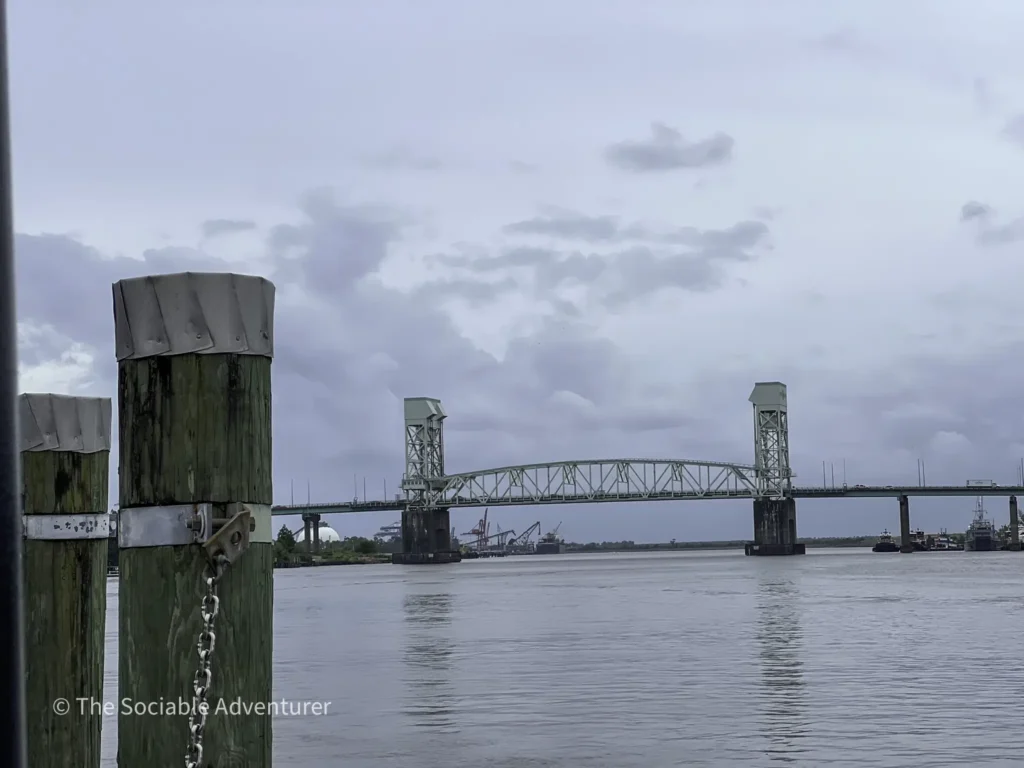
Wilmington owes its existence to the Cape Fear River. Founded in the 1730s and incorporated in 1739, the city grew up around its port — the only major deepwater port in North Carolina — which made it the state’s largest and most important city for much of the 18th and 19th centuries. Naval stores, cotton, and lumber moved through here by the shipload, and the wealth that came with all that trade built the grand homes and commercial buildings that still define downtown today.
That same port made Wilmington a strategic prize during the Civil War. As one of the last major ports open to Confederate blockade runners, the city was a vital supply line until the fall of nearby Fort Fisher in early 1865 finally closed it off. In the decades that followed, Wilmington remained a working river city — and in the 20th century, it added new chapters: a major World War II shipbuilding hub, the permanent berth of the Battleship North Carolina, and, since the 1980s, one of the busiest film and television production centers on the East Coast.
More Than Just Downtown
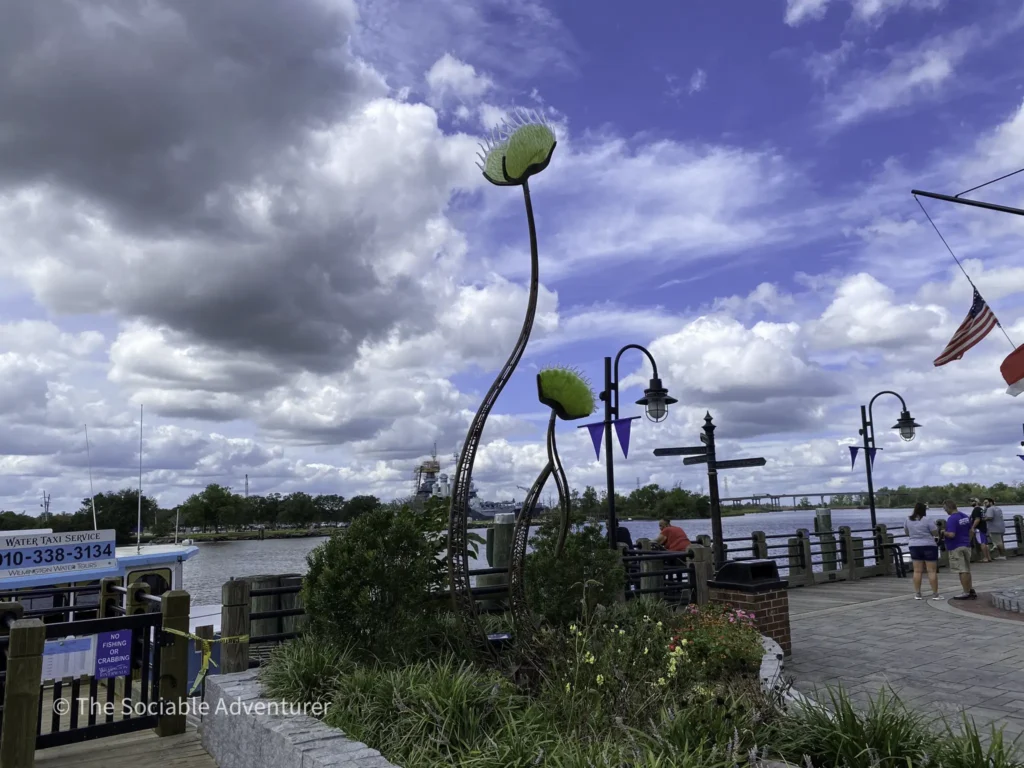
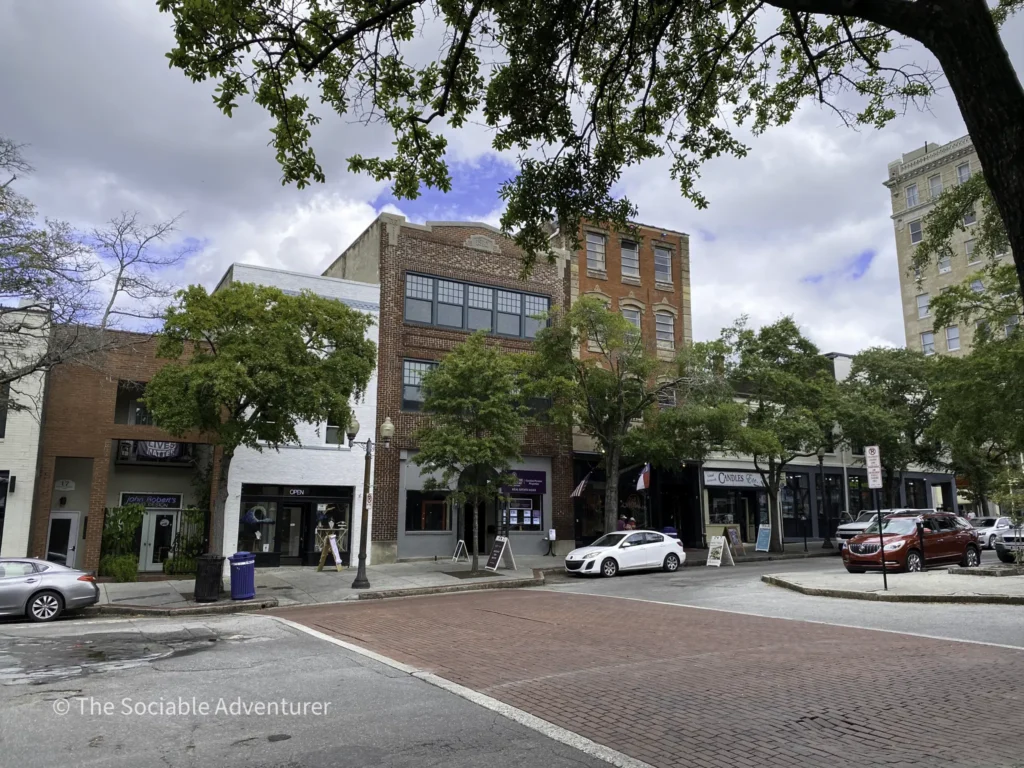
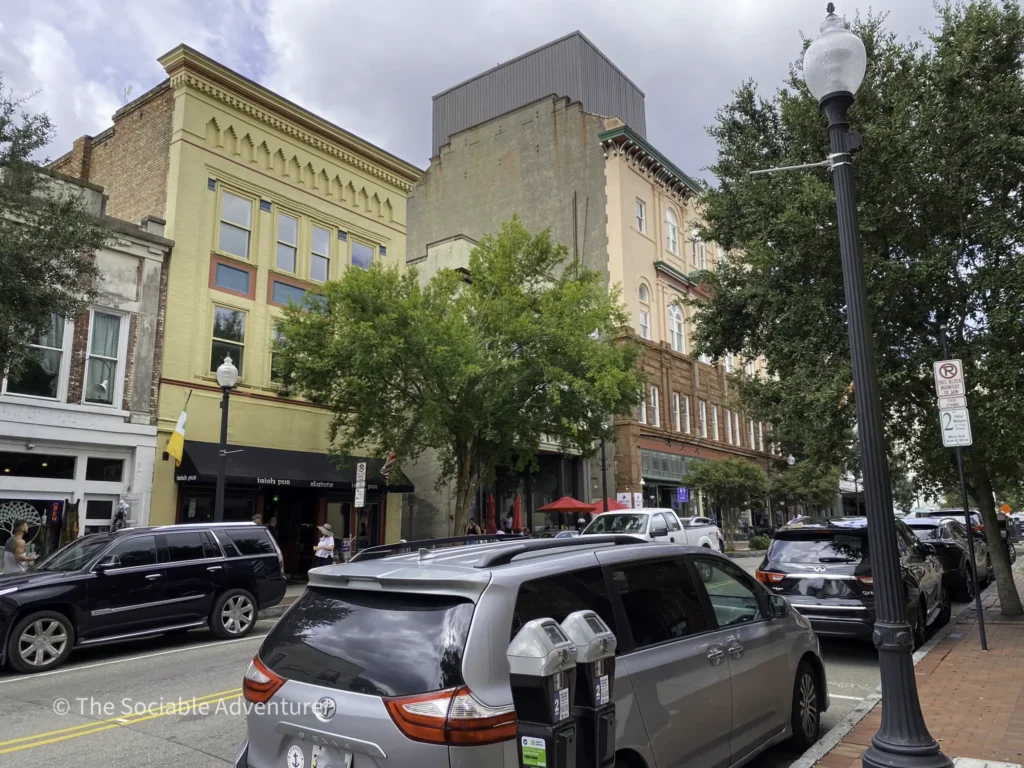
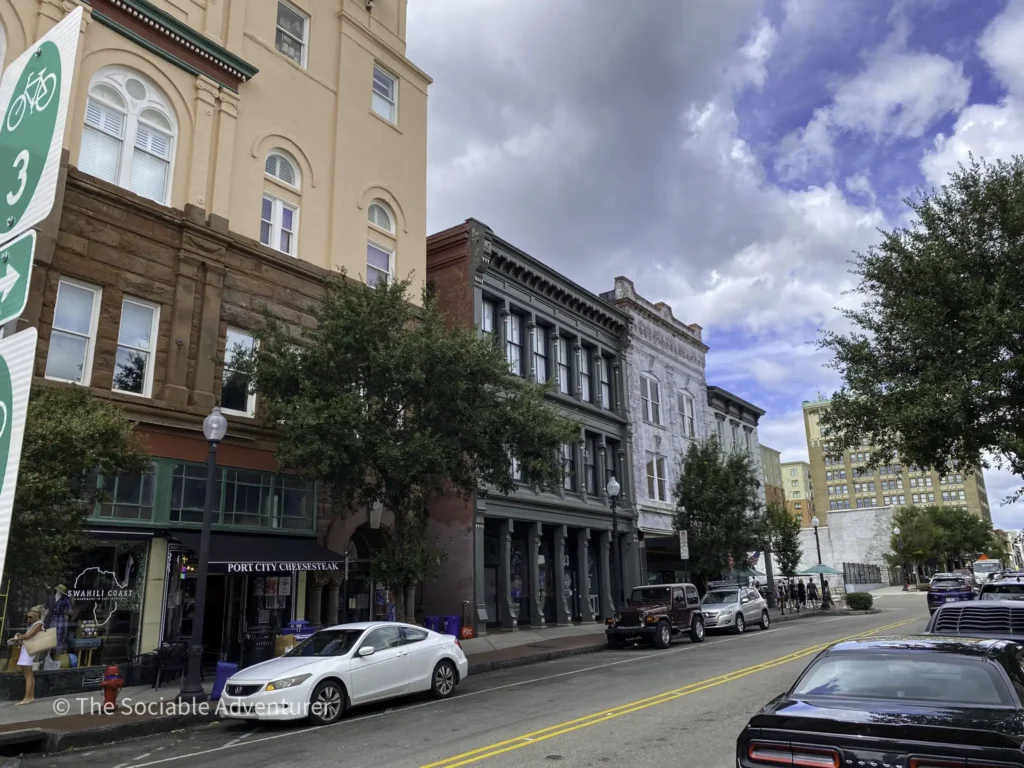
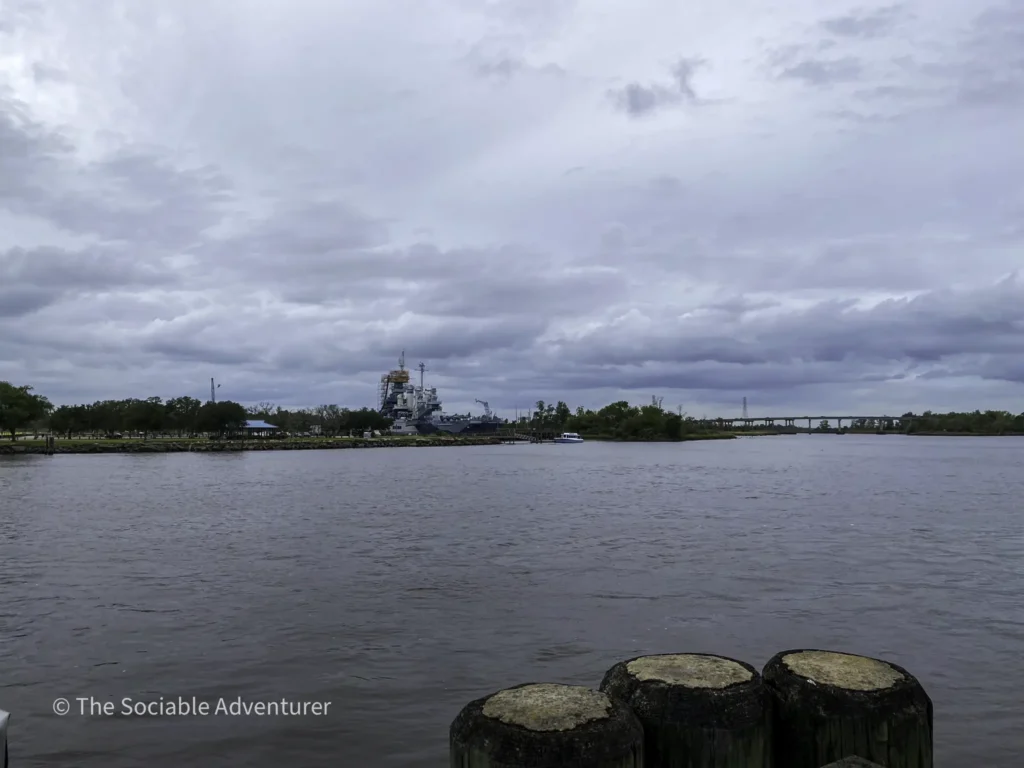
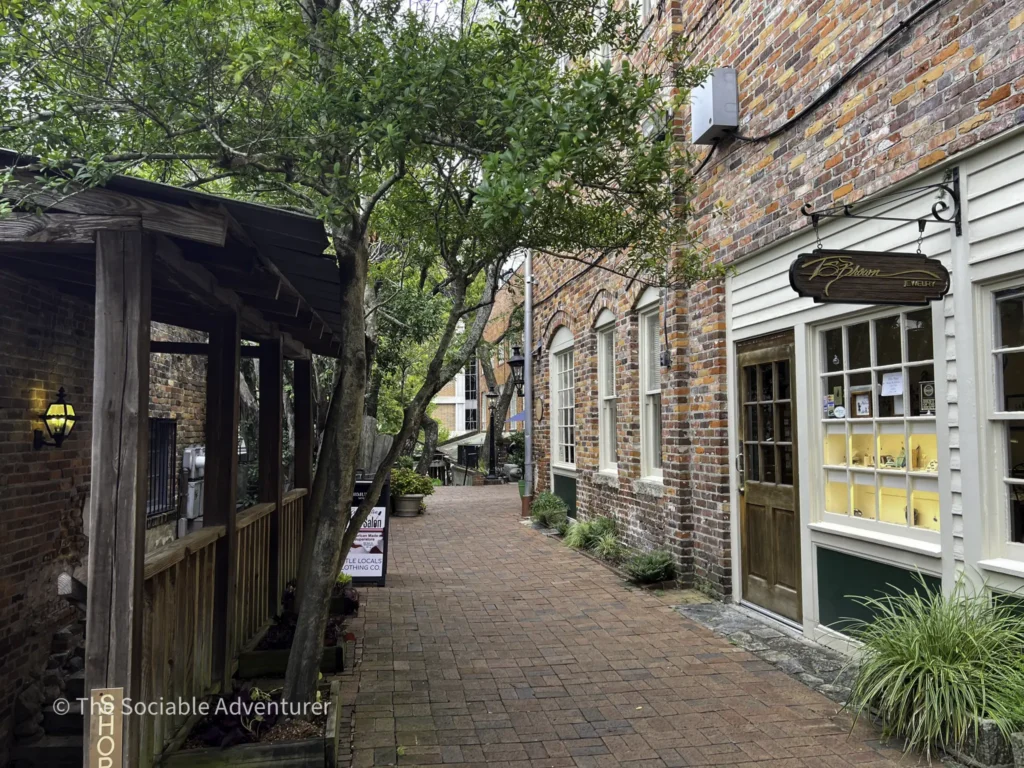
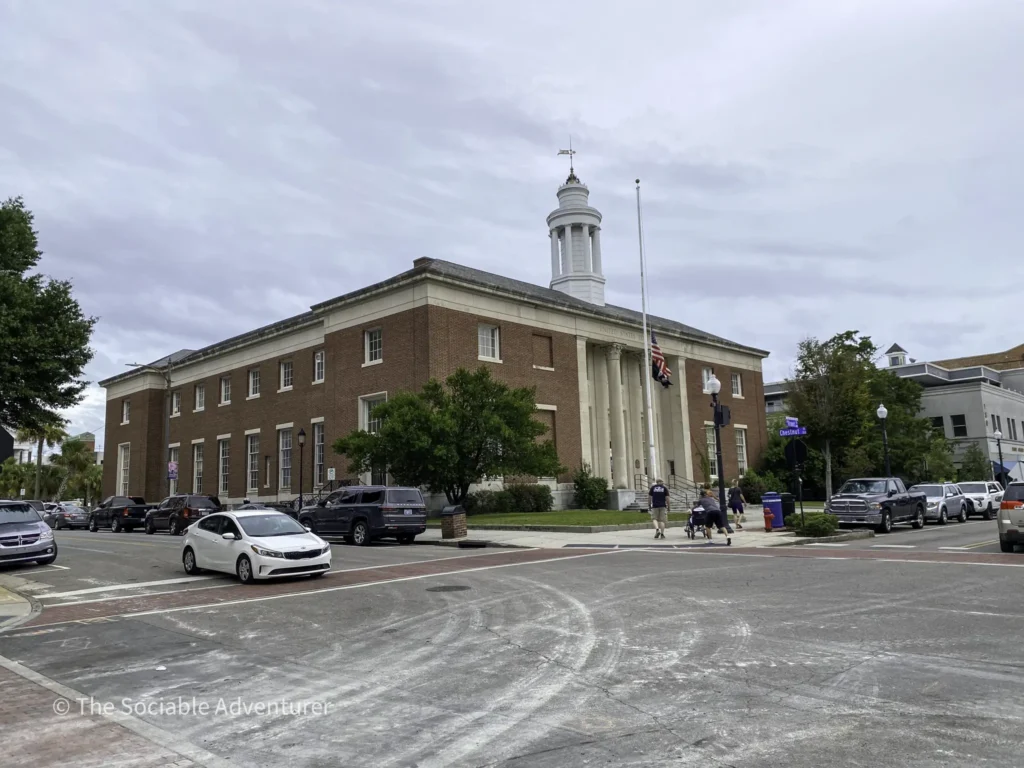
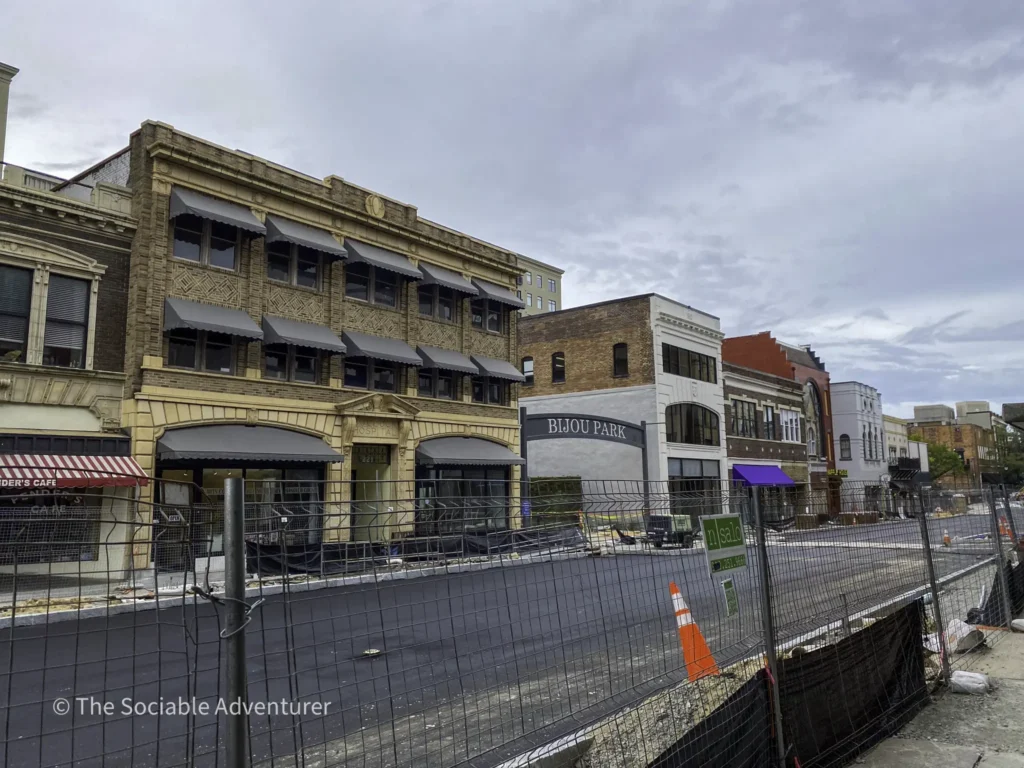
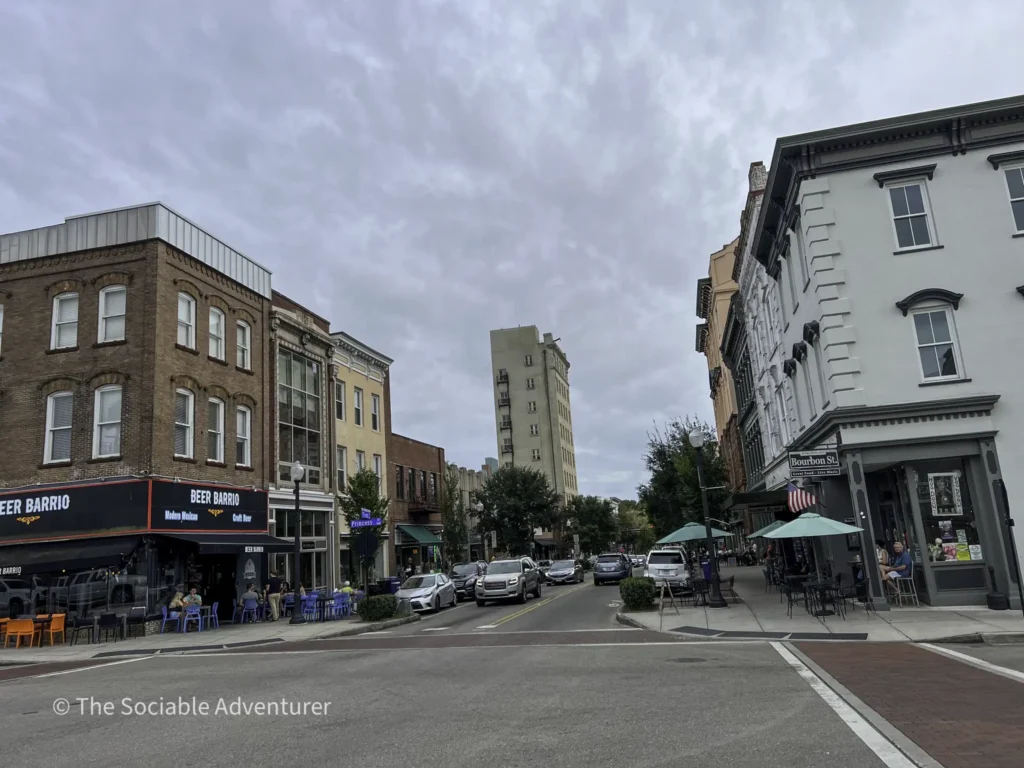
It’s easy to think of Wilmington as just its historic riverfront — and that part of the city is genuinely special. The downtown National Register Historic District spans more than 230 blocks, one of the largest and most beautifully preserved in the South, easily holding its own next to places like Charleston and Savannah. At its center is the Riverwalk, a roughly two-mile wooden boardwalk along the Cape Fear River, lined with shops, galleries, and restaurants, with the unmistakable silhouette of the WWII Battleship North Carolina anchored just across the water.
But the Wilmington area stretches well beyond downtown. Drive a little further out, and you’ll find lush public gardens, nature preserves, museums, and local favorites tucked into neighborhoods all over the city — from the moss-draped oaks and seasonal blooms of Airlie Gardens to the surprisingly fascinating world of the Stanley Rehder Carnivorous Plant Garden. The deeper you explore, the more you realize how much there is here.
Something for Everyone
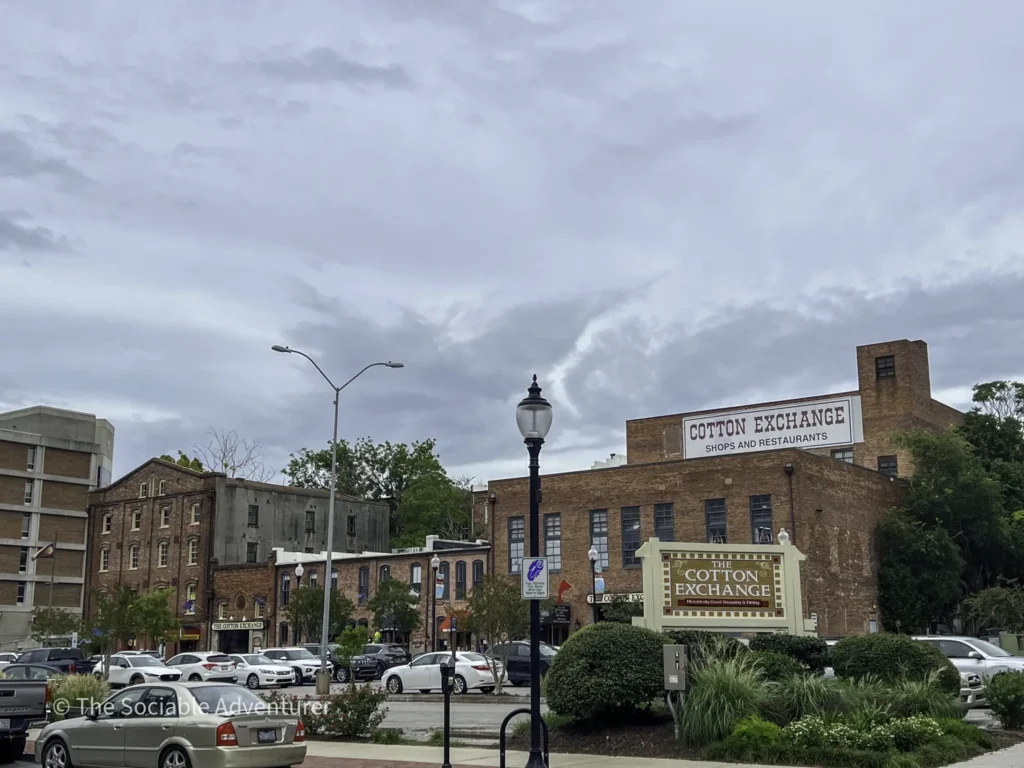
What makes Wilmington so easy to love is the sheer variety. You can tour a real WWII battleship, stroll a historic garden, take a narrated riverboat cruise, browse the shops of The Cotton Exchange and Chandler’s Wharf, catch a Broadway production at one of the oldest theaters in the country, or chase down filming locations from the dozens of movies and TV shows shot here — there’s a reason Wilmington’s nickname is “Hollywood East.”
When it’s time to eat, the city more than delivers. From fresh seafood on a riverfront patio to award-winning chefs putting creative spins on Southern classics, Wilmington’s food and drink scene is one of the best on the Carolina coast — and it keeps getting better.
Plan Your Visit
Click on the attraction or food and beverage images below for a deeper dive into the spots we’ve personally explored around Wilmington — the places we keep coming back to, and the ones we think are worth your time. Whether you’re here for the history, the gardens, the food, or just a change of pace, Wilmington has a way of making you want to stay a little longer.
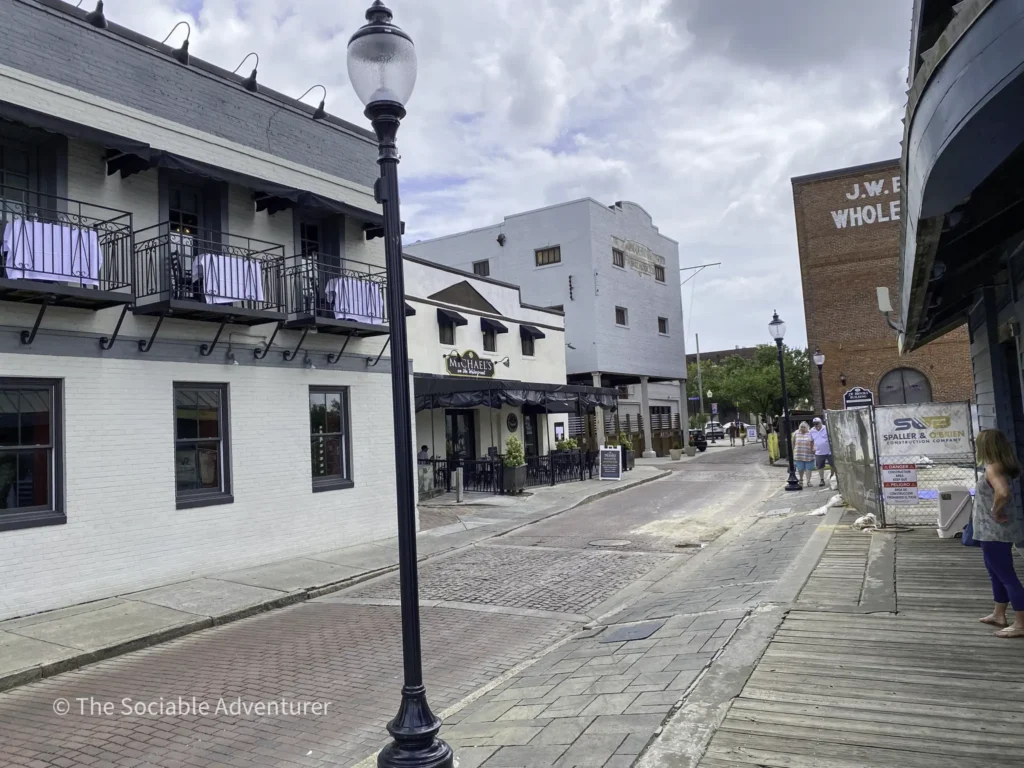
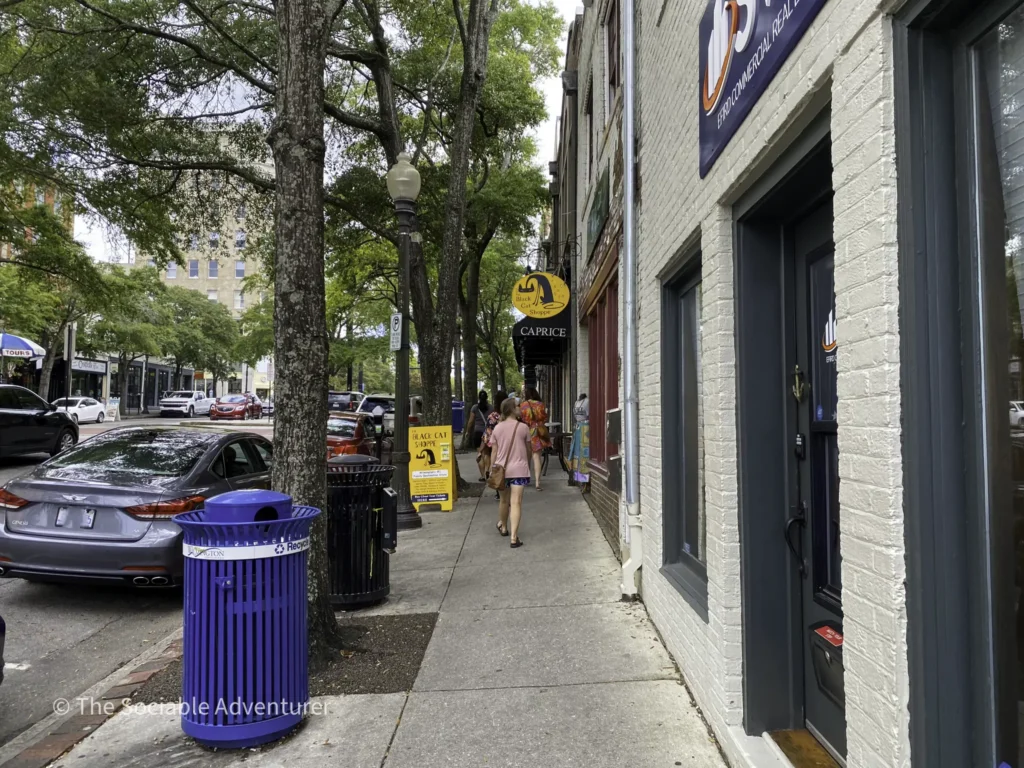
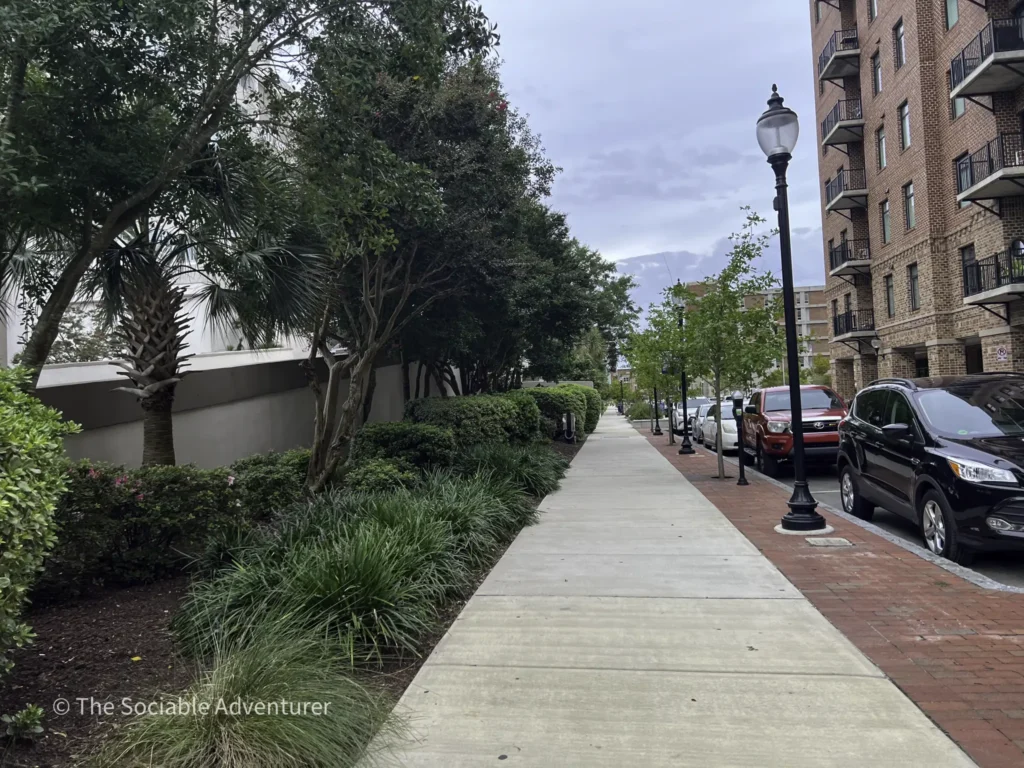
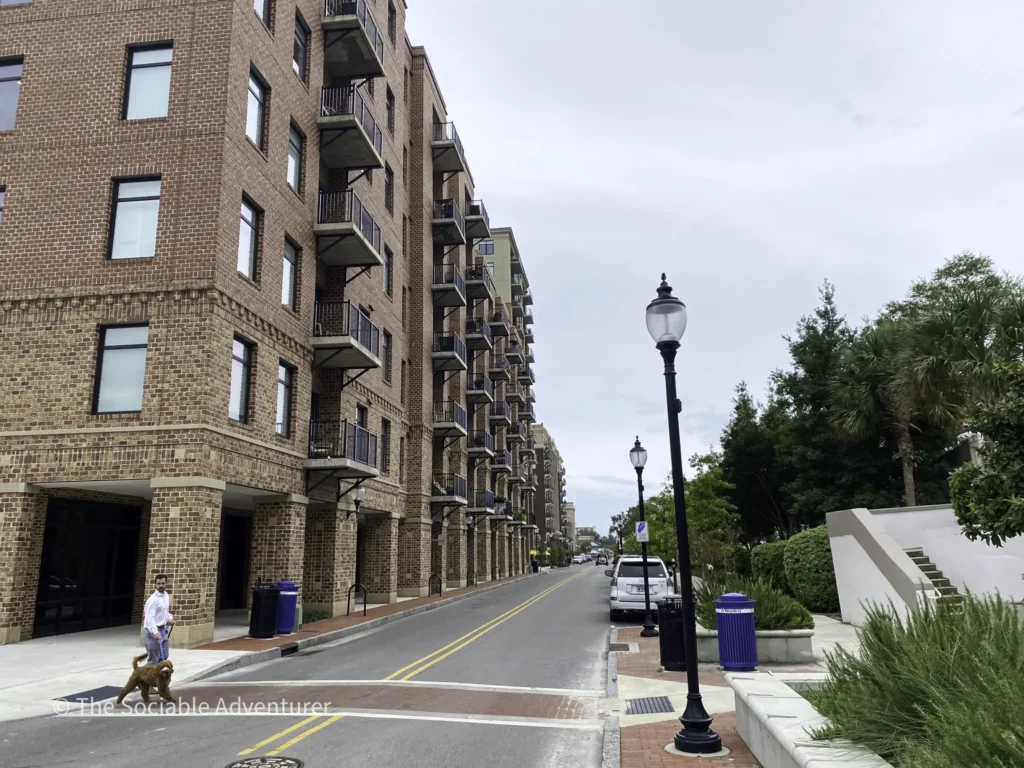
Photos of Downtown Wilmington
Things To Do In Wilmington