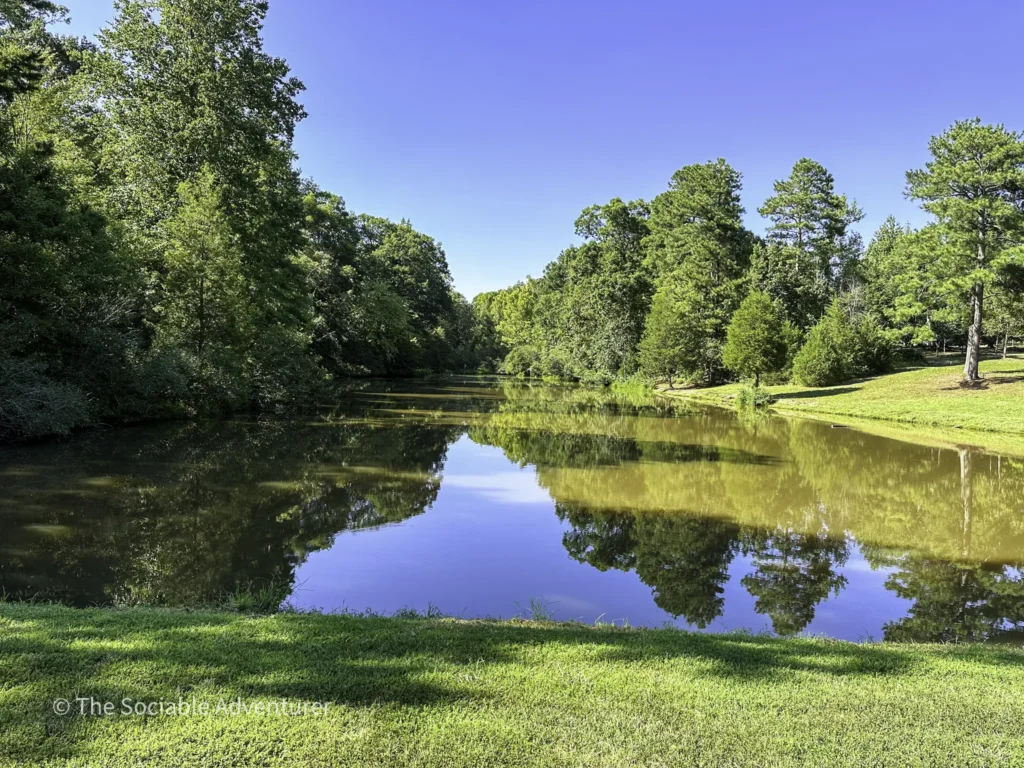
E. Carroll Joyner Park is one of the most genuinely distinctive public parks anywhere in Wake Forest, NC — a 117-acre park built around the preserved bones of a former working farm, with an unusual combination of historic agricultural buildings, a 1,000-seat lawn amphitheater, and three miles of paved trails all under one preserved landscape. The park’s identity leans heavily into the site’s agricultural heritage — with restored farm buildings, the named Walker Garden (honoring the previous farm owners), and a historic pecan grove planted during the Great Depression anchoring the park’s connection to its early-20th-century past.
Today, the park functions as both a scenic in-town recreational destination and a genuine cultural venue — with the amphitheater hosting concerts and events, the trails and gardens serving daily walkers and families, and the preserved farm buildings offering educational access to Wake Forest’s agricultural history.
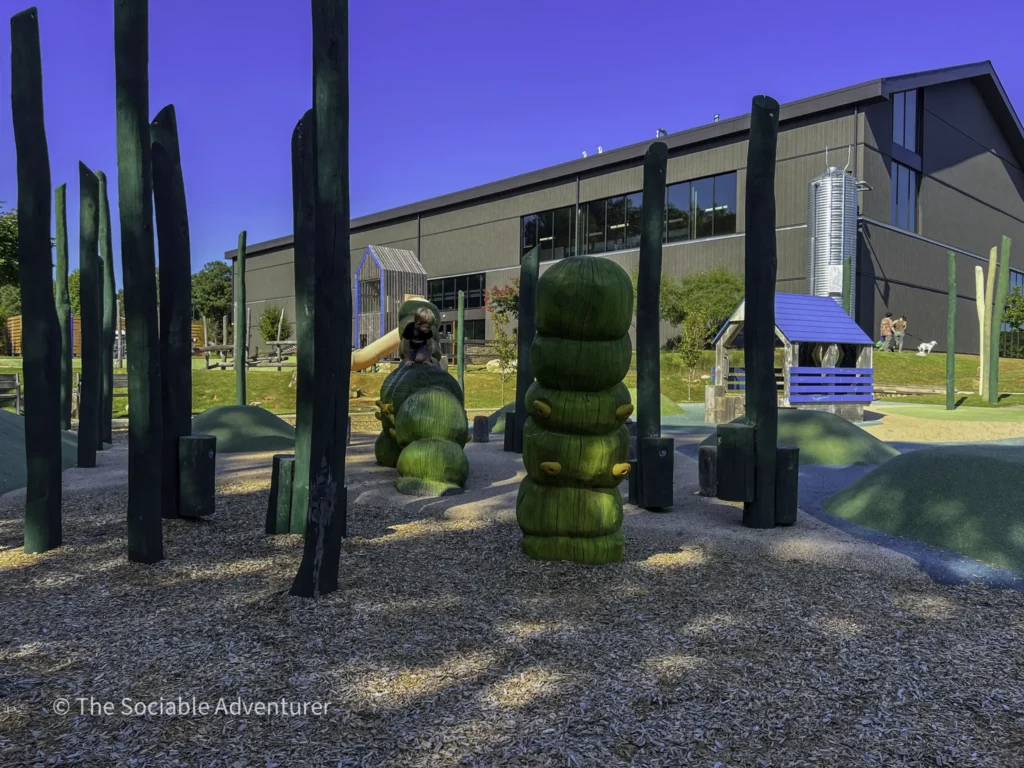
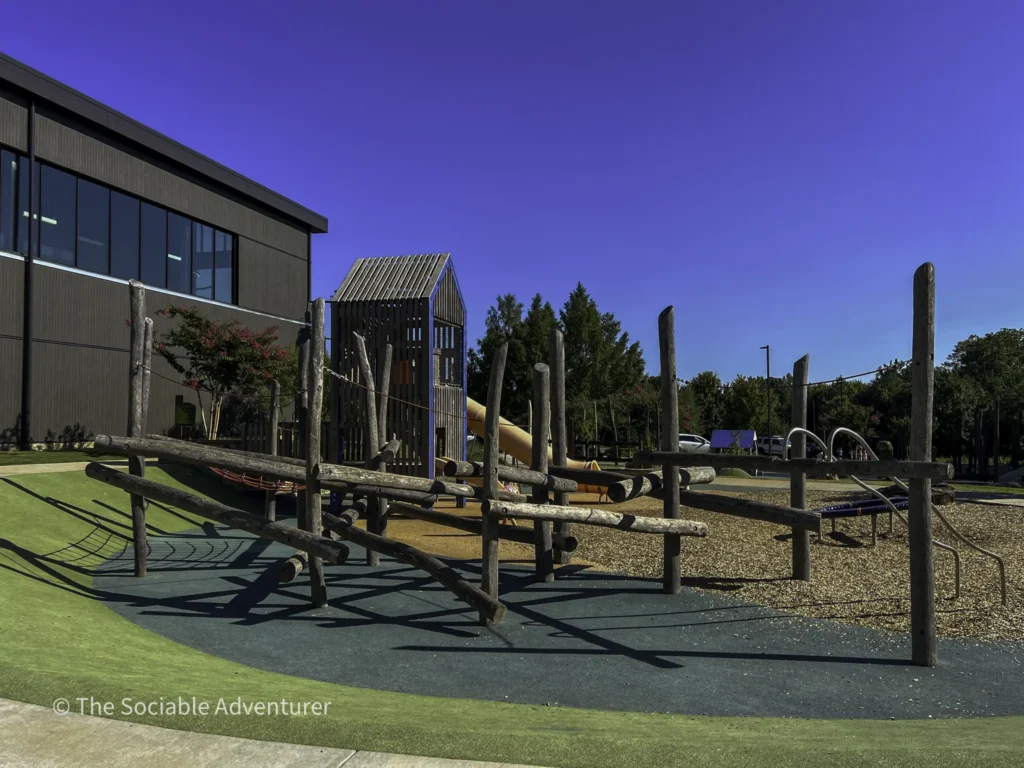
Be sure to check out the YouTube video and pictures below to get a feel for E. Carroll Joyner Park before you go — or to relive the visit after.
Preserved Farm Buildings and the Great Depression Pecan Grove
The park’s genuine editorial anchor is the historic pecan grove planted during the Great Depression — a wonderful piece of Wake Forest agricultural history that gives the park a specific temporal dimension few other parks can offer. Walking through the pecan trees today means walking through a landscape planted nearly a century ago by farmers navigating one of the most difficult economic periods in American history.
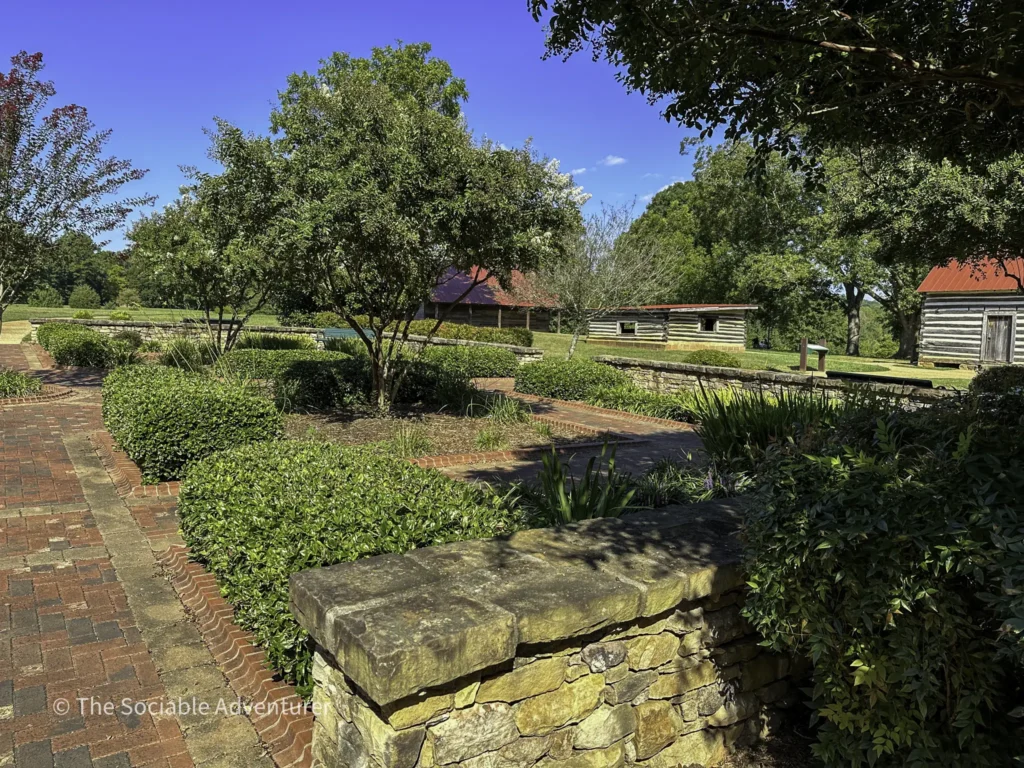
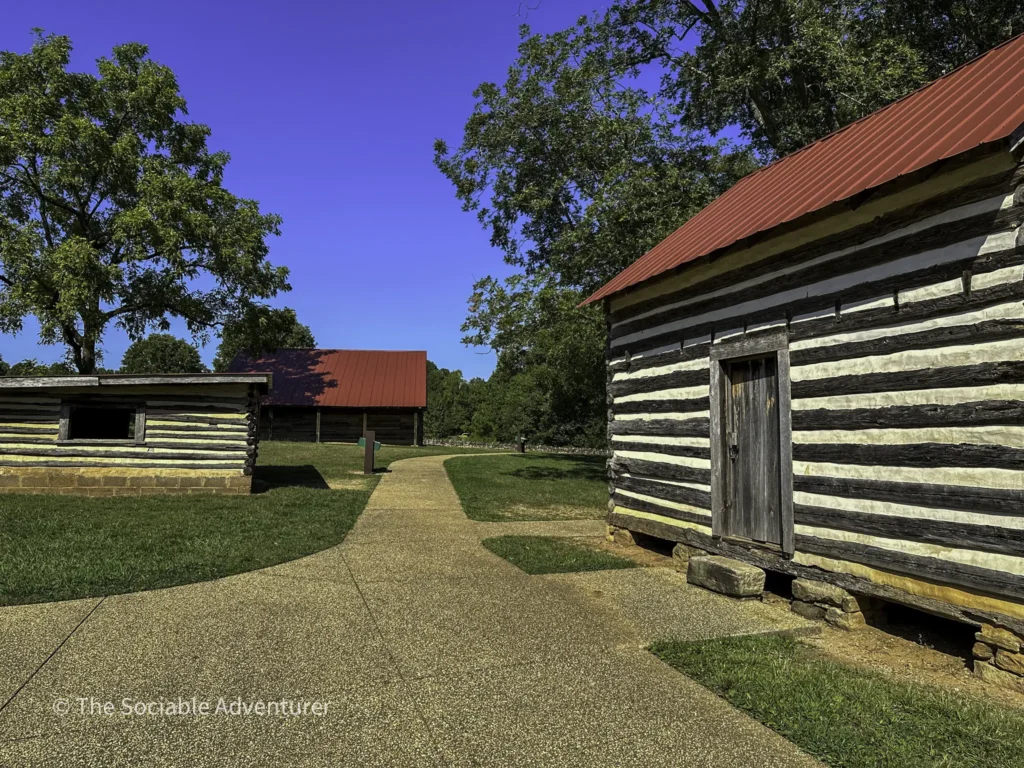
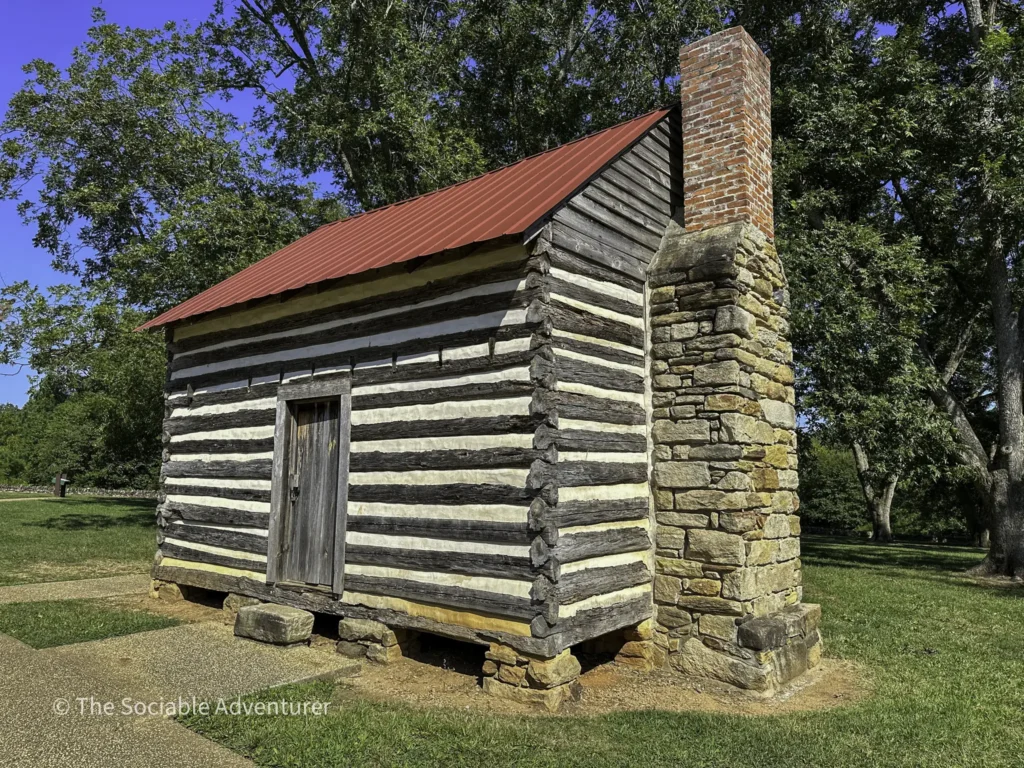
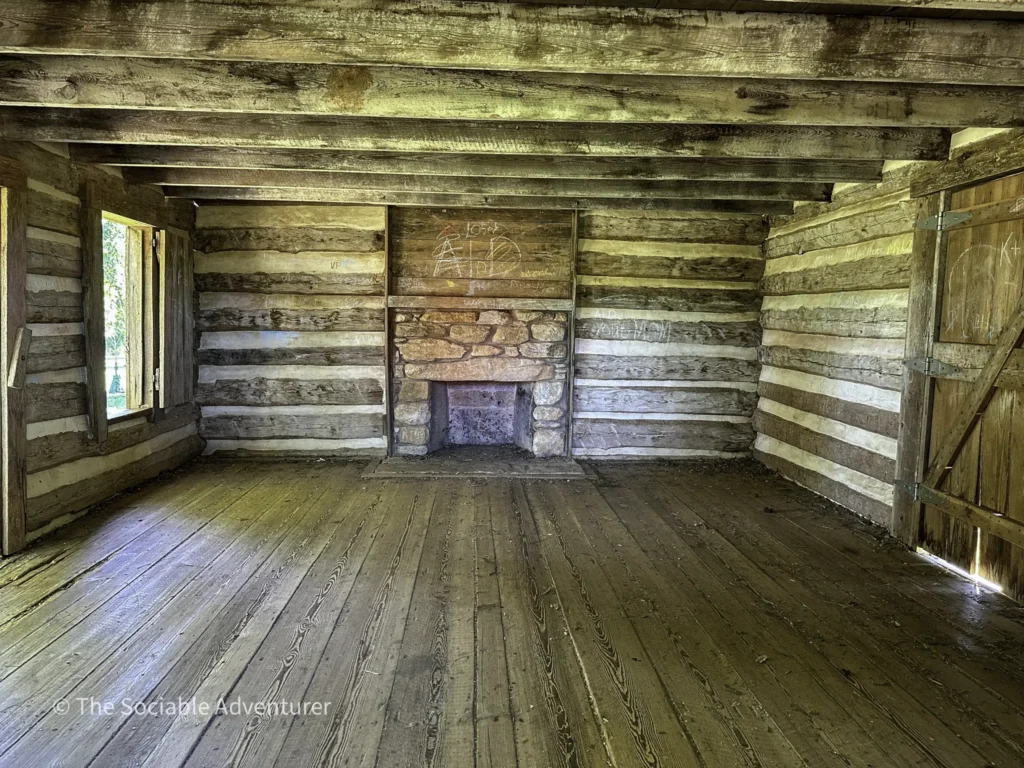
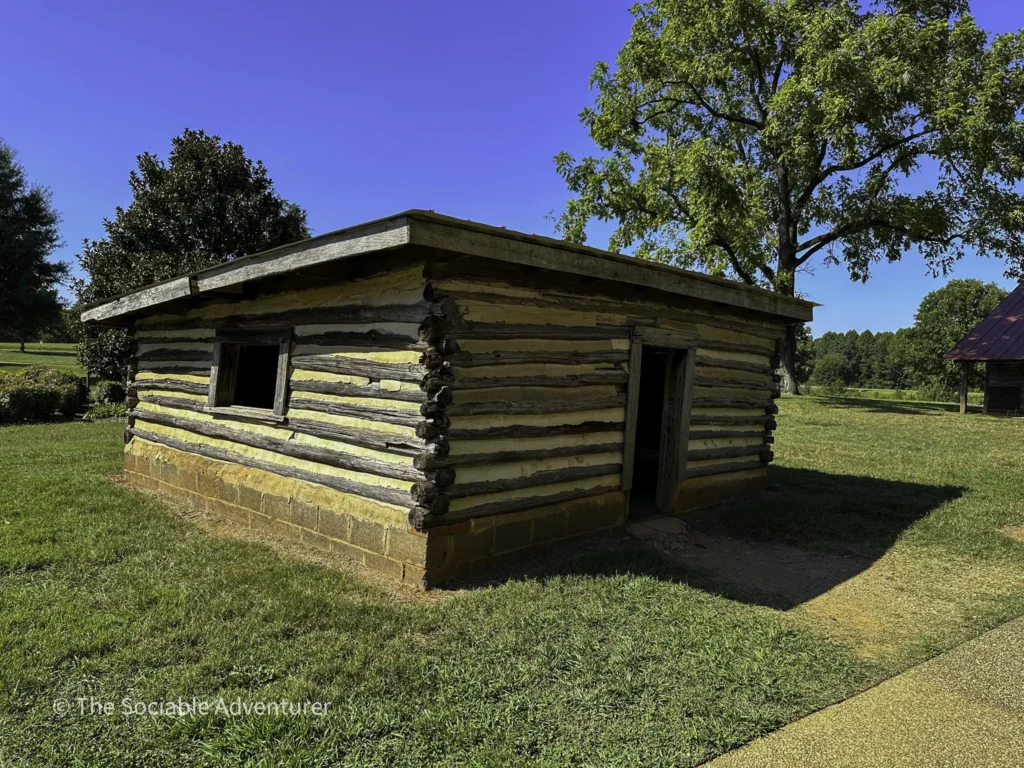
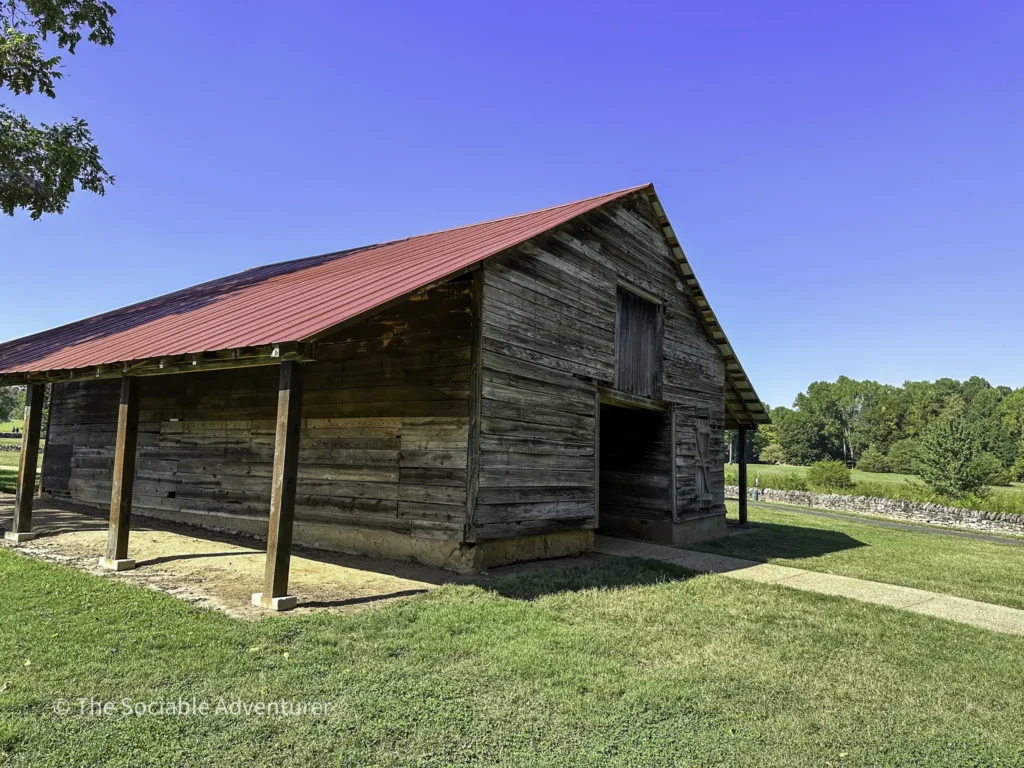
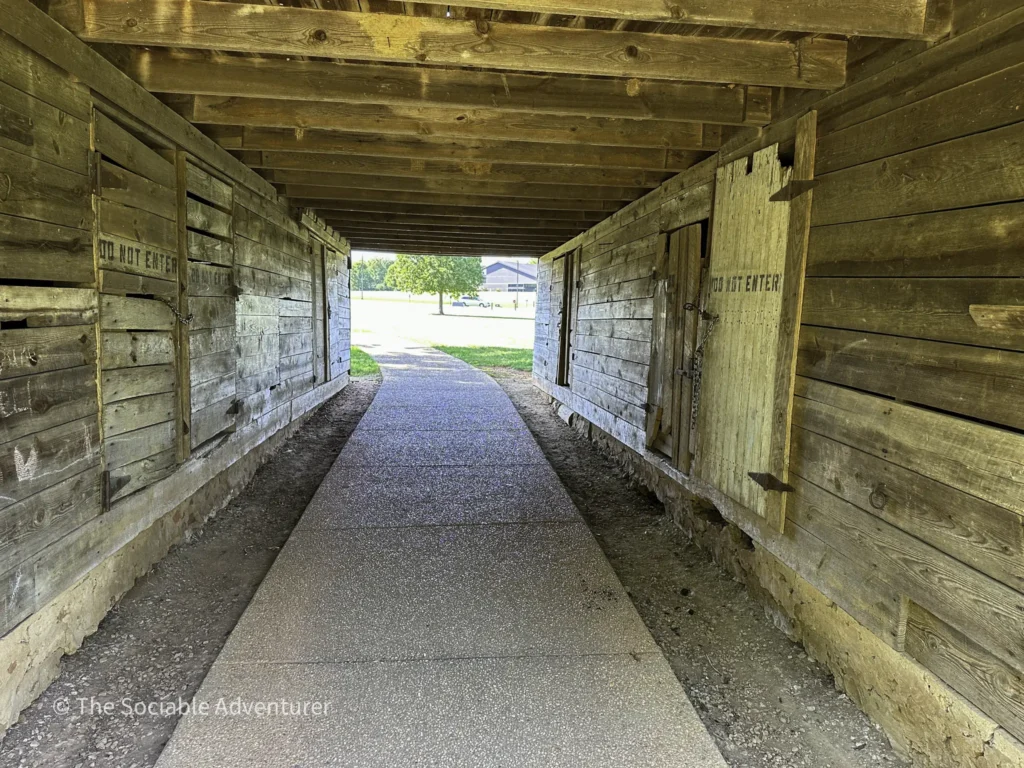
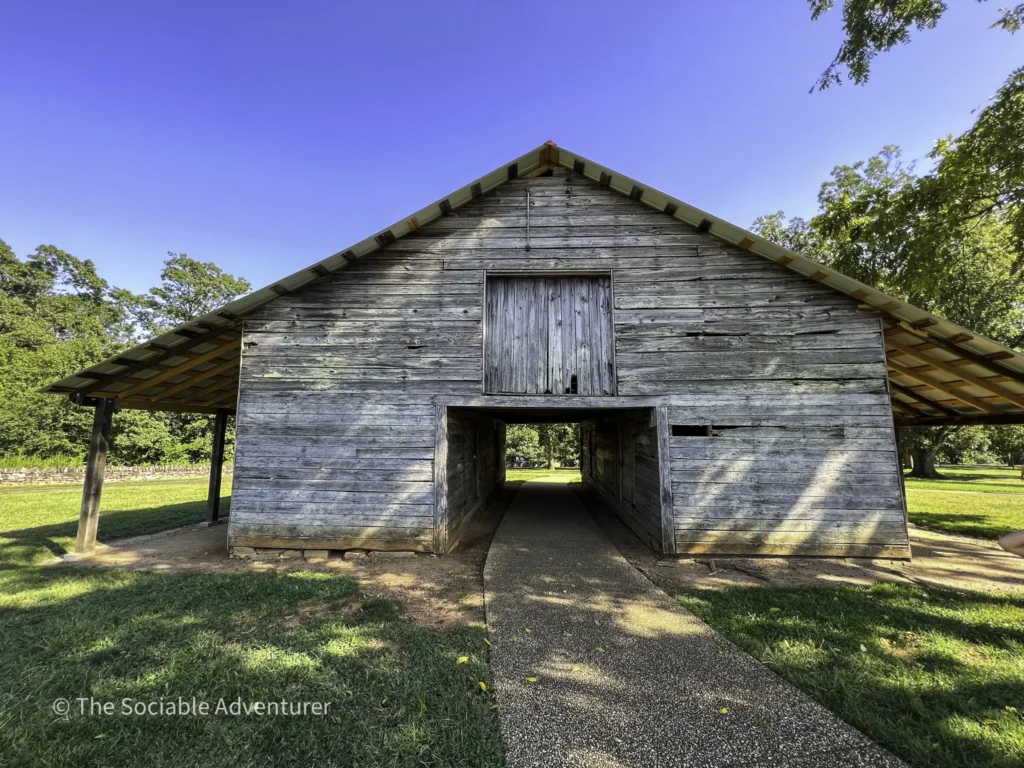
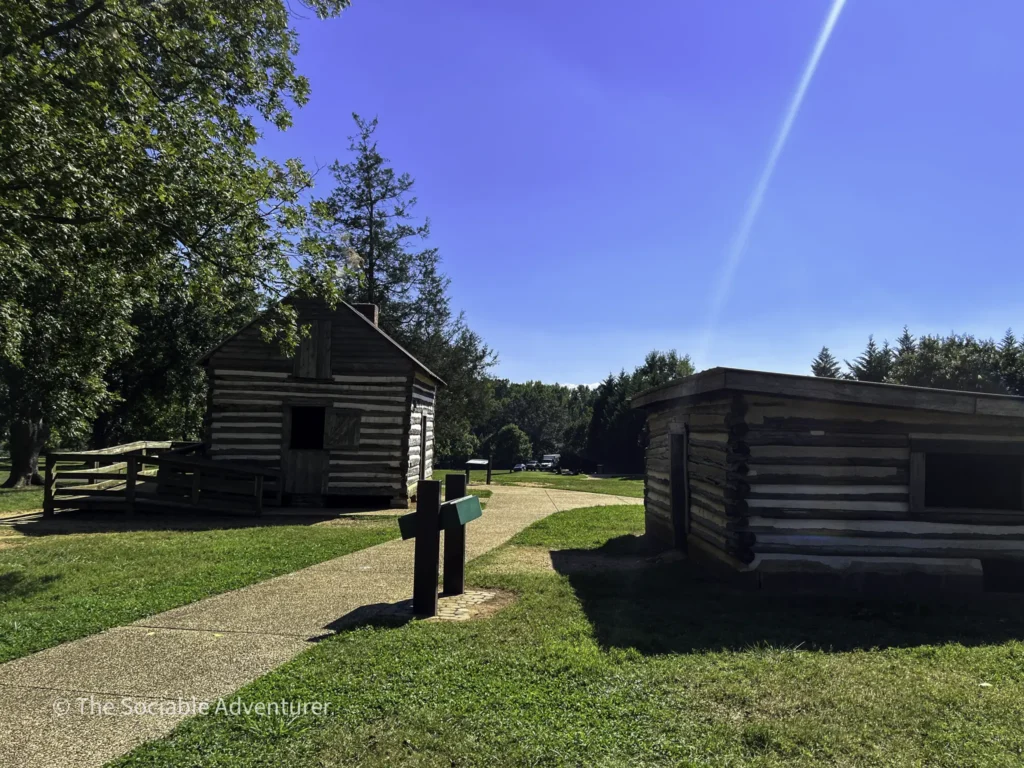
The restored farm buildings further anchor the historical experience. The park preserves the original farm structures on-site, giving visitors access to buildings that once functioned as a working farm before the property became a public park. Combined with the pecan grove, the farm buildings offer a genuinely distinctive historical experience within a 117-acre public park landscape — closer to living history than typical recreational trail infrastructure.
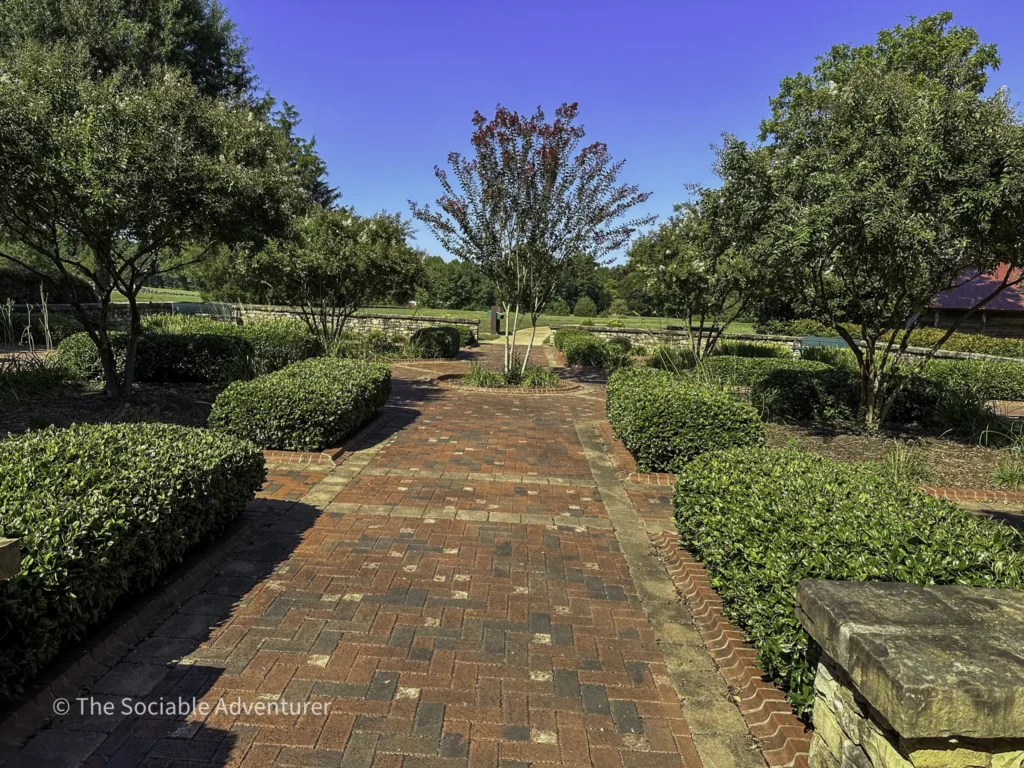
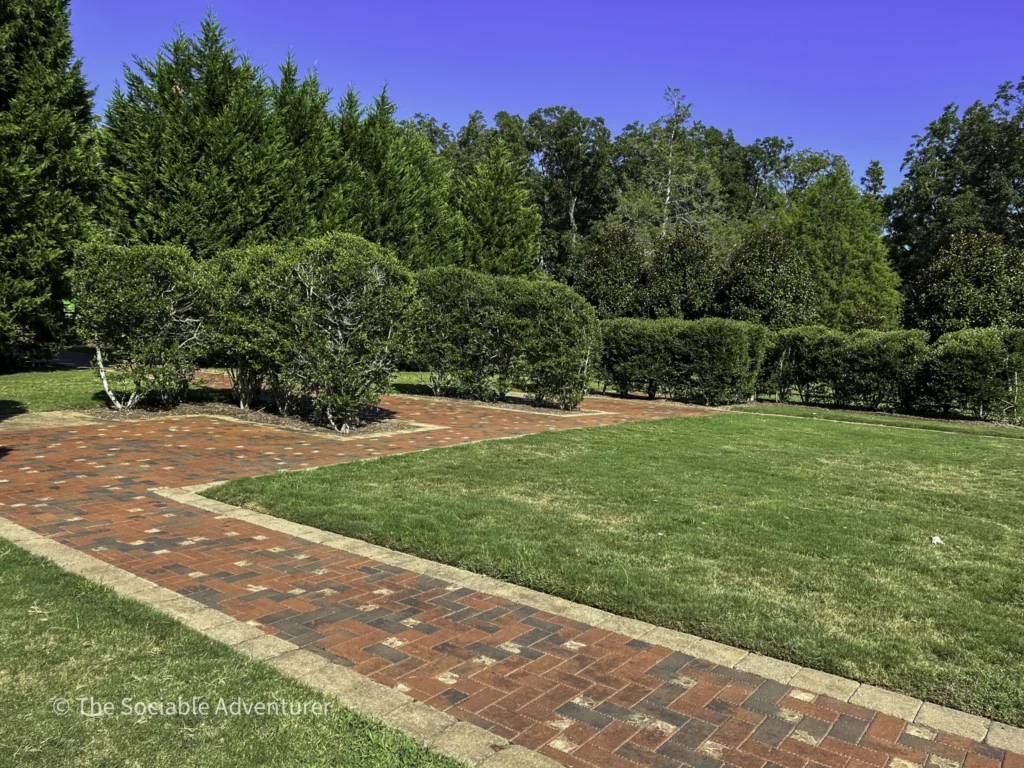
The Walker Garden — named after the previous farm owners — extends that heritage-focused framing. The garden functions as both a formal landscaped space and an interpretive tribute to the family whose farm eventually became the park.
Three Miles of Paved Trails, the Amphitheater, and Architectural Features
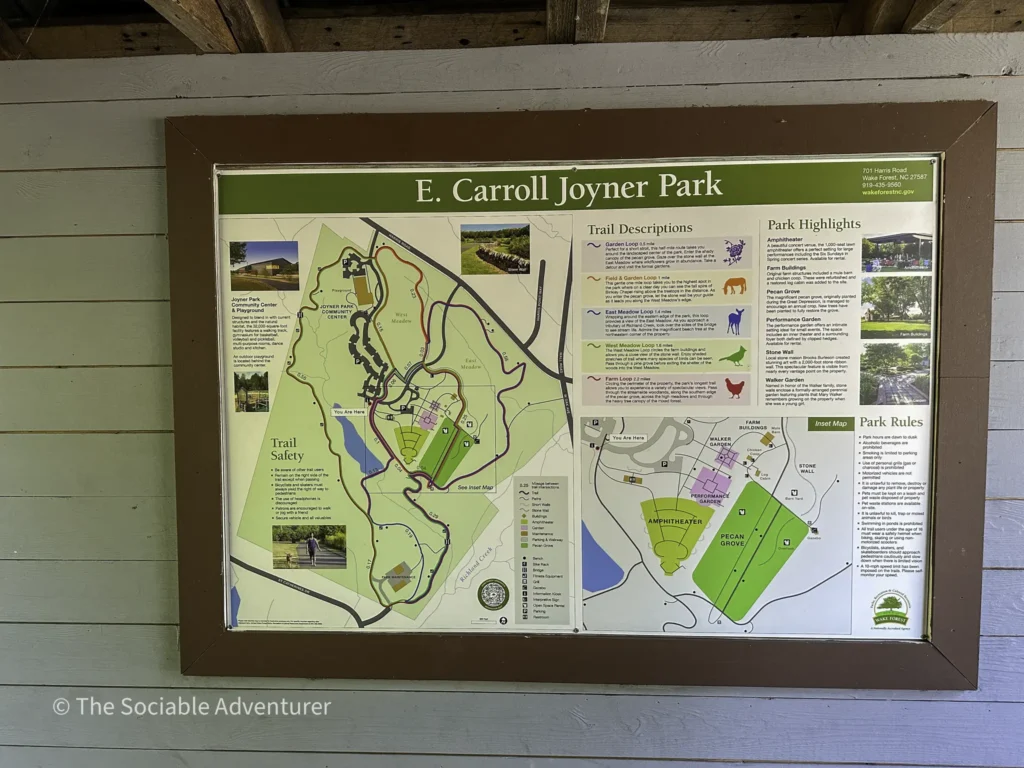
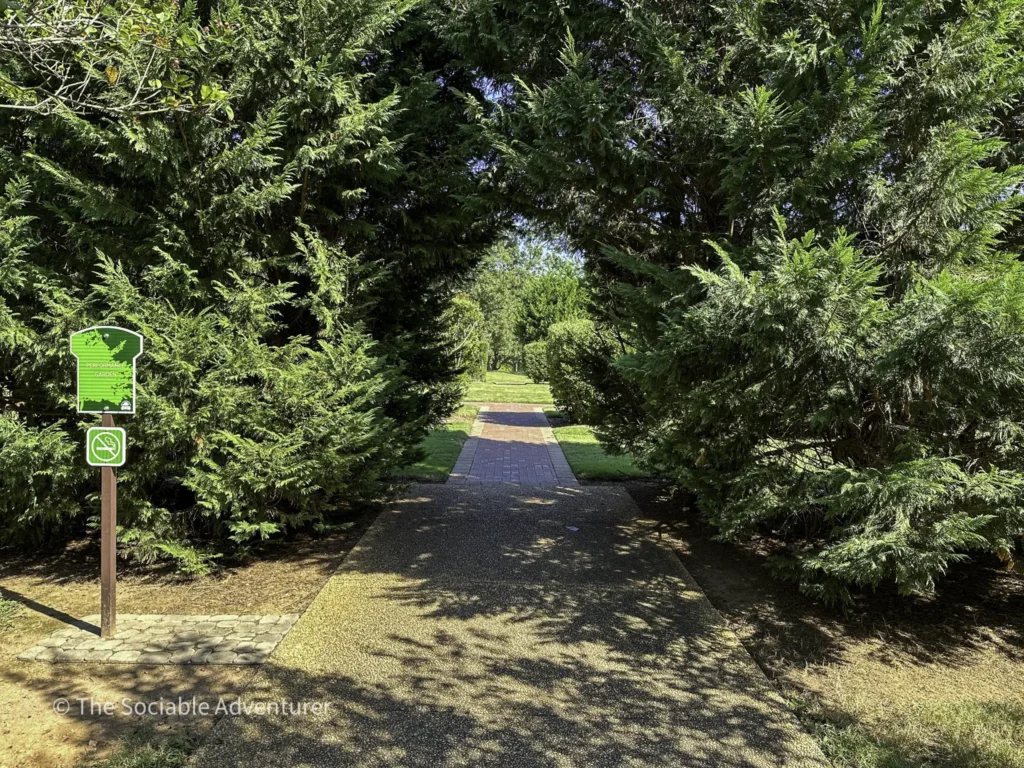
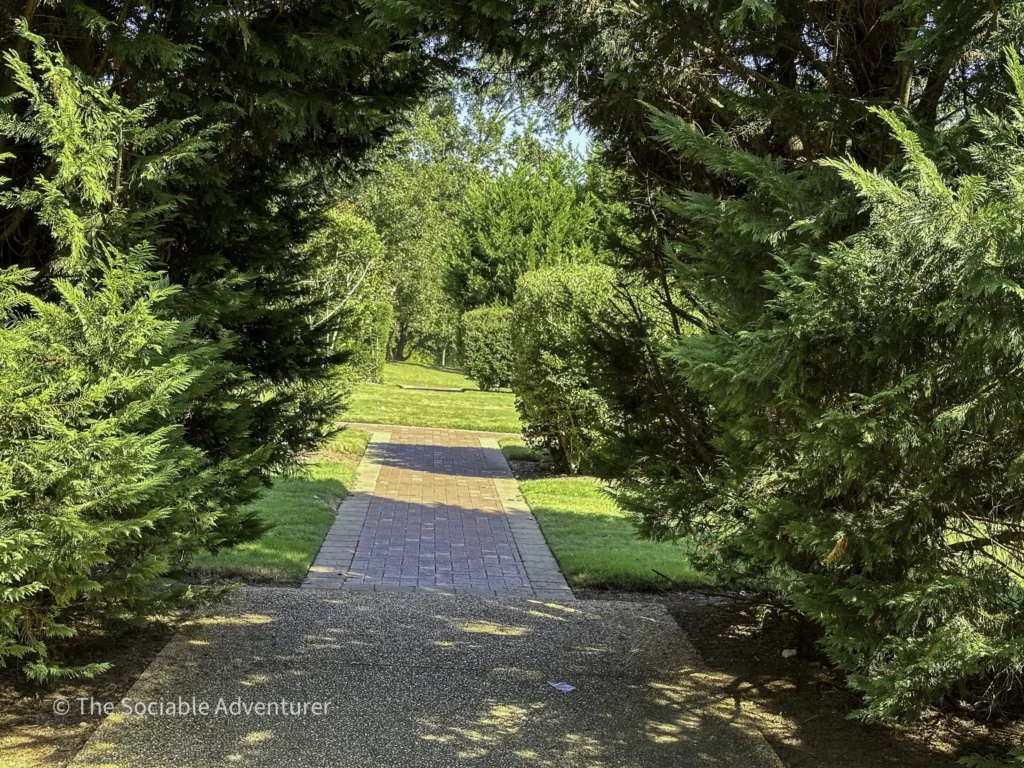
Beyond the historical elements, E. Carroll Joyner Park offers substantial modern recreational and cultural infrastructure. Three miles of paved trails wind through the park’s varied landscapes — connecting the farm buildings, pecan grove, gardens, and open meadow spaces in a walkable network suitable for all ages and mobility levels.
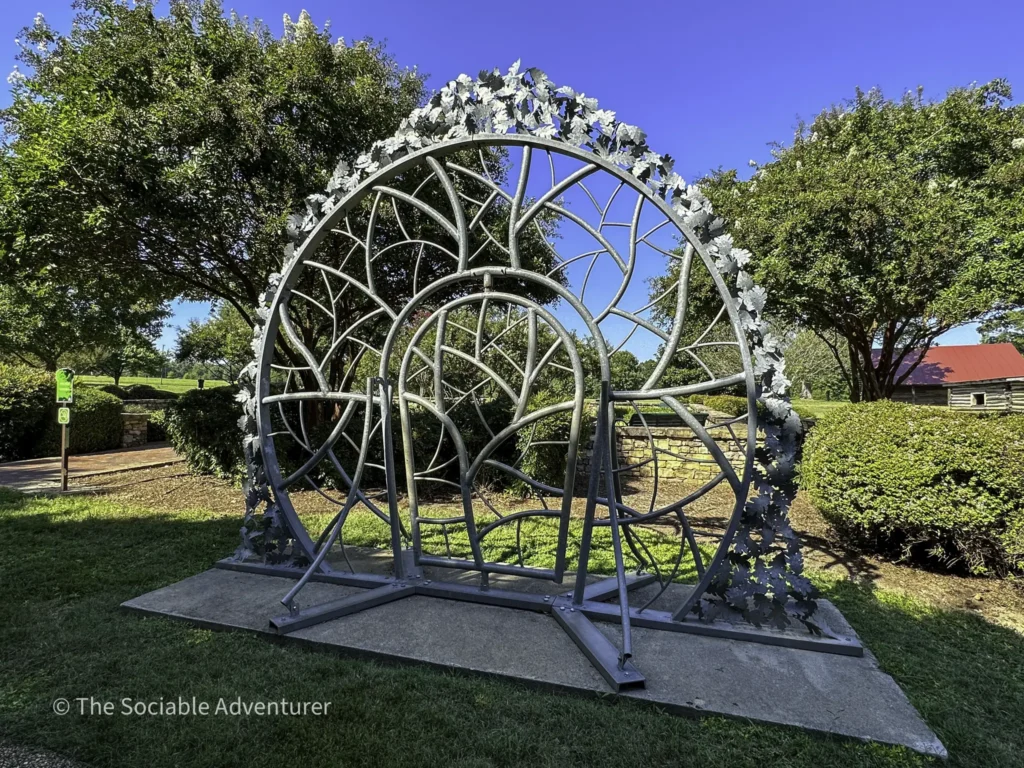
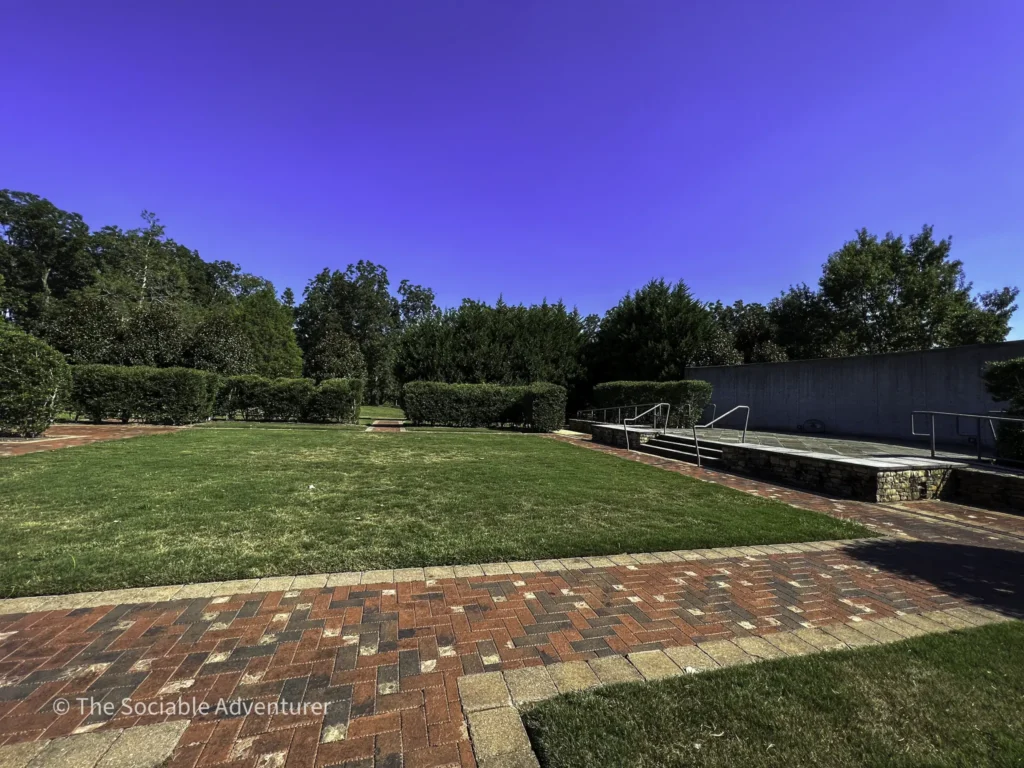
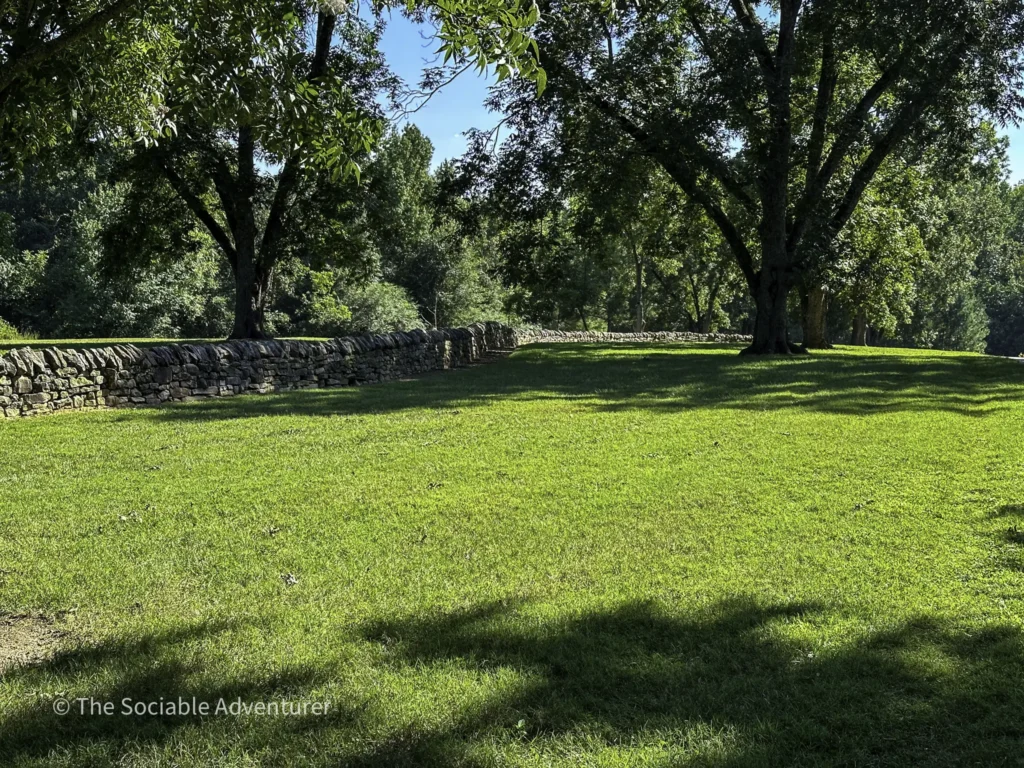
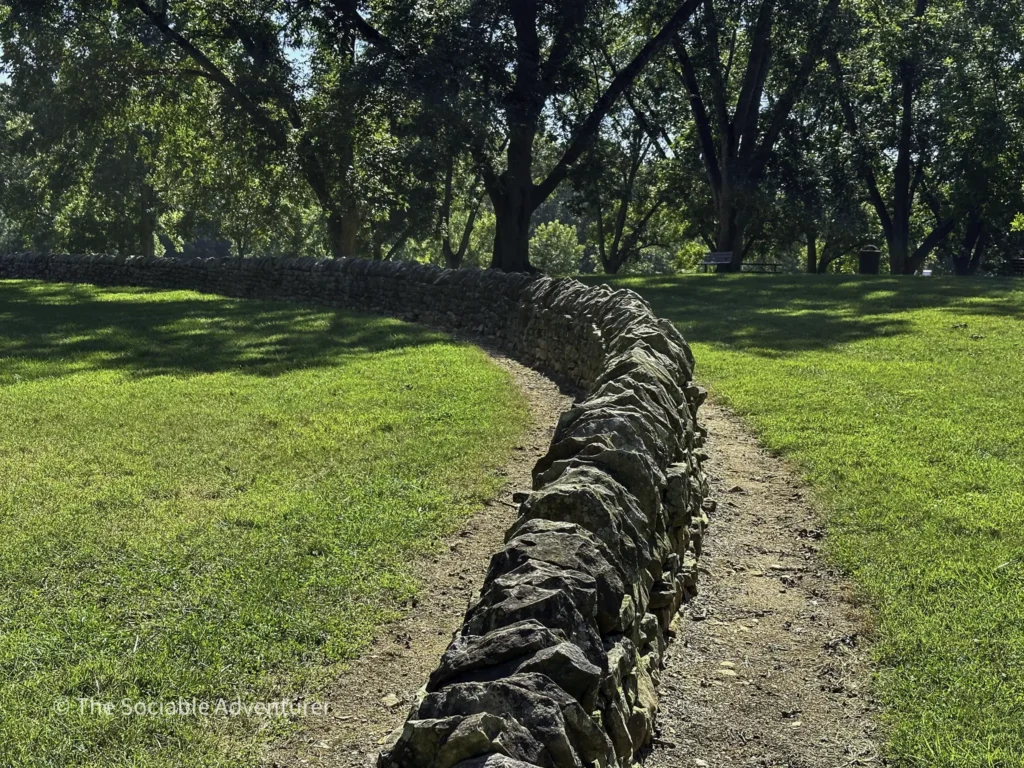
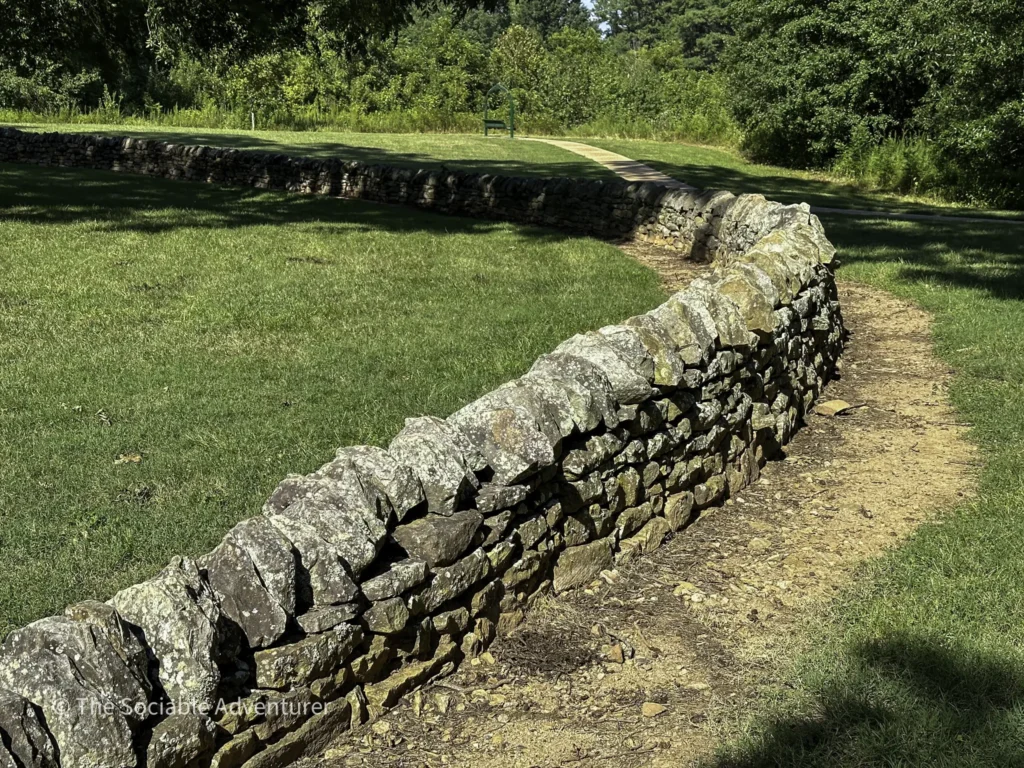
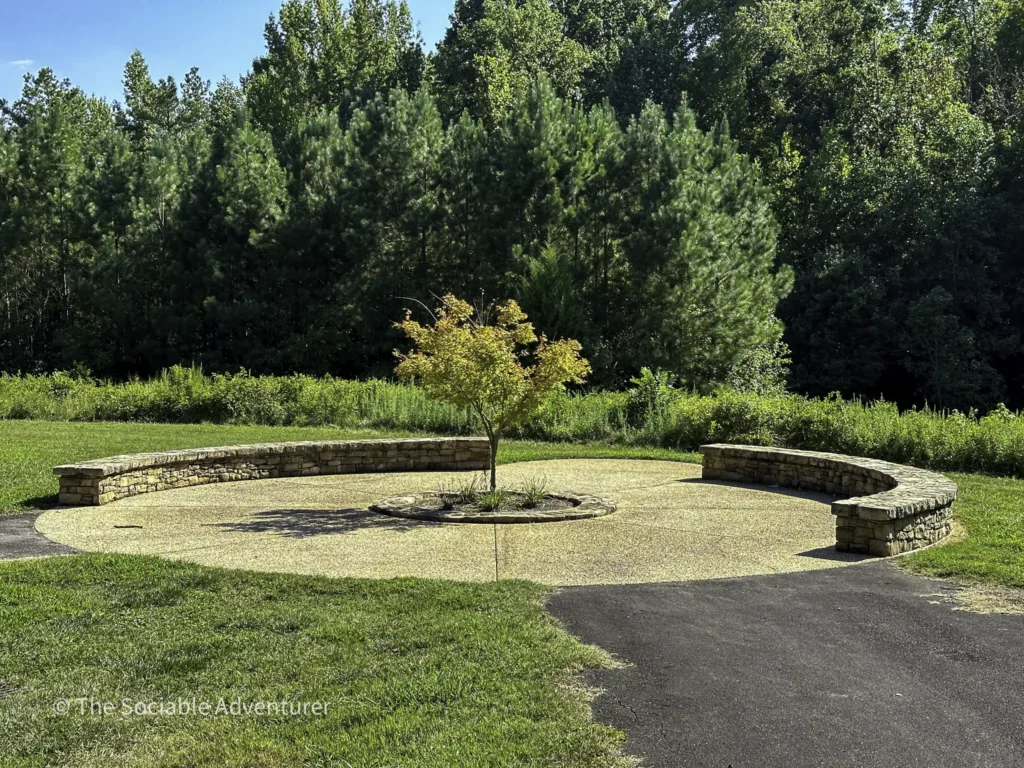
The park’s 1,000-seat amphitheater is one of Wake Forest’s most active outdoor performance venues — hosting concerts, community events, and cultural programming throughout the warmer months. Alongside the amphitheater, a performance garden and a distinctive stone ribbon wall give the park’s cultural infrastructure a genuinely designed character, blending recreational and educational spaces with visual architectural interest.
Good to Know
- Location: Wake Forest, NC
- Size: 117 acres
- Historic anchor: Preserved farm site with restored farm buildings, Walker Garden (named after previous farm owners), and a pecan grove planted during the Great Depression
- Trails: Three miles of paved trails suitable for all ages and mobility levels
- Amphitheater: 1,000-lawn-seat amphitheater hosting concerts, community events, and cultural programming
- Architectural features: Performance garden and stone ribbon wall giving the park a distinctive designed character
- Hours: Check the Town of Wake Forest website for current park hours (typically sunrise to sunset)
- Best for: Families with children, walkers of all mobility levels, history enthusiasts curious about the site’s Great Depression-era farming heritage, amphitheater concertgoers, and Wake Forest residents building weekend traditions around the park’s varied landscapes
- Pair with: A trip to the sprawling Falls Lake State Recreation Area just north of town for full lake-based hiking, boating, fishing, and camping recreation, plus a broader Wake Forest day exploring the historic White Street downtown and the Wake Forest Farmers Market
A Wake Forest Highlight
E. Carroll Joyner Park is the kind of stop that stays with you for the historic pecan grove alone. Walking through a stand of pecan trees planted during the Great Depression — nearly a century of quiet growth reflecting the resilience of Wake Forest farmers navigating one of the hardest economic periods in American history — offers a genuinely rare kind of temporal connection that few other Wake County parks can match.
The broader park rounds out the experience. Between the restored farm buildings, the Walker Garden, the three miles of paved trails, the 1,000-seat lawn amphitheater, and the distinctive stone ribbon wall and performance garden architecture, E. Carroll Joyner Park works equally well as a quiet weekend walk, an evening concert destination, or an educational visit into the agricultural history of the Wake Forest area. It’s one of the most consistently rewarding in-town parks anywhere in the immediate Triangle region.

Resources
E. Carroll Joyner Park Website
Location
Social Media
@thesociableadventurer E. Carroll Joyner Park, located in Wake Forest, North Carolina, spans 117 acres and is a beautiful blend of natural beauty and historical preservation. The park offers various amenities, including a 1,000-lawn-seat amphitheater and the Walker Garden, named after the previous farm owners. Visitors can explore restored farm buildings, walk through a historic pecan grove planted during the Great Depression, or enjoy nature along three miles of paved trails. The park's design, featuring a performance garden and a stone ribbon wall, seamlessly combines recreational facilities with educational opportunities, allowing visitors to connect with the area's rich agricultural past and diverse ecosystem. https://thesociableadventurer.com/e-carroll-joyner-park/ #WakeForestNC #WakeForest #WakeCounty #WakeCountyNC #VisitNC #CelebratingNC #discover_carolinas #discoverNC #bestofthetarheelstate #NC #NorthCarolina #Adventure #Discover #Explore #TheSociableAdventurer #PiedmontNC #Piedmont #NCTown #NCCity #NCHistory #ParksandRecreation #greattrailsstate #greattrailsnc #Hiking #History #Trails #Agriculture ♬ Misery – Michigander
E. Carroll Joyner Park, located in Wake Forest, North Carolina, spans 117 acres and is a beautiful blend of natural beauty and historical preservation. The park offers various amenities, including a 1,000-lawn-seat amphitheater and the Walker Garden, named after the previous farm… pic.twitter.com/2Mpc7W1Kp6
— The Sociable Adventurer (@TheSociableAdv) August 28, 2024

Your Complete Guide to Hiking Trails at Elk Knob State Park
Elk Knob State Park is one of North Carolina’s most rewarding mountain destinations — a 4,400-…

A Complete Guide to the Trails at Carolina Beach State Park
Tucked along the Cape Fear River on Pleasure Island, Carolina Beach State Park is one of southeaster…

The Complete Guide to Hiking Trails in Lansing, NC
Set in the rolling hills of Ashe County, just a stone’s throw from the Virginia and Tennessee …

Exploring Ashe County Park: A Hiker’s Guide to North Carolina’s Mountain Gem
If you’re searching for the best hiking trails at Ashe County Park in North Carolina, you̵…

Mountain Masterpieces: A Guide to the Ben Long Frescoes of Ashe County
In the quiet corners of Ashe County, where the Blue Ridge Mountains meet peaceful valleys, thereR…

Granite, Grunts, and Glory: A Day on the Stone Mountain Loop Trail
The Stone Mountain Loop Trail is the signature hike at Stone Mountain State Park in North Carolina —…