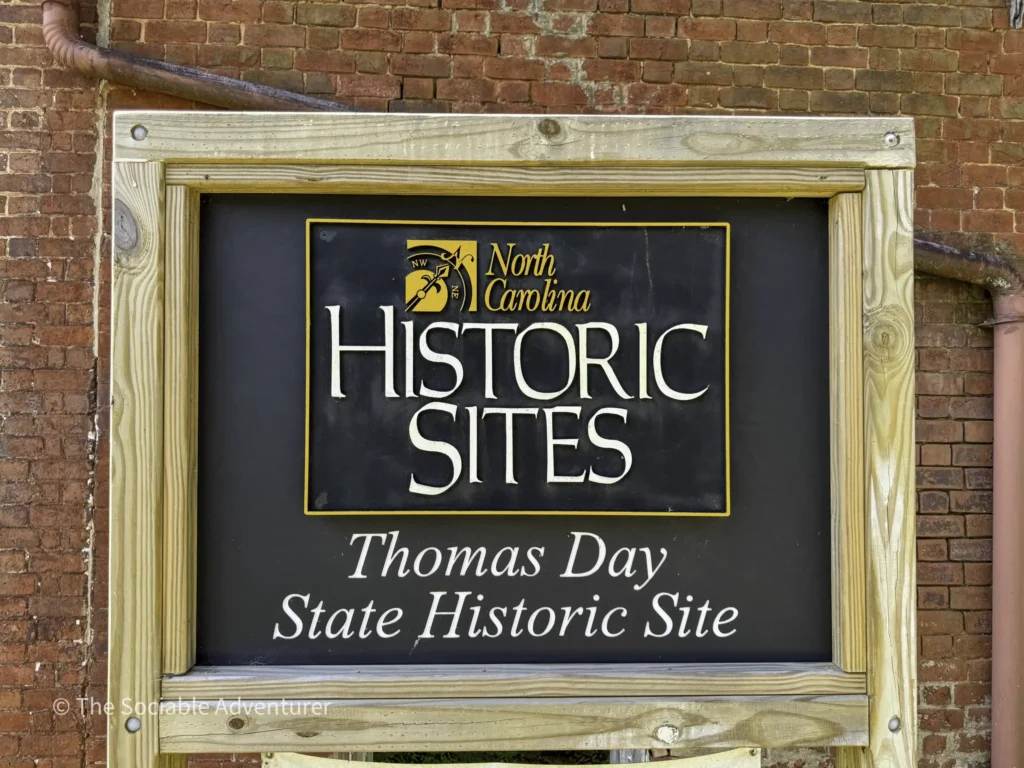
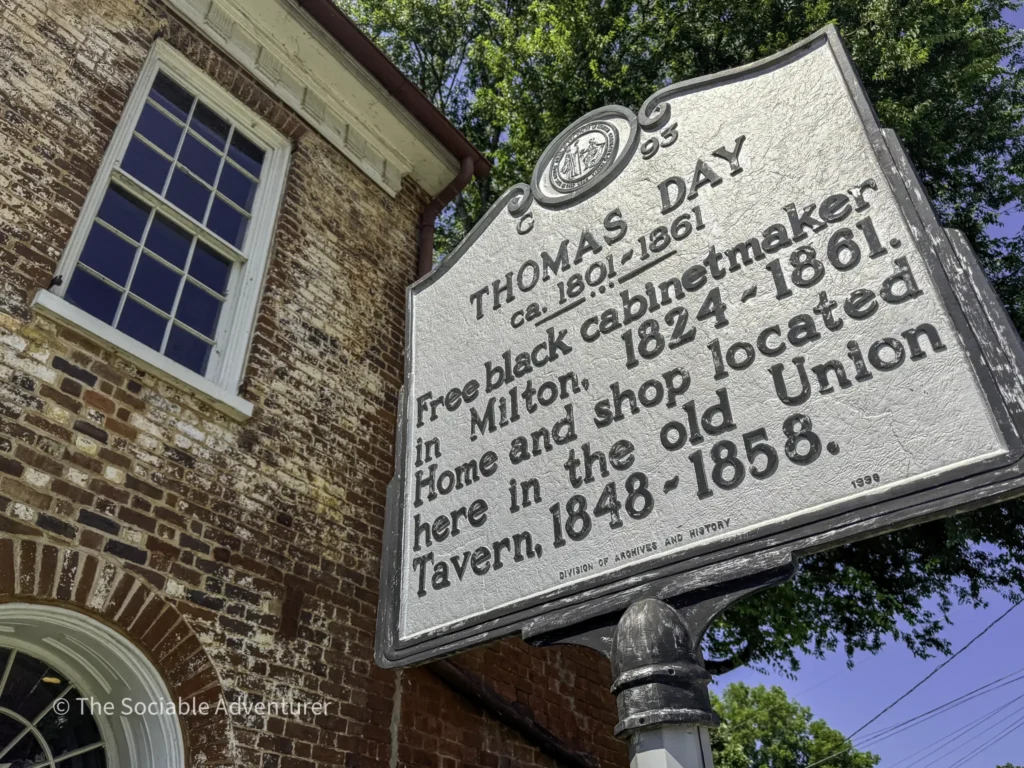
For one of the most extraordinary stories in early American history, the Thomas Day State Historic Site in Milton, NC is a must-visit. Set in the heart of the Milton Historic District in Caswell County, the site honors the remarkable legacy of Thomas Day — a free Black cabinetmaker who, in the antebellum South, became one of the most celebrated craftsmen and most successful business owners in North Carolina. Housed in the historic Union Tavern, where Day lived and worked from 1848 until his death in 1861, the site officially became North Carolina’s newest State Historic Site in February 2024. Be sure to check out the YouTube video and pictures below to get a feel for the site before you go — or to relive the visit after.
A Master Craftsman in the Antebellum South
Thomas Day was born around 1801 in Dinwiddie County, Virginia, to a family of free, landowning African Americans. His father, John Day, was a skilled cabinetmaker who taught Thomas the trade. Educated by private tutors and apprenticed in his father’s workshop, Day moved to North Carolina with his family in 1817 in response to increasing legal restrictions against free Black people in Virginia. By 1823, he had established his cabinetmaking business in Milton alongside his brother John.
In 1829, Day married Aquilla Wilson, a free Black woman from Halifax County, Virginia. The marriage faced a serious legal hurdle: an 1826 North Carolina law prohibited the immigration of free Black people into the state. When Day threatened to leave North Carolina rather than be separated from his wife, the state legislature passed a special exemption allowing Aquilla to join him — a remarkable testament to the standing Day had already established in the community.
Day’s success only grew from there. By the 1850s, he operated the largest and most productive furniture workshop in North Carolina, catering to some of the state’s wealthiest clientele. He became a major stockholder in the local branch of the North Carolina Bank, sent his children to Wilbraham Academy (now Wesleyan University) in Connecticut, and was accepted into full membership at the predominantly white Milton Presbyterian Church — sitting in a front-pew bench he had himself carved.
It’s also part of the historical record that Day, like many wealthy free Black businessmen of his era, owned enslaved people who worked alongside white apprentices and free Black craftsmen in his workshop — a complex and uncomfortable detail that the site addresses honestly as part of telling his complete story.
The Union Tavern
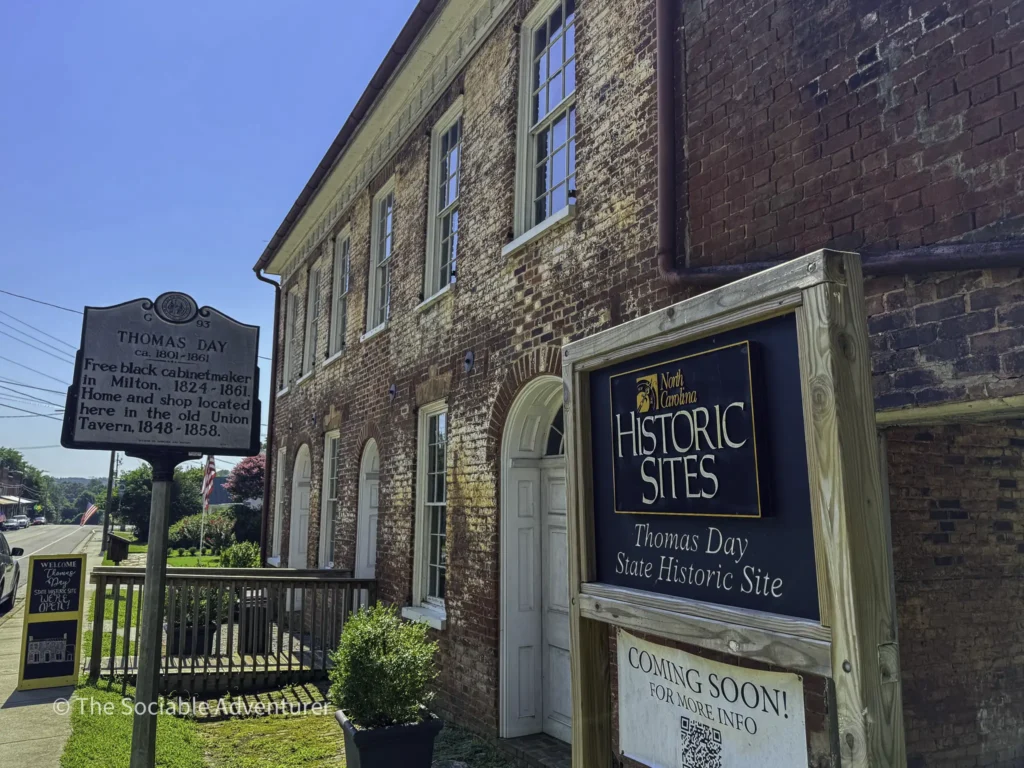
The home of the Thomas Day State Historic Site is the Union Tavern (also known historically as the Yellow Tavern), a federal-style brick building dating to approximately 1818. Originally constructed as a popular stagecoach stop and public house, it was the most significant piece of real estate in Caswell County when Day purchased it in 1848 to serve as his home, workshop, and showroom.
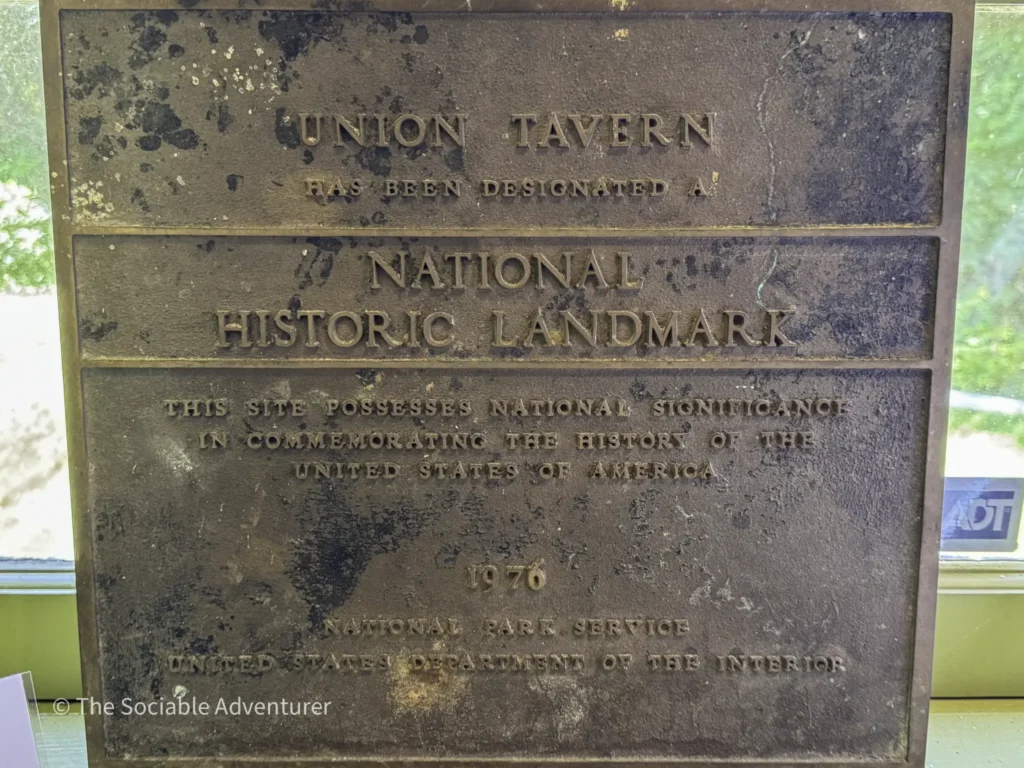
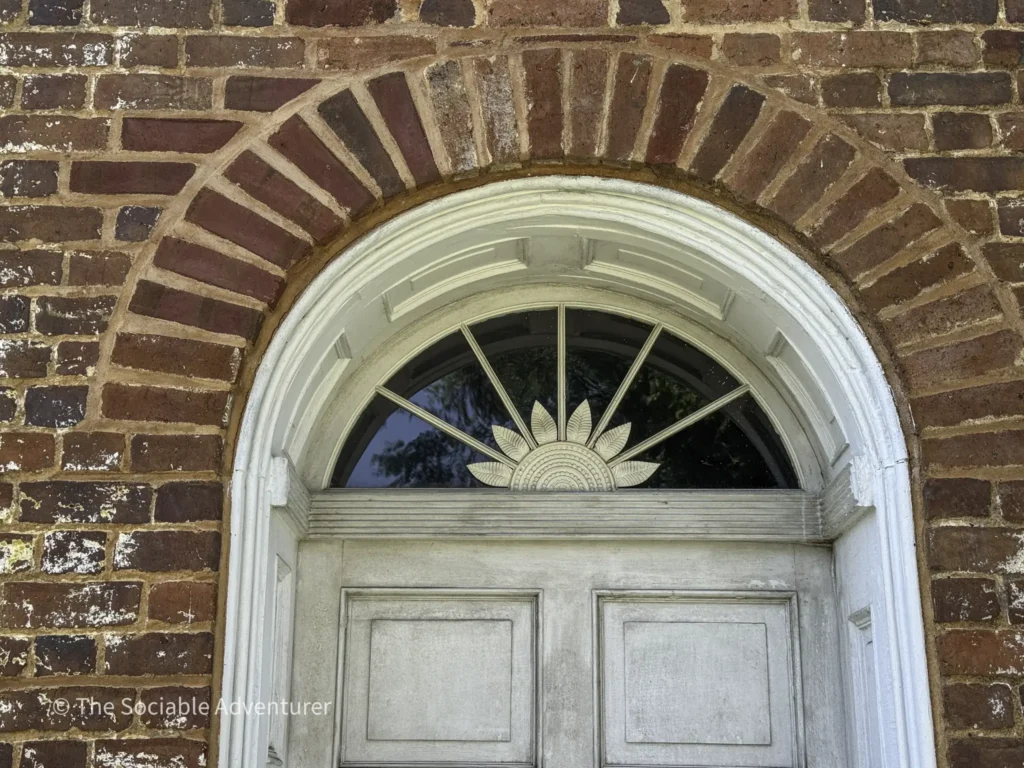
The building’s two-and-a-half-story brick structure, gabled roof, six-bay front facade, and original architectural details still anchor Milton’s main street today. The Union Tavern was designated a National Historic Landmark in 1975, recognizing its significance as both a federal-era stagecoach stop and the workshop of one of the most celebrated American cabinetmakers of the antebellum era. Today, it stands as one of the newest additions to the North Carolina State Historic Sites network — a remarkable collection of preserved homes, battlefields, plantations, and cultural landmarks across the state.
A Distinctive Style and an Enduring Legacy
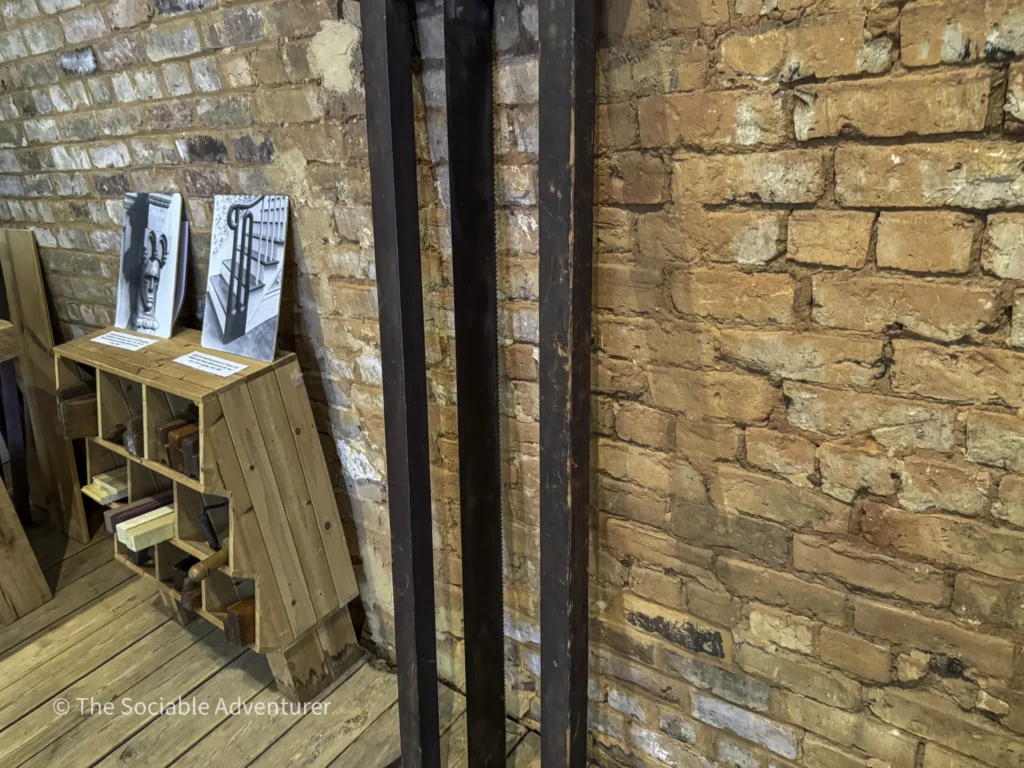
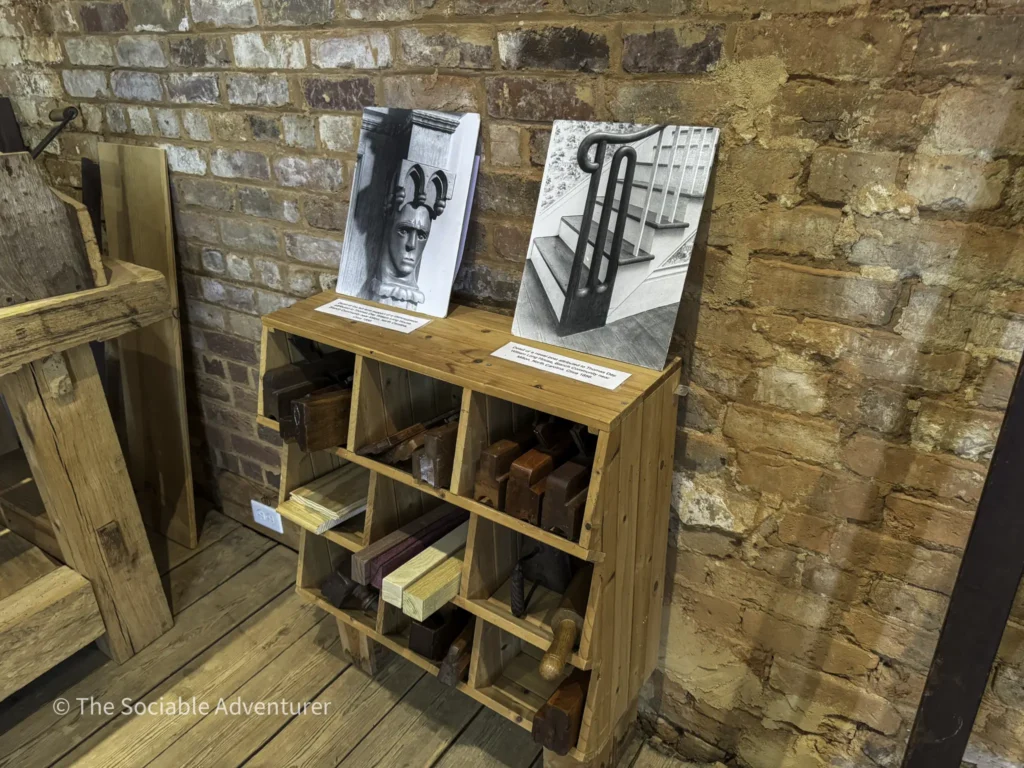
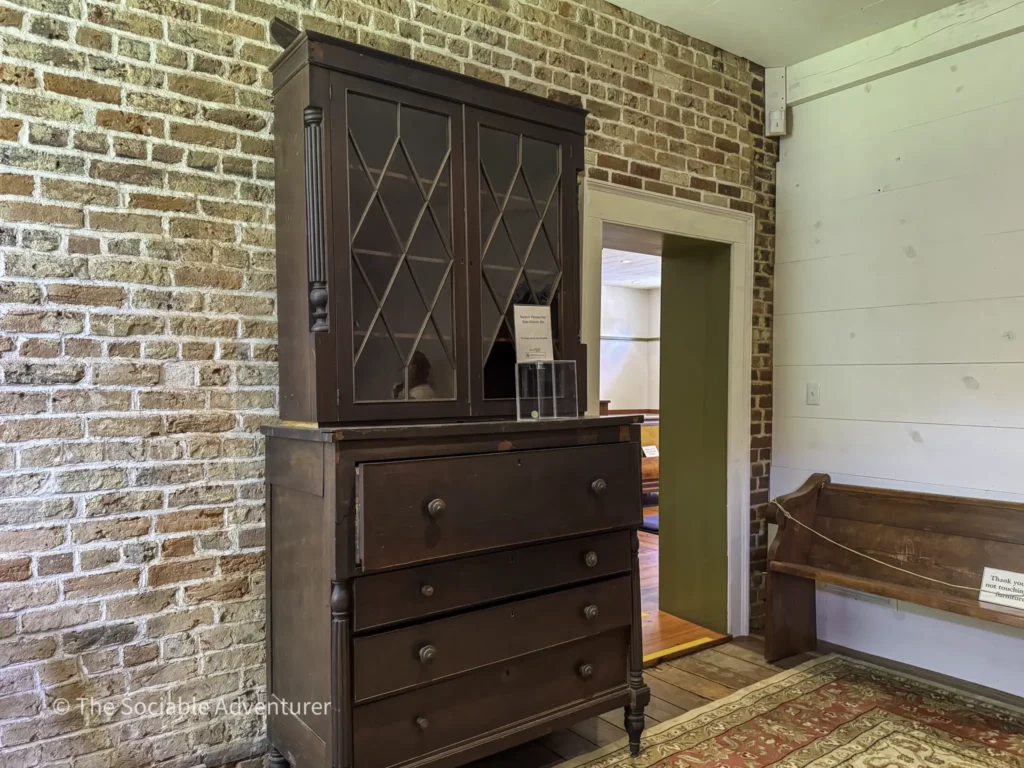
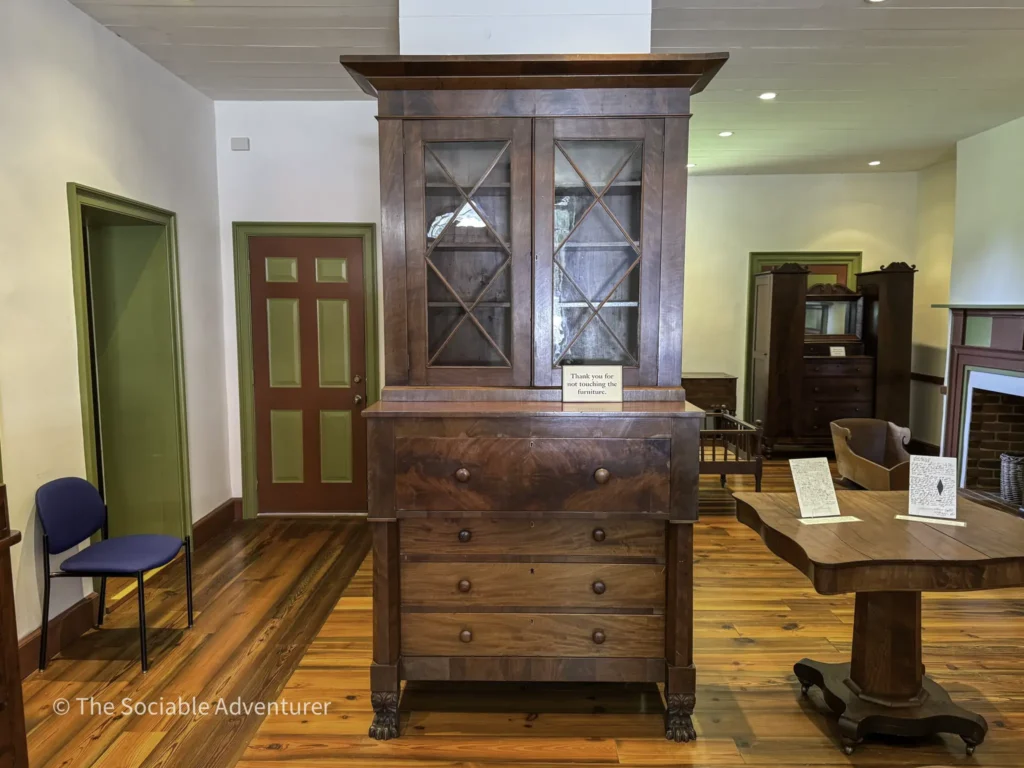
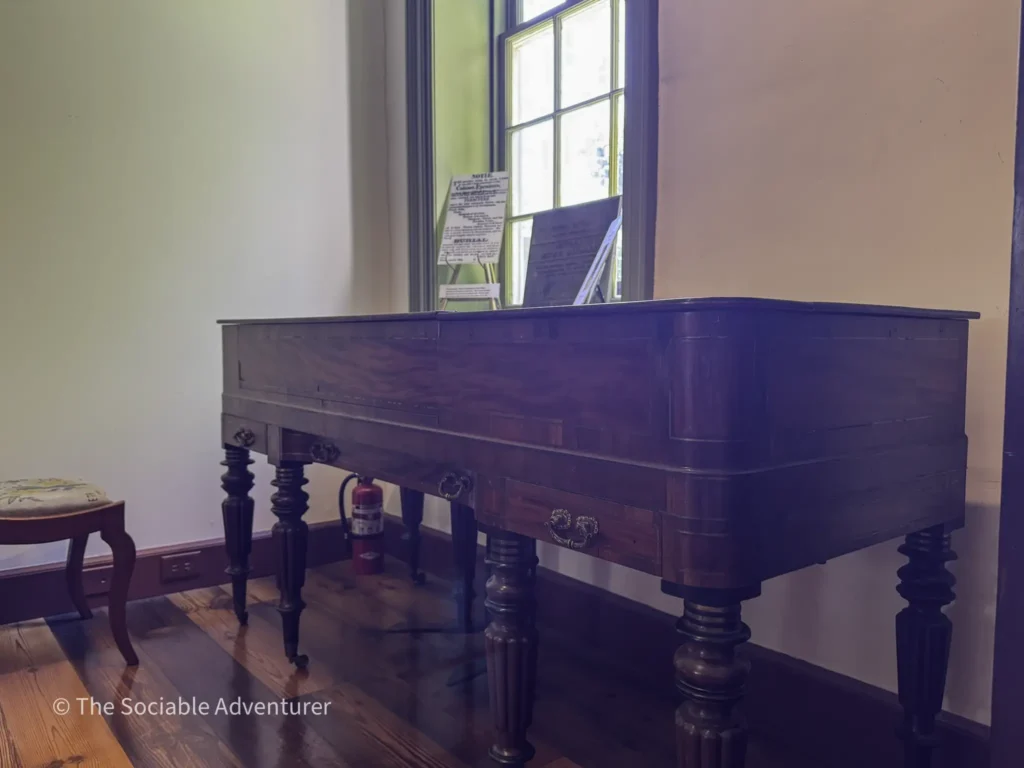
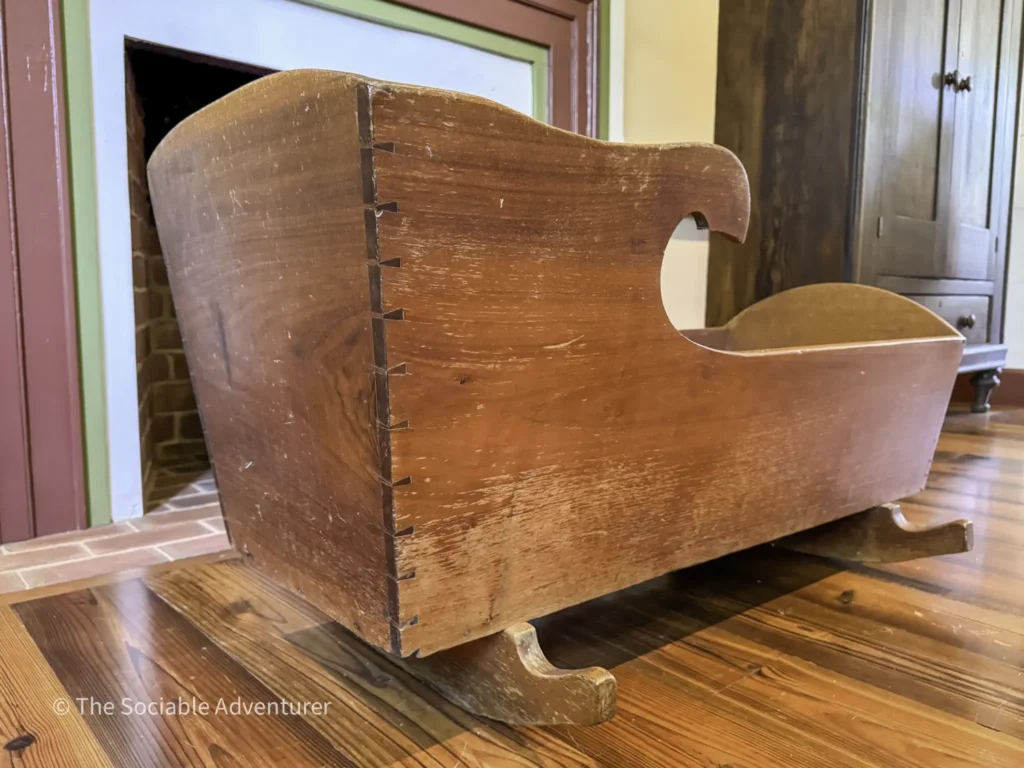
Thomas Day’s furniture is instantly recognizable to those familiar with antebellum Southern decorative arts. His pieces feature undulating shapes, fluid lines, and spiraling forms that combine his own unique motifs with the popular Greek Revival design vocabulary of his era. He is the only documented American cabinetmaker to offer clients both architectural elements for their Greek Revival homes and furniture incorporating the same classical motifs — a remarkable level of design integration.
Day’s influence reaches across North Carolina and Virginia today: about 80 homes in the region contain woodwork attributed to his workshop, and his furniture appears in the permanent collections of the North Carolina Museum of History in Raleigh, the Greensboro Historical Museum, and other major institutions. His pews still seat the congregation at the Milton Presbyterian Church.
Visiting the Site
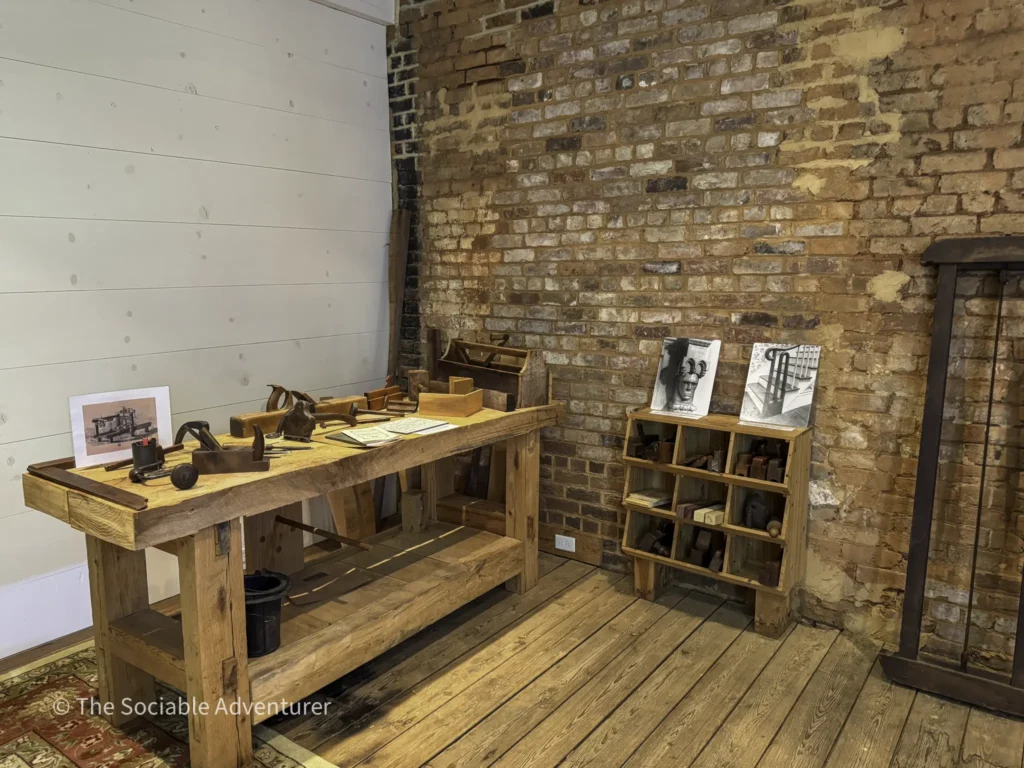
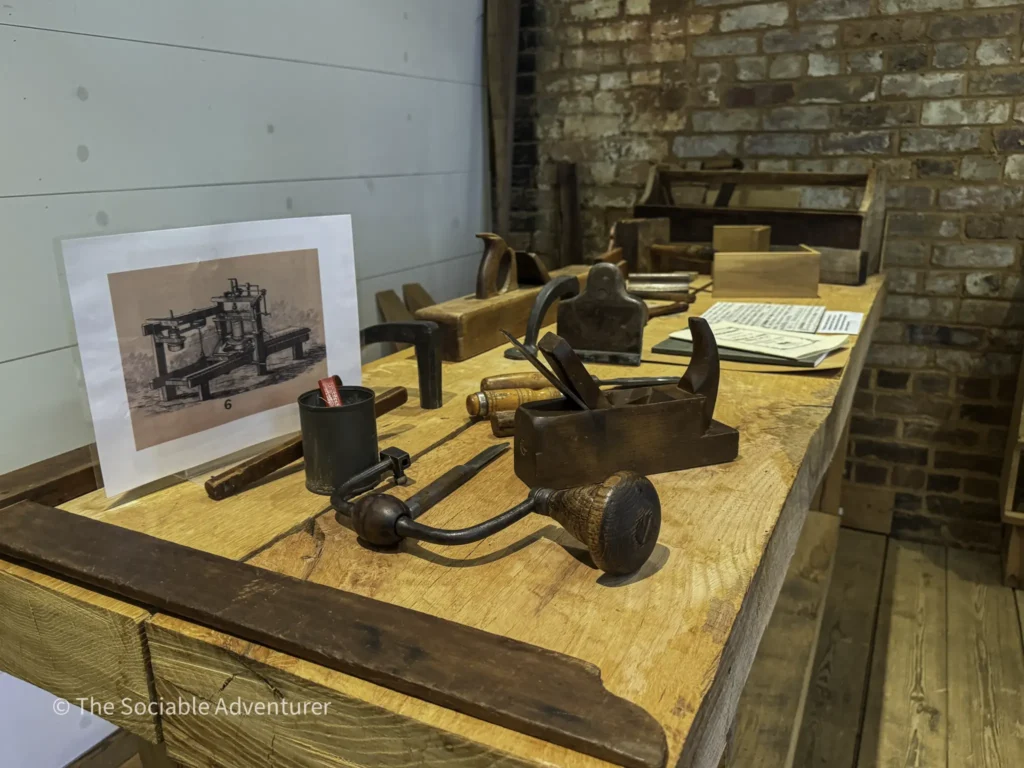
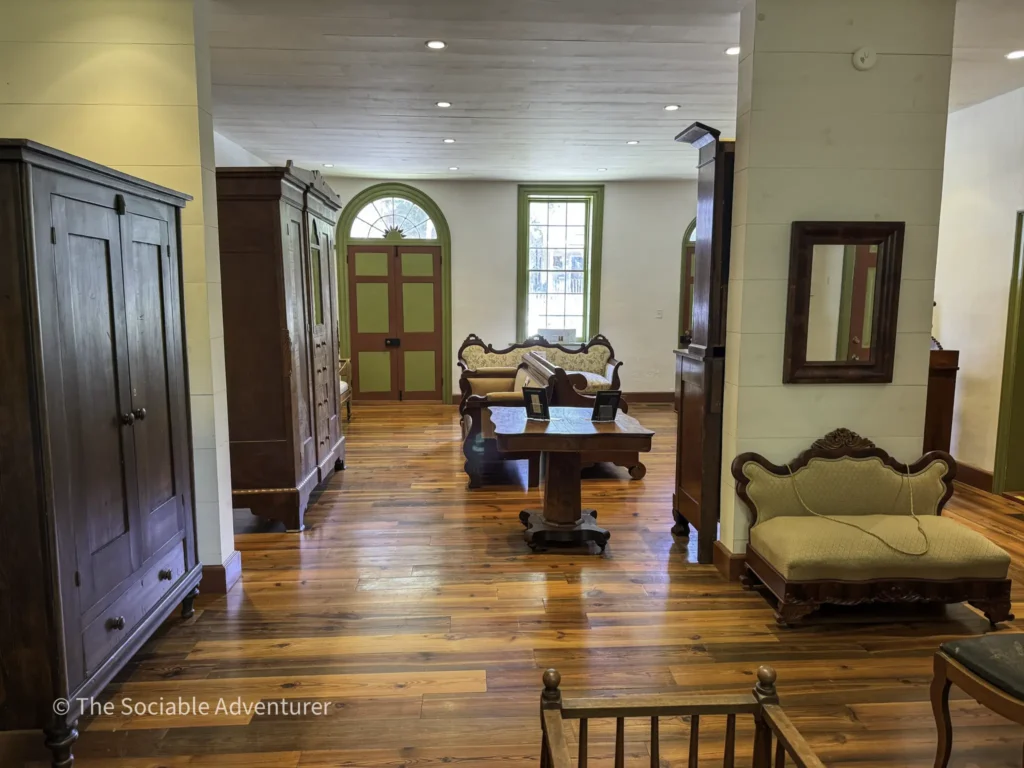
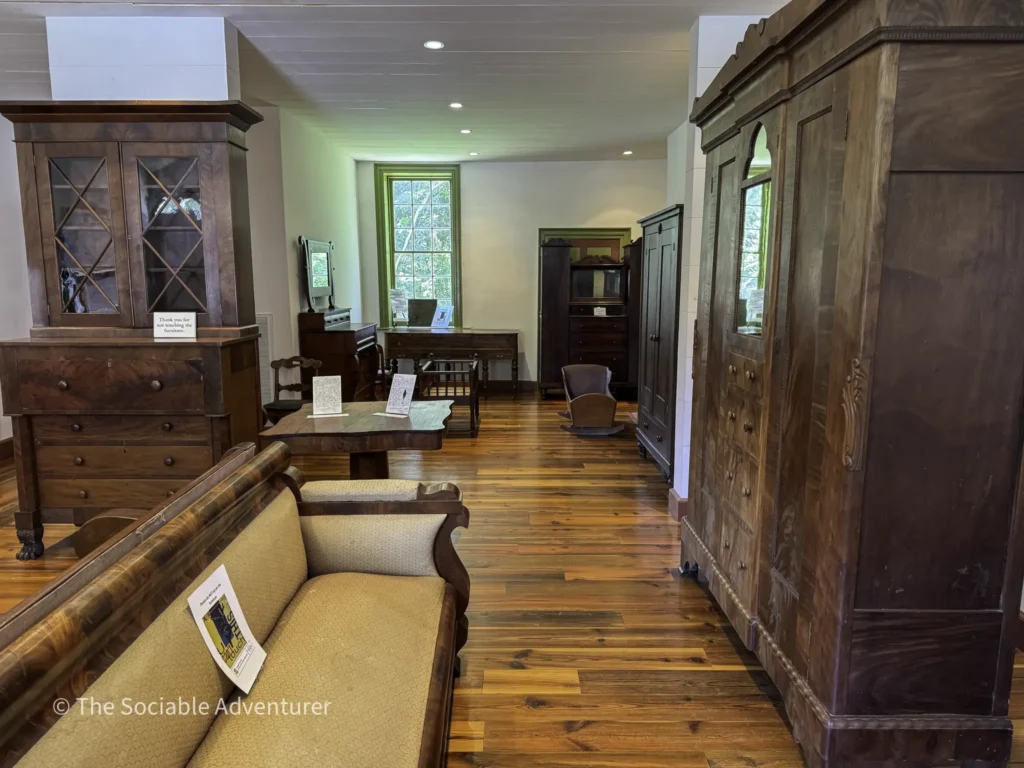
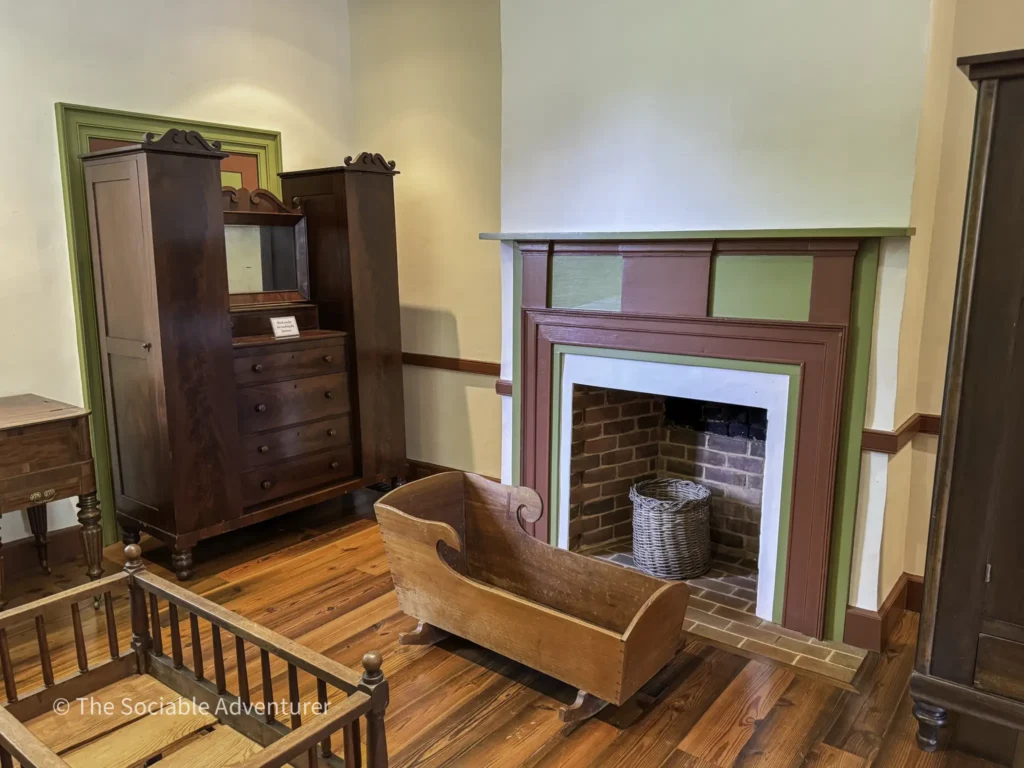
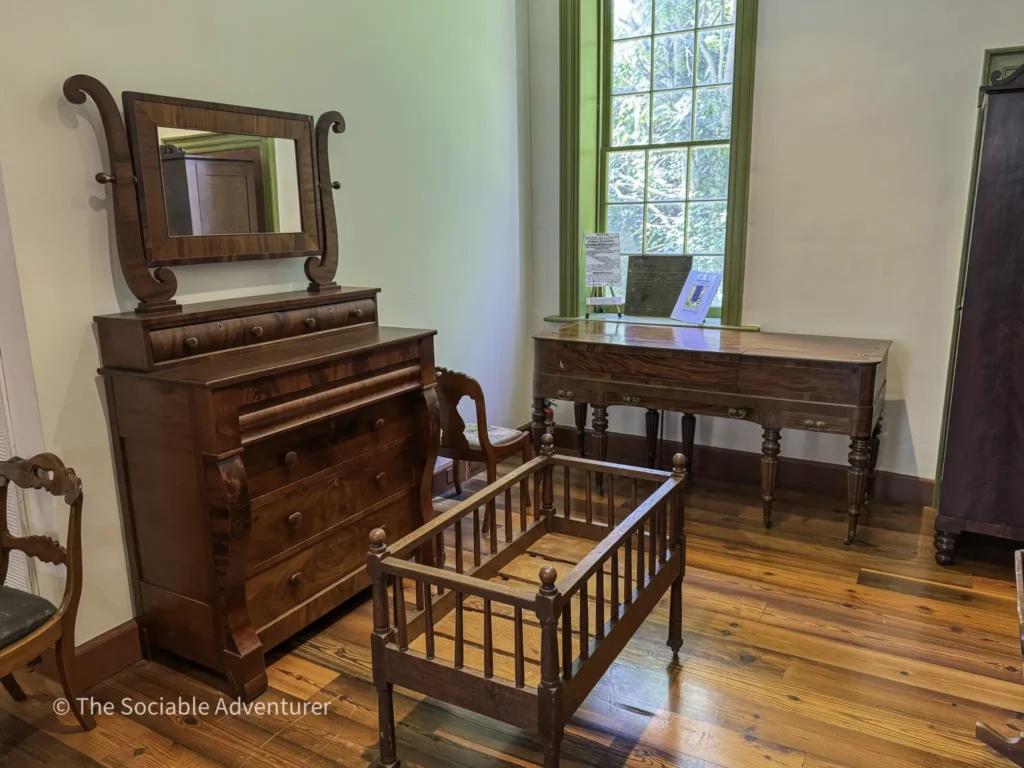
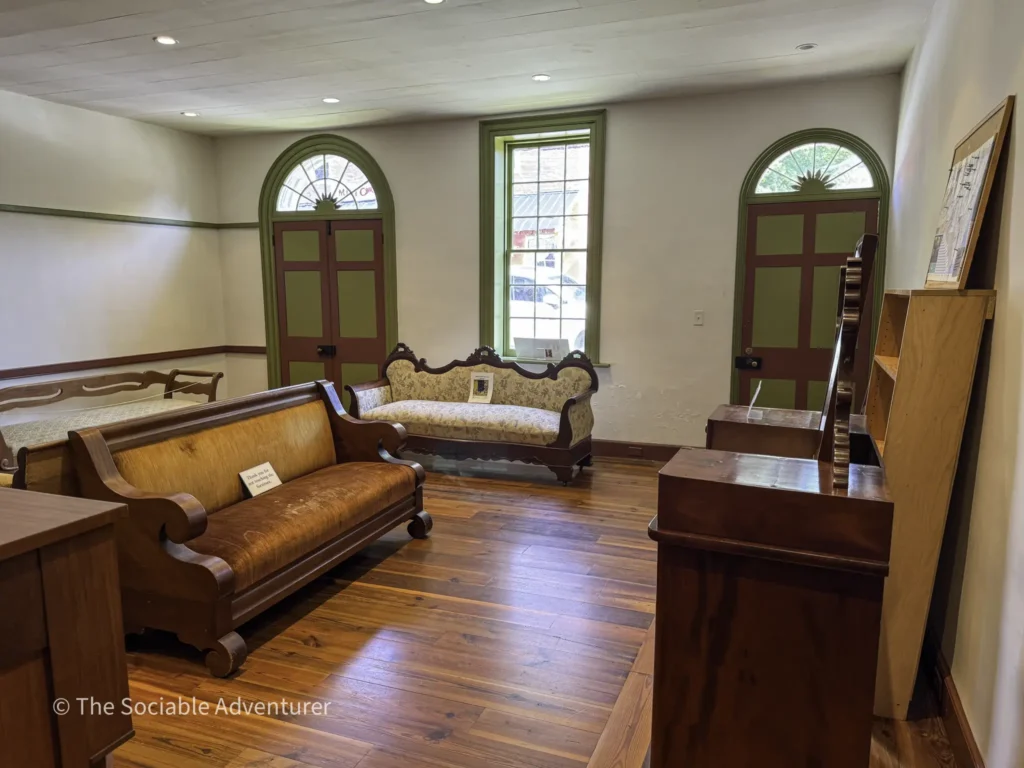
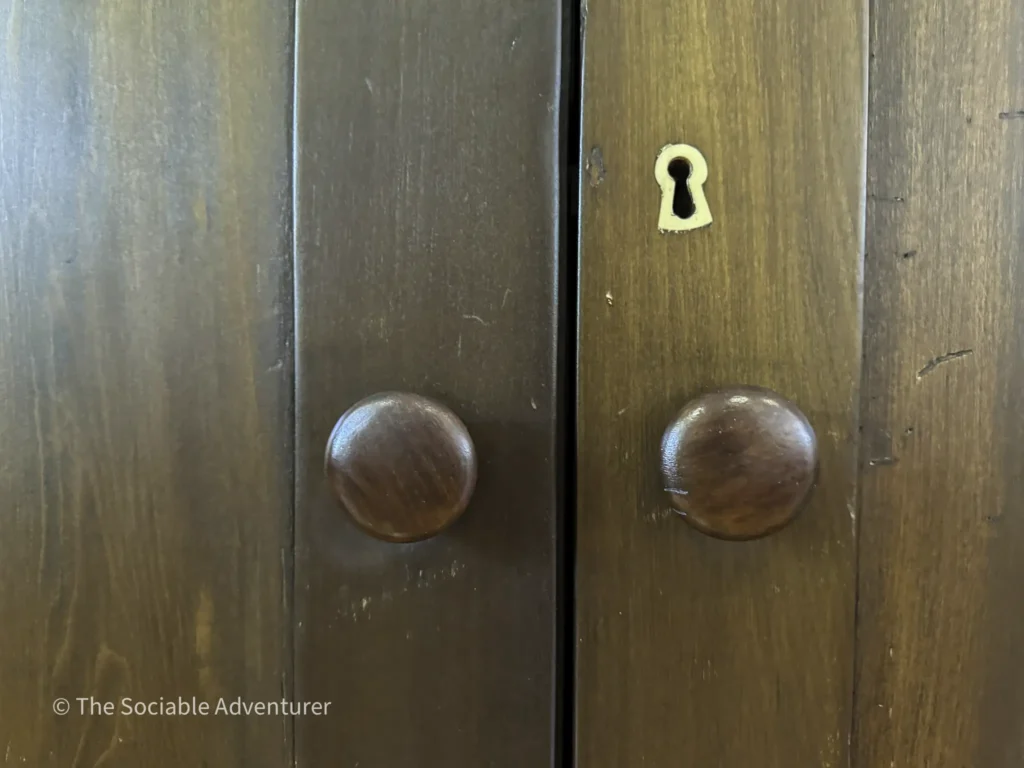
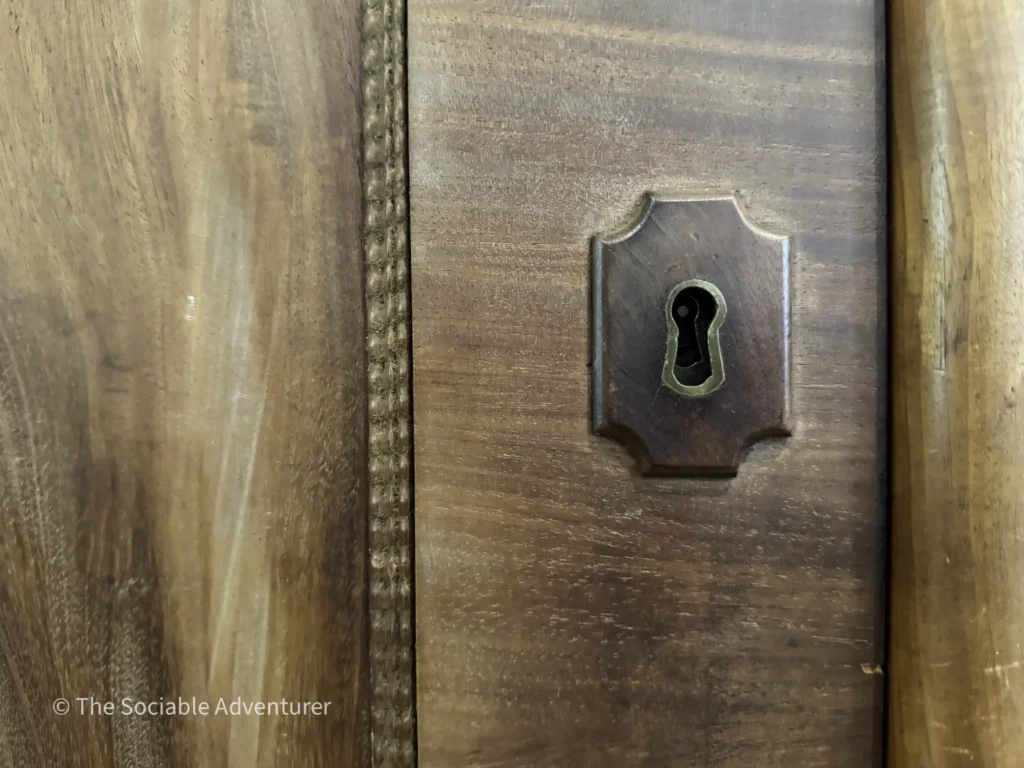
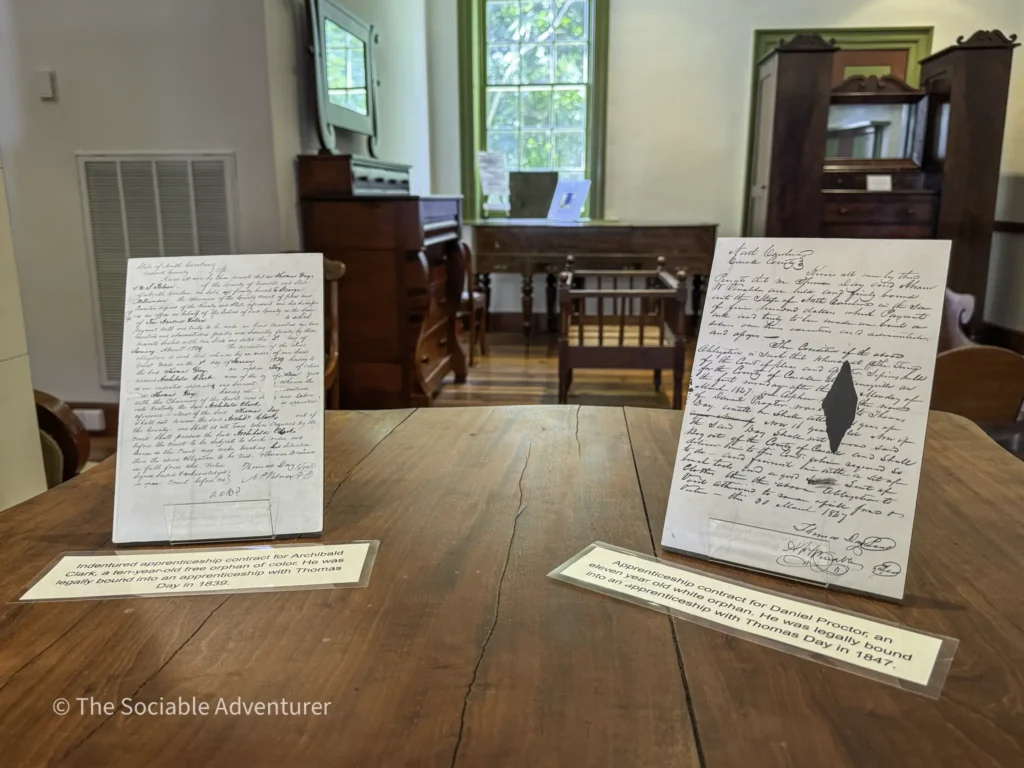
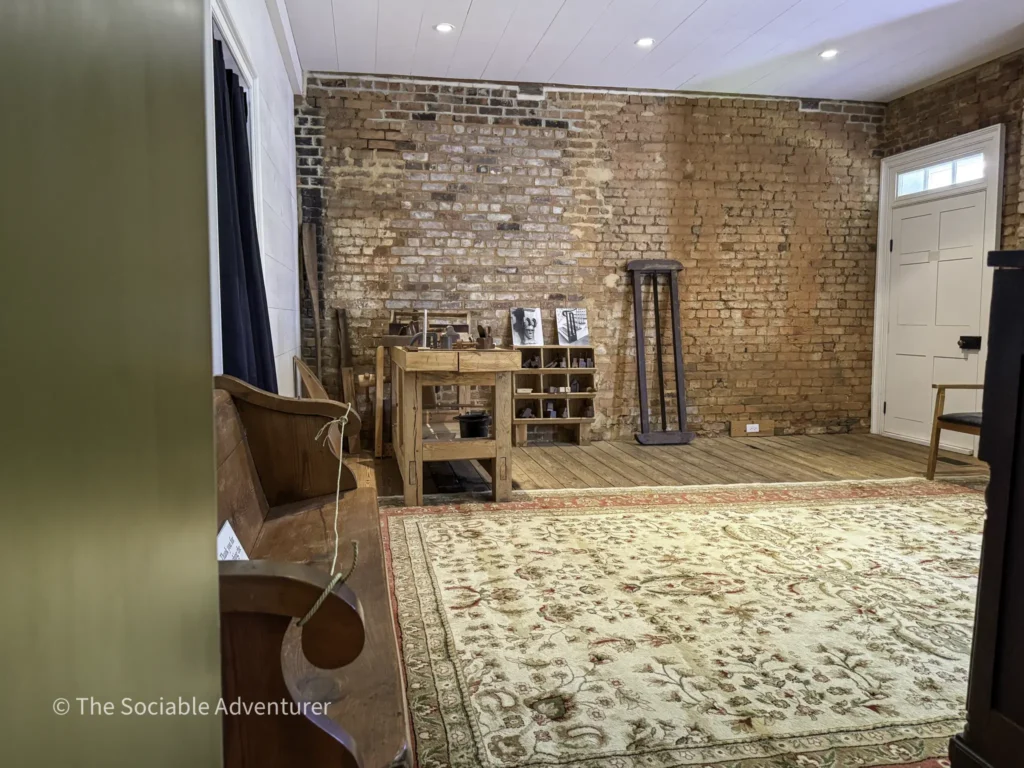
Visitors today can take guided tours featuring examples of Day’s exquisite furniture and architectural woodwork, as well as a replica workbench with period tools, while learning about his life as a respected businessman who built one of the most successful furniture enterprises of his era. The site’s themes — craftsmanship, social history, economic history, education, and the lives of free African Americans in antebellum North Carolina — give visitors a rich, layered understanding of the era.
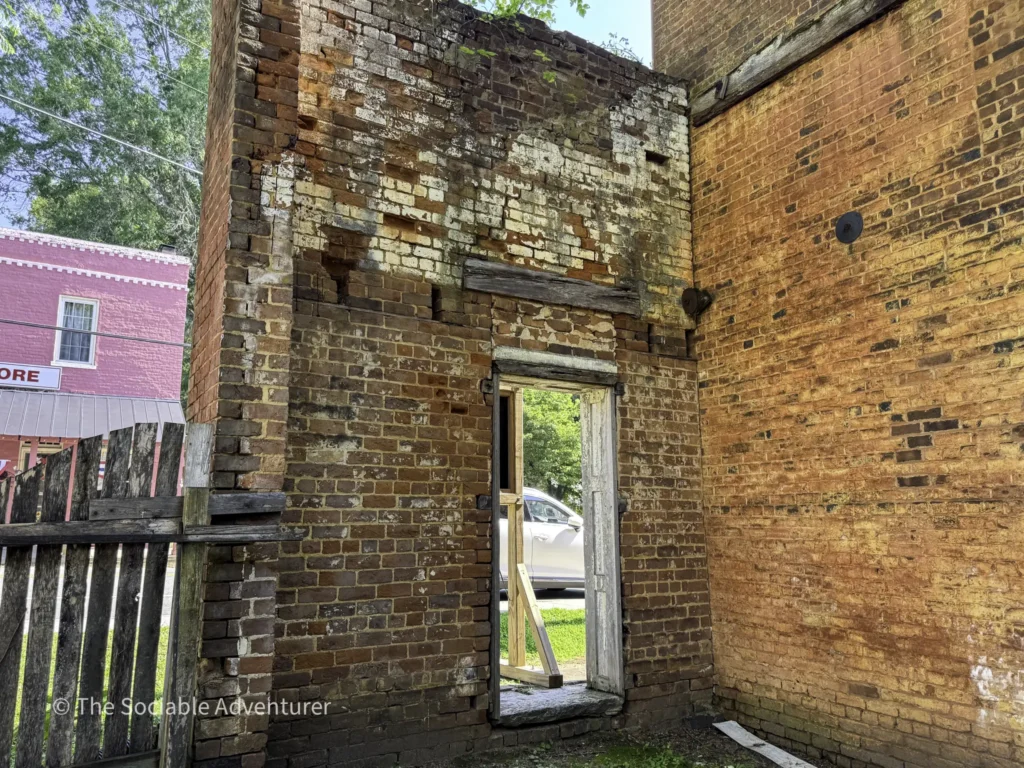
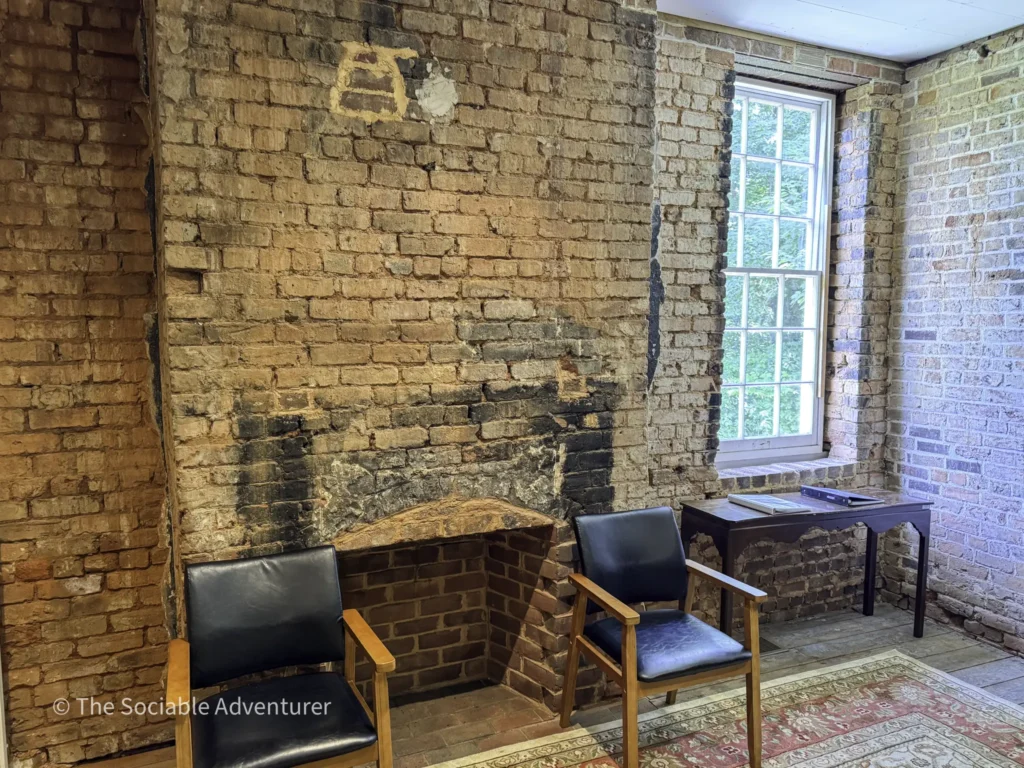
Continued renovations to the building are anticipated as the state continues developing the site, so each visit offers a chance to see this preservation work in progress.
Good to Know
- Address: 148 NC-57 (Broad Street), Milton, NC 27305
- Building: Union Tavern (also known as Yellow Tavern), built ca. 1818; National Historic Landmark since 1975
- Designation: Thomas Day State Historic Site as of February 2024 — one of the newest sites in the NC Historic Sites system
- Hours: Tuesday-Saturday, 9 a.m. to 5 p.m. (verify current hours before visiting)
- Guided tours: Generally offered at 10 a.m., 11 a.m., noon, 2 p.m., and 3 p.m.
- What you’ll see: Examples of Day’s furniture and architectural woodwork, a replica workbench with period tools, and exhibits on his life and legacy
- Pair with: A visit to the Milton Renaissance Museum & Visitor Center, a walk along the Milton Heritage Greenway & Walking Trail, and a stop at the Milton Studio Art Gallery for a fuller day in Milton’s historic district
- Located in downtown Milton, NC
A Milton Highlight
The Thomas Day State Historic Site is the kind of stop that genuinely deepens an understanding of the American story. Day’s life — his craftsmanship, his business success, his complex social position, and the enduring impact of his work — provides a perspective on antebellum North Carolina that few other historic sites can offer. Whether you’re an admirer of decorative arts, a student of African American history, or a visitor exploring Milton for the first time, this is one of the most meaningful stops you can make in Caswell County. To learn more about the broader network of preserved sites across the state, take a look at our blog post on the North Carolina State Historic Sites worth exploring.
Resources
Thomas Day State Historic Site Webpage
Thomas Day State Historic Site Facebook
Location

Your Complete Guide to Hiking Trails at Elk Knob State Park
Elk Knob State Park is one of North Carolina’s most rewarding mountain destinations — a 4,400-…

A Complete Guide to the Trails at Carolina Beach State Park
Tucked along the Cape Fear River on Pleasure Island, Carolina Beach State Park is one of southeaster…

The Complete Guide to Hiking Trails in Lansing, NC
Set in the rolling hills of Ashe County, just a stone’s throw from the Virginia and Tennessee …

Exploring Ashe County Park: A Hiker’s Guide to North Carolina’s Mountain Gem
If you’re searching for the best hiking trails at Ashe County Park in North Carolina, you̵…
Mountain Masterpieces: A Guide to the Ben Long Frescoes of Ashe County
In the quiet corners of Ashe County, where the Blue Ridge Mountains meet peaceful valleys, thereR…

Granite, Grunts, and Glory: A Day on the Stone Mountain Loop Trail
The Stone Mountain Loop Trail is the signature hike at Stone Mountain State Park in North Carolina —…