
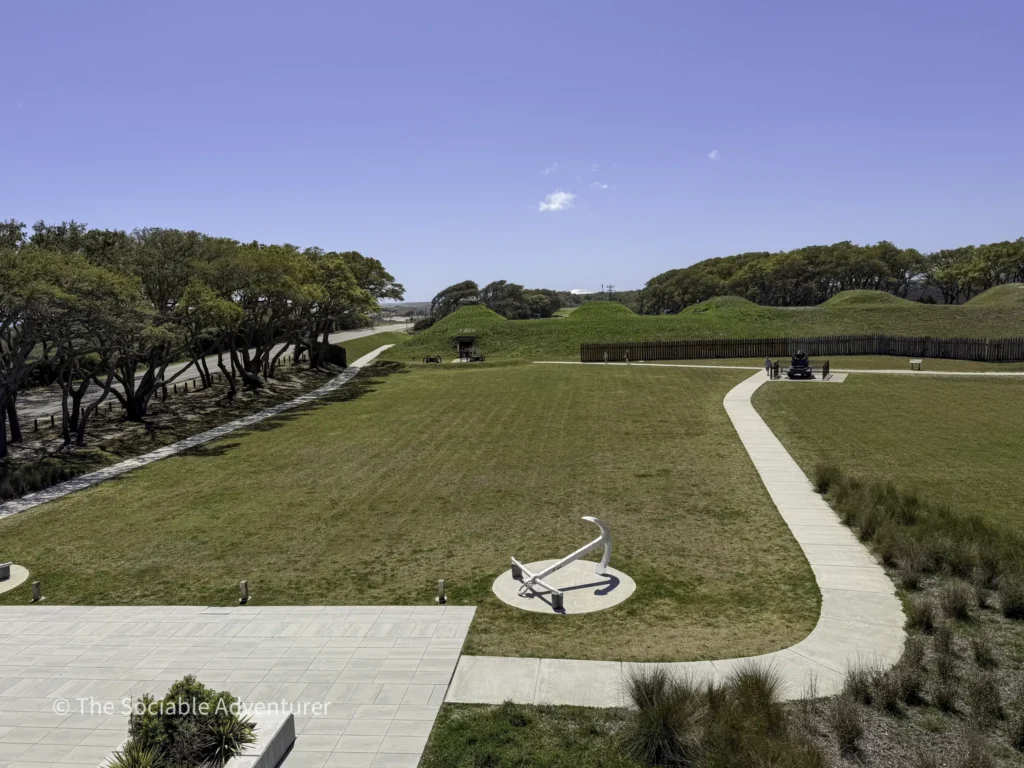
If you can only visit one historic site on the southern North Carolina coast, choose Fort Fisher. Located at the southern tip of Kure Beach, this is where one of the Civil War’s most important battles took place and where its final chapter began. Today, Fort Fisher is a National Historic Landmark with a scenic walking trail through huge earthen fortifications and a new, modern visitor center that brings its story to life.
The Battle That Helped End the War
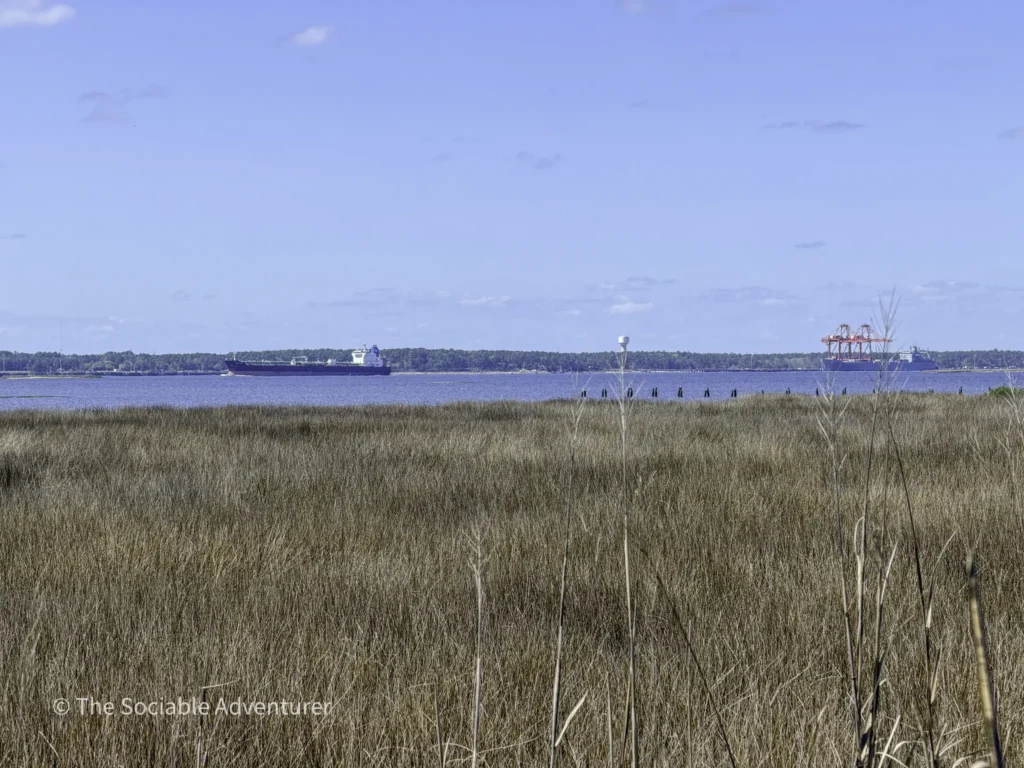
During most of the Civil War, Fort Fisher had a single purpose, and it did it well. At the mouth of the Cape Fear River, the fort kept Wilmington’s port open for blockade-runners who brought food, weapons, and supplies to Confederate forces. By the war’s final months, Wilmington was the last major supply line supporting General Robert E. Lee’s Army of Northern Virginia.
This made Fort Fisher a crucial target. In January 1865, U.S. forces launched the largest amphibious assault in American history at that time, with thousands of soldiers, sailors, and many warships fighting together. When the fort fell on January 15, 1865, Wilmington’s port was cut off, the Confederate supply line ended, and the Civil War ended within months.
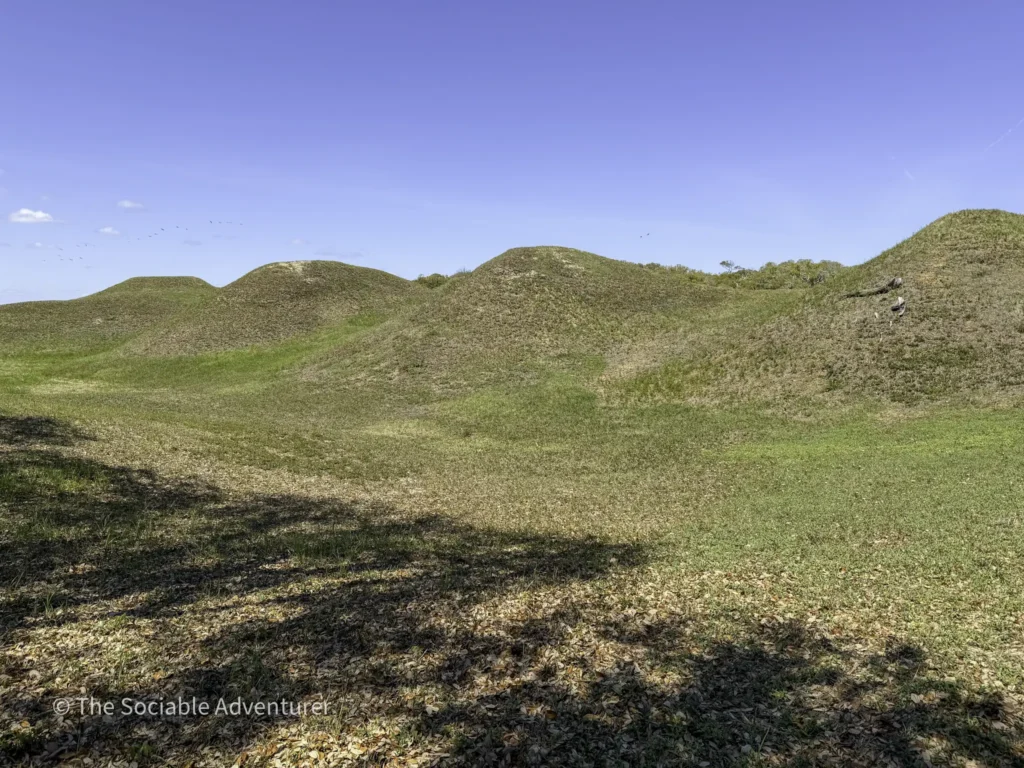
Known as the “Gibraltar of the South,” Fort Fisher was once the largest earthen fort in the Confederacy. Today, less than ten percent of the original fort remains because much was lost to coastal erosion over the years. Still, what’s left is impressive, and recent restoration has brought even more of the site back to life.
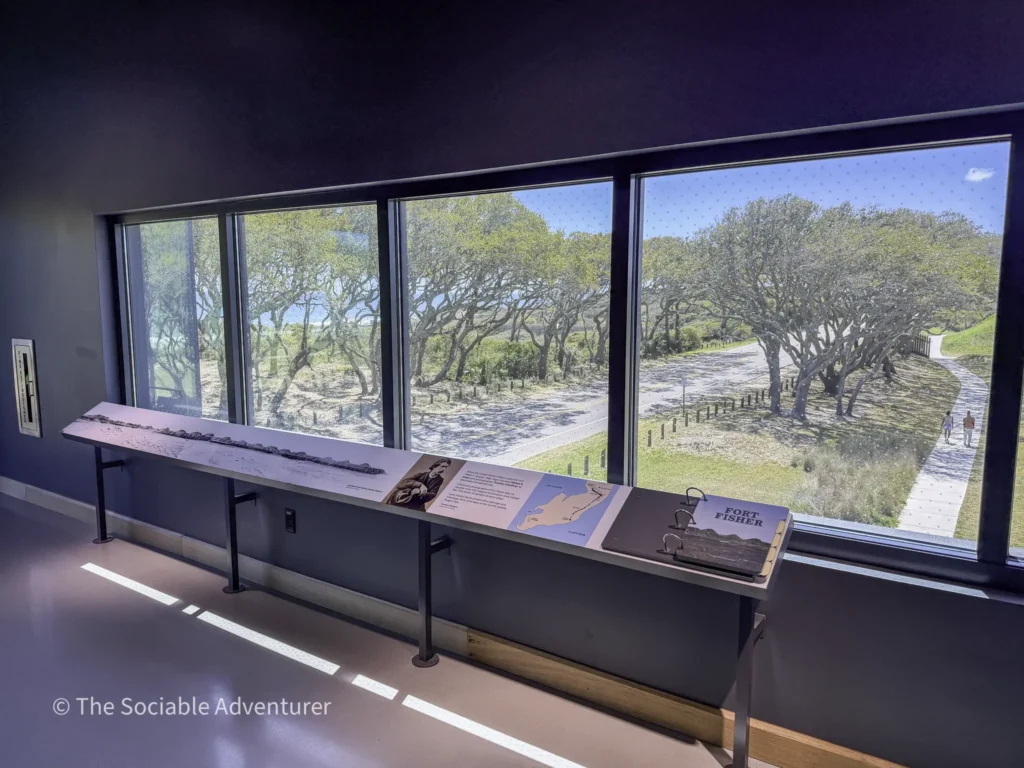
The New Visitor Center
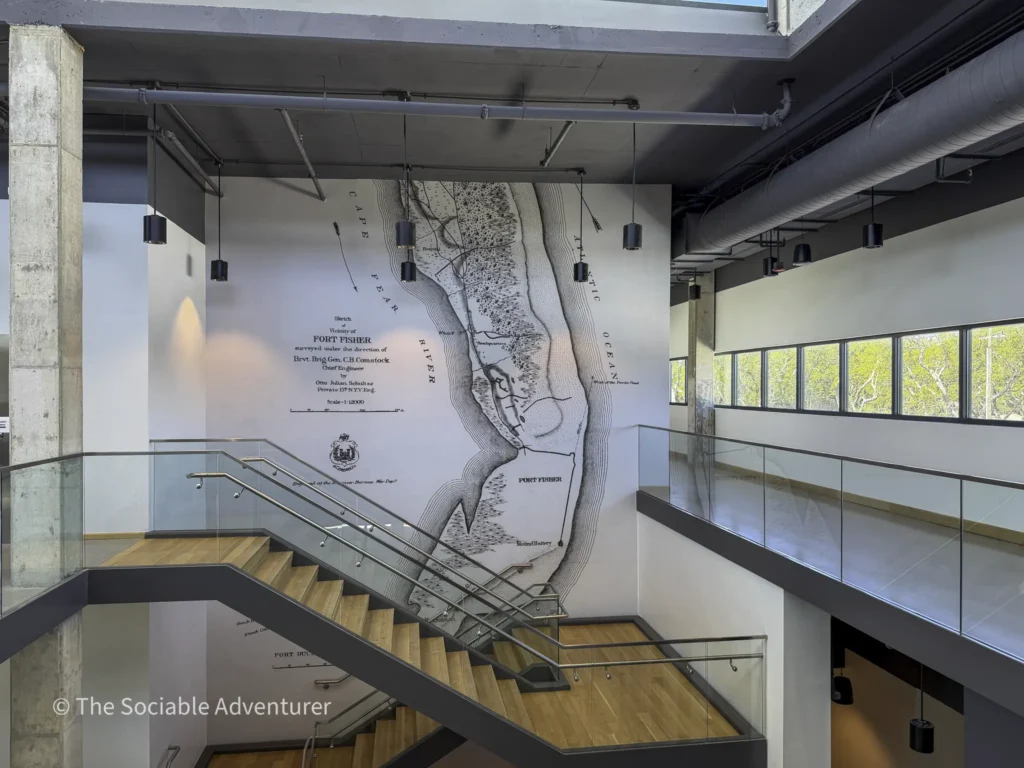
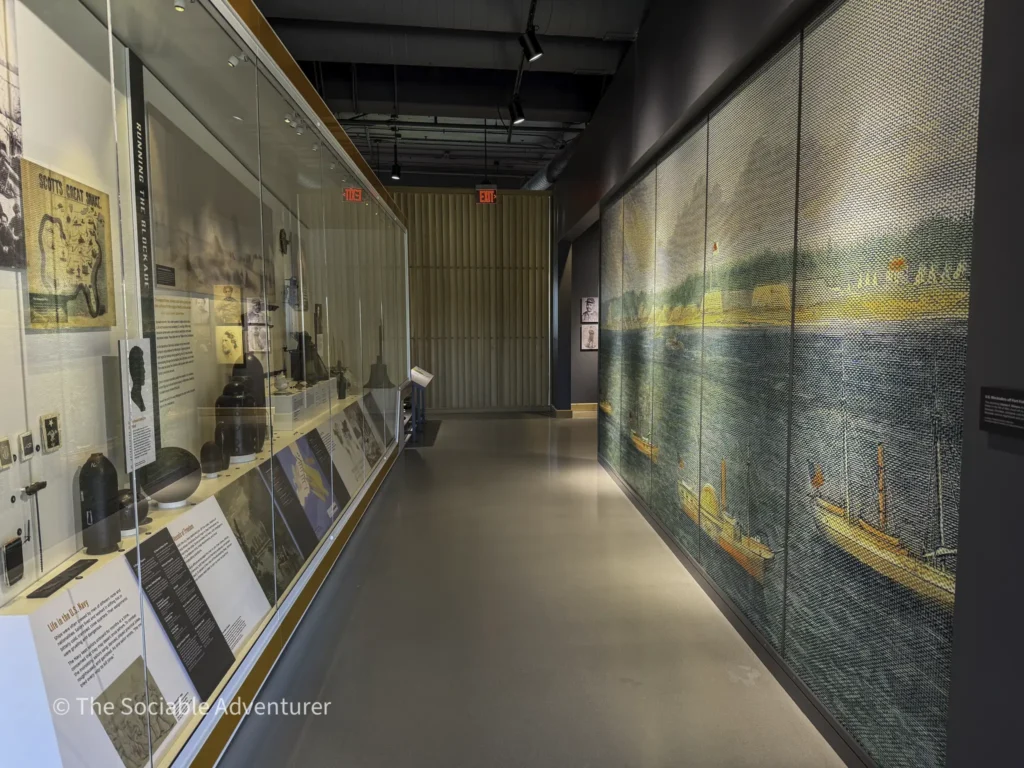
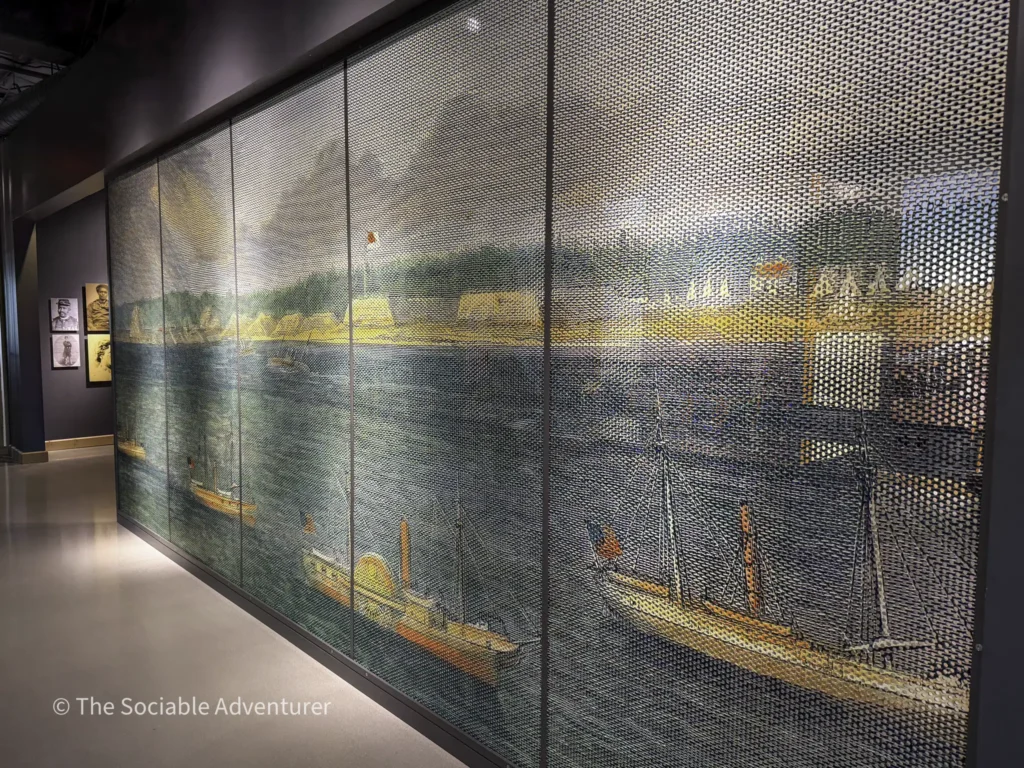
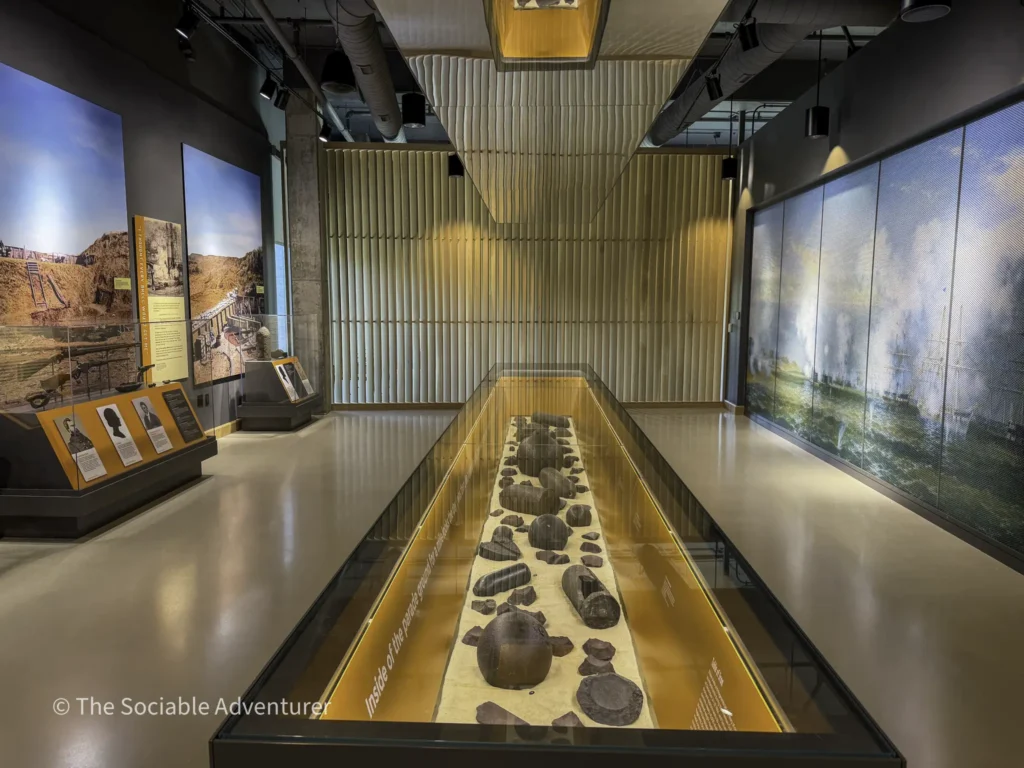
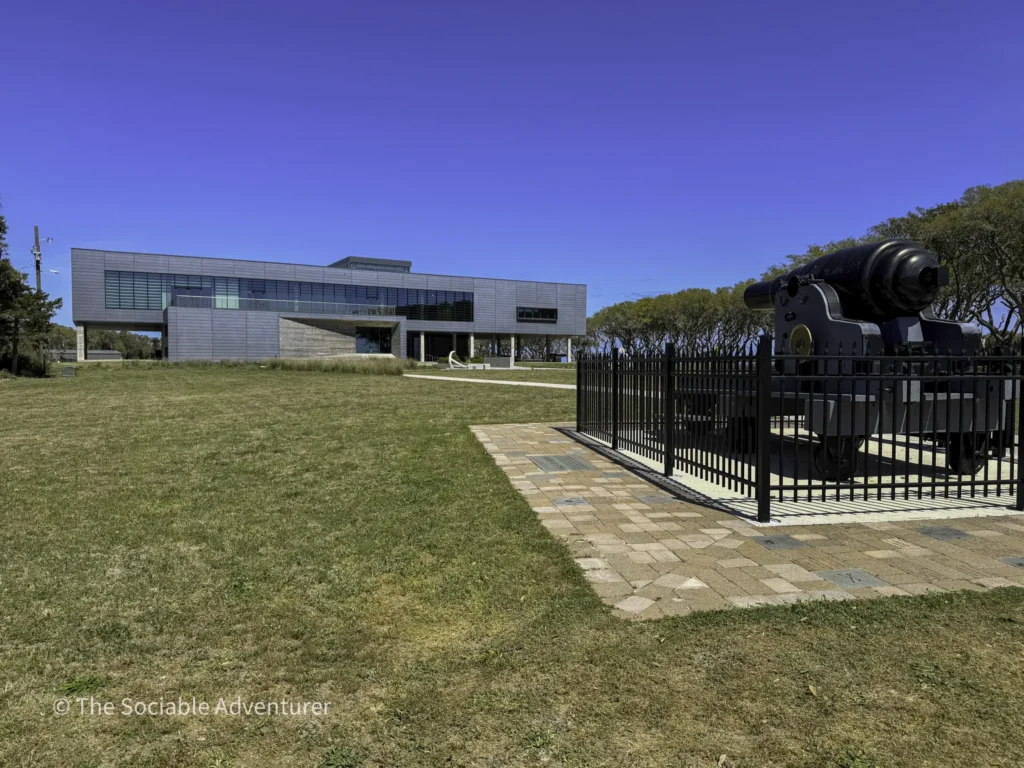
In October 2024, Fort Fisher opened a new 20,000-square-foot visitor center, which is about three times larger than the original building from 1965. This two-story facility is the highlight of a years-long, $25.5 million project and is a destination worth visiting on its own.
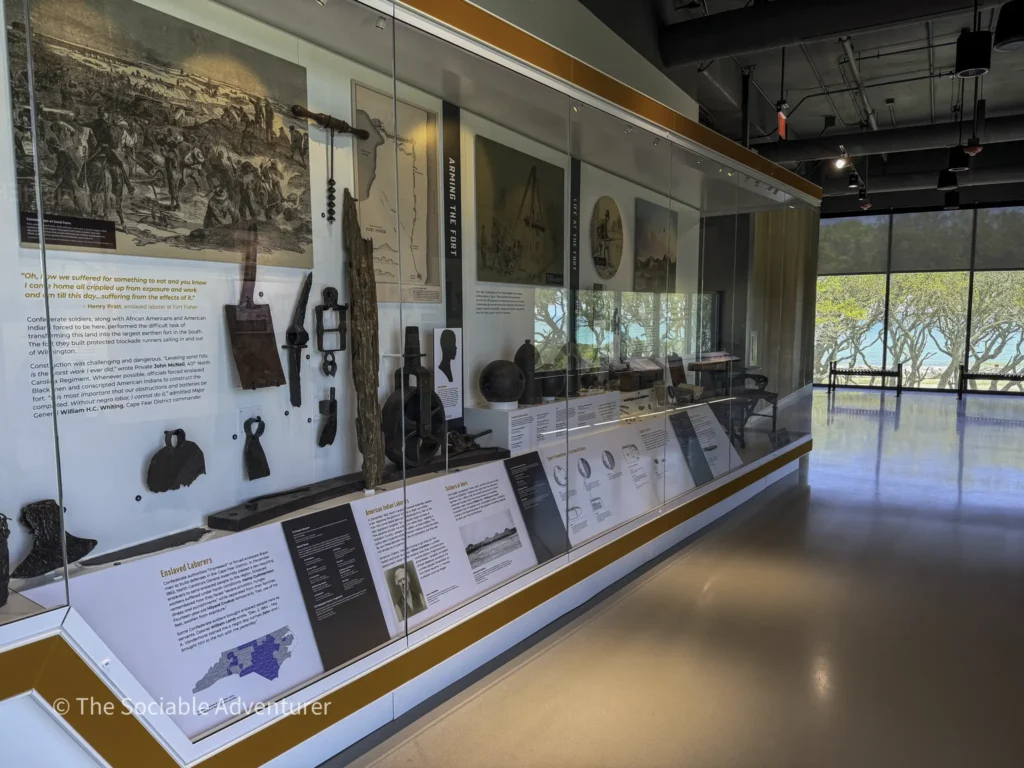
Inside, the main exhibit, “Through Their Eyes,” shares a deeper and more detailed story of the site’s history than most visitors expect. Instead of just dates and battle maps, it focuses on the real people who lived through these times: enslaved and free Black Americans, Indigenous peoples, civilians, soldiers, and women. The story covers everything from pre-colonial times to World War II, when the site was briefly used as a military training base. The galleries feature rotating exhibits, recovered artifacts from sunken blockade-runners, and a film to help you get oriented before exploring outside.
You’ll also find the Friends of Fort Fisher Gift Shop, a spacious activity hall, and restrooms that are fully accessible.
Walking the Grounds
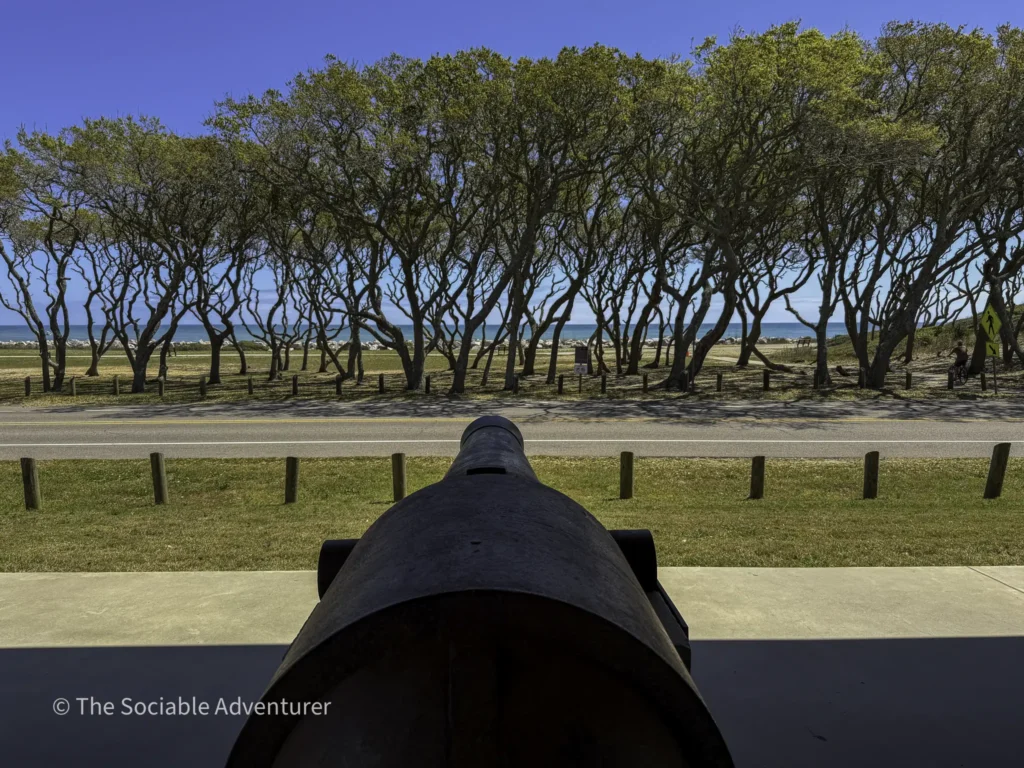
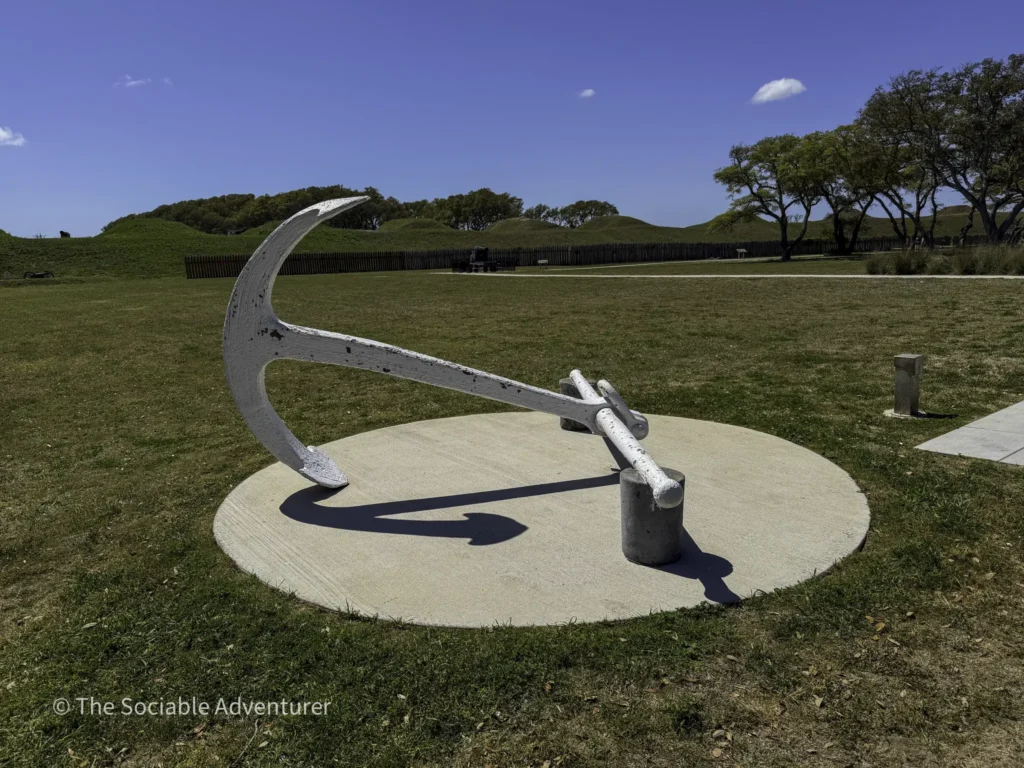
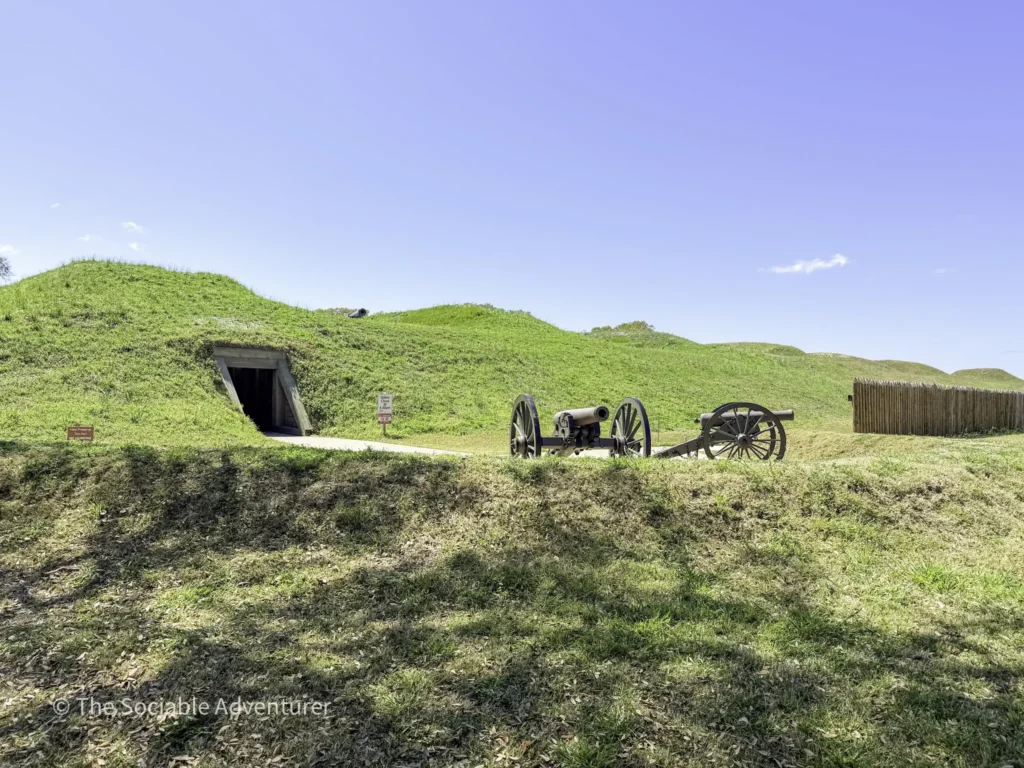
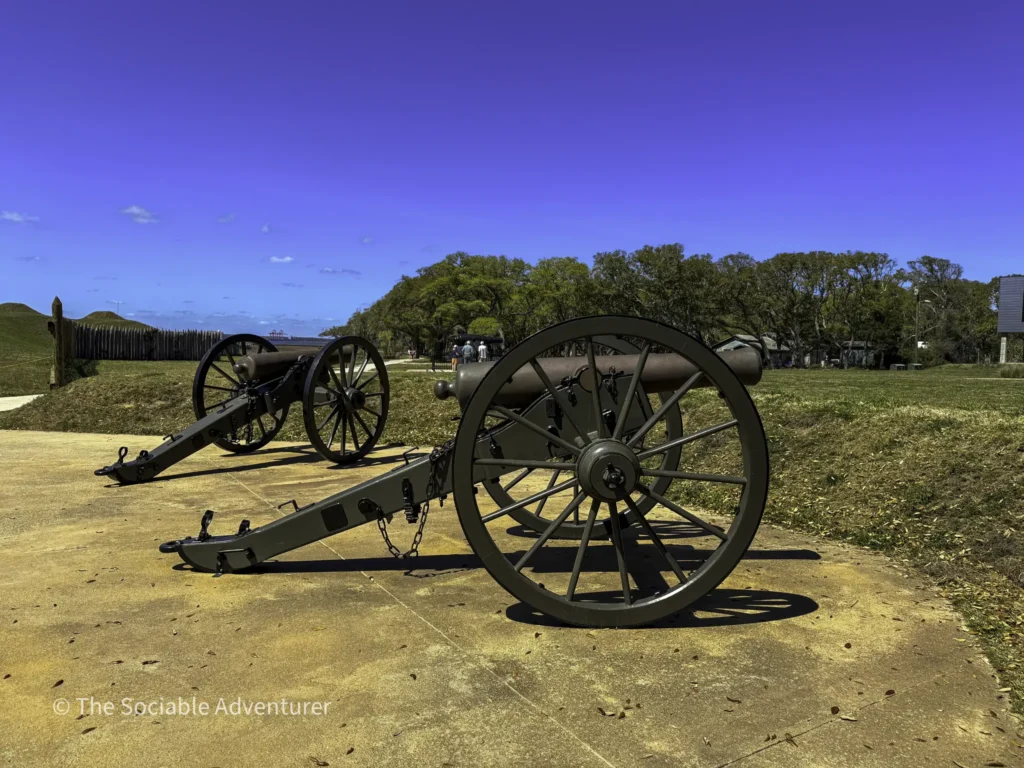
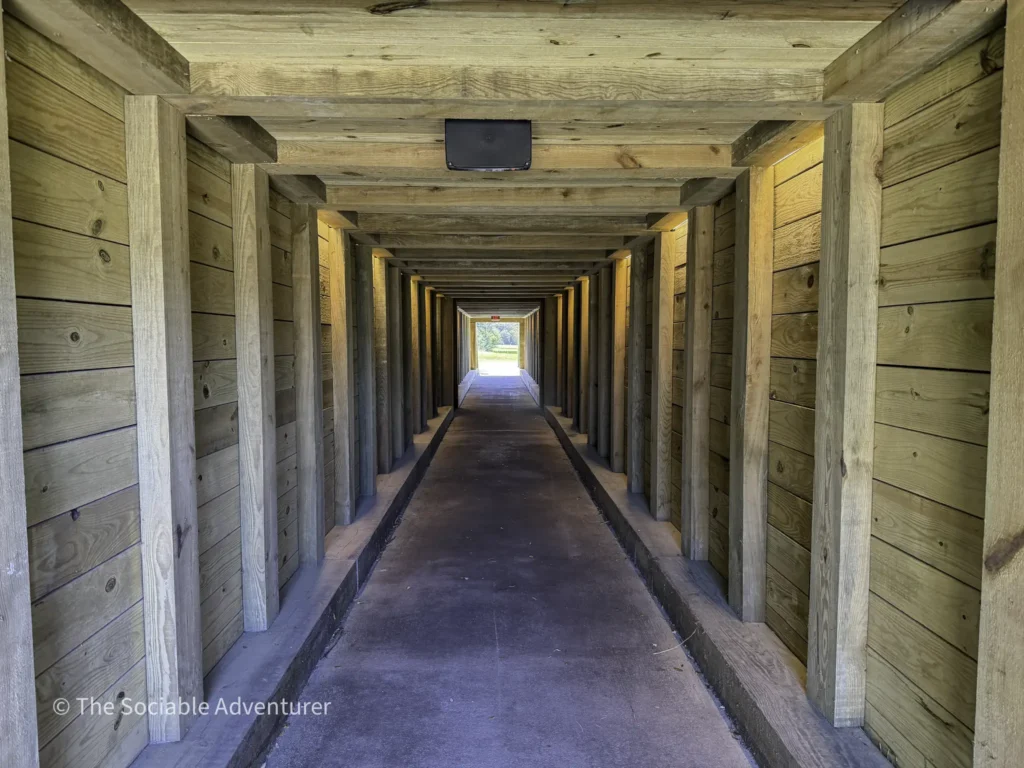
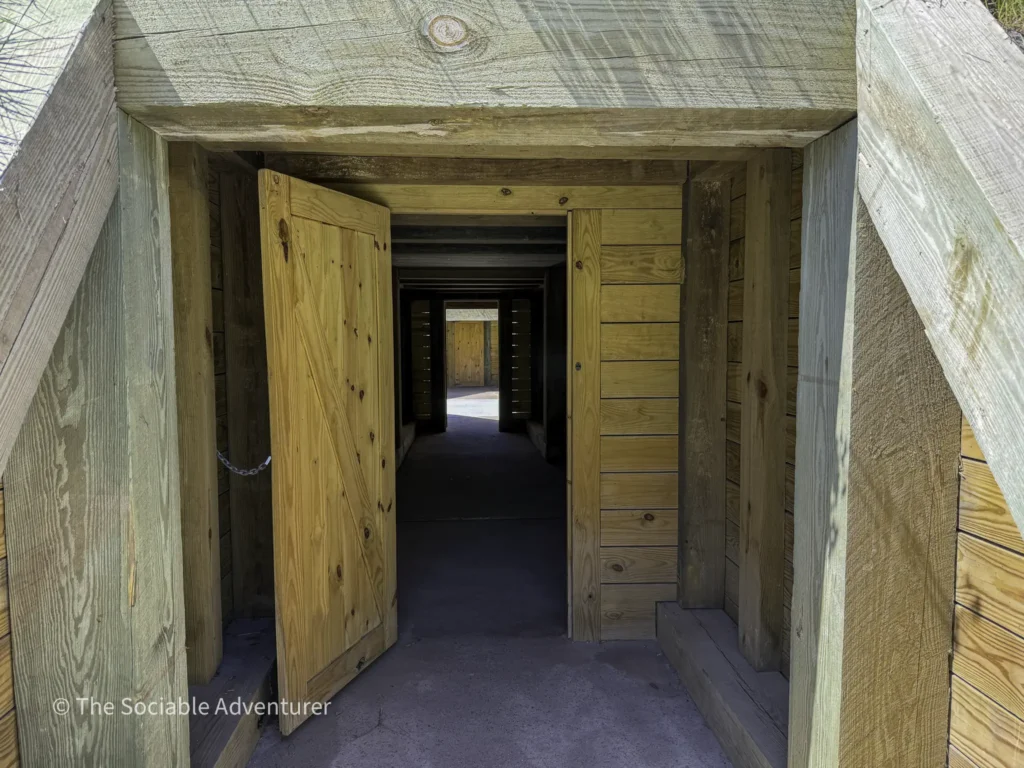
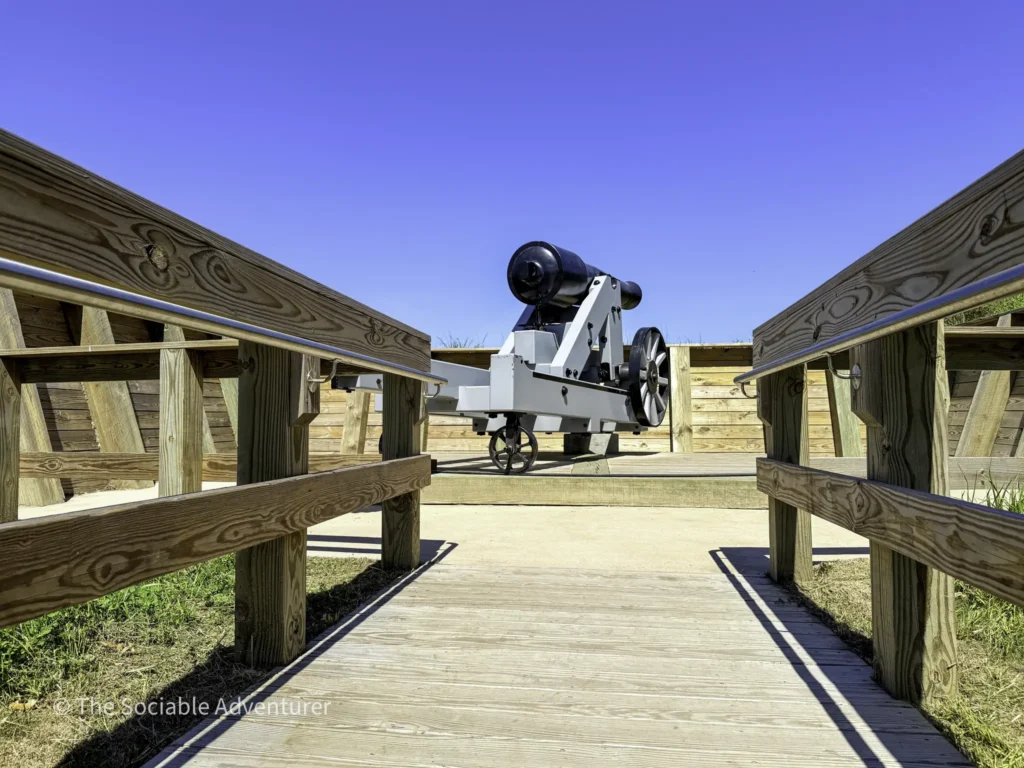
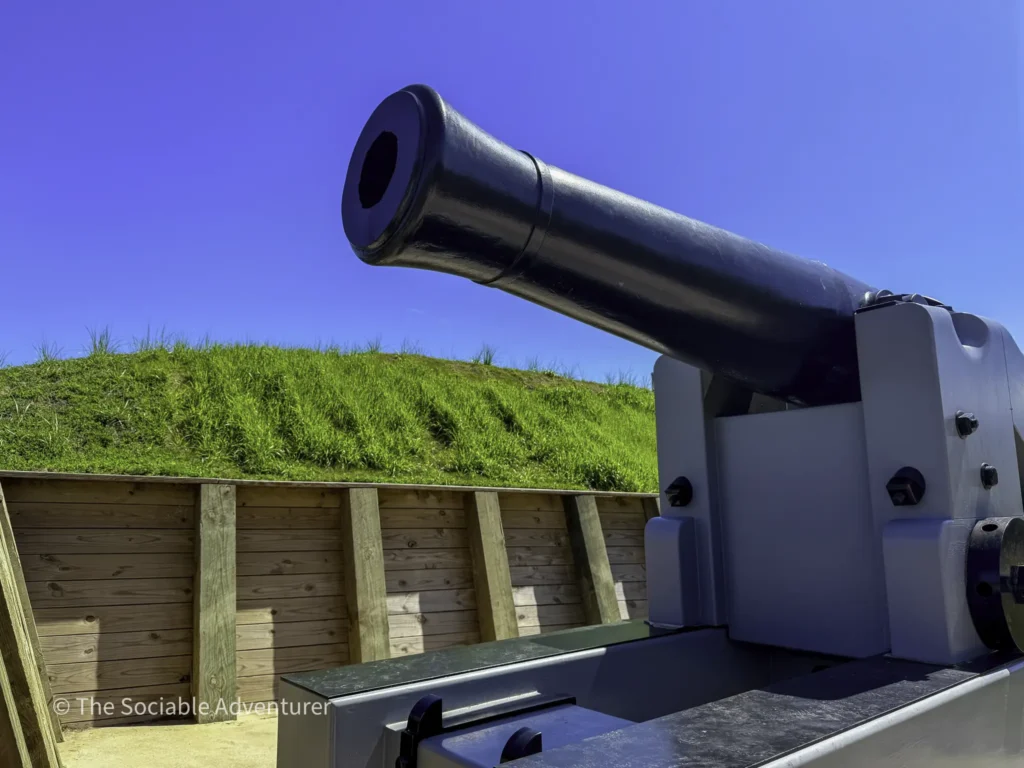
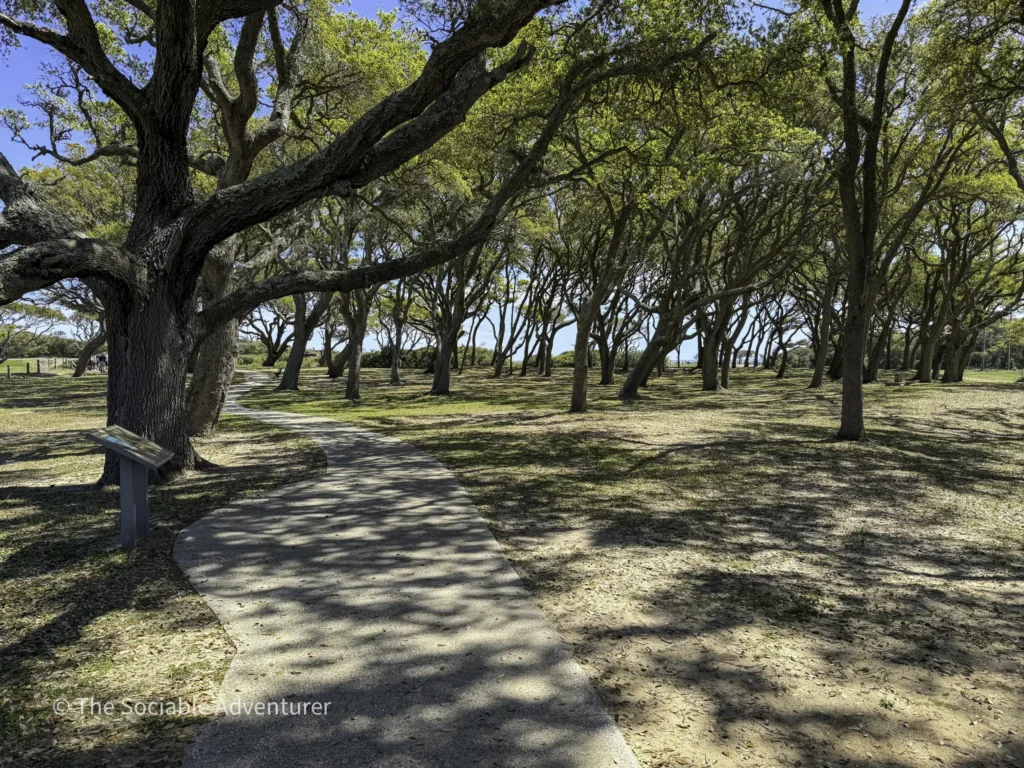
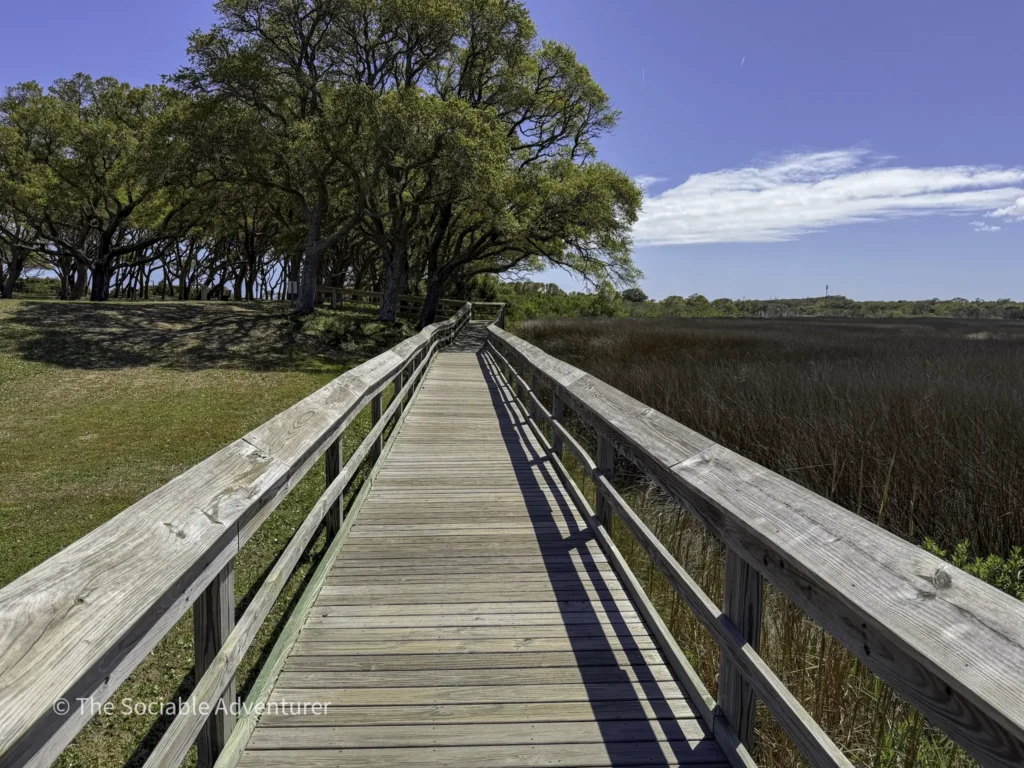
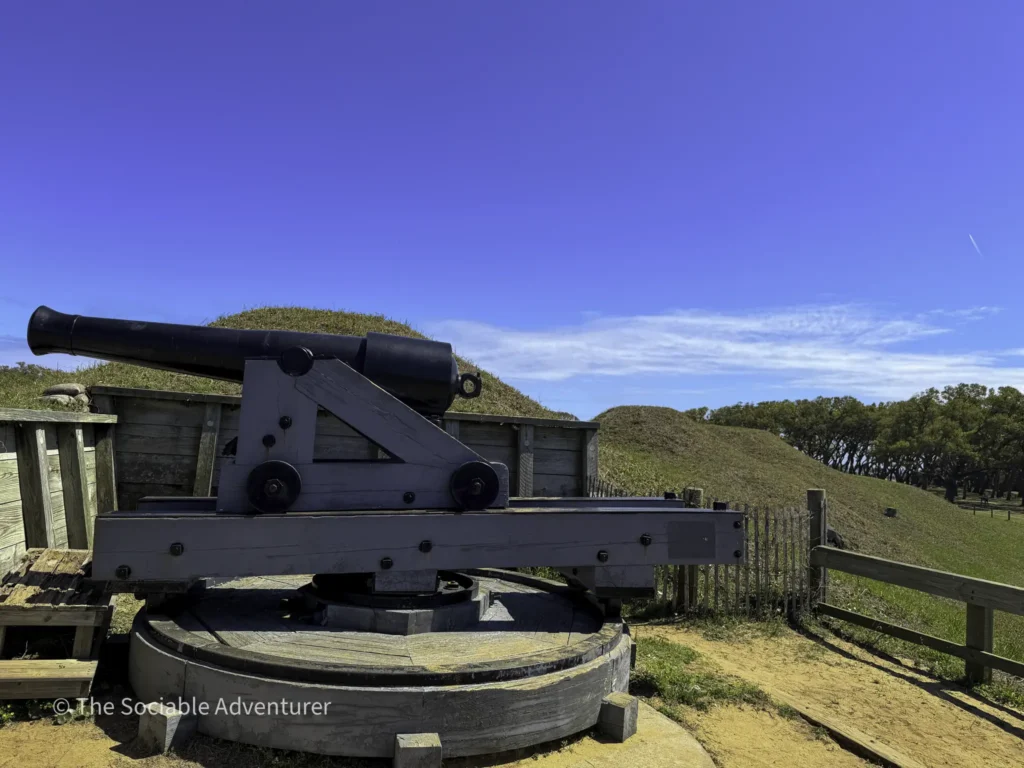
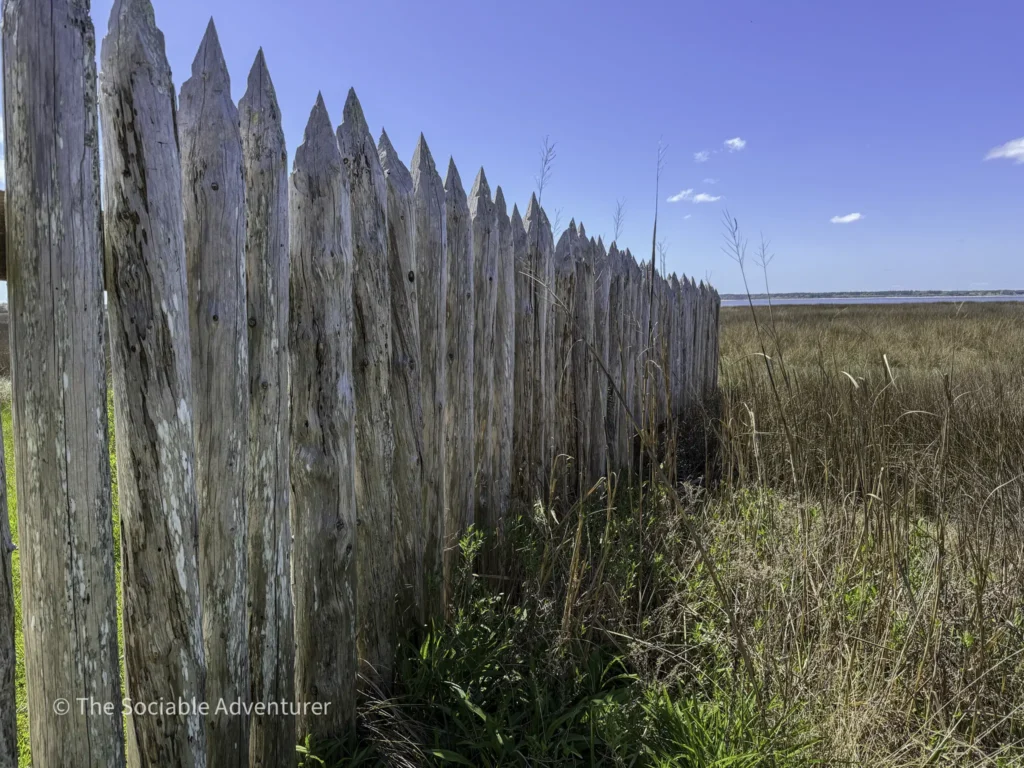
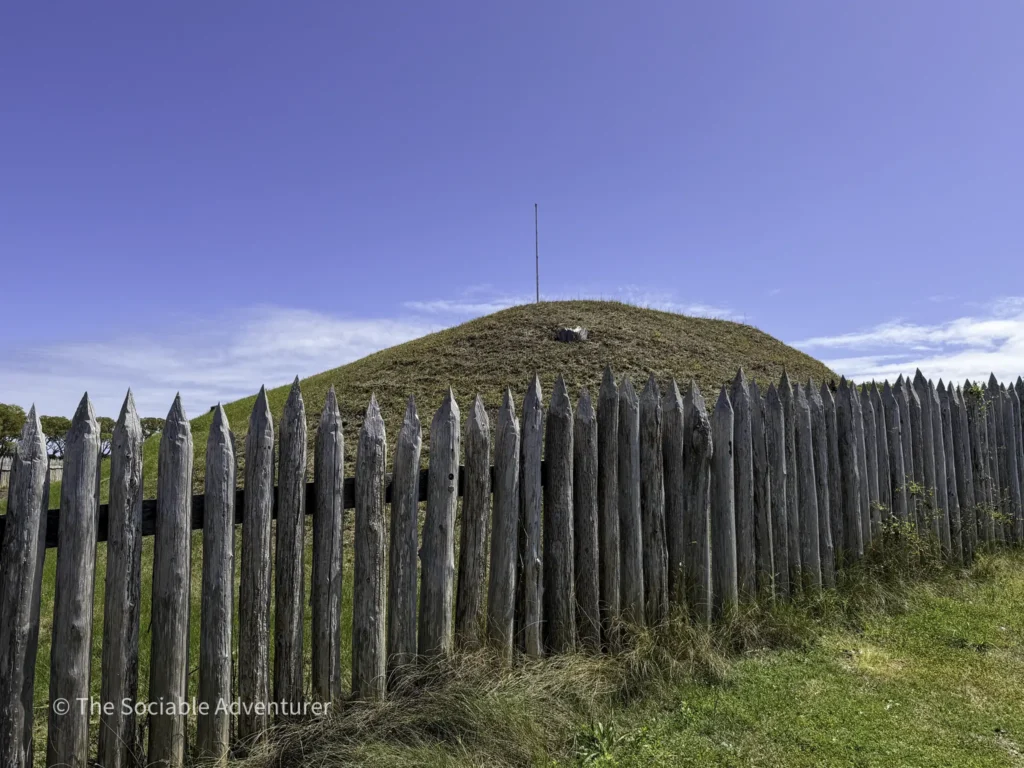
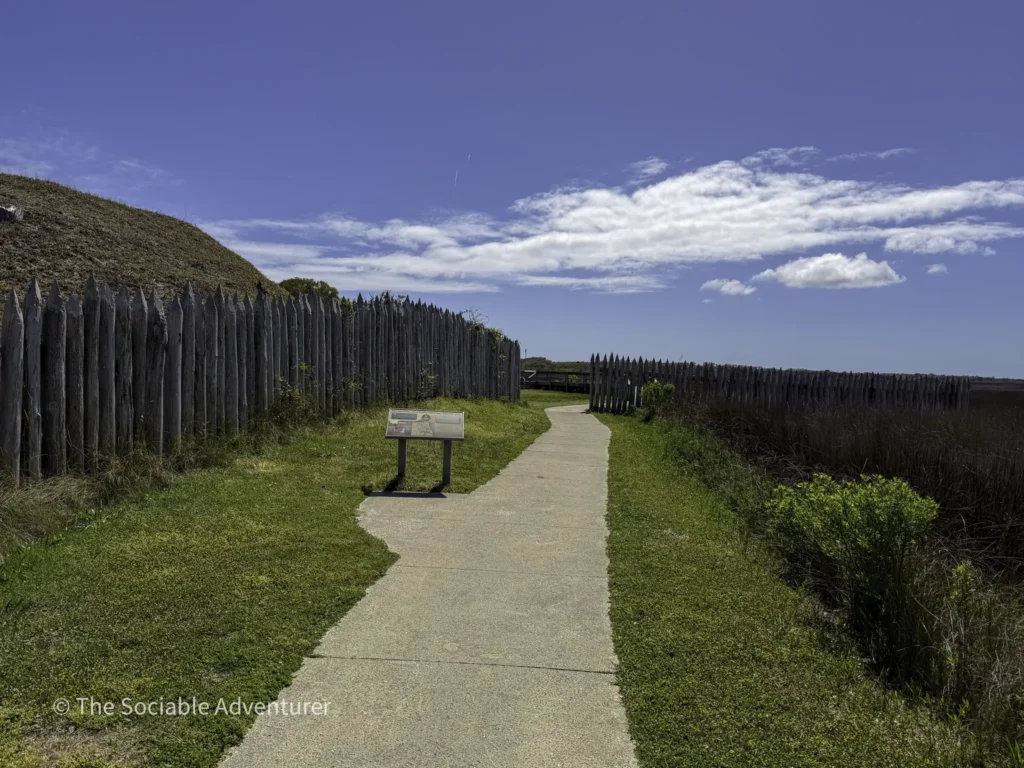
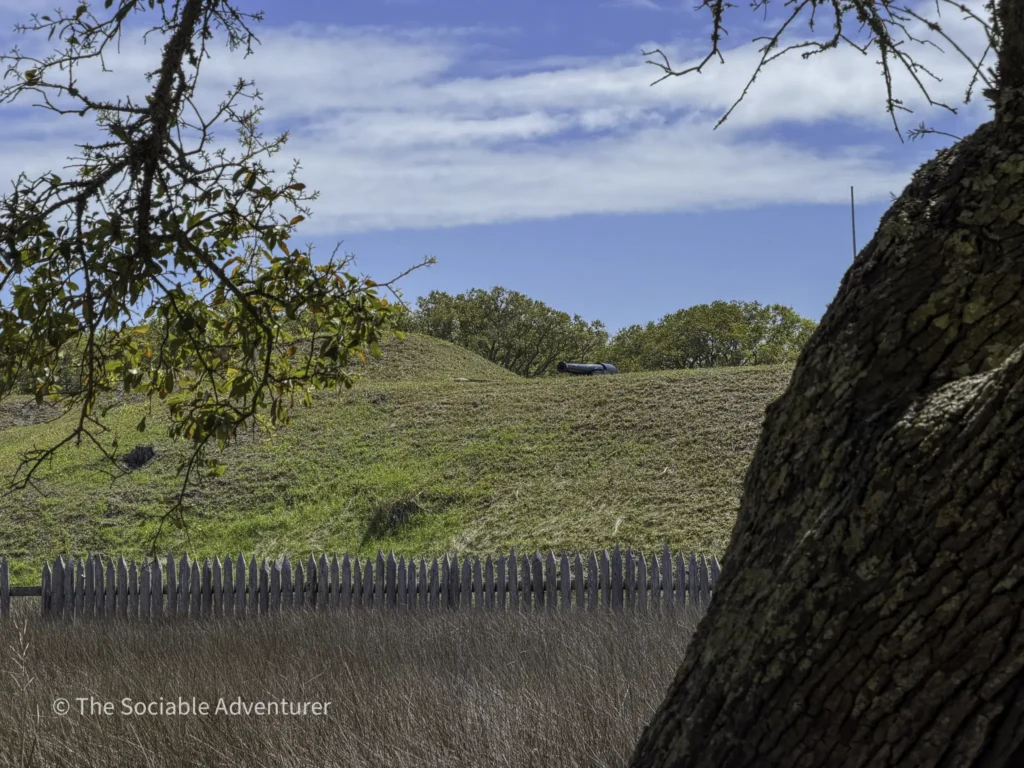
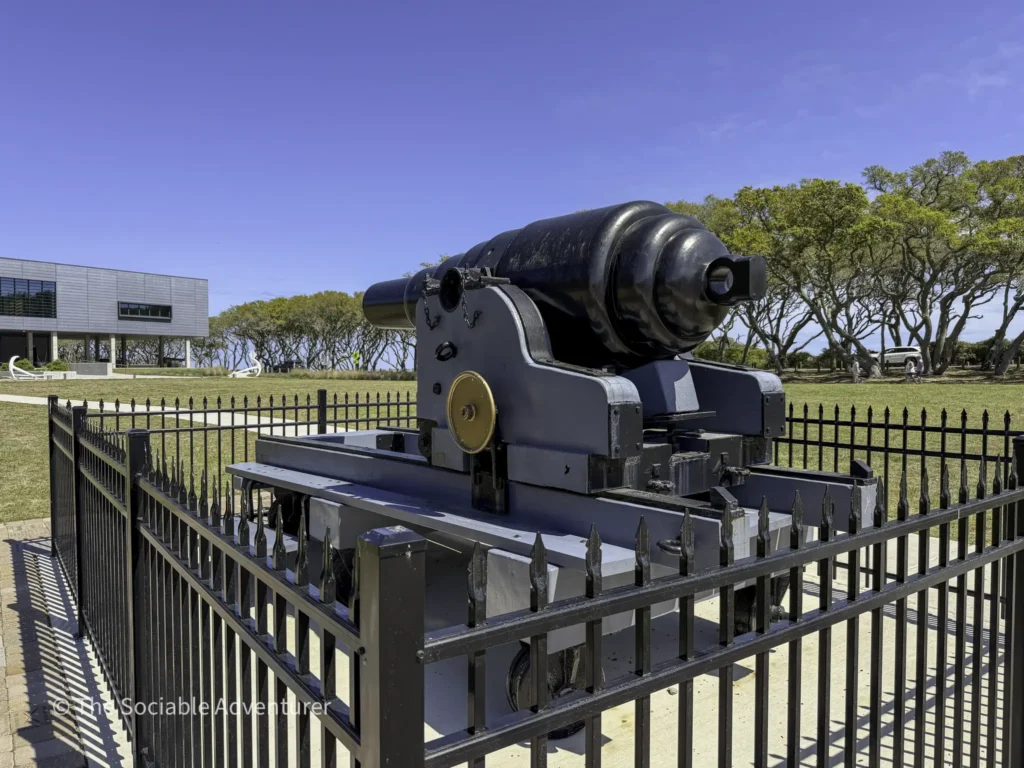
The real magic of Fort Fisher is outdoors. A half-mile tour trail winds past the remaining earthworks, letting you walk beside fortifications that once held off the U.S. Navy. Along the way, you’ll see interpretive panels, a restored palisade fence, a reconstructed 32-pounder seacoast gun at Shepherd’s Battery, and, thanks to recent restoration, newly rebuilt Seventh, Eighth, and Ninth Traverses. These include an enterable Bombproof Shelter exhibit and a rebuilt Center Sallyport.
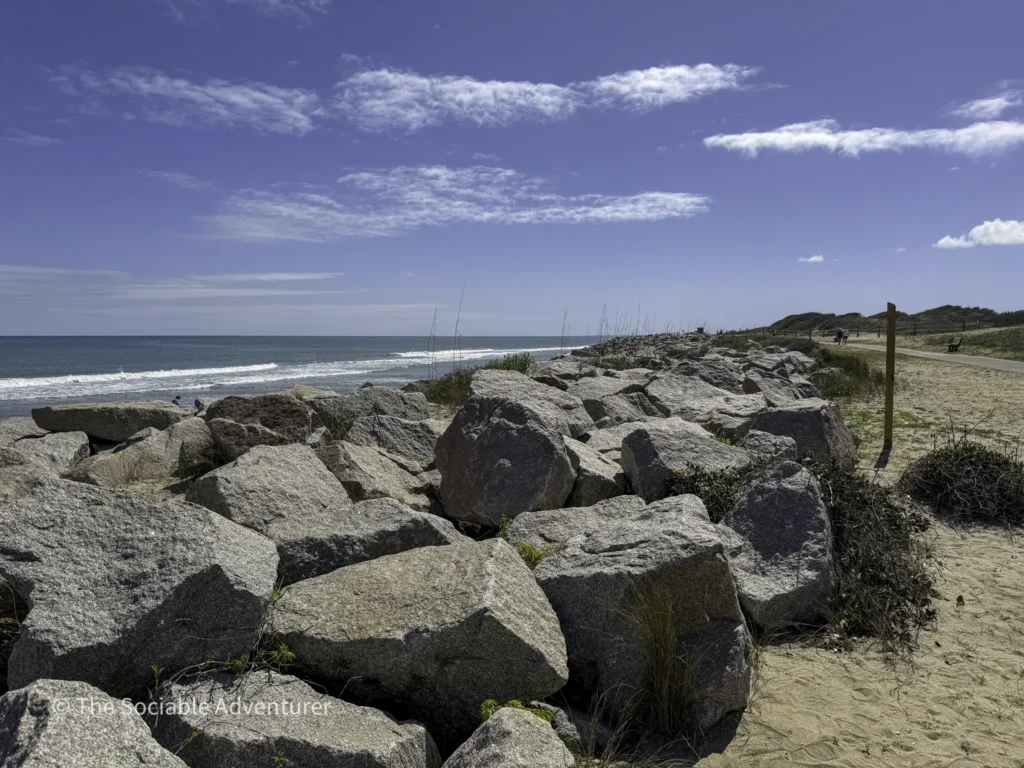
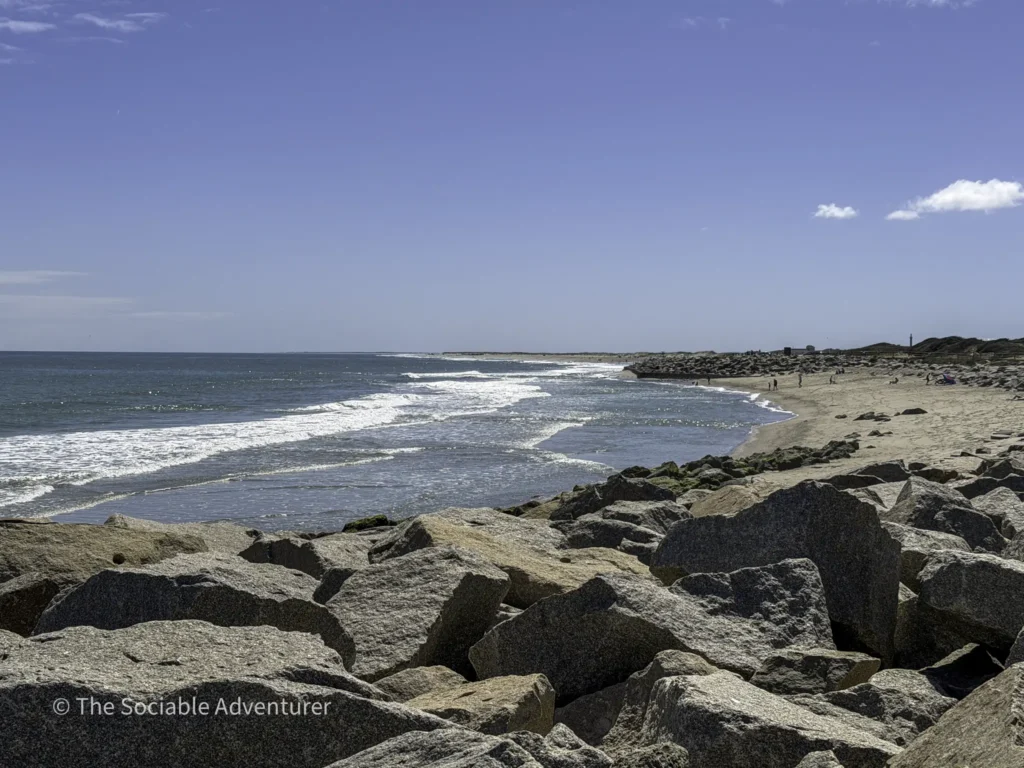
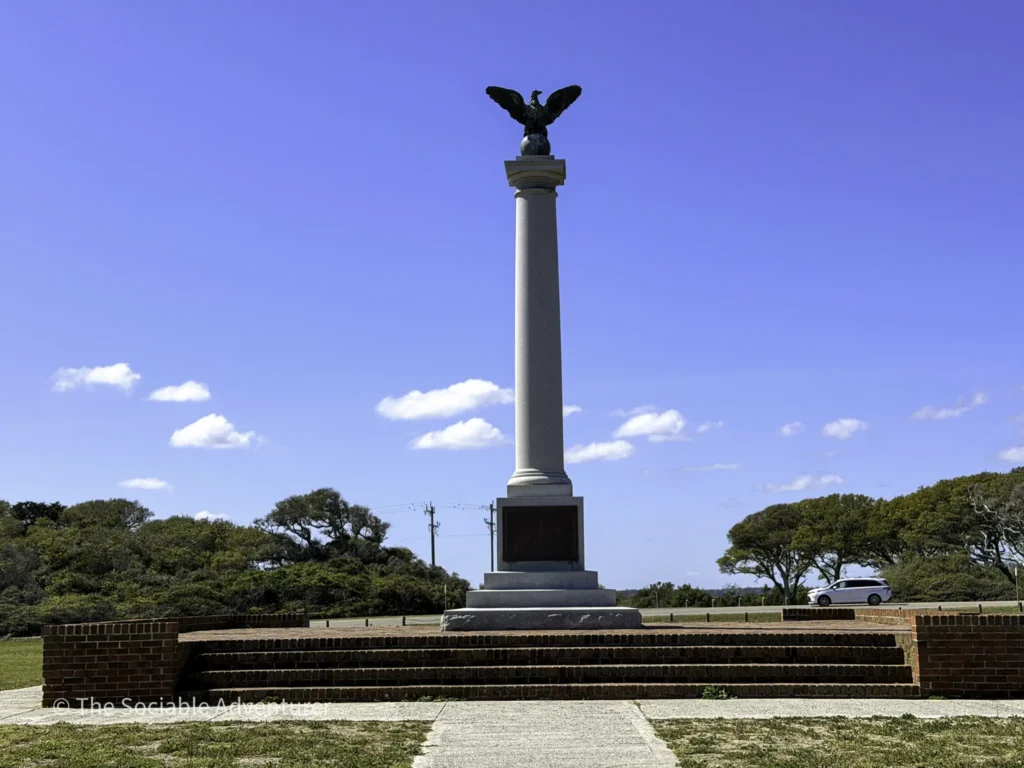
Across U.S. 421 on the ocean side, you’ll find the Battle Acre Monument, another walking trail, and an oceanfront gazebo with views of the Atlantic. About 700 yards offshore is the wreck of the Condor, a Confederate blockade-runner and the first stop on North Carolina’s Heritage Dive Trail.
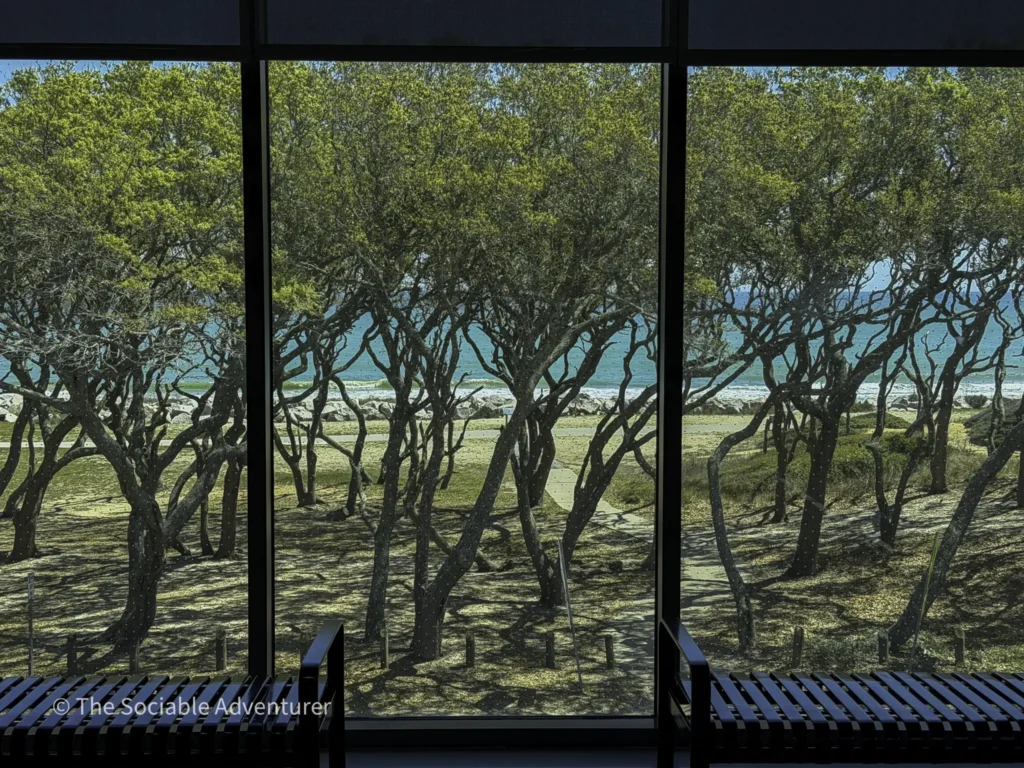
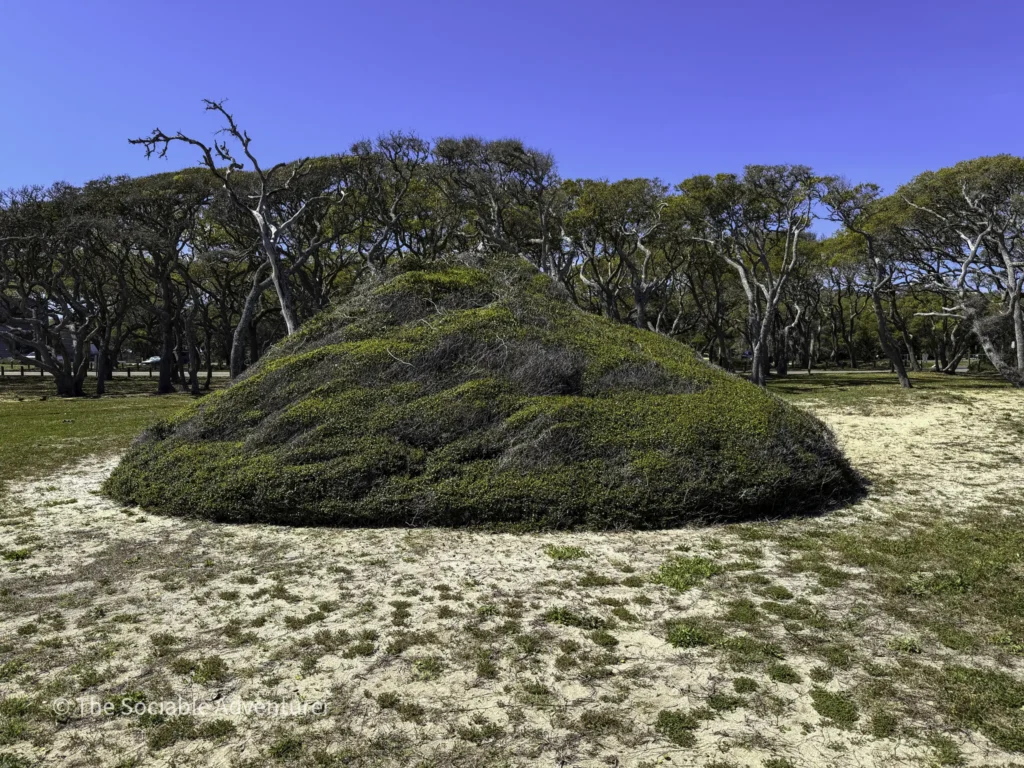
About half the tour trail is shaded by old live oaks and is accessible for people with disabilities, except for the restored gun emplacements.
Guided Tours
If you want to learn more, Fort Fisher offers outdoor guided tours year-round. Knowledgeable staff lead these tours and share stories that you might miss on a self-guided walk. Tour schedules change with the season, weather, and staffing, so it’s best to call ahead or ask at the information desk when you arrive to see what’s available that day.
Worth Every Minute
Whether you’re a Civil War enthusiast or just looking for something meaningful to do in Kure Beach, Fort Fisher is worth your time. It’s peaceful, well-kept, and tells a story that helped shape our country. You can also visit the North Carolina Aquarium next door or enjoy a meal in town afterward, but make sure you don’t miss Fort Fisher. It’s the kind of place you’ll remember.






Resources
NC State Historic Sites Website – Fort Fisher
Fort Fisher State Historic Site Facebook
Location
Social Media
Fort Fisher State Historic Site is significant in American Civil War history. This coastal fortress played a pivotal role in the blockade-running trade & served as the primary defense for the port of Wilmington.#PleasureIsland #KureBeachNC #FortFisherNC #NewHanoverCounty #NC pic.twitter.com/GqN5f3PGvf
— The Sociable Adventurer (@TheSociableAdv) November 11, 2023

Your Complete Guide to Hiking Trails at Elk Knob State Park
Elk Knob State Park is one of North Carolina’s most rewarding mountain destinations — a 4,400-…

A Complete Guide to the Trails at Carolina Beach State Park
Tucked along the Cape Fear River on Pleasure Island, Carolina Beach State Park is one of southeaster…

The Complete Guide to Hiking Trails in Lansing, NC
Set in the rolling hills of Ashe County, just a stone’s throw from the Virginia and Tennessee …

Exploring Ashe County Park: A Hiker’s Guide to North Carolina’s Mountain Gem
If you’re searching for the best hiking trails at Ashe County Park in North Carolina, you̵…

Mountain Masterpieces: A Guide to the Ben Long Frescoes of Ashe County
In the quiet corners of Ashe County, where the Blue Ridge Mountains meet peaceful valleys, thereR…

Granite, Grunts, and Glory: A Day on the Stone Mountain Loop Trail
The Stone Mountain Loop Trail is the signature hike at Stone Mountain State Park in North Carolina —…