
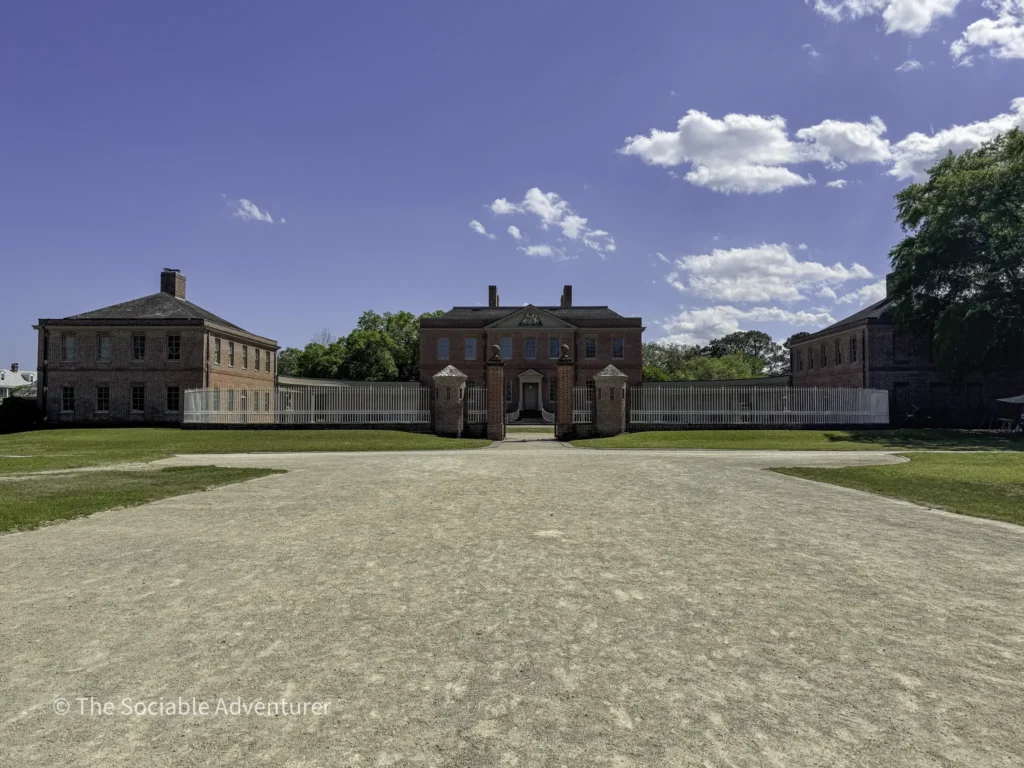
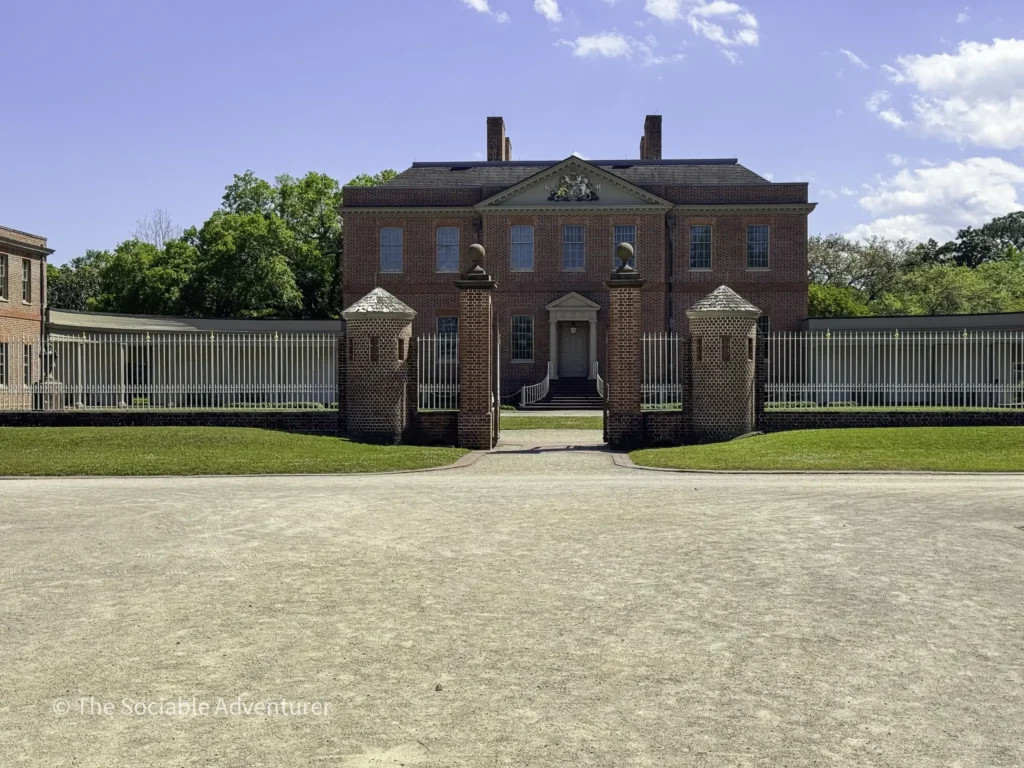
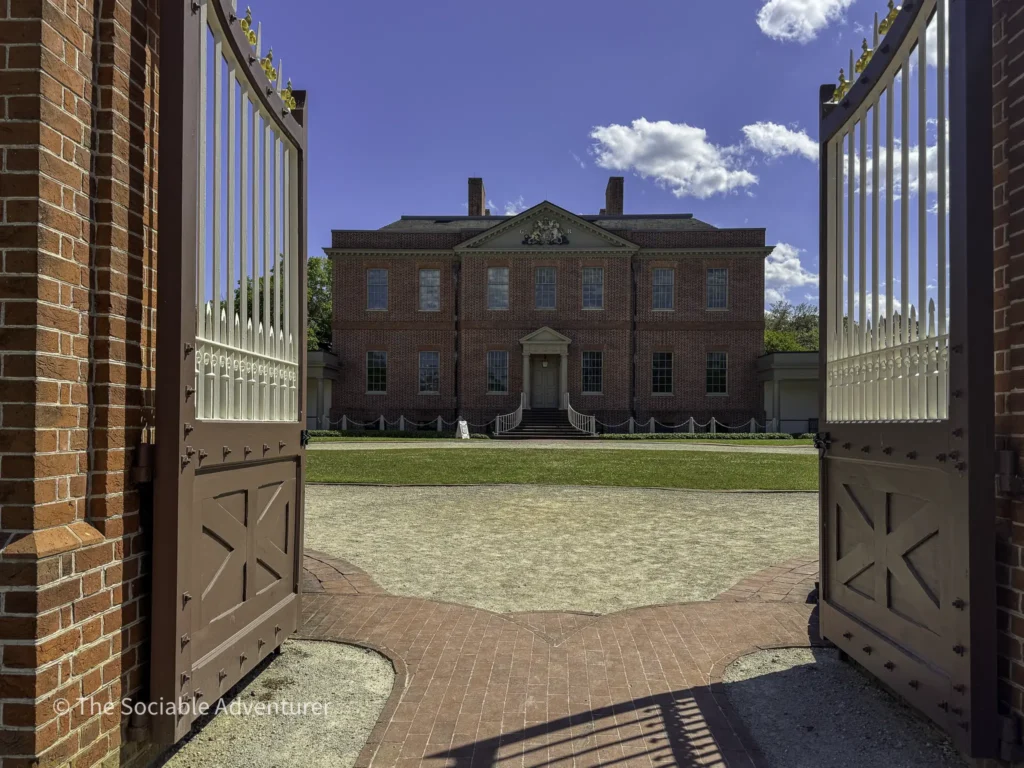
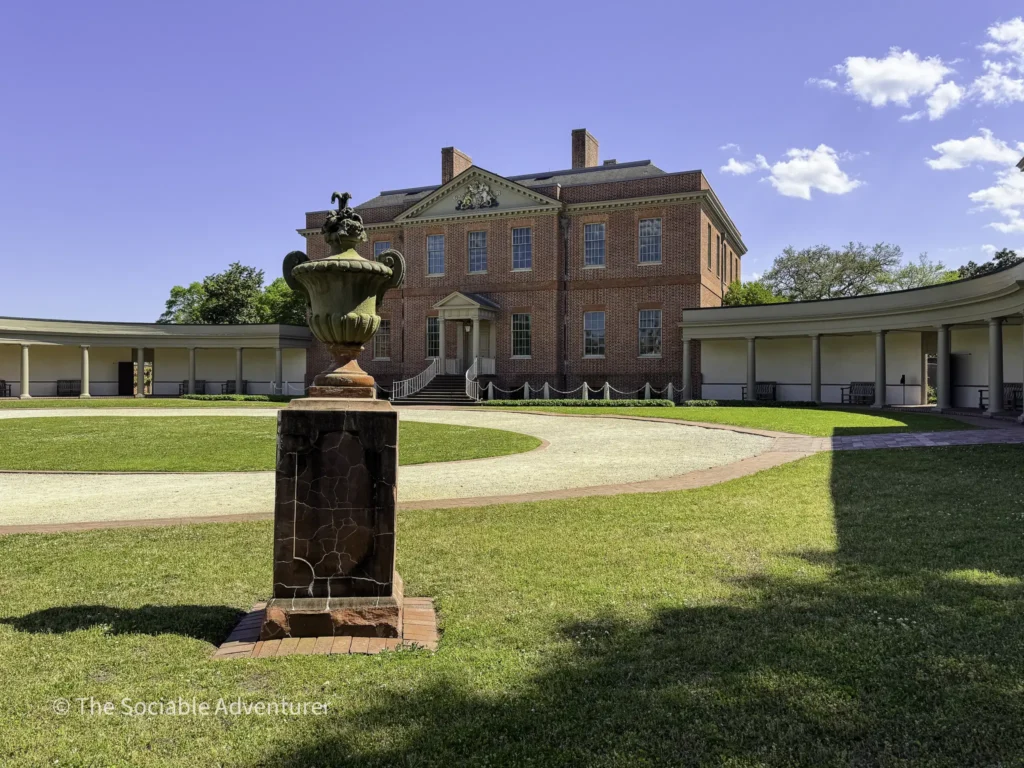
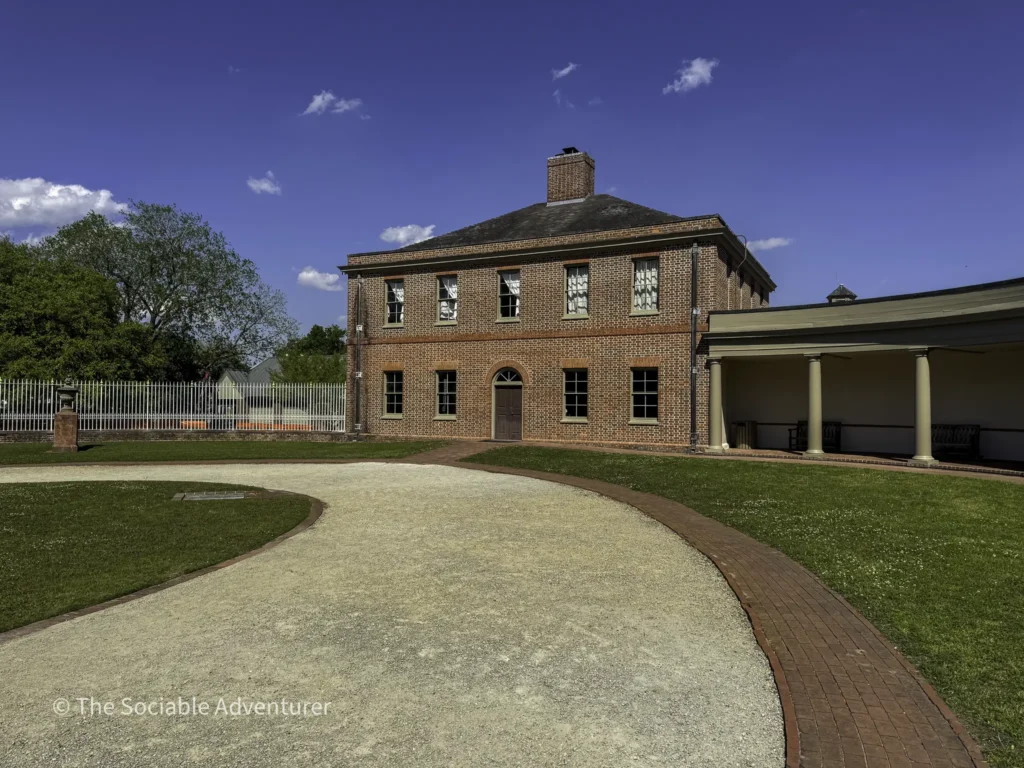
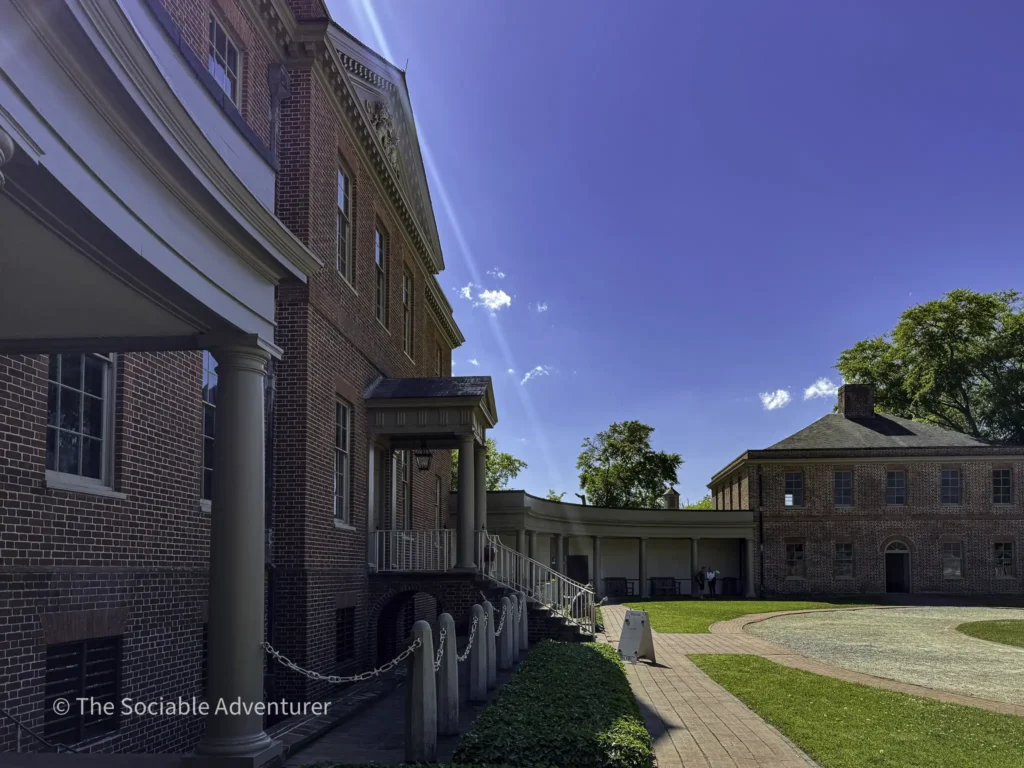
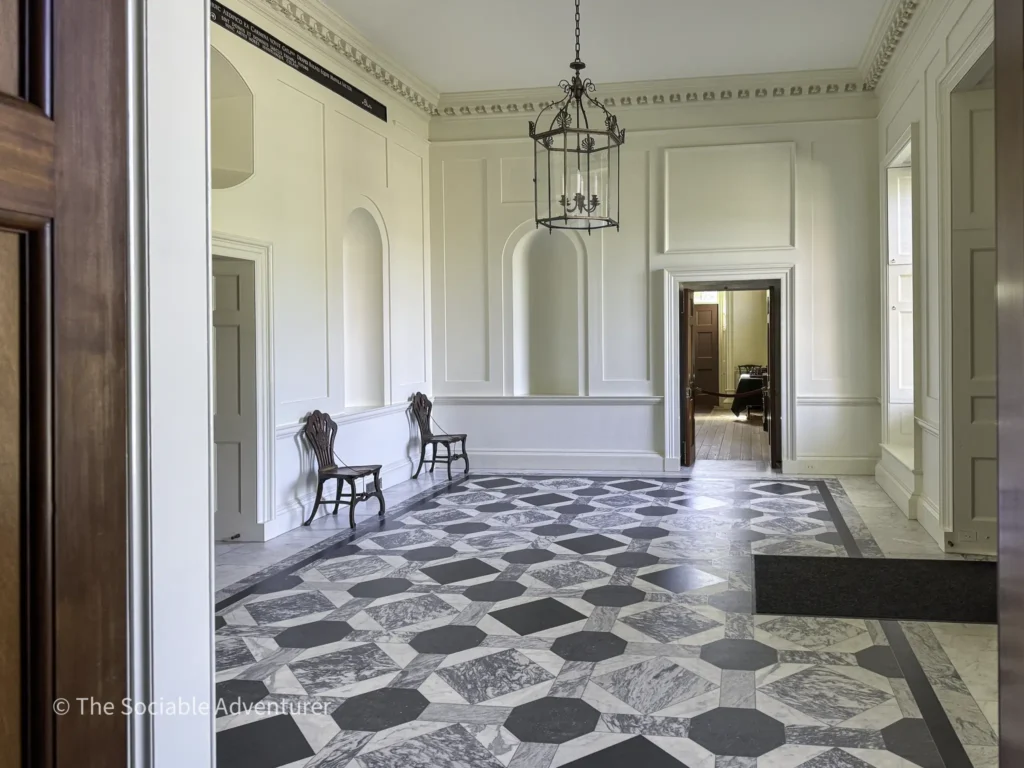
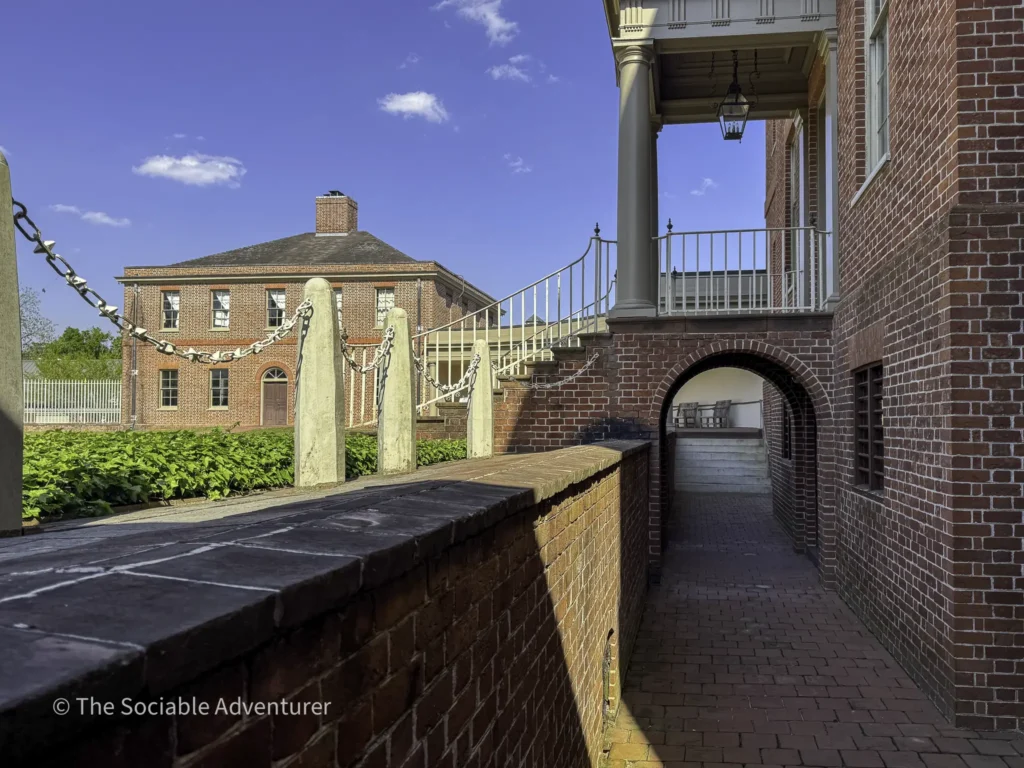
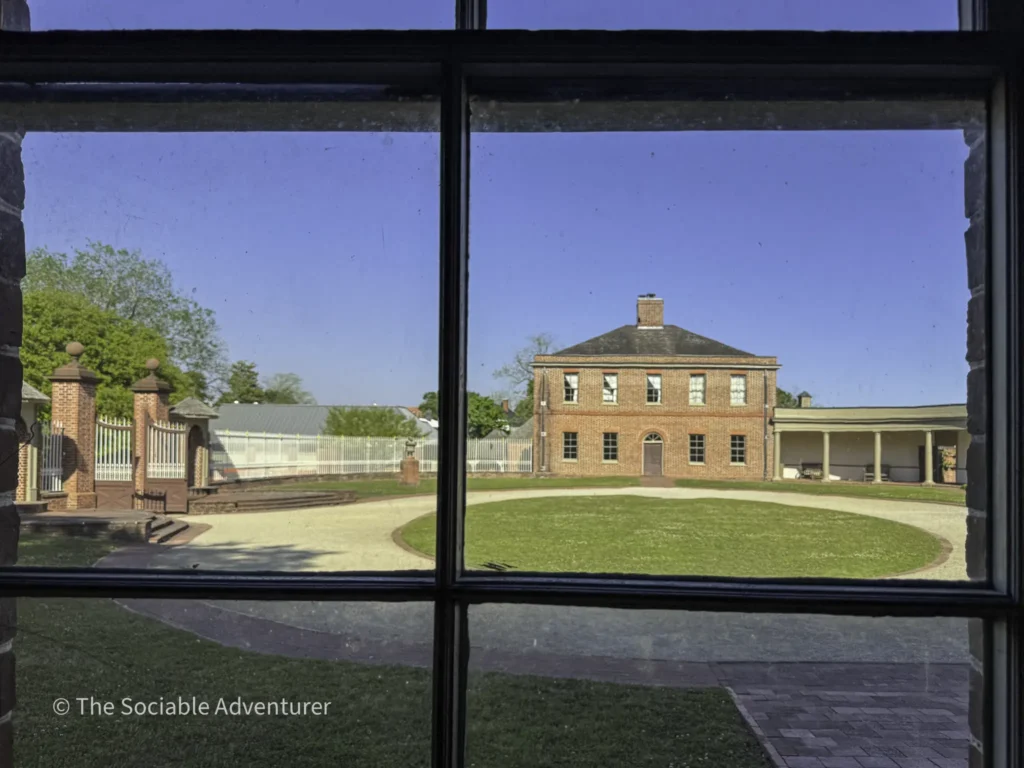
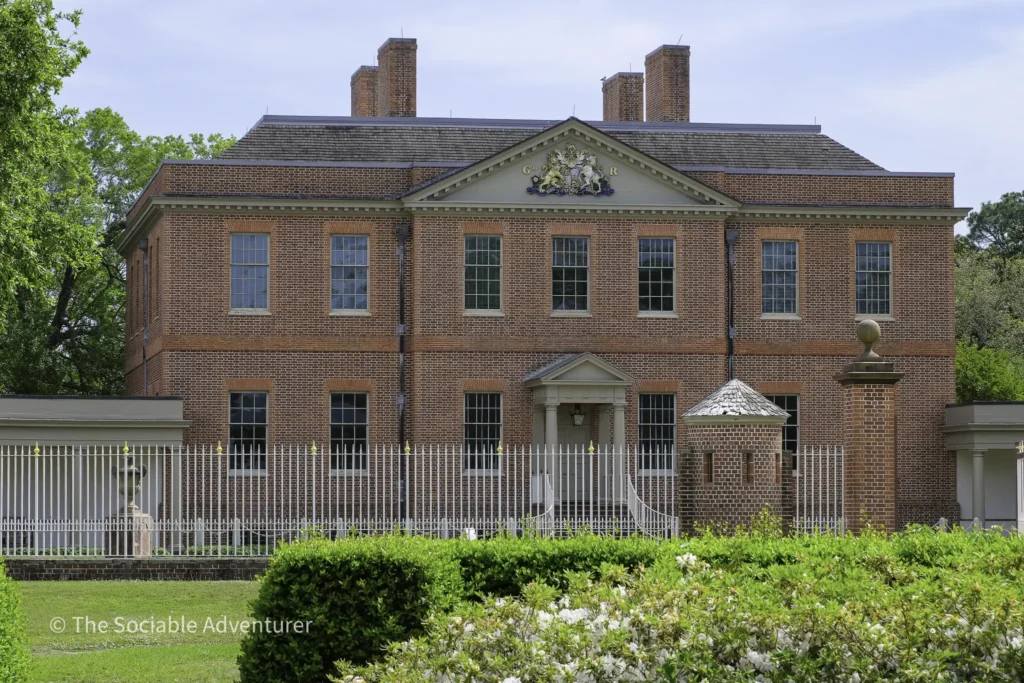
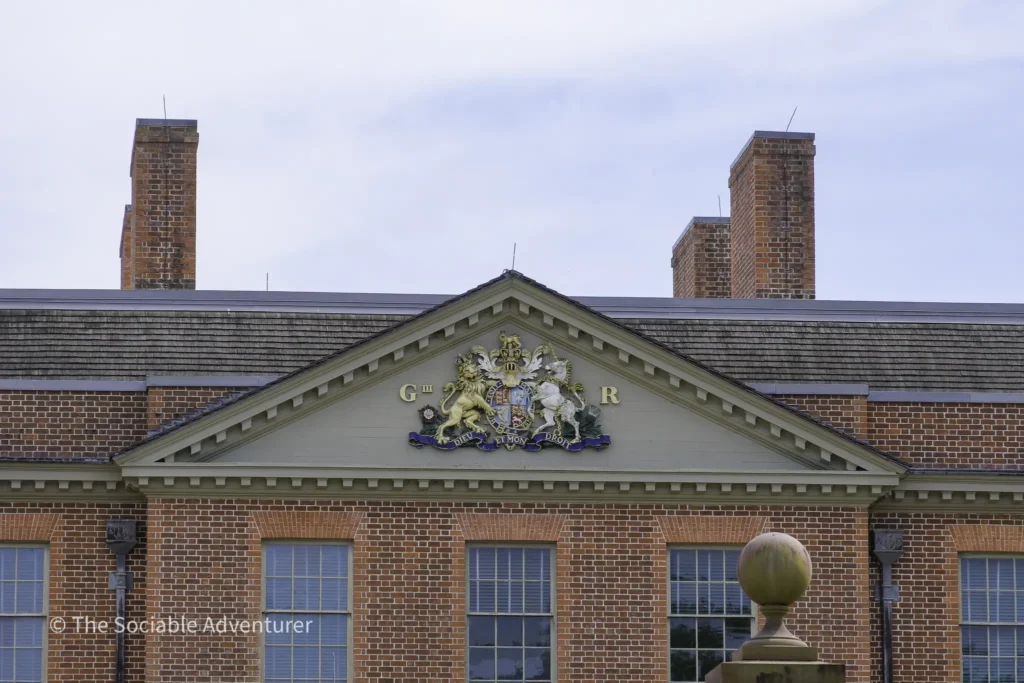
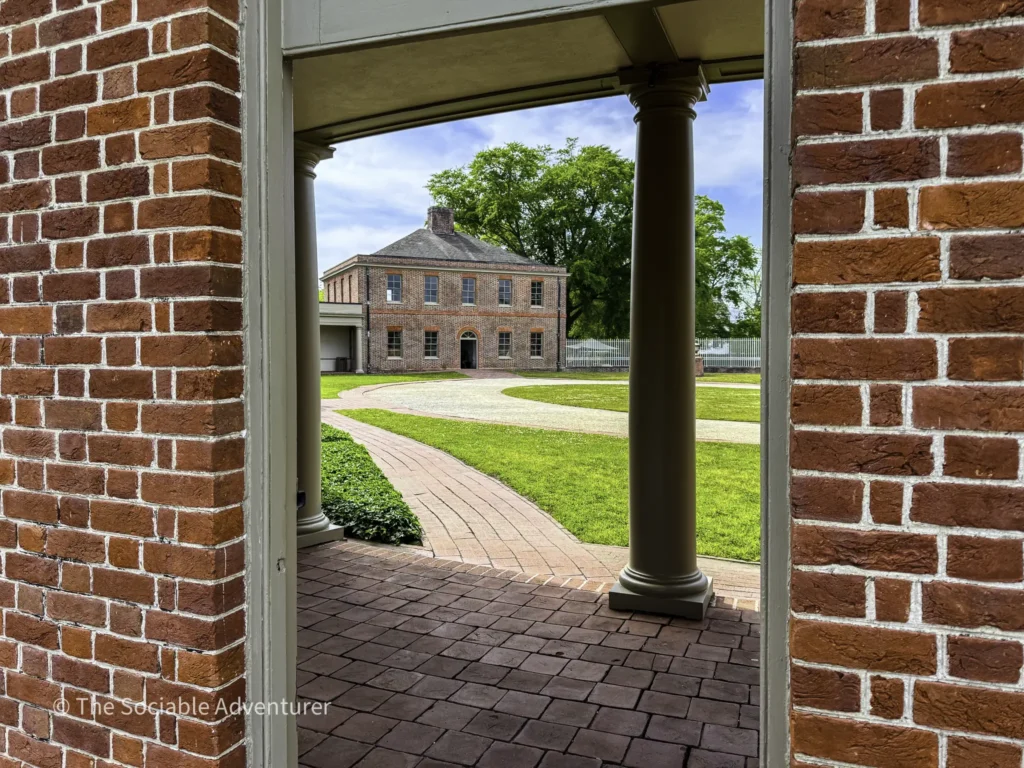
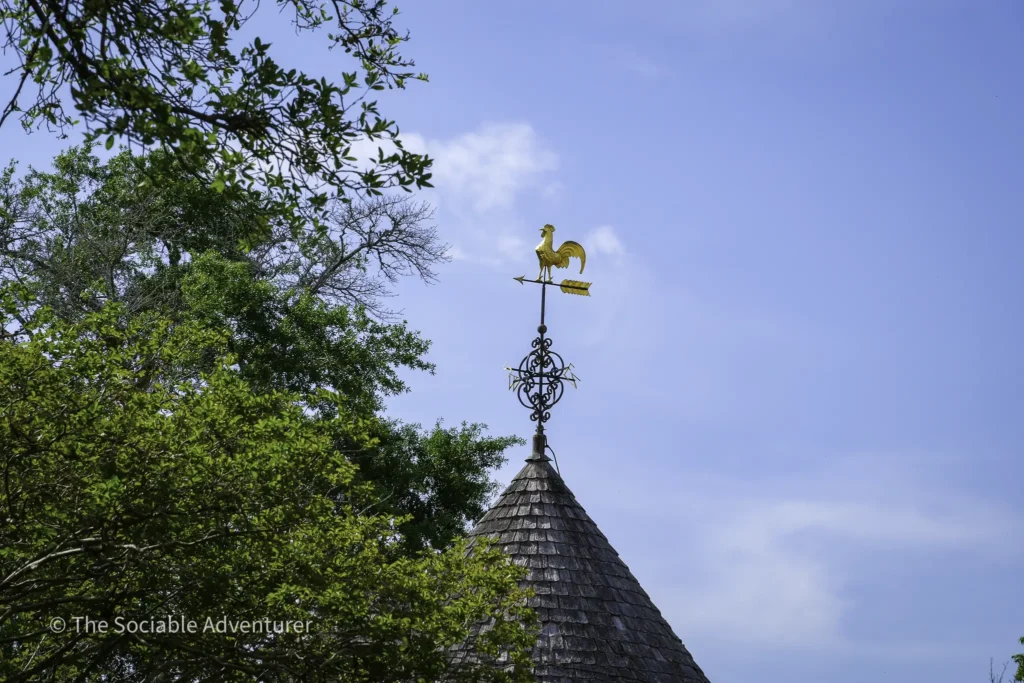
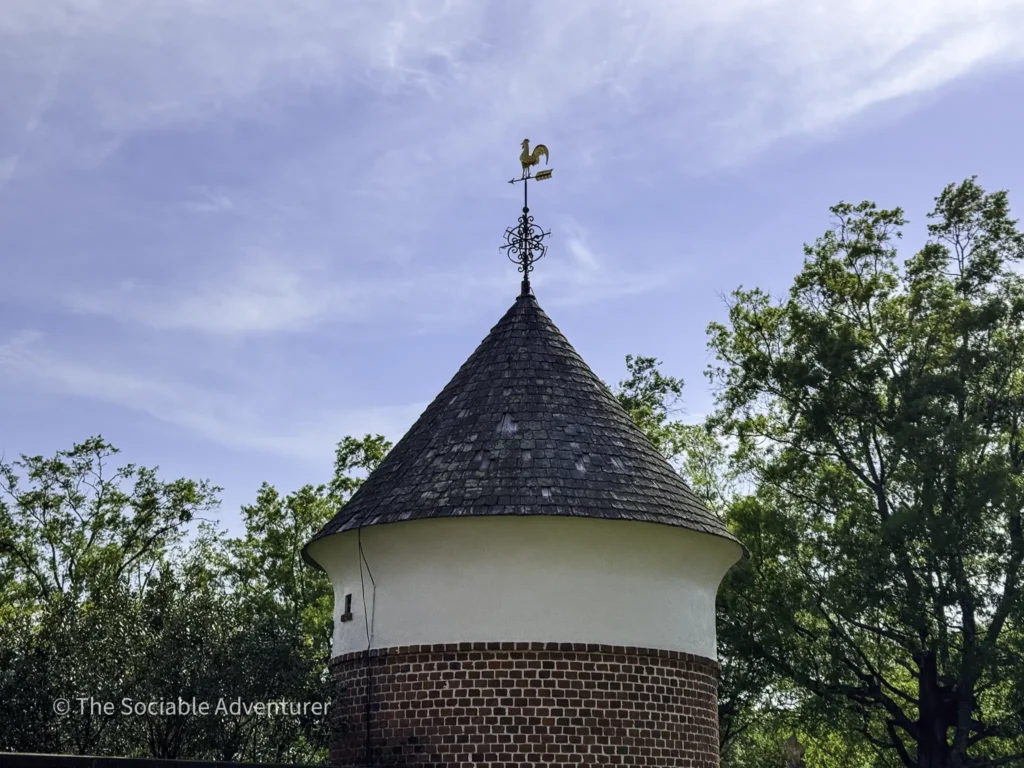
For one of the most historically significant landmarks in North Carolina, Tryon Palace is a real treasure. Set on a 16-acre complex in downtown New Bern, NC in Craven County, this meticulously restored Georgian-style mansion once served as the colonial governor’s residence and North Carolina’s first permanent capital. Completed in 1770 by English architect John Hawks for Royal Governor William Tryon, the palace was described in its era as “the finest government house in the colonies” — and today it stands as one of the most ambitious historic preservation projects in the American South. Be sure to check out the YouTube video and pictures below to get a feel for the palace before you go — or to relive the visit after.
A Georgian Masterpiece in the Colonial Capital
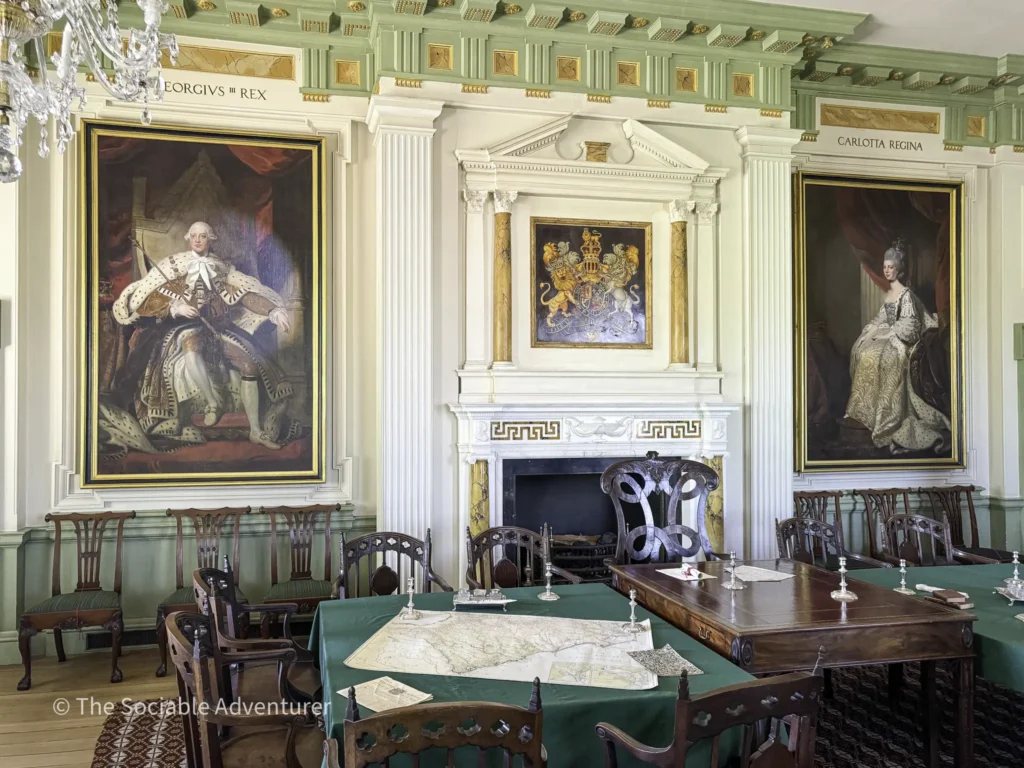
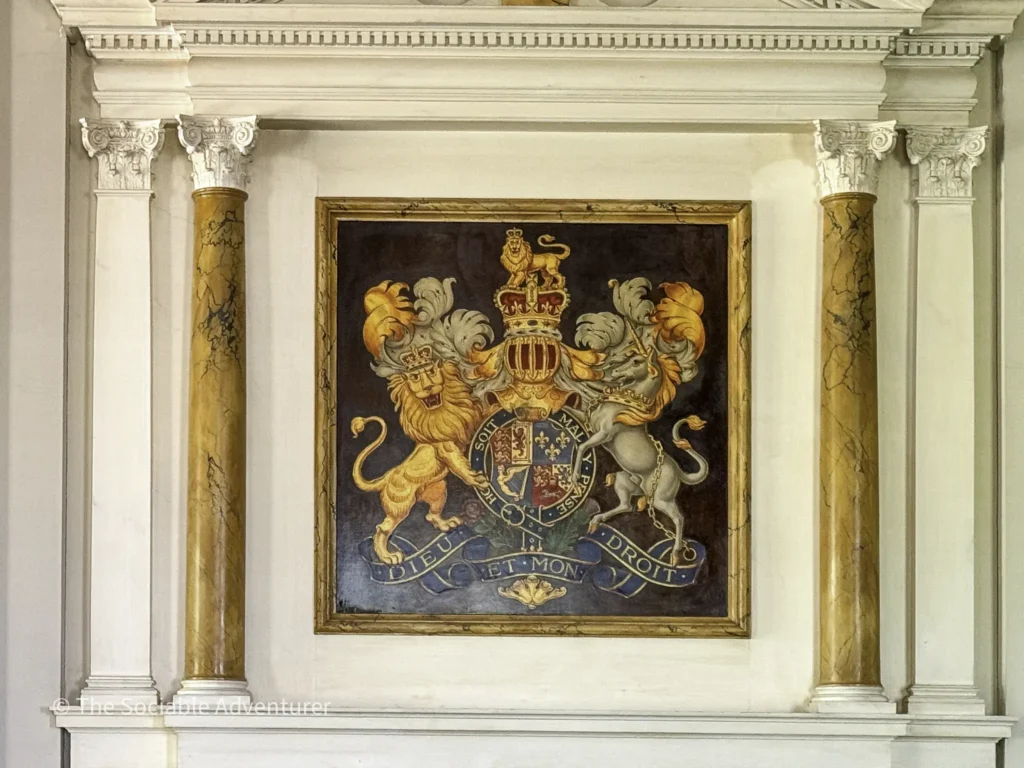
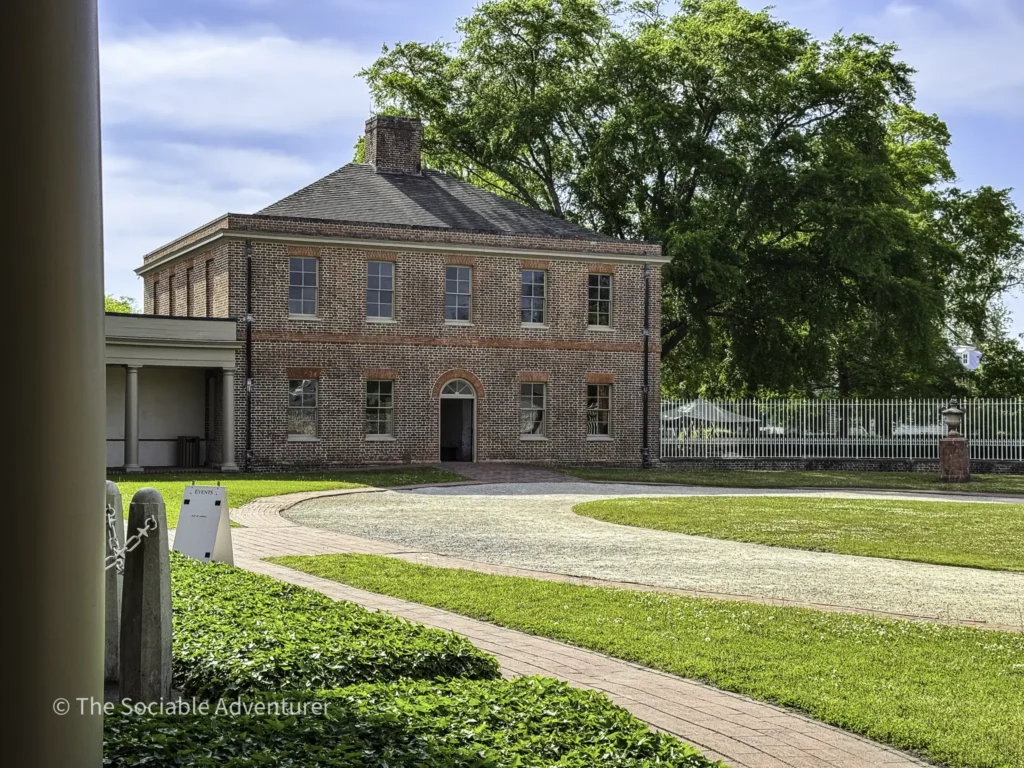
Tryon Palace was built between 1767 and 1770 as both a private residence for the Royal Governor of North Carolina and as the official seat of colonial government. The palace’s design — by English architect John Hawks — drew on the latest Georgian architectural fashion of the British colonies, blending elegance, symmetry, and grand public-facing spaces in a way that few other buildings in colonial America could match.
The palace served as North Carolina’s first permanent capital. Before its construction, the colonial government had moved between New Bern, Edenton, Wilmington, Halifax, and Hillsborough — but the completion of Tryon Palace in 1770 finally gave the colony (and later the new state) a fixed, ceremonial seat of government. New Bern remained the capital until 1792, when the state government moved to its permanent home in Raleigh.
Royal Governors and Revolutionary Defiance
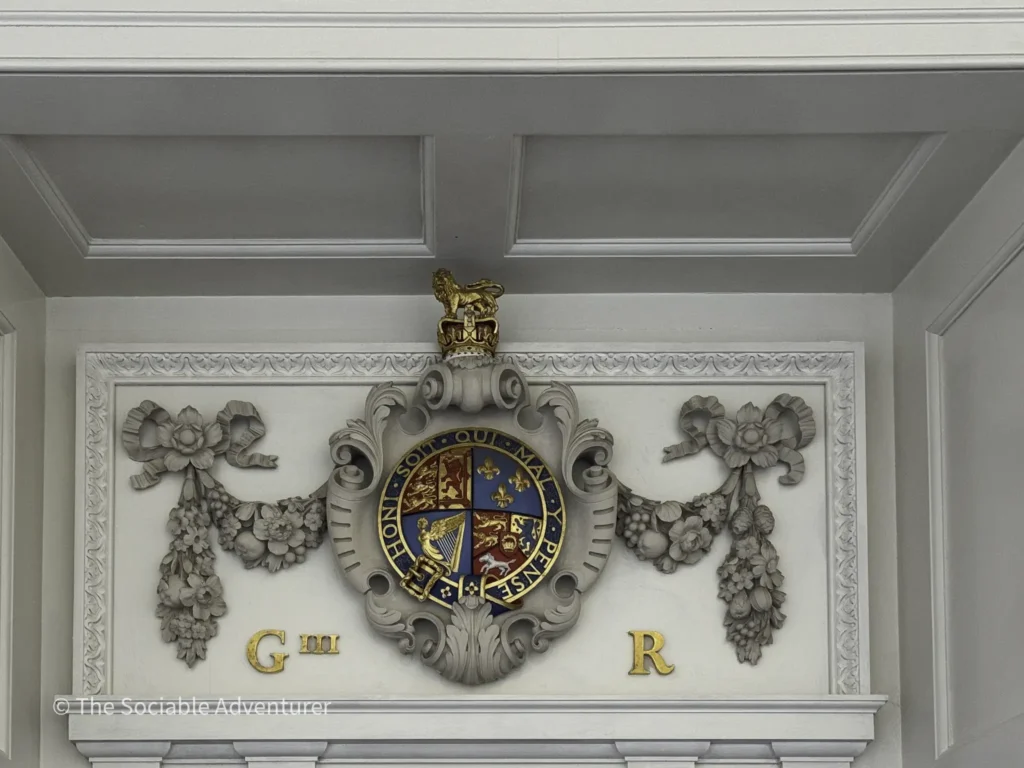
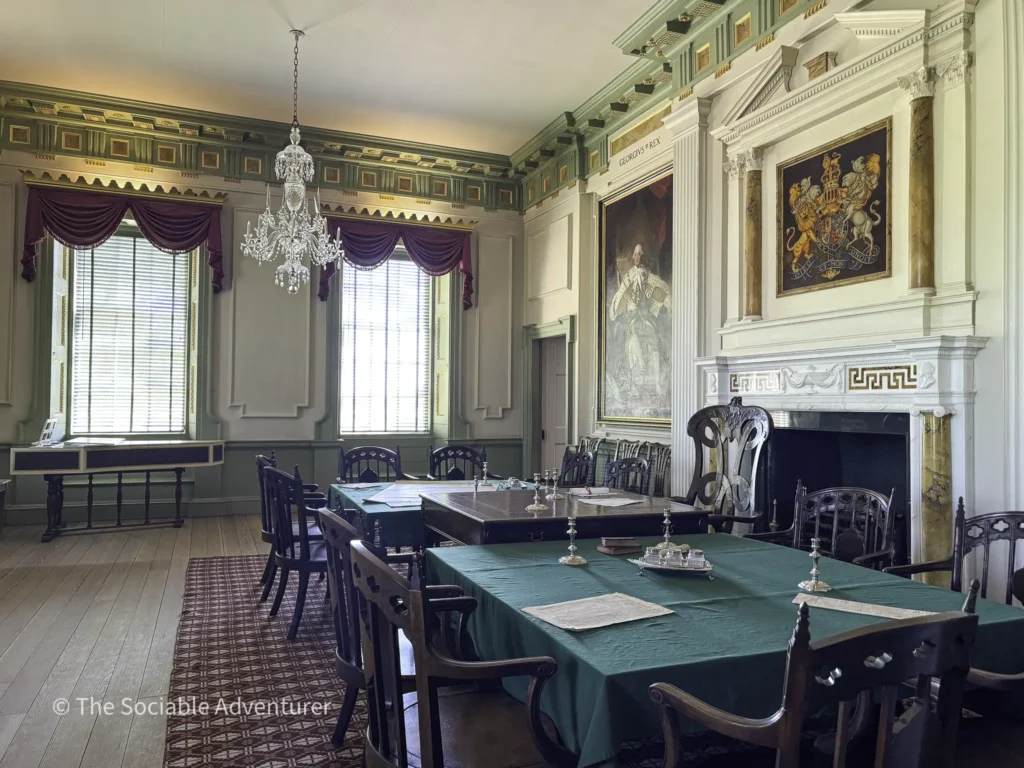
The palace served as home to two Royal Governors — William Tryon and Josiah Martin — before being adopted as a residence for early state governors of North Carolina after independence, including Richard Caswell, Abner Nash, Alexander Martin, and Richard D. Spaight.
In one of the most consequential moments of the Revolutionary era, the first Provincial Congress in the American colonies met at Tryon Palace in 1774 — in direct defiance of British orders. The gathering sent a clear signal of resistance and helped pave the way for the broader American independence movement.
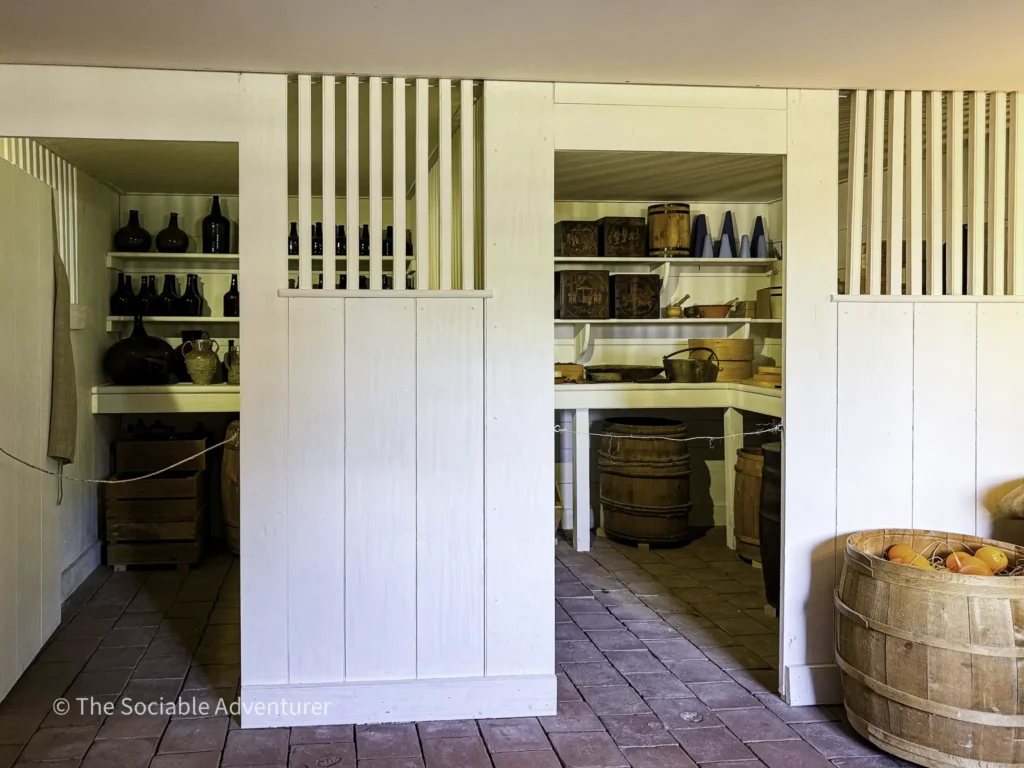
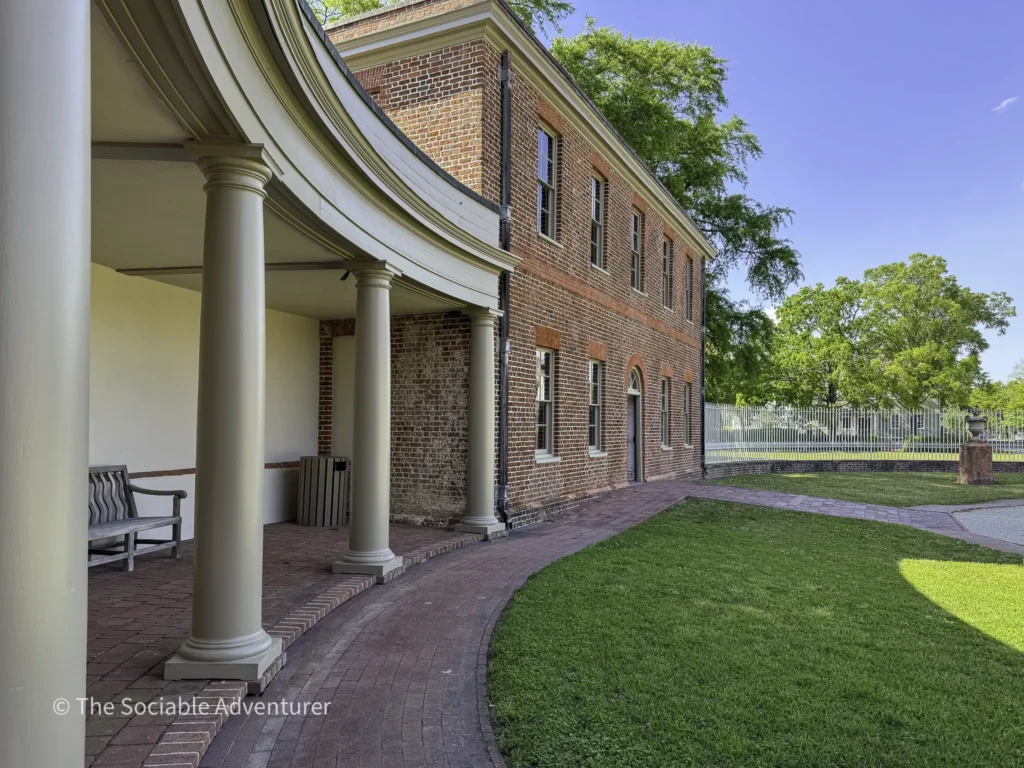
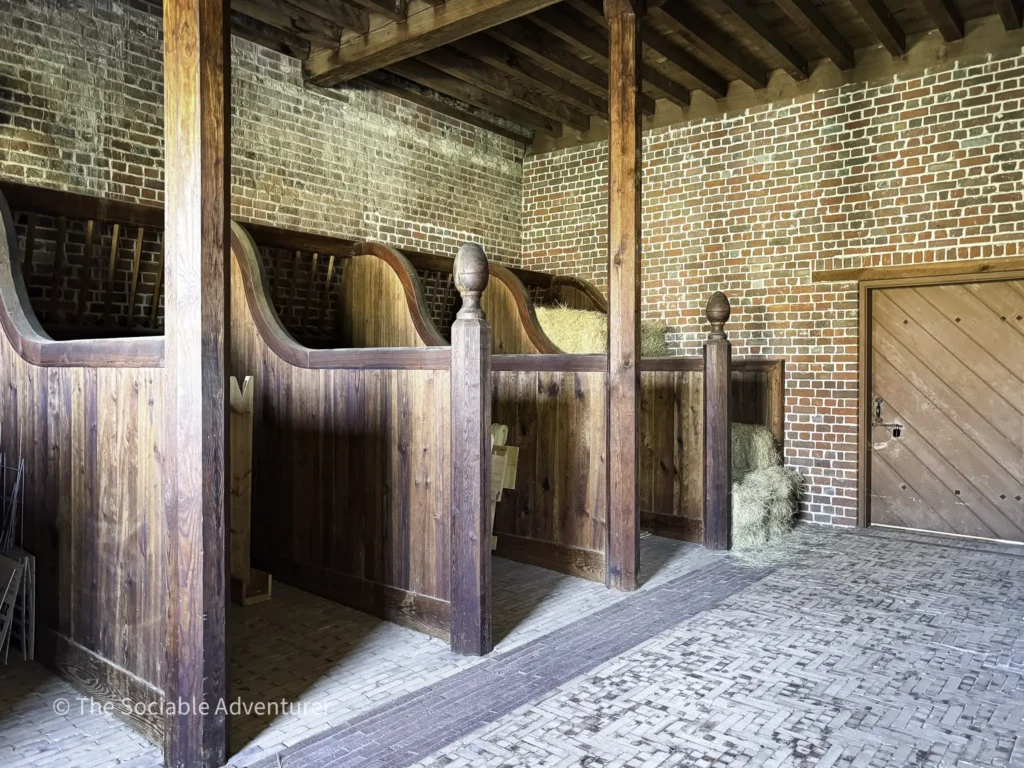
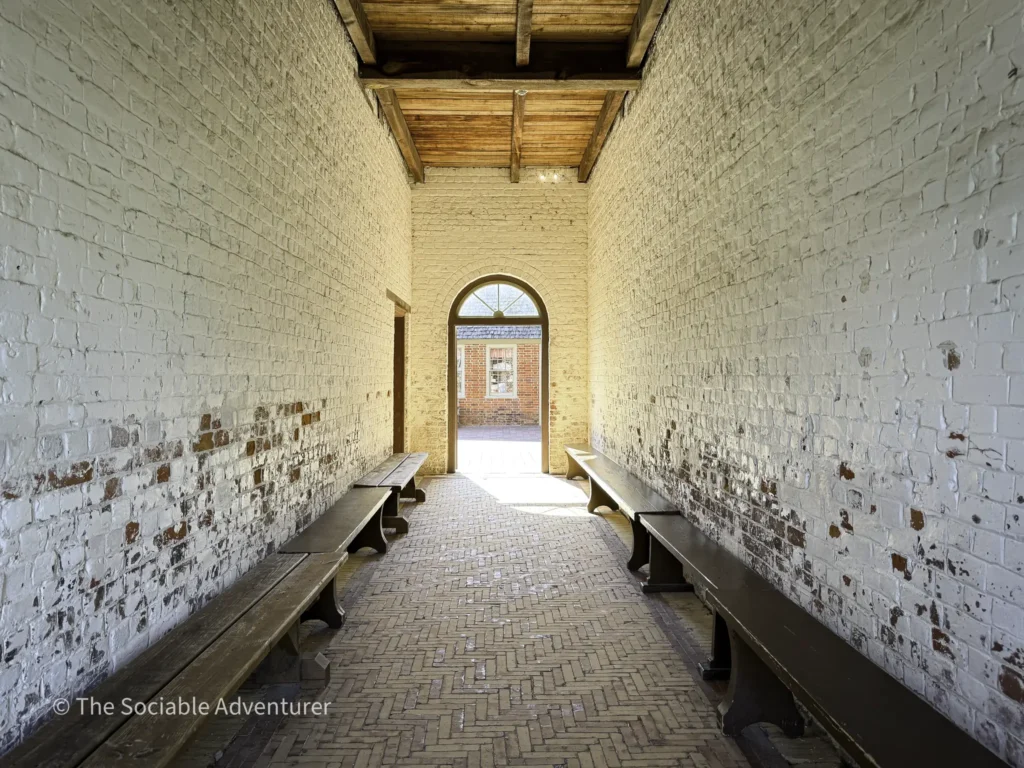
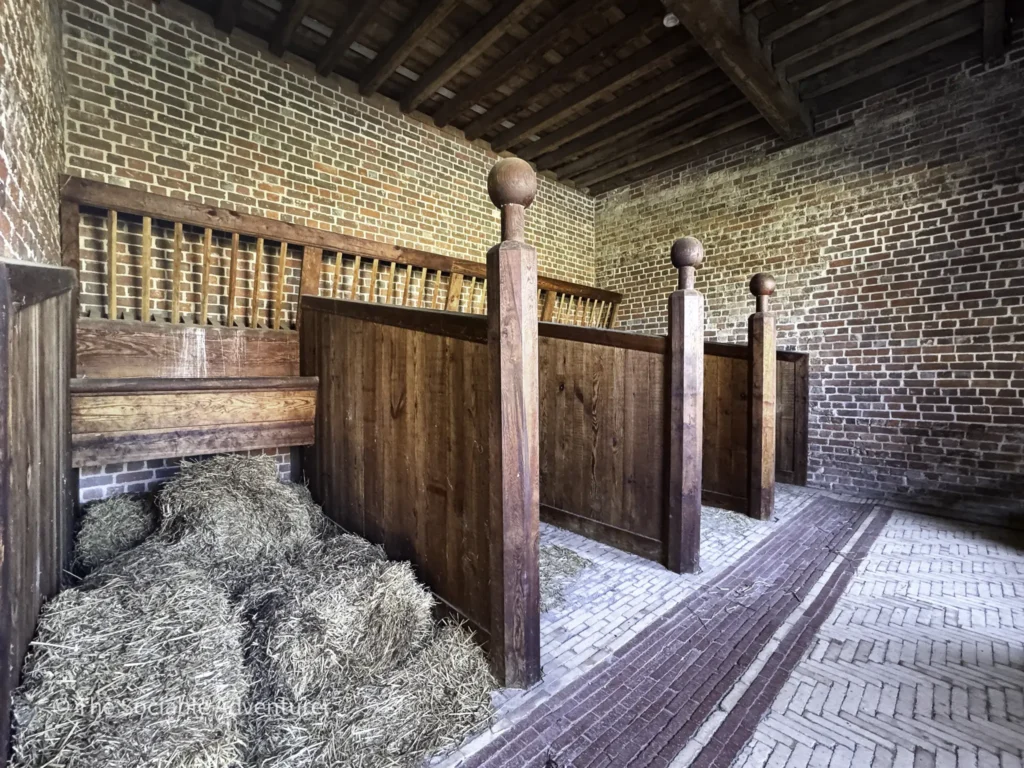
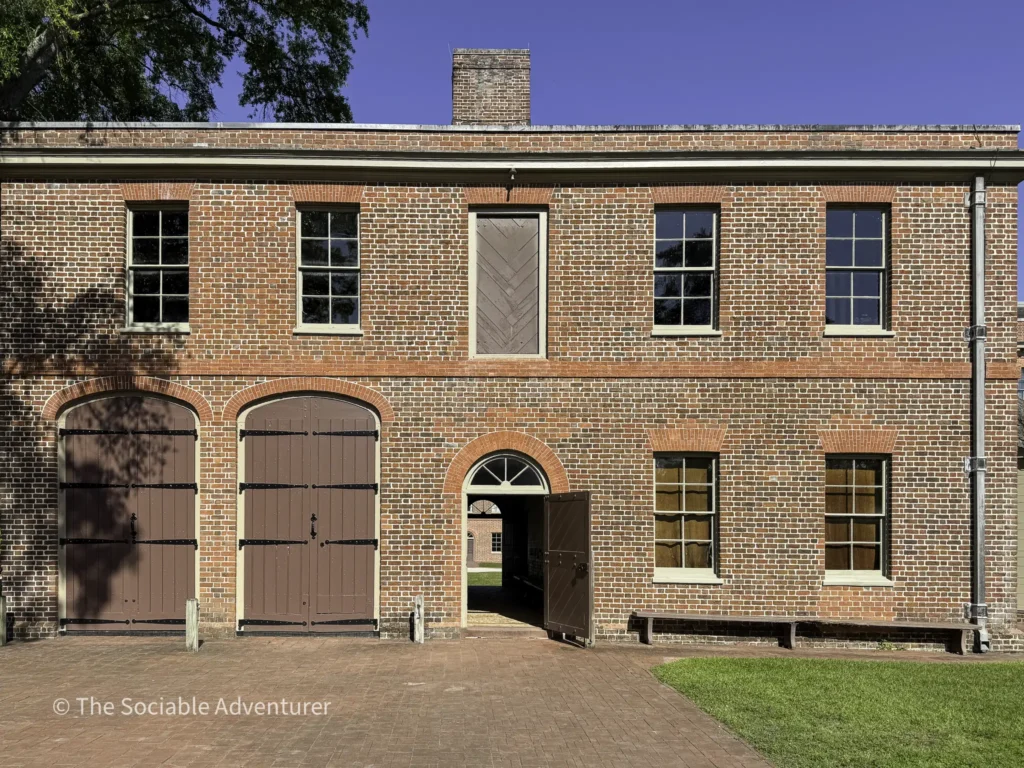
After the Revolutionary War, however, the palace was largely abandoned as the seat of state government moved north to Raleigh. The building fell into disrepair, and in February 1798, the original palace was destroyed by fire. The kitchen was later demolished, leaving only the stables as the main surviving structure from the original late-18th-century complex.
From Ruins to Reconstruction
For nearly 150 years, the site of Tryon Palace remained largely empty — a remarkable historical loss for a building of such national significance. In 1945, the Tryon Palace Commission was established to plan a meticulous reconstruction, using the original John Hawks plans as the guiding blueprint.
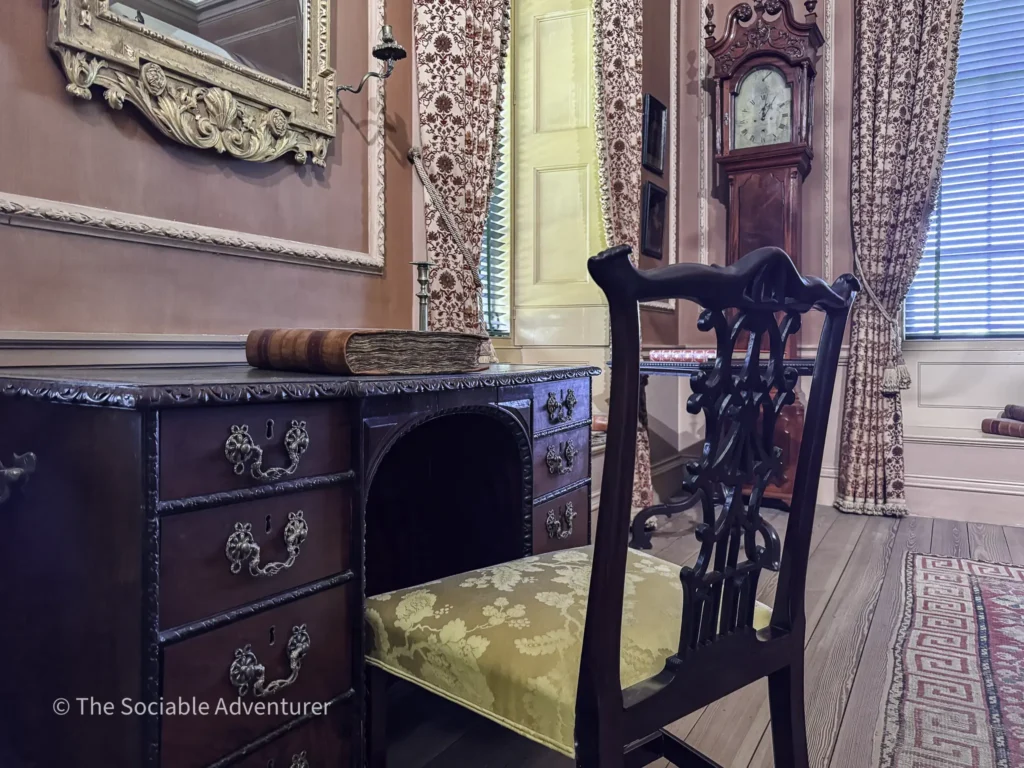
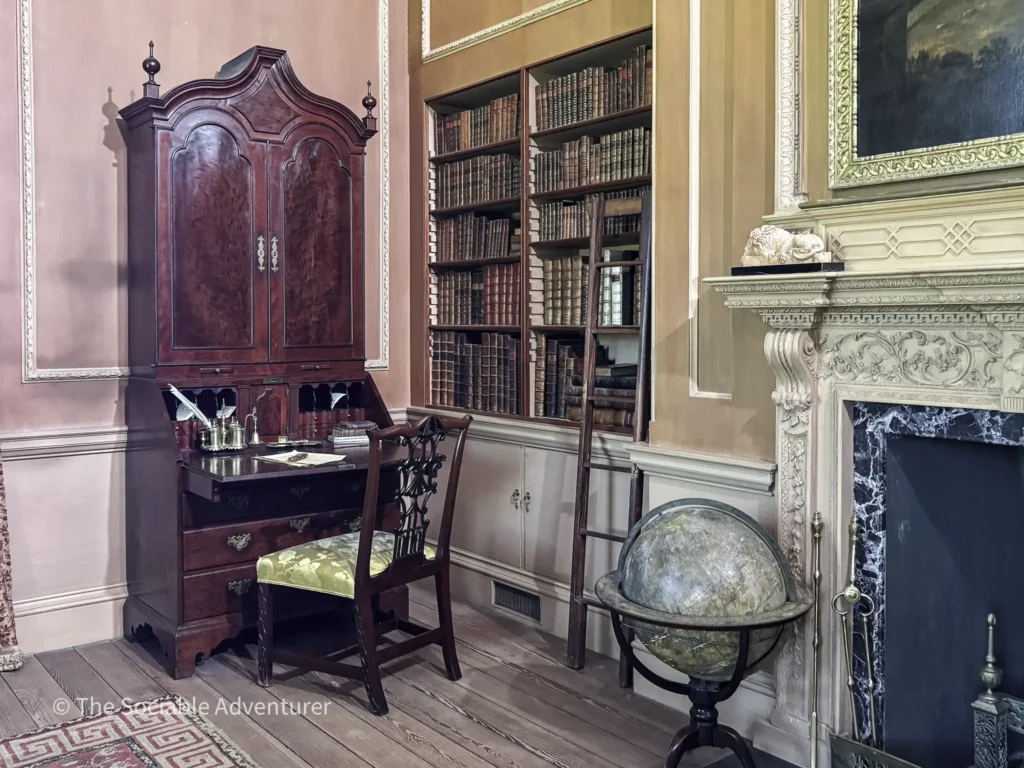
After more than a decade of careful work, the restored palace opened to the public in 1959, recreating the original Georgian elegance with extraordinary historical fidelity. The reconstruction was made possible in large part by the vision and generosity of Maude Moore Latham, whose collection of decorative arts pieces (now displayed in the History Center’s Guion Gallery) helped furnish the rebuilt palace.
Living History at the Palace
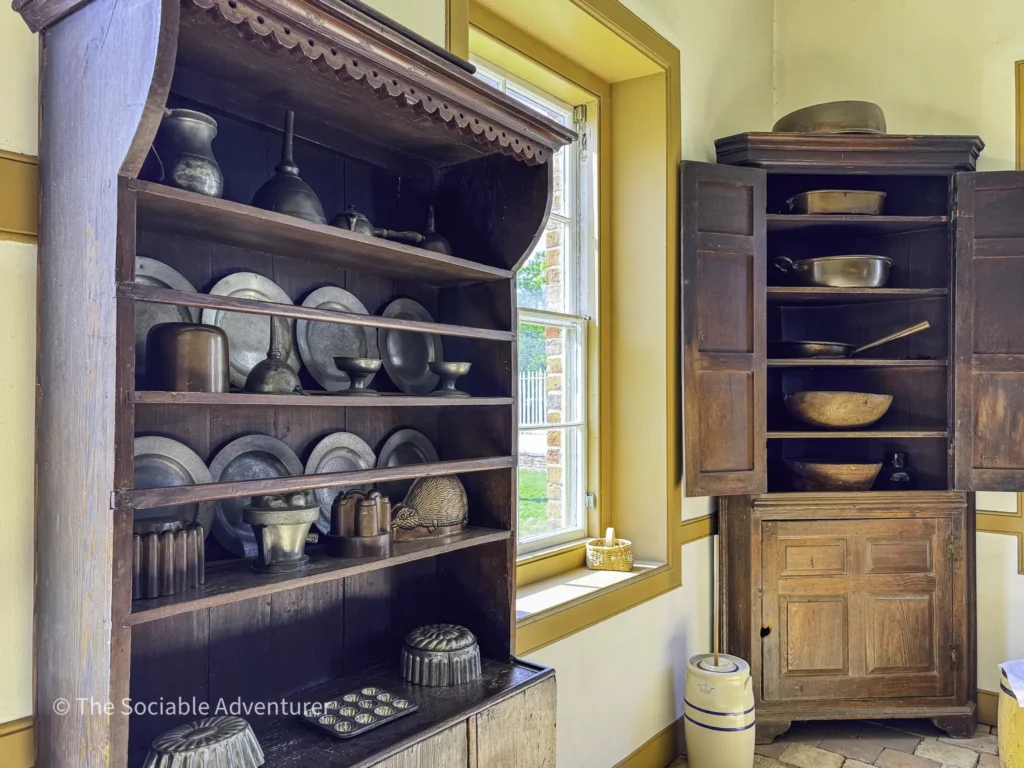
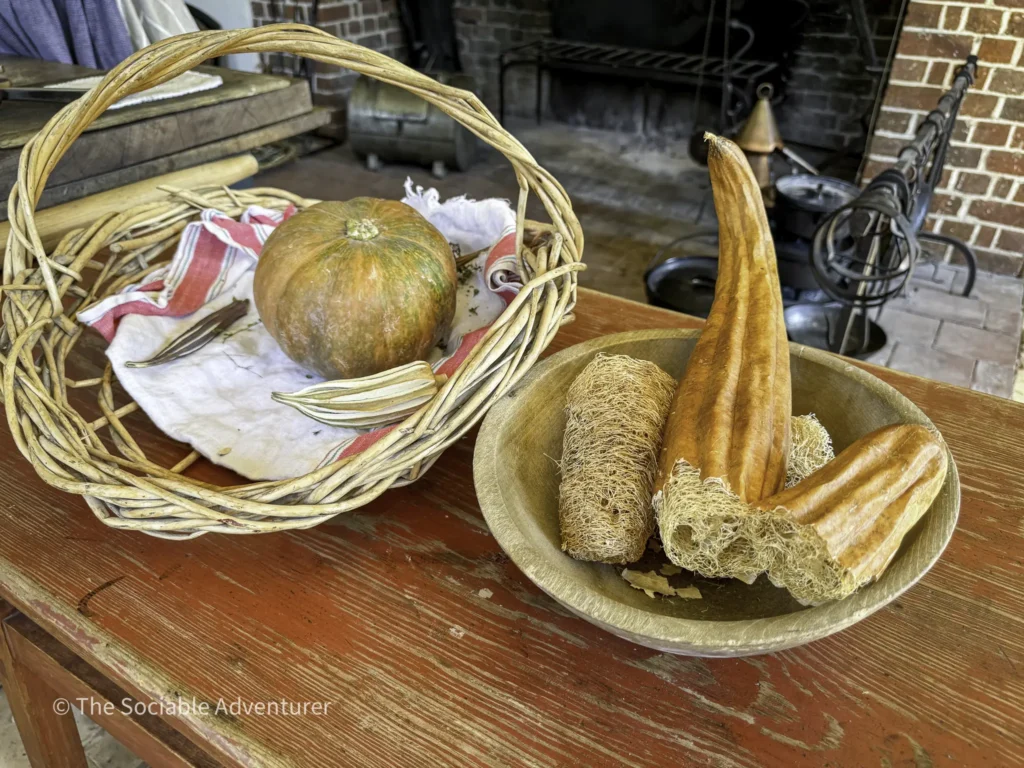
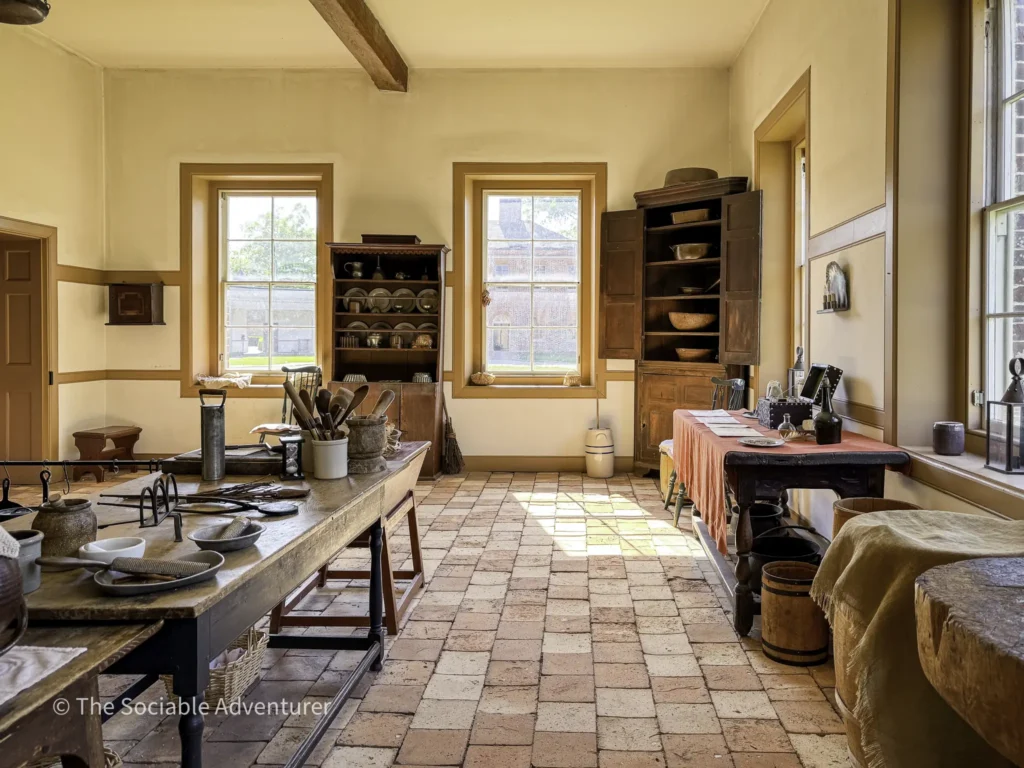
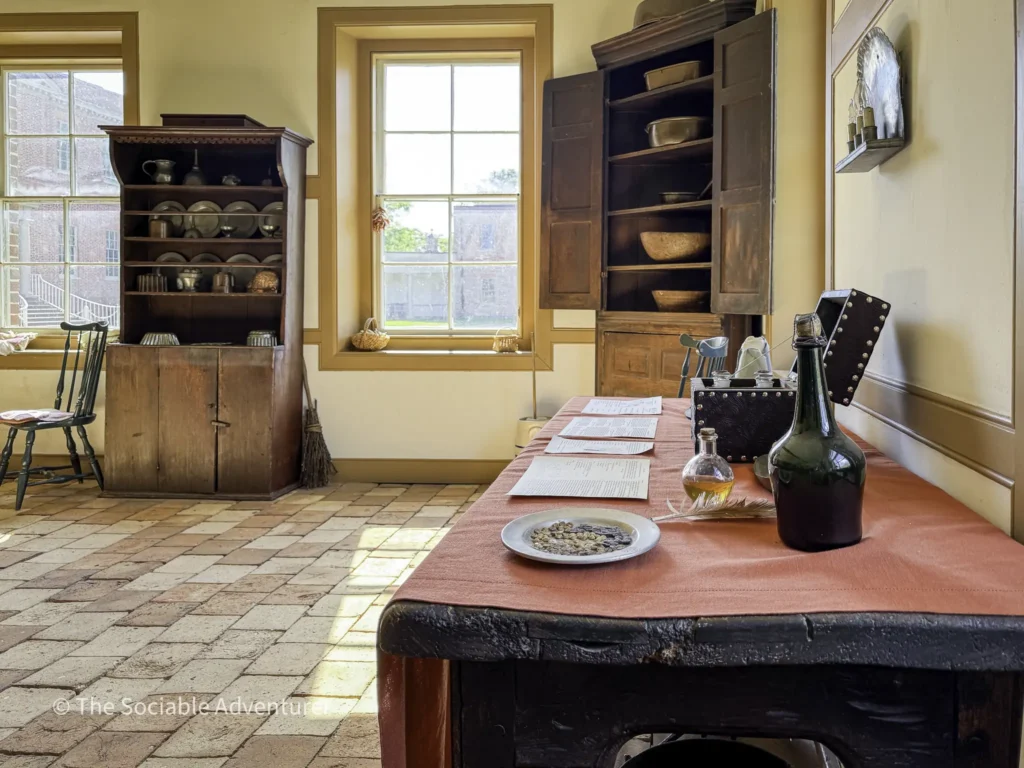
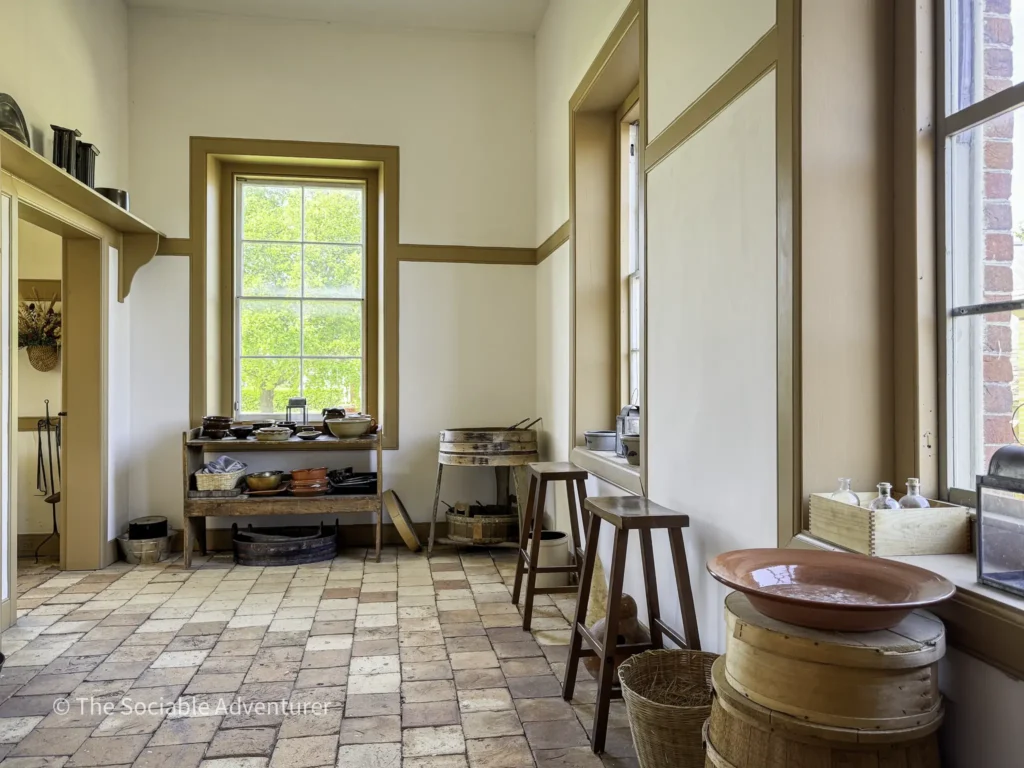
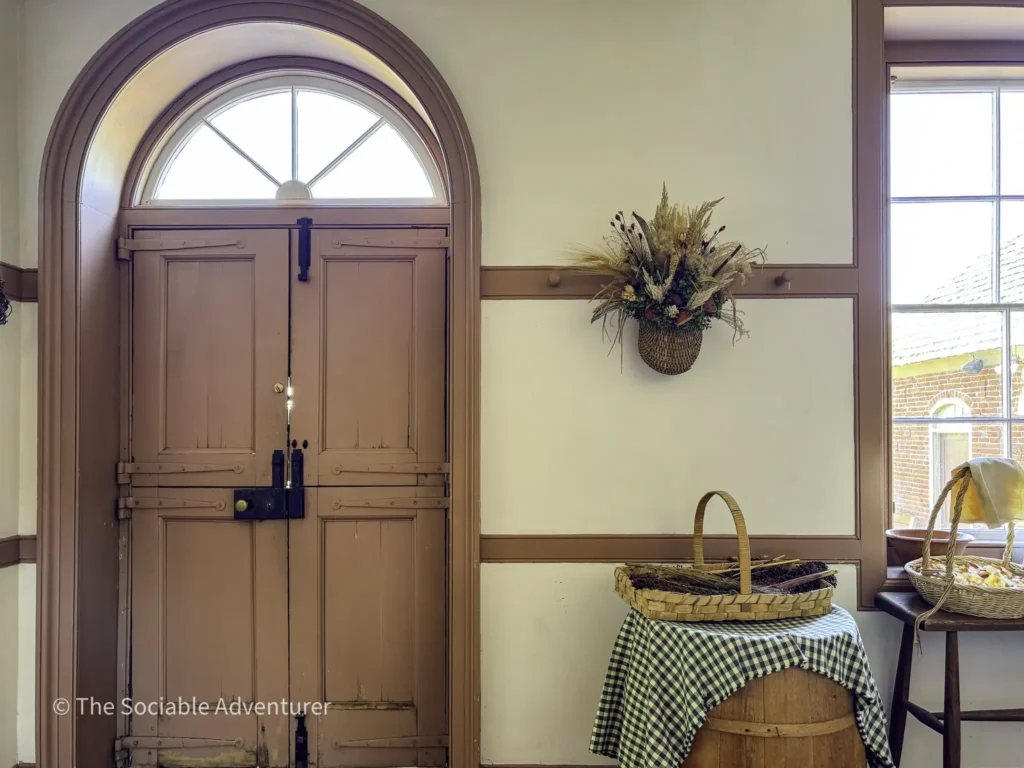
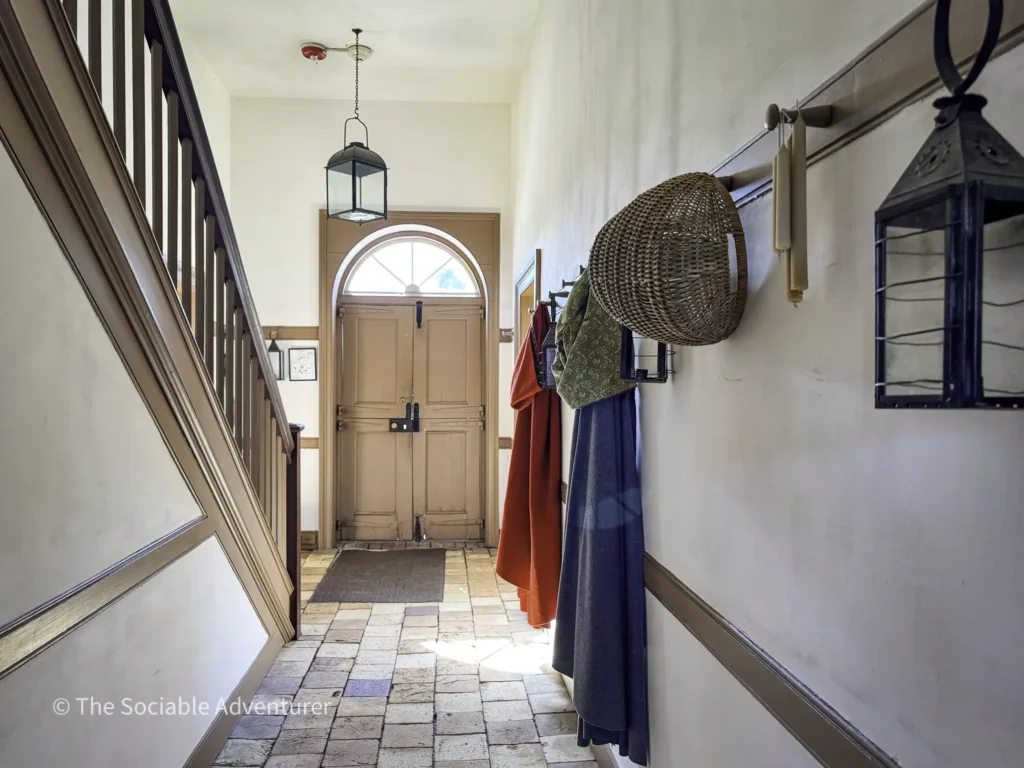
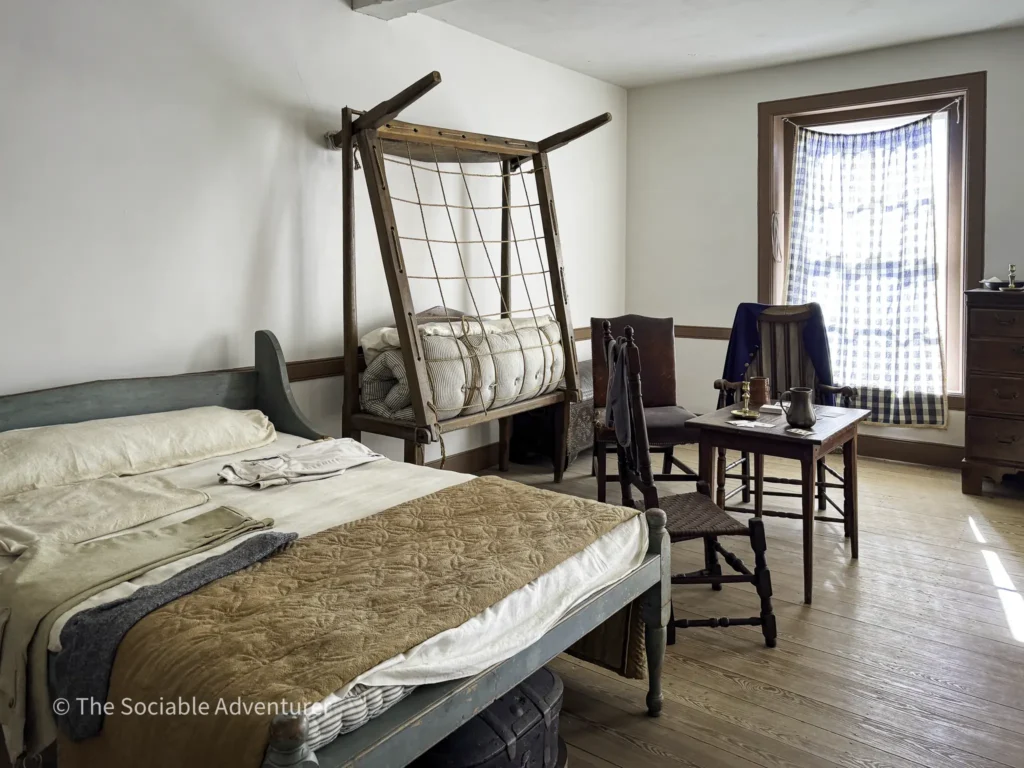
Today, Tryon Palace operates as a living history museum that brings 18th-century colonial life vividly to the present. Visitors can:
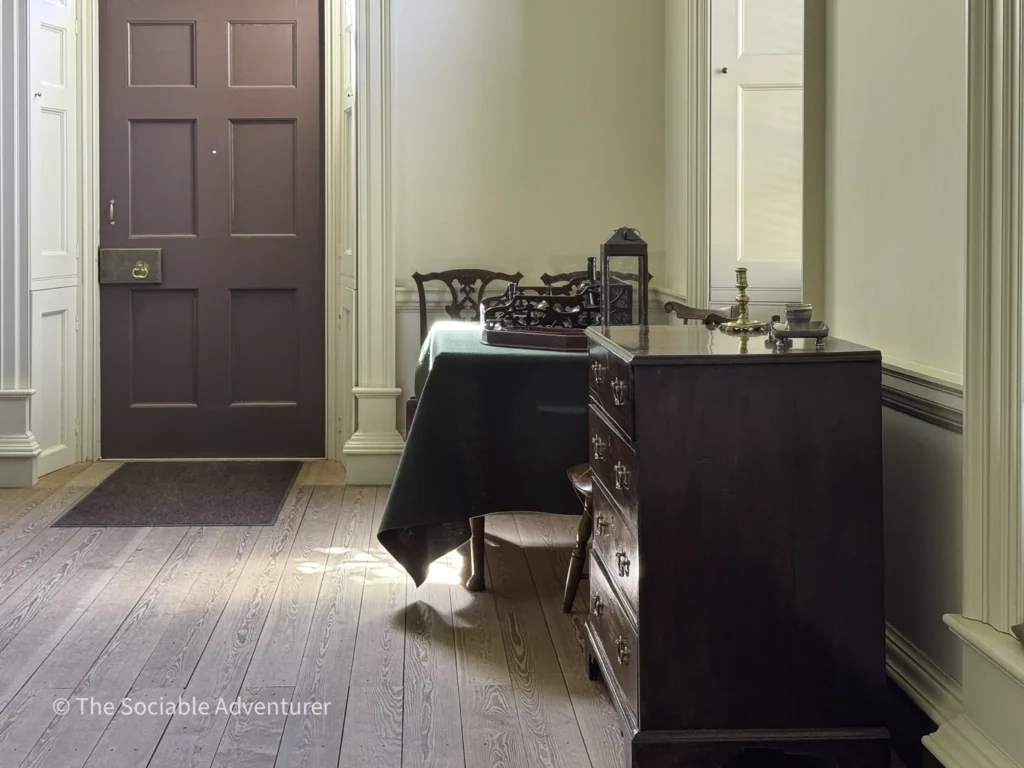
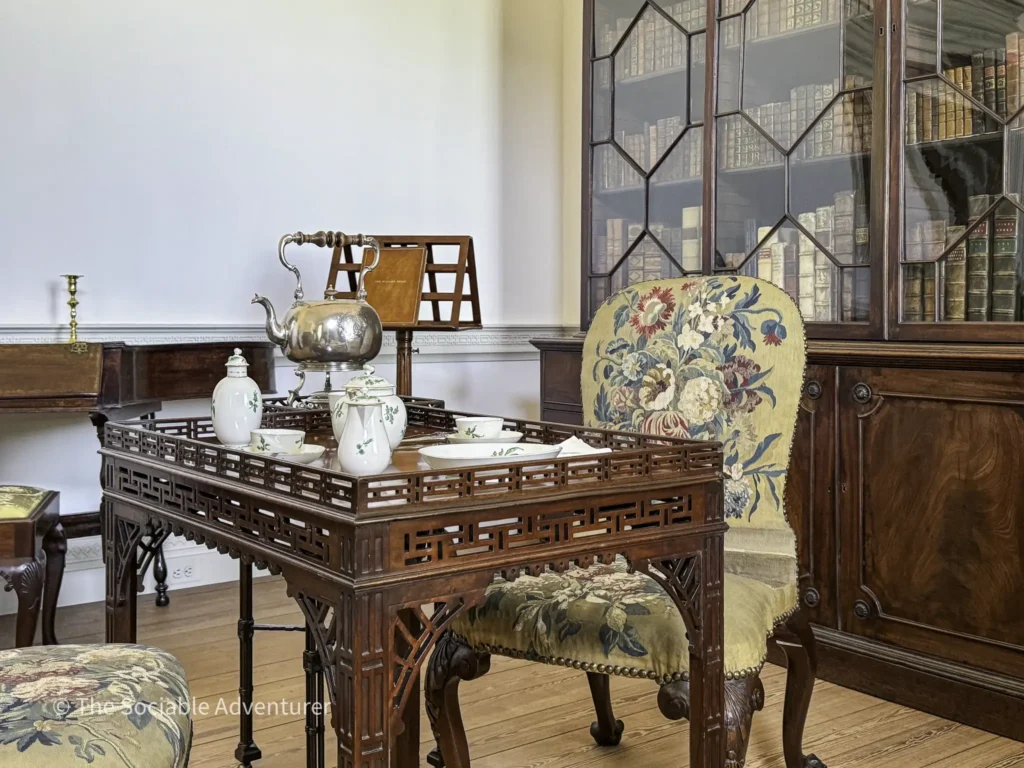
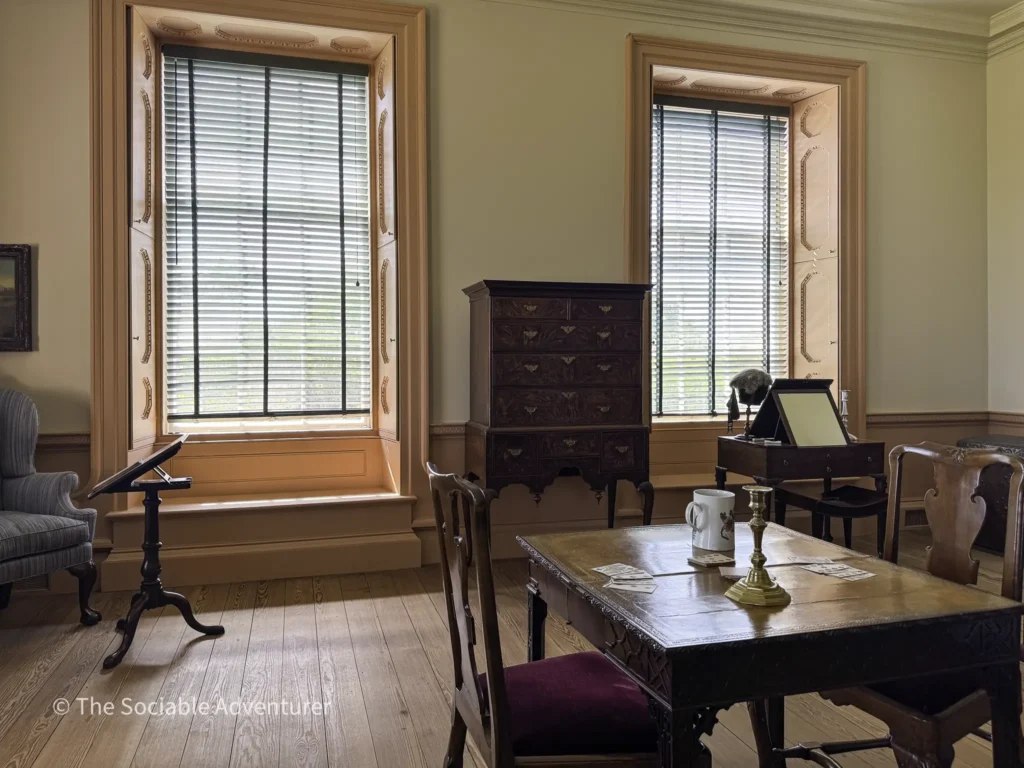
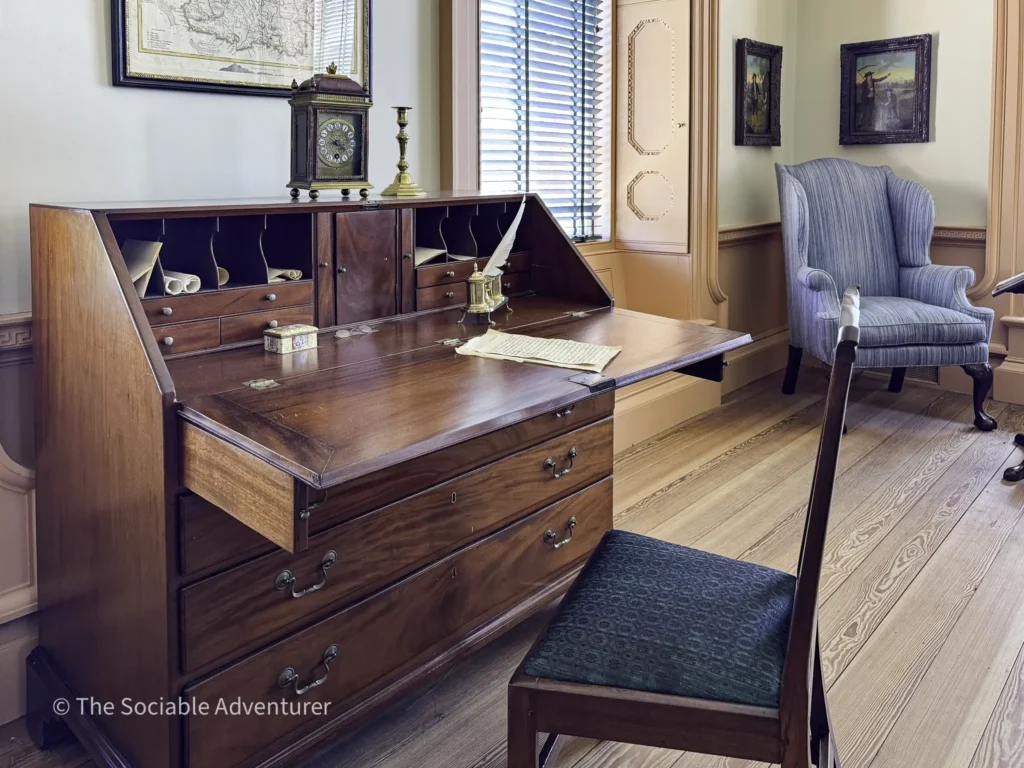
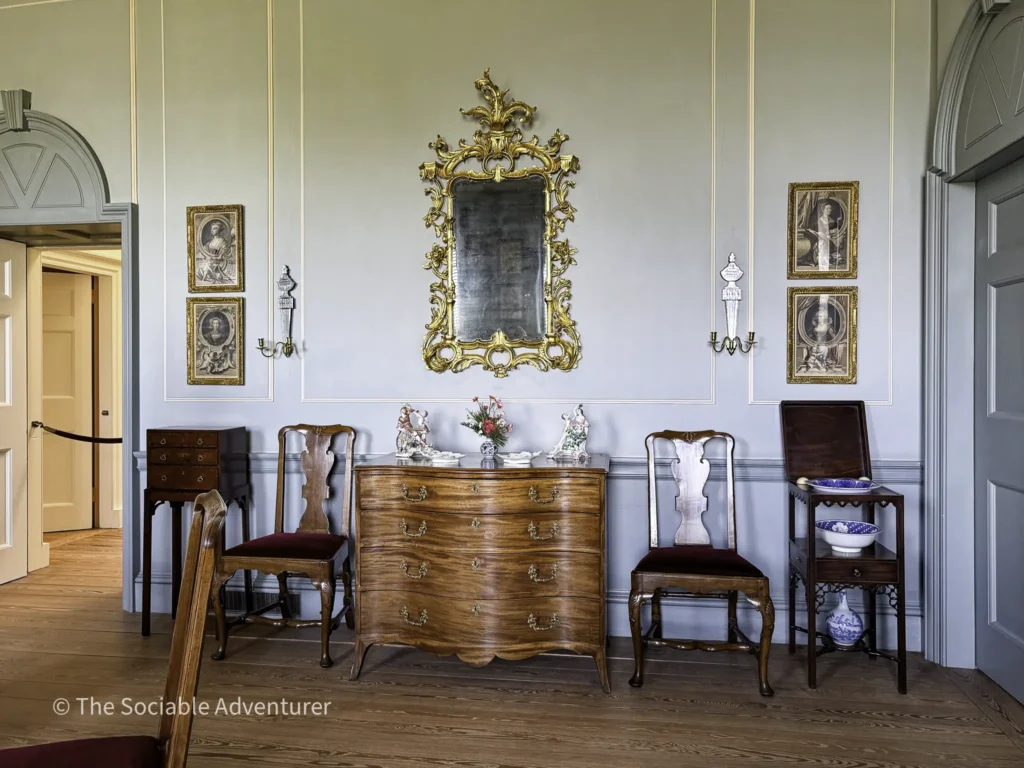
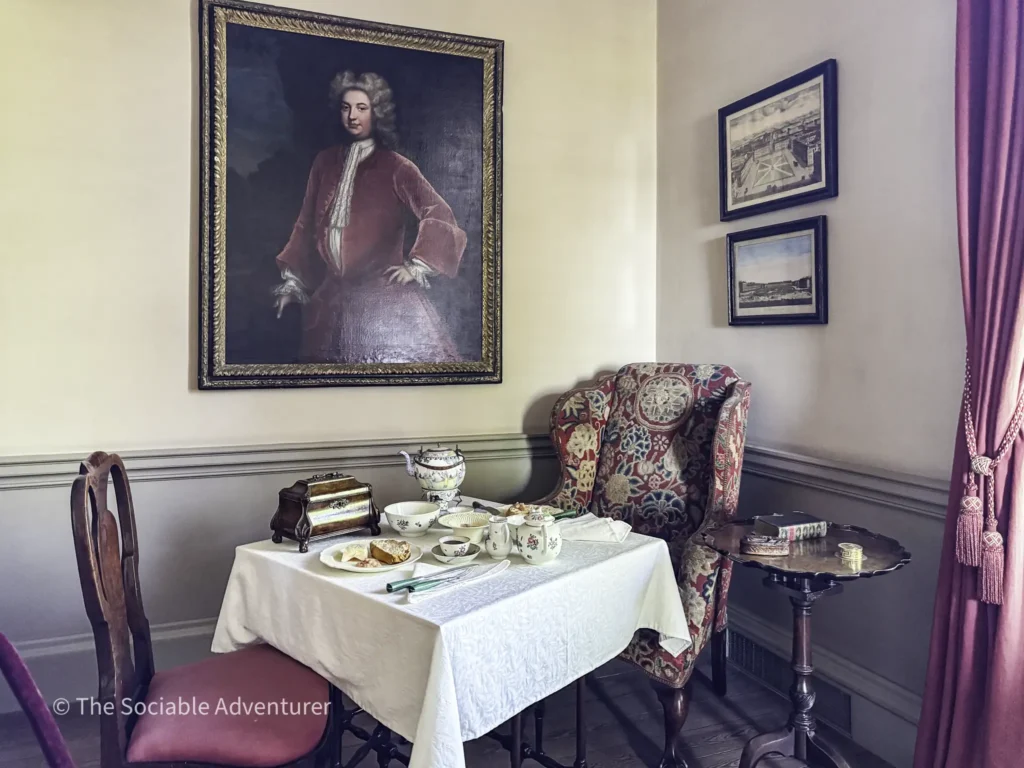
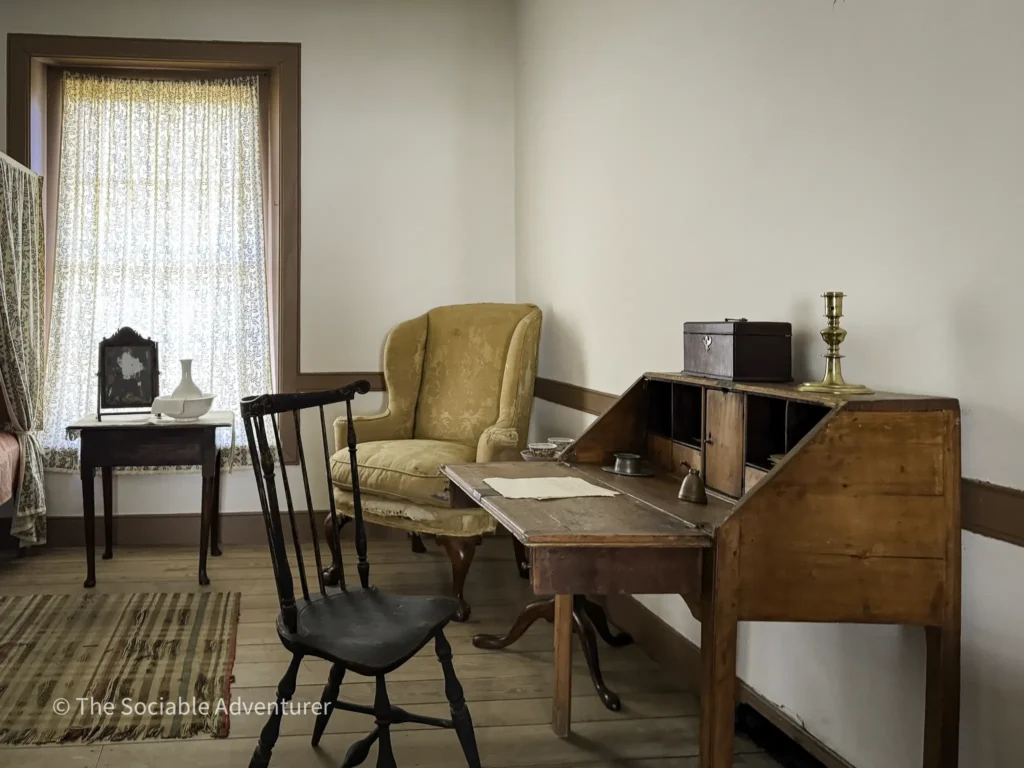
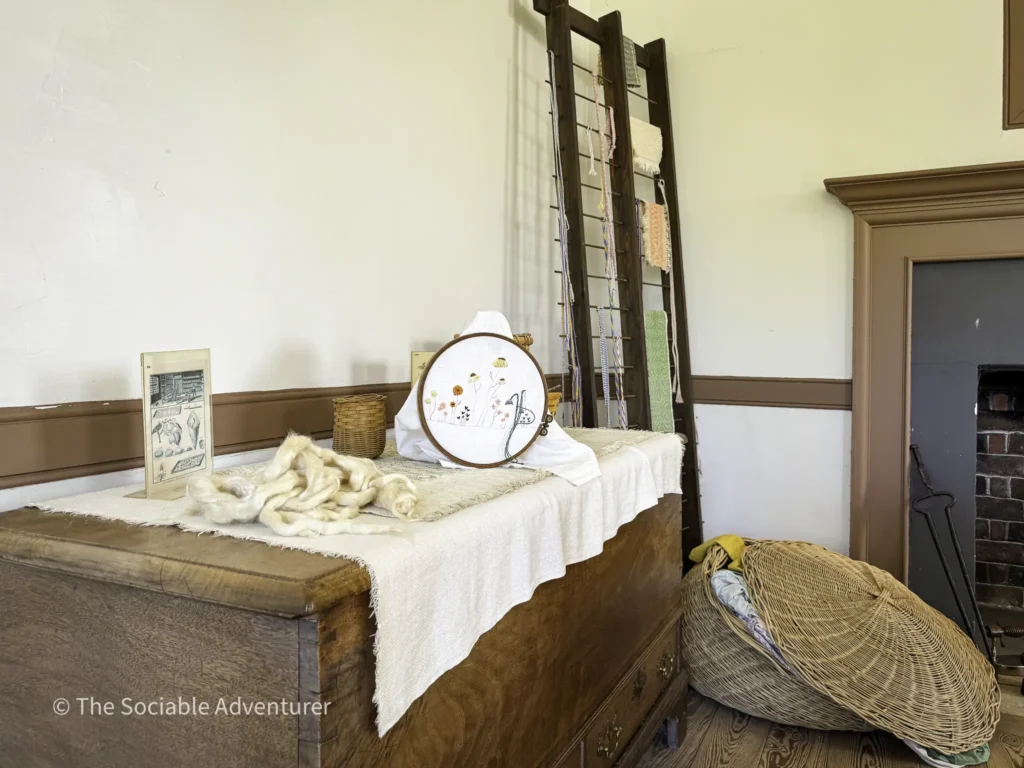
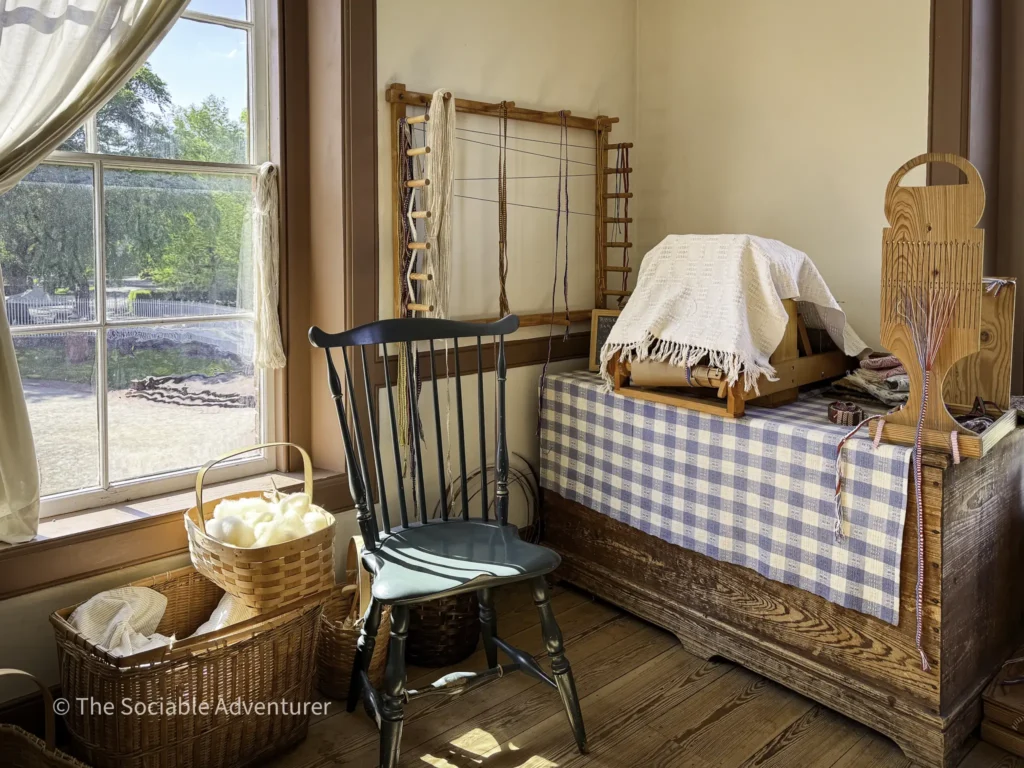
- Explore beautifully restored rooms filled with period-appropriate furnishings, decorative arts, textiles, and personal items
- Take guided tours led by knowledgeable interpreters
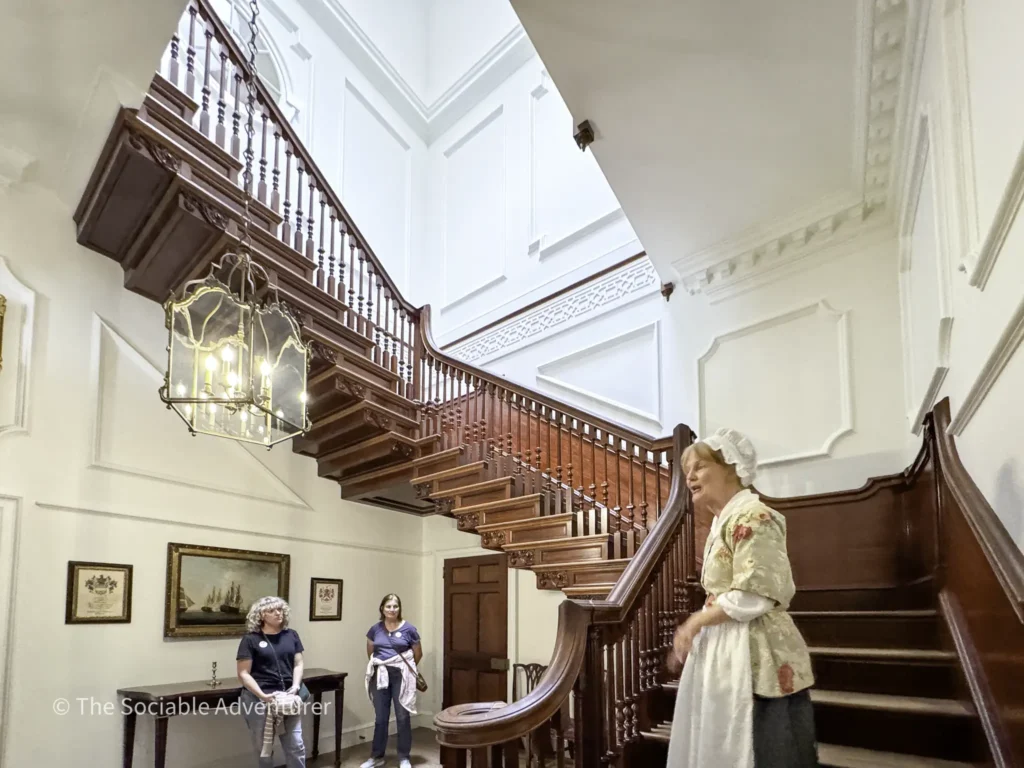
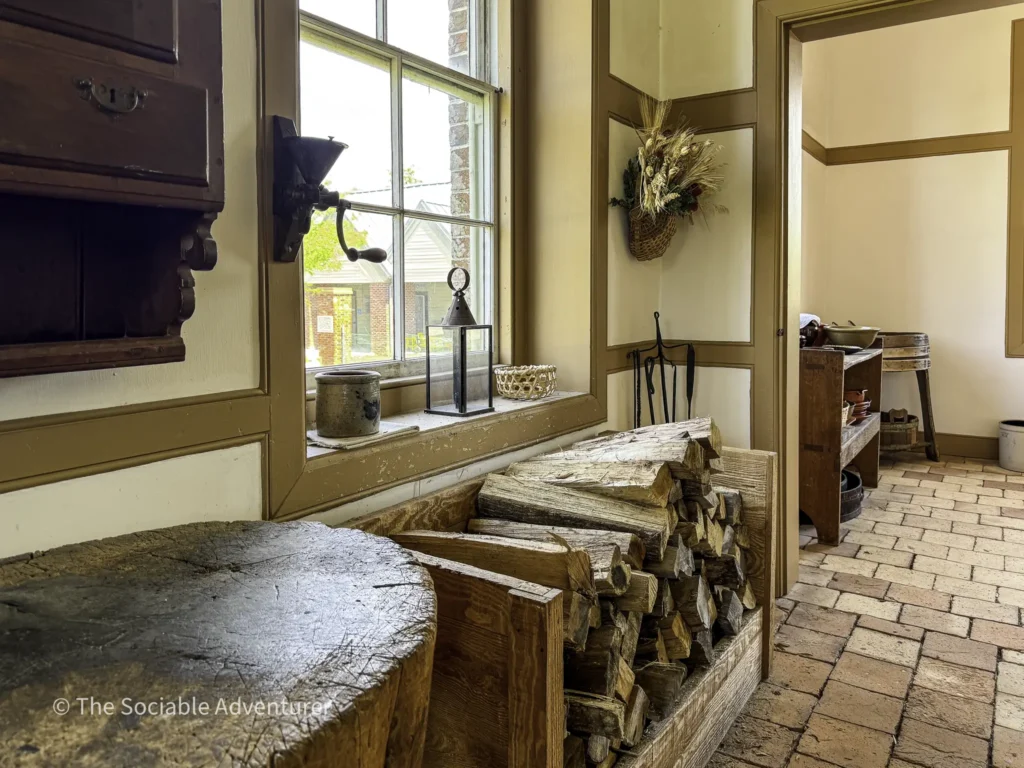
- Engage with costumed interpreters who portray the lives of governors, servants, enslaved people, and household staff — bringing a layered, honest portrayal of colonial-era daily life
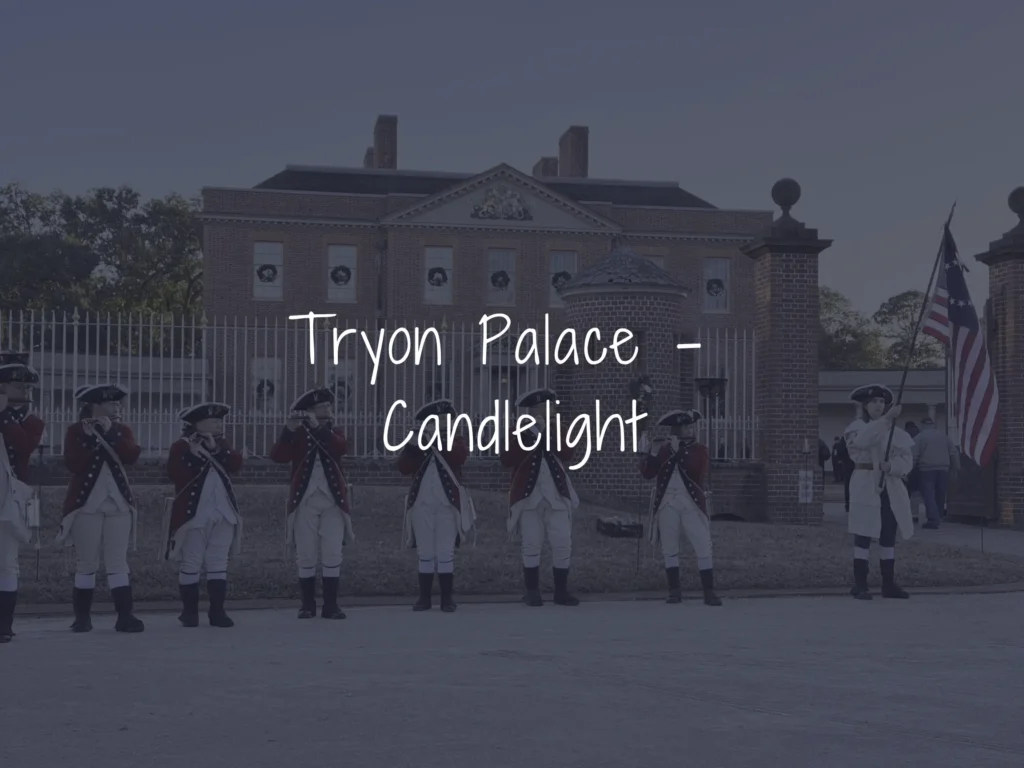
- Attend year-round events that celebrate North Carolina’s rich heritage, including the beloved Candlelight holiday celebration that transforms the palace and grounds into a winter wonderland
The Gardens and the Wider Complex
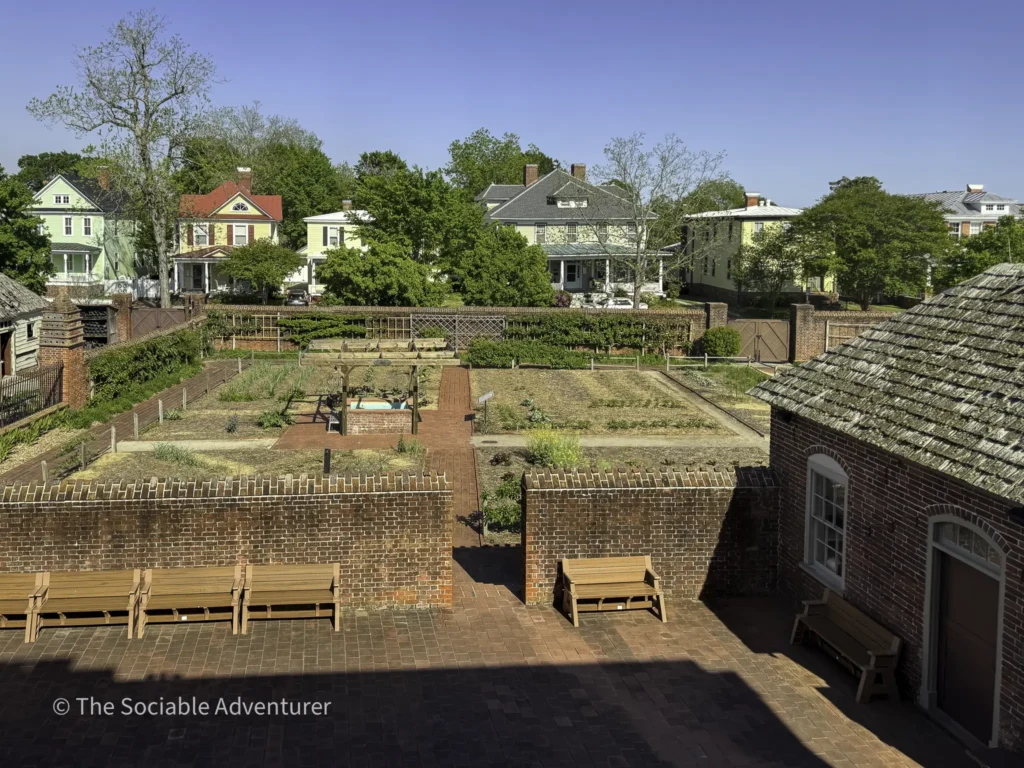
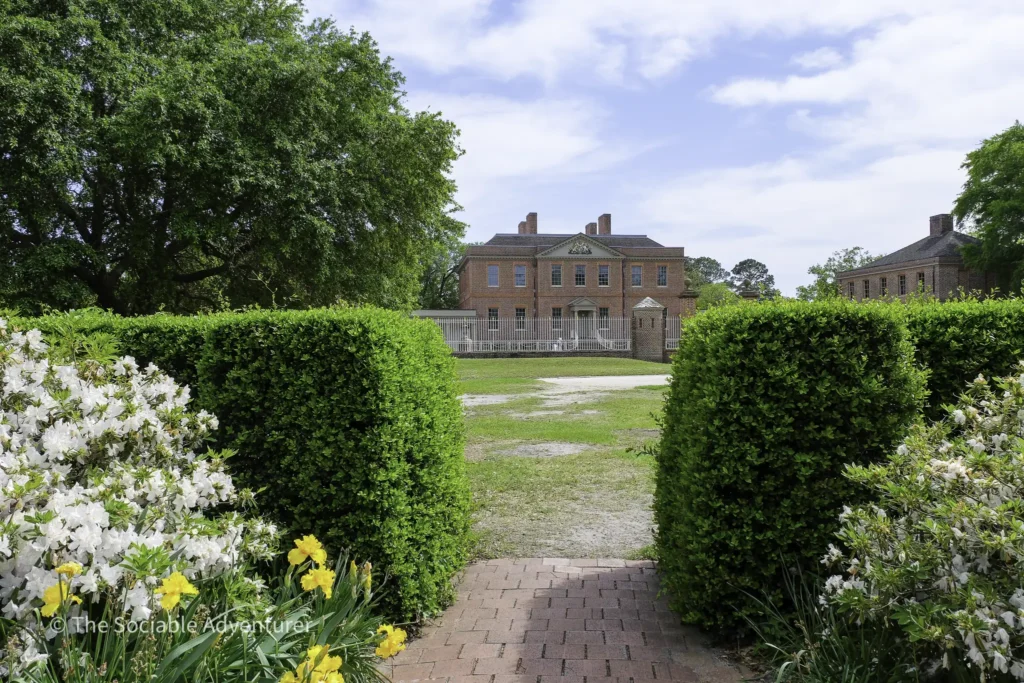
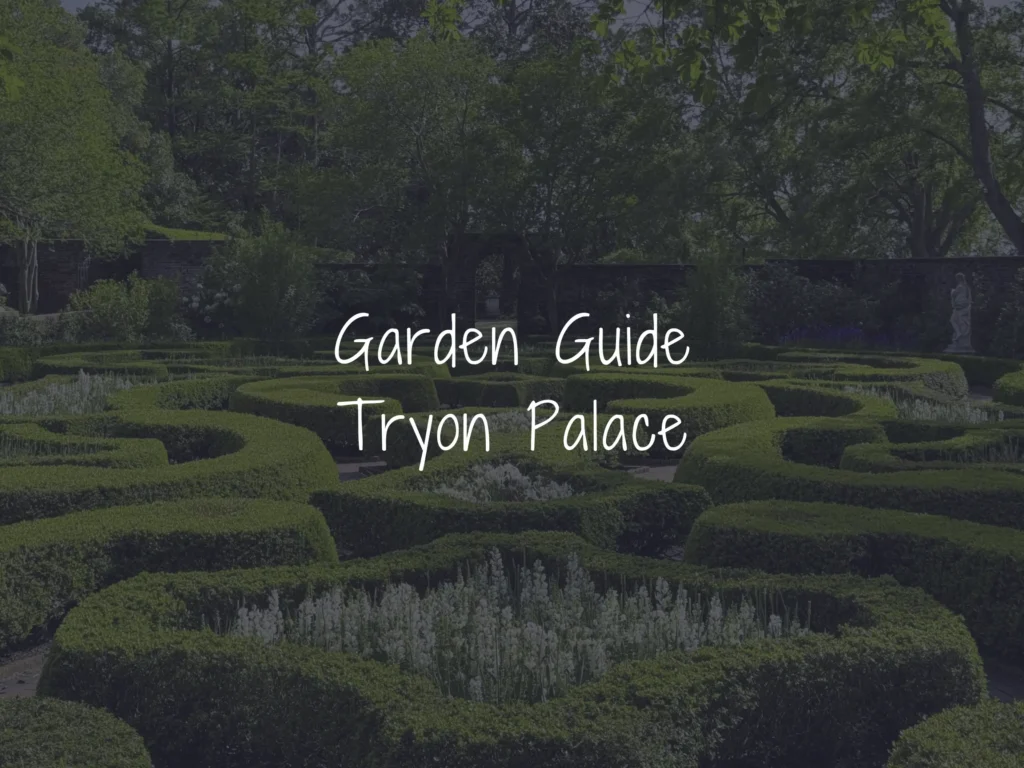
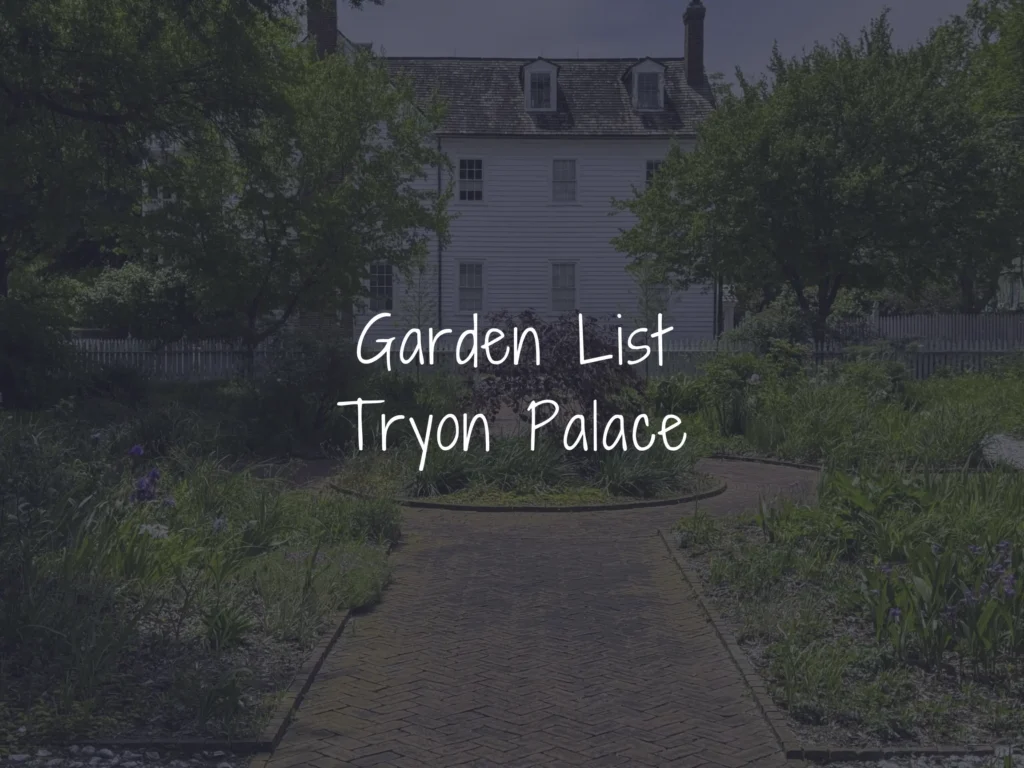
Beyond the palace itself, the Tryon Palace complex spans 16 acres of beautifully designed historic gardens that feature period-inspired plantings and design. For visitors interested in exploring the gardens in depth, our magnificent gardens guide walks through each of the major garden spaces, and our list of gardens gives a quick, at-a-glance overview.
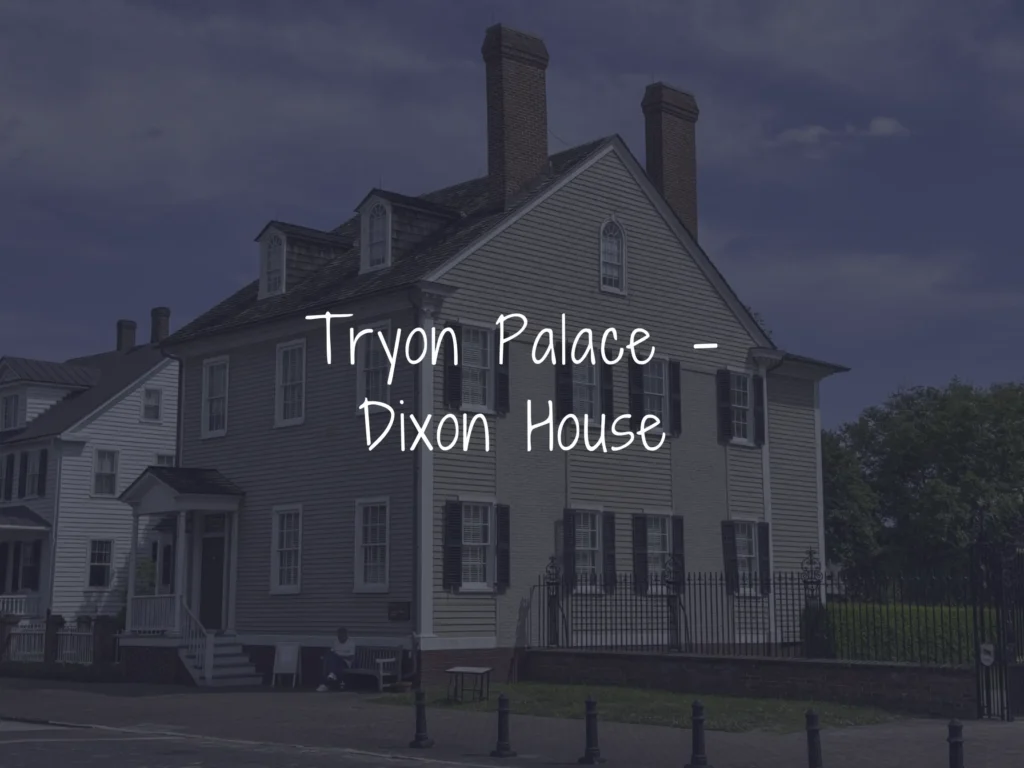
The complex also includes several historic homes on the grounds — most notably the Dixon House, a beautifully restored Federal-era home that showcases an additional chapter of early-19th-century New Bern life. Adjacent to the palace, the modern North Carolina History Center extends the experience with interactive exhibits and rotating displays that bring three centuries of regional history to life.
Good to Know
- Original construction: 1767-1770 by architect John Hawks
- Built for: Royal Governor William Tryon
- Architectural style: Georgian
- Role: First permanent capital of North Carolina (1770-1792)
- Royal Governors: William Tryon and Josiah Martin
- State Governors: Richard Caswell, Abner Nash, Alexander Martin, Richard D. Spaight, and others
- Historical milestone: Site of the first Provincial Congress in the American colonies (1774)
- Original palace destroyed: February 1798 by fire
- Reconstruction: Tryon Palace Commission established 1945; restored palace opened 1959
- Complex size: 16 acres of grounds and gardens
- Experiences: Guided tours, costumed interpreters, period-appropriate restored rooms, and seasonal events
- Pair with: A visit to the North Carolina History Center, the historic Dixon House, the seasonal Candlelight celebration, the Pepsi Family Center, the Duffy Exhibition Gallery, the Guion Gallery, or the Regional History Museum
- Located in downtown New Bern, NC
A New Bern Highlight
Tryon Palace is the kind of stop that genuinely defines a visit to New Bern. The Georgian elegance of John Hawks’s original design, the layered history of Royal Governors and revolutionary defiance, the remarkable mid-20th-century reconstruction effort, the living history programming with costumed interpreters, the 16 acres of magnificent gardens, and the connected experiences across the broader complex all add up to something that feels both nationally significant and deeply rooted in Craven County. Whether you’re a history enthusiast, a fan of decorative arts, a garden lover, or a first-time visitor curious about North Carolina’s colonial past, this is one of the most rewarding stops you can possibly make in eastern North Carolina.
Resources
Location

Your Complete Guide to Hiking Trails at Elk Knob State Park
Elk Knob State Park is one of North Carolina’s most rewarding mountain destinations — a 4,400-…

A Complete Guide to the Trails at Carolina Beach State Park
Tucked along the Cape Fear River on Pleasure Island, Carolina Beach State Park is one of southeaster…

The Complete Guide to Hiking Trails in Lansing, NC
Set in the rolling hills of Ashe County, just a stone’s throw from the Virginia and Tennessee …

Exploring Ashe County Park: A Hiker’s Guide to North Carolina’s Mountain Gem
If you’re searching for the best hiking trails at Ashe County Park in North Carolina, you̵…
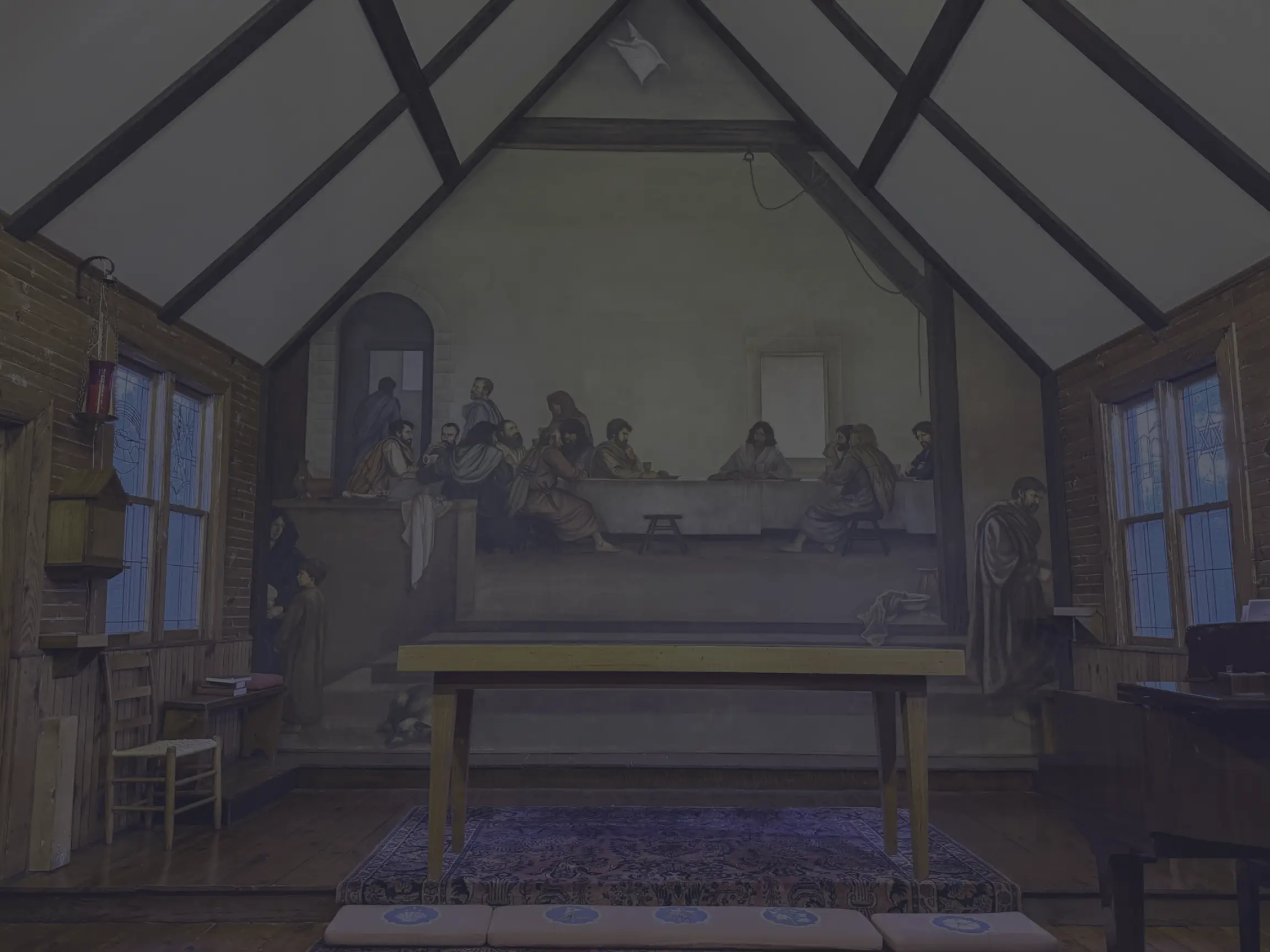
Mountain Masterpieces: A Guide to the Ben Long Frescoes of Ashe County
In the quiet corners of Ashe County, where the Blue Ridge Mountains meet peaceful valleys, thereR…

Granite, Grunts, and Glory: A Day on the Stone Mountain Loop Trail
The Stone Mountain Loop Trail is the signature hike at Stone Mountain State Park in North Carolina —…