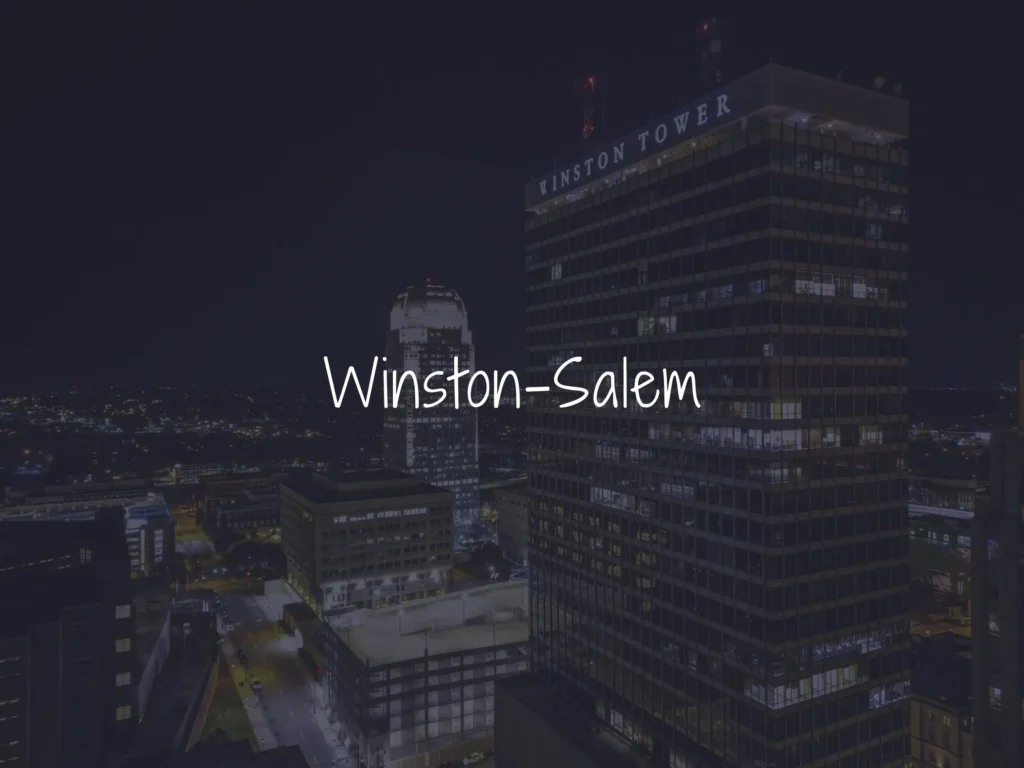
Forsyth County is one of the most historically significant counties anywhere in North Carolina — anchored by Winston-Salem, the county seat and the fifth-largest city in the state, plus a broader collection of historic small towns and modern suburbs across the surrounding region. The county was formed in 1849 from Stokes County and named for Colonel Benjamin Forsyth, a Stokes County native killed in the War of 1812.
Winston-Salem’s distinctive “Twin City” nickname reflects the town’s genuinely singular origin story. The city as we know it today was formed in 1913 by the merger of two adjacent but separately founded towns — Salem (founded in 1766 as the central town of the Moravian Wachovia settlement) and Winston (founded in 1849 as the county seat of the newly created Forsyth County). That dual heritage of religious community + county-seat commercial center still shapes Winston-Salem’s cultural identity today.
Moravian Settlement Heritage from 1753
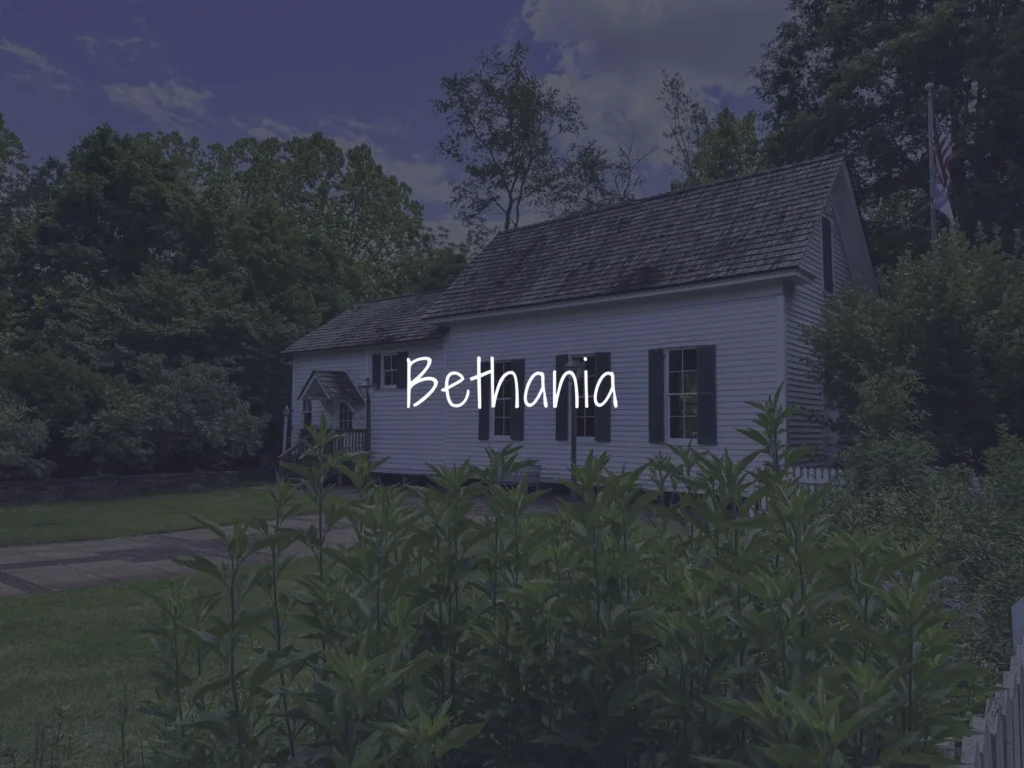
Forsyth County’s history begins with the Moravian religious community that established the first European settlement in the area in 1753. Fleeing religious persecution in central Europe, the Moravians settled first at Bethabara (1753), then established Bethania (1759) and Salem (1766) as planned religious communities in the region they called Wachovia (from the family name of their patron, Count Zinzendorf).
Those Moravian towns pioneered a distinctive form of communal religious community — with shared crafts, shared trade, and strict religious rules governing daily life. The preserved Salem historic district, now the Old Salem Museums & Gardens site, offers one of the most complete surviving examples of an 18th-century Moravian planned community anywhere in the American Southeast.
R.J. Reynolds and the “Camel City” Tobacco Heritage
Beyond its Moravian roots, Forsyth County’s modern identity was shaped by the R.J. Reynolds Tobacco Company, founded by Richard Joshua Reynolds in Winston in 1875. The company’s growth transformed Winston into a major American industrial city, and the launch of Camel cigarettes in 1913 gave Winston-Salem its secondary nickname of the “Camel City.”
The Reynolds legacy shapes much of Winston-Salem’s downtown architecture, cultural institutions, and philanthropy today. The Reynolds Building — completed in 1929 — was designed by the architects who would later design the Empire State Building, using it as a scale prototype for their New York City masterpiece.
Modern Forsyth County — Universities, Arts, and Historic Small Towns
Modern Forsyth County anchors an outsized share of NC’s higher education and arts infrastructure. Wake Forest University — which was originally founded in 1834 in the town of Wake Forest, NC, in Wake County — relocated to Winston-Salem in 1956, giving Forsyth County one of the American Southeast’s most prominent private universities.
The University of North Carolina School of the Arts (UNCSA) — established in Winston-Salem in 1963 — was the first public arts conservatory in the United States, and remains a nationally recognized institution for performing and visual arts training. Combined with Winston-Salem State University, Salem College, and the county’s substantial museums and cultural institutions, Forsyth County offers a genuinely deep destination for visitors interested in NC history, arts and culture, and the American South’s tobacco industry heritage.
Click on the images below to dive deeper into the towns we’ve personally explored around Forsyth County.