
Winston-Salem is the largest city in Forsyth County, NC, and the fifth-largest city in North Carolina, with a population of approximately 250,000, and it anchors the greater Piedmont Triad metropolitan region. The city carries a genuinely singular historical distinction as the product of a 1913 merger between two towns with strikingly different origins: Salem, the Moravian settlement founded in 1766, and Winston, the Forsyth County seat established in 1849.
The city’s identity has been shaped by two dominant historical threads: the Moravian settlement heritage dating back to Bishop August Gottlieb Spangenberg’s 1753 arrival in the Carolina backcountry, and the R.J. Reynolds Tobacco Company legacy dating to Richard Joshua Reynolds’s 1875 founding of what would become one of America’s largest tobacco manufacturers. Those two threads — Moravian craftsmanship and Reynolds tobacco wealth — combined to make Winston-Salem the largest and most industrialized city in North Carolina from the 1913 consolidation through the Great Depression.
Today, Winston-Salem draws visitors to substantial historical destinations including Old Salem Museums & Gardens (the preserved Moravian settlement), the Reynolda House Museum of American Art (once R.J. Reynolds’s grand estate), the adjacent Reynolda Gardens, and Historic Bethabara Park (the site of the first Moravian settlement in NC) — plus an extensive downtown food and beverage scene, multiple universities (Wake Forest University, Salem College, Winston-Salem State University, UNC School of the Arts), and one of the more substantive arts and craft beverage scenes anywhere in the state.
The Moravian Origins — Bethabara, Salem, and the Wachovia Tract
Winston-Salem’s origin story begins on a cold January day in 1753, when Moravian Bishop August Gottlieb Spangenberg trudged through the Carolina backcountry and selected a stretch of rolling land at the three forks of Muddy Creek as the site for a new Moravian settlement. The Moravians — a Protestant fellowship rooted in 15th-century Bohemia — had purchased nearly 99,000 acres from Lord John Carteret and named the region “die Wachau” (Latinized as Wachovia), after the ancestral Zinzendorf estate in Austria.
The first Moravian settlement on the Wachovia tract was Bethabara, established on November 17, 1753 — today preserved as Historic Bethabara Park within Winston-Salem’s modern city limits. Bethabara was intended as a temporary headquarters while the Moravians planned their permanent central community. In 1759, the Moravians established a second nearby settlement — Bethania, NC — the only remaining Germanic-type linear agricultural village in the American South, still preserved today. After more than a decade of careful planning, they founded Salem on January 6, 1766, when the first tree was felled for the new settlement.
The name Salem comes from the Hebrew “shalom,” meaning “peace” — chosen by the Moravians’ late patron, Count Zinzendorf. Salem was no ordinary frontier town. Its streets were laid out with Enlightenment precision, with a broad central thoroughfare, narrower side lanes, a communal square, and purpose-built workshops for tinsmiths, blacksmiths, cobblers, potters, gunsmiths, and bakers. By the early 1800s, Salem’s handcrafted goods were prized across the state, transported via the Great Wagon Road and the Western Plank Road to markets far and wide. Salem was officially incorporated as a town in 1856, when the Moravian congregation sold town land to outsiders. Today, the preserved Moravian town center operates as Old Salem Museums & Gardens — one of the most substantial living-history museums in the American South.
The Moravian tradition of educating both boys AND girls (genuinely progressive for the era) led to the establishment of Salem Academy in 1772 (with the College following) — today the oldest continuously operating school for girls in the United States.
Winston, the County Seat, and the 1913 Merger
The town of Winston was born from a different tradition entirely. In 1849, the Salem Moravian congregation sold land north of Salem to the newly formed Forsyth County for a county seat. The new town was initially called simply “the county town” or “Salem” until 1851, when it was officially named Winston in honor of Major Joseph Winston, a Revolutionary War hero and local legislator.
Winston remained a sleepy county town for its first two decades. That changed after 1868, when work began by Salem and Winston business leaders to connect the towns to the North Carolina Railroad. That railroad connection transformed Winston from a quiet county seat into a substantial industrial and manufacturing center, particularly through the tobacco and textile industries that would come to define the city’s economy.
The two towns’ proximity (just one mile apart) and shared commercial interests led to an initial merger attempt in 1879 through legislation passed by the NC General Assembly. That first attempt failed when Winston citizens withdrew support over the proposed use of “Salem” as the merged city’s name. However, the U.S. Postal Service began unofficially using “Winston-Salem” in the 1880s to reflect the community’s practical unity.
By 1910, Winston had grown to be three times the size of Salem, and a second merger referendum passed in May 1913 — officially creating Winston-Salem. The city was formally chartered on May 9, 1913. From this consolidation until the Great Depression, Winston-Salem was the largest and most industrialized city in North Carolina, driven primarily by locally developed manufacturing in tobacco and textiles.
R.J. Reynolds and the Camel City Legacy
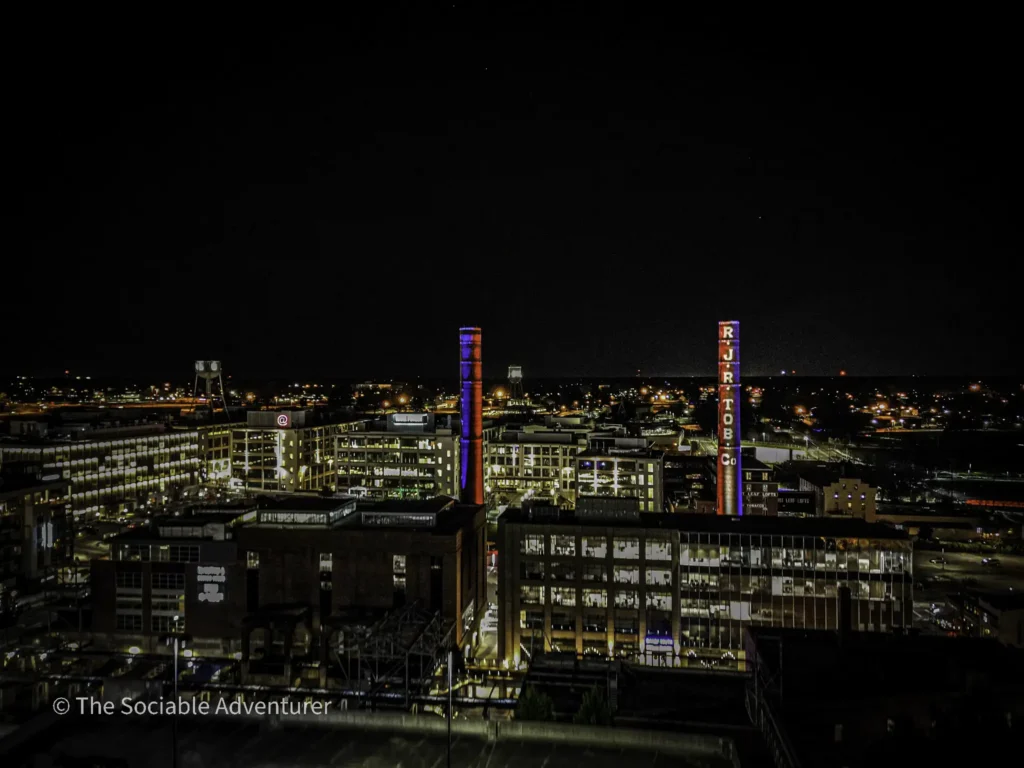
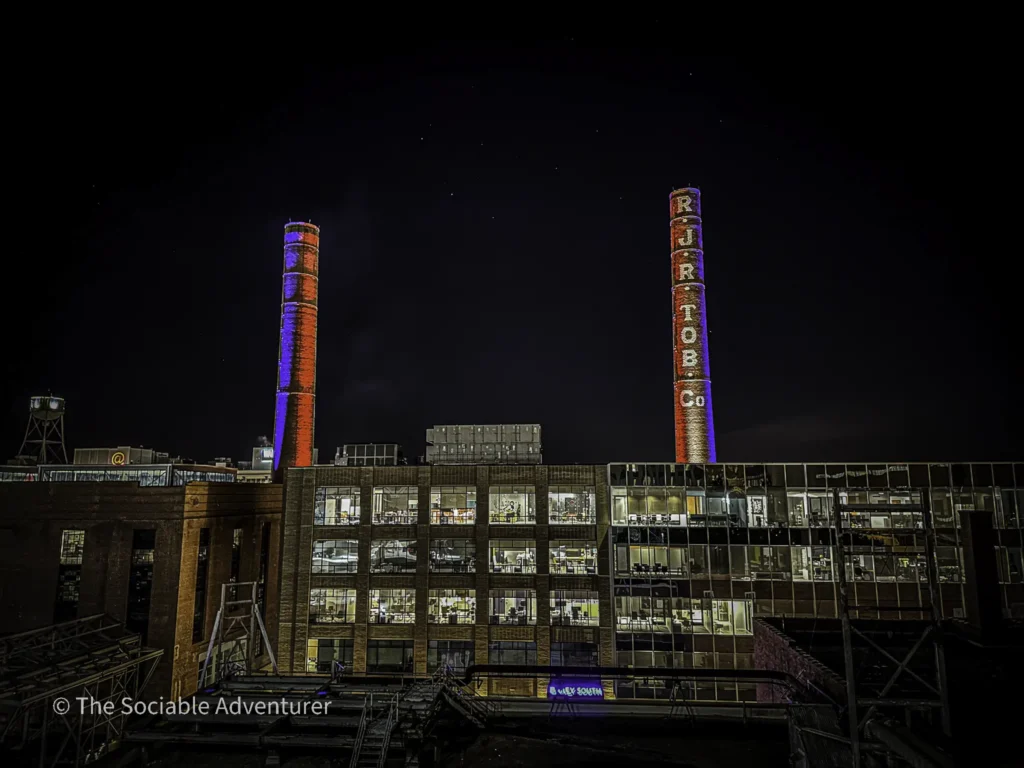
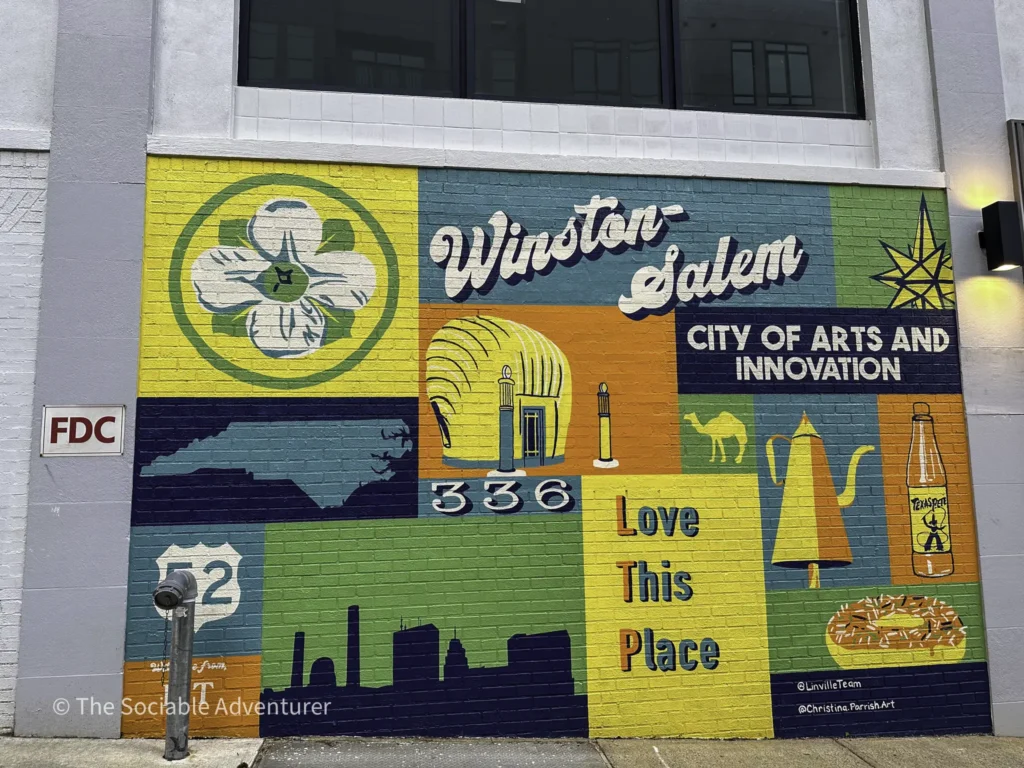
Winston-Salem’s tobacco heritage is inseparable from R.J. Reynolds Tobacco Company, founded in 1875 by Richard Joshua Reynolds. The company’s growth over the following decades made it one of America’s largest tobacco manufacturers and — through its Camel cigarette brand — gave Winston-Salem its enduring modern nickname: “Camel City.”
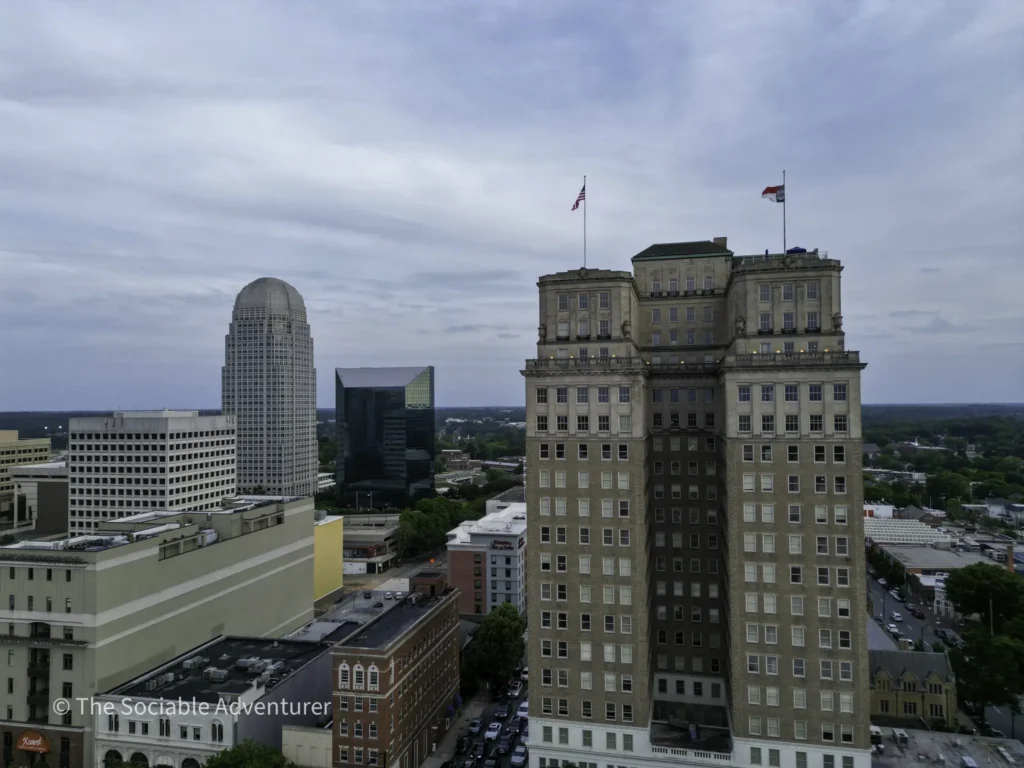
The Reynolds tobacco wealth reshaped Winston-Salem’s downtown, residential architecture, and cultural institutions throughout the late 19th and early 20th centuries. The Nissen Building, completed in 1927, was the first building in the Southeastern United States to install air conditioning — a genuinely singular architectural distinction that reflects the city’s early-20th-century industrial and commercial prominence.
R.J. Reynolds’s personal legacy is preserved today at the Reynolda House Museum of American Art — once his grand estate, now a substantial museum featuring American painting and sculpture from 1755 to the present. The adjacent Reynolda Gardens preserves the estate’s historic gardens as another substantial cultural destination.
Modern Winston-Salem — Universities, Arts, and Innovation
Beyond its tobacco heritage, modern Winston-Salem has established itself as a substantial center of higher education and the arts. Wake Forest University moved from its original location in Wake Forest, NC, to Winston-Salem in 1956, adding a nationally recognized private university to the city’s existing academic institutions. Winston-Salem State University, founded in 1892 as the Slater Industrial Academy for Black students, remains one of the most historically significant HBCUs in the state.
The UNC School of the Arts, established in 1963, gave the city its arts-focused higher education anchor — training generations of NC artists, musicians, dancers, and filmmakers. Combined with Salem Academy and College and Forsyth Technical Community College, Winston-Salem is one of the most substantial higher education centers in the greater Piedmont Triad region, alongside neighboring Kernersville, NC, and Greensboro.
Today, Winston-Salem’s economy has diversified beyond its tobacco and textiles origins into banking (multiple major banks are headquartered in the city), medical research (through Wake Forest Baptist Medical Center), aviation, and creative industries — while the downtown food and beverage scene, arts programming, and preserved historical districts continue to draw substantial visitor traffic from across NC and the broader Southeast.
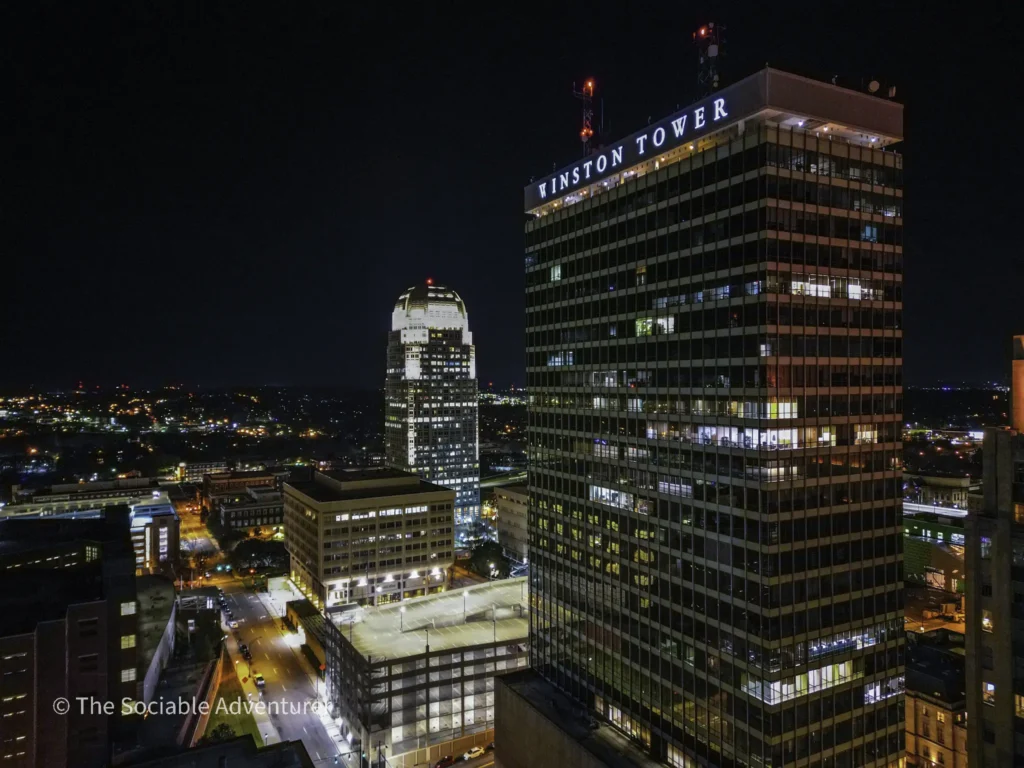
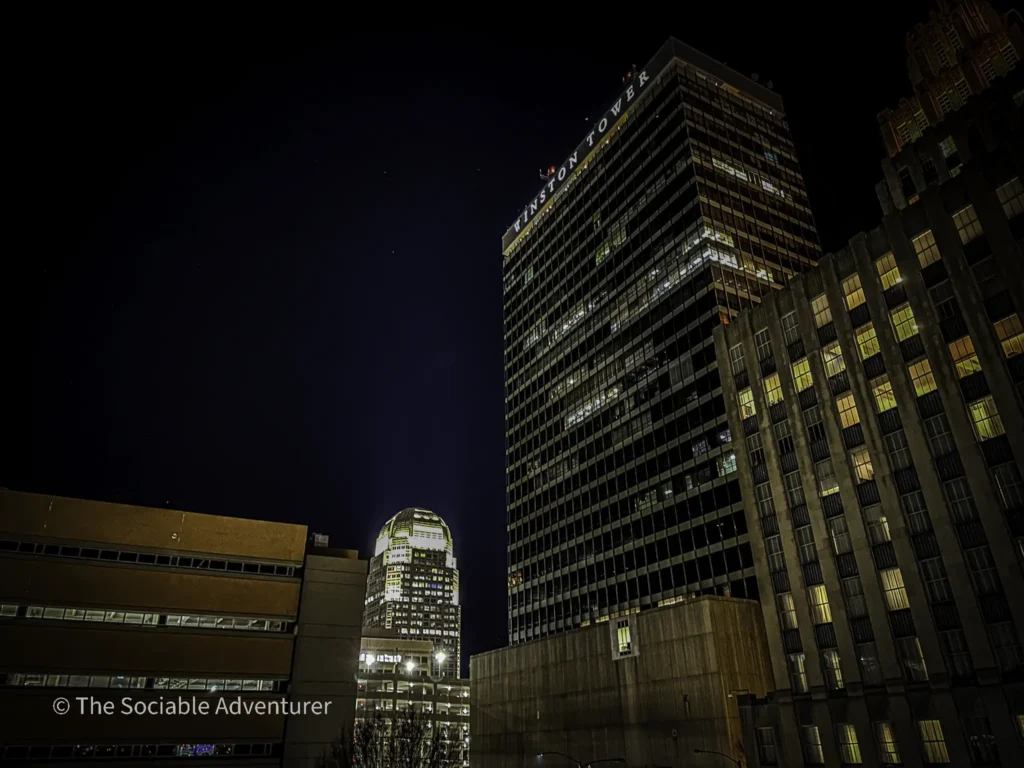
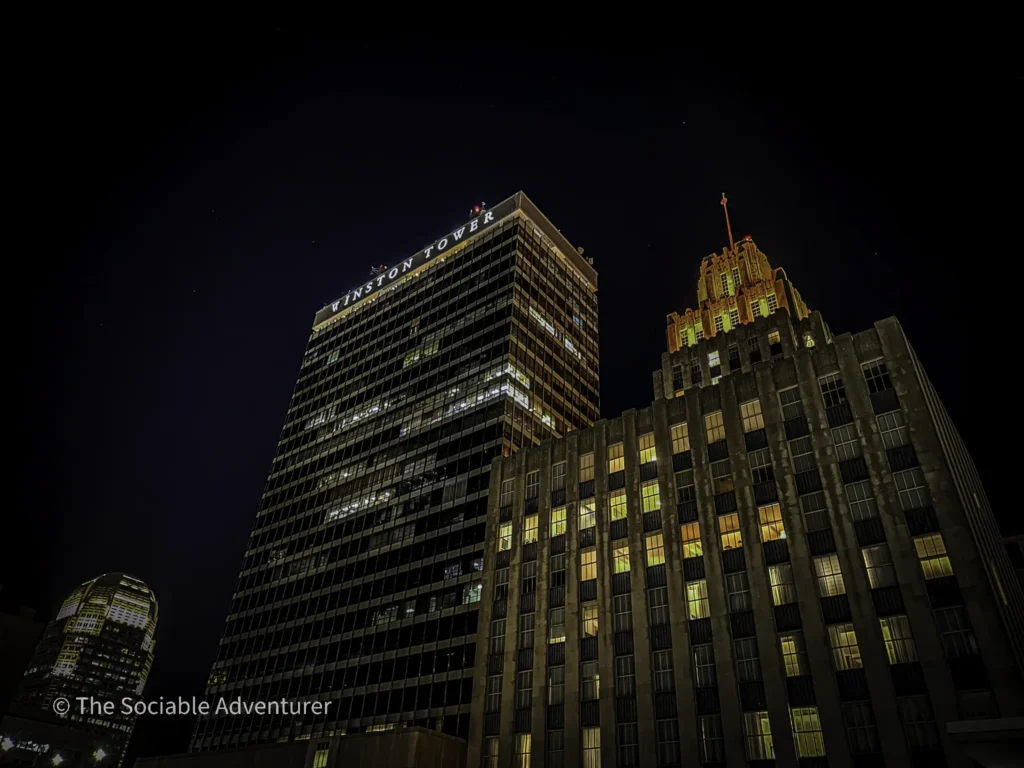
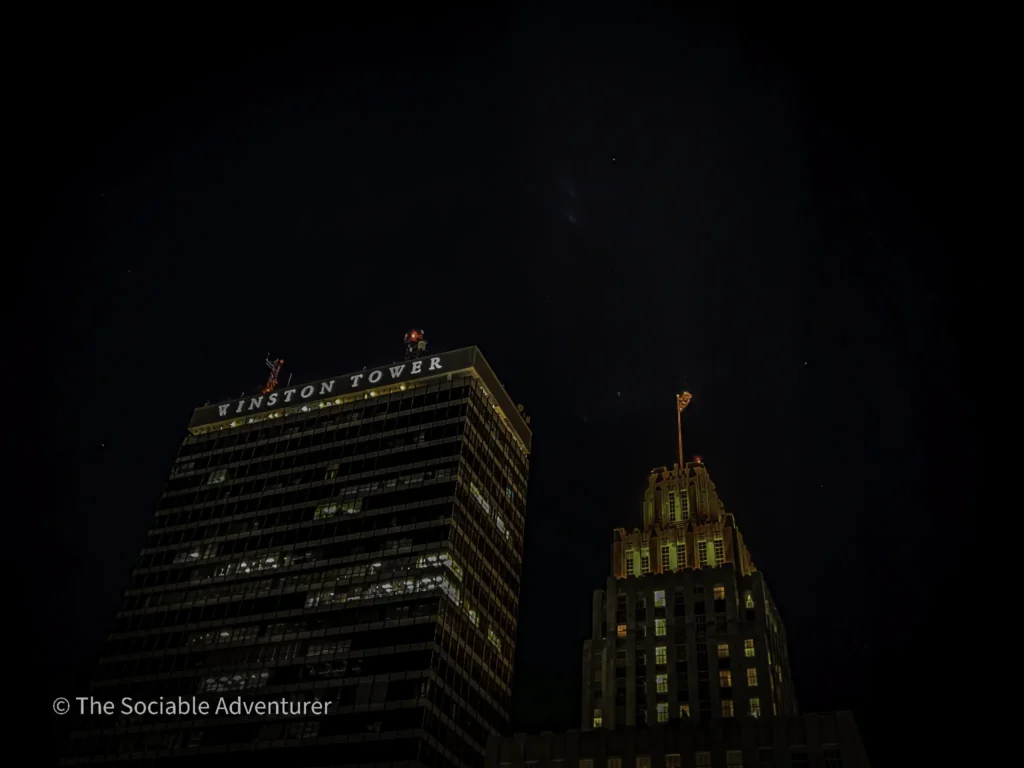
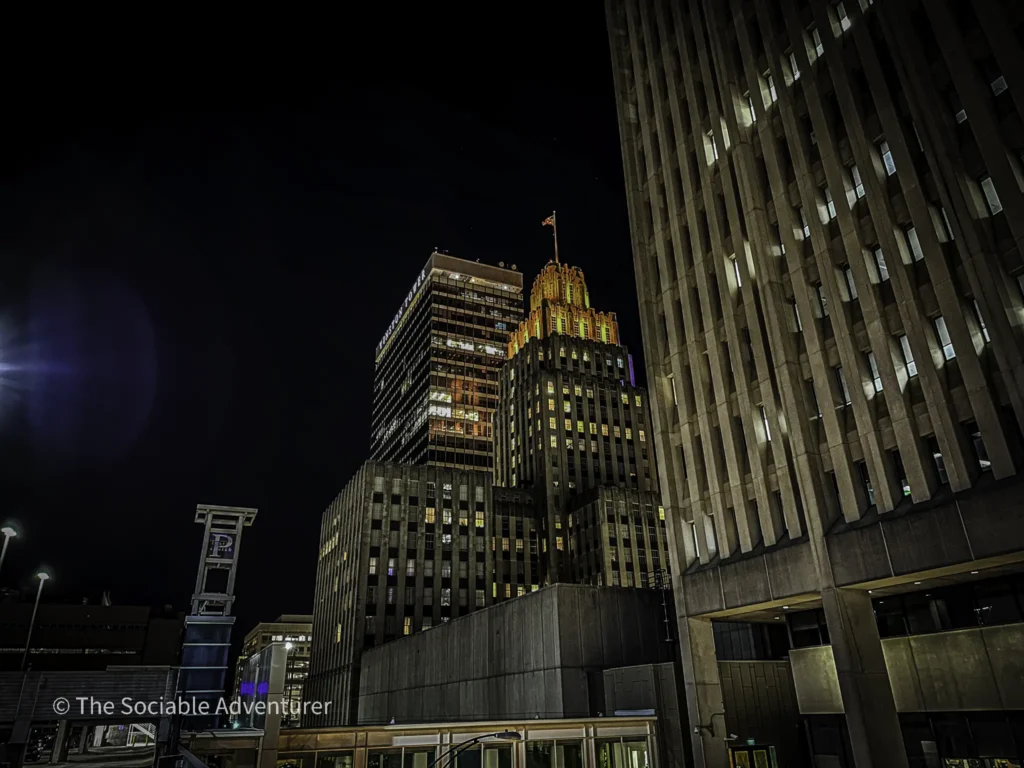
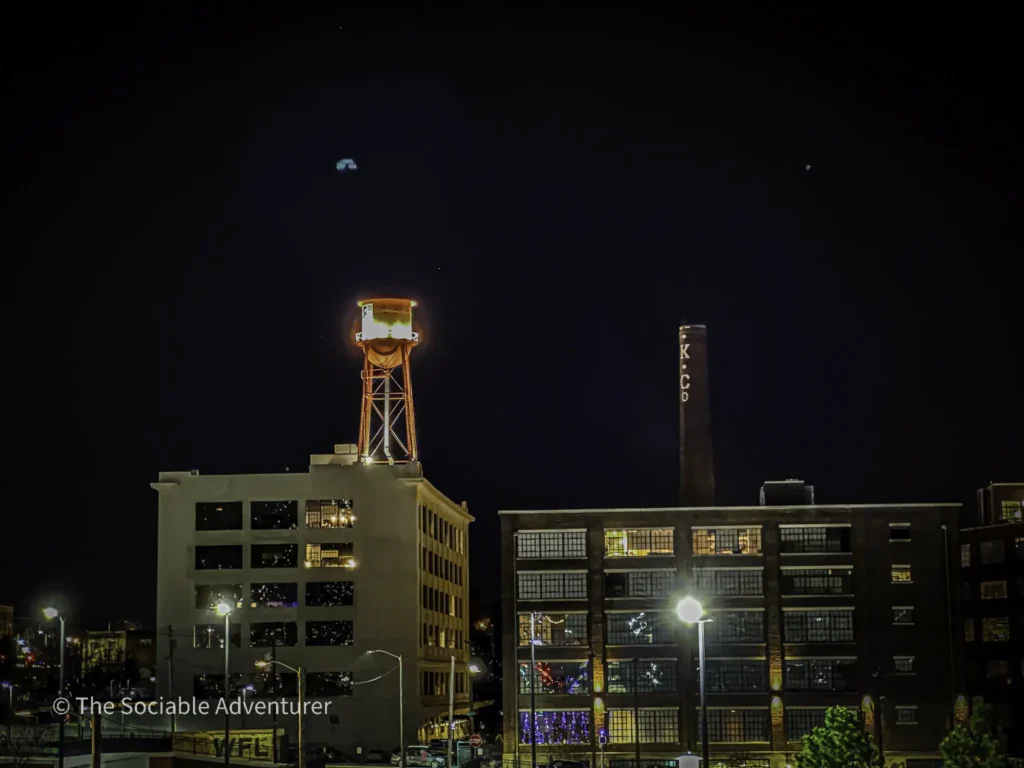
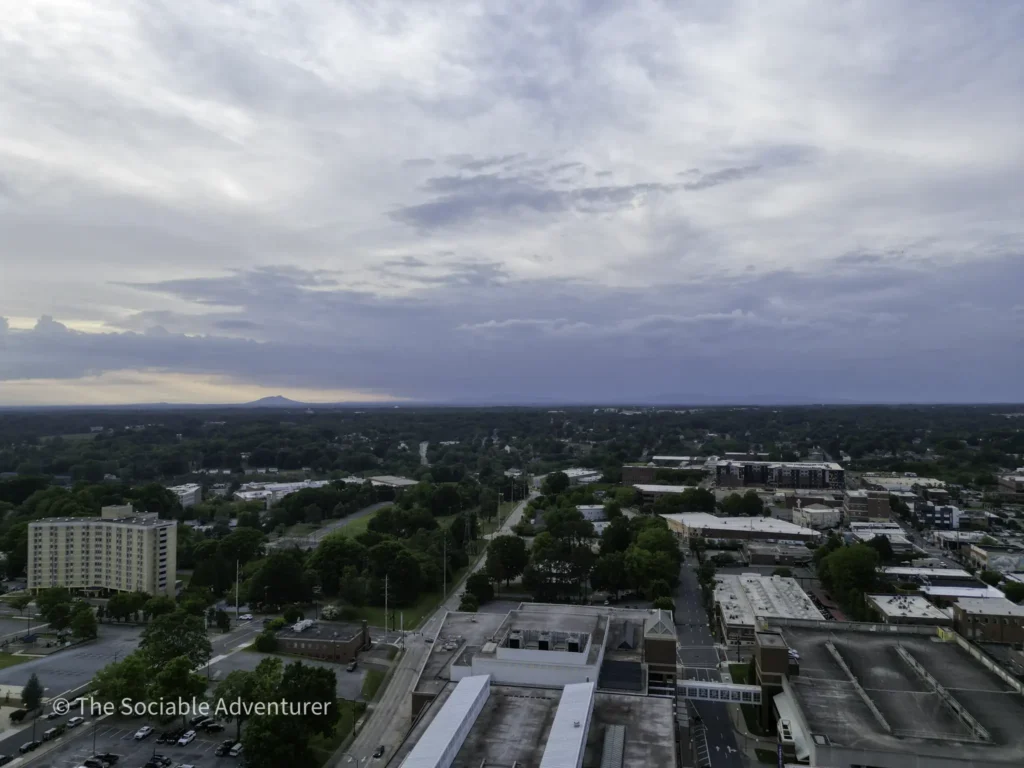
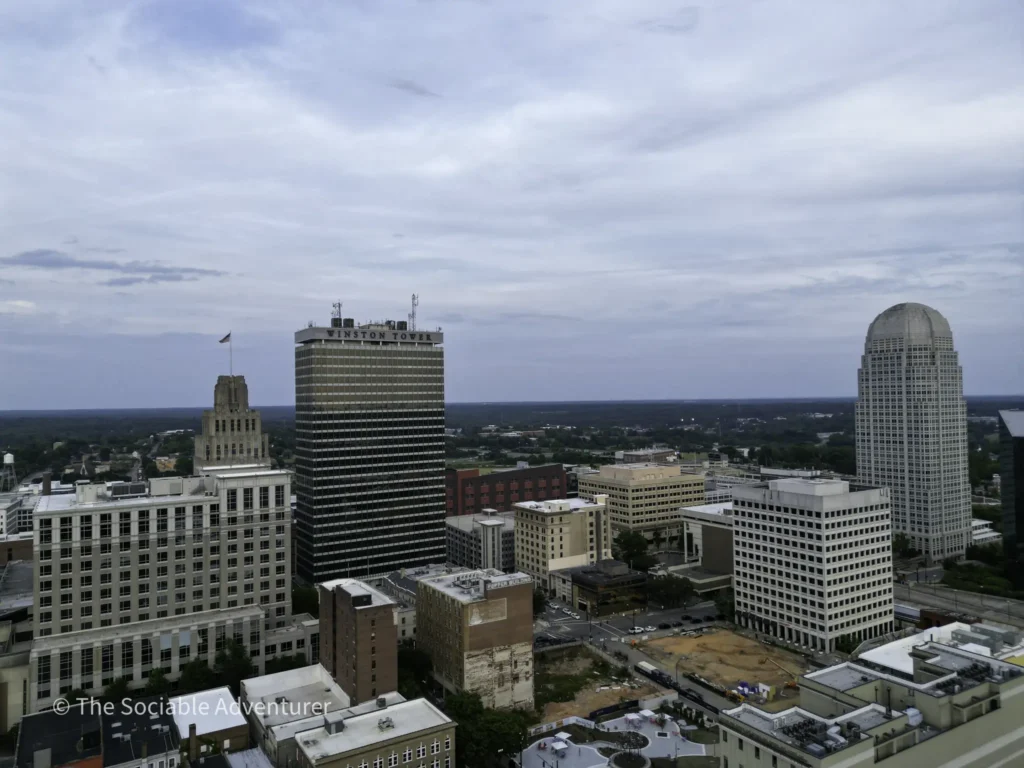
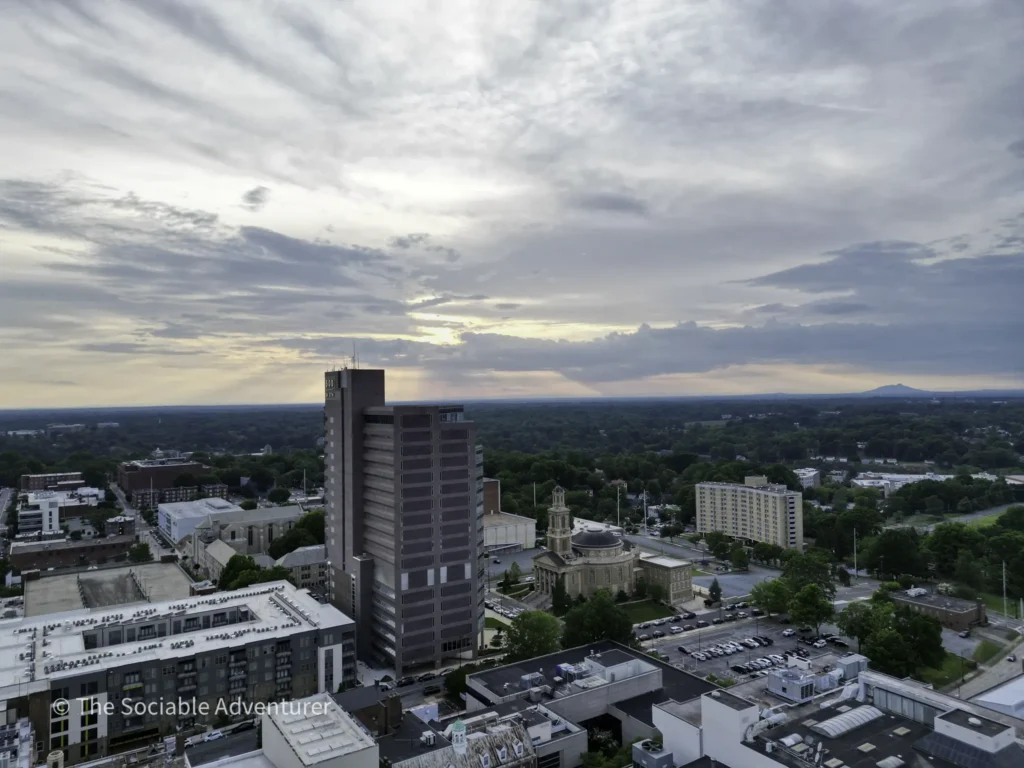
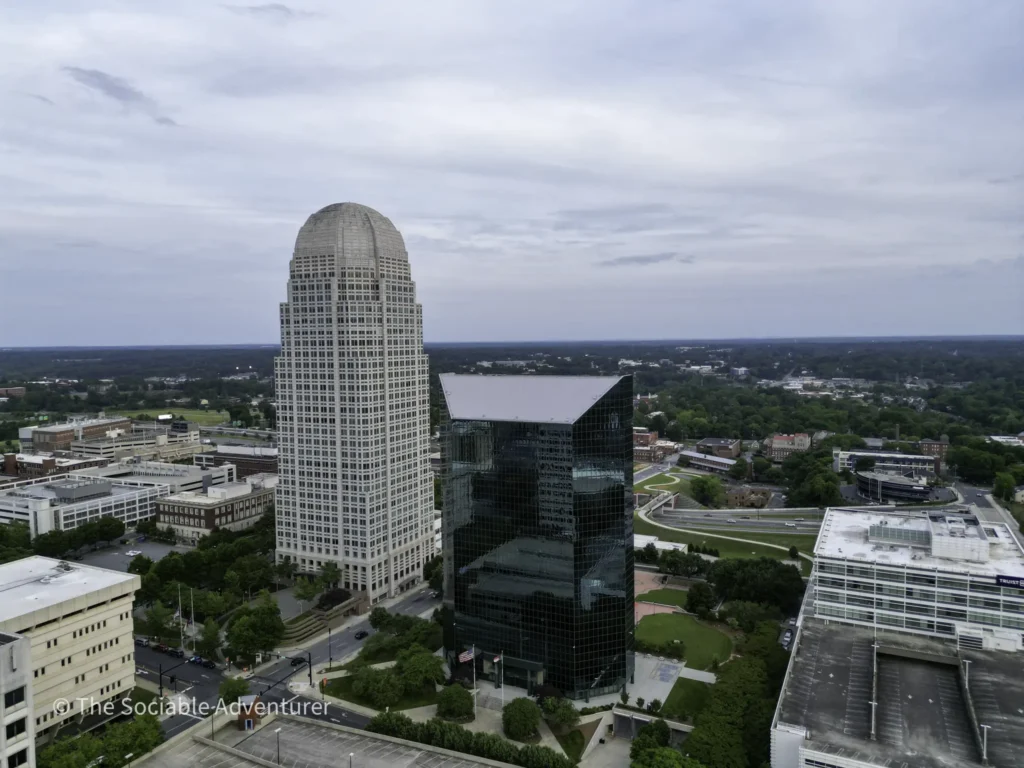
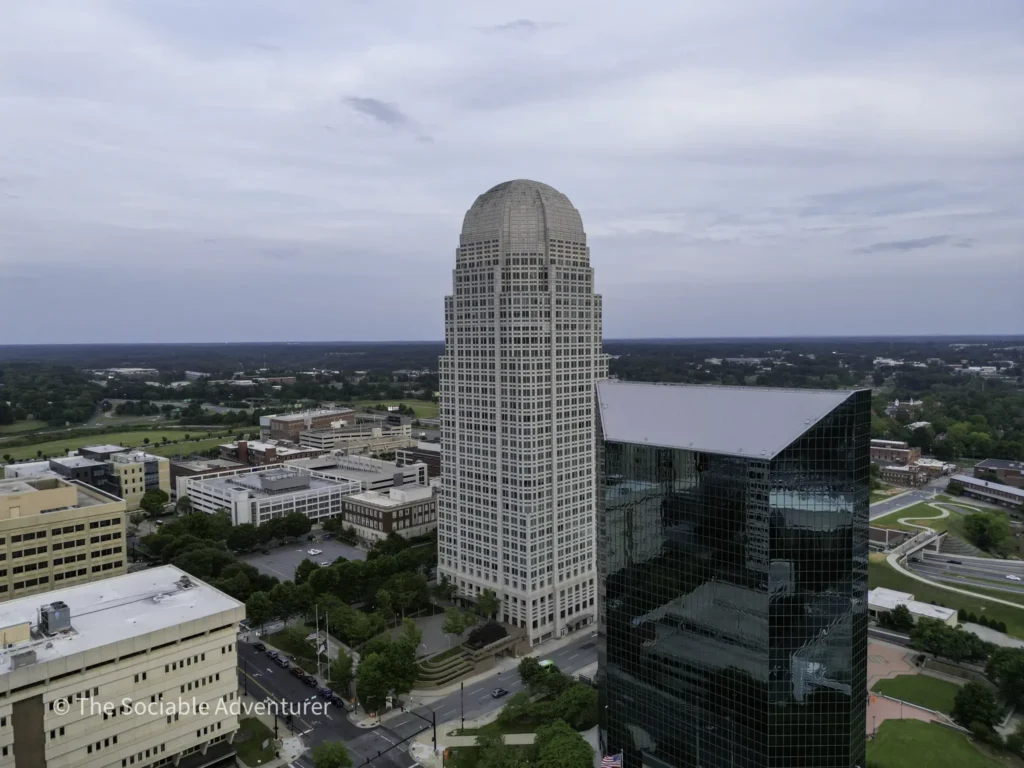
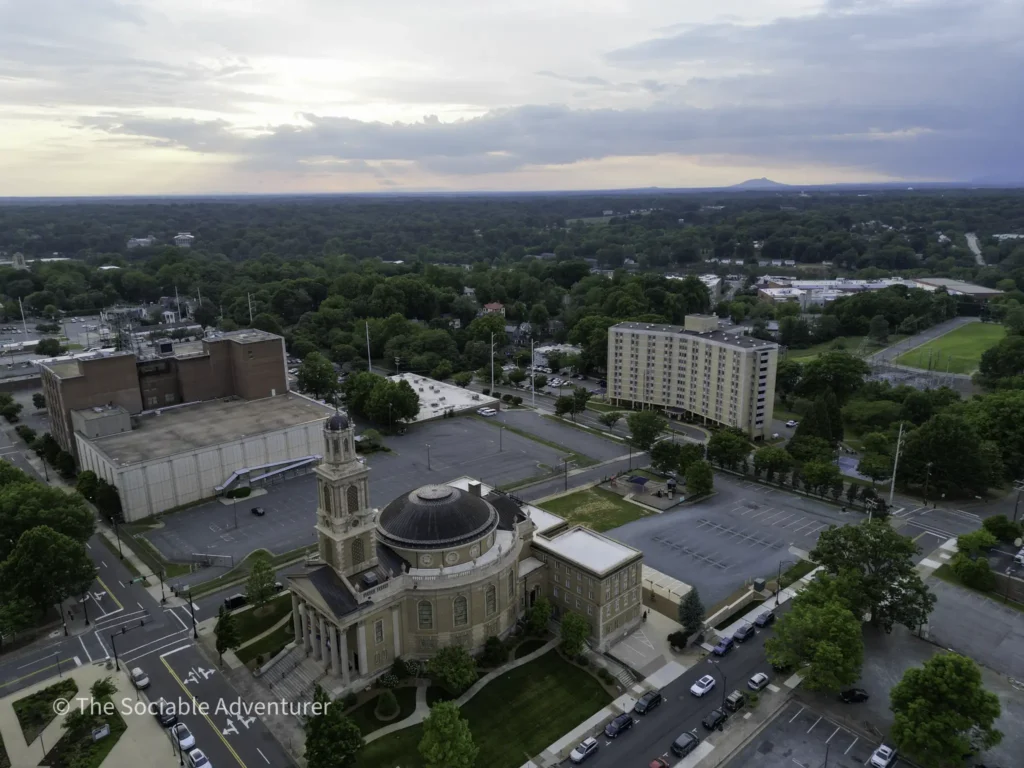
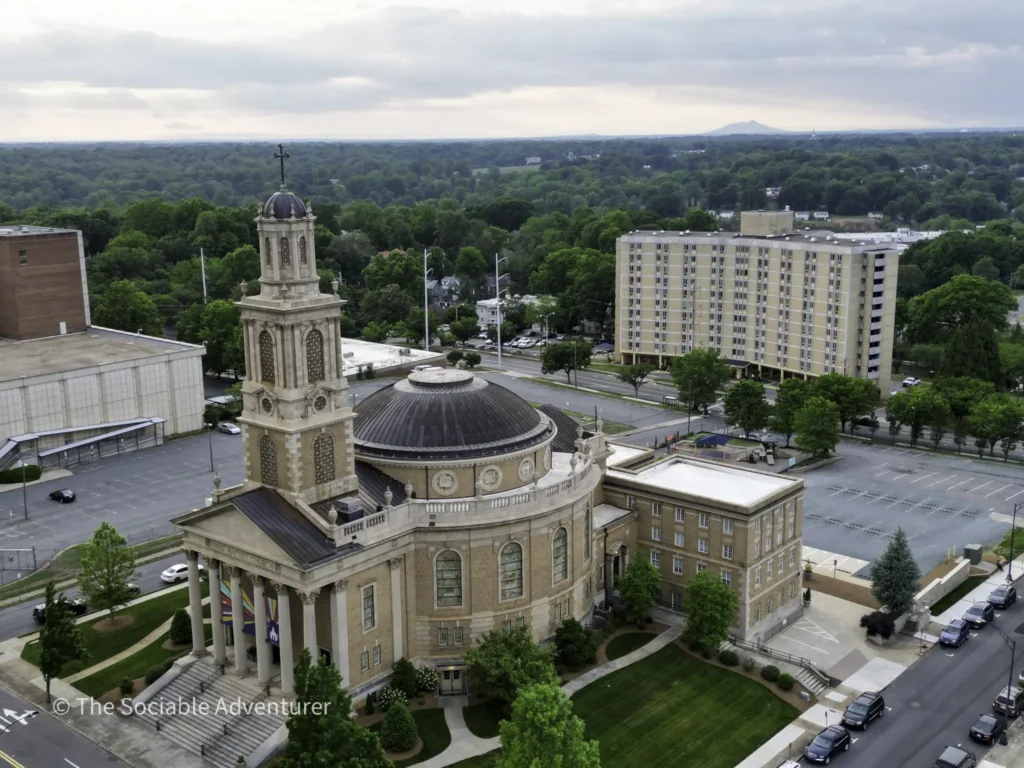
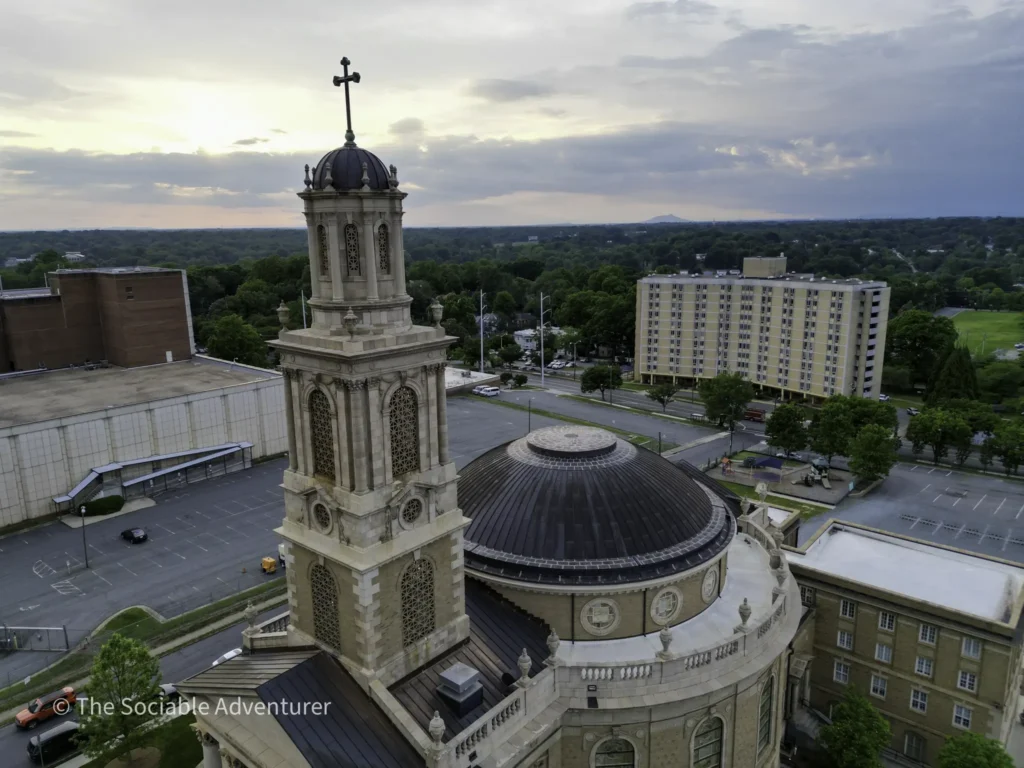
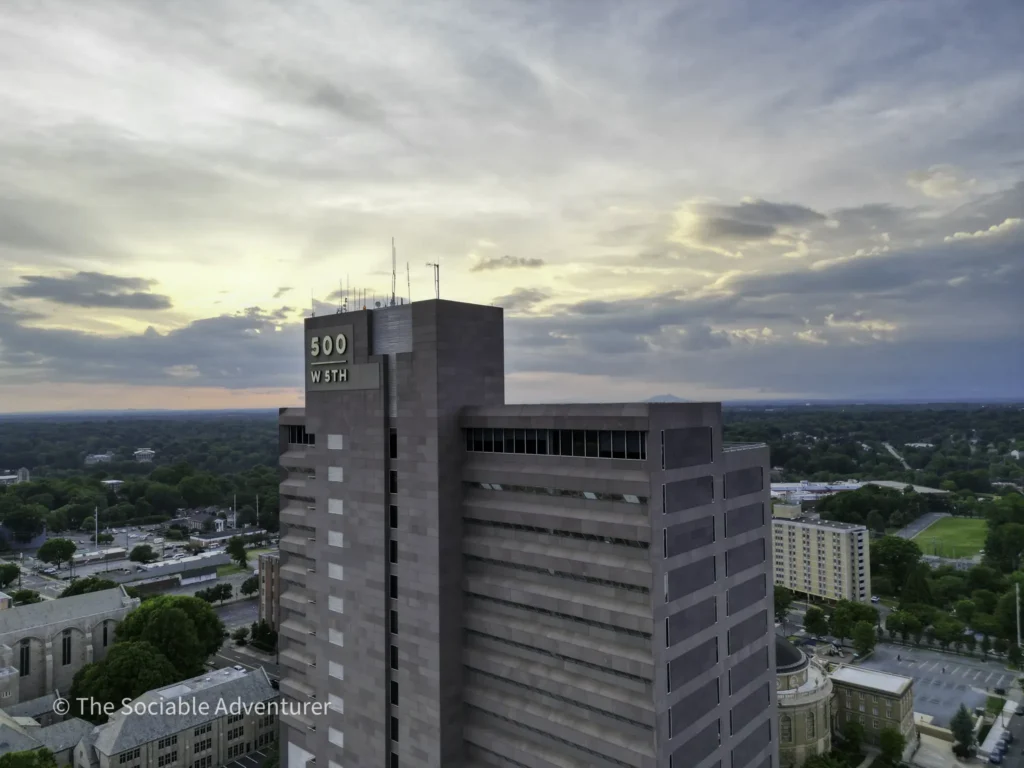
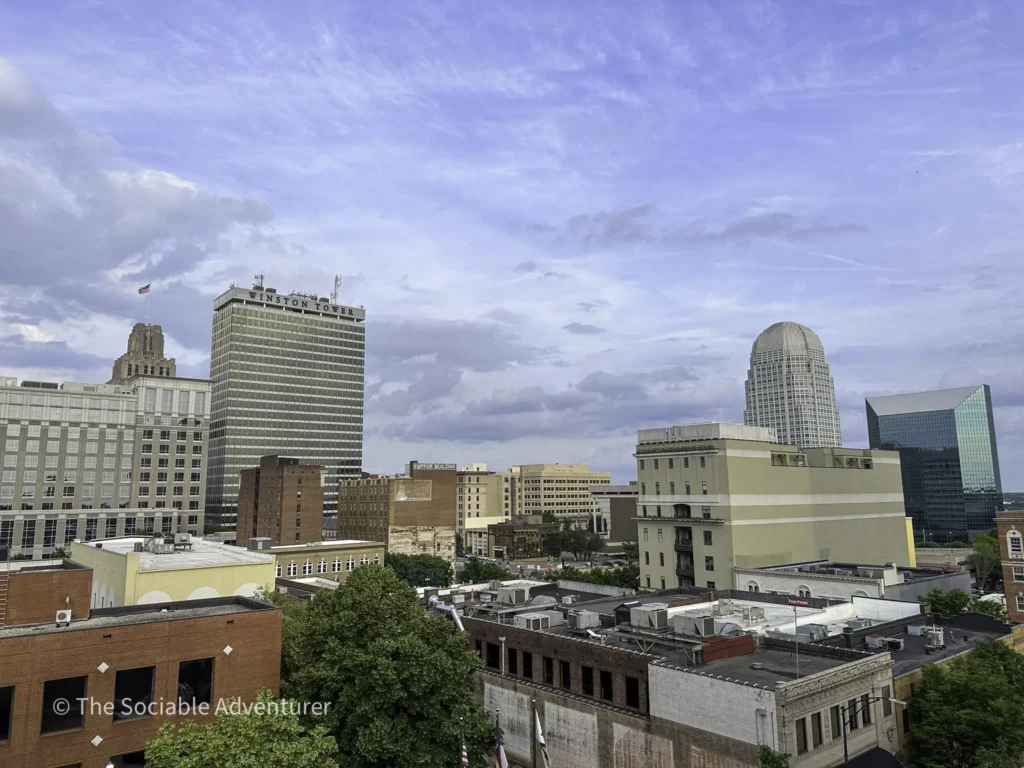
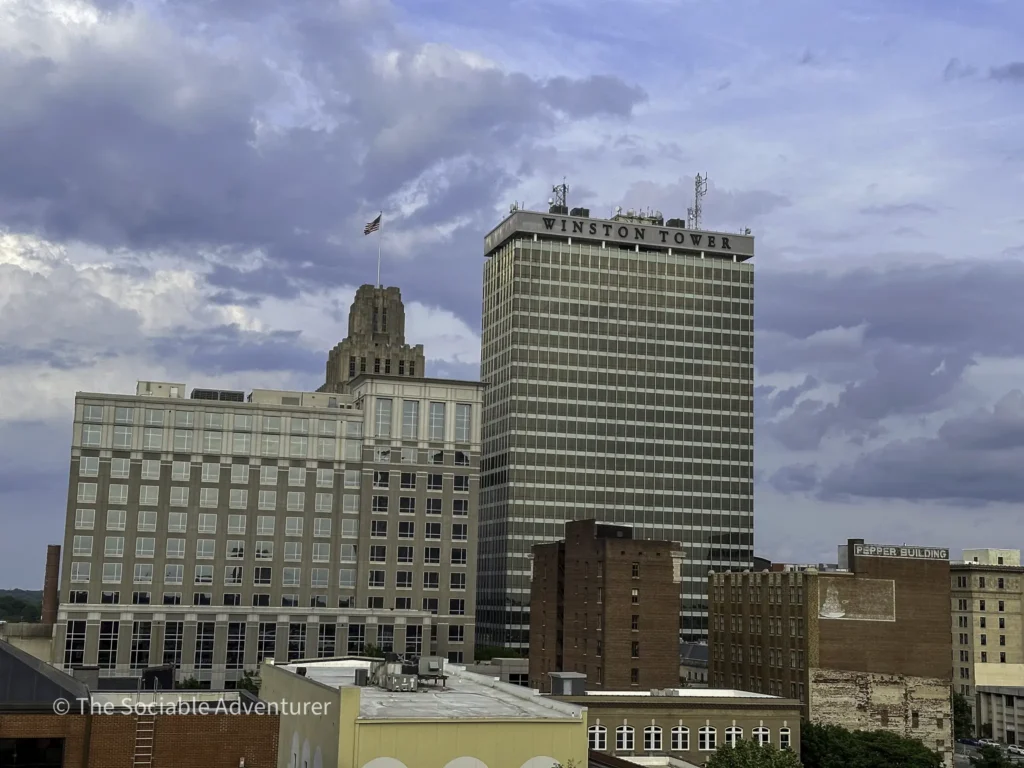
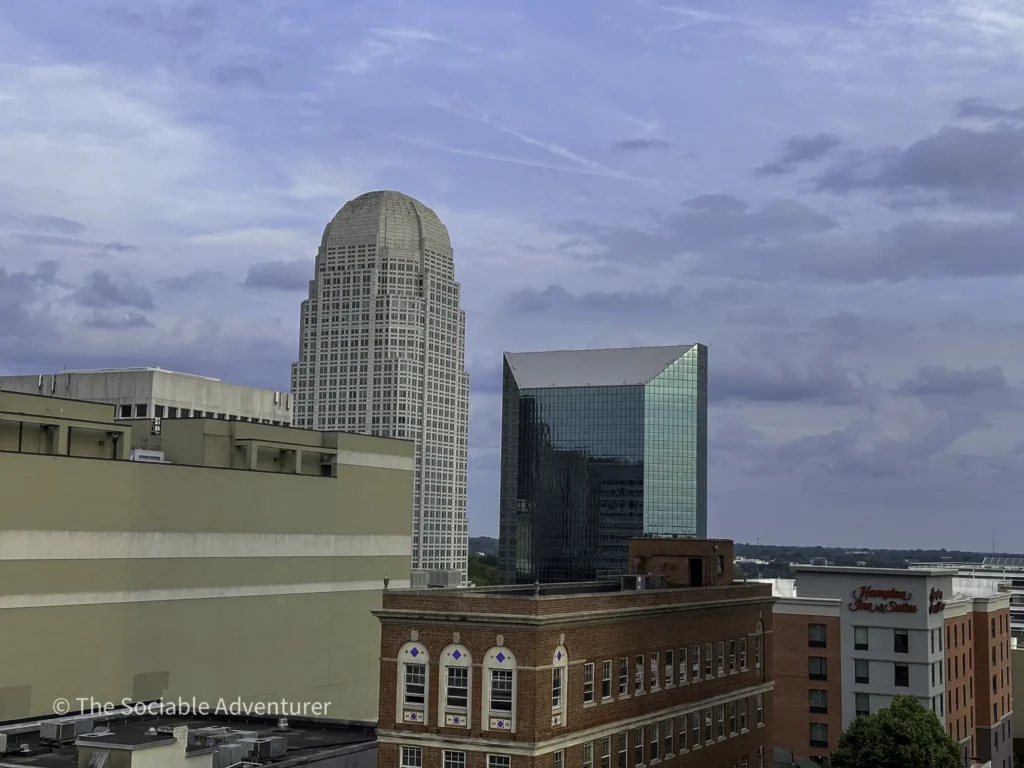
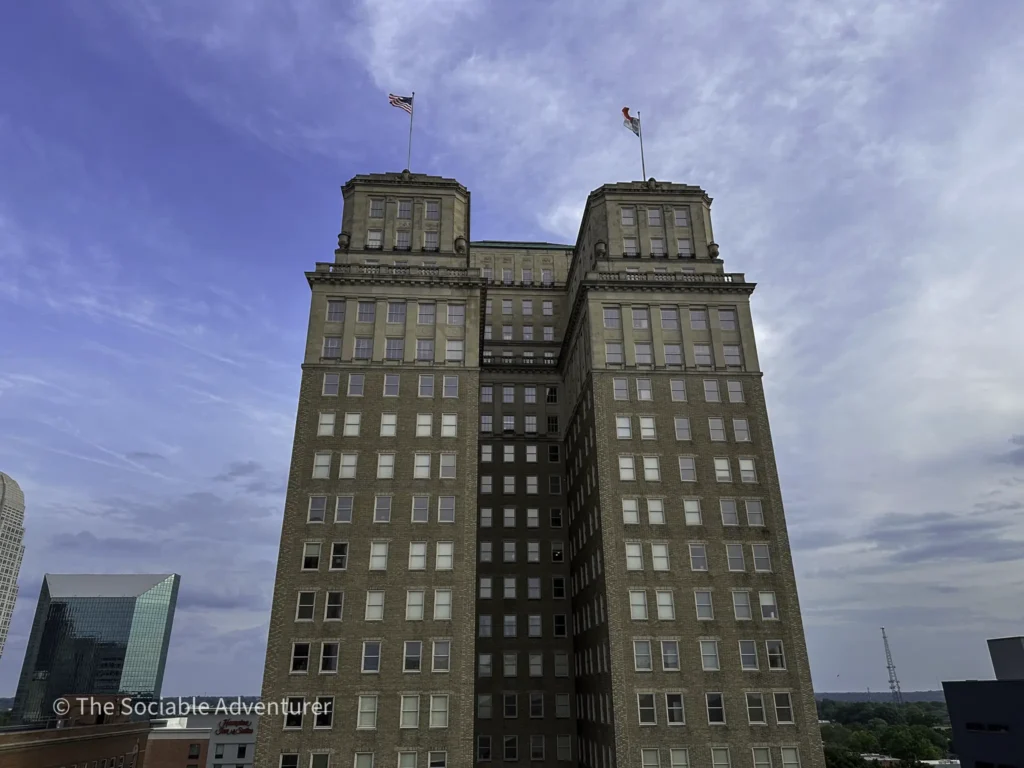
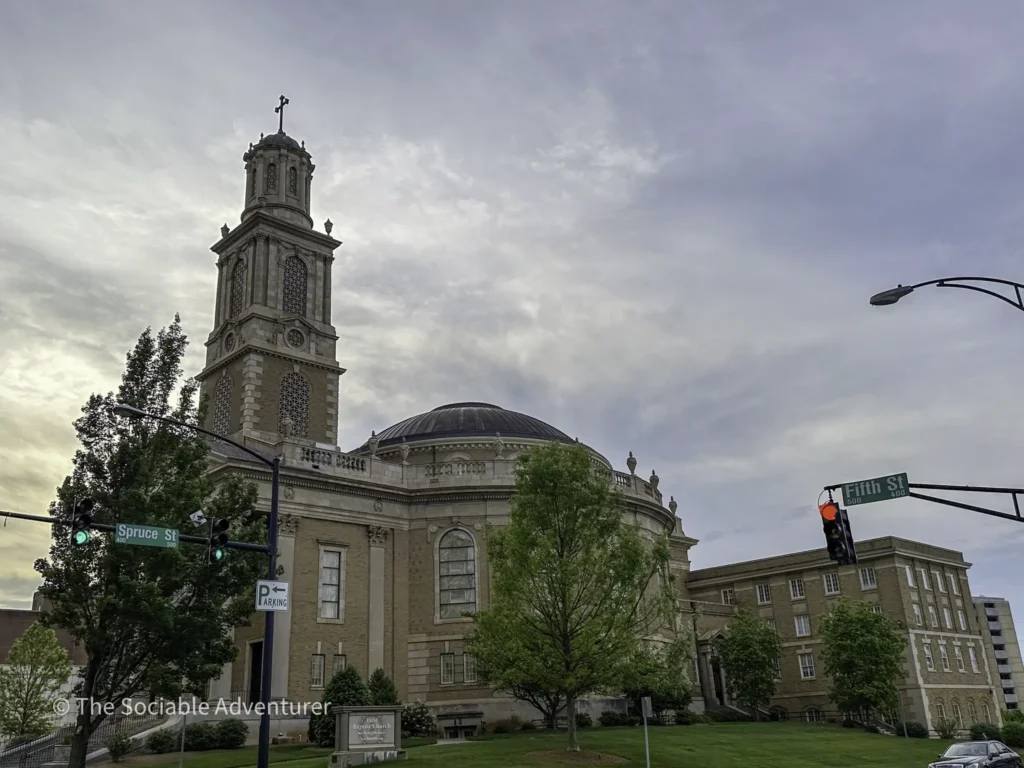
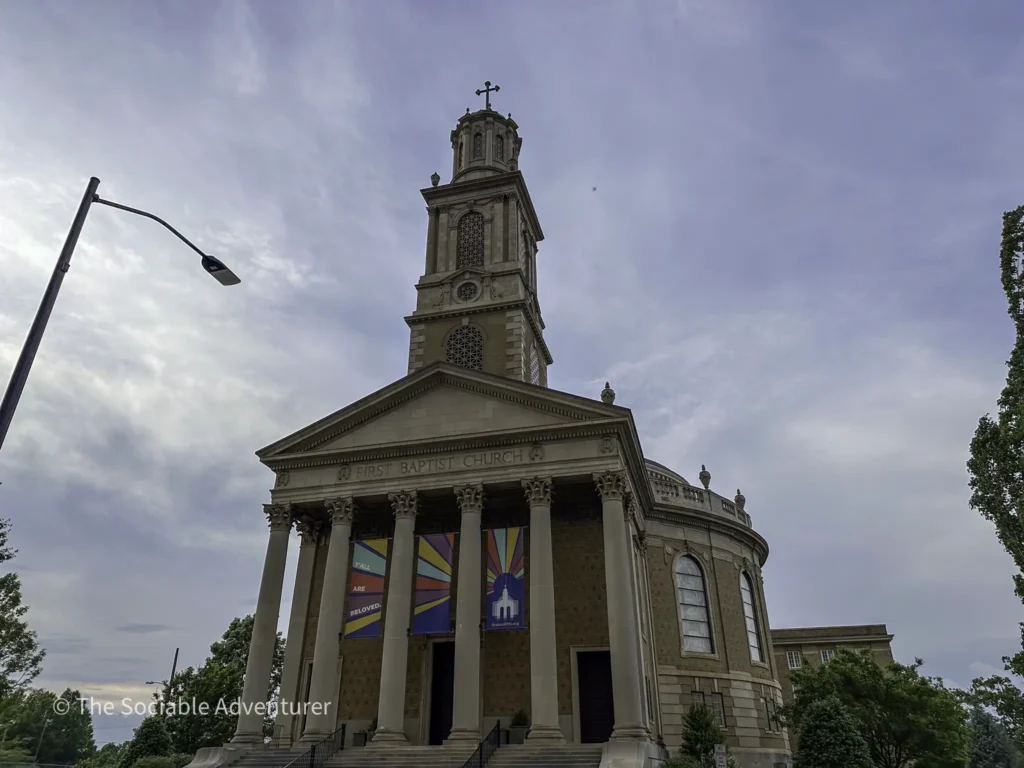
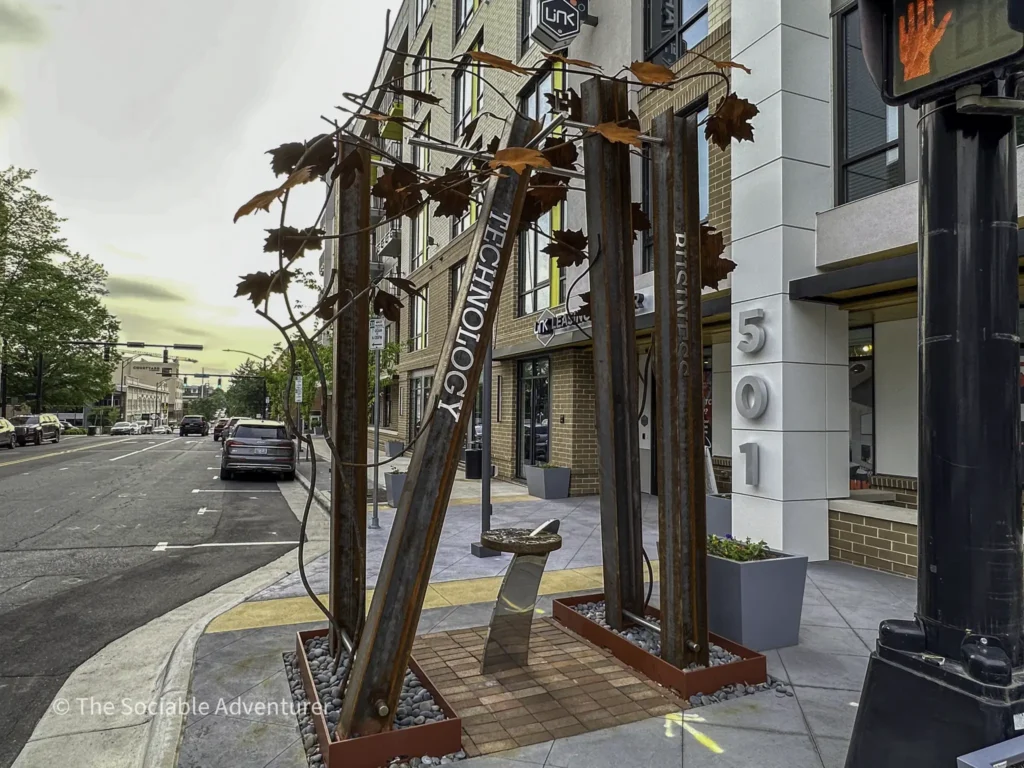
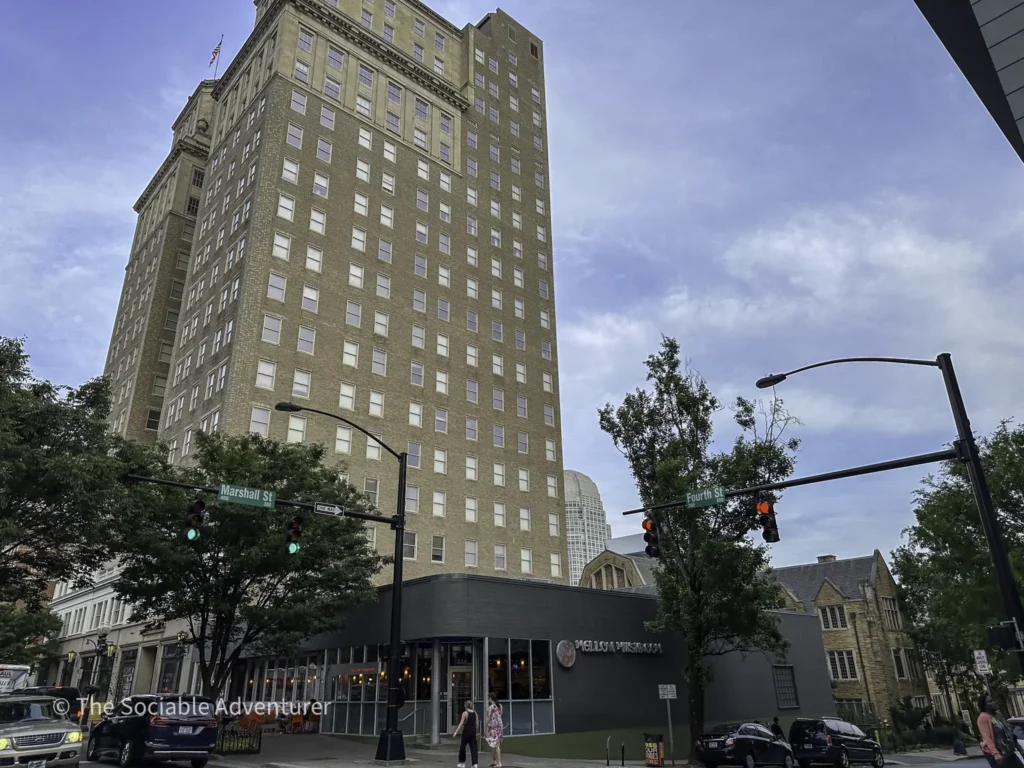
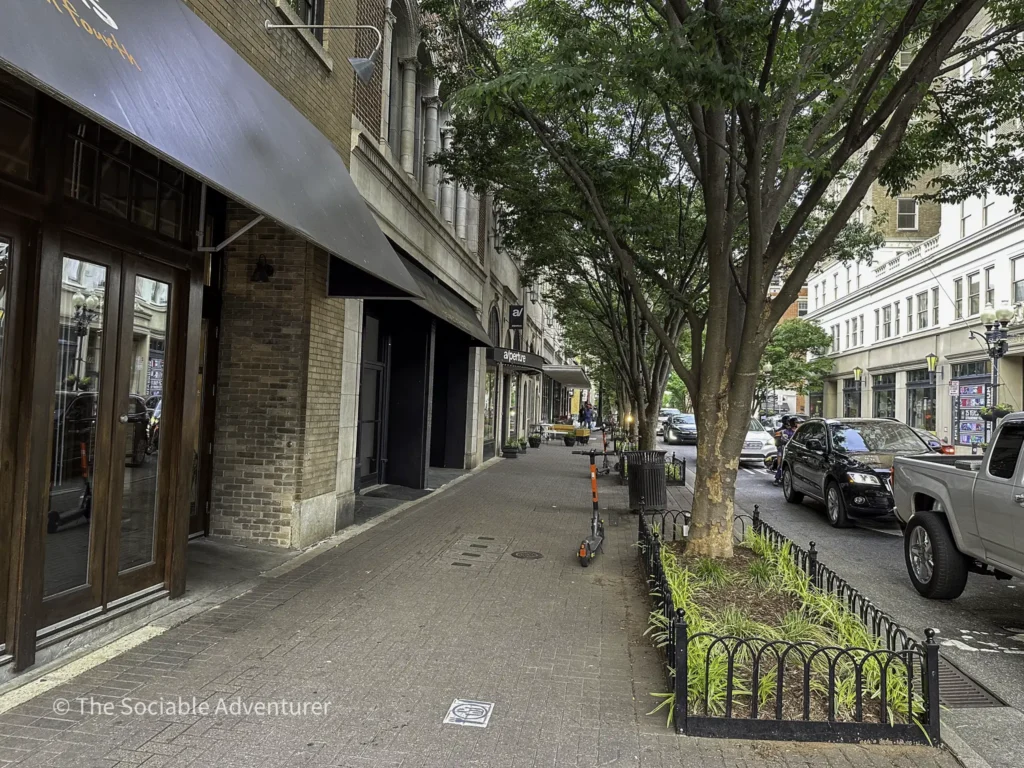
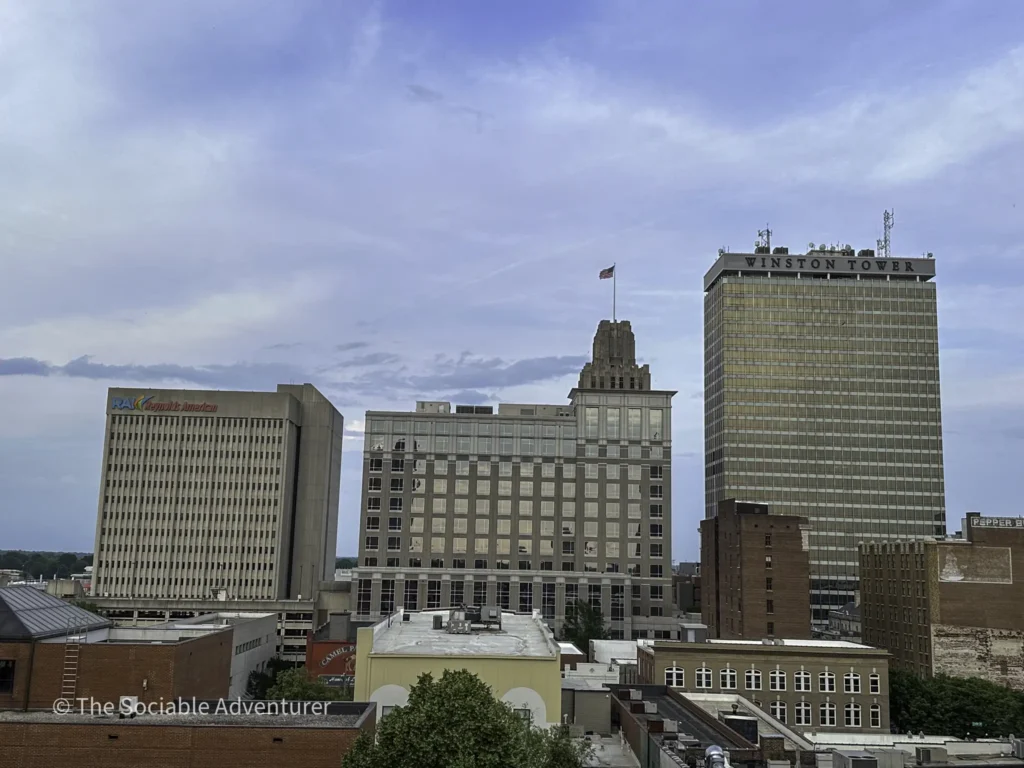
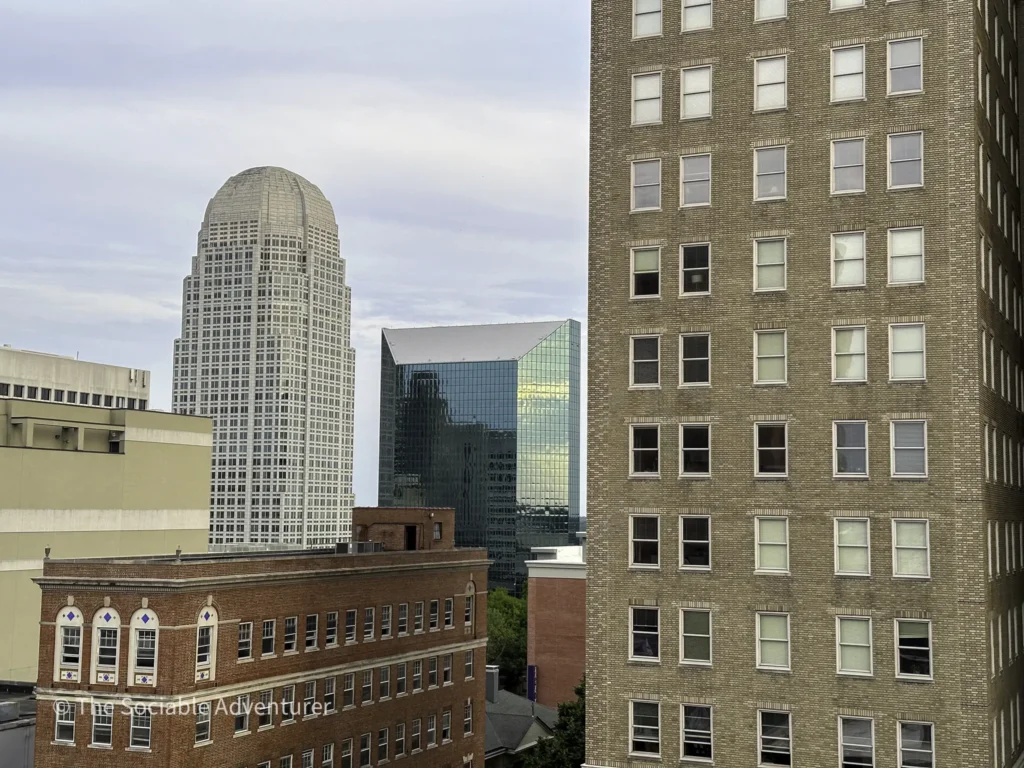
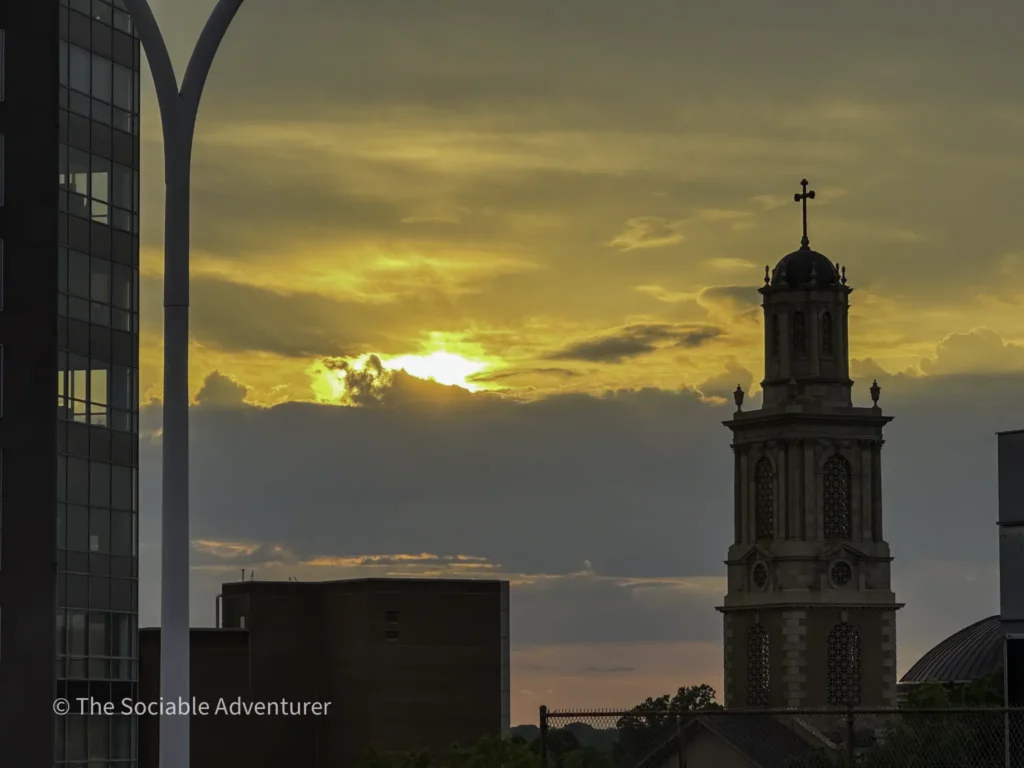
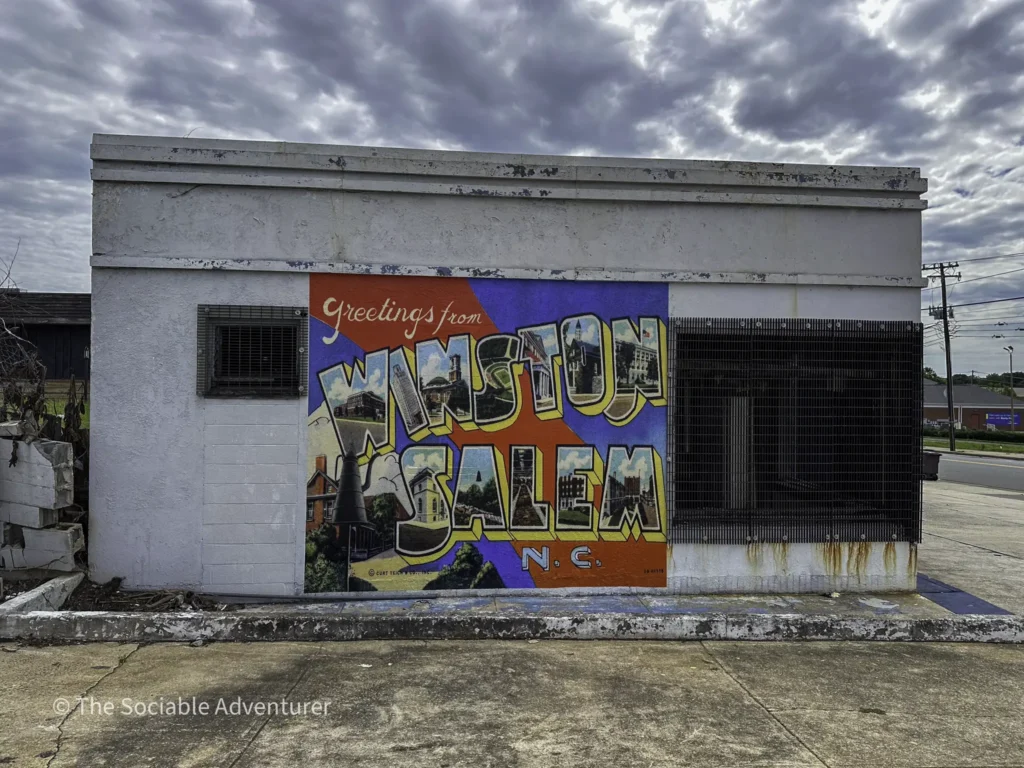
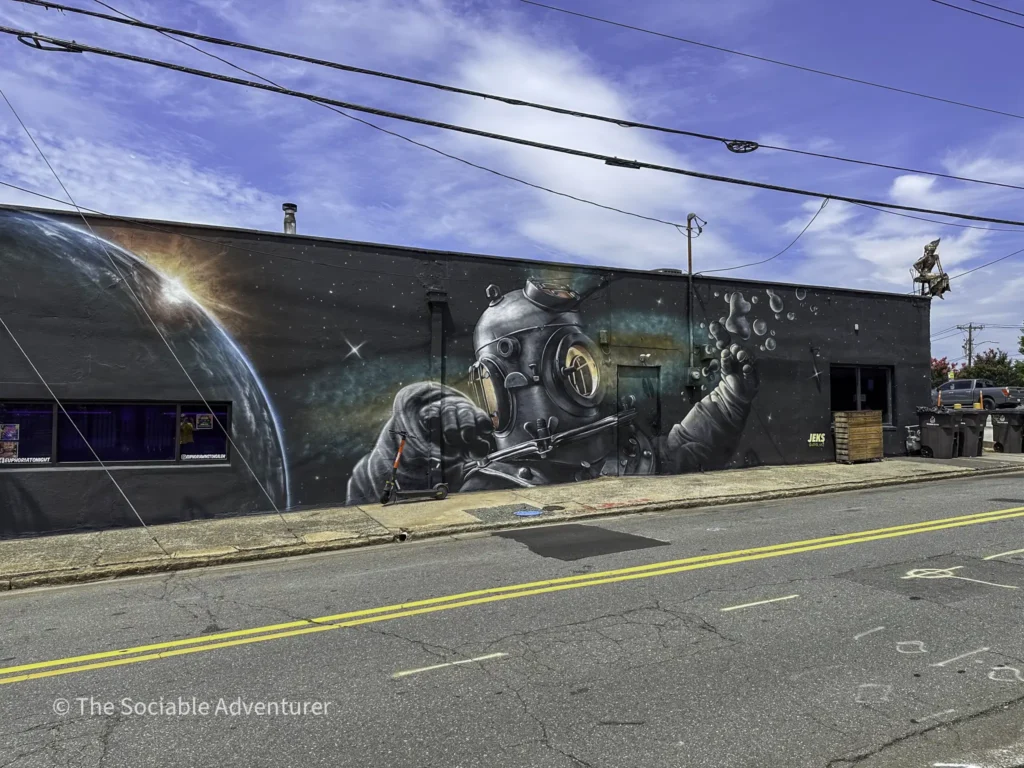
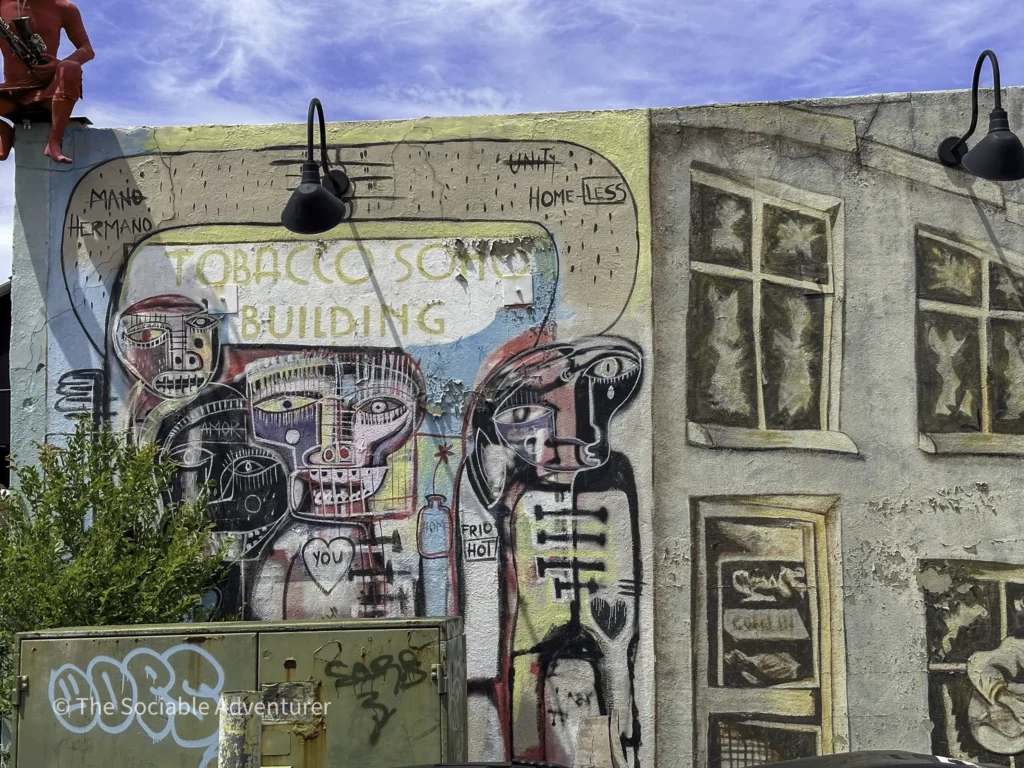
Photos of Downtown Winston-Salem, NC
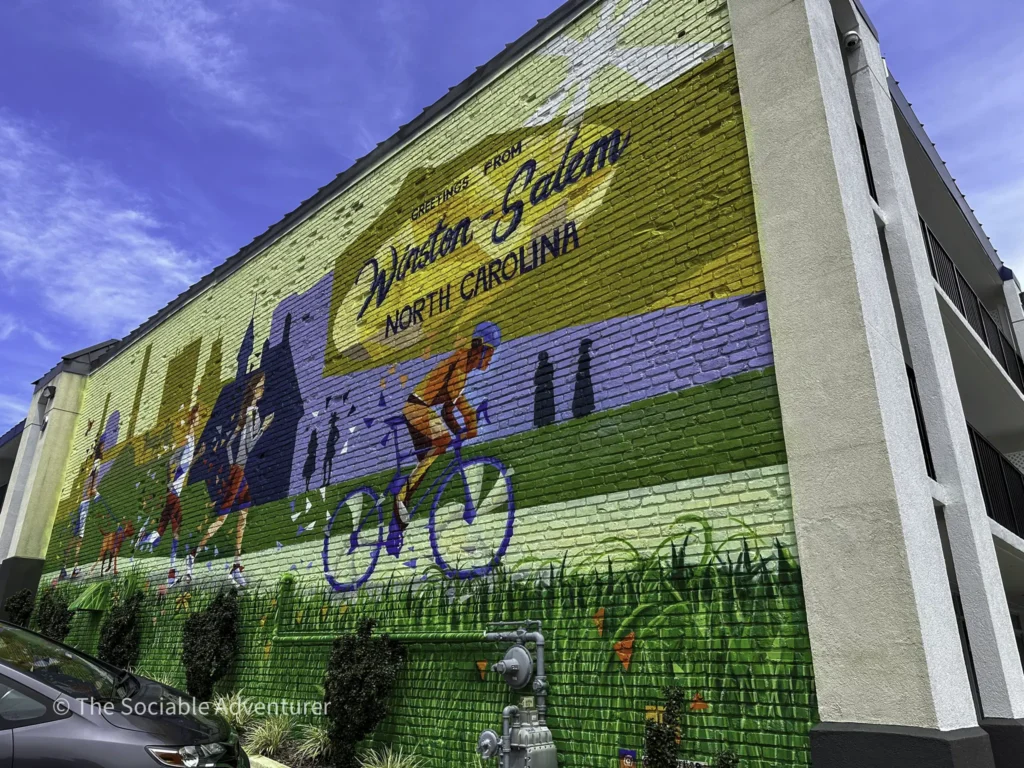
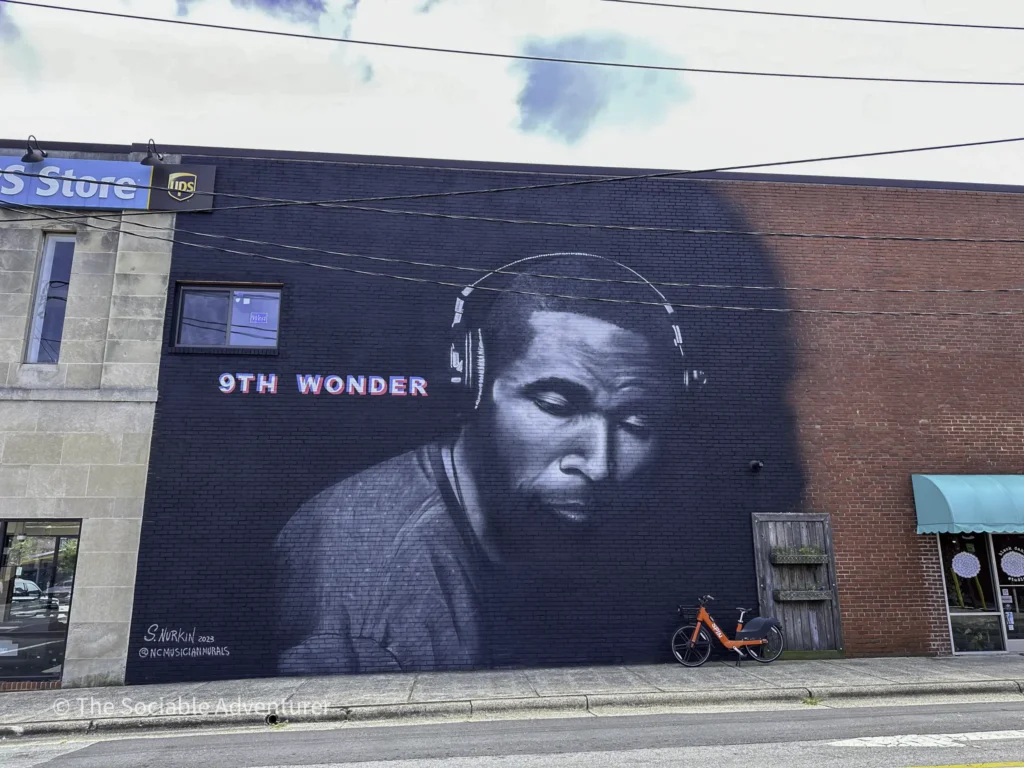
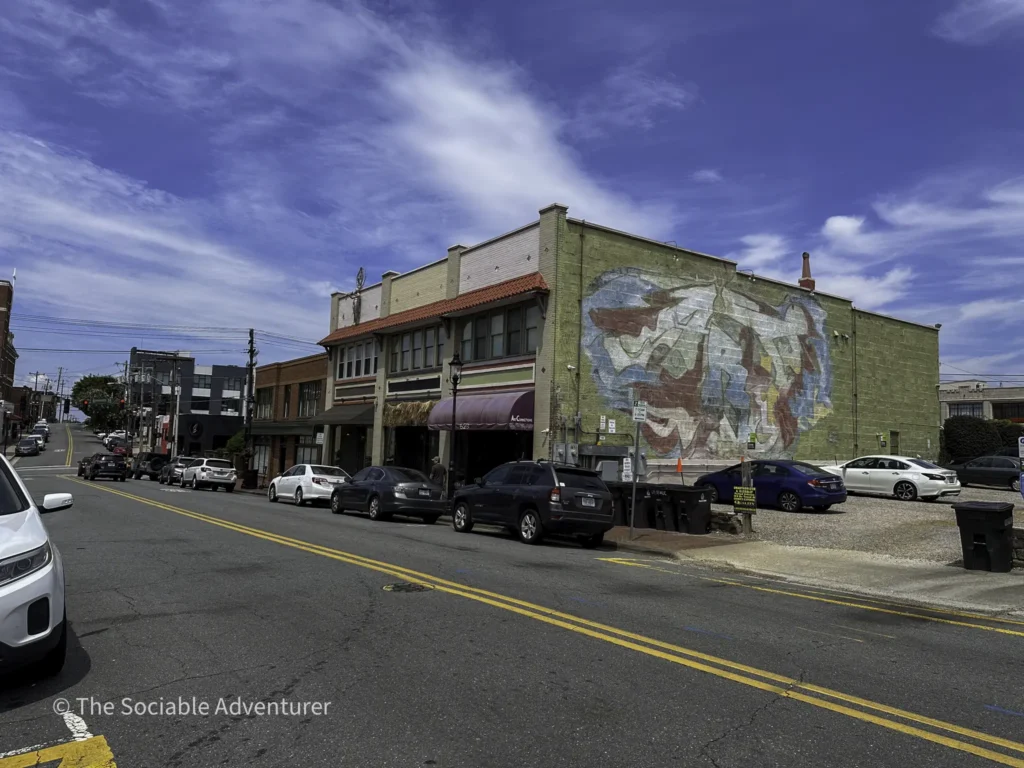
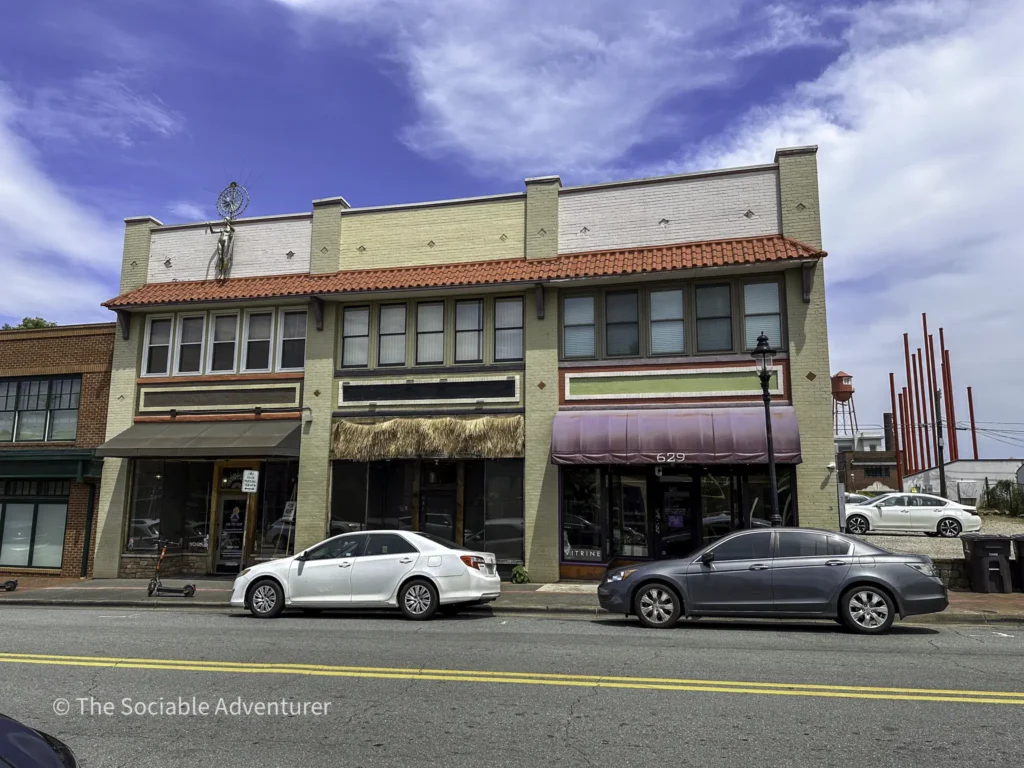
Things To Do in Winston-Salem, NC

Resources
The Go To Winston Salem Website