
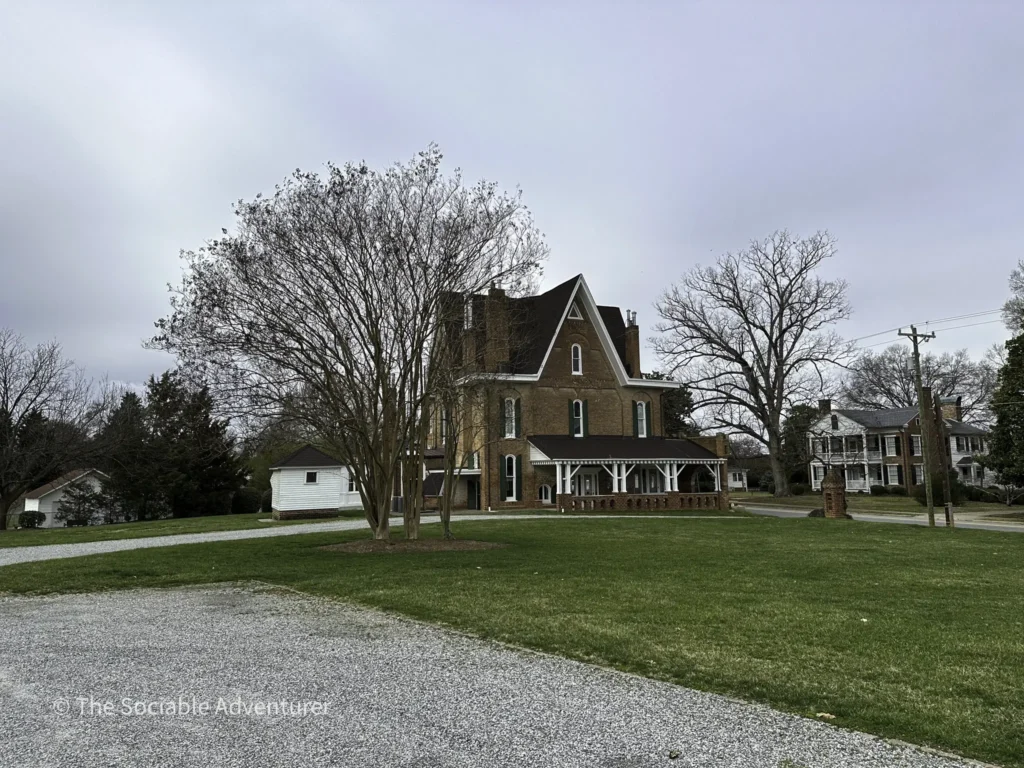
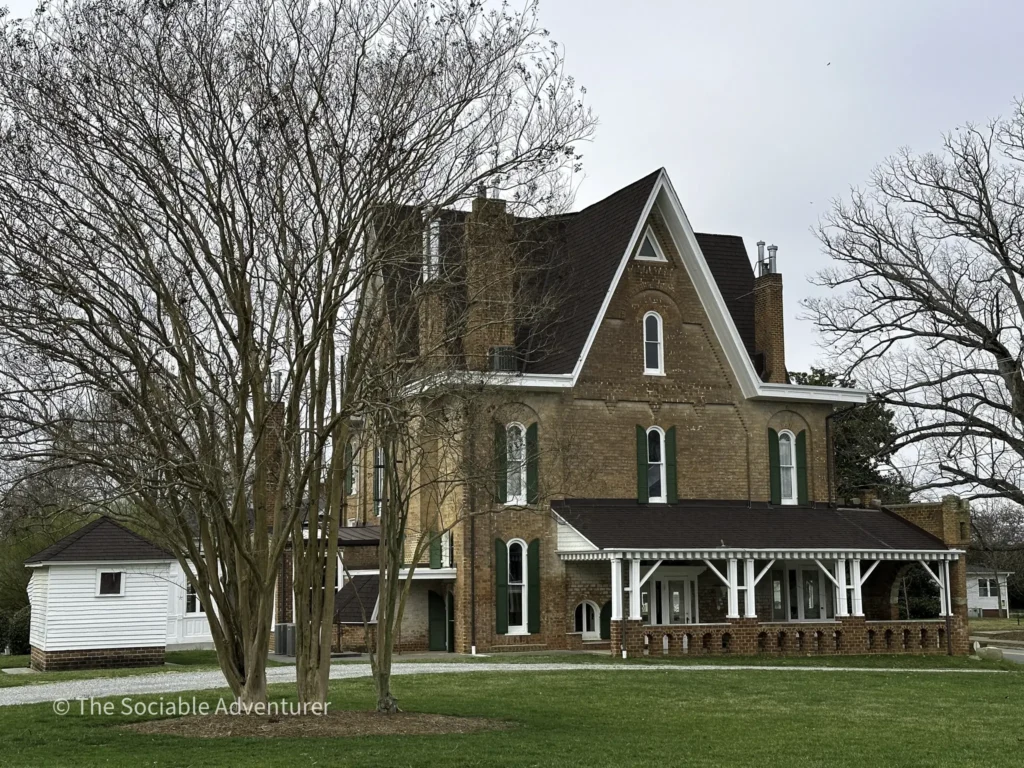
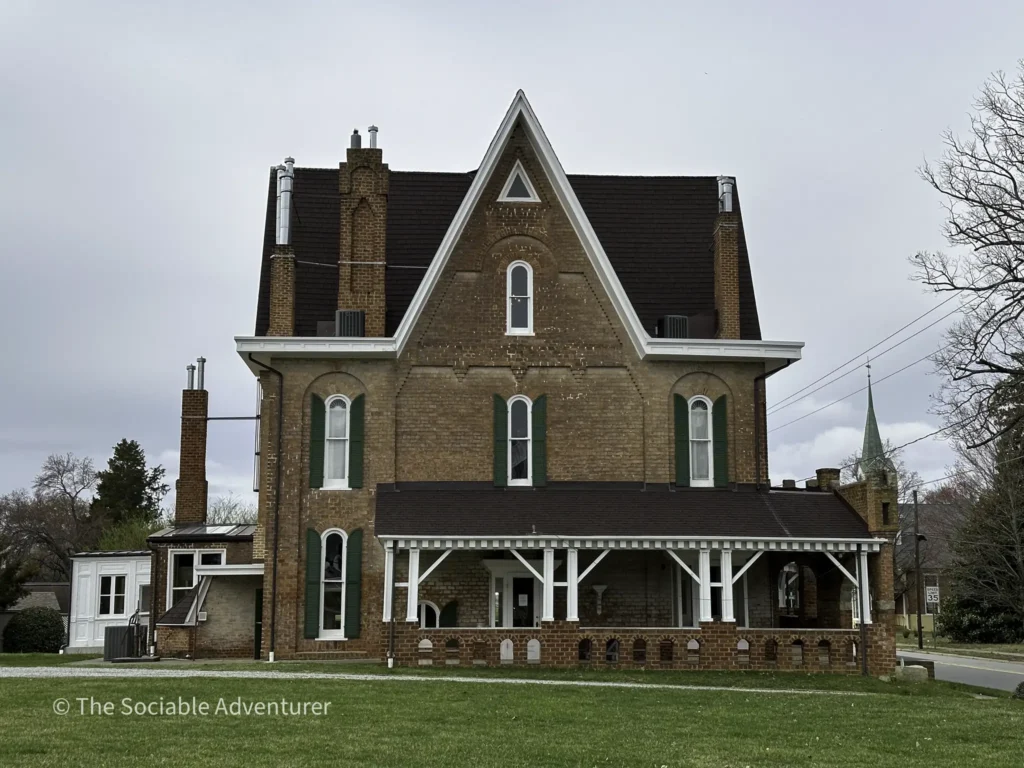
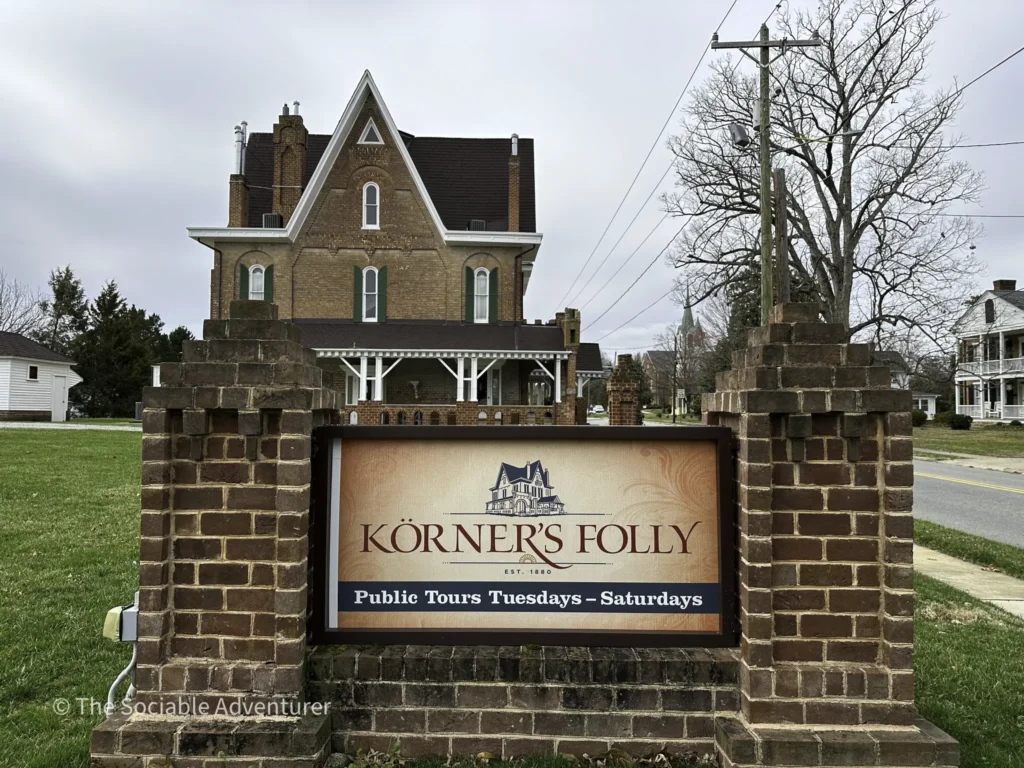
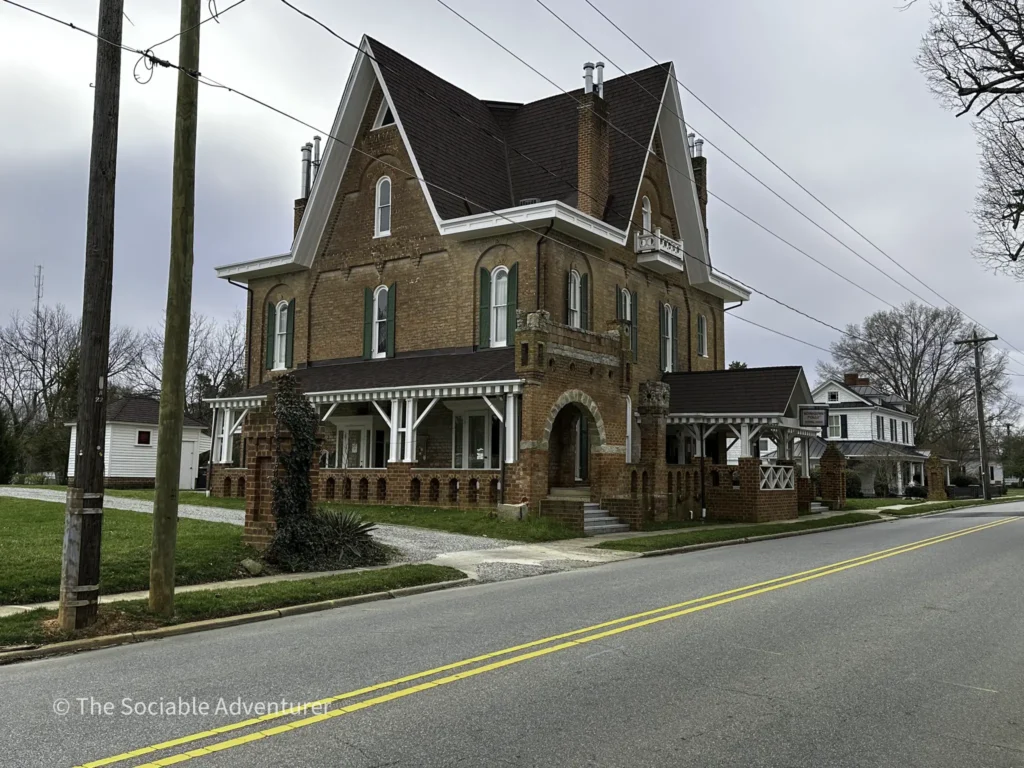
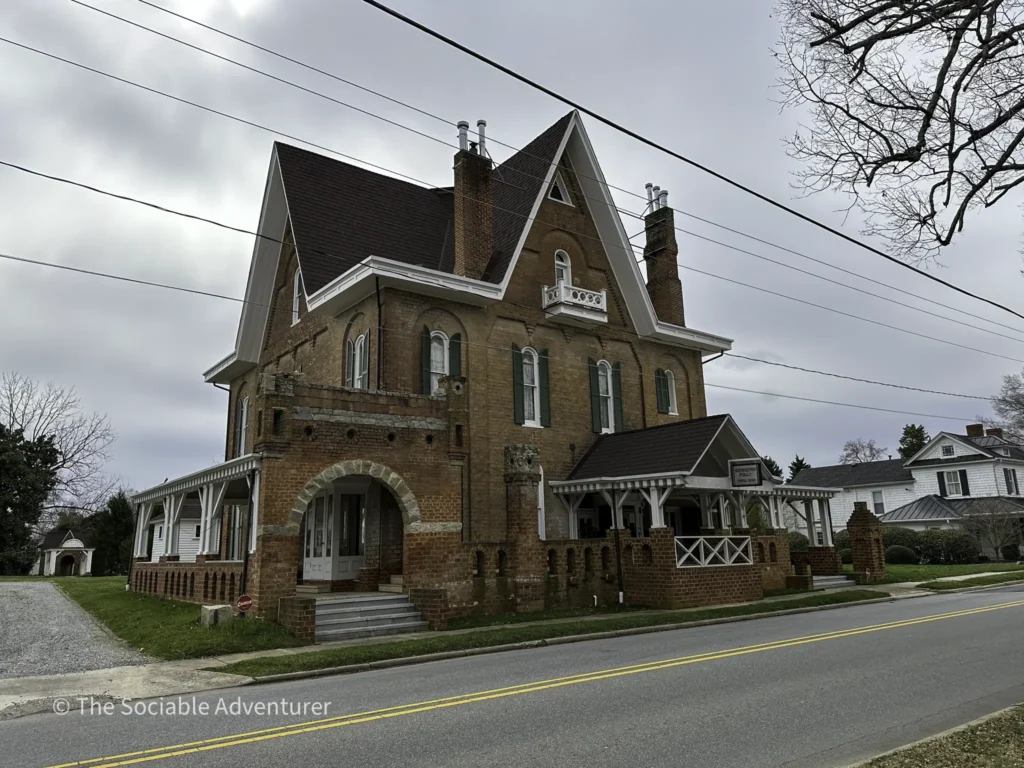
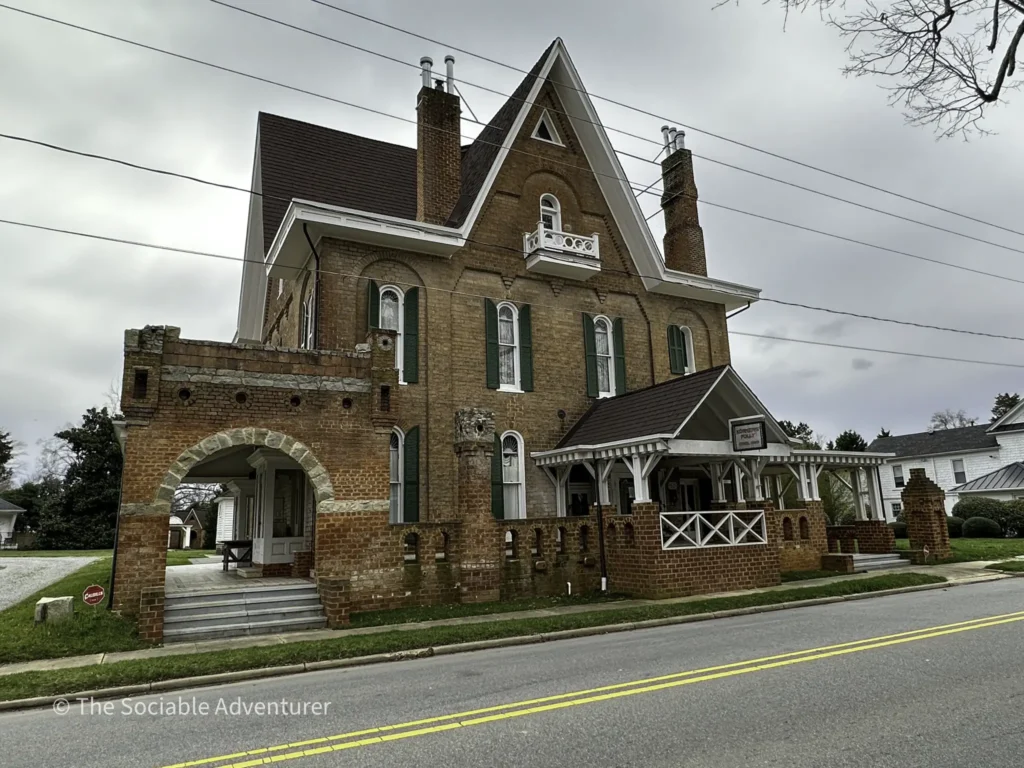
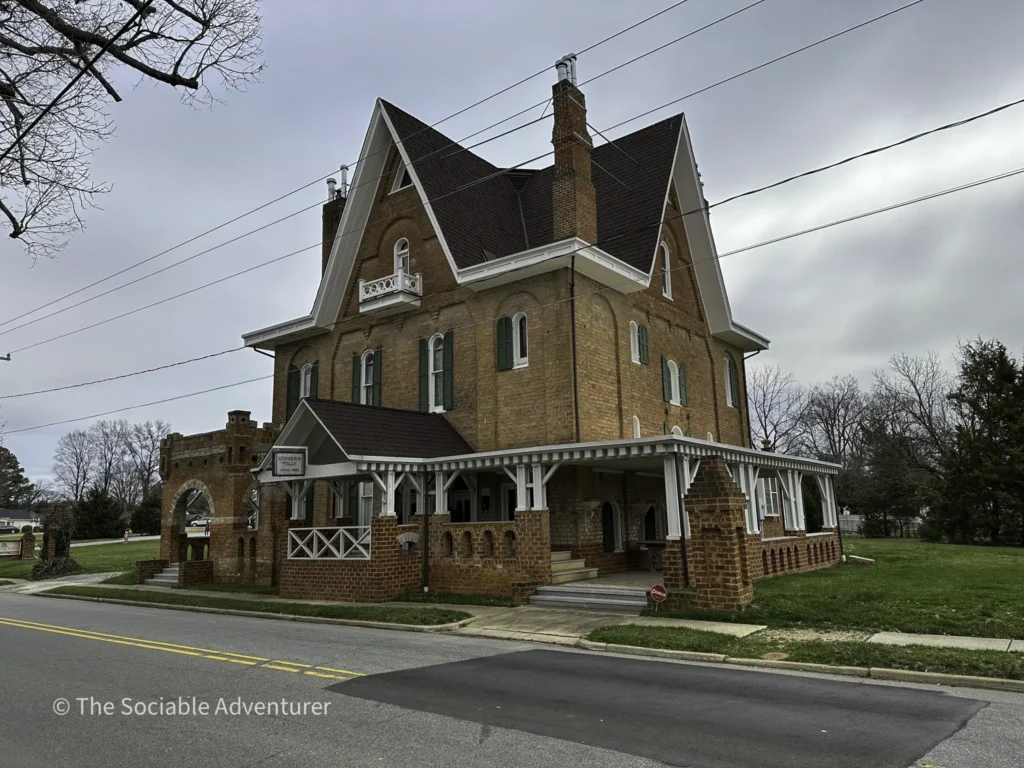
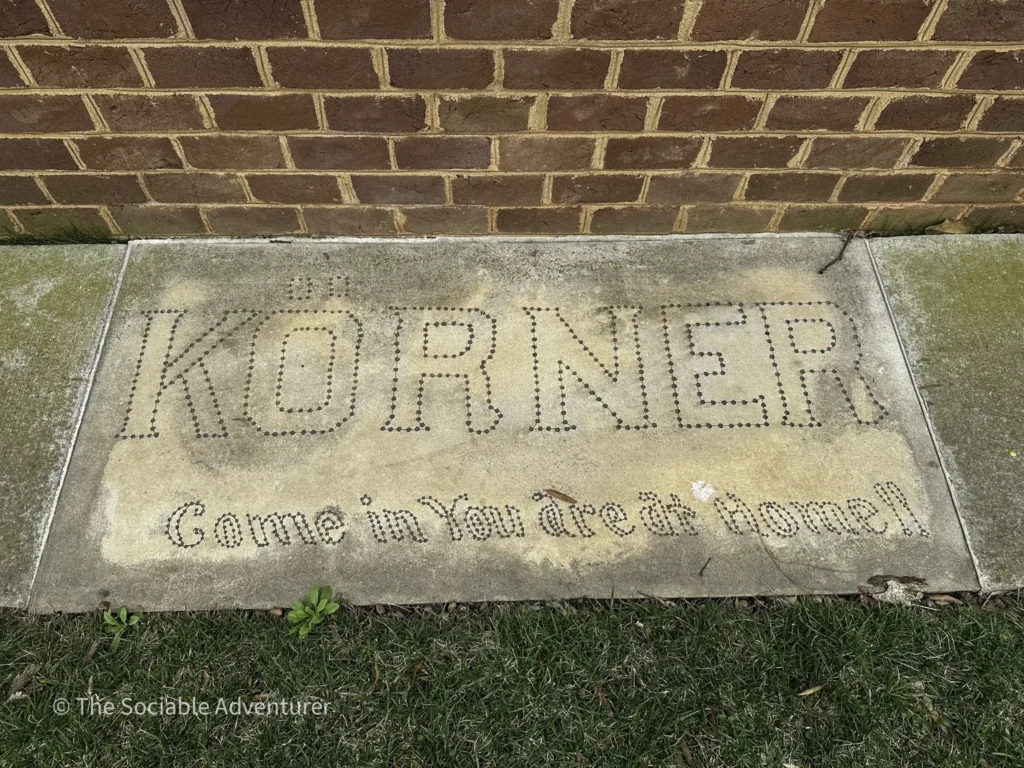
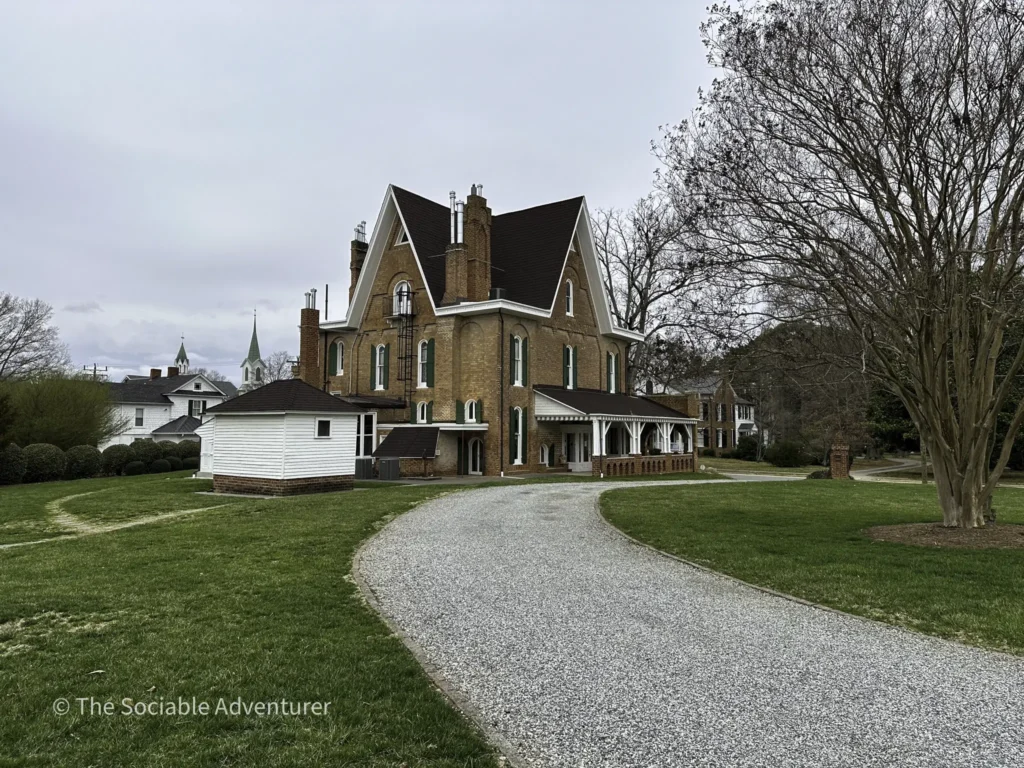
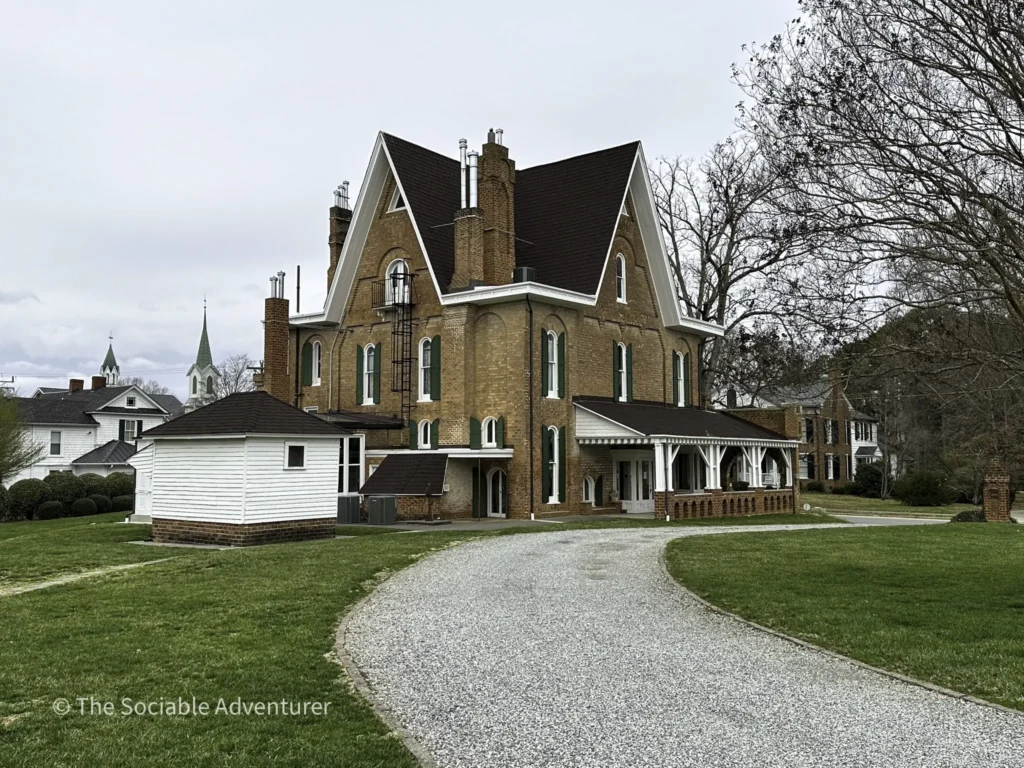
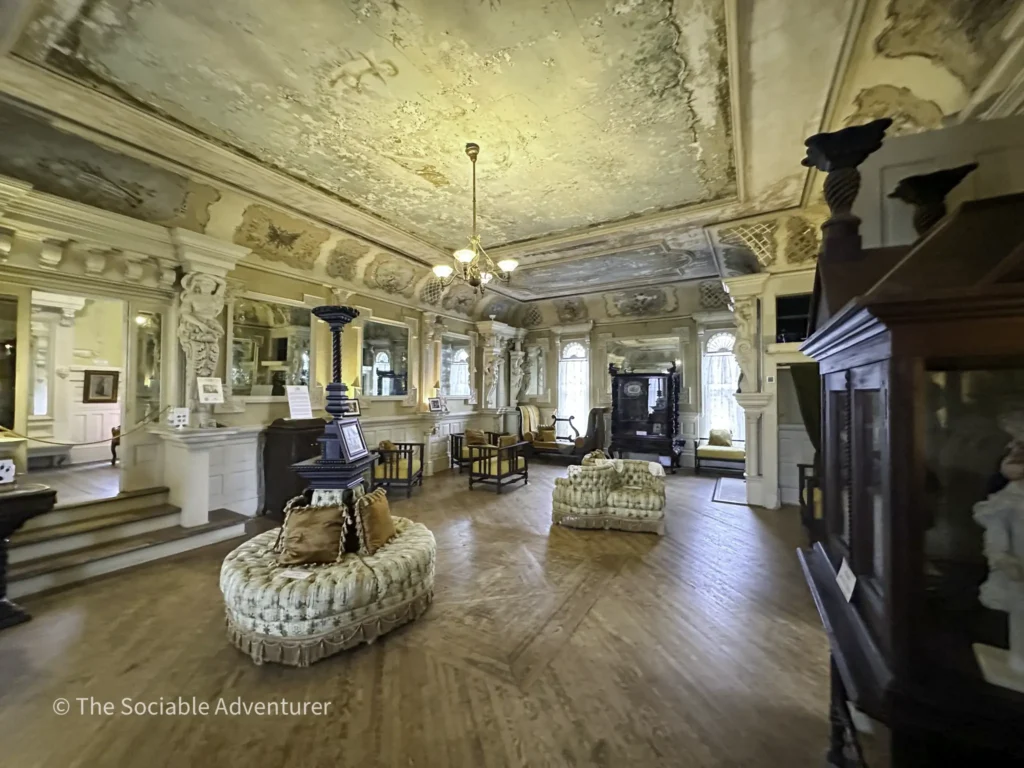
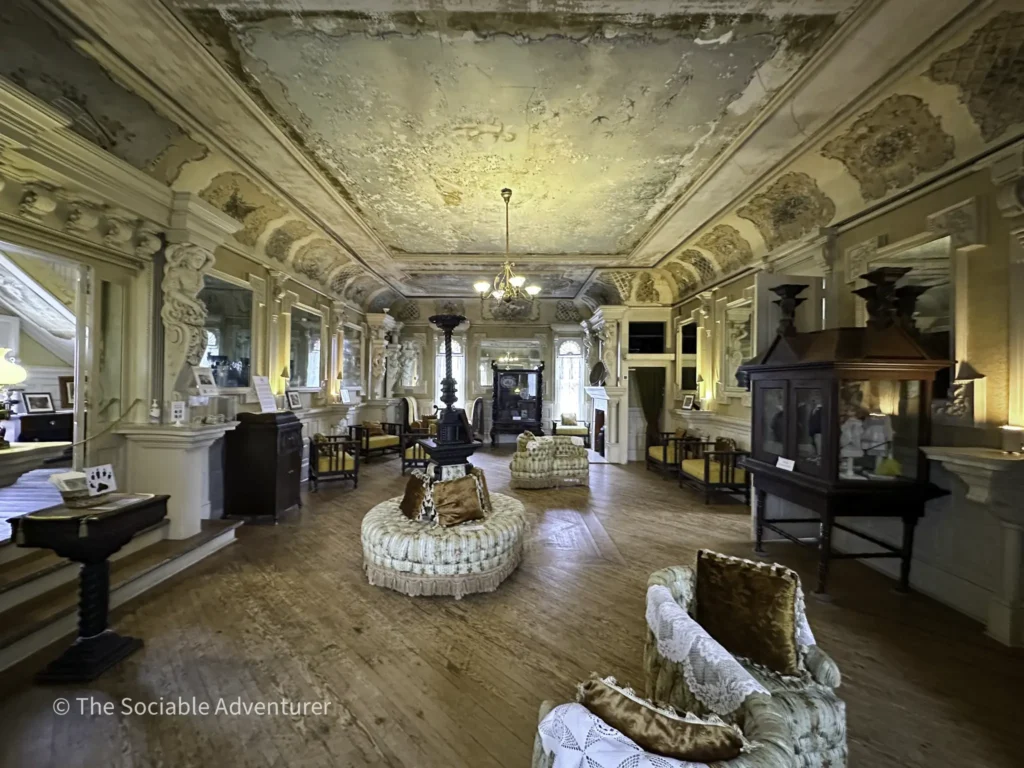
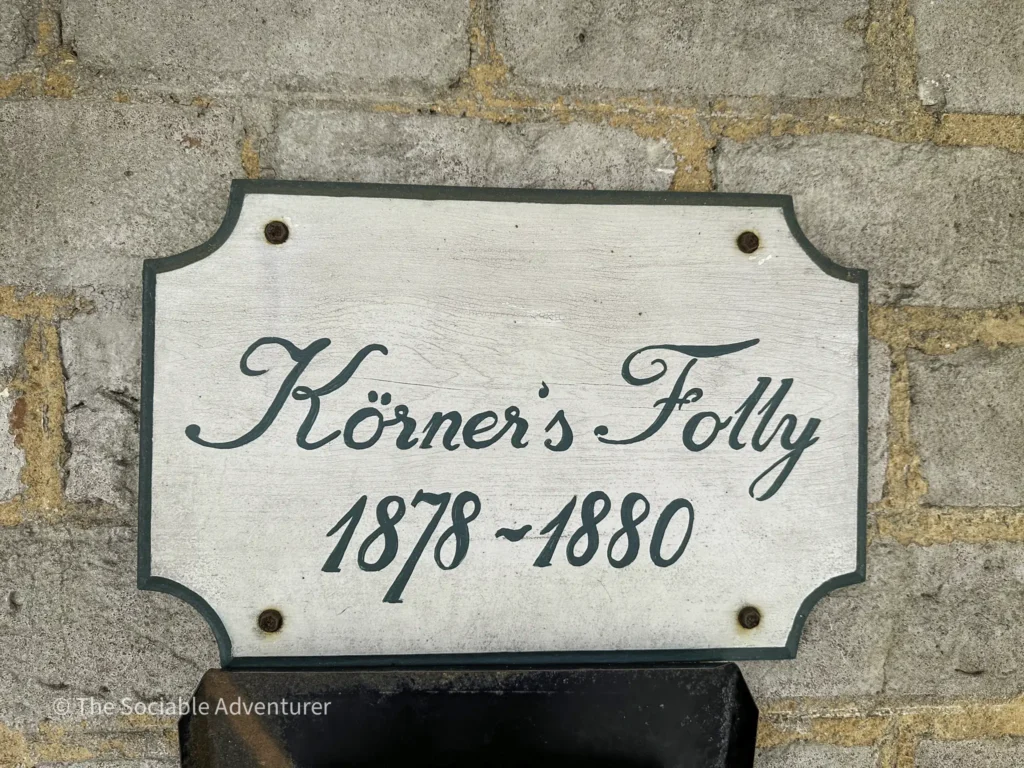
Körner’s Folly is one of the most genuinely singular historic homes anywhere in North Carolina — a 22-room, 7-level Victorian brick dwelling built between 1878 and 1880 in Kernersville, NC by Jule Gilmer Körner, grandson of the town’s namesake Joseph Kerner. The house is nationally recognized for its architectural distinctiveness — often called “the strangest house in America” — and is one of the most-visited historic house museums anywhere in the Forsyth County region.
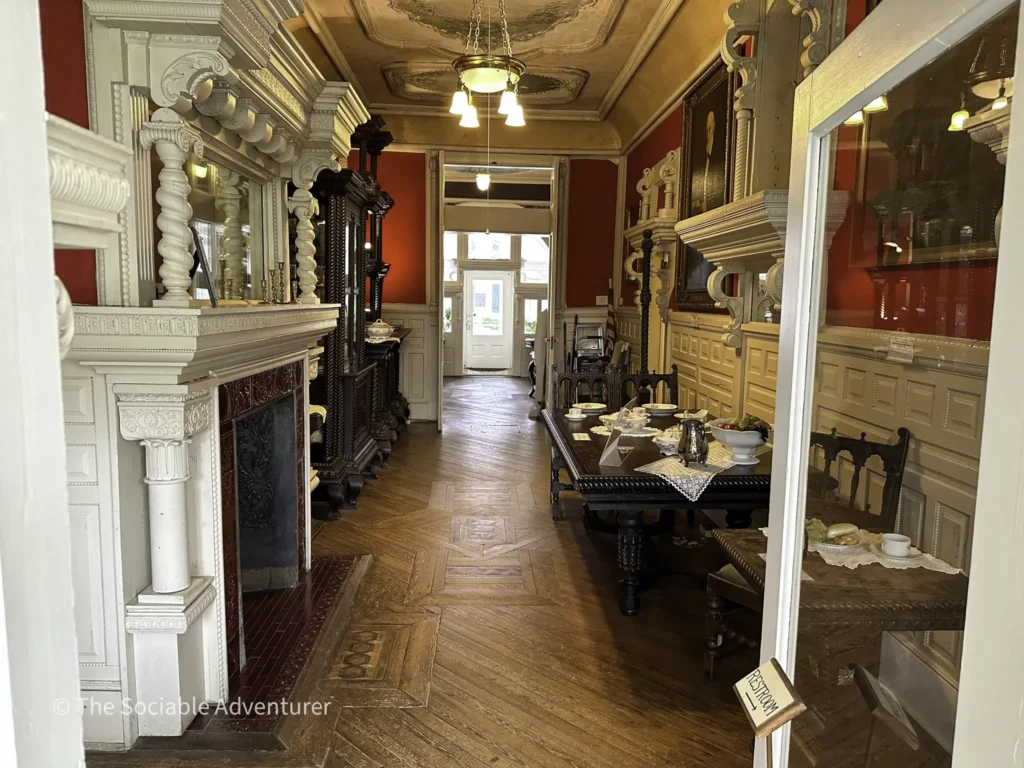
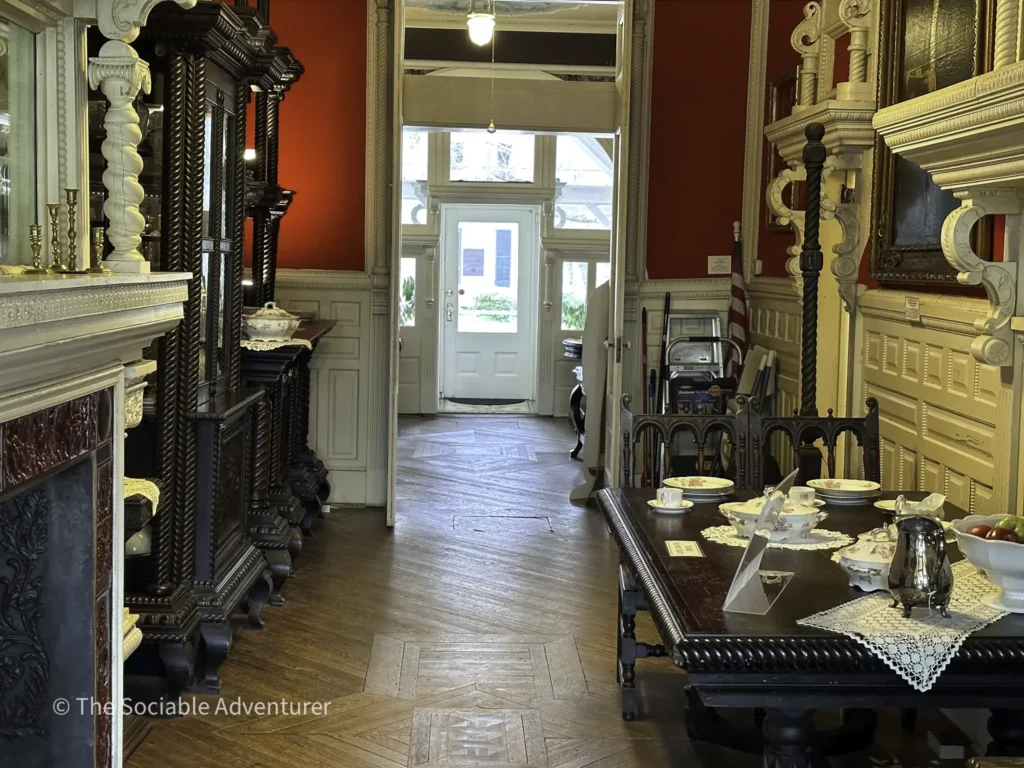
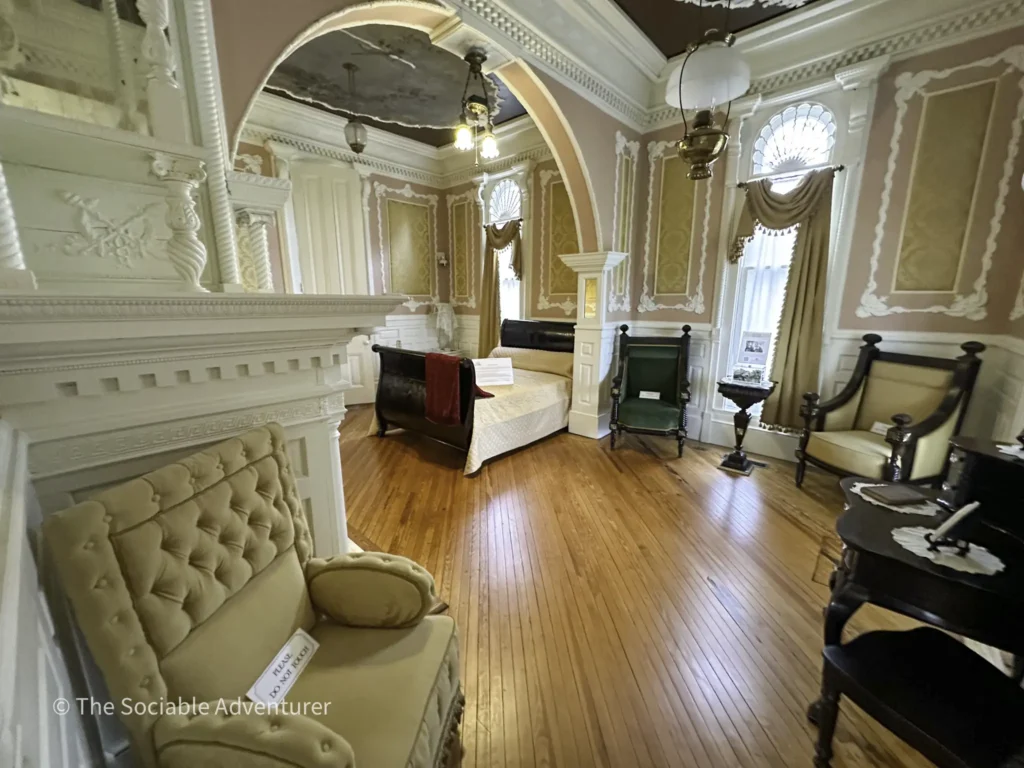
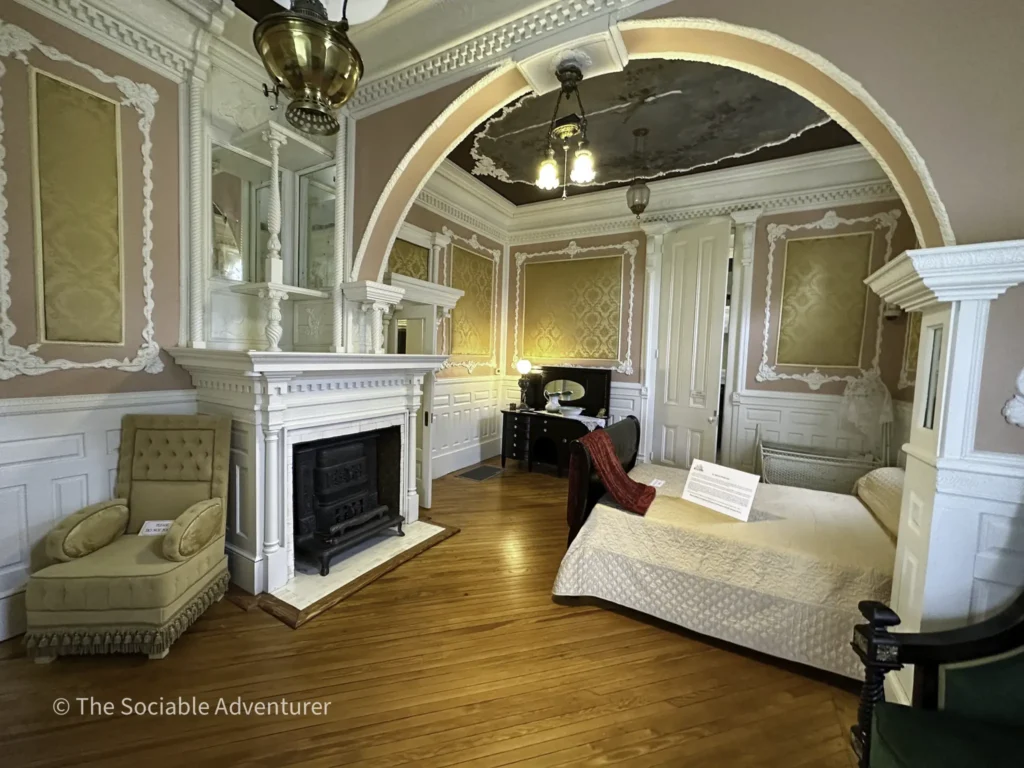
Jule built the Folly as a living portfolio showcase for his furniture and interior design business — funding the construction with the fortune he made painting Bull Durham Tobacco Company advertisements on barns across the American East Coast under the pseudonym “Reuben Rink,” widely recognized today as one of the first national outdoor advertising campaigns in American history. Inside, every room, hallway, and architectural detail was intentionally designed to be different from every other — with 15 unique fireplaces, ceiling heights ranging from 5½ to 25 feet, hidden trap doors and cubbyholes, and a mixed design vocabulary drawing on Baroque, Neoclassical, Rococo, and Colonial styles. The home’s top floor houses Cupid’s Park Theatre — widely considered the first private little theater in America.
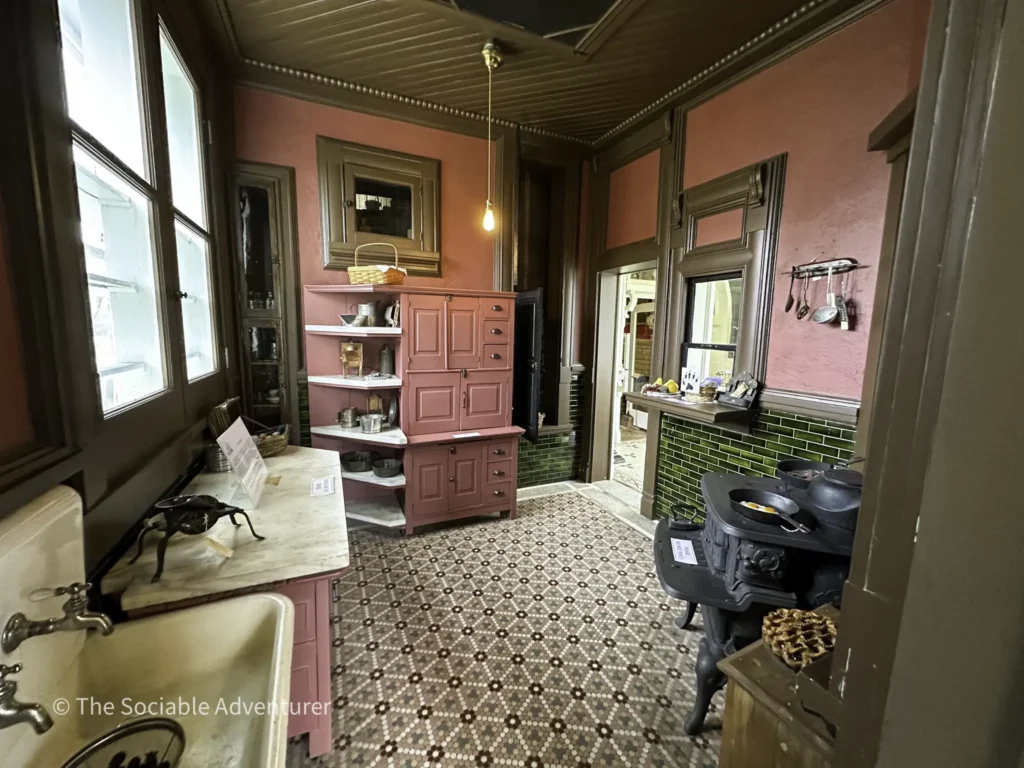
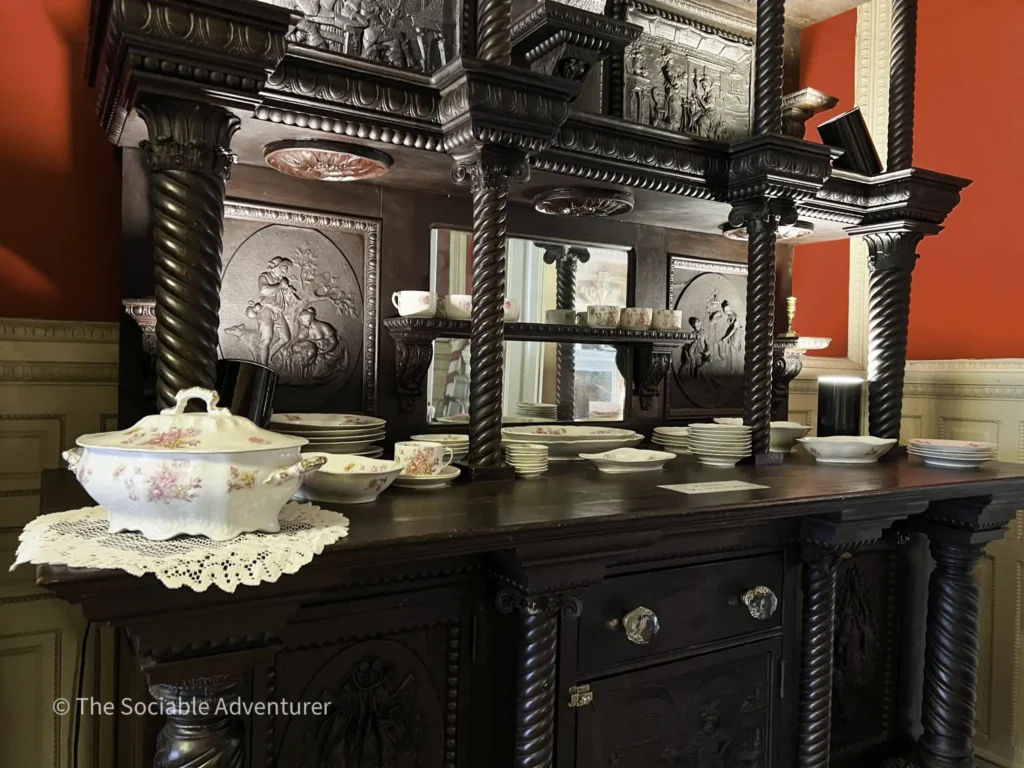
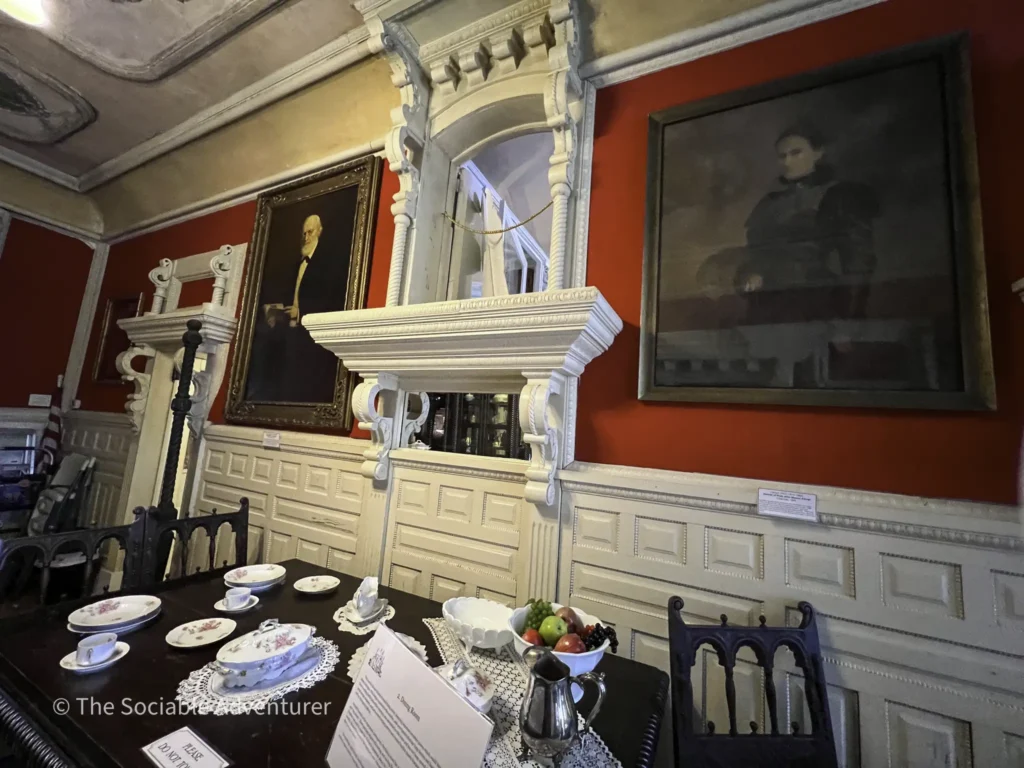
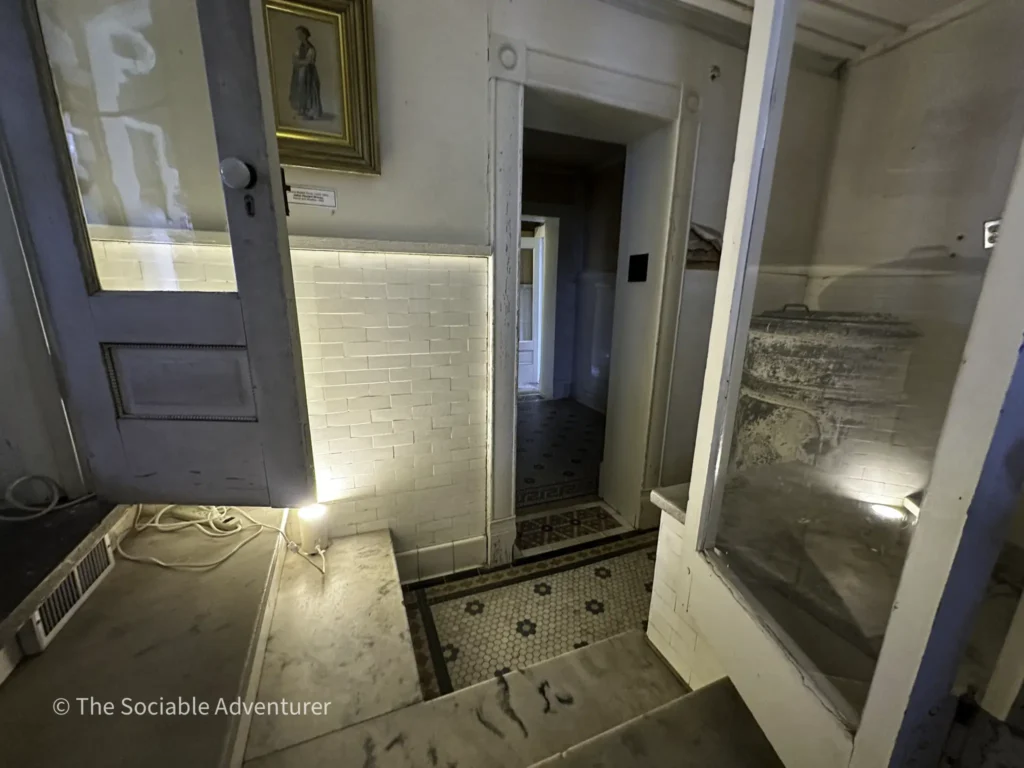
Be sure to check out the YouTube video and pictures below to get a feel for Körner’s Folly before you go — or to relive the visit after.
Jule Gilmer Körner — From Bull Durham Advertising to a Living Design Portfolio
Jule Gilmer Körner — grandson of Joseph Kerner (the German immigrant whose 1817 property purchase gave Kernersville its name) — first made his name and fortune as one of the most successful outdoor advertising artists in 19th-century America. Working under the pseudonym “Reuben Rink,” Jule painted large-scale Bull Durham Tobacco Company advertisements on barns and buildings across the American East Coast and Southeast — establishing what is now widely recognized as one of the first national outdoor advertising campaigns in American history.
Jule’s advertising work was genuinely inventive. Beyond just painting Bull Durham logos, he developed a provocative marketing style designed to generate public attention and word-of-mouth in the towns where his advertisements appeared. He would then write letters to local newspapers under other pseudonyms, drawing attention to the paintings, then return to modify the artwork in response to the “concerns” he had manufactured. That combination of eye-catching visuals, manufactured public conversation, and performative resolution is now recognized as one of the earliest “guerrilla marketing” campaigns in American history.
Jule’s Bull Durham advertising legacy remains visible in downtown Kernersville today. Visitors walking through the historic downtown can spot a replica of one of Jule’s original Bull Durham advertisements painted on the side of one of the town’s historic buildings — a genuinely wonderful firsthand touchpoint that connects Jule’s early career as one of America’s first national outdoor advertising artists directly to the town where he later built his design showcase. Seeing the replica in person gives visitors a real sense of the scale, visual style, and public-facing artistry that made the Bull Durham campaign so successful.
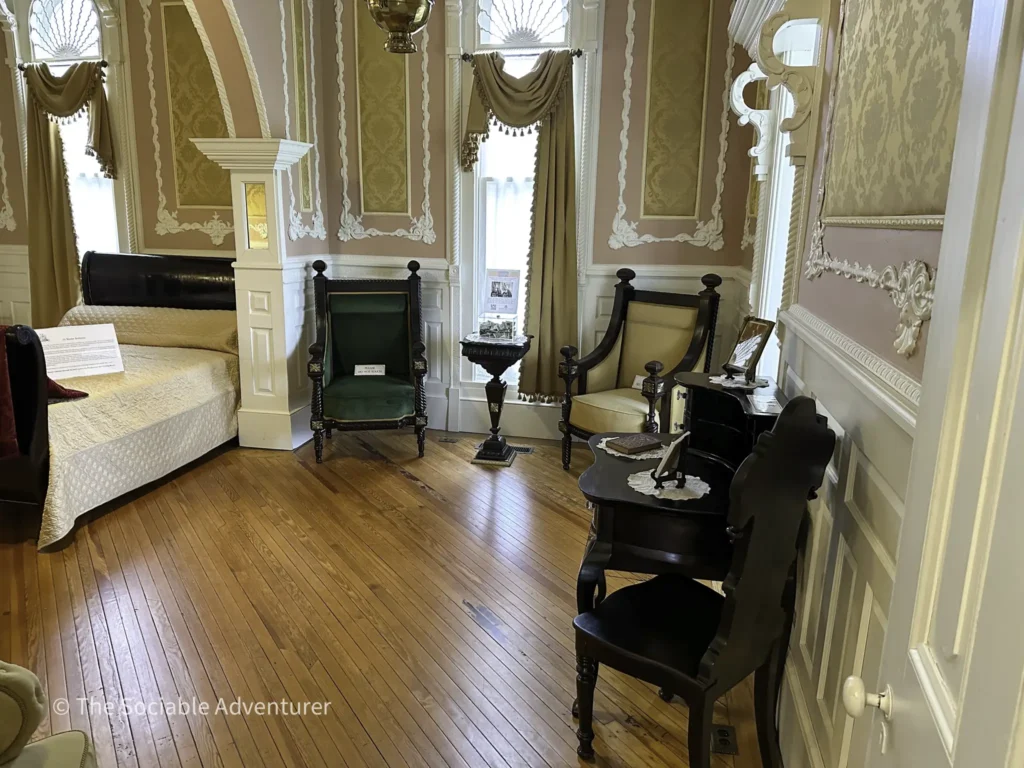
The success of his Bull Durham work made his fortune, enabling him to return to Kernersville in the 1870s and begin construction on Körner’s Folly in 1878 as a living portfolio for his new interior design business — “Reuben Rink Decorating and House Furnishing Company” (retaining the pseudonym from his advertising days). Rather than showing clients a portfolio of past projects, Jule invited them into the Folly itself, where they could walk through 22 rooms of Baroque, Neoclassical, Rococo, and Colonial design details.
Jule never really considered the Folly “finished.” He continued to reimagine and modify it for decades, with no two doorways, windows, or fireplaces exactly alike throughout the finished structure. When he died in 1924, his daughter Doré found new renovation plans still on his drawing table — the ultimate expression of the house’s identity as a work-in-progress design showcase. His great-great-grandson, J.G. Wolfe, continues the family legacy today, operating a modern advertising agency in Winston-Salem also called Reuben Rink — and the John & Bobbie Wolfe Visitors Center at Körner’s Folly is named for the Wolfe family.
The Architectural Distinctiveness — 22 Rooms Across 7 Levels
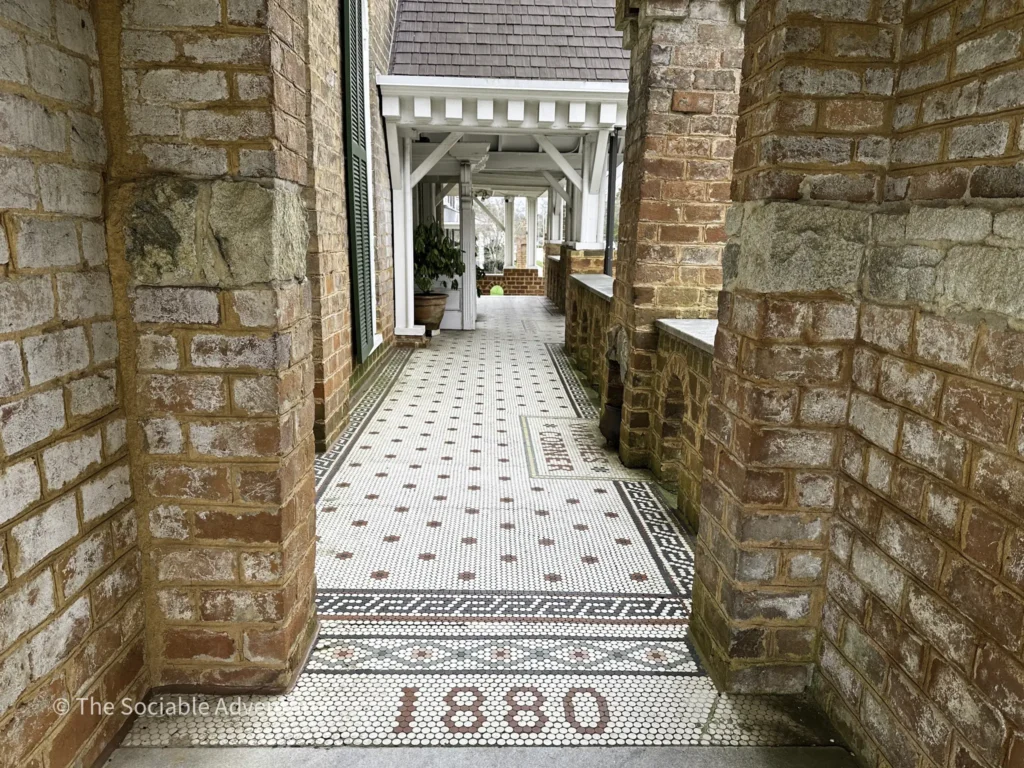
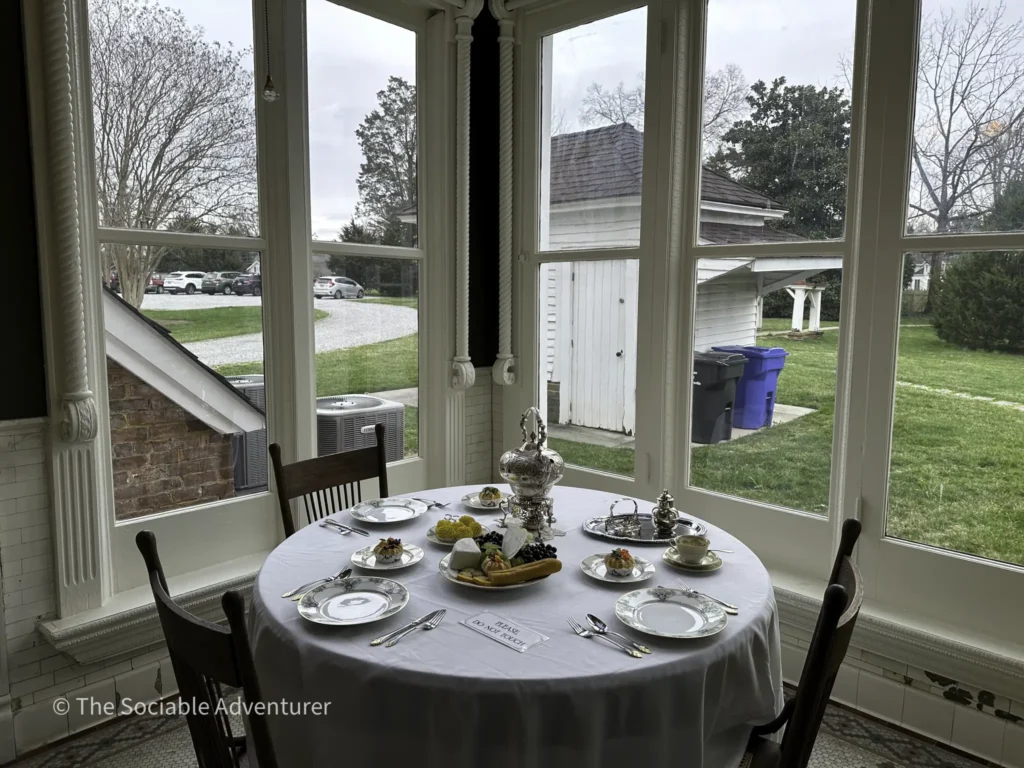
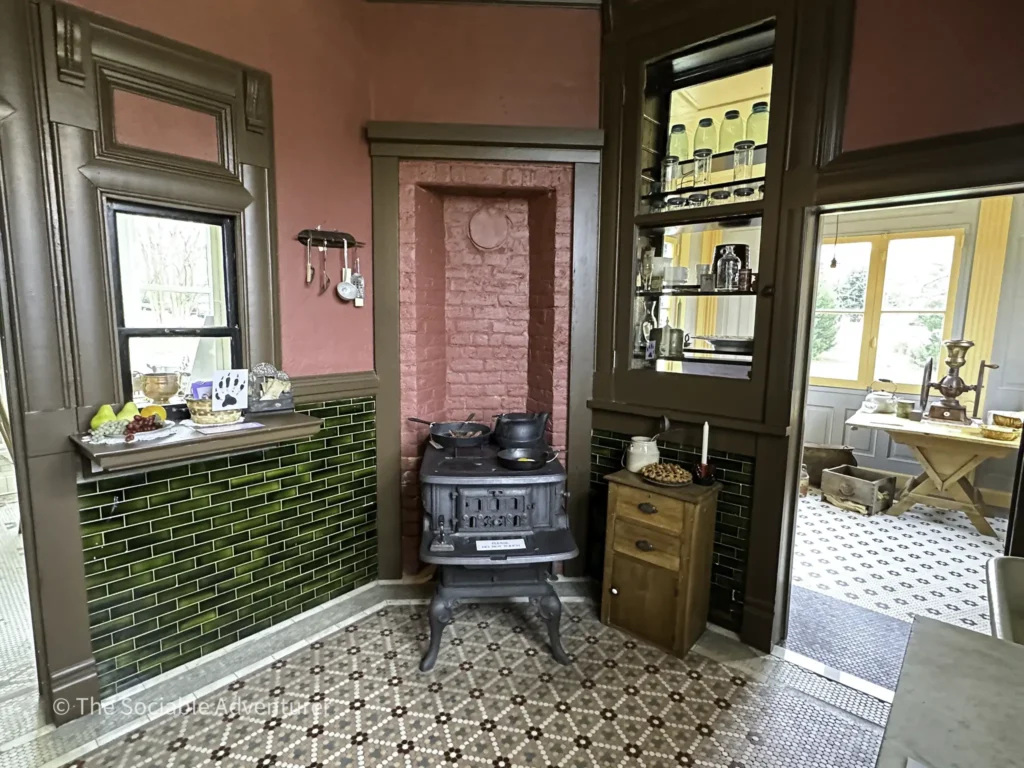
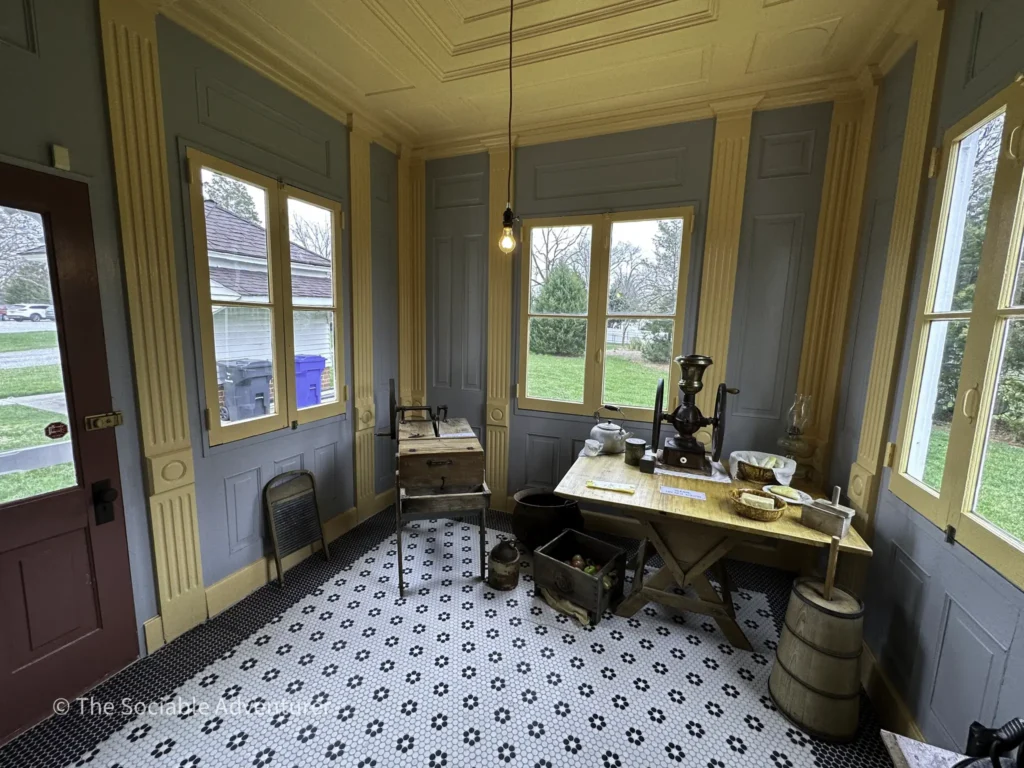
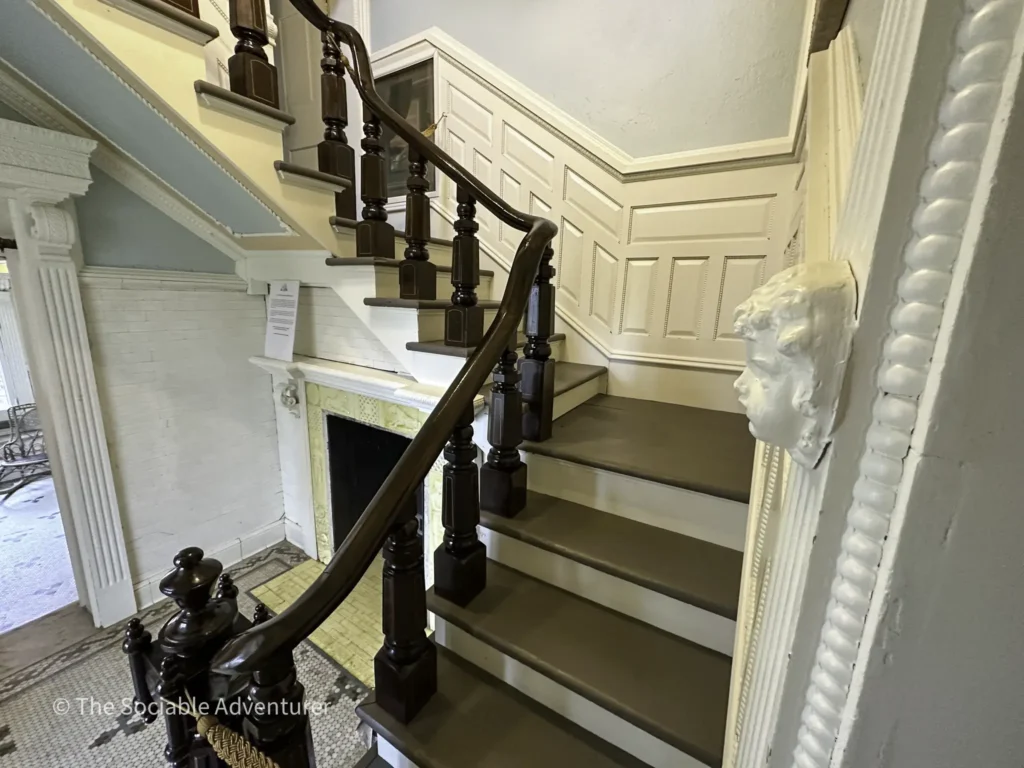
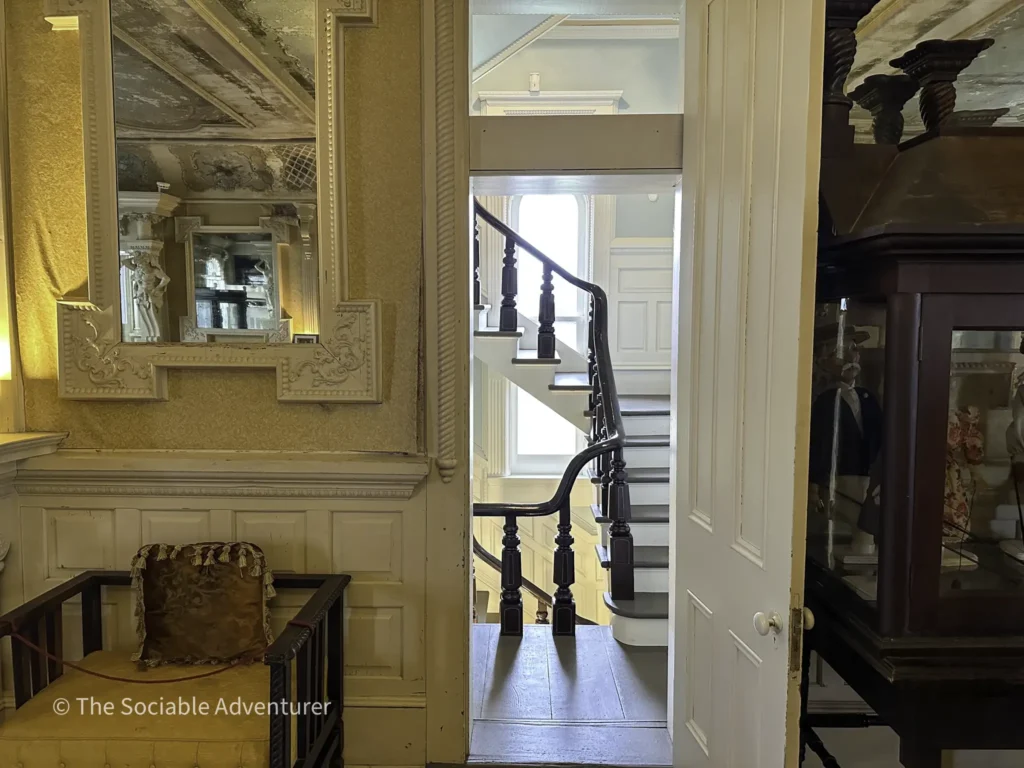
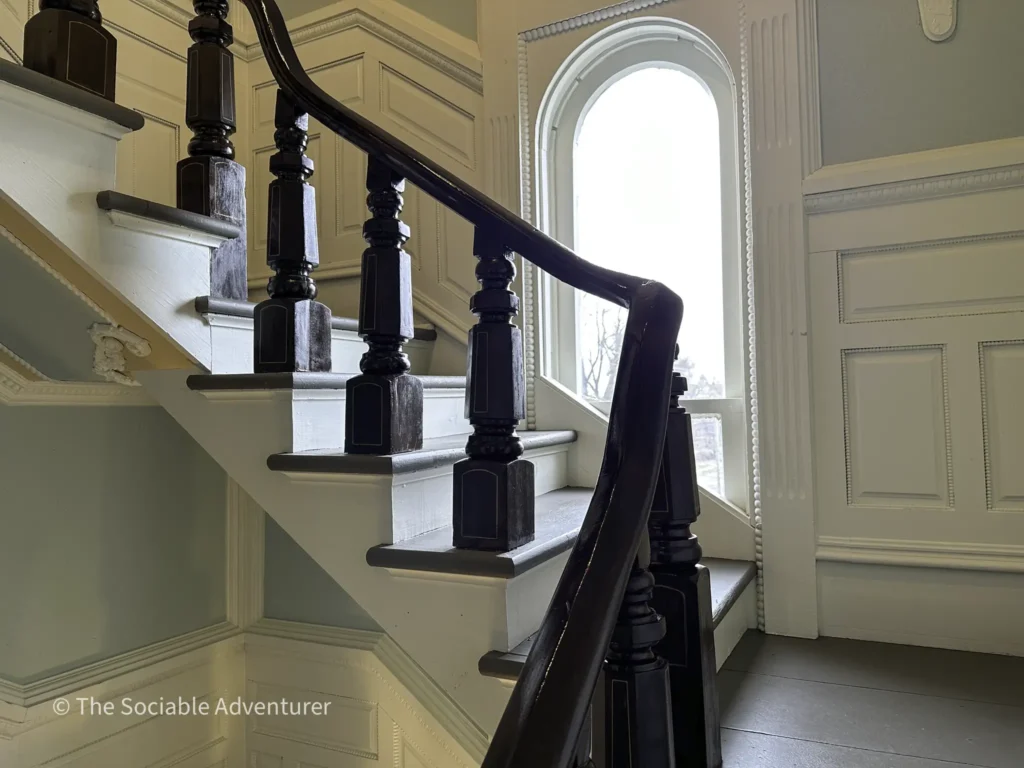
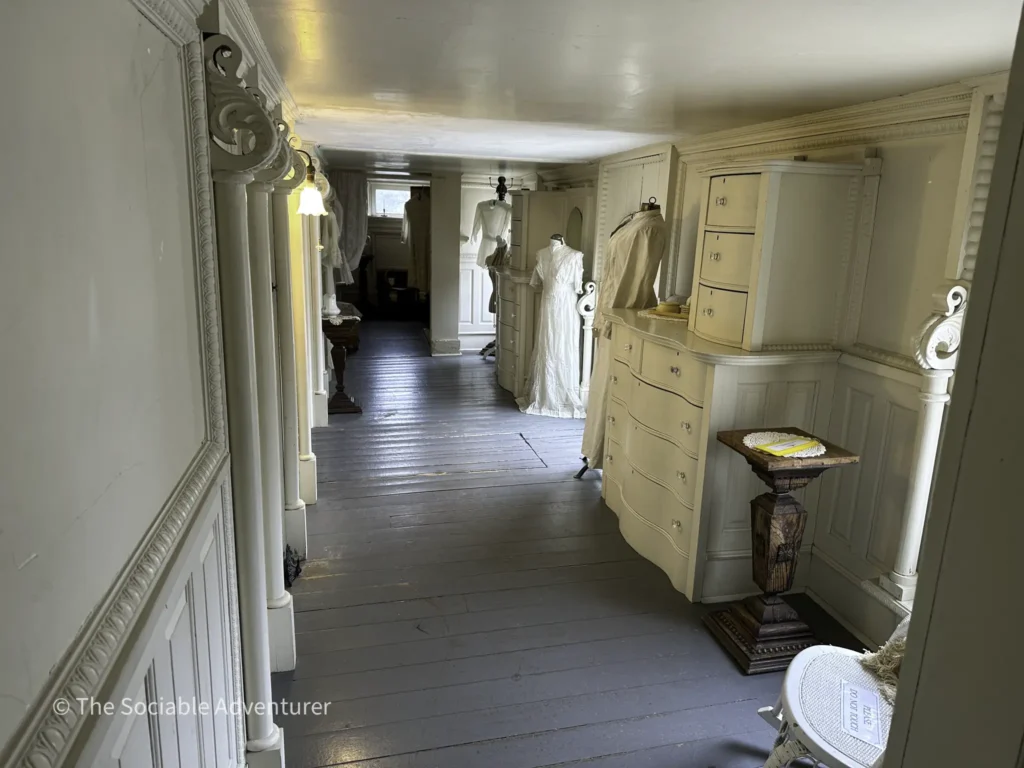
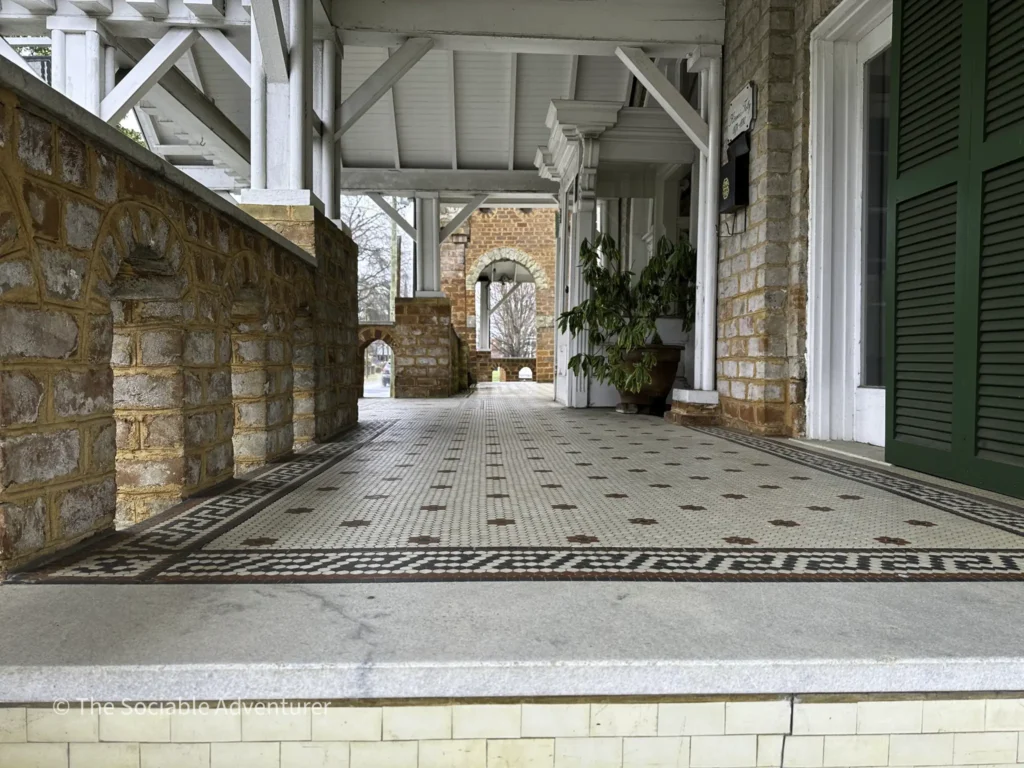
The completed Folly is a 6,000-square-foot brick dwelling measuring 48 feet on each side, with 22 rooms distributed across 3+1/2 stories and 7 levels (including mezzanine and split-level areas that give the house its labyrinthine feel).
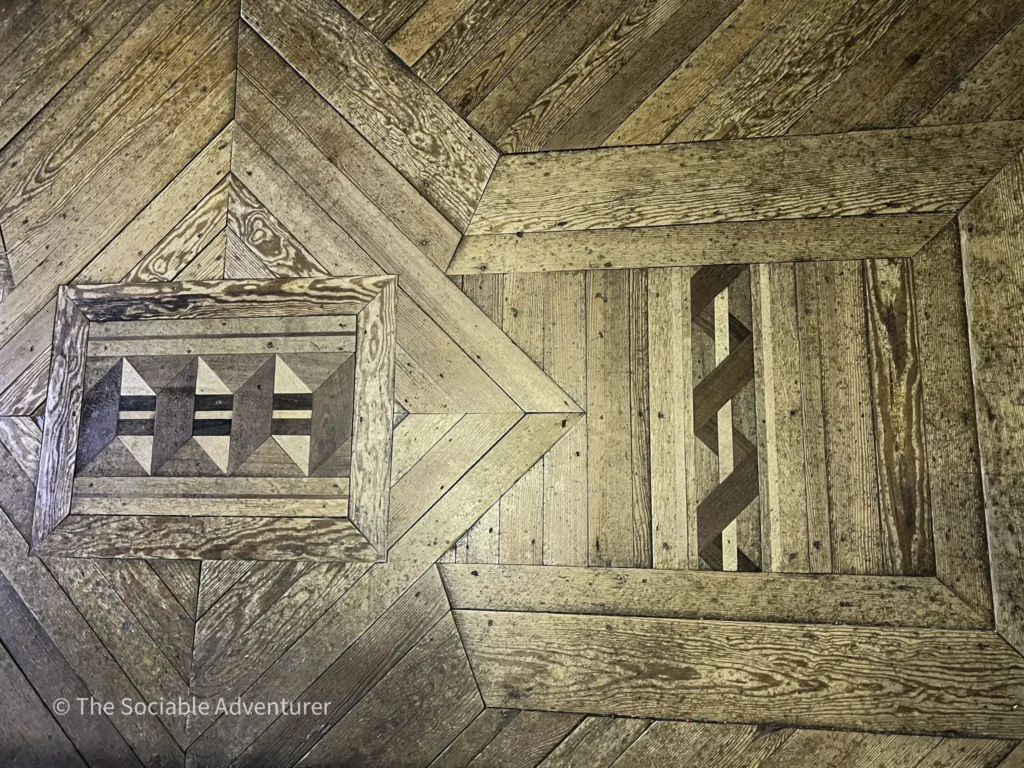
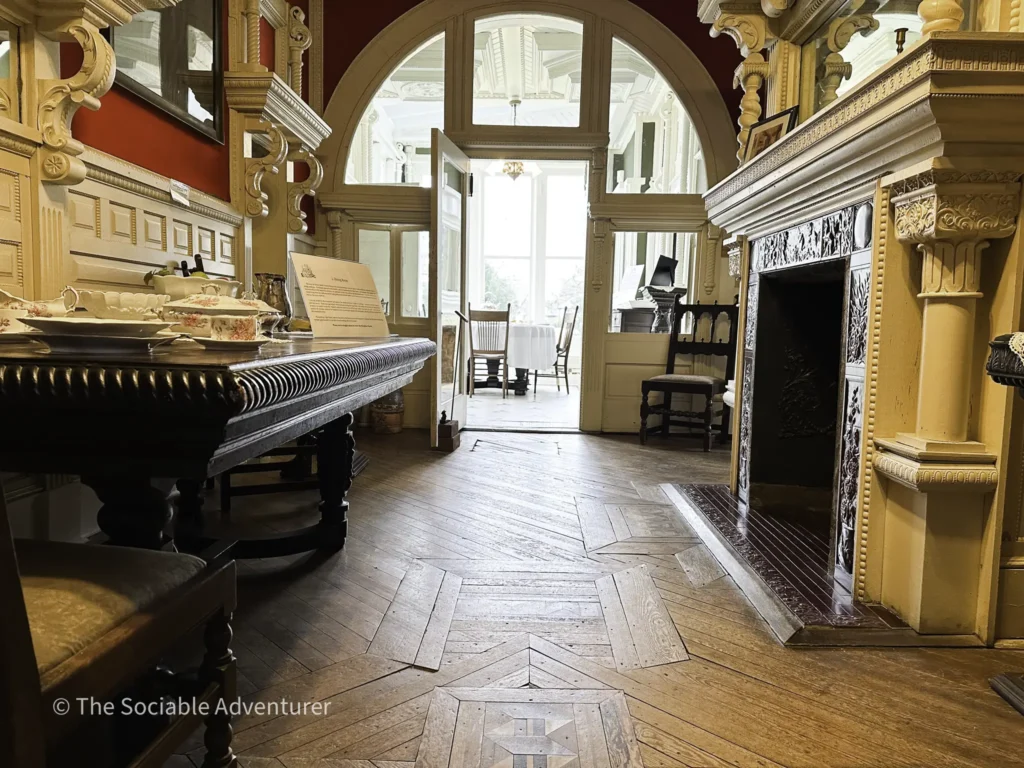
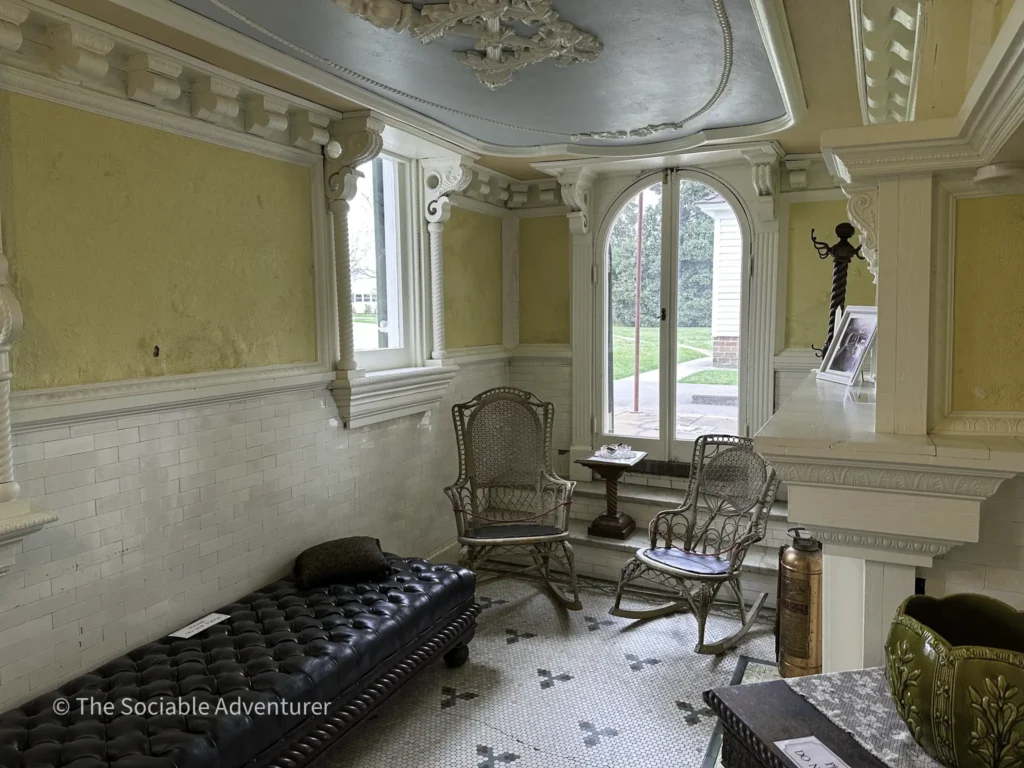
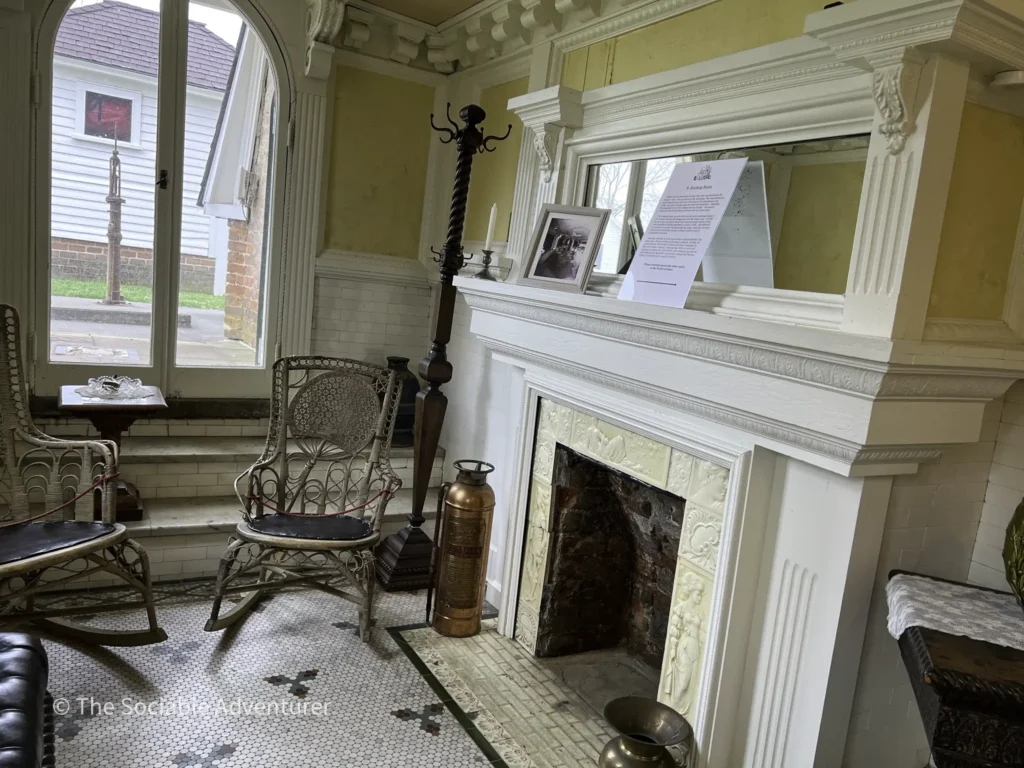
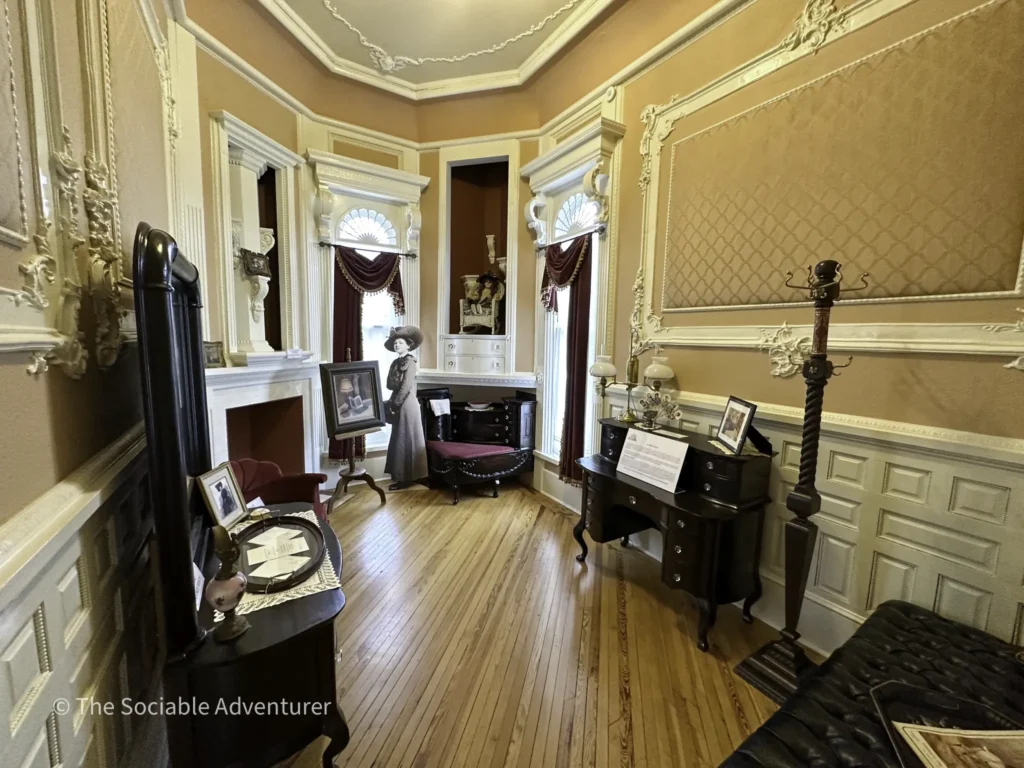
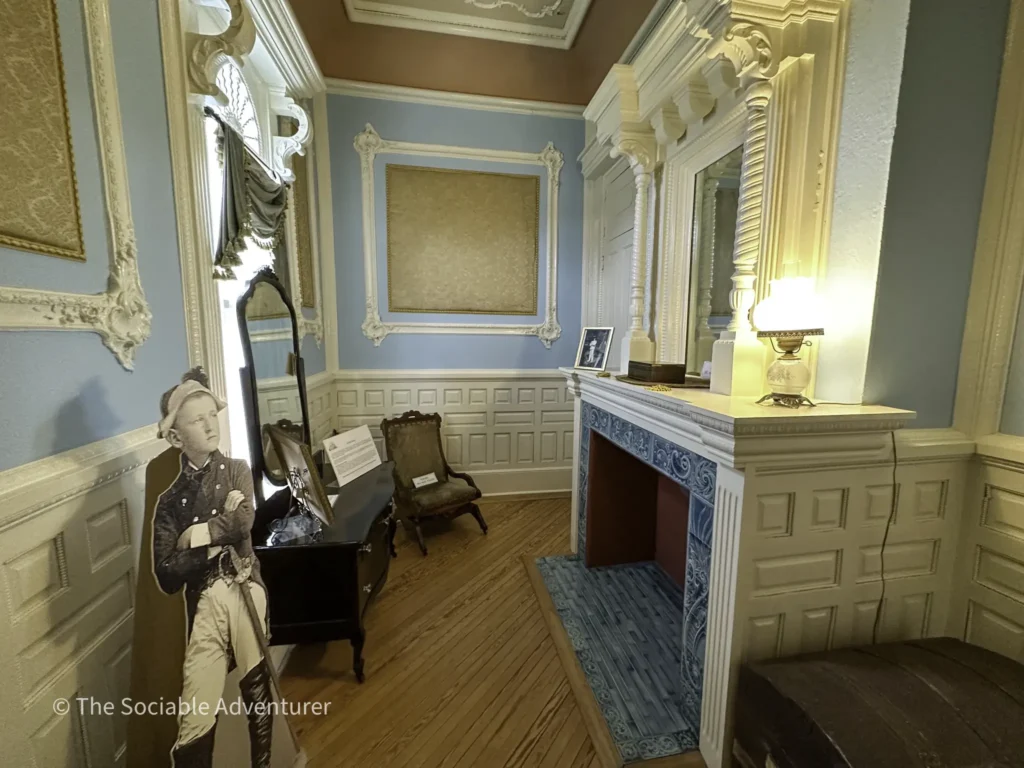
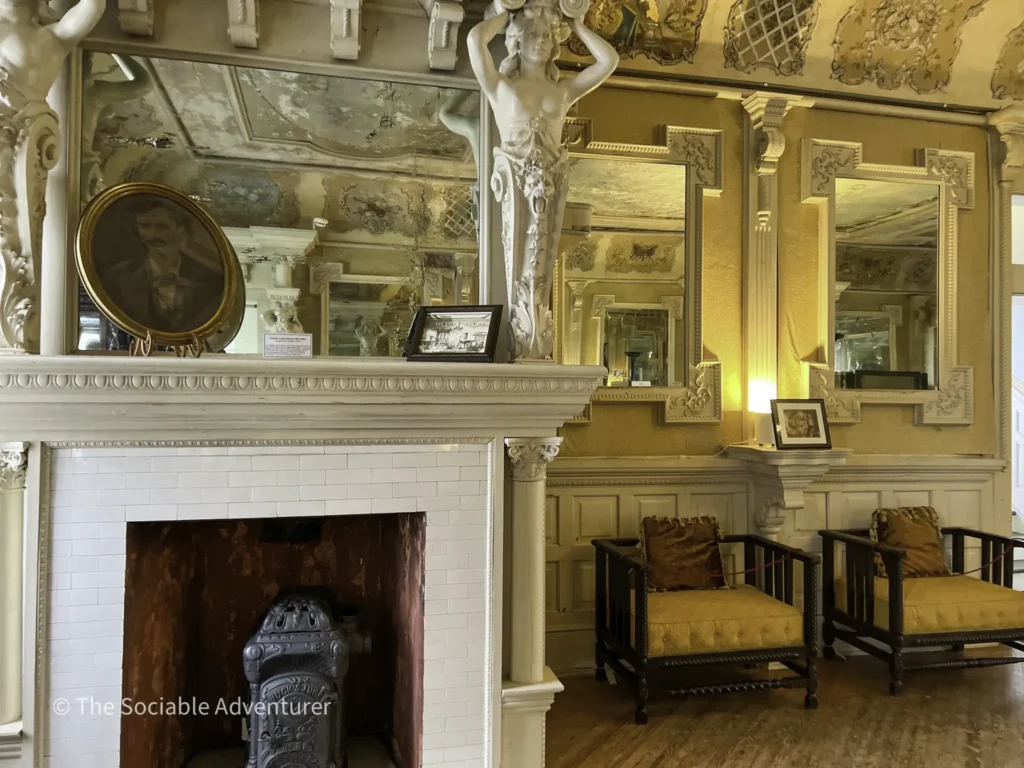
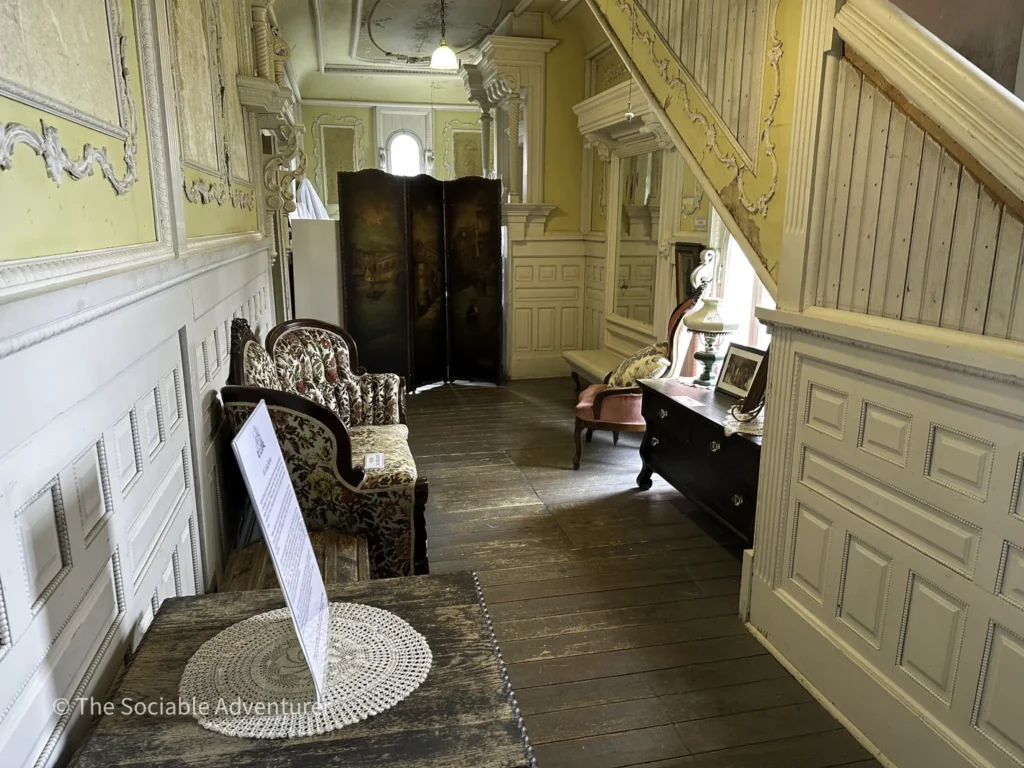
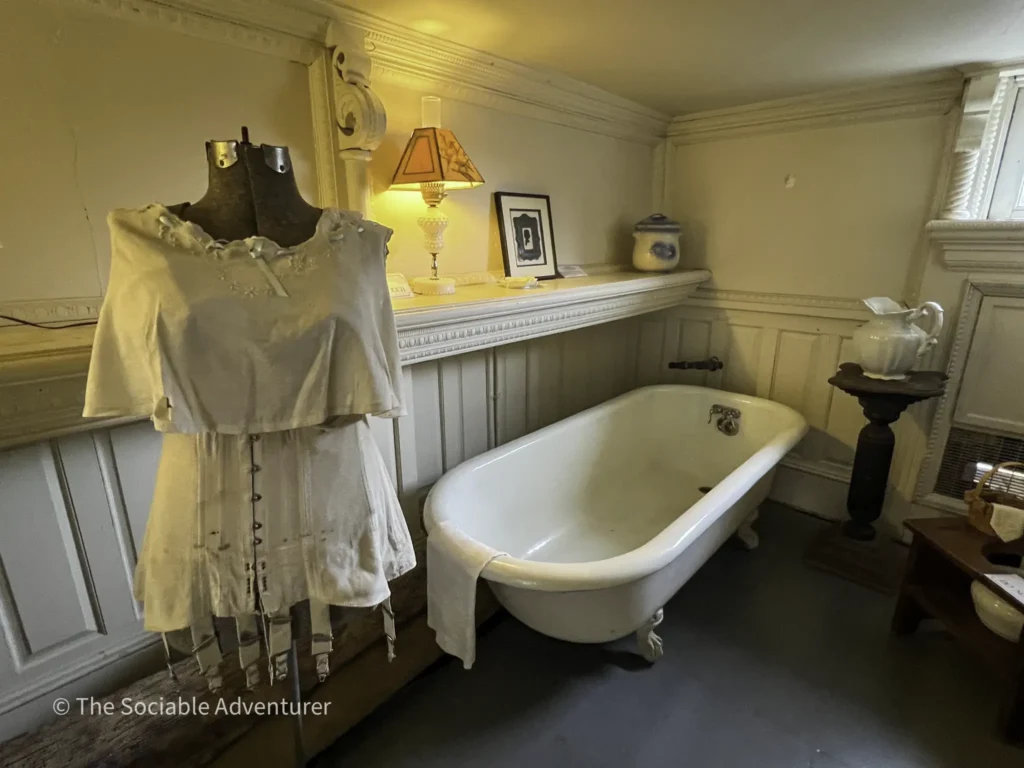
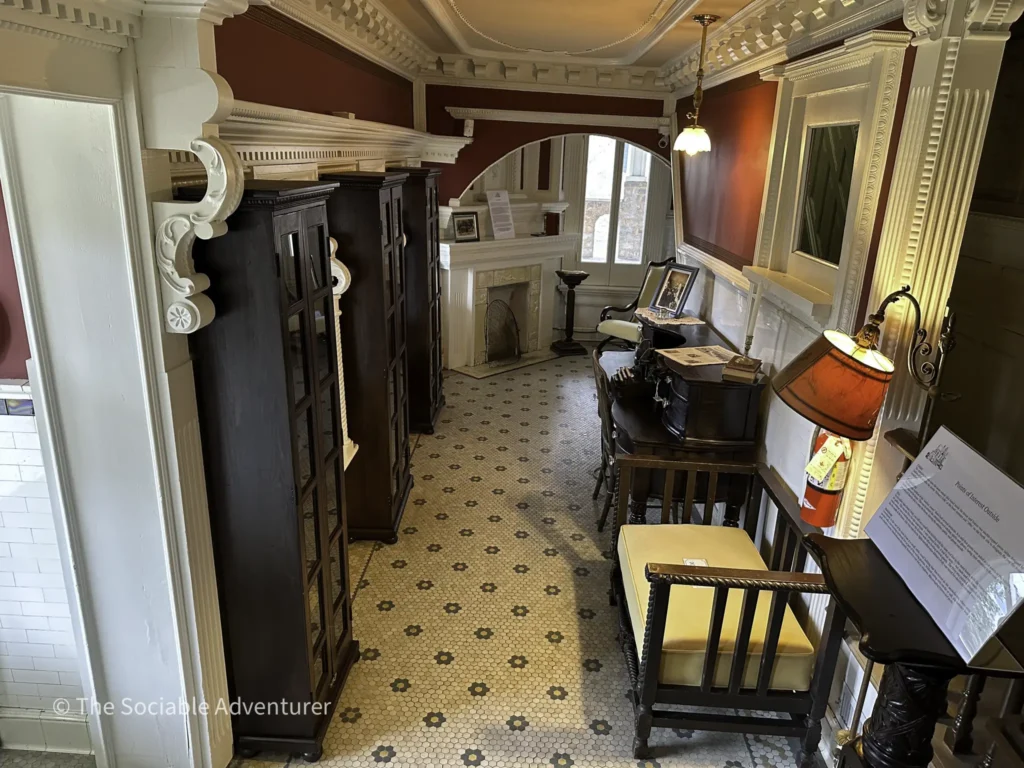
The interior features 15 different fireplaces — no two designed the same — plus ceiling heights ranging from 5½ feet to 25 feet, giving visitors a genuinely dramatic sense of compression-and-release as they move from tight, low-ceilinged passages into expansive elevated rooms. Trap doors, cubbyholes, and pivoting windows provide a unique interior air distribution system — a genuinely inventive Victorian-era climate-control approach that predates modern HVAC by decades.
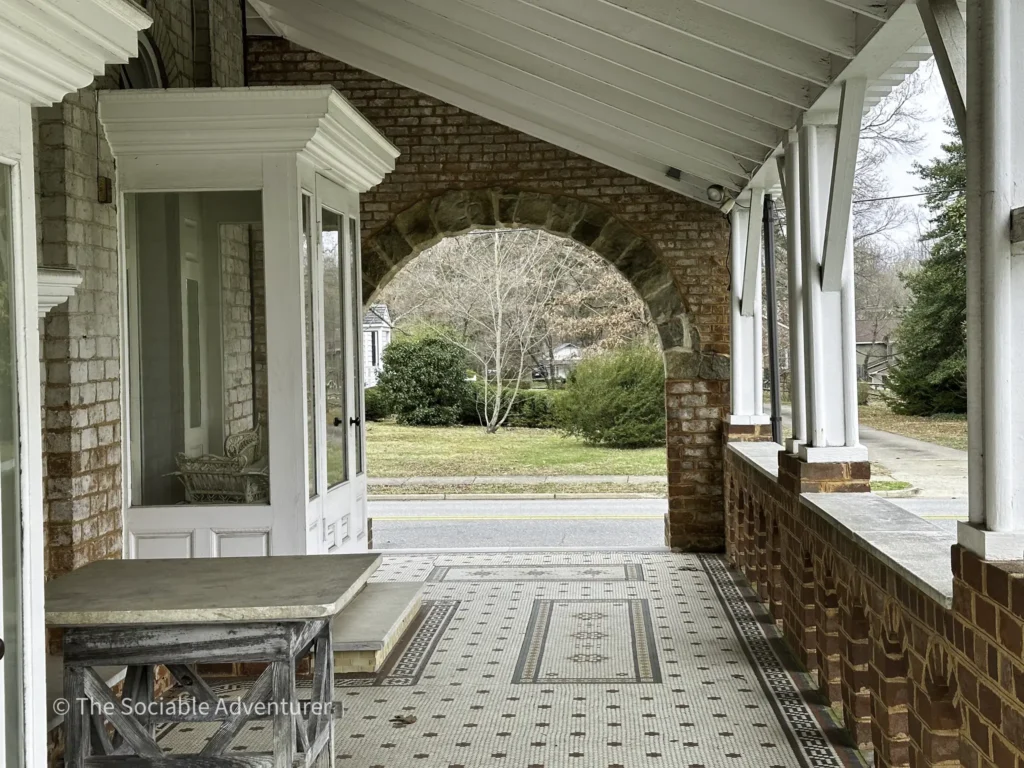
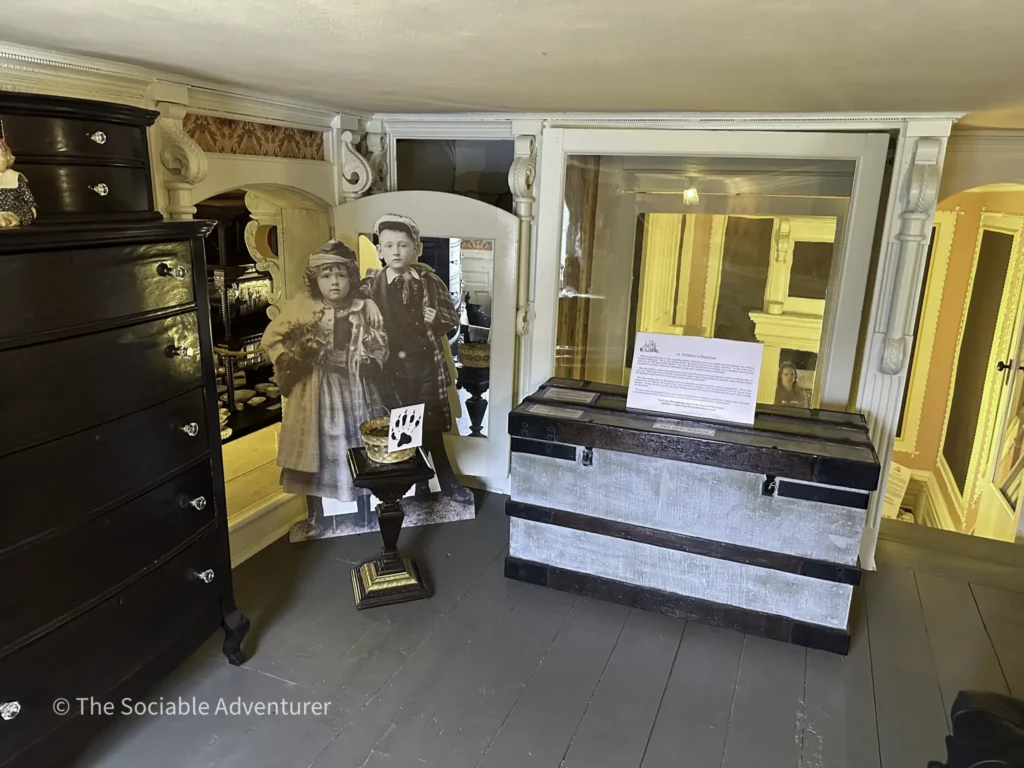
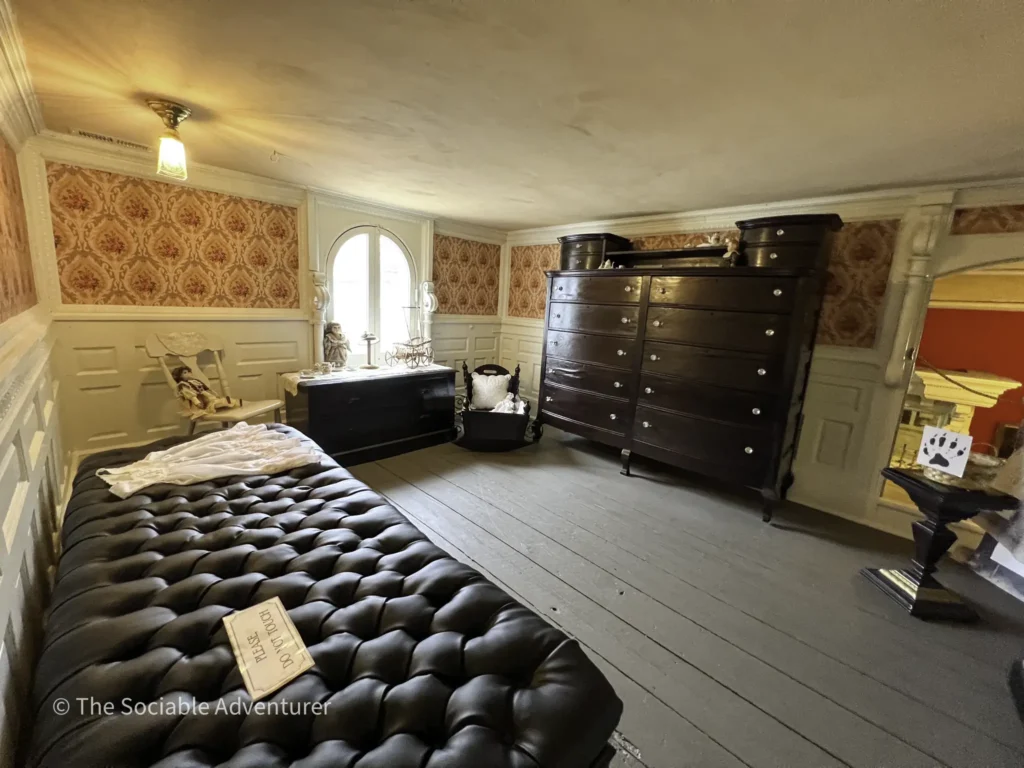
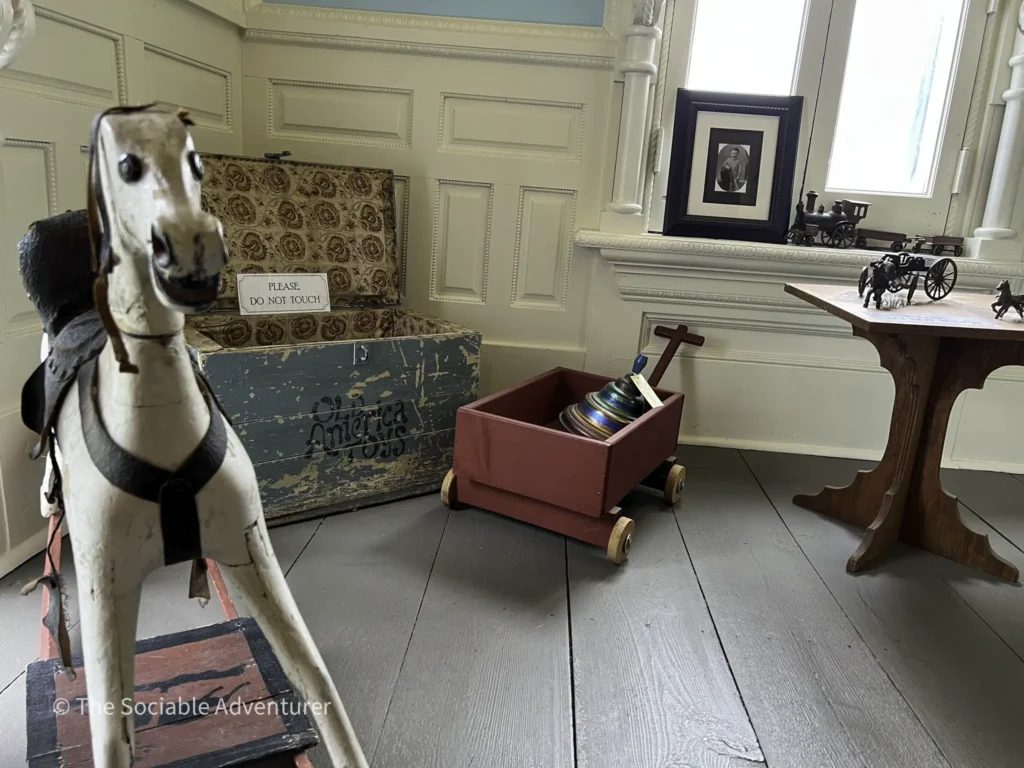
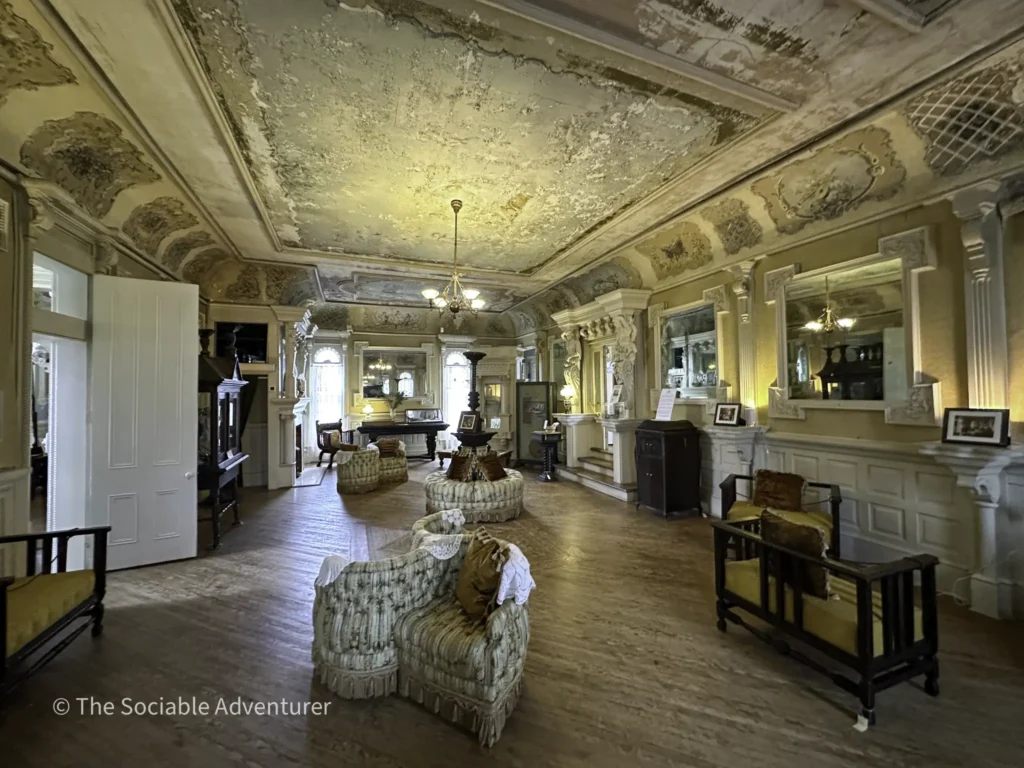
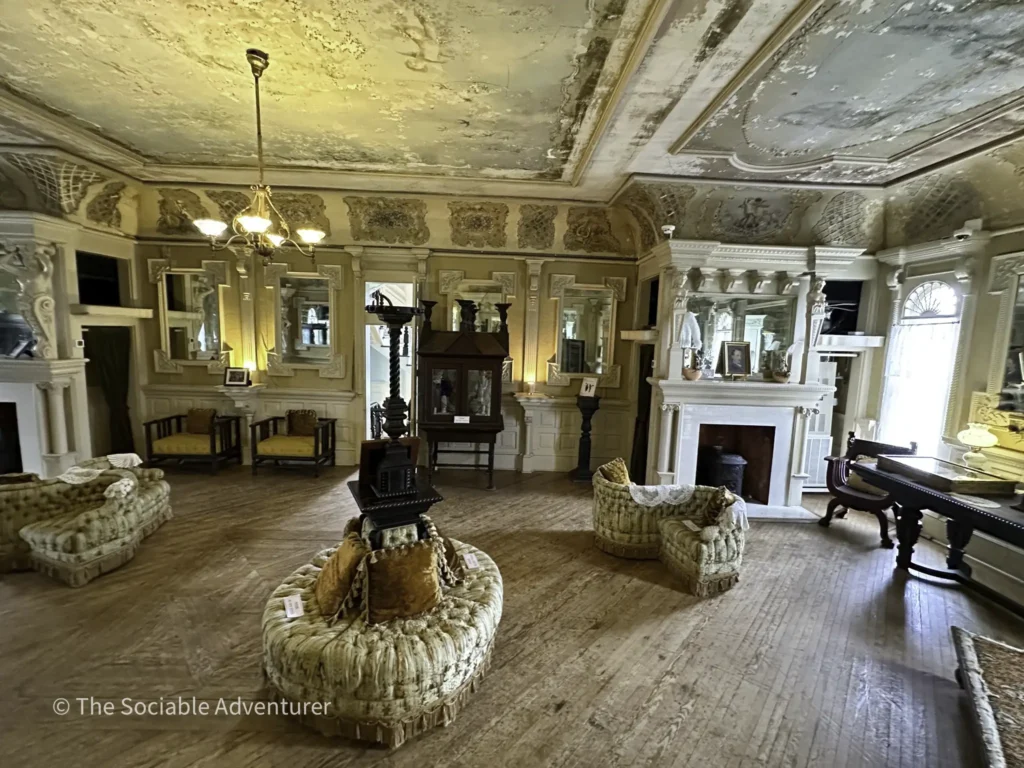
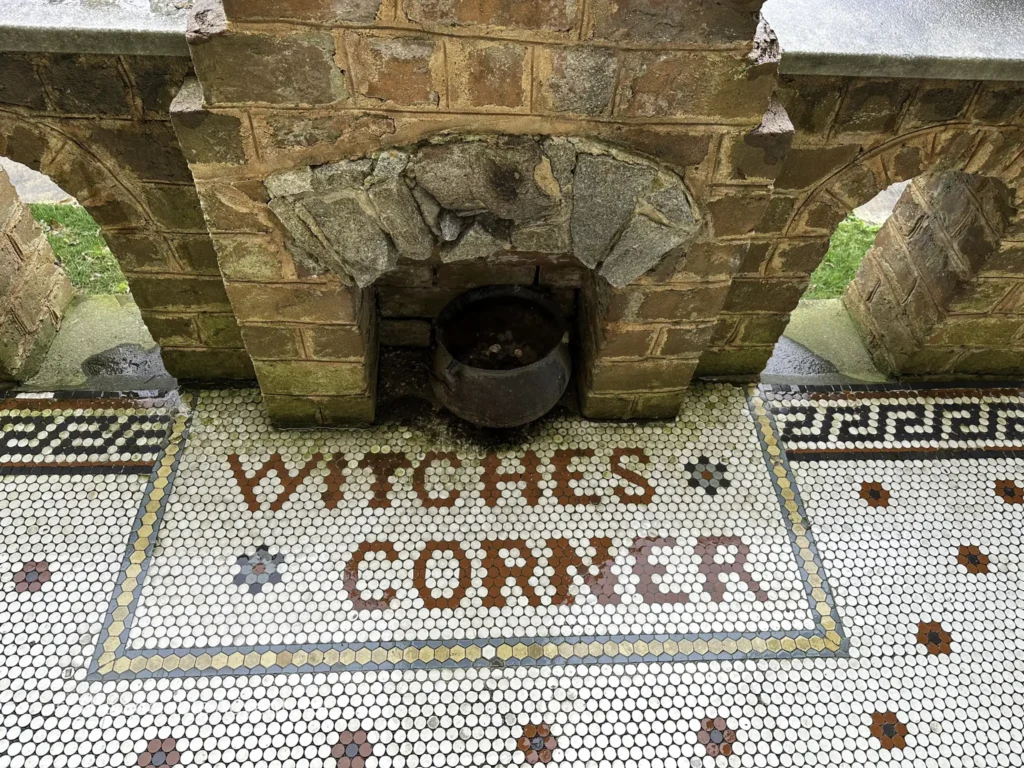
Notable rooms include the Reception Room (the formal entertaining space), the Witch’s Corner (a brick fireplace with a small cauldron tucked inside), and the child-size rooms that suddenly open into elegantly proportioned adult spaces. A former stable was renovated into a library and sewing room, and the Folly’s property also includes Clara’s House — built by Jule for the woman who raised him, born a slave and purchased by Jule’s Quaker father to give her freedom.
Cupid’s Park Theatre — America’s First Private Little Theater
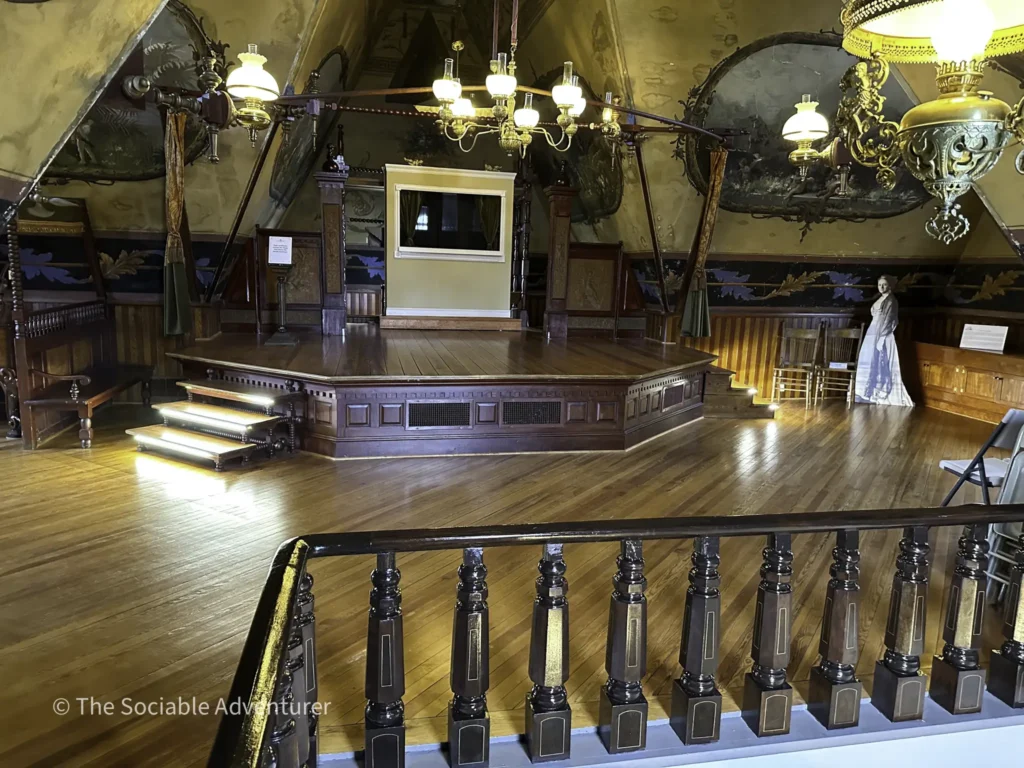
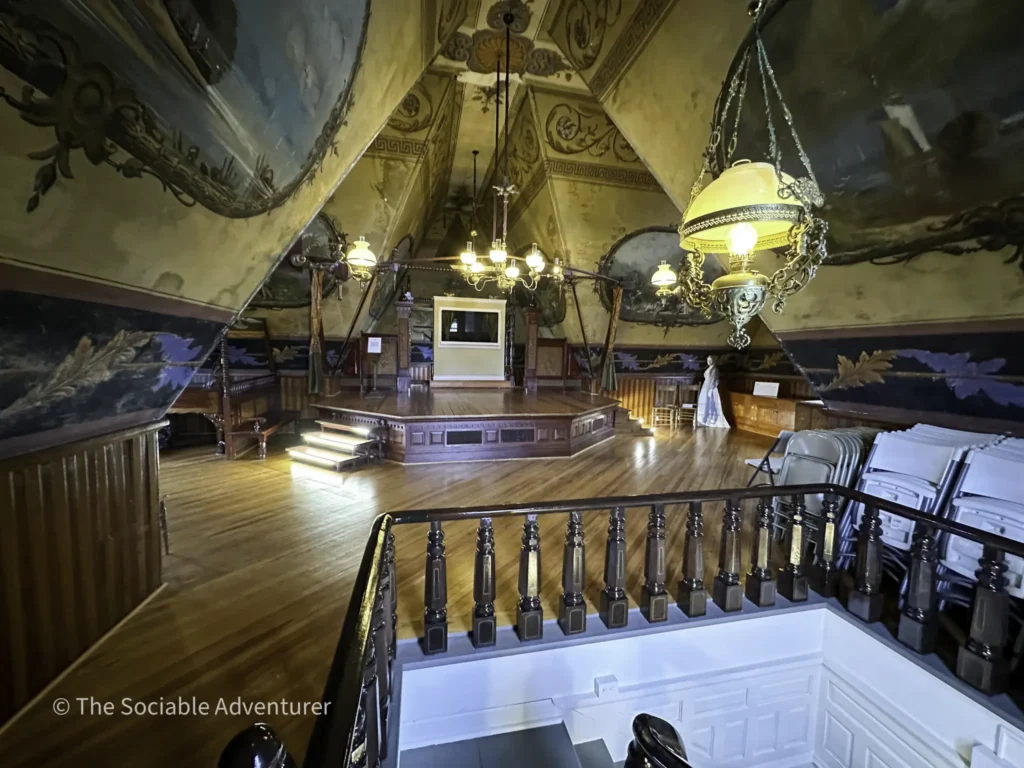
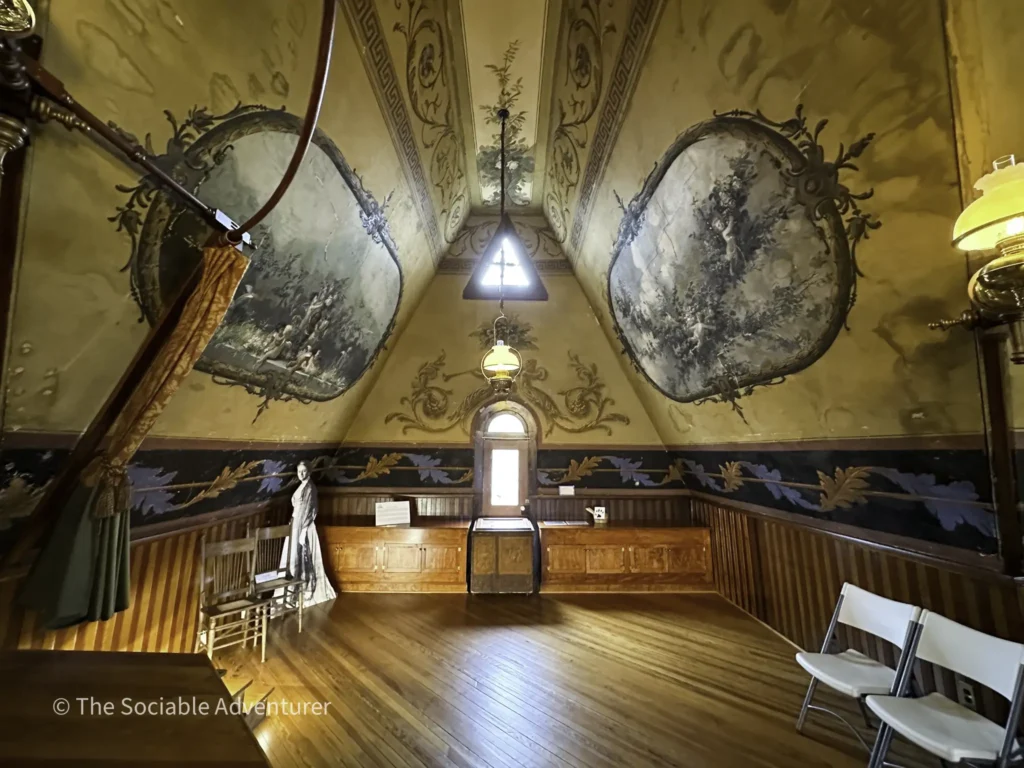
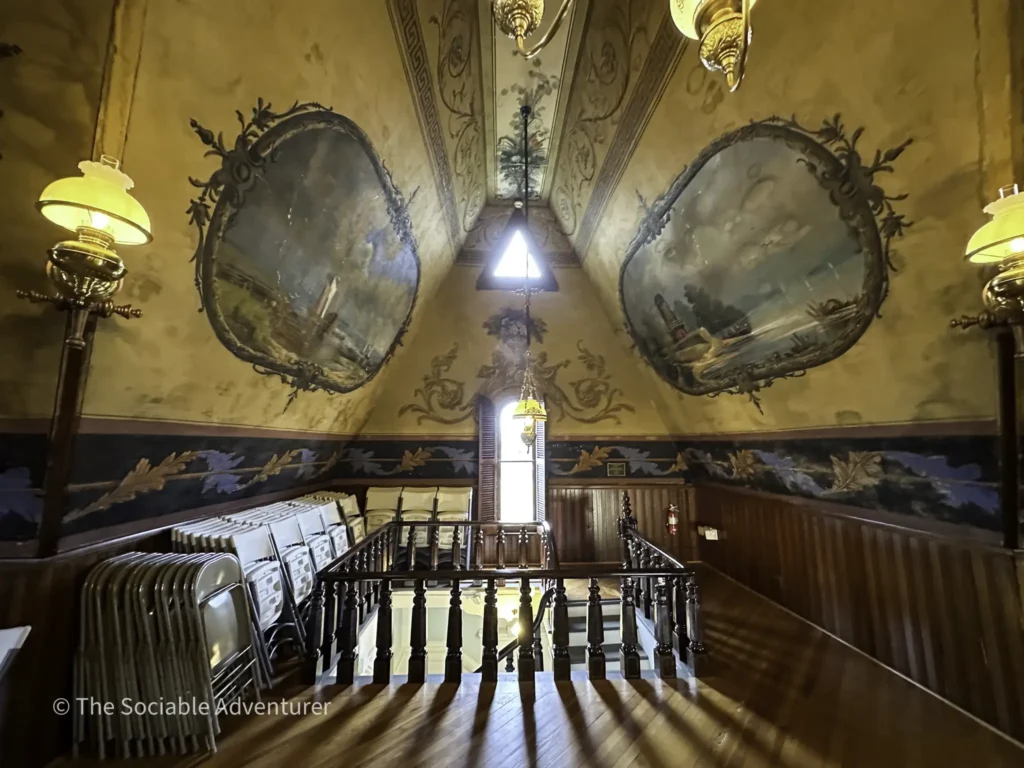
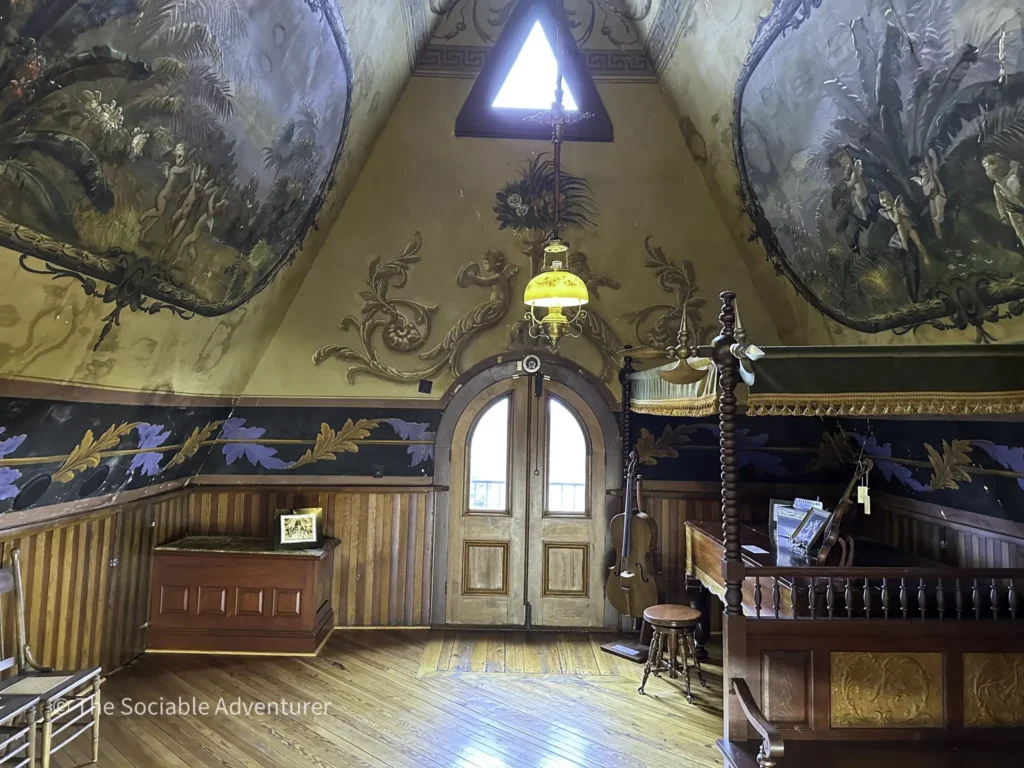
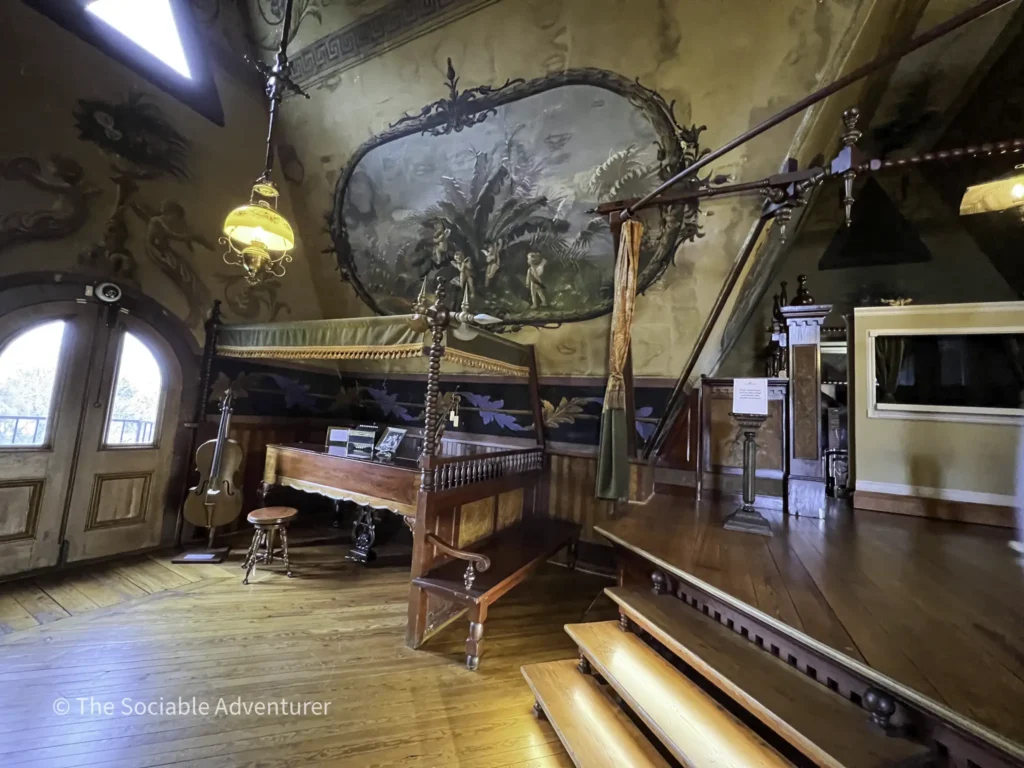
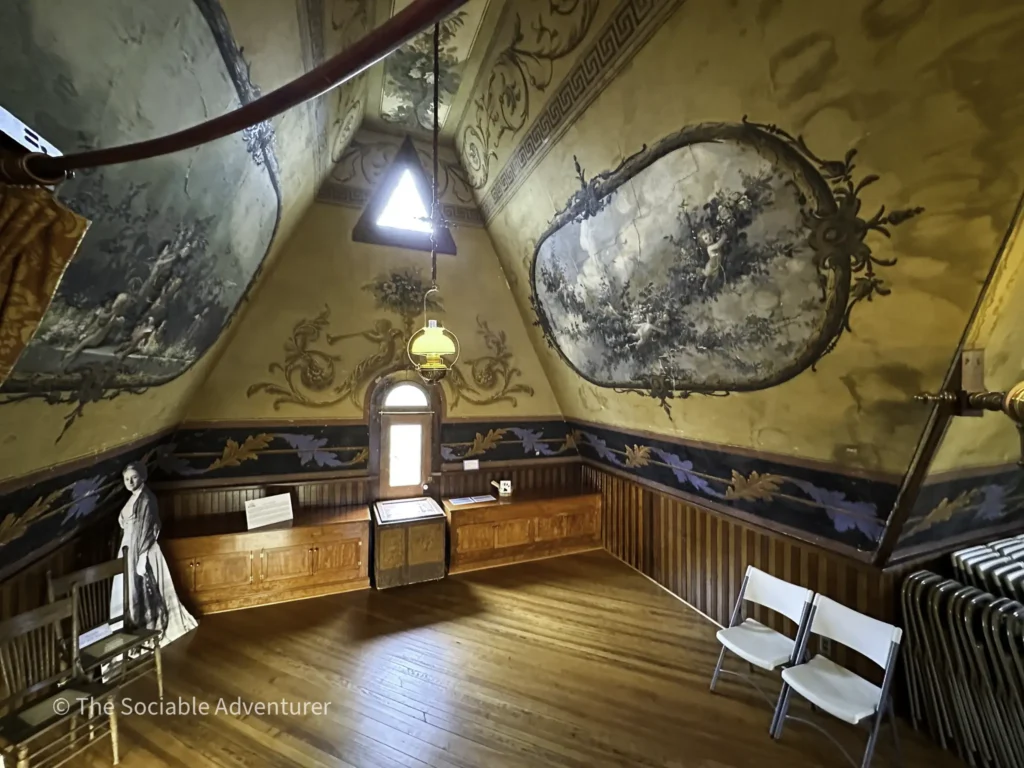
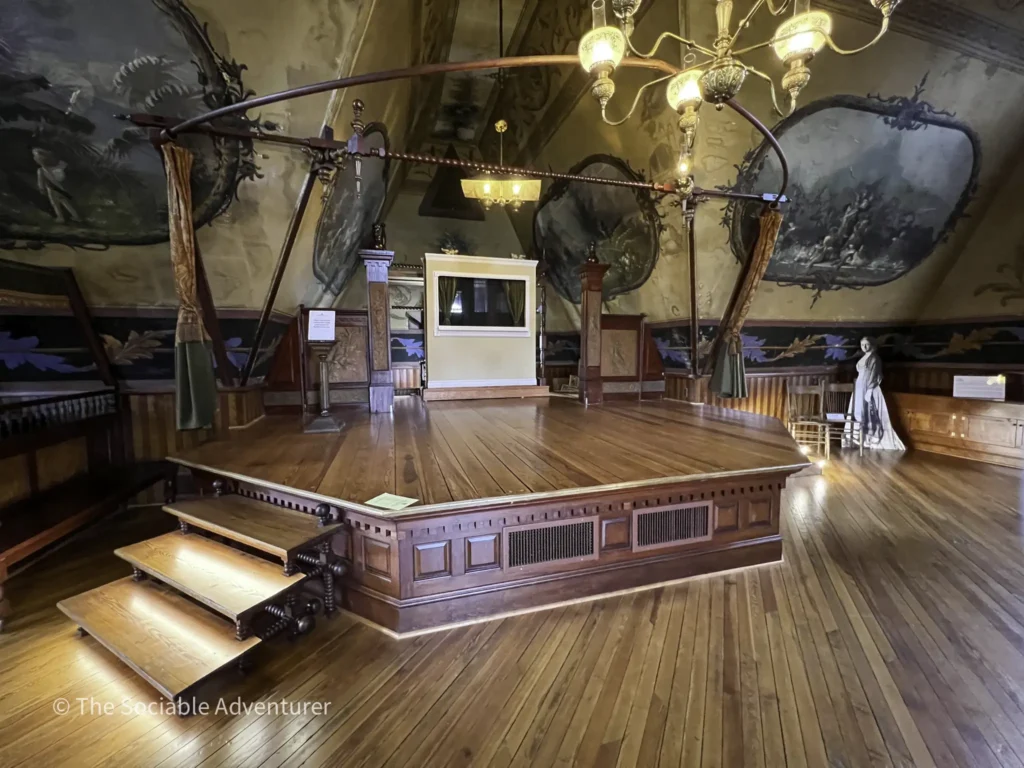
The house’s most historically significant feature is the Cupid’s Park Theatre, located on the top floor and considered the first private little theater in America. Jule renovated the third-floor billiard room into a theater space in 1897, dedicating it to his wife, Polly Alice Körner, who had established the Juvenile Lyceum — a community drama program for children — in 1896.
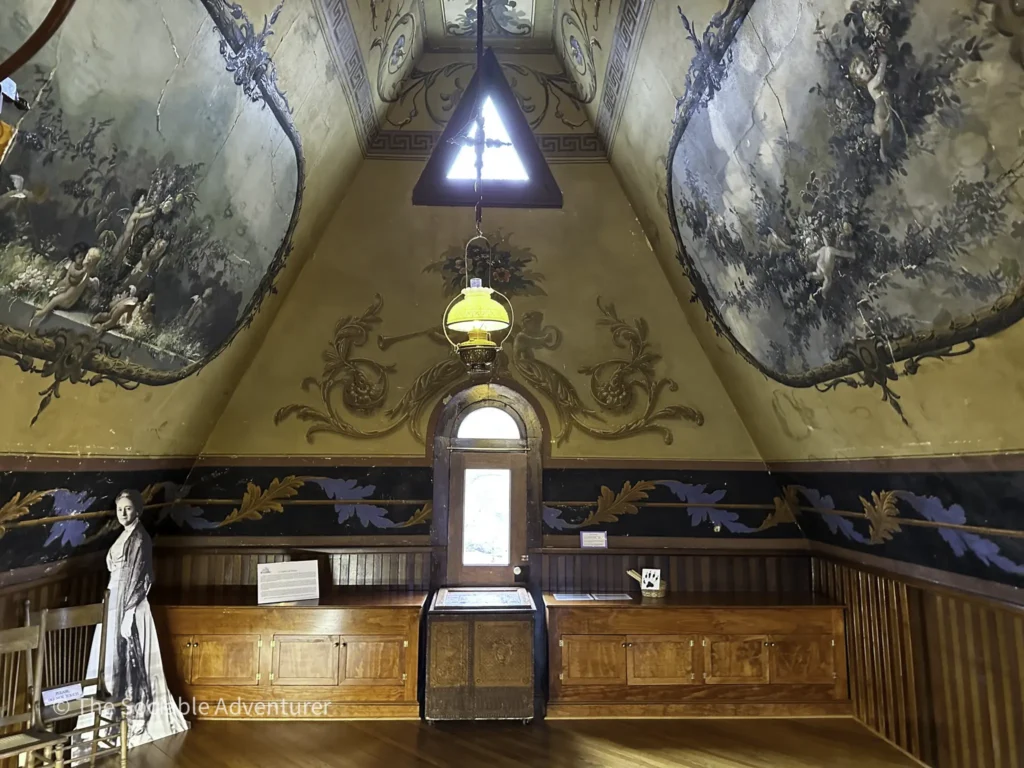
The theater’s cherubic cupid-themed murals were painted by artist Caesar Milch, giving the room its distinctive name. The space seats an audience of 80 and includes a half-moon stage, an orchestra pit, and a green room behind the stage where performers await their cues. Given its origin as a Victorian children’s theater built specifically for the local community, Cupid’s Park Theatre holds a genuinely rare place in American theatrical history.
Today, Cupid’s Park Theatre still hosts live community productions, puppet shows, and symphony performances — extending the Körner family’s original theatrical mission across more than 125 years of continuous operation.
Good to Know
- Location: 413 South Main Street, Kernersville, NC 27284 — with visitor entry at the John & Bobbie Wolfe Visitors Center (401 South Main Street, across the street from the house)
- Historical designation: Listed on the National Register of Historic Places
- Built: 1878-1880 by Jule Gilmer Körner (grandson of Joseph Kerner, the town’s namesake)
- Original purpose: Living portfolio and showroom for Körner’s design business (“Reuben Rink Decorating and House Furnishing Company”)
- Bull Durham advertising legacy: Under the pseudonym “Reuben Rink,” Jule painted Bull Durham Tobacco Company advertisements on barns and buildings across the American East Coast and Southeast — widely recognized as one of the first national outdoor advertising campaigns in American history; that work made his fortune and funded the construction of Körner’s Folly
- Bull Durham replica in downtown Kernersville: Visitors can spot a replica of one of Jule’s original Bull Durham advertisements painted on the side of one of downtown Kernersville’s historic buildings — a genuinely wonderful firsthand touchpoint that lets visitors see Jule’s advertising work in person, not just read about it
- Modern Reuben Rink legacy: Jule’s great-great-grandson, J.G. Wolfe, operates a modern advertising agency in Winston-Salem, also called Reuben Rink; the John & Bobbie Wolfe Visitors Center at Körner’s Folly is named for the Wolfe family (Körner descendants continuing the family legacy today)
- Size: 6,000 square feet across 22 rooms; 3+1/2 stories with 7 total levels (including mezzanine areas); 48 feet on each side
- Architectural distinctiveness: 15 unique fireplaces (all differently designed); ceiling heights from 5½ to 25 feet; no two doorways or windows alike; a mix of Baroque, Neoclassical, Rococo, and Colonial styles; trap doors, cubbyholes, and pivoting windows for a unique interior air distribution system
- Notable rooms: The Reception Room; the Witch’s Corner (fireplace with cauldron); child-size rooms opening to elegant adult spaces; former stable renovated into library and sewing room
- Cupid’s Park Theatre: First private little theater in America; located on the top floor; 80-seat audience capacity with stage, orchestra pit, and green room; cupid-themed murals by Caesar Milch; renovated from a third-floor billiard room in 1897; originally built for Polly Alice Körner’s Juvenile Lyceum children’s drama program (established 1896); still hosts live community productions, puppet shows, and symphony performances today
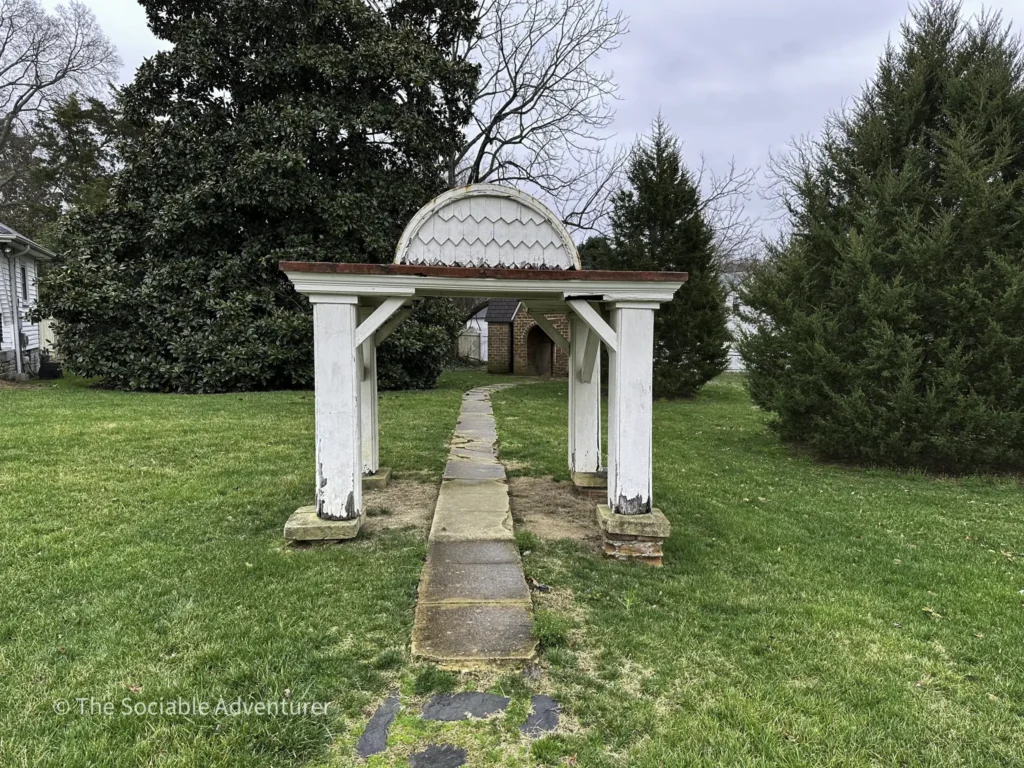
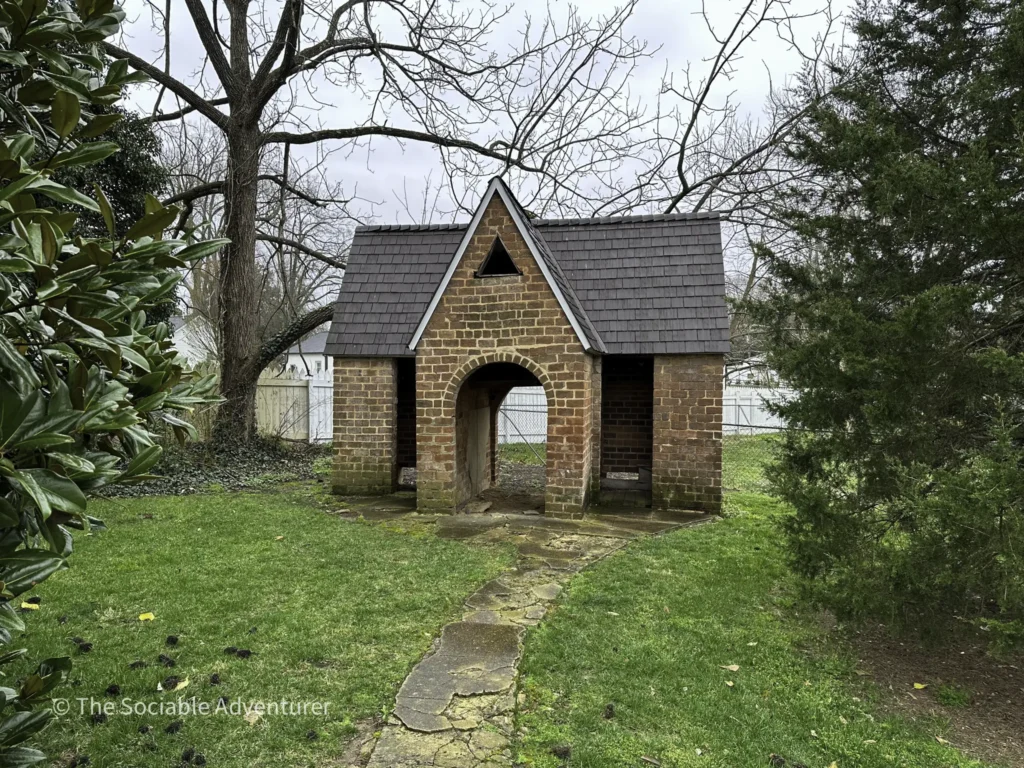
- Additional property features: Clara’s House (built by Jule for Clara, the woman who raised him — born a slave and purchased by Jule’s Quaker father to give her freedom); “The Privy” (a four-seat electrified mini-Folly outhouse)
- Modern operator: Körner’s Folly Foundation — a 501(c)(3) nonprofit organization formed in 1970 by 26 local families (including Körner descendants) to save the house from demolition and restore it as a historic house museum
- Tour experience: Self-guided touring is available; check the Körner’s Folly website for guided tour schedules
- Special events: Annual Yuletide holiday tours (Victorian-inspired Christmas decorations across all 22 rooms); Vintage Markets (twice yearly); family days; Piedmont Wind Symphony residency and other symphony performances in Cupid’s Park Theatre
- Admission: A fee applies for house tours; check the Körner’s Folly website for current pricing and hours
- Best for: Architecture and design enthusiasts, Victorian-era history fans, theater history enthusiasts (especially those interested in the origins of American little theater), advertising and marketing history enthusiasts (given the Bull Durham / Reuben Rink connection), families with children (Yuletide events are particularly family-friendly), and visitors curious about the founding-family heritage of Kernersville
- Pair with: The full Kernersville attractions cluster, including the Kernersville Auto Museum, the Paul J. Ciener Botanical Garden (just a block from the Folly on South Main), Triad Park (including the Carolina Field of Honor veterans memorial), and the natural landscape of Cascades Preserve
A Kernersville Highlight
Körner’s Folly is the kind of stop that stays with you for the sheer architectural distinctiveness and the depth of the founding family’s heritage. Standing in a 22-room Victorian dwelling with 15 uniquely designed fireplaces, ceiling heights ranging from 5½ to 25 feet, and a genuine architectural vocabulary in which no two doorways or windows share — all built by the grandson of Kernersville’s namesake — gives visitors a truly singular NC historic home experience.
Cupid’s Park Theatre rounds out the appeal. Between the first-private-little-theater-in-America designation and the still-active community productions and puppet shows across more than 125 years, the Körner family’s original theatrical mission continues today.
The Bull Durham connection extends the visit beyond the house itself. Visitors can spot a replica of one of Jule’s original Bull Durham advertisements on the side of one of downtown Kernersville’s historic buildings — a genuinely wonderful firsthand touchpoint that connects the Folly’s design showcase to Jule’s earlier career as one of America’s first national outdoor advertising artists working under the pseudonym Reuben Rink.
Combined with the broader Kernersville founding-family heritage cross-reference through Joseph Kerner’s German-immigrant story and the modern Reuben Rink advertising agency legacy continuing today through Jule’s descendants, Körner’s Folly has become one of the most consistently rewarding historic home museum experiences anywhere in the greater Winston-Salem / Piedmont Triad region — and a genuine anchor of the Forsyth County architectural heritage landscape.
Resources
Location
Social Media
Körner's Folly in Kernersville, NC, is one of the more unique historic homes in North Carolina. @VisitNC @ourstatemag @kernersvillegov @kvillechamber21 @DowntownKville @KernersvilleMag @ForsythMags @KornersFolly #KernersvilleNC #ForsythCountyNC #VisitNC #NC #NorthCarolina pic.twitter.com/OBchfof4eY
— The Sociable Adventurer (@TheSociableAdv) March 20, 2023

Your Complete Guide to Hiking Trails at Elk Knob State Park
Elk Knob State Park is one of North Carolina’s most rewarding mountain destinations — a 4,400-…

A Complete Guide to the Trails at Carolina Beach State Park
Tucked along the Cape Fear River on Pleasure Island, Carolina Beach State Park is one of southeaster…

The Complete Guide to Hiking Trails in Lansing, NC
Set in the rolling hills of Ashe County, just a stone’s throw from the Virginia and Tennessee …

Exploring Ashe County Park: A Hiker’s Guide to North Carolina’s Mountain Gem
If you’re searching for the best hiking trails at Ashe County Park in North Carolina, you̵…
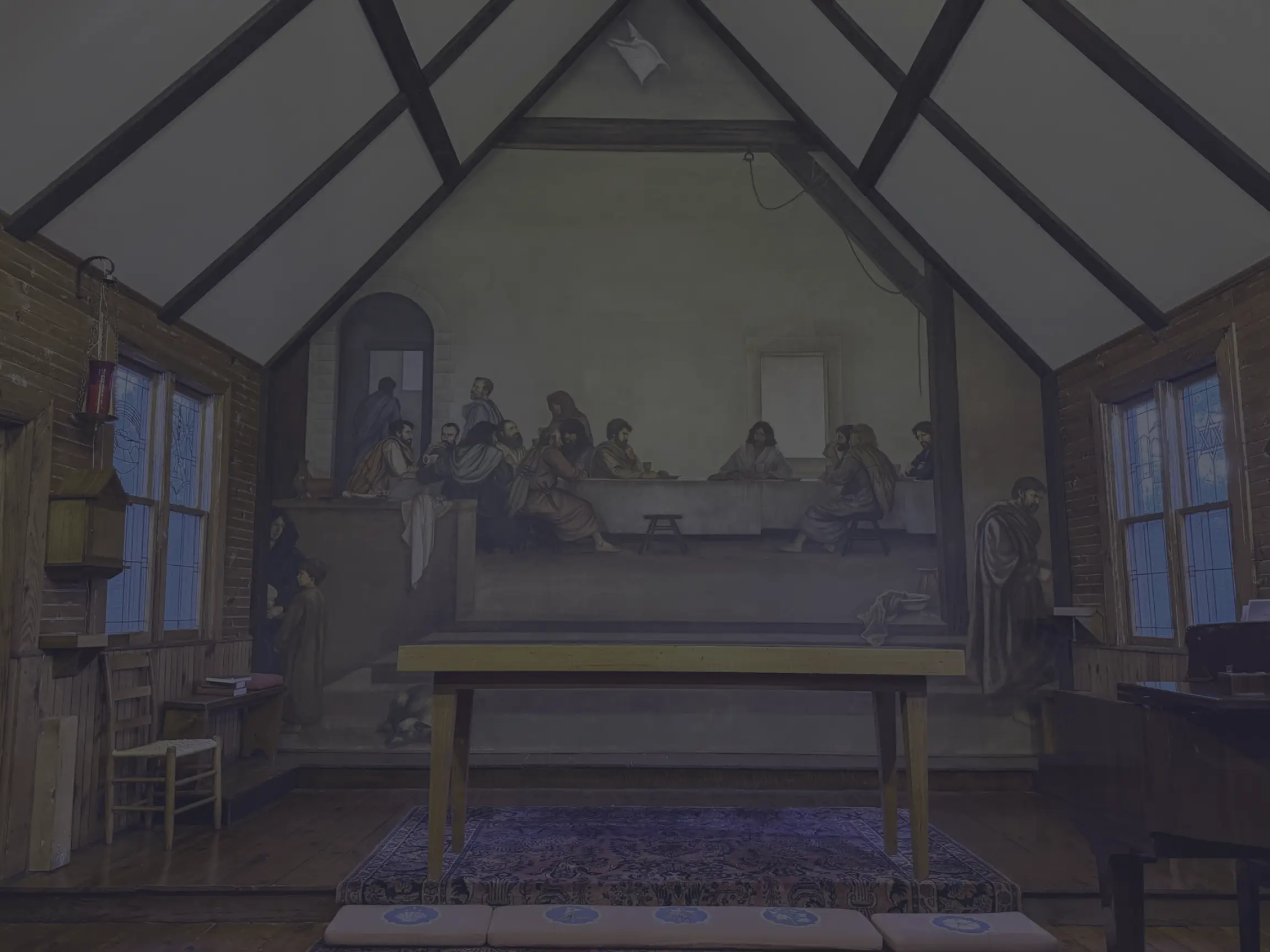
Mountain Masterpieces: A Guide to the Ben Long Frescoes of Ashe County
In the quiet corners of Ashe County, where the Blue Ridge Mountains meet peaceful valleys, thereR…

Granite, Grunts, and Glory: A Day on the Stone Mountain Loop Trail
The Stone Mountain Loop Trail is the signature hike at Stone Mountain State Park in North Carolina —…