
Historic Bethabara Park is genuinely one of the most historically significant destinations anywhere in North Carolina — a 183-acre National Historic Landmark in Winston-Salem, NC that preserves the site of the first Moravian settlement in NC, established on November 17, 1753. Widely known as “The Birthplace of Winston-Salem,” Bethabara predates the founding of Salem (1766) by more than a decade and the Winston-Salem merger of 1913 by 160 years.
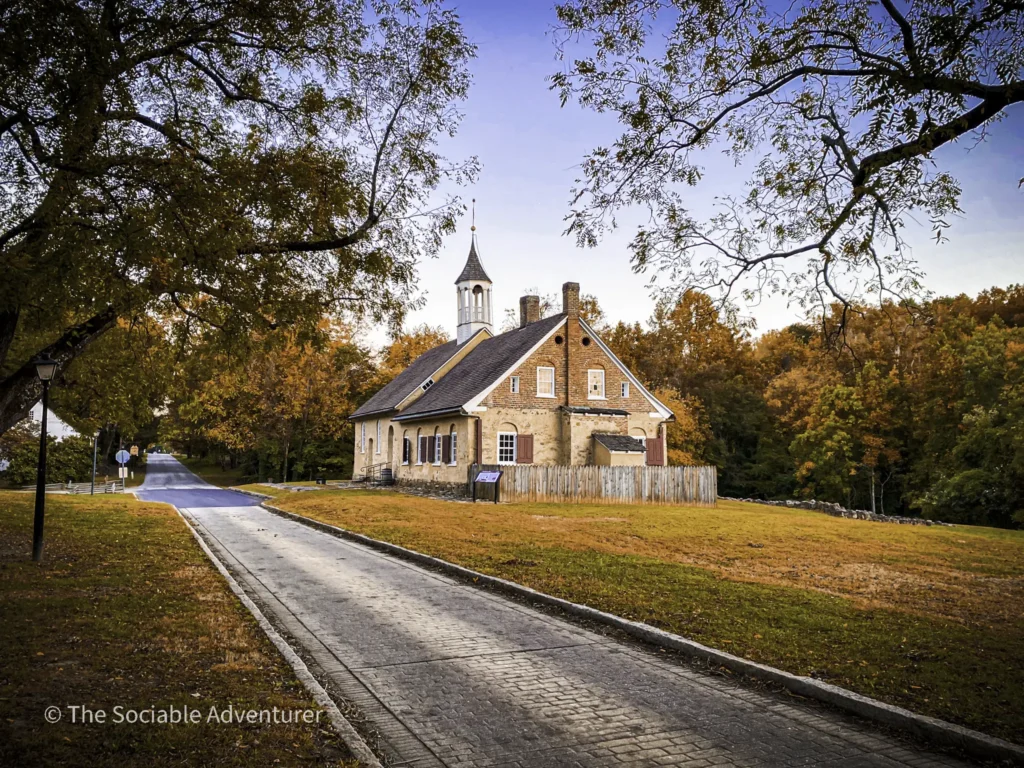
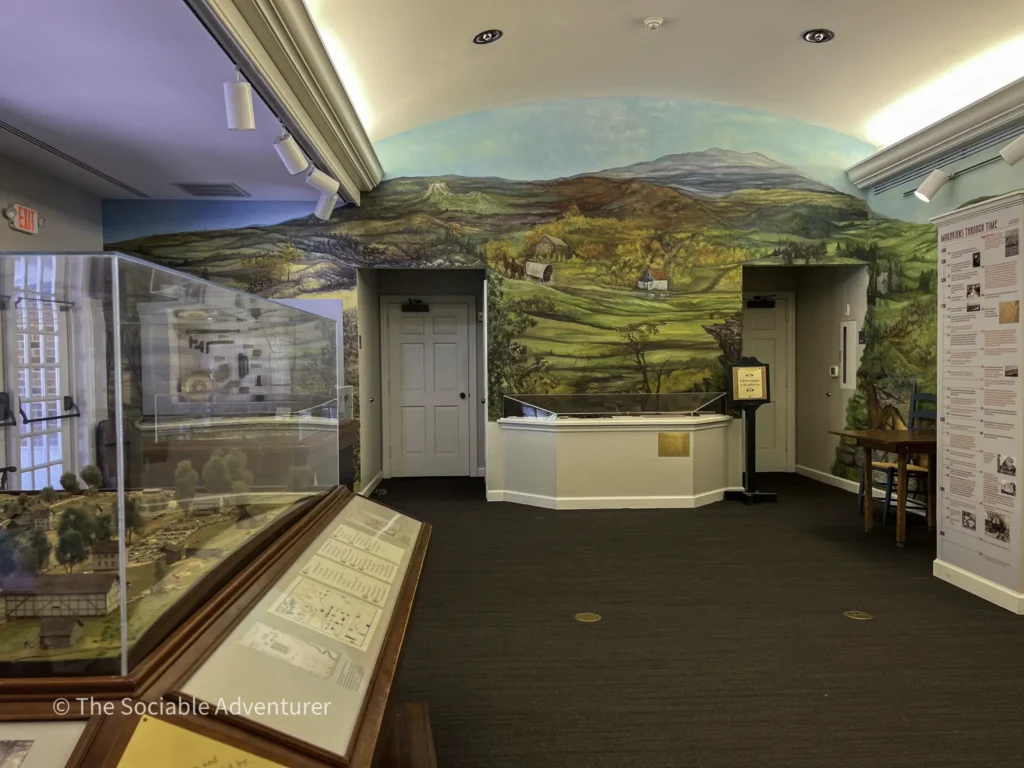
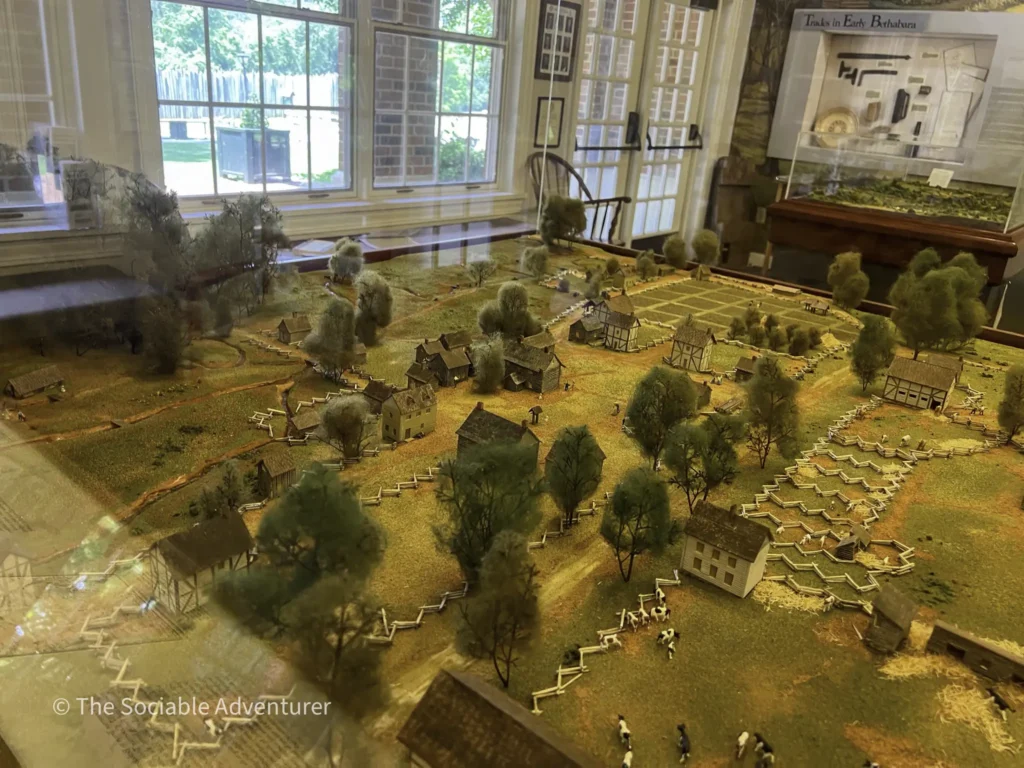
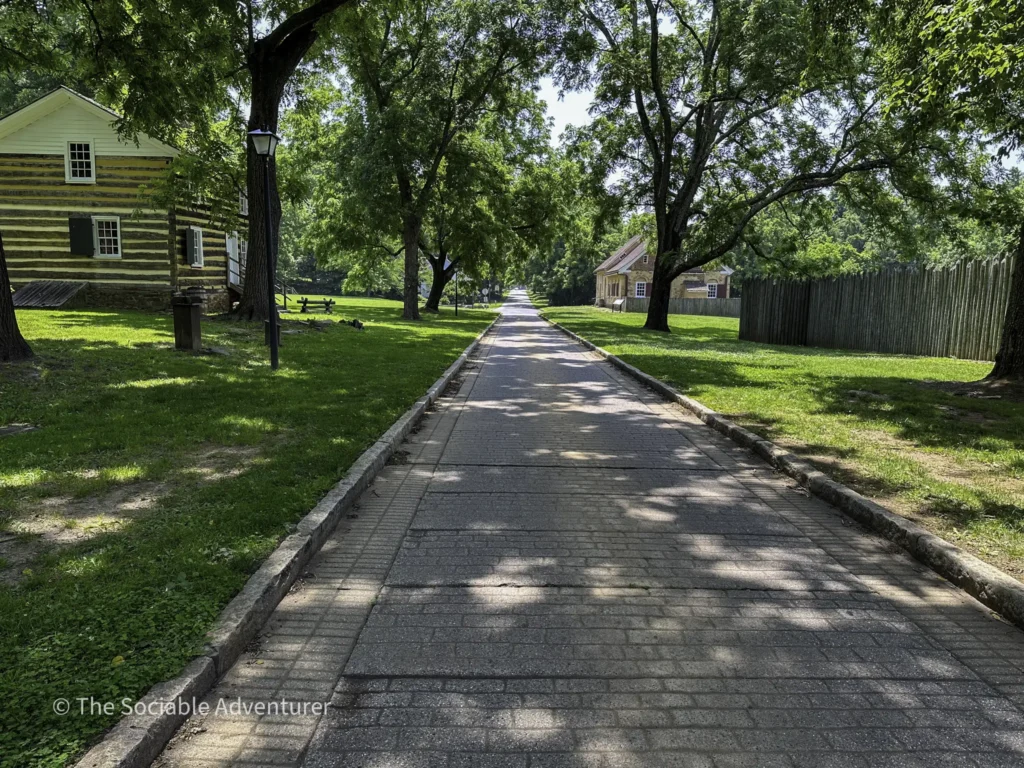
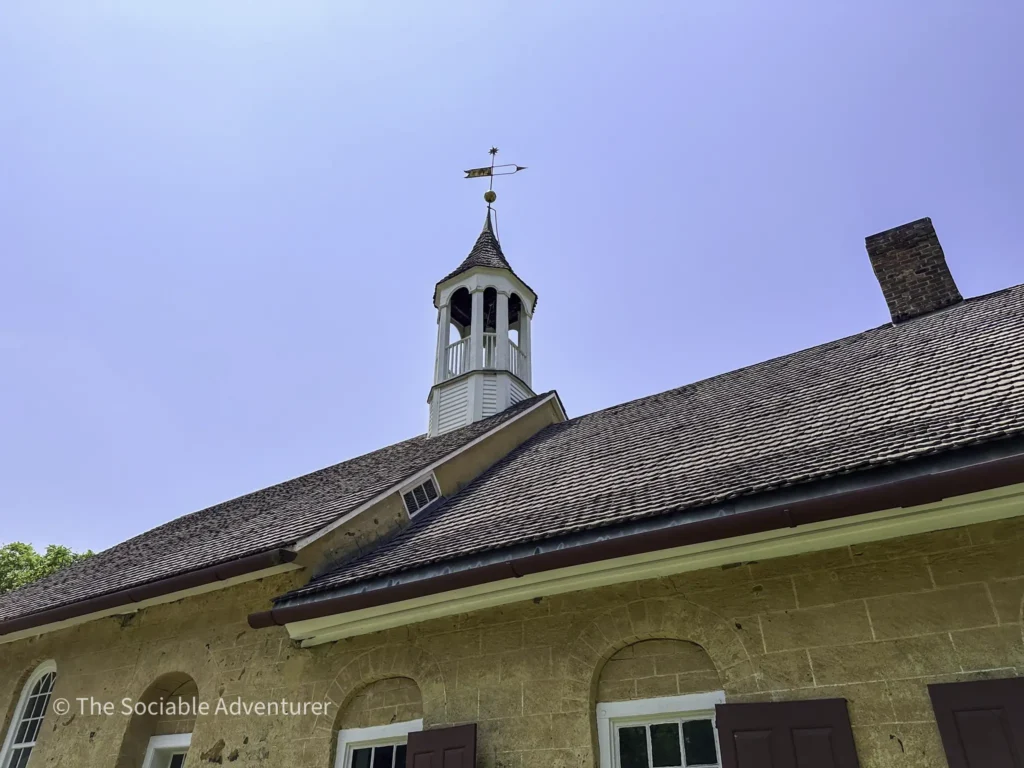
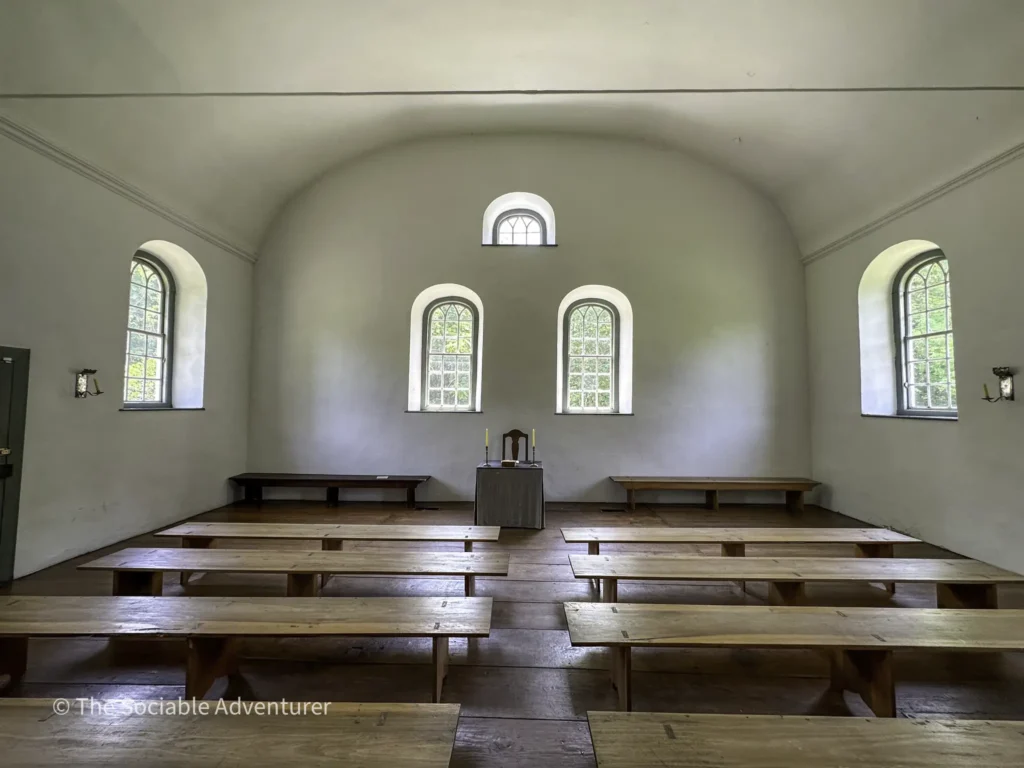
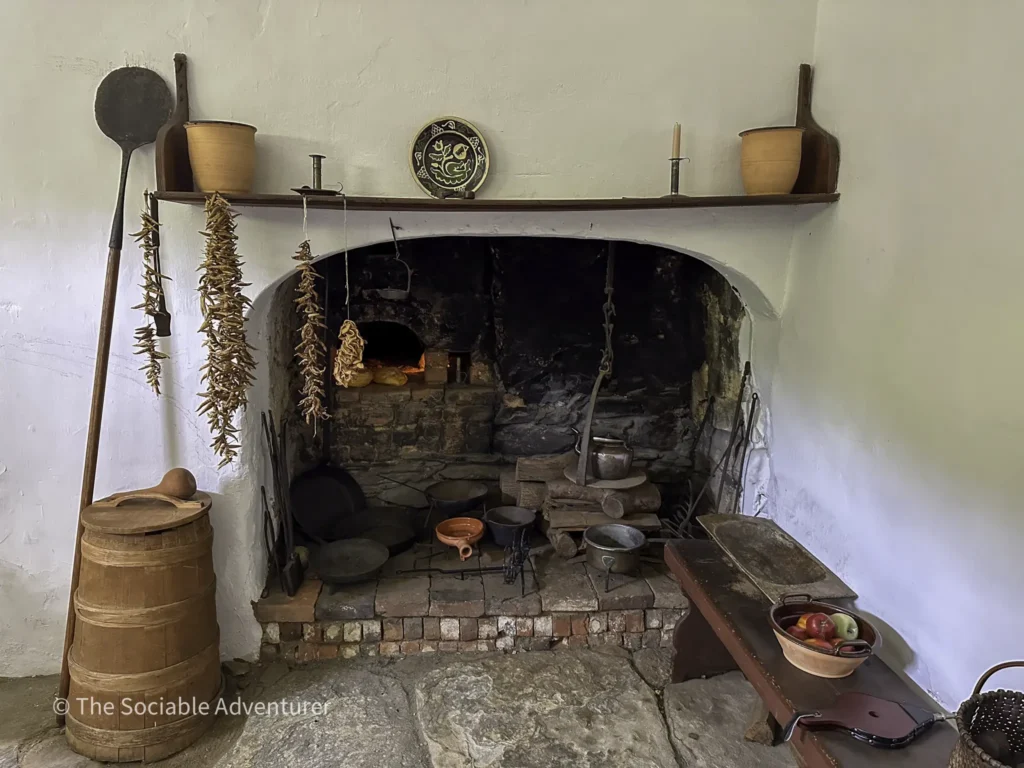
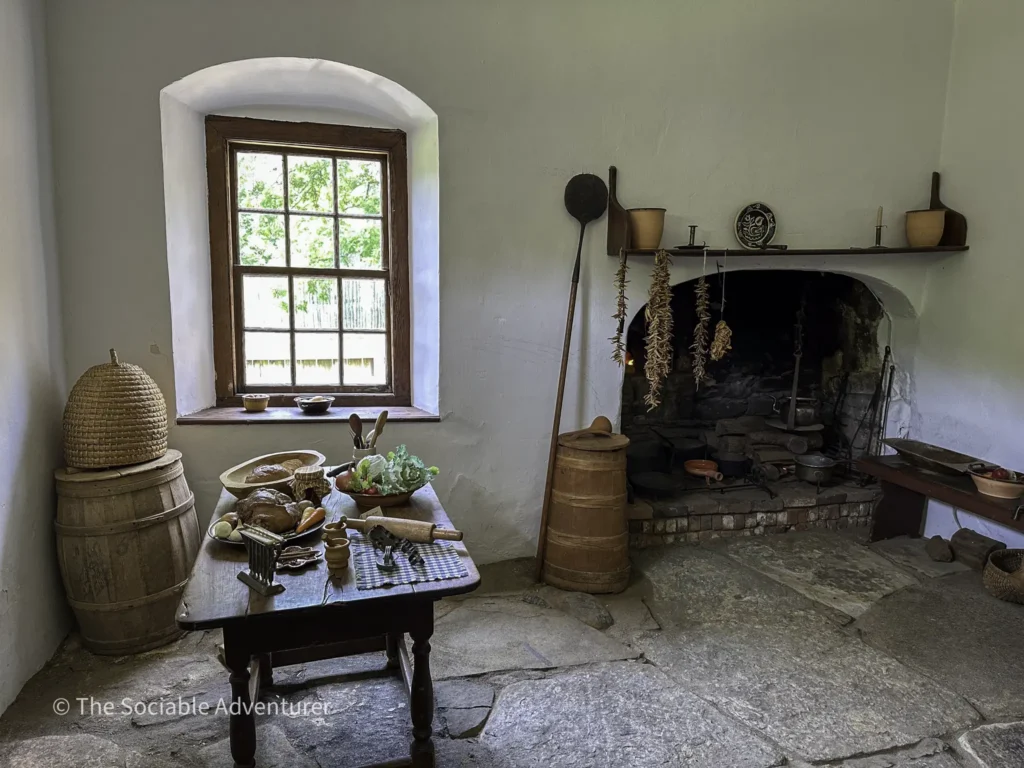
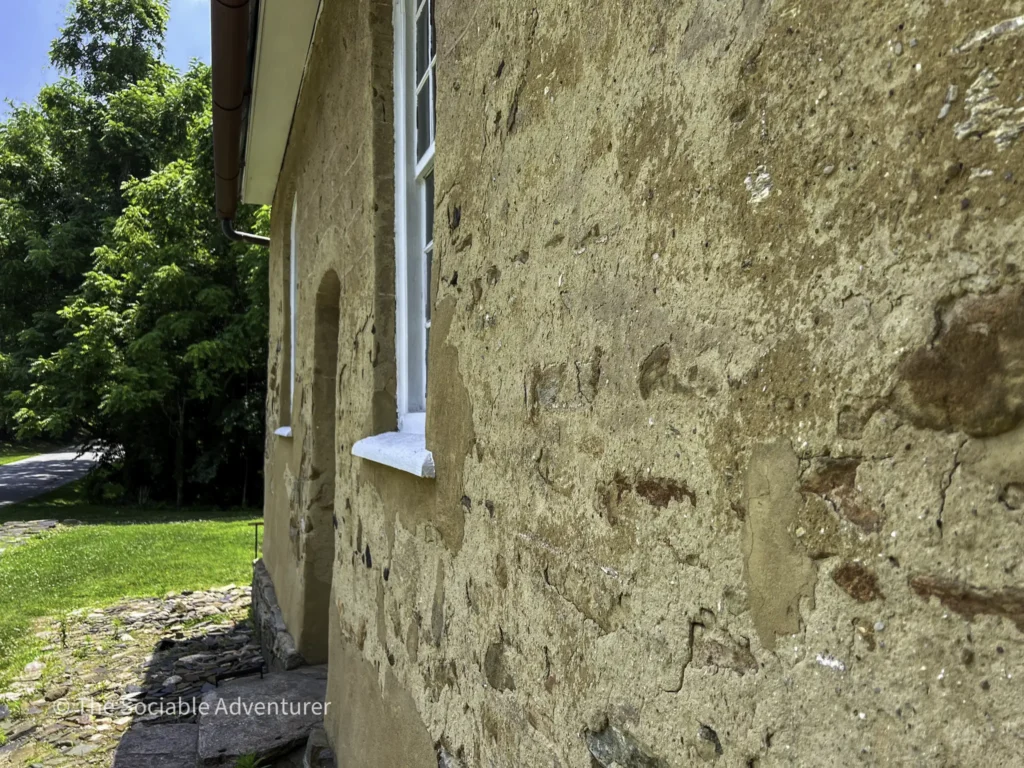
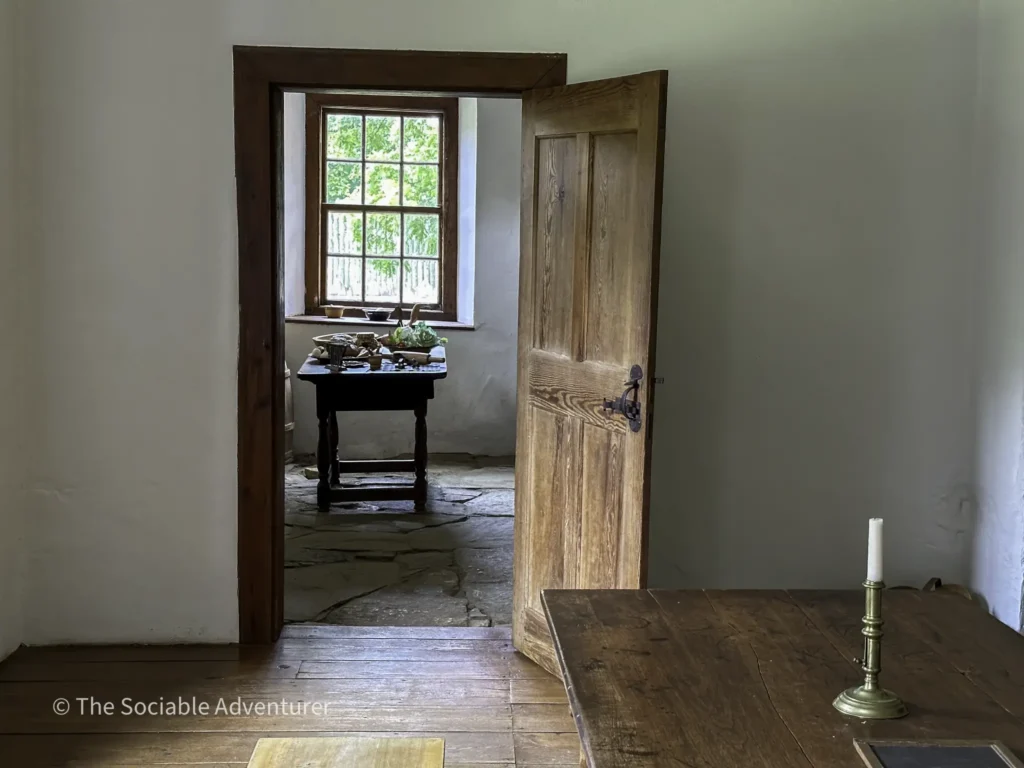
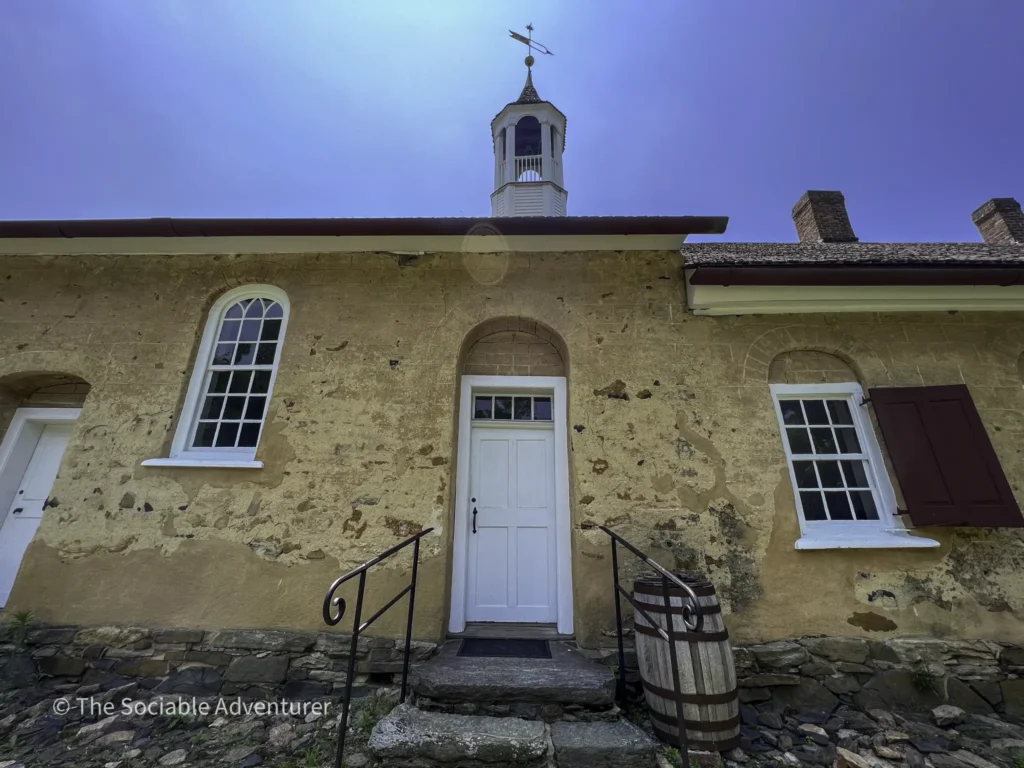
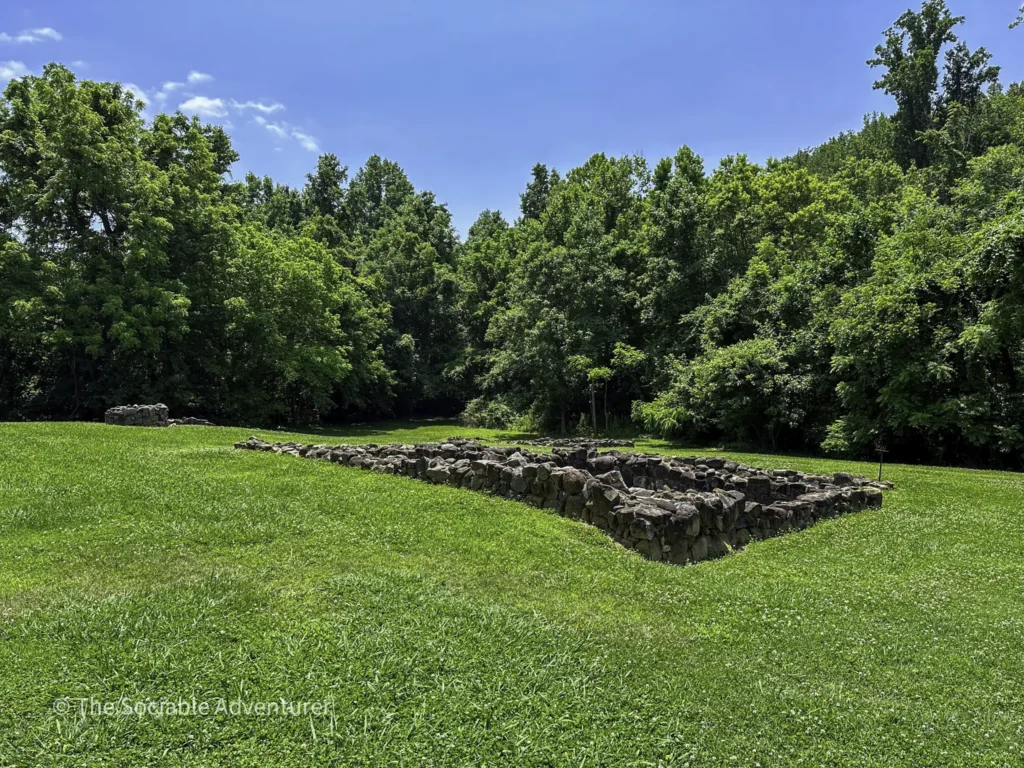
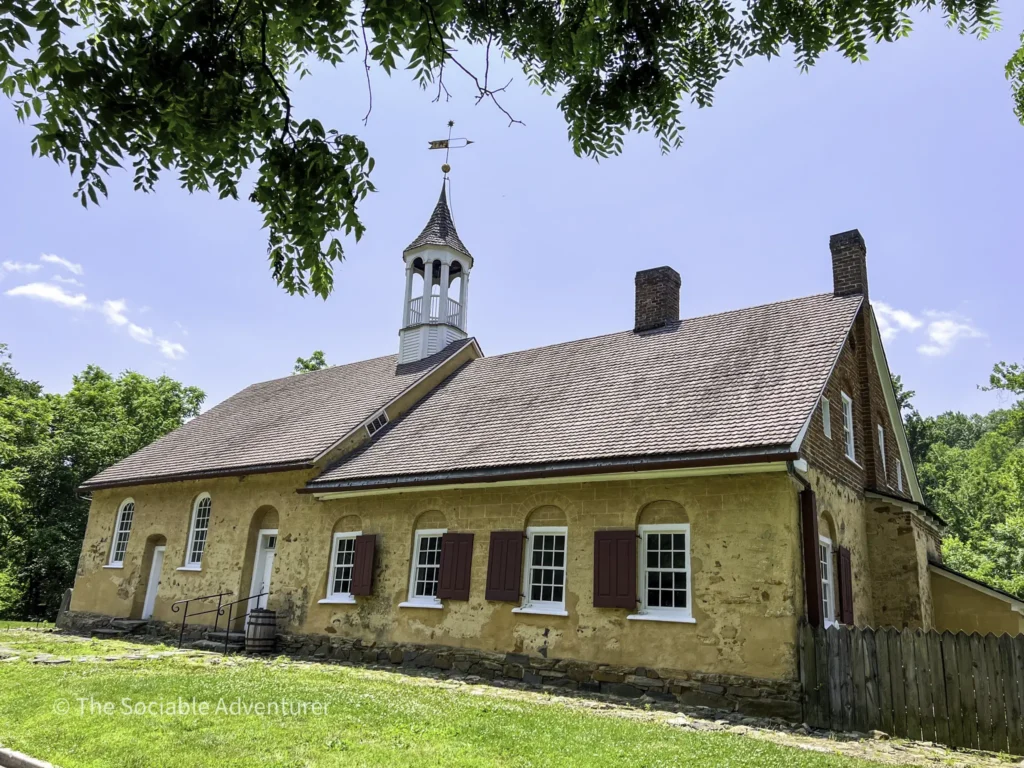
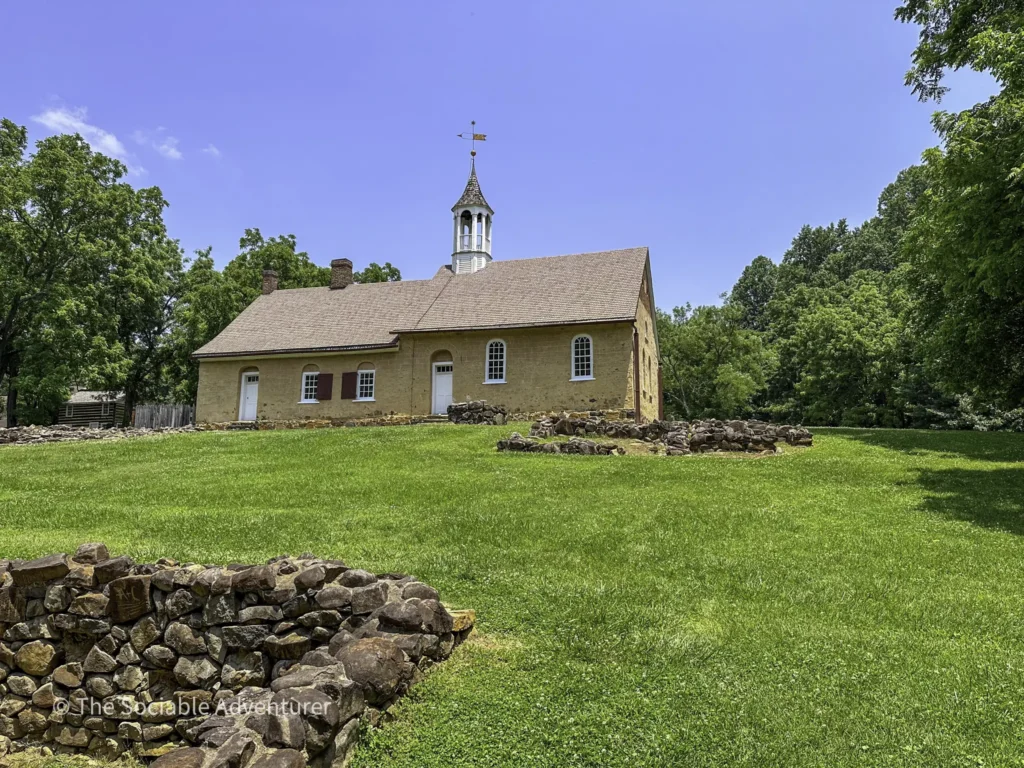
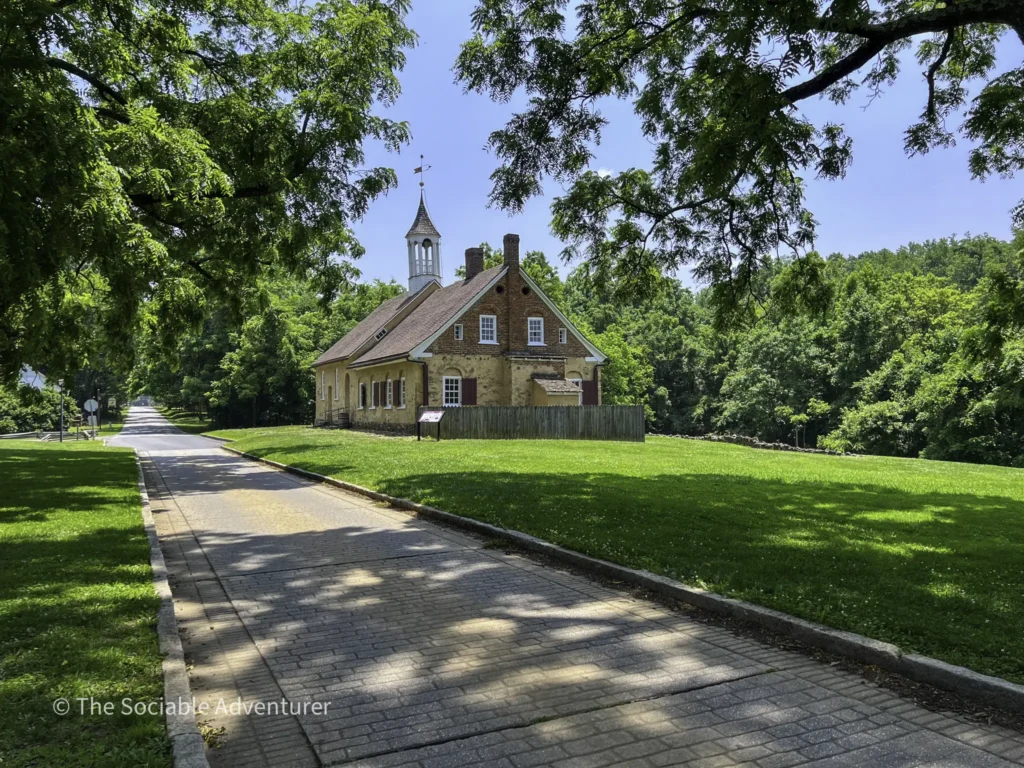
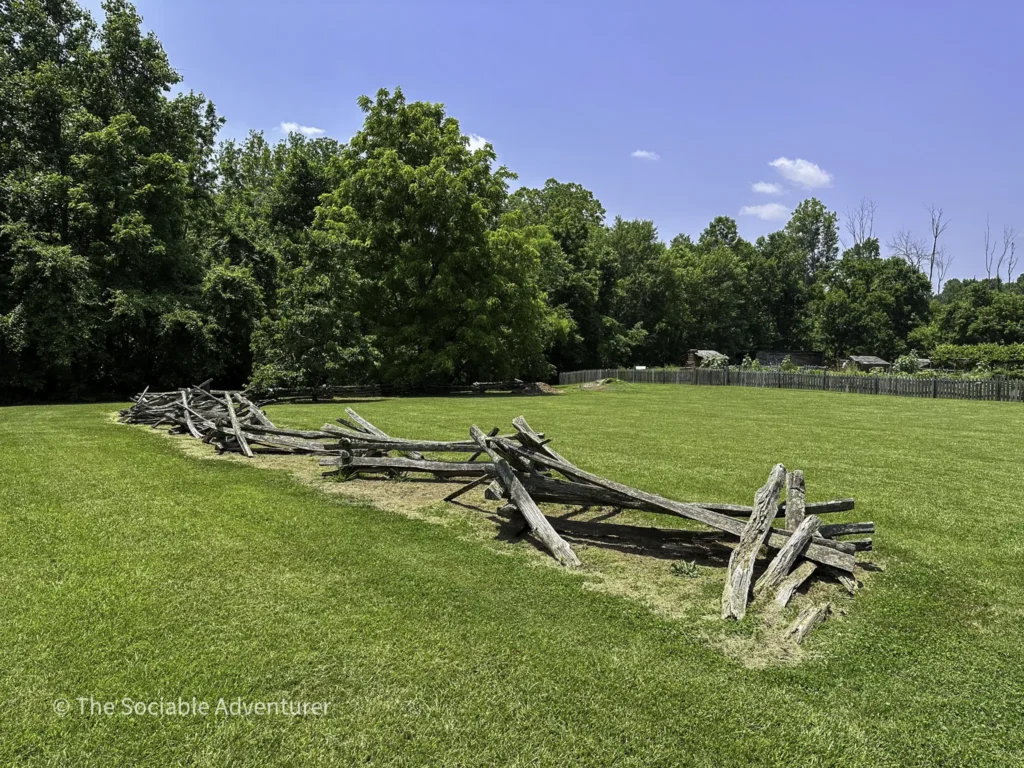
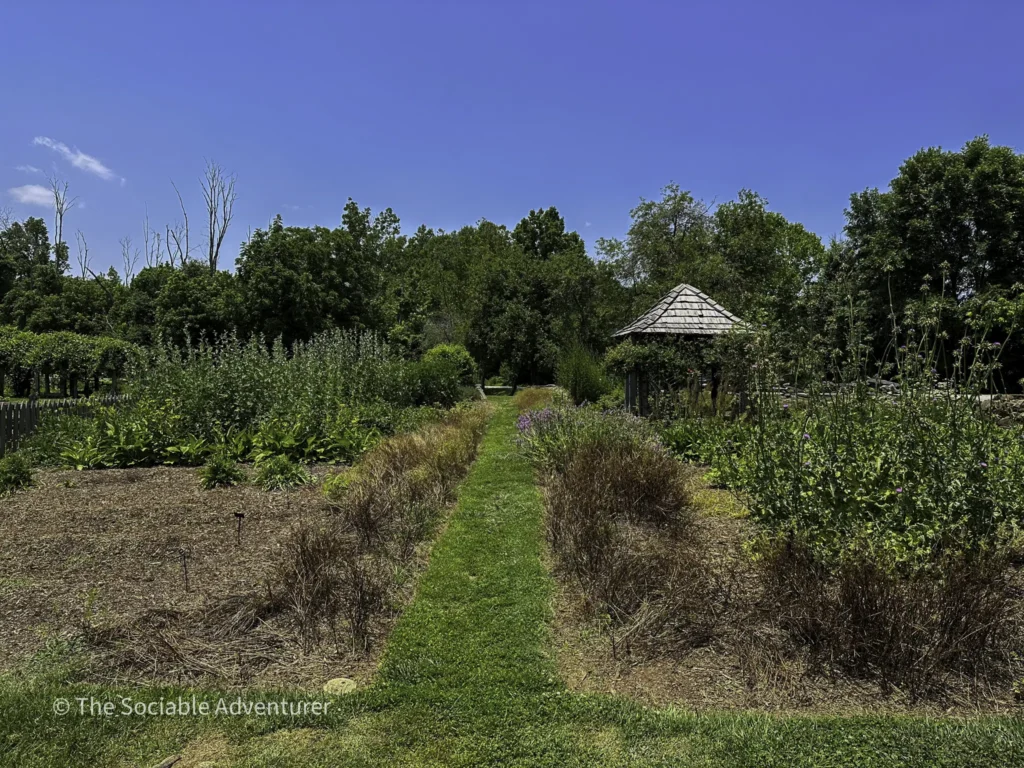
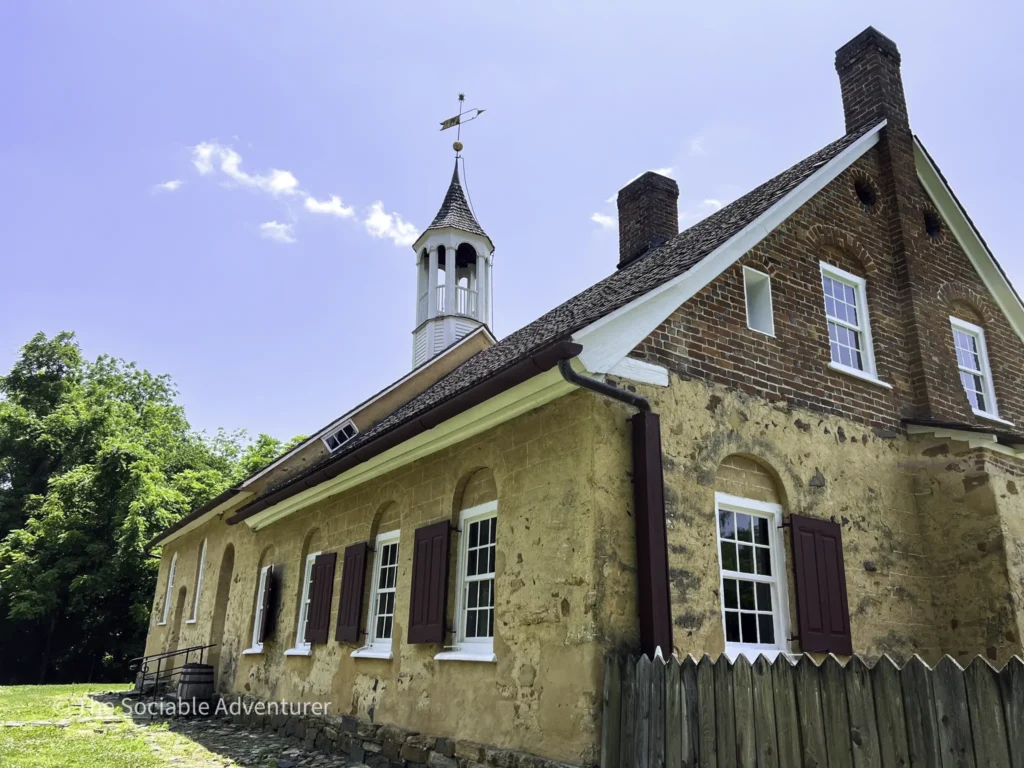
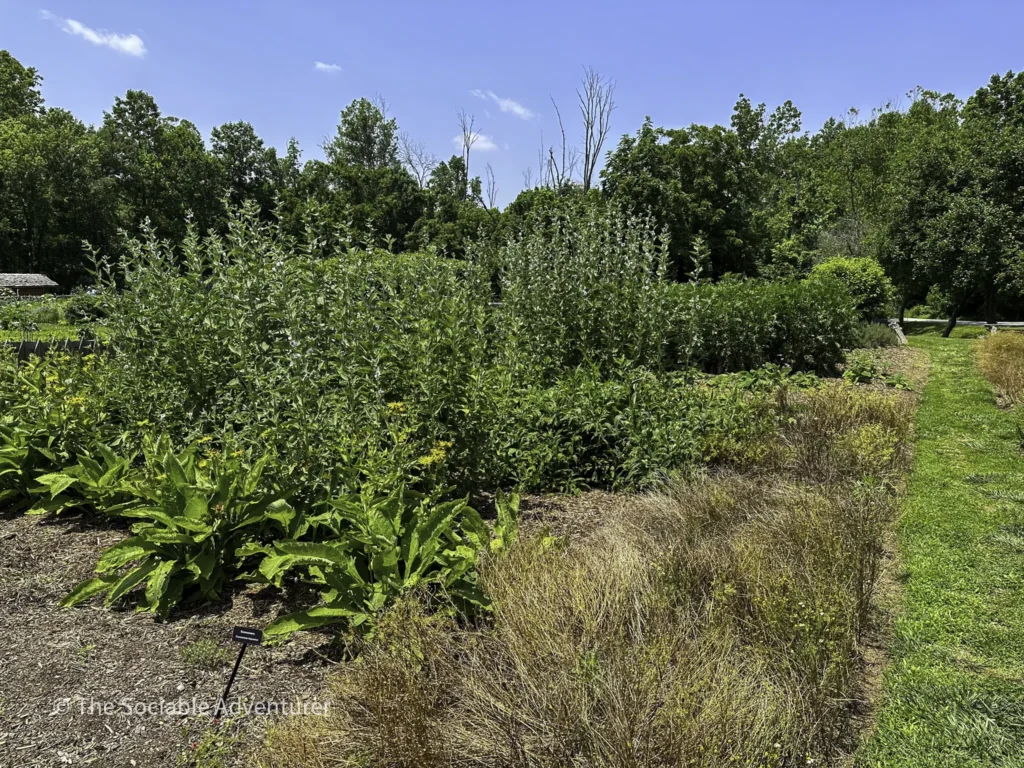
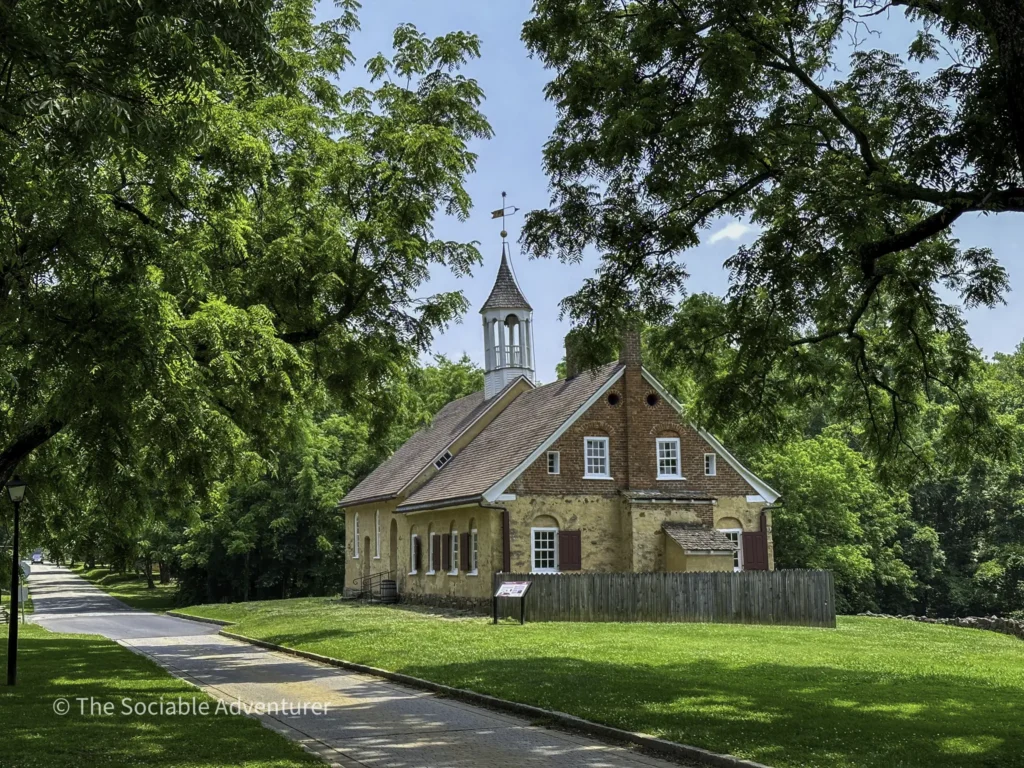
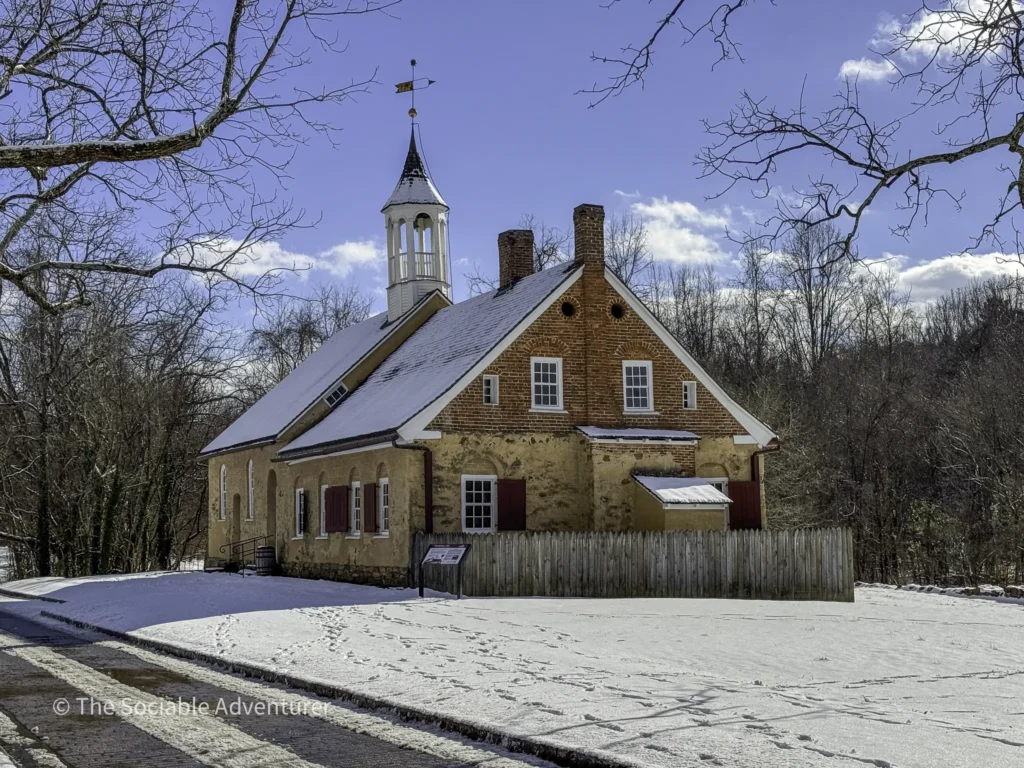
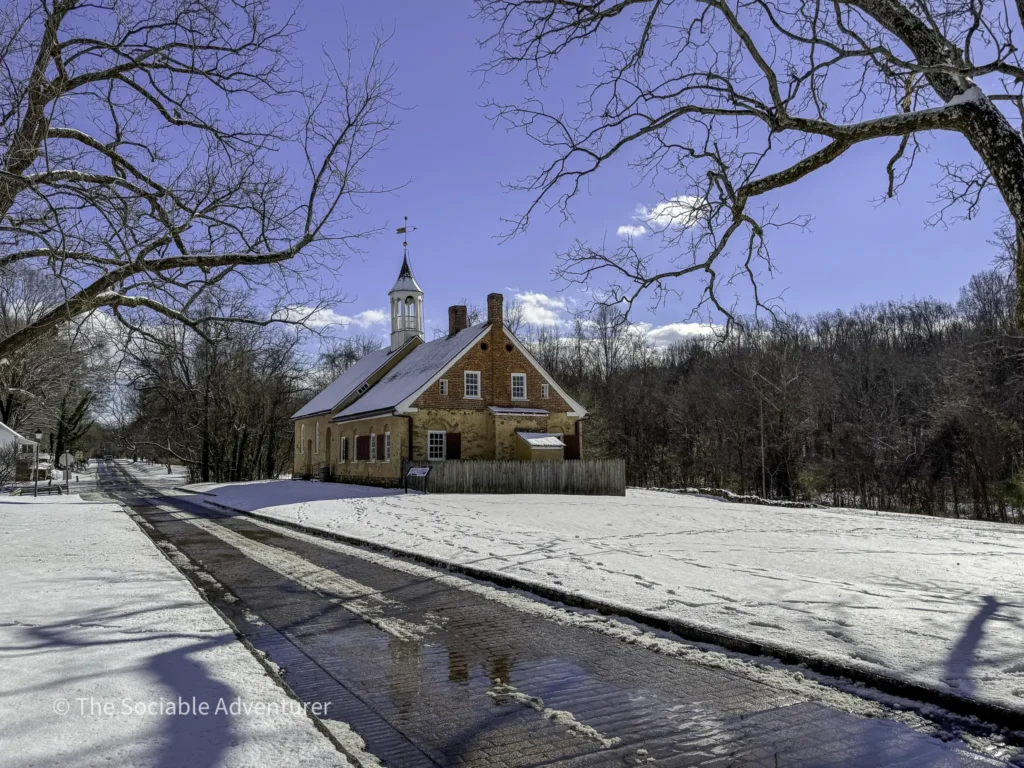
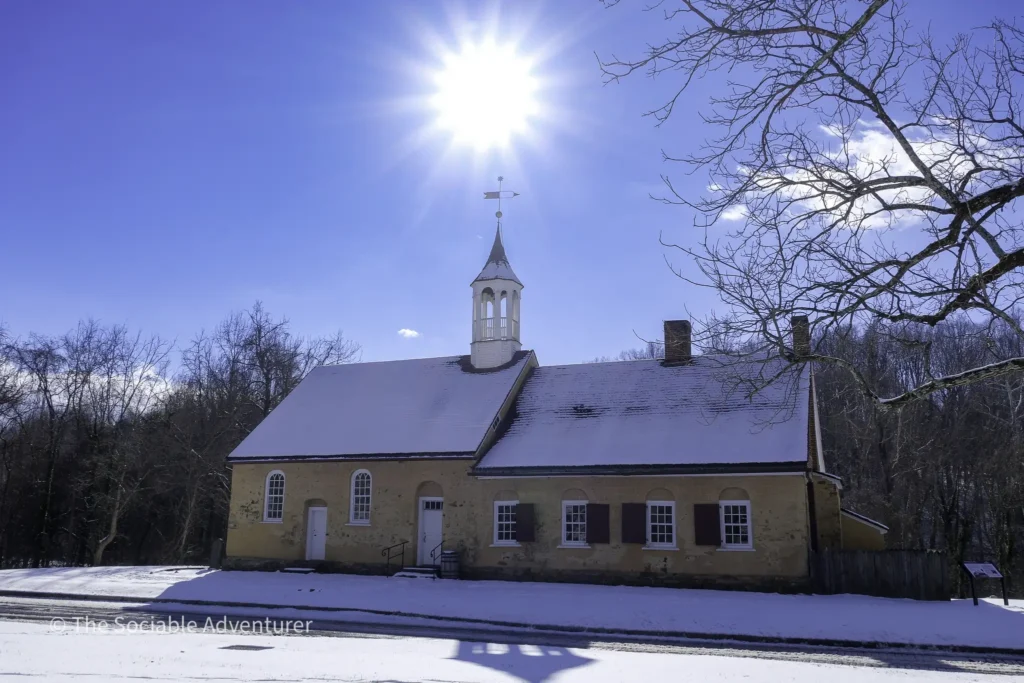
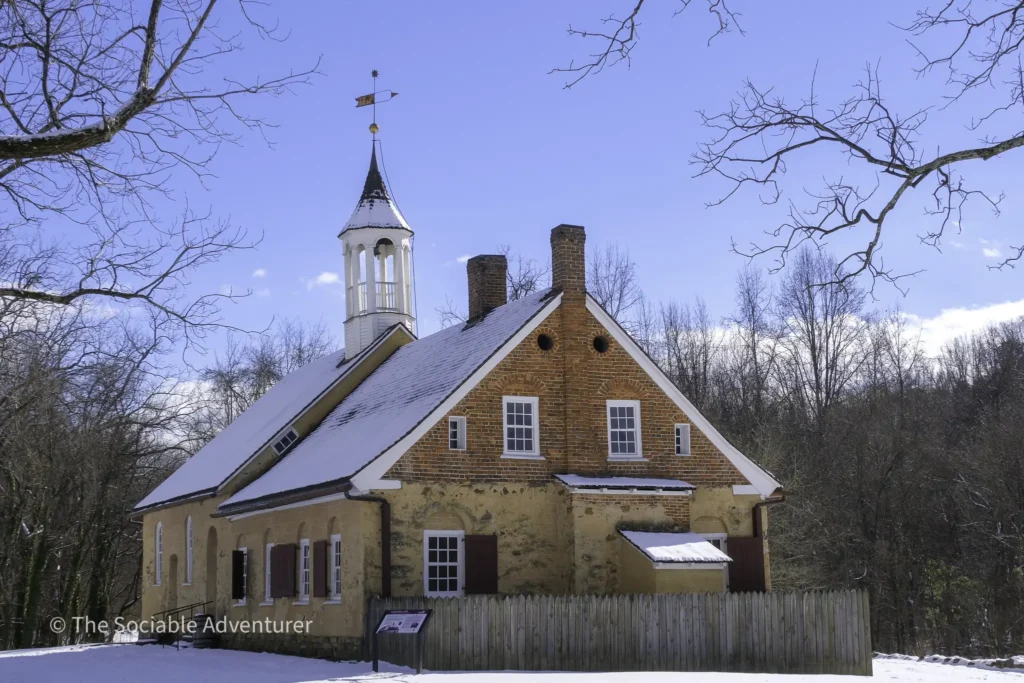
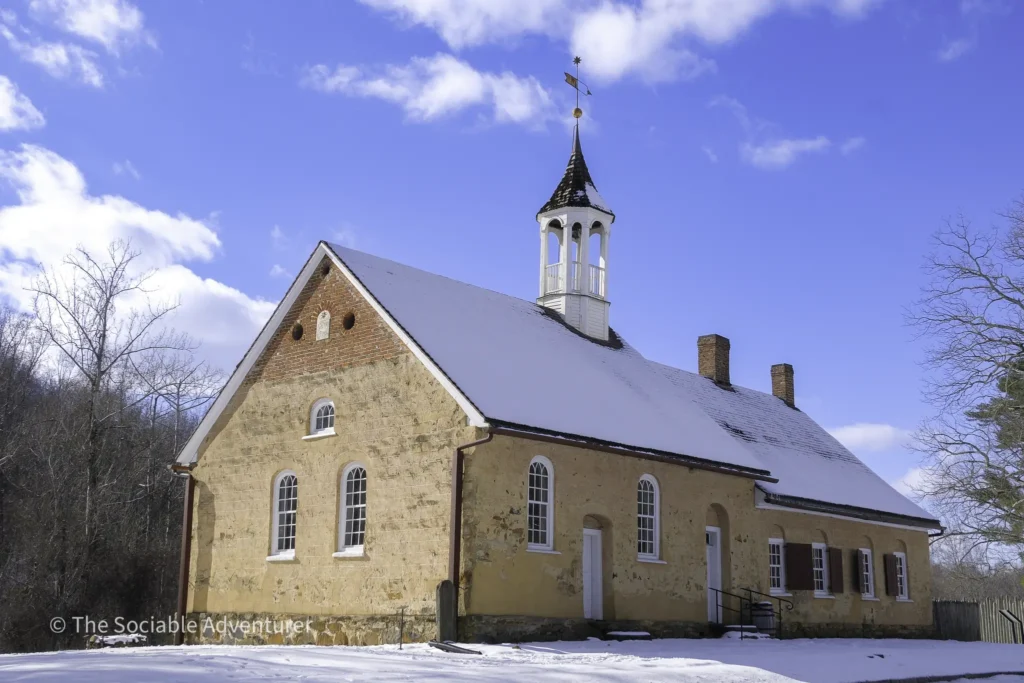
The park preserves four original 18th- and 19th-century buildings still standing on the property — including the 1788 Gemeinhaus, the only surviving German-American colonial church with an attached residence in the United States. Beyond the original structures, Historic Bethabara Park features a reconstructed French and Indian War palisade fort, a 1754 colonial village reconstruction, a reconstructed 1761 medicinal garden, over 20 miles of nature trails across 183 acres of wildlife preserve, and the Bethabara God’s Acre cemetery.
Be sure to check out the YouTube video and pictures below to get a feel for Historic Bethabara Park before you go — or to relive the visit after.
The November 17, 1753 Founding — 15 Moravians and the Wachovia Tract
Bethabara’s story begins with the Moravian Church’s 1752 purchase of nearly 100,000 acres in the North Carolina Piedmont — the tract they called Wachovia (Latinized from “die Wachau,” the ancestral Zinzendorf estate in Austria). The following year, on November 17, 1753, 15 Moravian men completed the arduous journey down the Great Wagon Road from Pennsylvania to their new NC land and established their first settlement in the backcountry.
They named the new community Bethabara — from the Hebrew “House of Passage,” which is the traditional site of Christ’s baptism in the Jordan River. The name was intentionally temporary: Bethabara was meant to serve as a “passage” settlement while the Moravians planned a permanent central community. That plan would eventually become Salem (1766) — today preserved as Old Salem Museums & Gardens.
Despite its intended temporary role, Bethabara grew rapidly into a substantive commercial center. By the end of 1756, the settlers had built a church, gristmill, sawmill, tannery, pottery, distillery, and additional crafts shops. The Bethabara gristmill was the largest and most important in the NC backcountry, with visitors traveling from as far as 60 miles away to trade at the mill. Bethabara also operated the first commercial brewery and distillery in North Carolina — a genuine mark of the Moravian community’s economic and craft substance.
The Moravians also established a second Wachovia settlement — Bethania, NC — in 1759, just a few miles from Bethabara. Bethania remains the only surviving Germanic-type linear agricultural village in the American South.
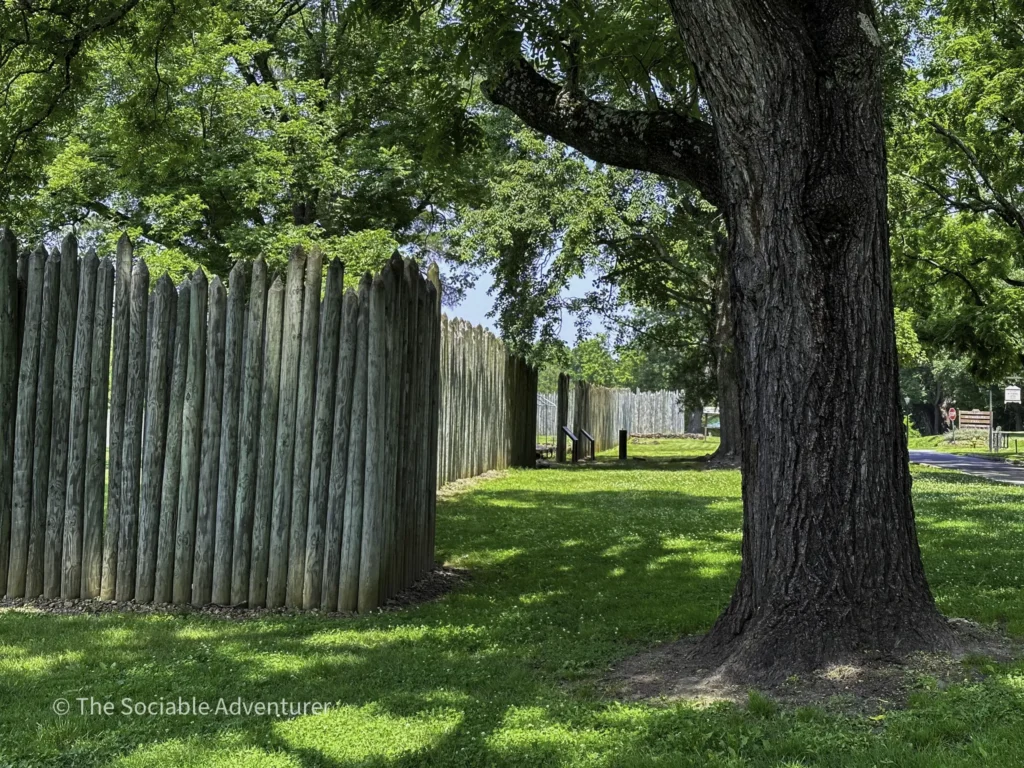
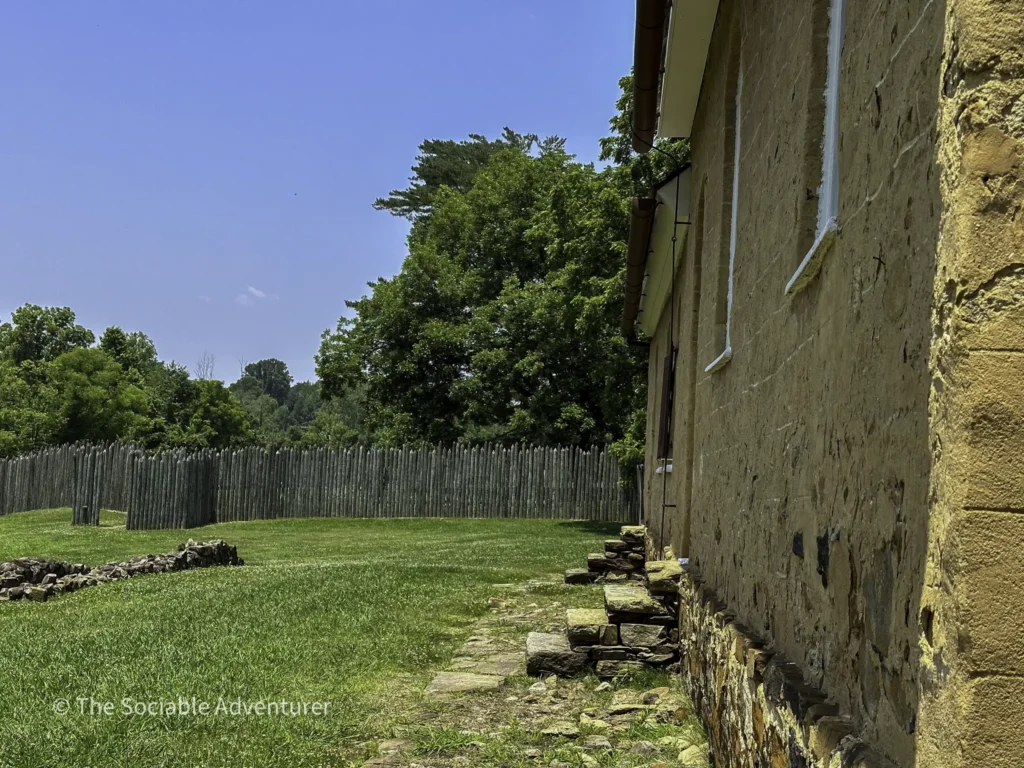
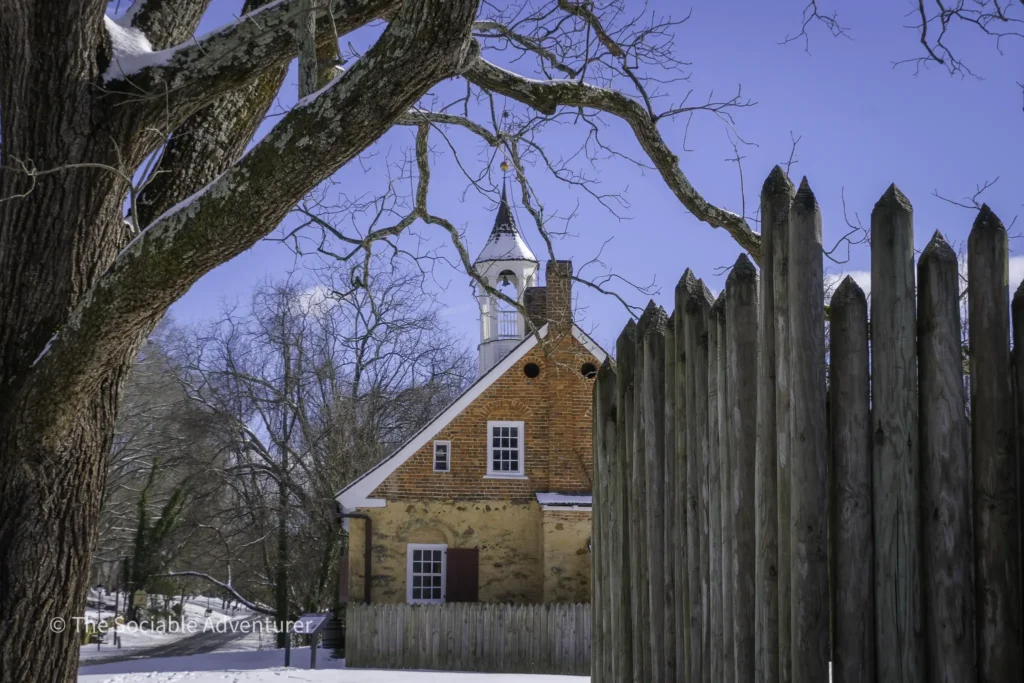
The French and Indian War Palisade Fort and Bethabara’s Colonial Defensive Role
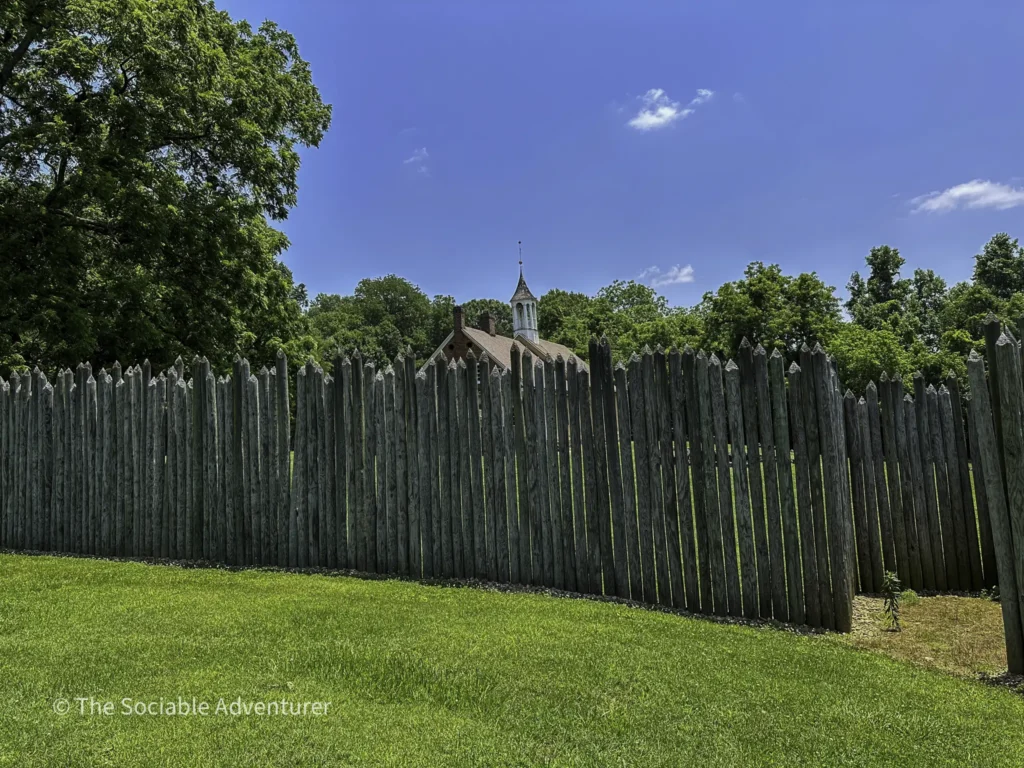
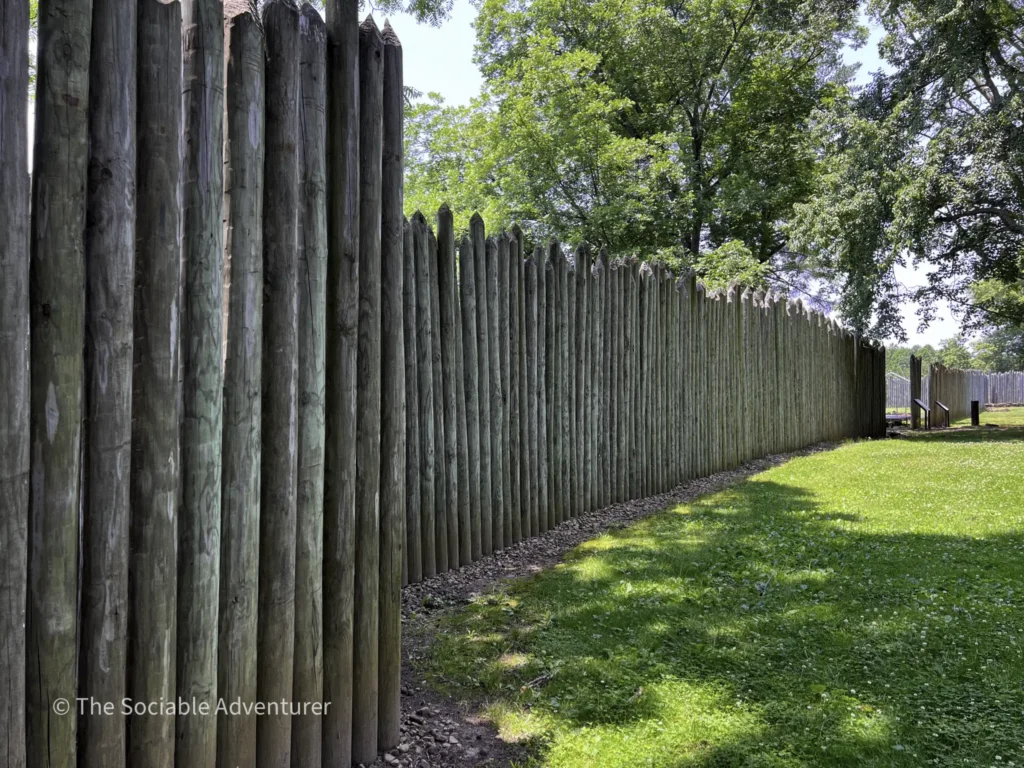
Bethabara’s colonial-era substance extended beyond commerce. During the French and Indian War (1754-1763), the settlement served as a genuine defensive center for regional settlers — Moravian and non-Moravian alike. In 1756, following false rumors that the Cherokee had switched allegiance from the British to the French, the Moravians hastily built a palisade fort around their town and mill. The Moravian diarist recorded the community response:
“It was decided to protect our houses with palisades. For if the settlers were all going to retreat, we would be the last left on the frontier and the first to be attacked. All who were not busy with the harvest went to work the same day, and by the 23rd, the palisade was finished except the gates.”
By 1758, over 200 settlers — Moravian and non-Moravian alike — took refuge at Bethabara to escape the French and Indian War violence, and the fort continued to serve as a safe haven during Cherokee attacks through 1760. Bethabara’s fortifications also functioned as a supply depot for the Cherokee allies of the British during the war.
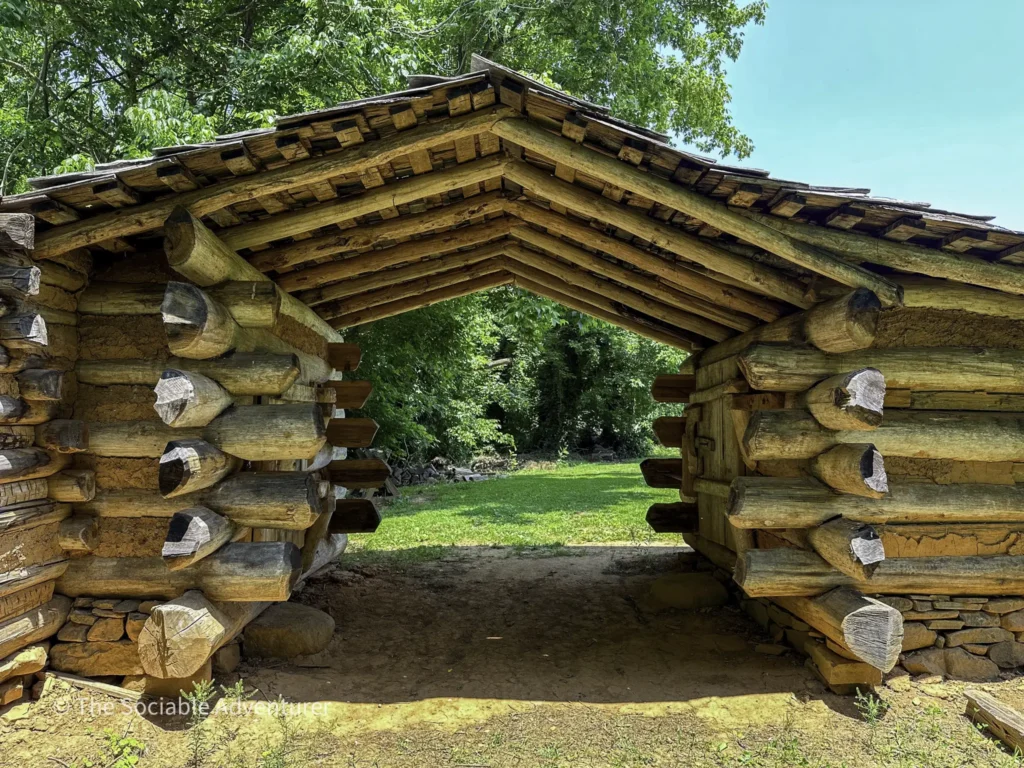
Beyond the French and Indian War, Bethabara witnessed and carefully documented the Regulator Movement and the American Revolution through the meticulous Moravian record-keeping tradition — creating a substantial written record of colonial NC backcountry life that historians continue to study today. The reconstructed palisade fort at Historic Bethabara Park today gives visitors a genuine sense of the community’s fortification during the French and Indian War era.
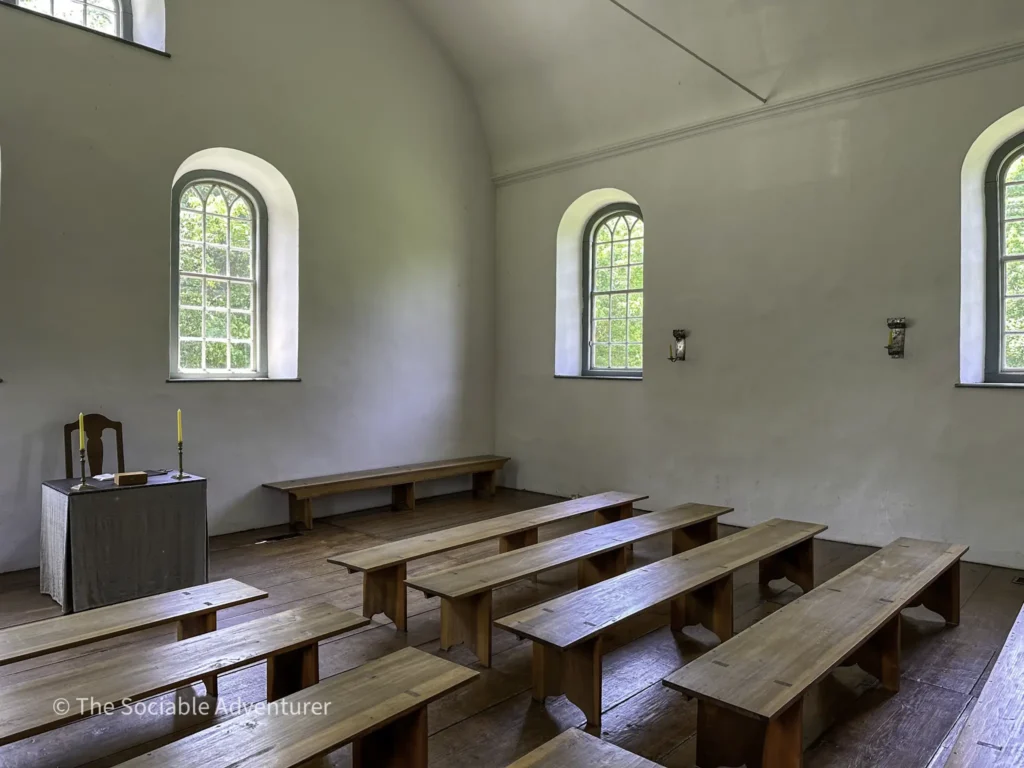
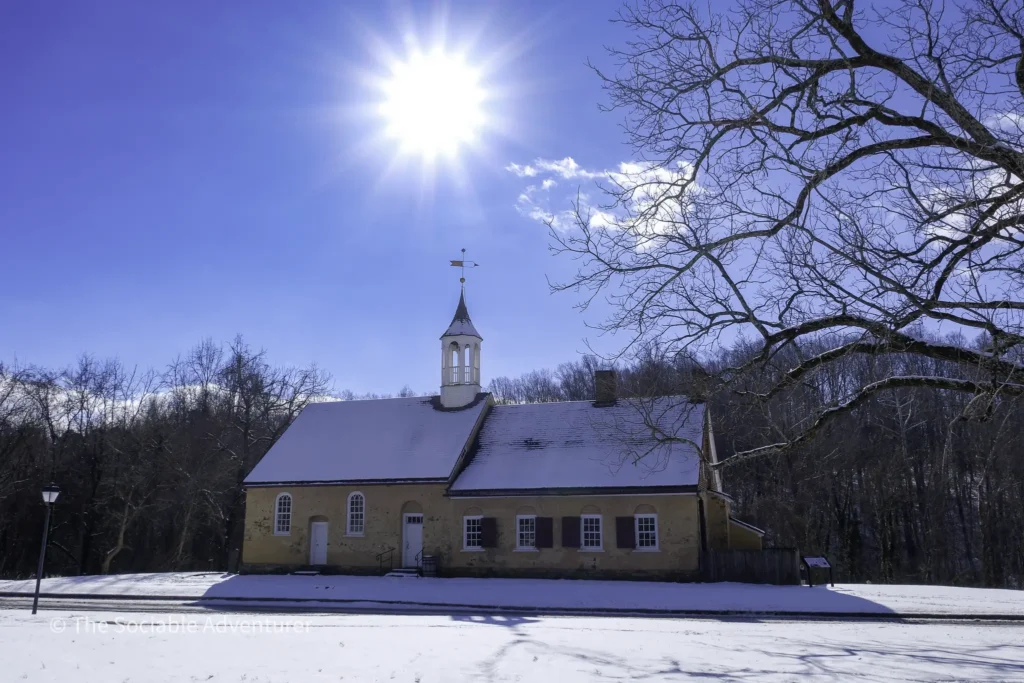
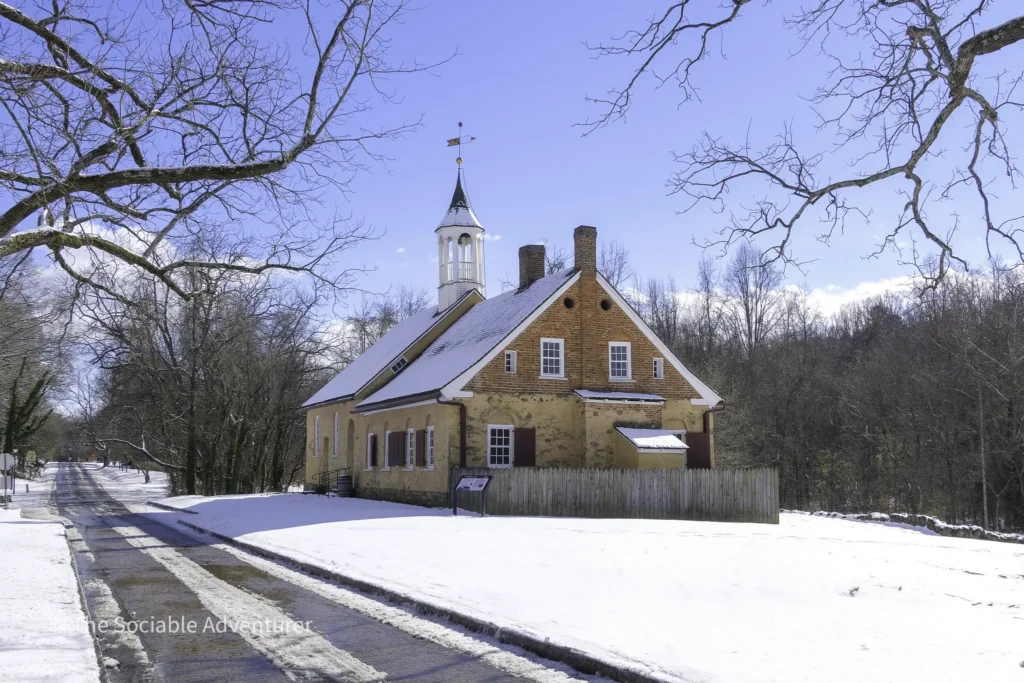
The 1788 Gemeinhaus — America’s Only Surviving German Colonial Church with Attached Residence
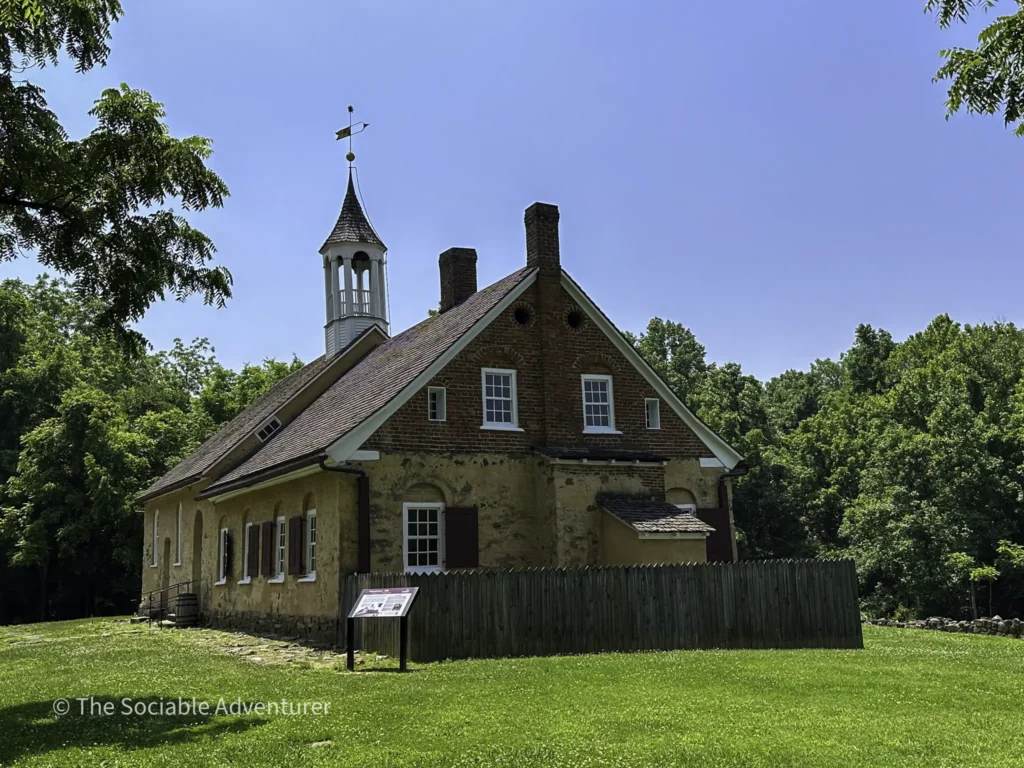
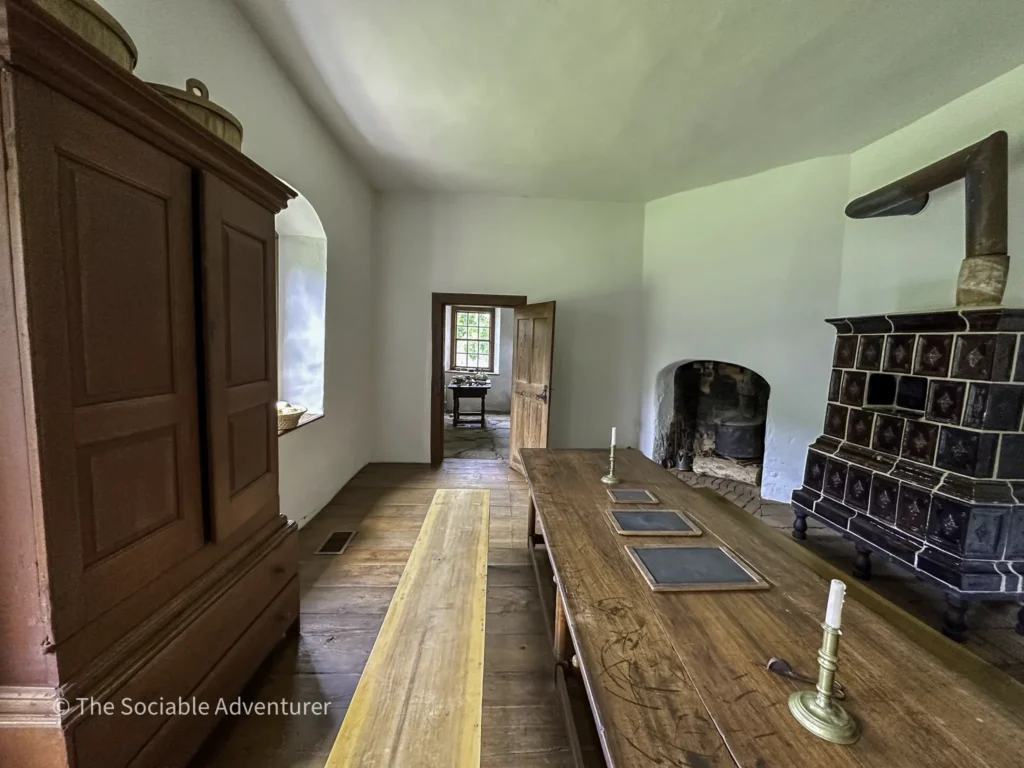
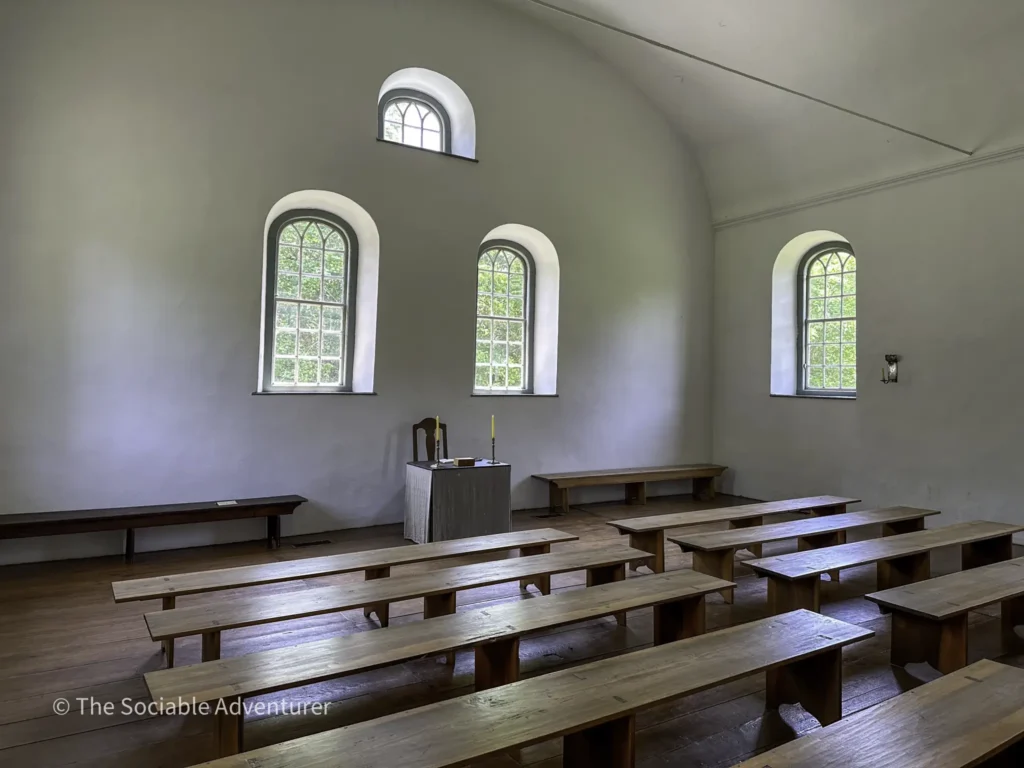
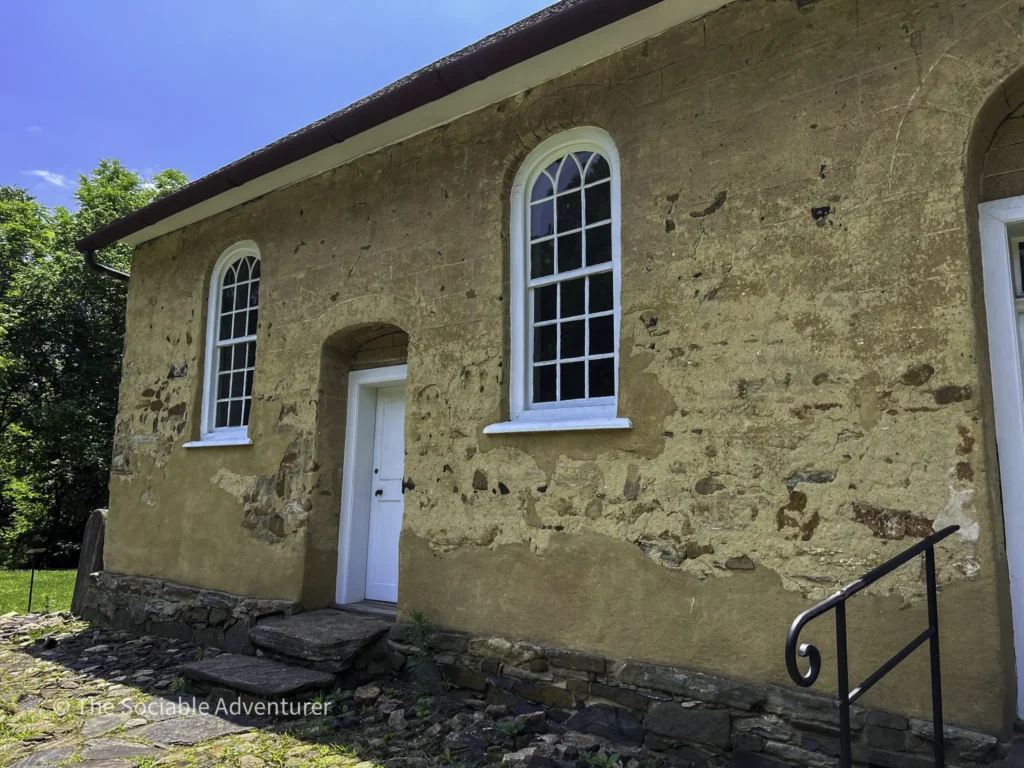
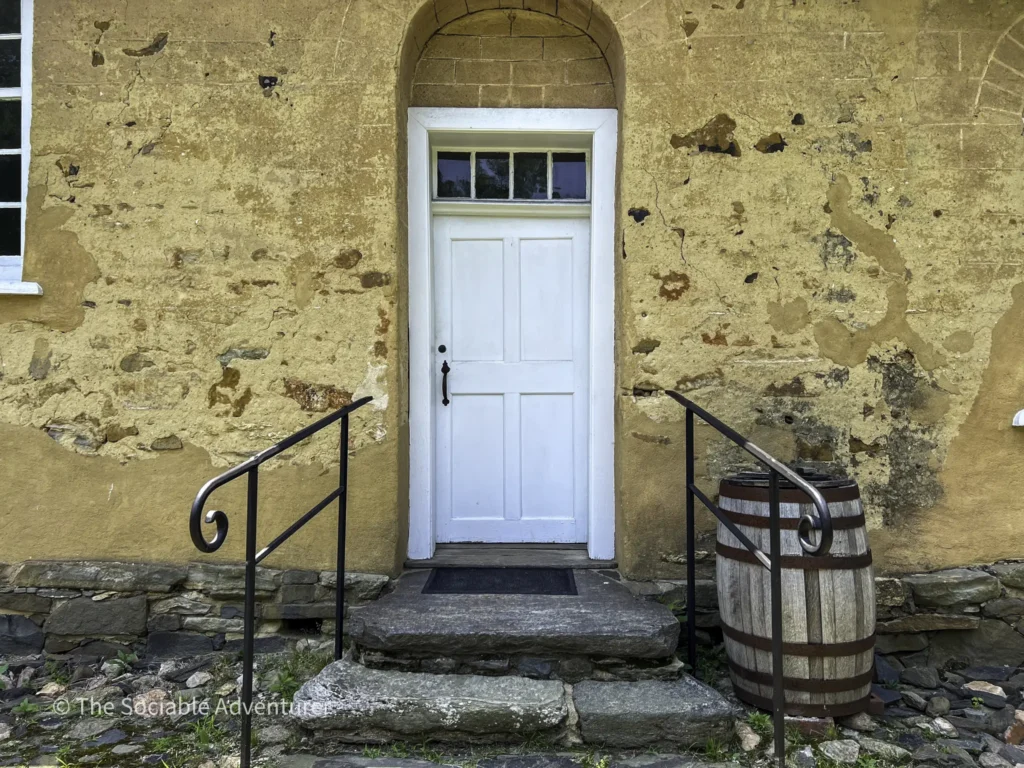
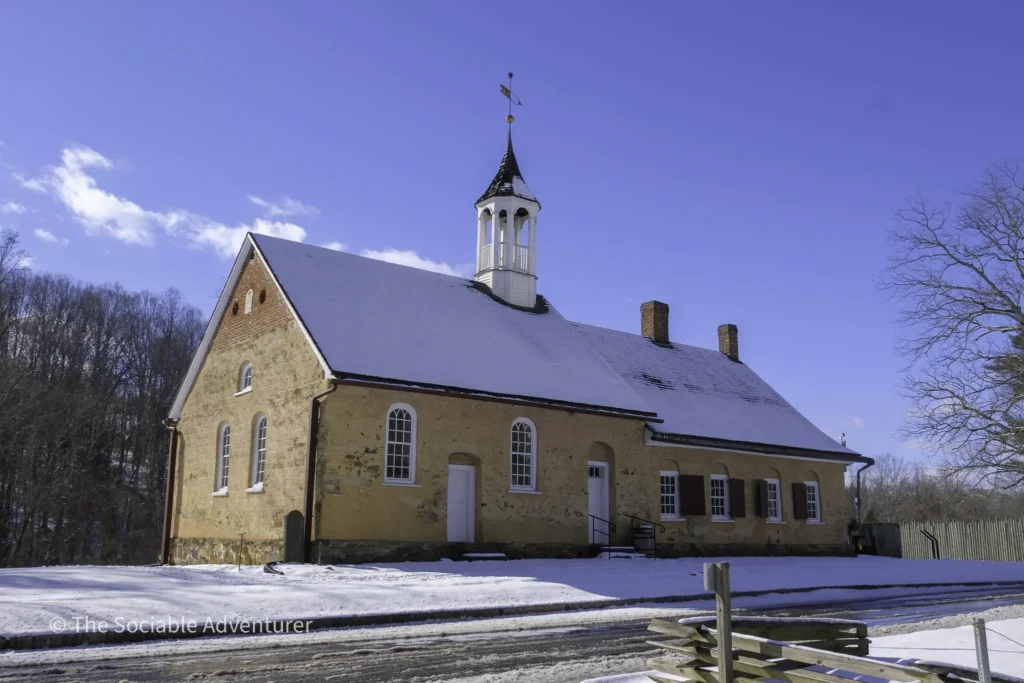
Historic Bethabara Park’s most genuinely singular building is the 1788 Gemeinhaus — the last surviving example of an 18th-century German-American church with attached living quarters remaining anywhere in the United States. The Gemeinhaus (German for “congregation house”) combined a worship space with the pastor’s living quarters under a single roof — a design that reflected Moravian communal religious life and was once common across German-speaking American settlements. Today, the Bethabara Gemeinhaus is the only surviving example.
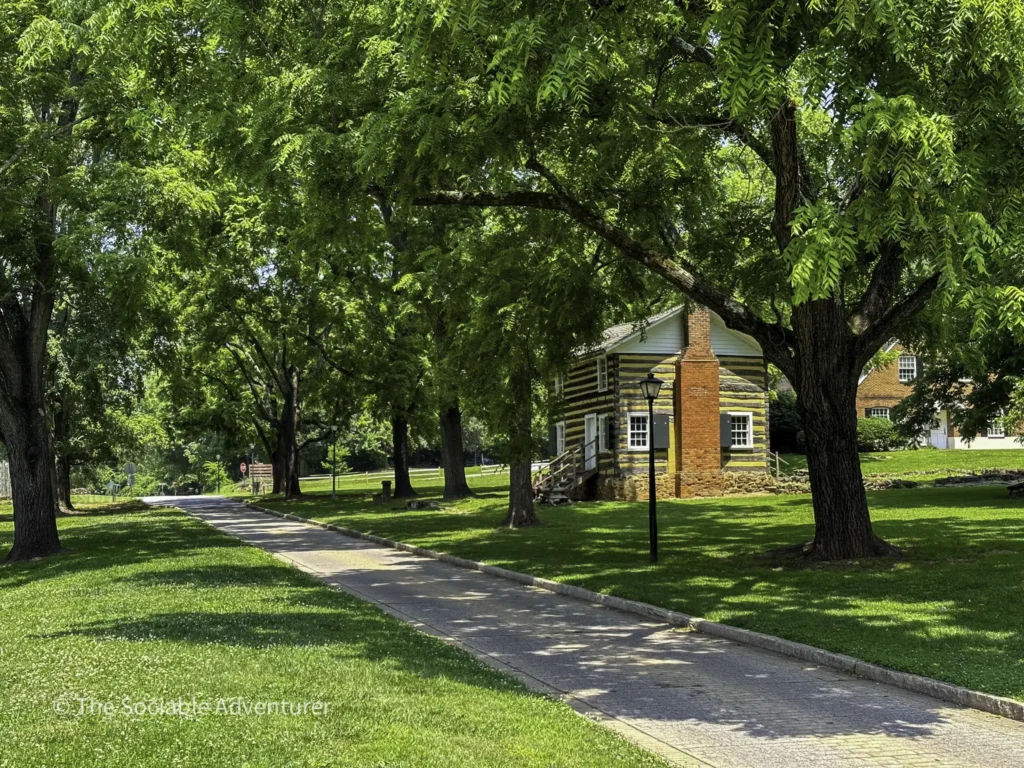
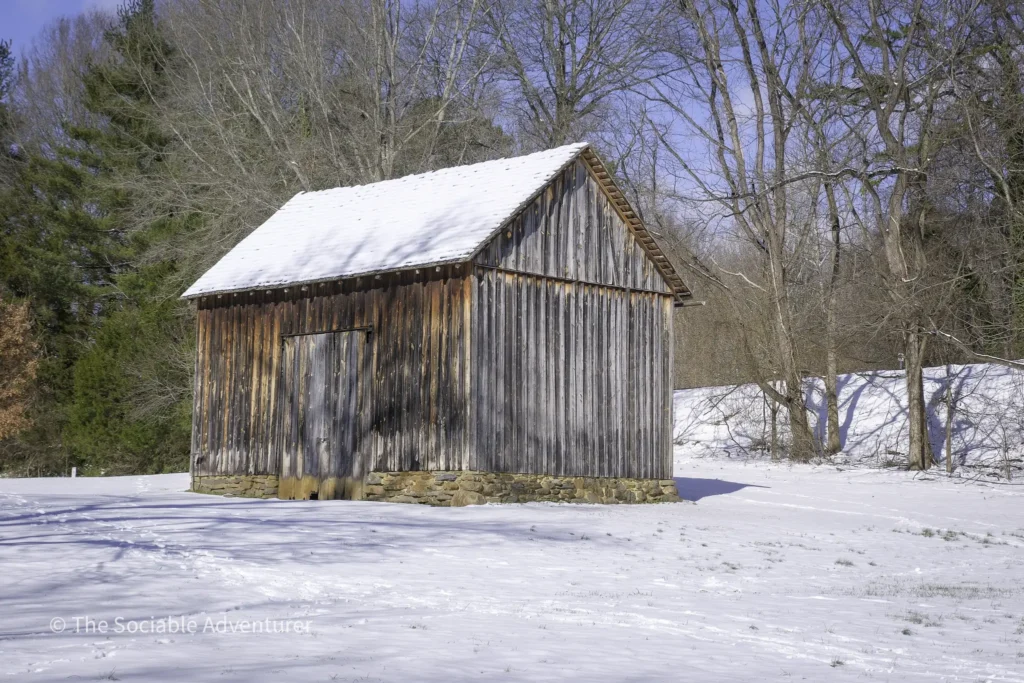
Beyond the Gemeinhaus, Historic Bethabara Park preserves three additional original structures:
- 1782 Potter’s House — reflecting Bethabara’s active pottery trade
- 1803 Distiller’s House — reflecting Bethabara’s role as home to NC’s first commercial distillery
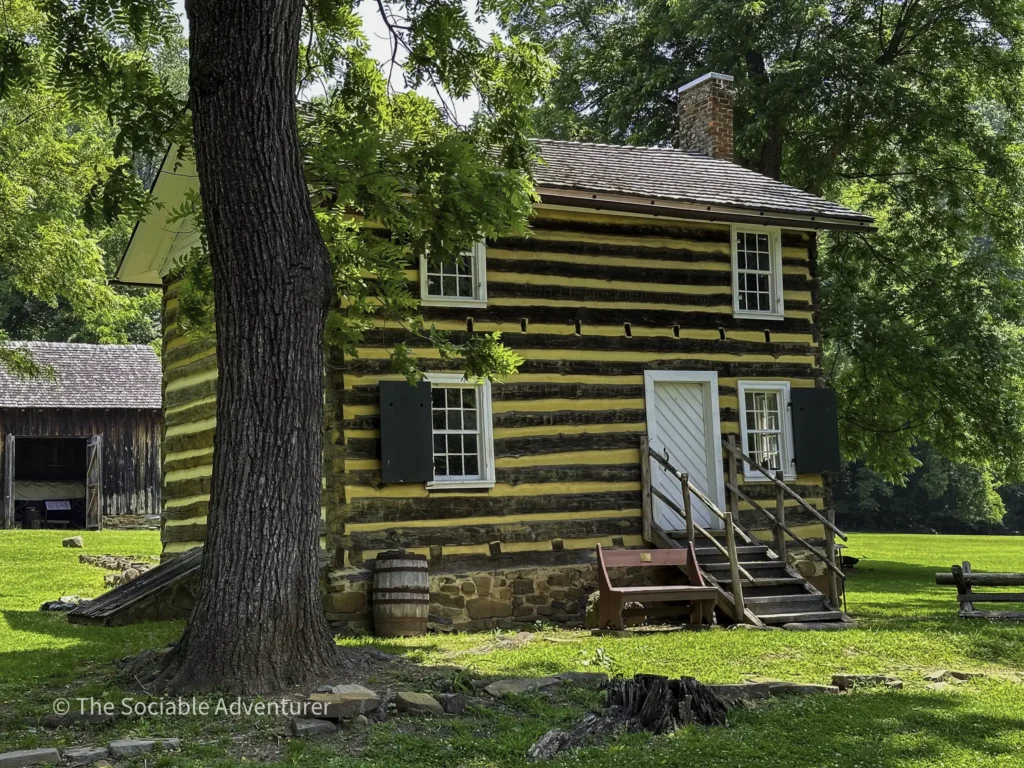
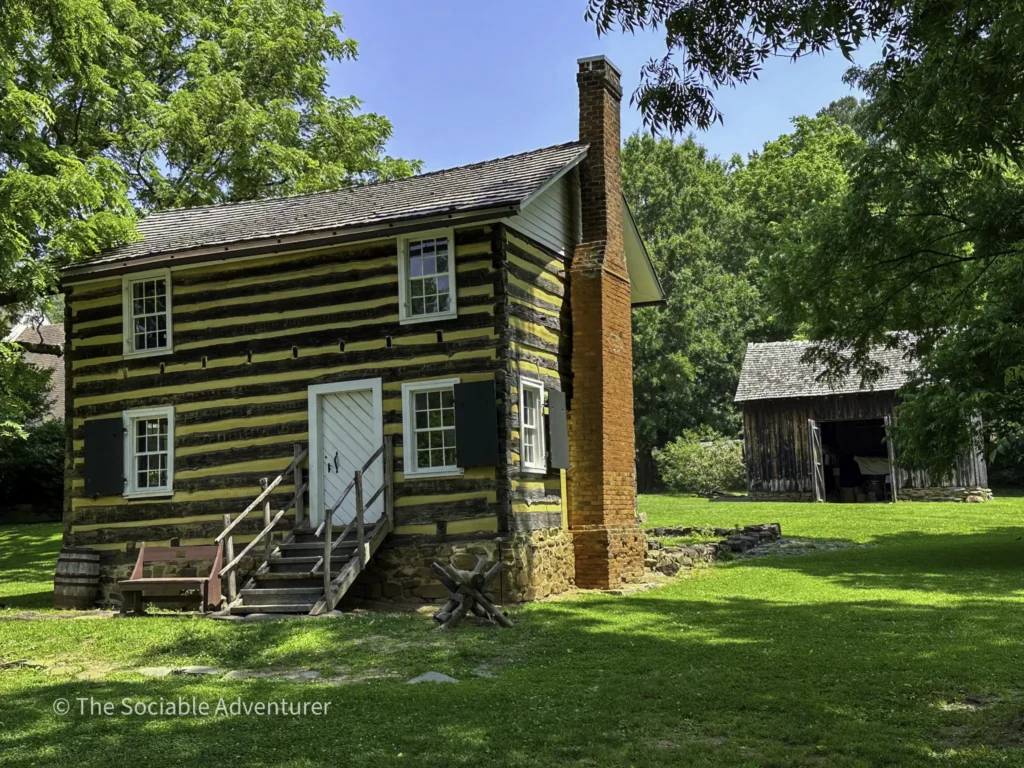
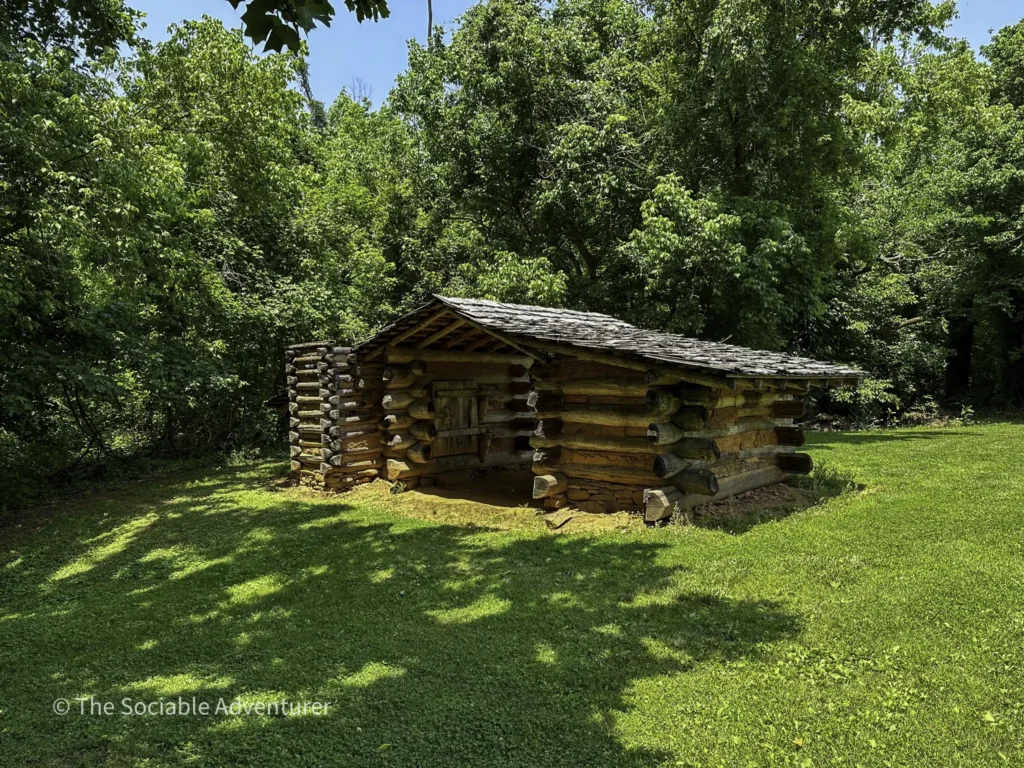
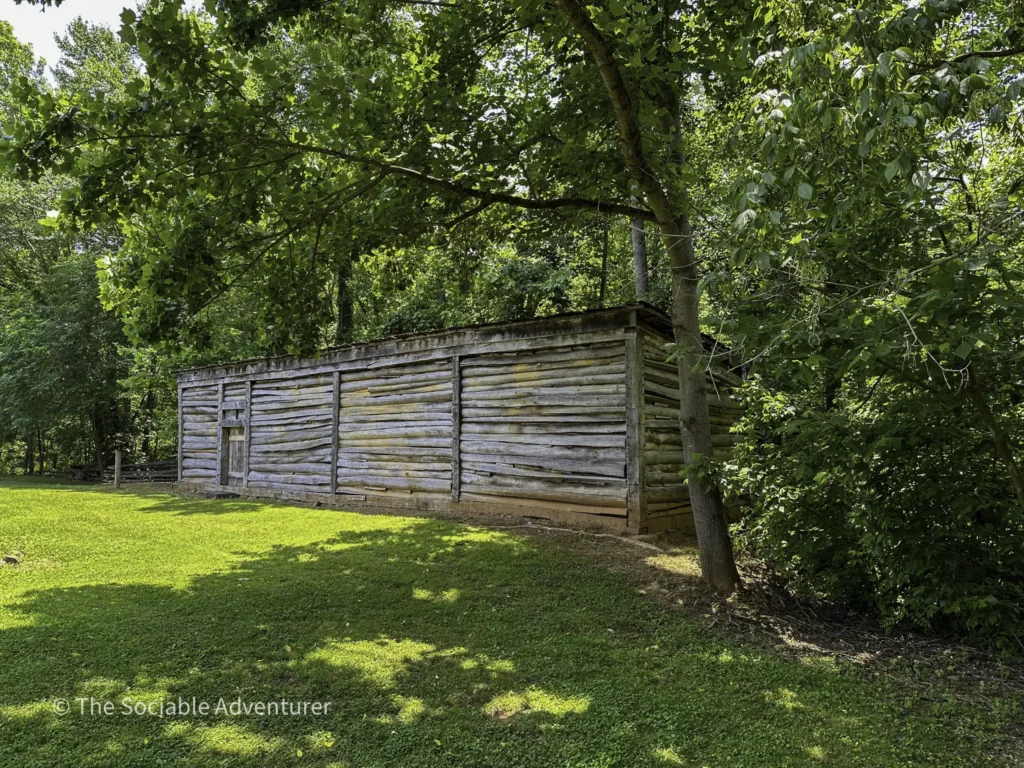
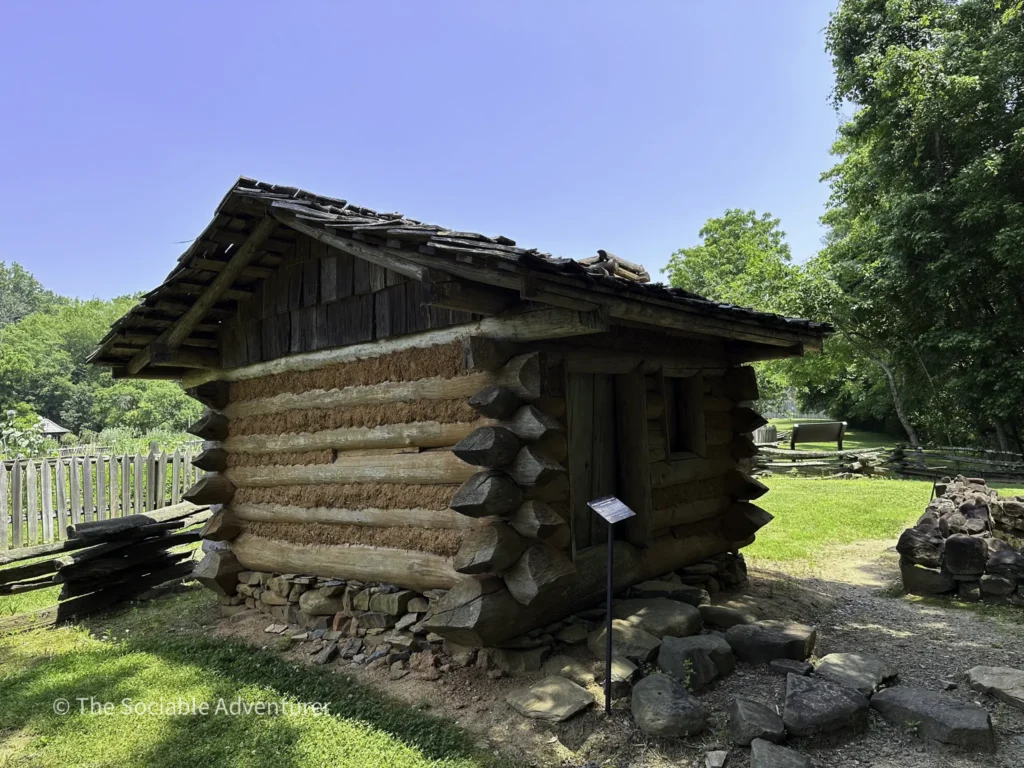
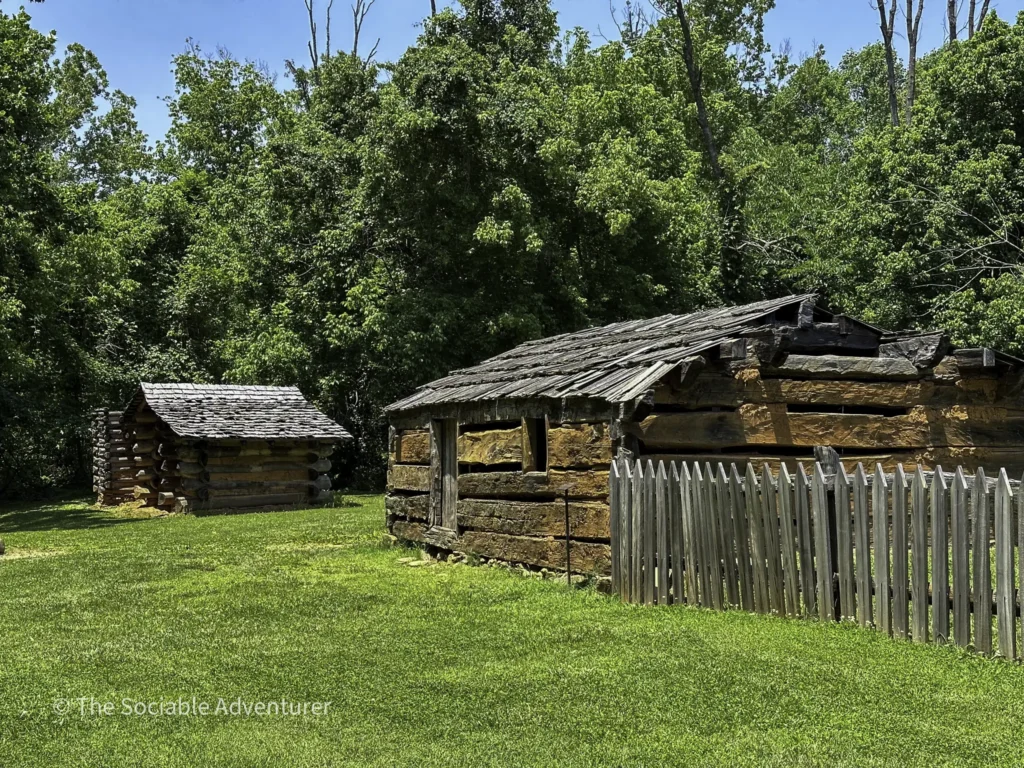
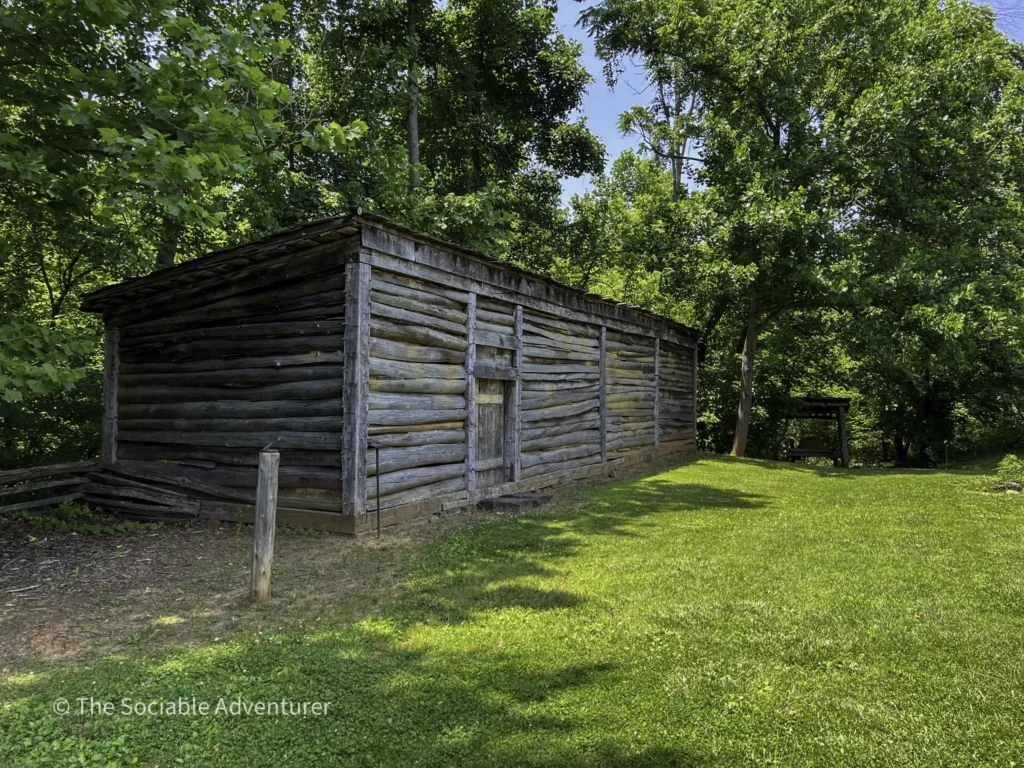
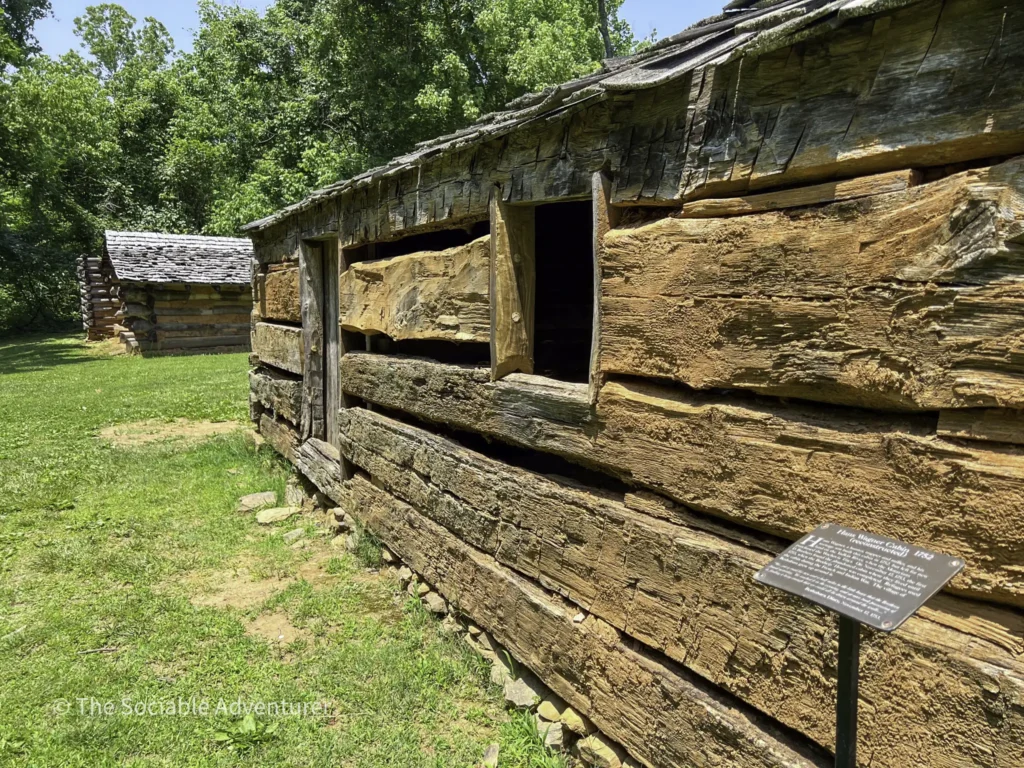
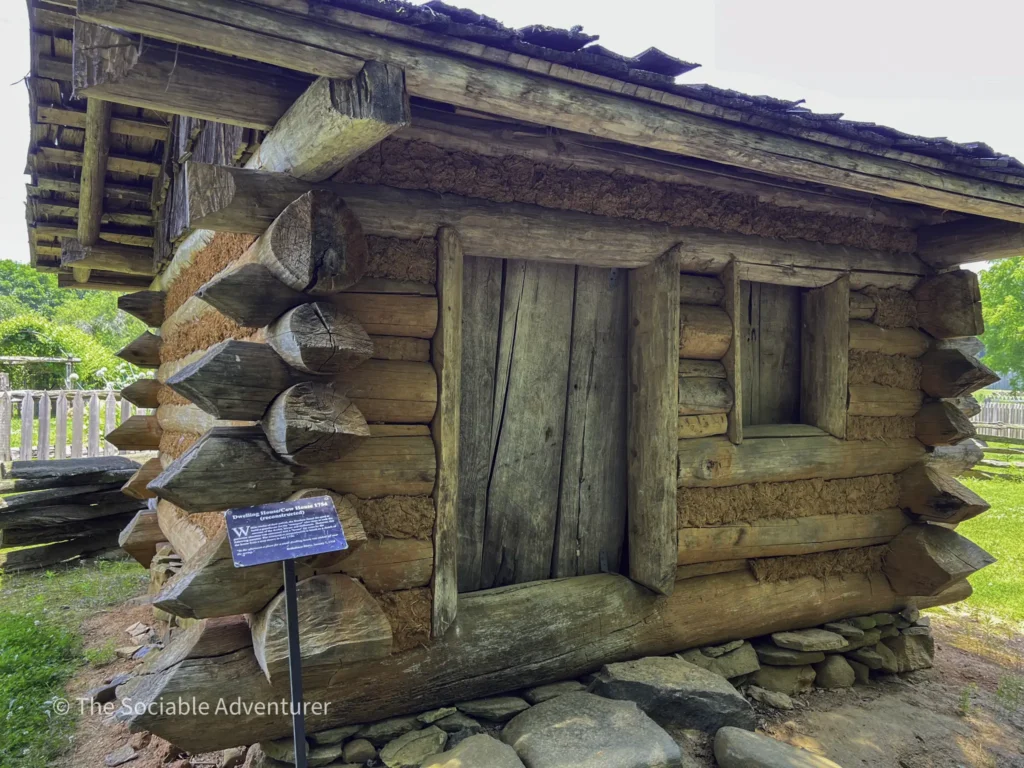
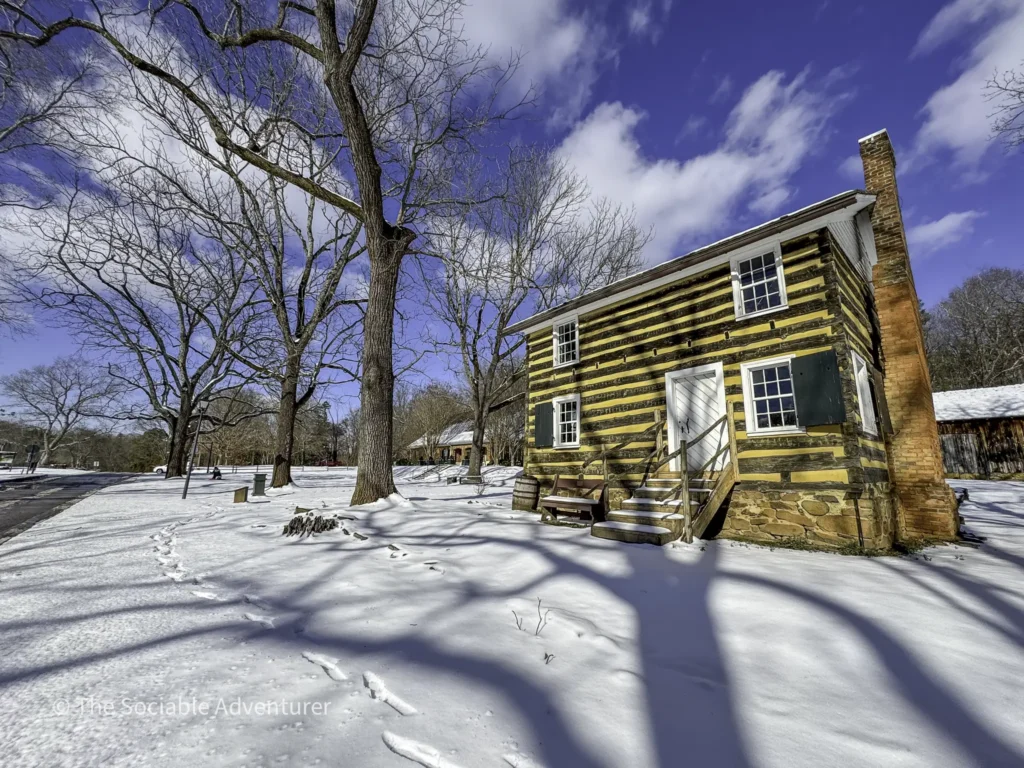
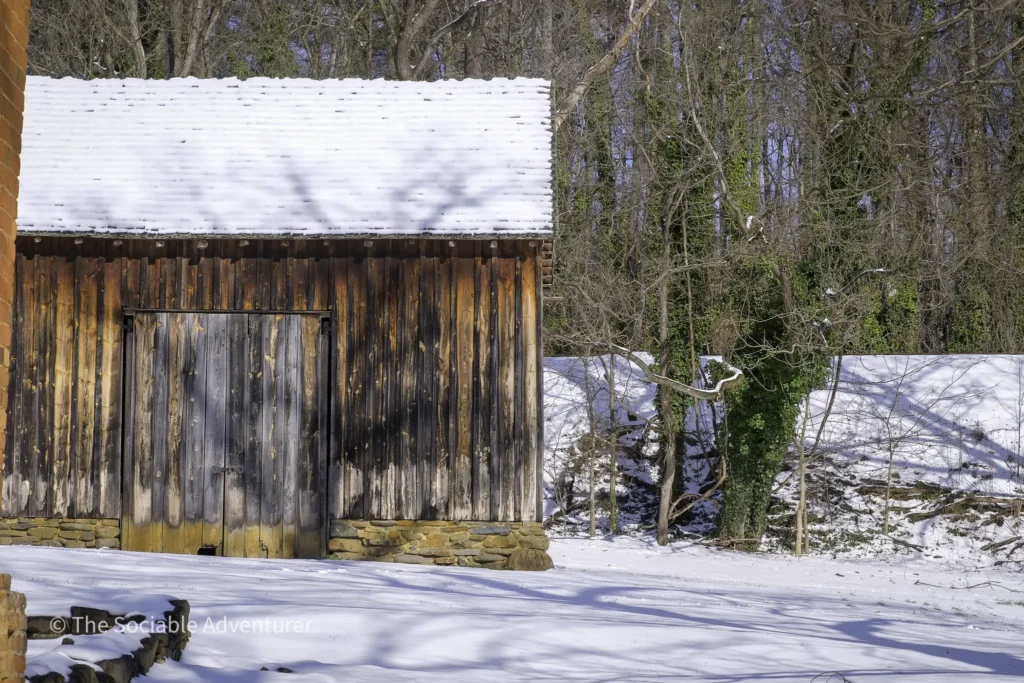
- 1834 Log House — reflecting the community’s continued agricultural role after the Moravian Church’s central administration moved to Salem in 1772
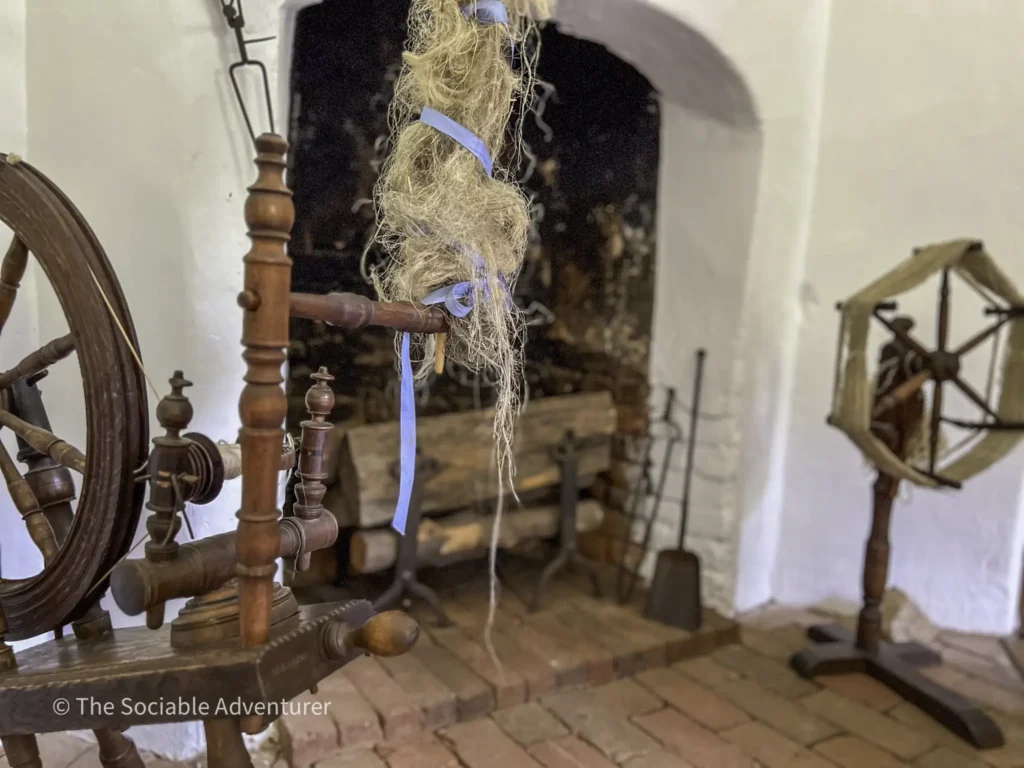
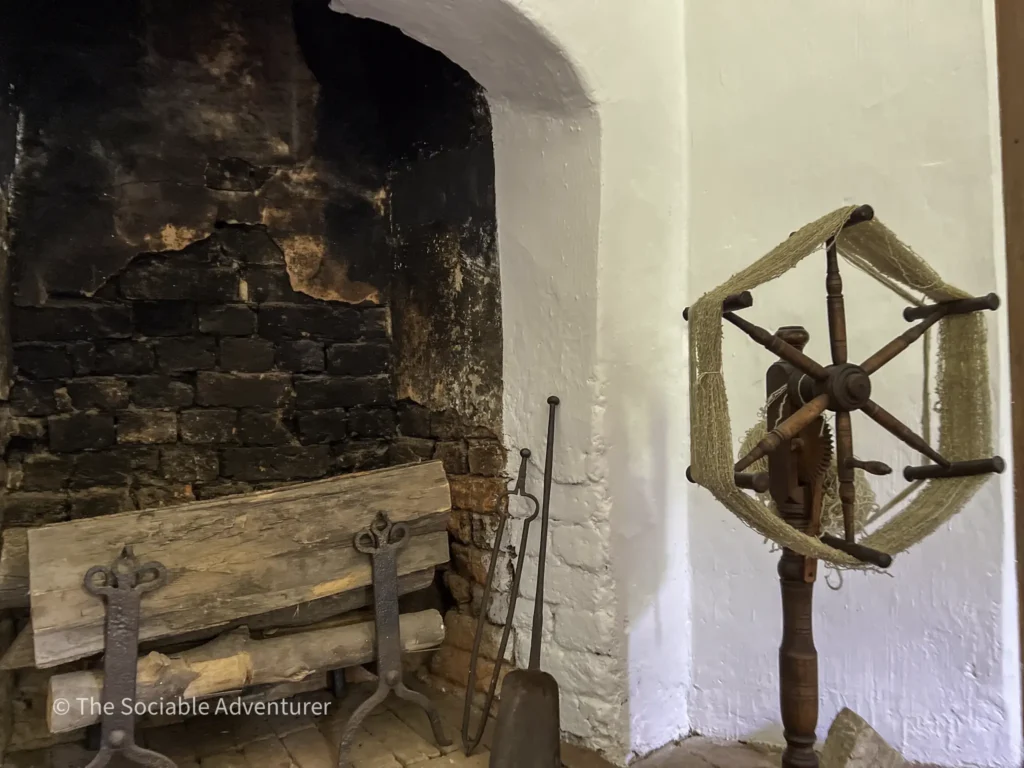
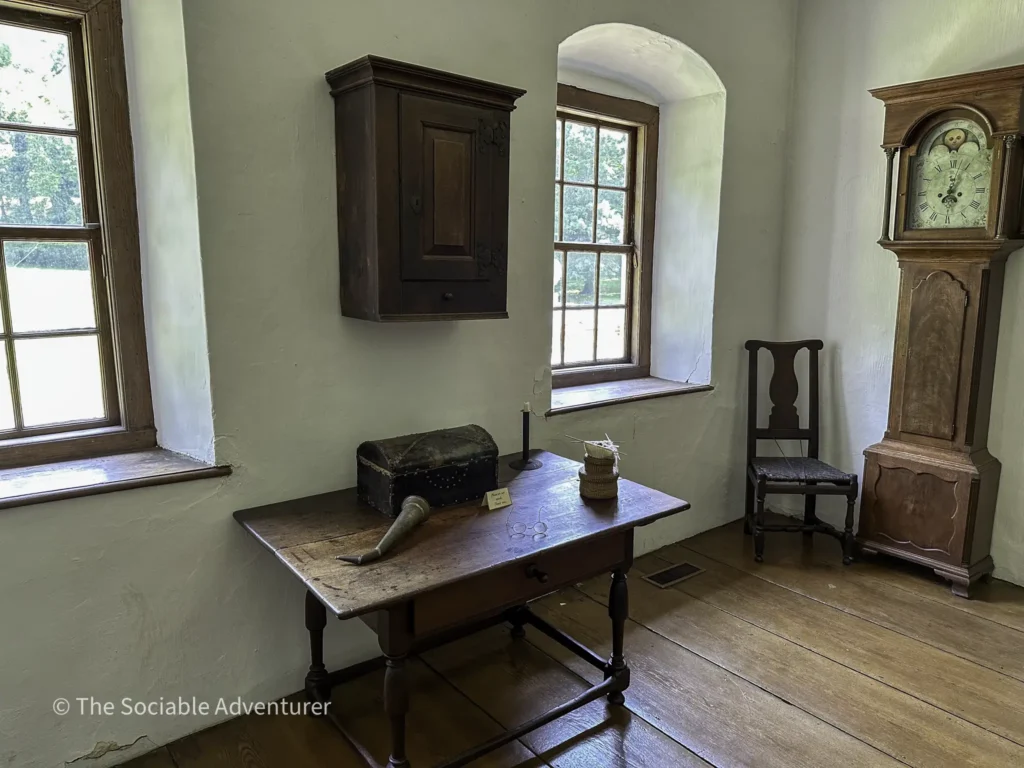
Together, these four original buildings — spanning 52 years of Moravian construction and craftsmanship from 1782 to 1834 — provide a genuinely rare direct architectural connection to colonial- and early-republic-era NC that few other sites in the state can match.
The Modern 183-Acre Park — Trails, Medicinal Garden, and Preservation
Following Salem’s completion in 1766 and the Moravian Church’s move of its Wachovia central administration to Salem in 1772, Bethabara’s population dropped from 104 to 54, and the settlement gradually transformed into a small rural community — eventually earning the nickname “Old Town.” The Moravians continued operating the Bethabara mill until 1814, and the settlement remained an active agricultural community through the early 20th century.
Archaeological excavations in the 1960s rediscovered the site’s significance and inspired Edwin L. Stockton — the founding Chair of Historic Bethabara Park’s Board of Trustees — to lead the effort to preserve Bethabara as an educational historic park. Historic Bethabara Park was formally incorporated as a not-for-profit museum in 1970, and the Visitor Center opened in 1983 (named in Stockton’s honor). The National Park Service designated Historic Bethabara Park a National Historic Landmark in 1999 — one of the most substantial federal historical recognitions available to any US site.
Today, the 183-acre park operates as an open-air museum run by the City of Winston-Salem Recreation & Parks Department. Beyond the historic buildings and reconstructed palisade fort, the property features:
- Over 20 miles of nature trails across the wildlife preserve
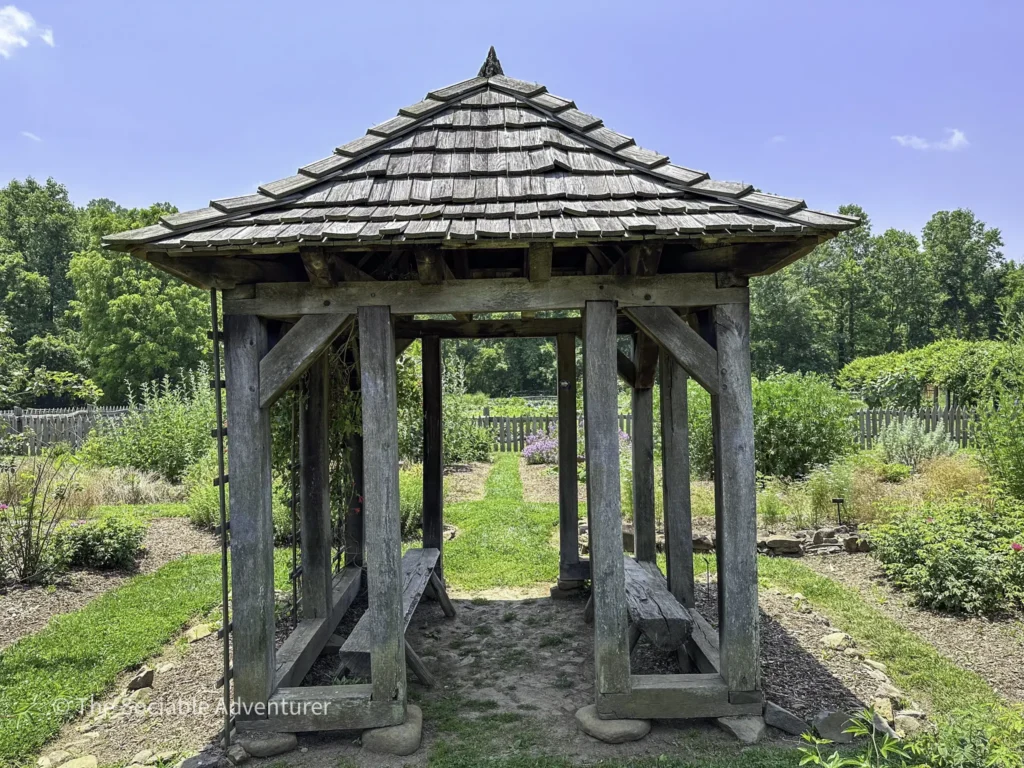
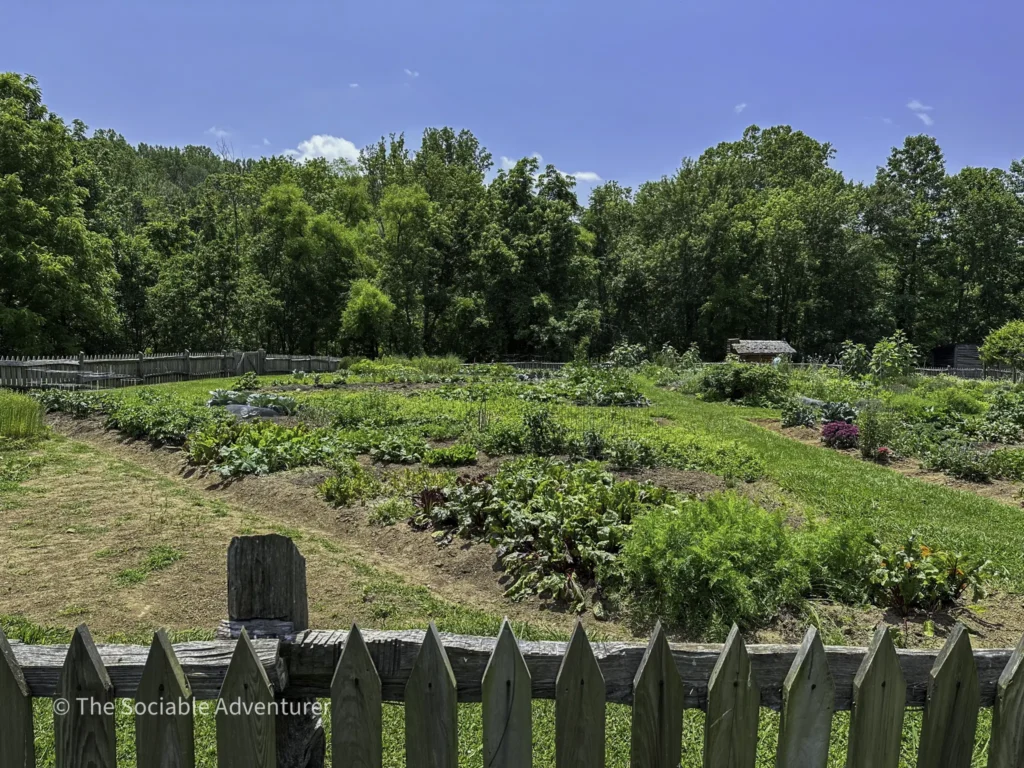
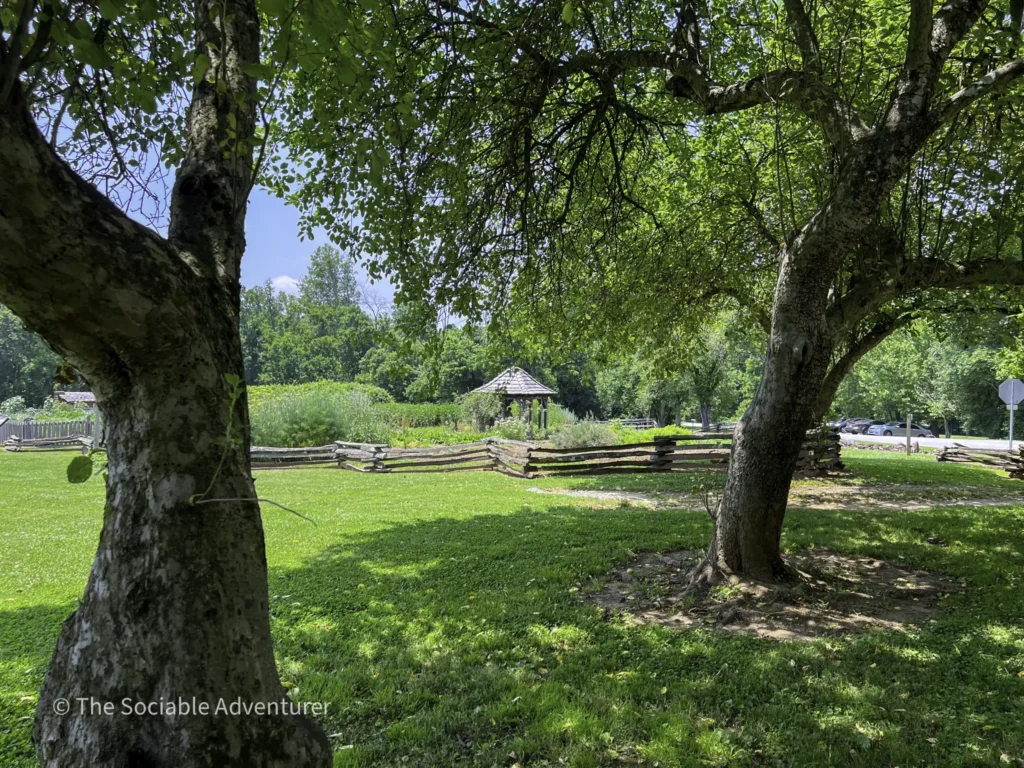
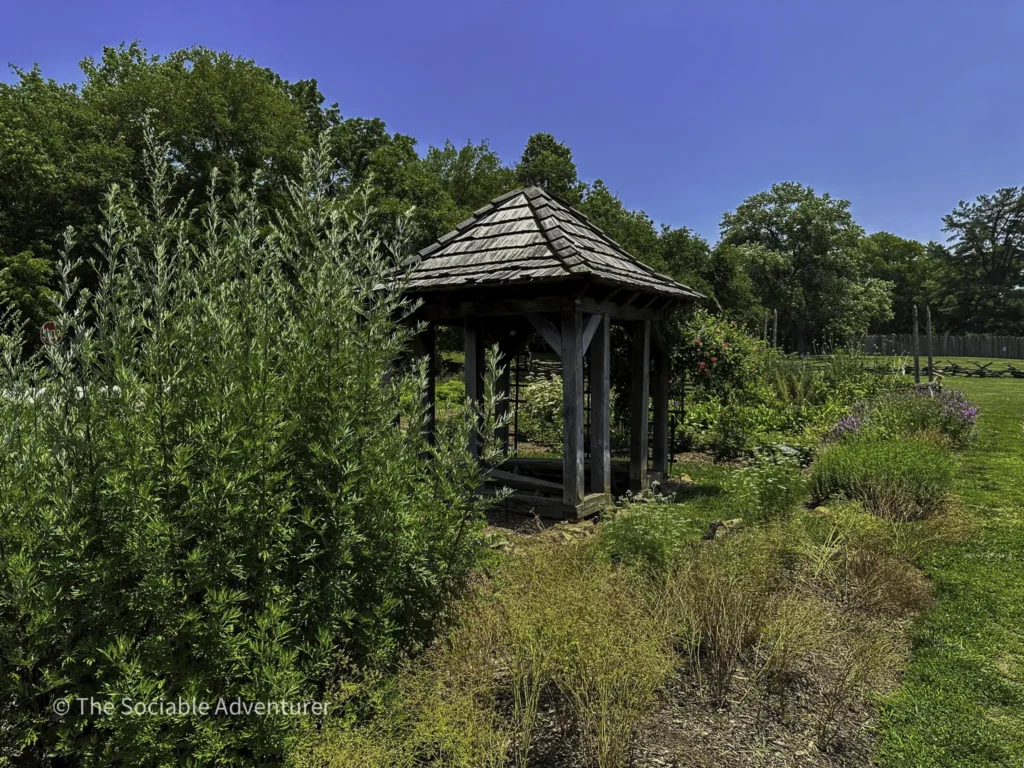
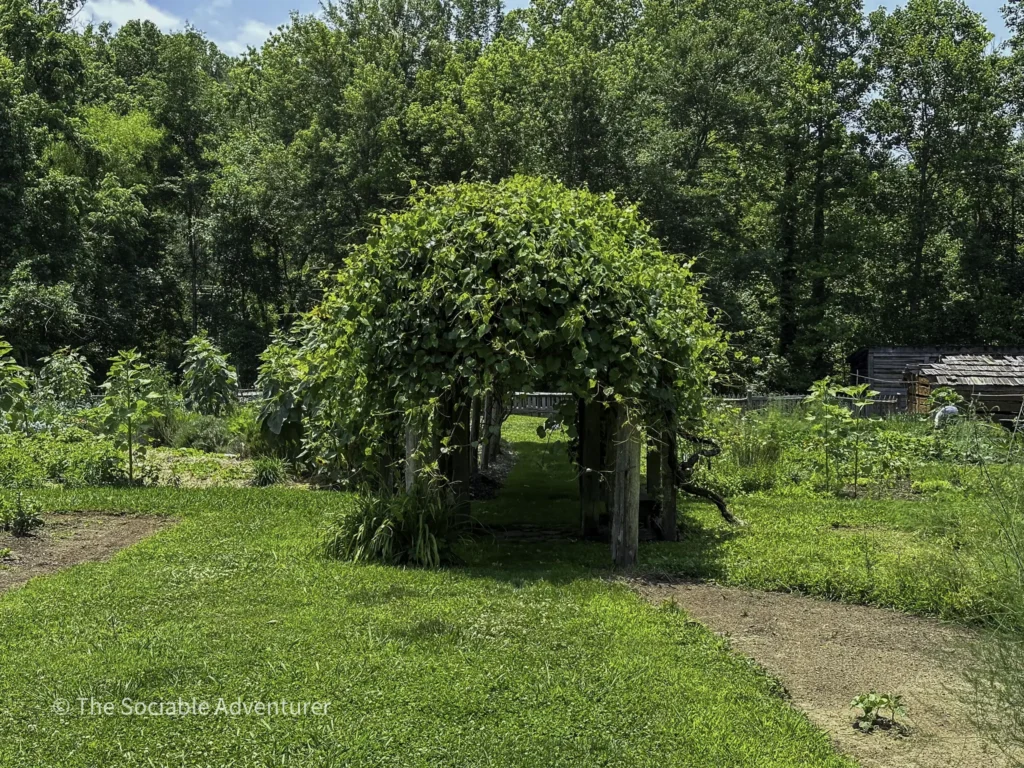
- Historic gardens, including a reconstructed 1761 medicinal garden (functional heirloom plantings)
- Bethabara God’s Acre cemetery
- Protected wetlands
- Bethabara Greenway trails connecting the park to the broader Winston-Salem greenway network
- Free special events, including the annual Independence Weekend Celebration
- Guided tours through the Gemeinhaus and other original buildings
Good to Know
- Location: 2147 Bethabara Road, Winston-Salem, NC 27106
- Size: 183-acre wildlife preserve
- Regional distinction: “The Birthplace of Winston-Salem”; site of the first Moravian settlement in NC; first European settlement in central NC / Piedmont Triad
- Founded: November 17, 1753, by 15 Moravian men from Pennsylvania via the Great Wagon Road
- Name origin: Bethabara = Hebrew “House of Passage” (pronounced “beth-ab-bra”); traditional site of Christ’s baptism in the Jordan River
- Wachovia context: The Moravian Church purchased nearly 100,000 acres in the NC Piedmont in 1752, calling the tract “Wachovia” (Latinized from “die Wachau,” the ancestral Zinzendorf estate in Austria)
- Federal designations: National Historic Landmark (designated 1999 by the National Park Service); listed on the National Register of Historic Places
- Local designation: One of only two local Historic Districts in Winston-Salem
- Modern operating organization: City of Winston-Salem Recreation & Parks Department (open-air museum); Historic Bethabara Park incorporated as a not-for-profit museum in 1970
- Original standing buildings (4):
- 1782 Potter’s House
- 1788 Gemeinhaus — the only surviving 18th-century German-American church with attached living quarters remaining in the United States
- 1803 Distiller’s House
- 1834 Log House
- Reconstructed features: French and Indian War palisade fort; 1754 village; reconstructed 1761 medicinal garden with functional heirloom plantings; colonial village
- Amenities: Over 20 miles of nature trails across the wildlife preserve; historic gardens; Bethabara God’s Acre cemetery; protected wetlands; Bethabara Greenway connection to broader Winston-Salem greenway network; visitor center (opened 1983, named for founding Board Chair Edwin L. Stockton)
- Historical role: First commercial brewery and distillery in NC; largest gristmill in NC backcountry during the mid-1700s (visitors traveled up to 60 miles to trade); defensive center for regional settlers during the French and Indian War (200+ refugees sheltered at Bethabara in 1758)
- Signature annual event: Independence Weekend Celebration
- Guided tours: Available through the Gemeinhaus and other original buildings
- Admission: Free (donations welcome)
- Hours: Check the Historic Bethabara Park website for current specific hours
- Distance from downtown Winston-Salem: Less than a 15-minute drive
- Best for: Colonial American history enthusiasts, Moravian heritage enthusiasts, architecture and historic preservation enthusiasts (especially the Gemeinhaus), families with children (family-friendly programming and open grounds), hikers and nature enthusiasts (20+ miles of trails), and visitors exploring Winston-Salem’s foundational history
- Pair with: The full Winston-Salem attractions cluster; a natural Moravian heritage trilogy combining Historic Bethabara Park with Bethania, NC (the second Moravian Wachovia settlement, established 1759) and Old Salem Museums & Gardens (the planned central Moravian town, established 1766); or Winston-Salem’s flagship museums, including the Reynolda House Museum of American Art, Reynolda Gardens, and the NC Museum of Art – Winston-Salem
A Winston-Salem Highlight
Historic Bethabara Park is genuinely one of the most historically substantial stops we’ve explored anywhere in North Carolina — the kind of place where the depth of preservation and the layering of NC history becomes viscerally apparent. Between the November 17, 1753, founding (predating the American Revolution by more than two decades), the National Historic Landmark designation, the 1788 Gemeinhaus as the last surviving German-American colonial church with attached residence in the entire United States, and the reconstructed French and Indian War palisade fort, Historic Bethabara Park represents a genuinely singular NC historical destination.
The complete Moravian heritage trilogy rounds out the appeal. Between Bethabara (1753 — the first Moravian Wachovia settlement), Bethania, NC (1759 — the second Moravian Wachovia settlement, still the only surviving Germanic-type linear agricultural village in the American South), and Old Salem Museums & Gardens (1766 — the planned central Moravian town), the greater Winston-Salem region genuinely preserves one of the most substantial Moravian heritage clusters anywhere in the United States.
Combined with the 183-acre wildlife preserve, the over 20 miles of nature trails, the reconstructed 1761 medicinal garden, the free admission, and the “Birthplace of Winston-Salem” identity anchor, Historic Bethabara Park has become one of the most consistently rewarding historical destinations anywhere in the greater Forsyth County / Piedmont Triad region — and a genuine anchor of North Carolina’s colonial heritage landscape.
Resources
Historic Bethabara Park Website
Historic Bethabara Park Facebook
Location
Social Media
@thesociableadventurer Bethabara was the first European settlement in central North Carolina, founded in 1753 by German-speaking Moravians. Now a National Historic Landmark and Local Historic District, the park offers an array of amenities for guests to enjoy. The 183-acre property offers walking trails, protected wetlands, historic buildings, and a medicinal garden. Although we didn't get to walk any trails on our most recent visit, we loved talking with the staff and taking a guided tour through Geimenhaus, the only German colonial church and living quarters left in the United States. Location: 2147 Bethabara Road, Winston-Salem, NC 27106 @Visit NC @DiscoverTheCarolinas @thegotowinstonsalem @visitwinstonsalem @Year of the Trail #VisitWS #DTWS #WinstonSalemNC #Winston-Salem #Winston-SalemNC #ForsythCounty #ForsythCountyNC #BethabaraPark #NationalHistoricLandmark #NHLYes #Moravian #MoravianChurch #Geimenhaus #EuropeanSettlement #VisitNC #myNC #CelebratingNC #ExploreNC #ExploreLocal #LocalTrails #PreservedWetland #Birdwatching #HistoricSite #HistoricLandmark #MedicinalGarden #CommunityGarden #HistoricWS #HistoricWinstonSalem #NCHistory #NCHistoricSite #HistoryInNC #NC #bestofthetarheelstate #discovernc #discovercarolinas #discoverthecarolinas #NCAdventures #AdventureNC ♬ Old Ties and Companions – Watchhouse
Historic Bethabara Park is a special landmark located in Winston-Salem, North Carolina. It gives visitors a peek into the region's fascinating colonial history. The park was established in 1753 by Moravian settlers and was the first Moravian settlement in North Carolina. @VisitNC pic.twitter.com/t0GgehHUIq
— The Sociable Adventurer (@TheSociableAdv) March 25, 2024

Your Complete Guide to Hiking Trails at Elk Knob State Park
Elk Knob State Park is one of North Carolina’s most rewarding mountain destinations — a 4,400-…
A Complete Guide to the Trails at Carolina Beach State Park
Tucked along the Cape Fear River on Pleasure Island, Carolina Beach State Park is one of southeaster…

The Complete Guide to Hiking Trails in Lansing, NC
Set in the rolling hills of Ashe County, just a stone’s throw from the Virginia and Tennessee …

Exploring Ashe County Park: A Hiker’s Guide to North Carolina’s Mountain Gem
If you’re searching for the best hiking trails at Ashe County Park in North Carolina, you̵…
Mountain Masterpieces: A Guide to the Ben Long Frescoes of Ashe County
In the quiet corners of Ashe County, where the Blue Ridge Mountains meet peaceful valleys, thereR…
Granite, Grunts, and Glory: A Day on the Stone Mountain Loop Trail
The Stone Mountain Loop Trail is the signature hike at Stone Mountain State Park in North Carolina —…