
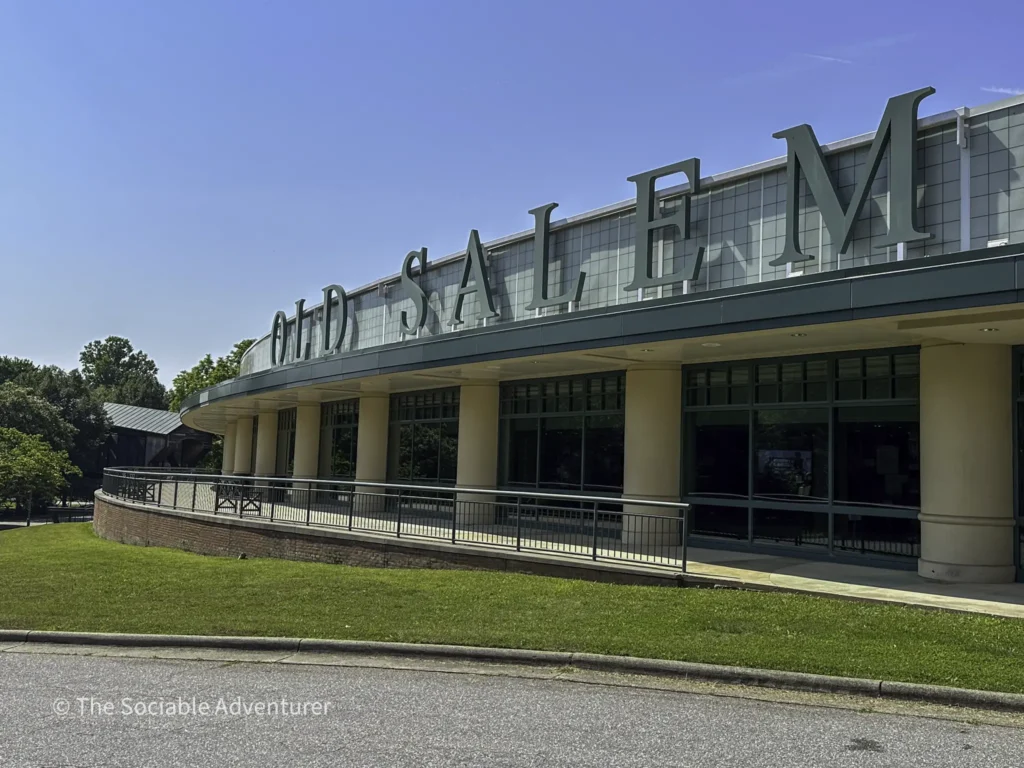
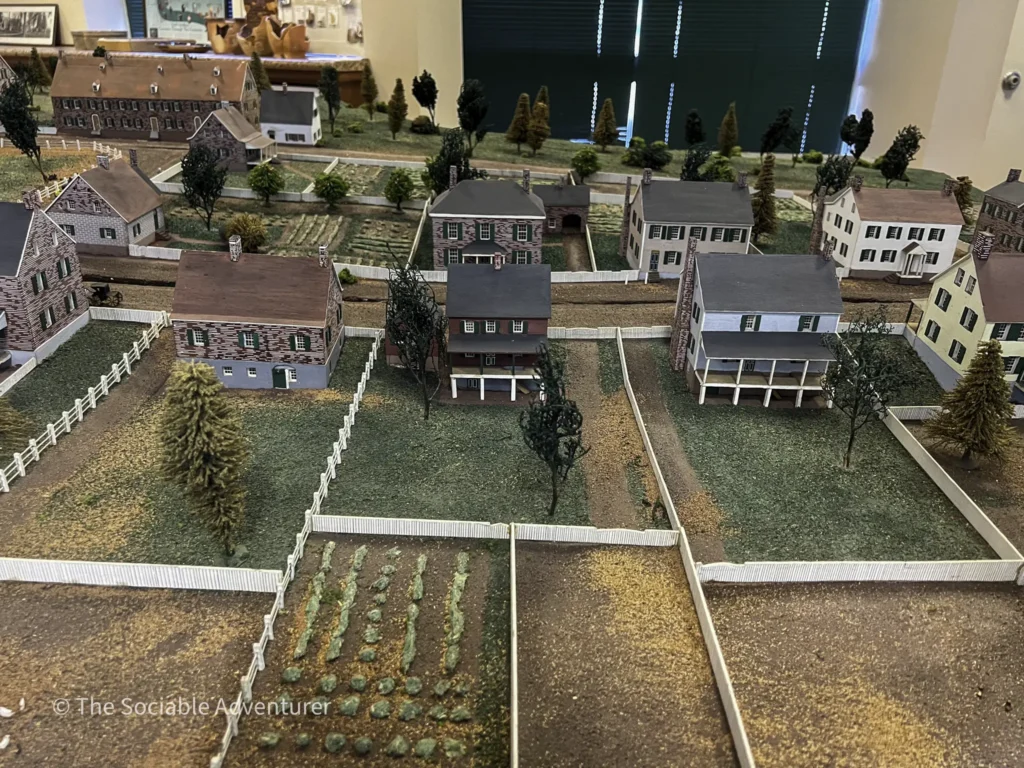
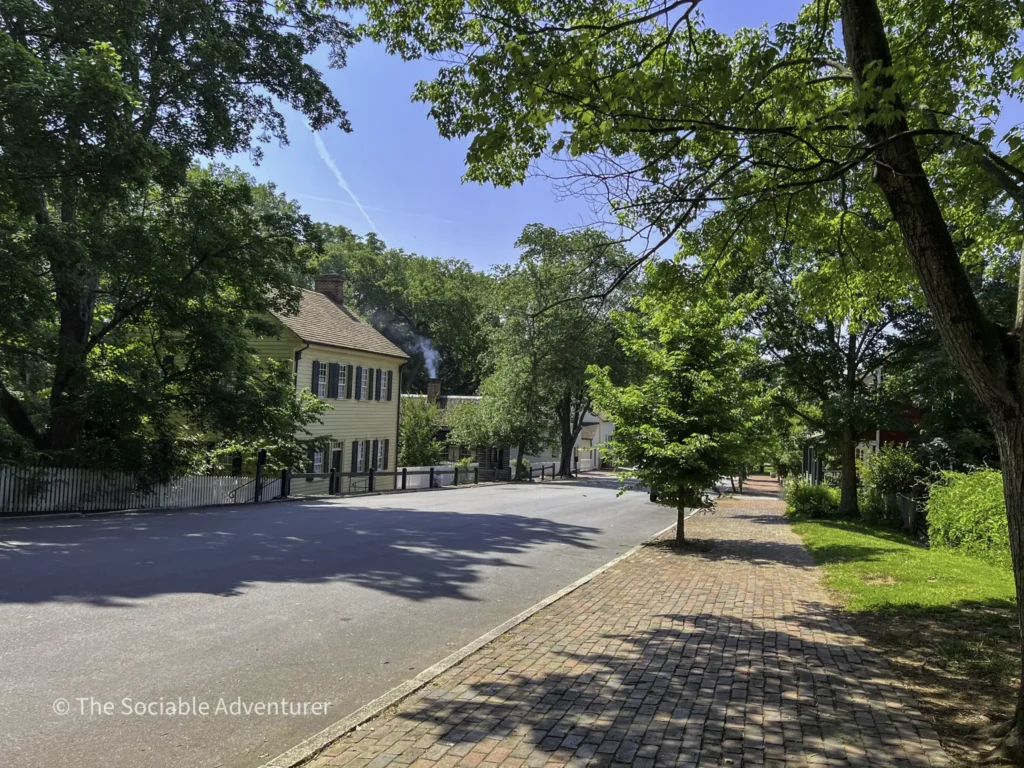
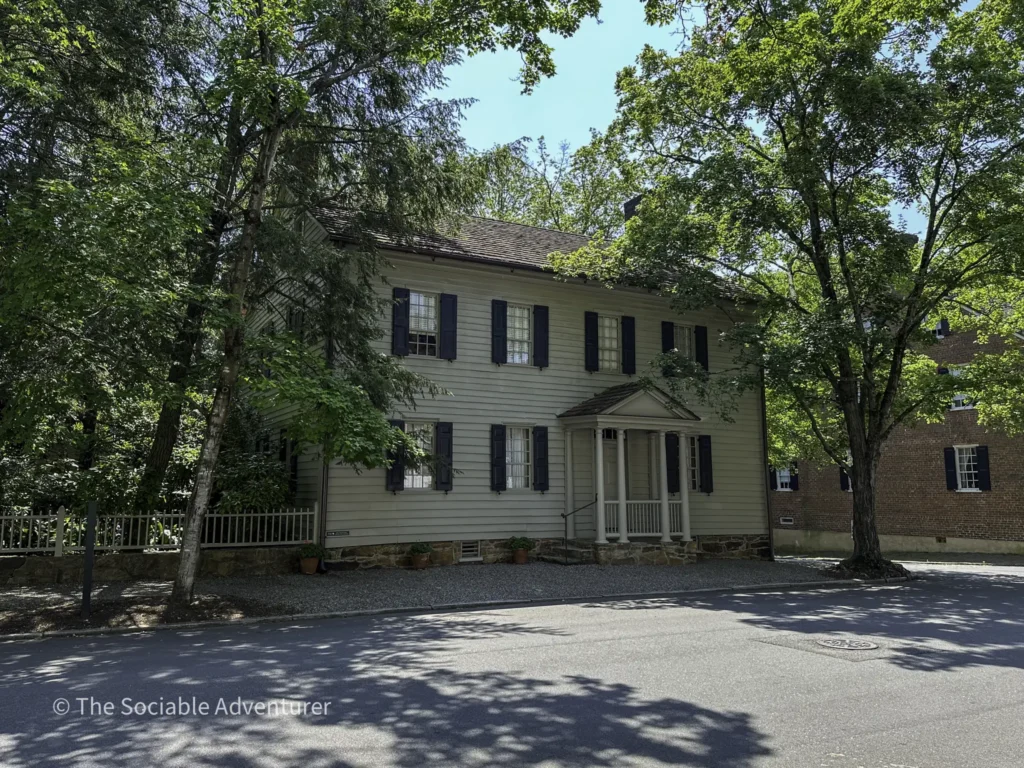
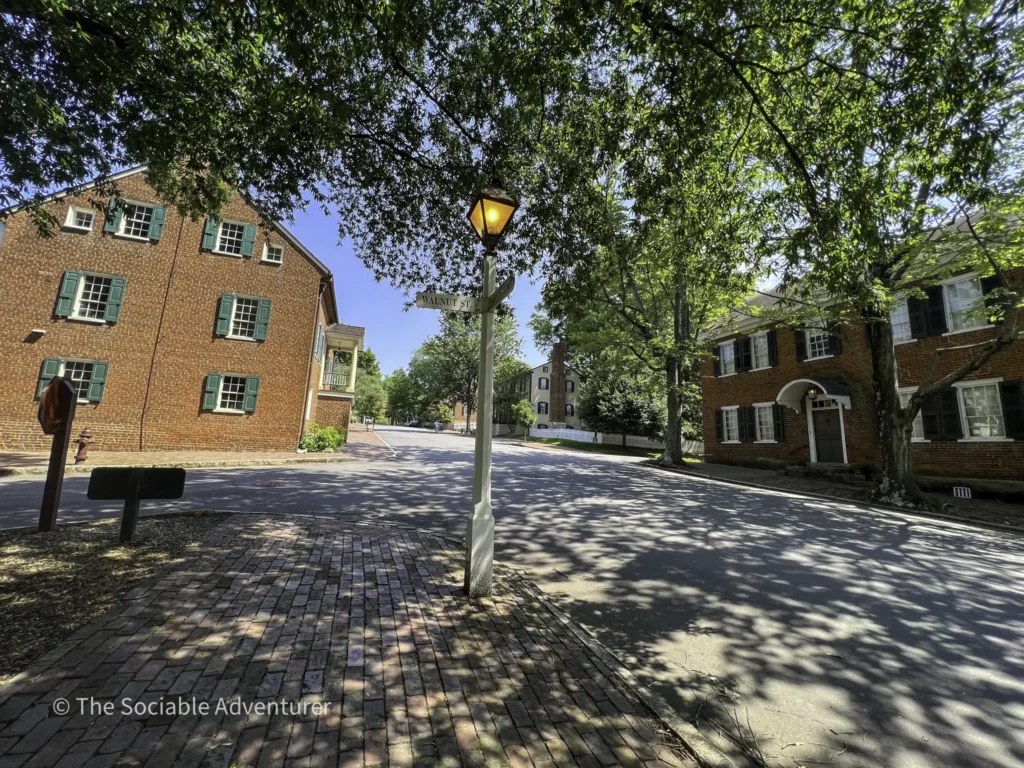
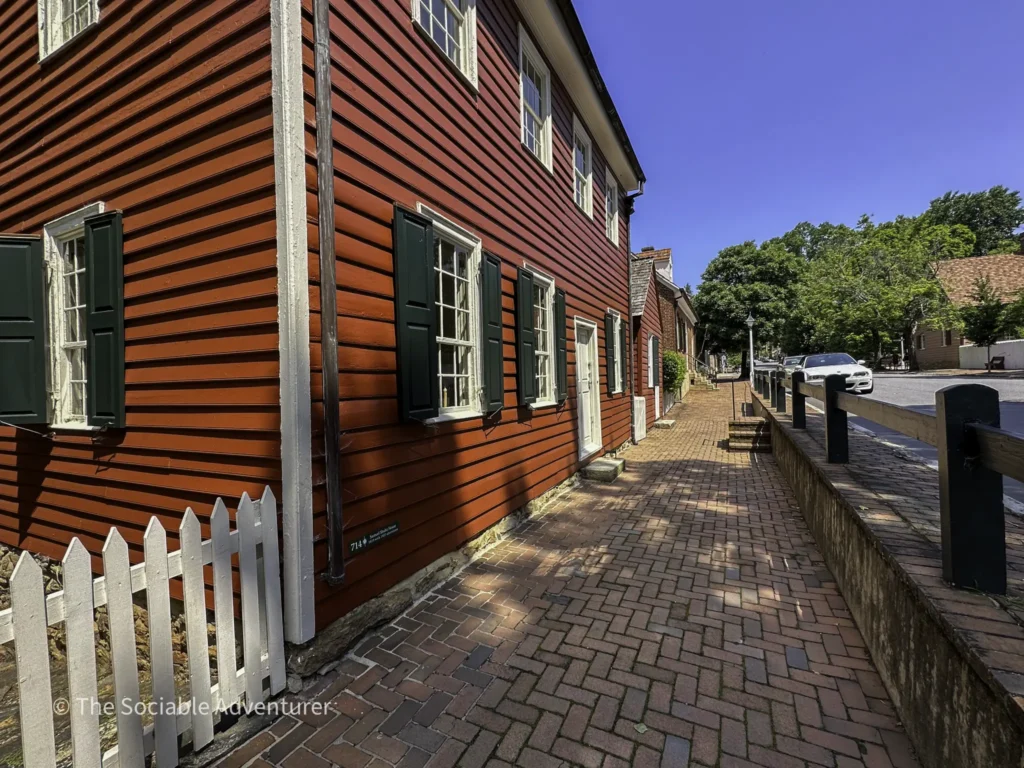
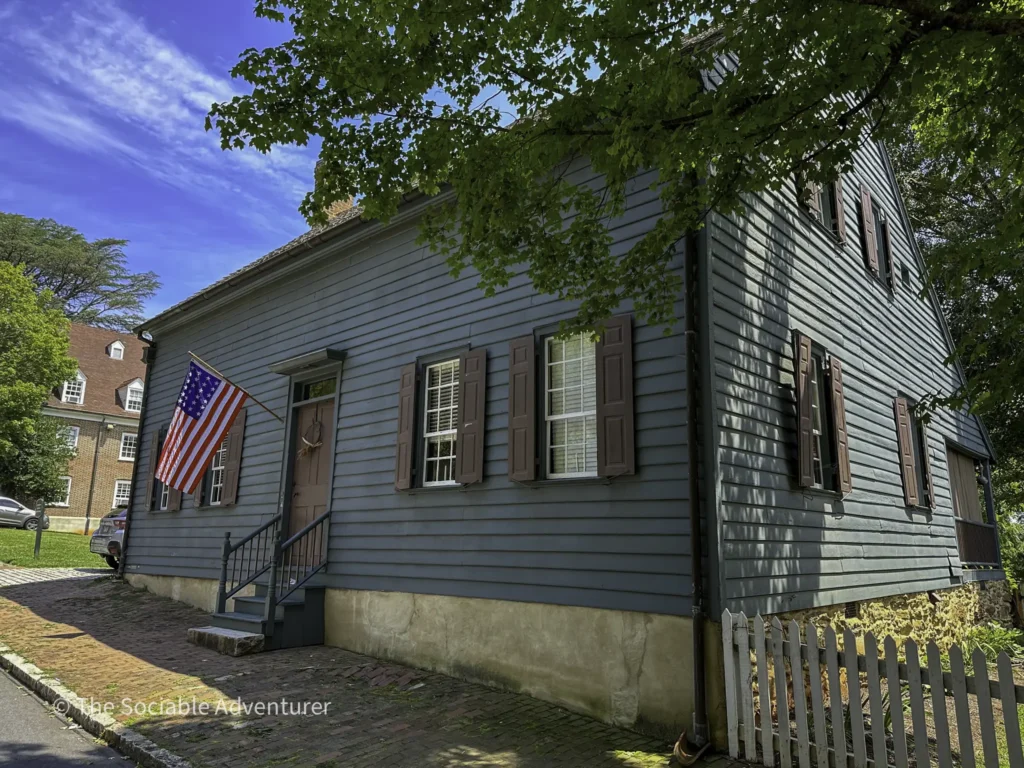
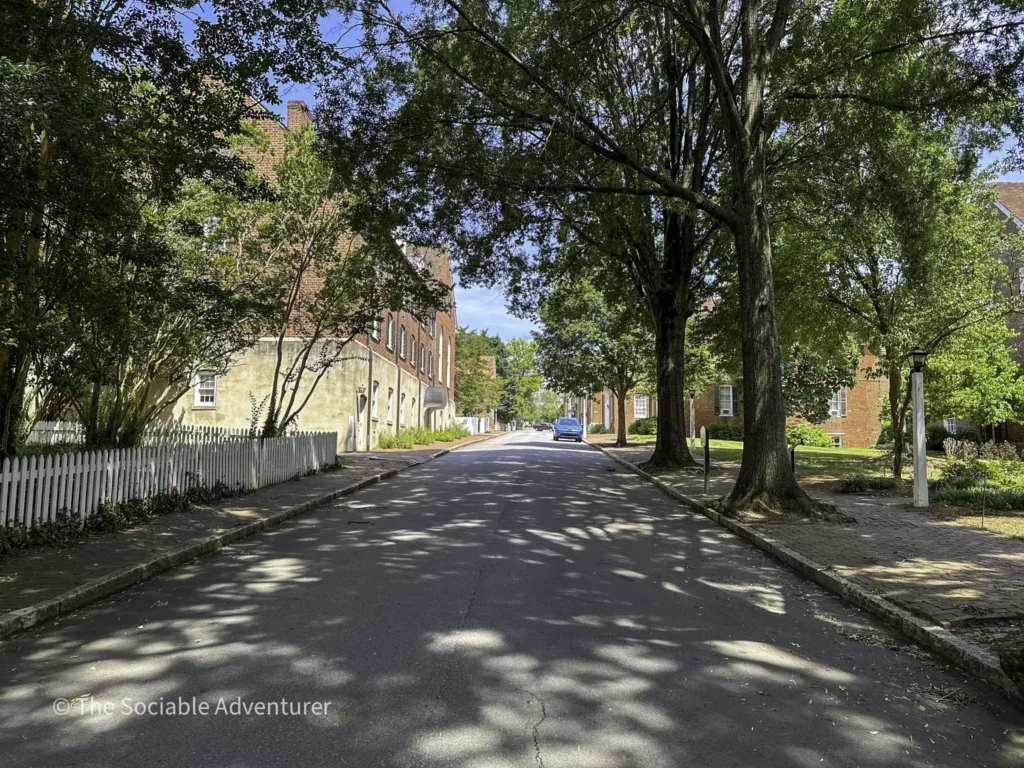
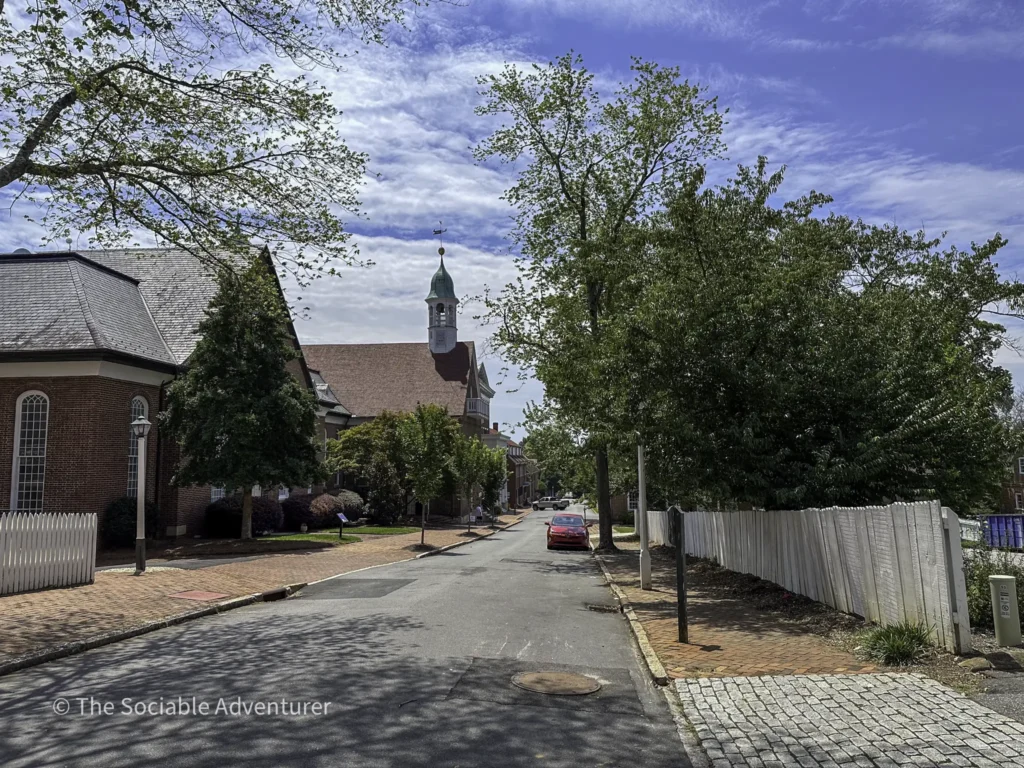
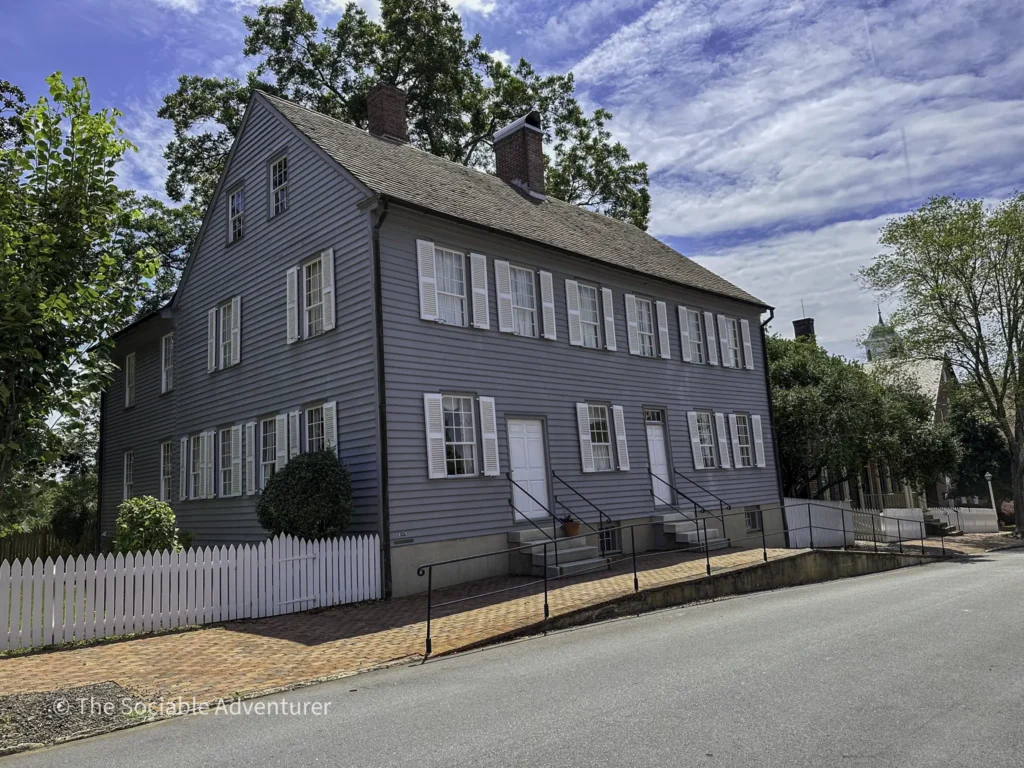
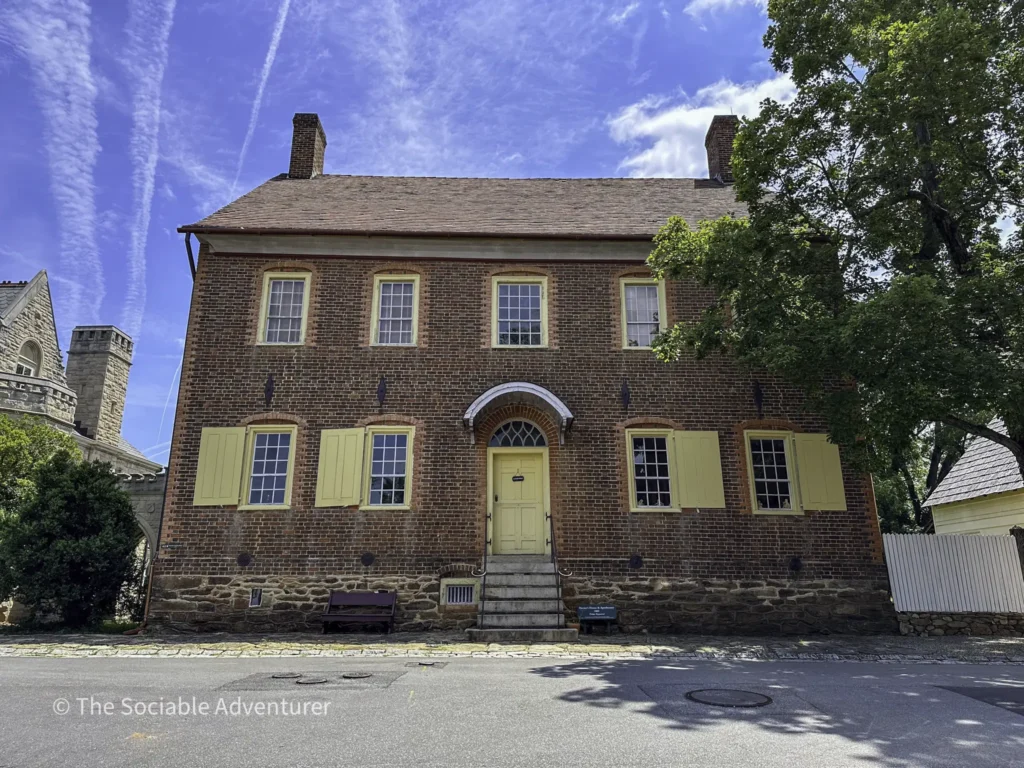
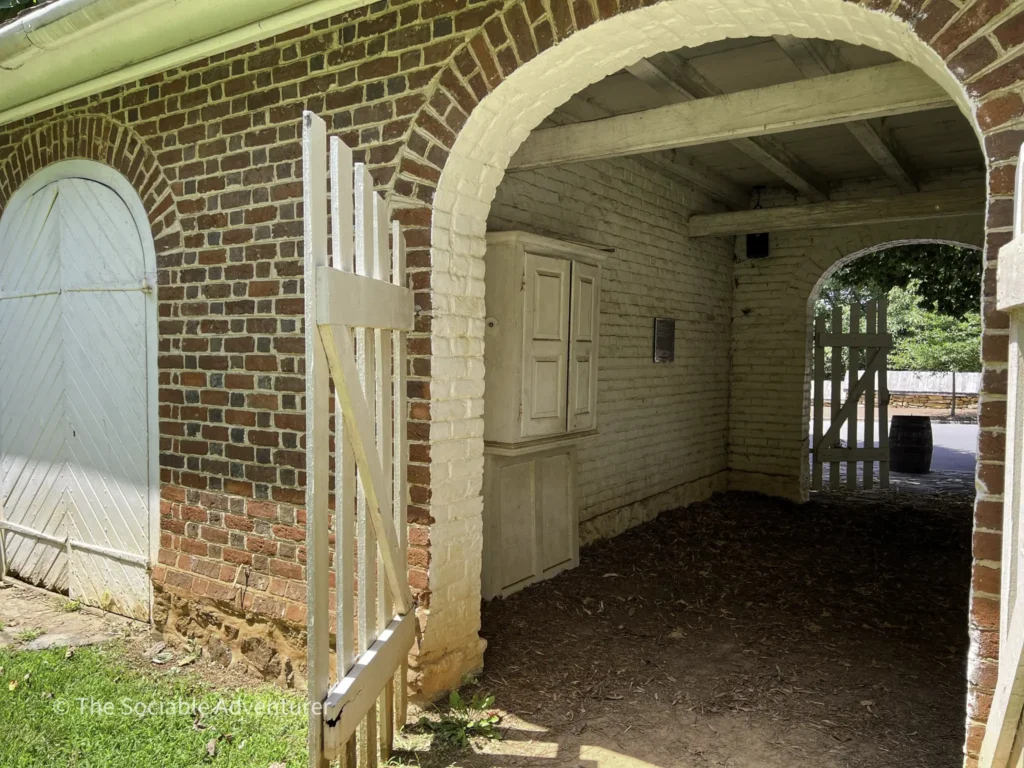
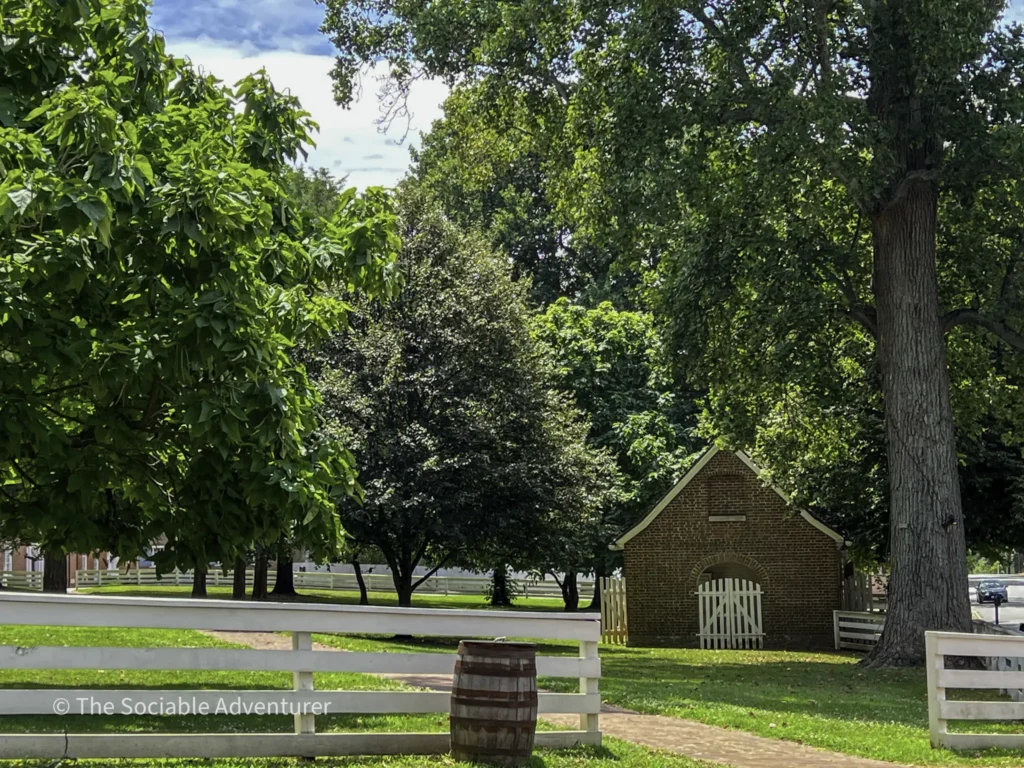
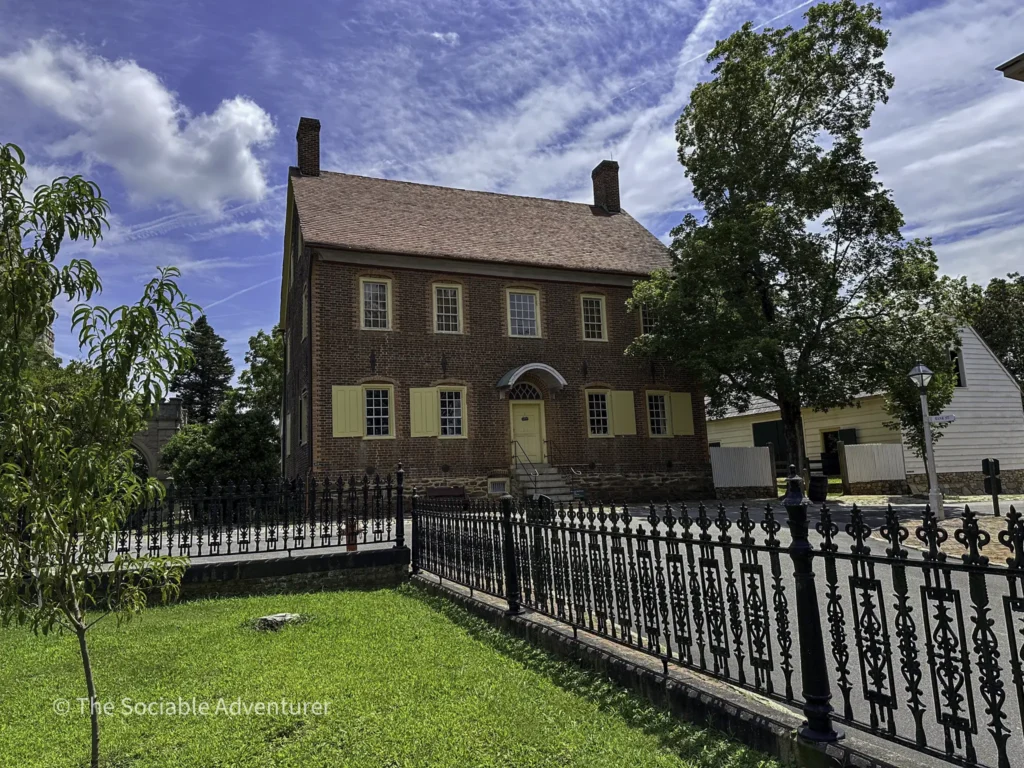
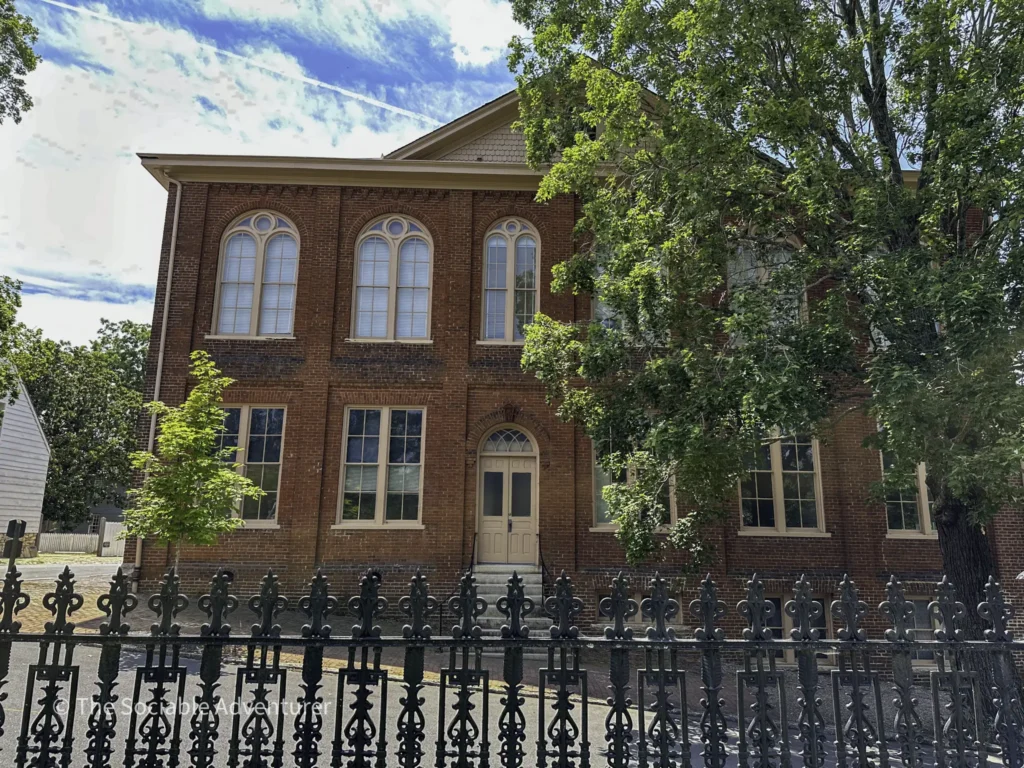
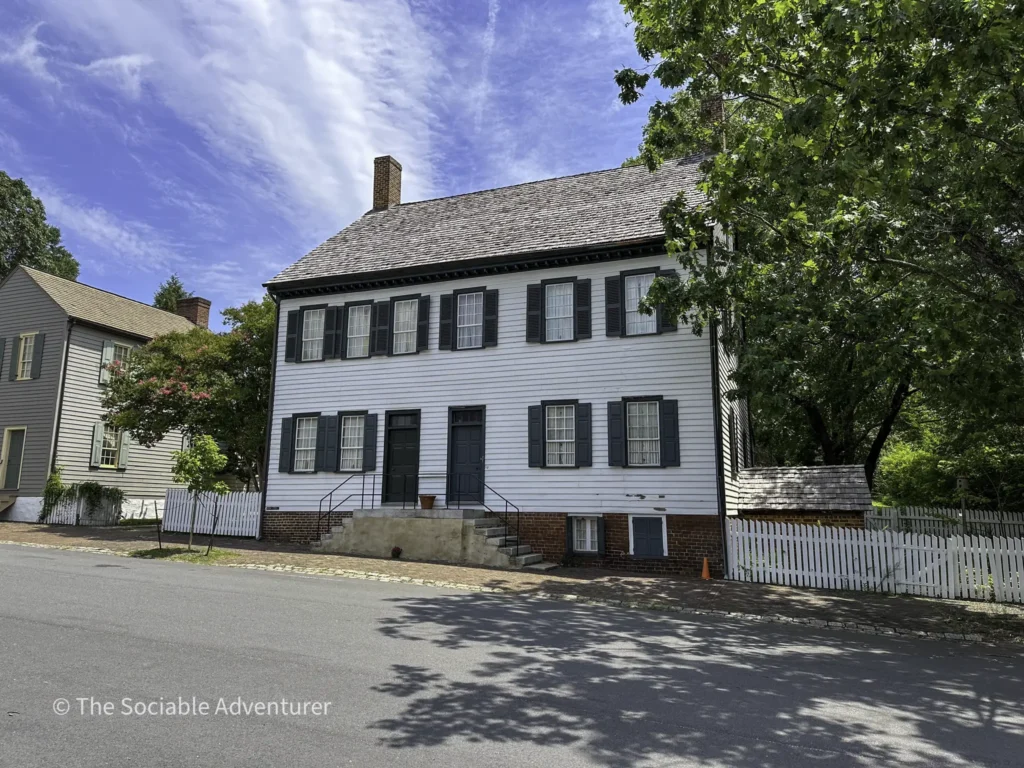
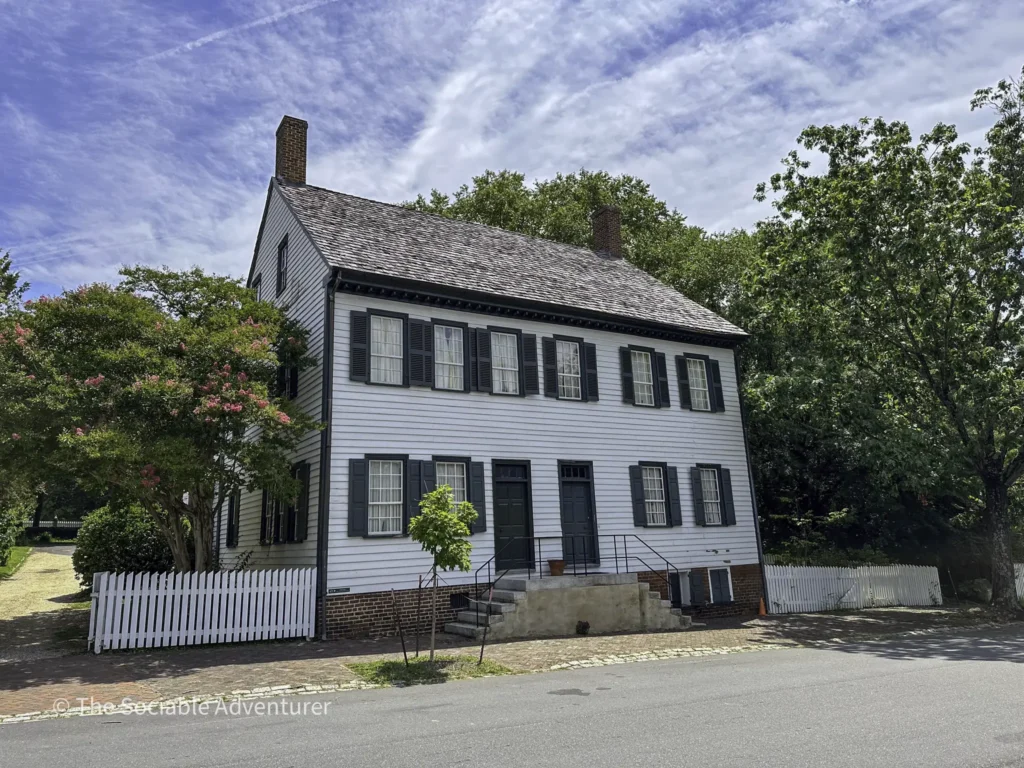
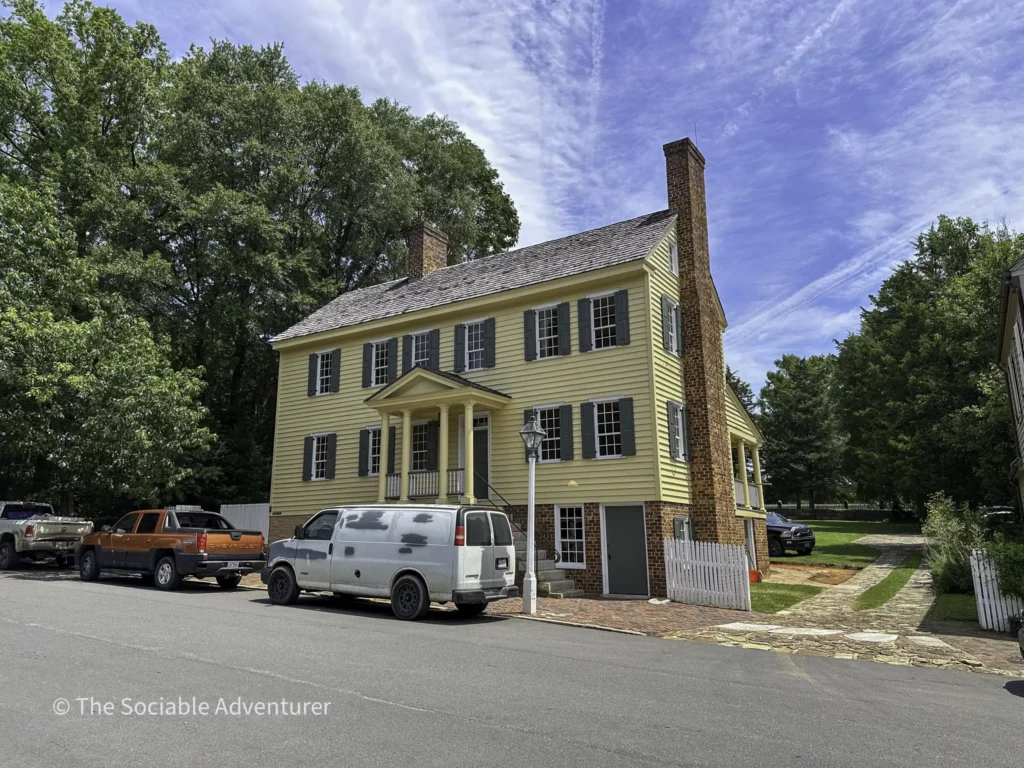
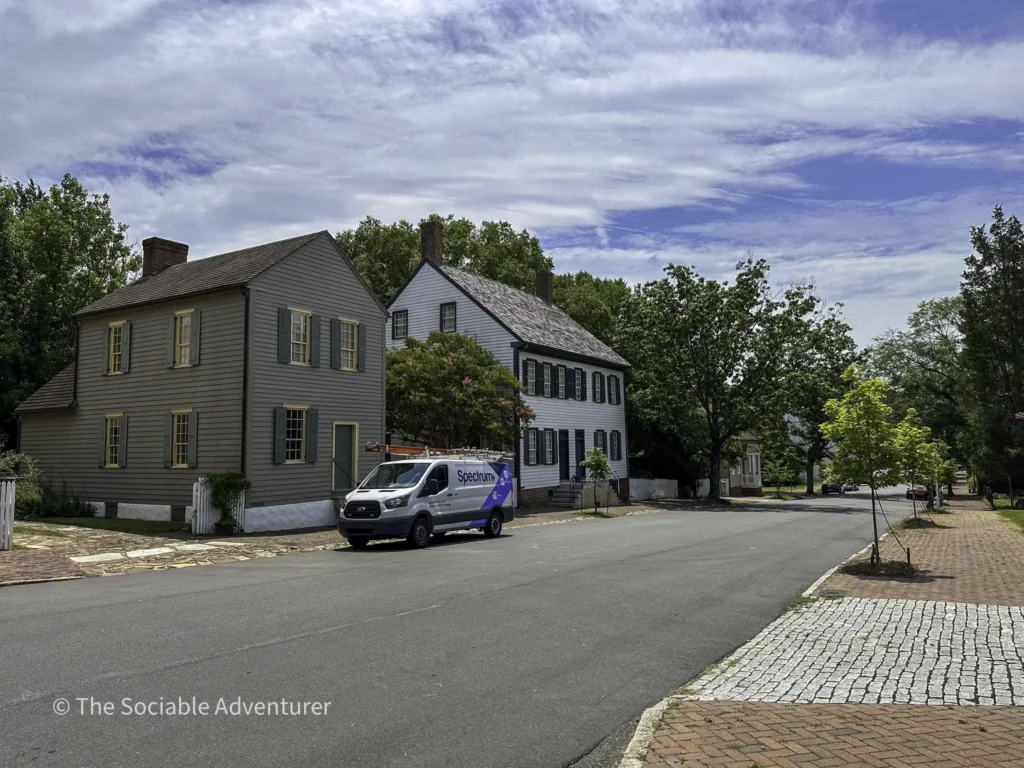
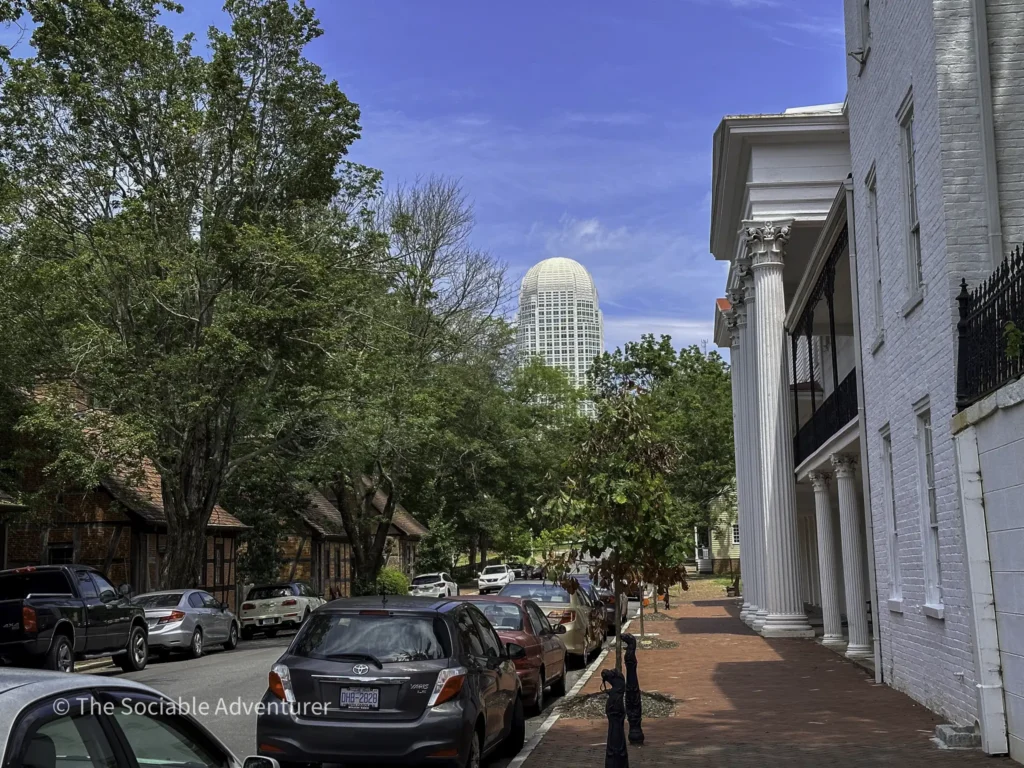
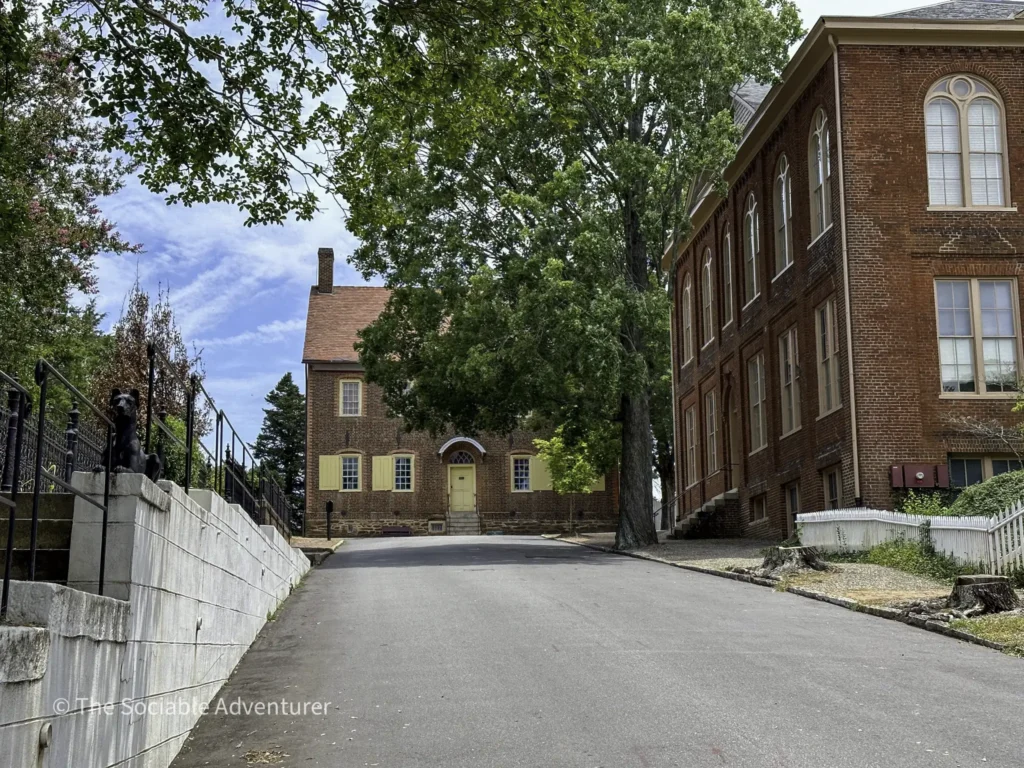
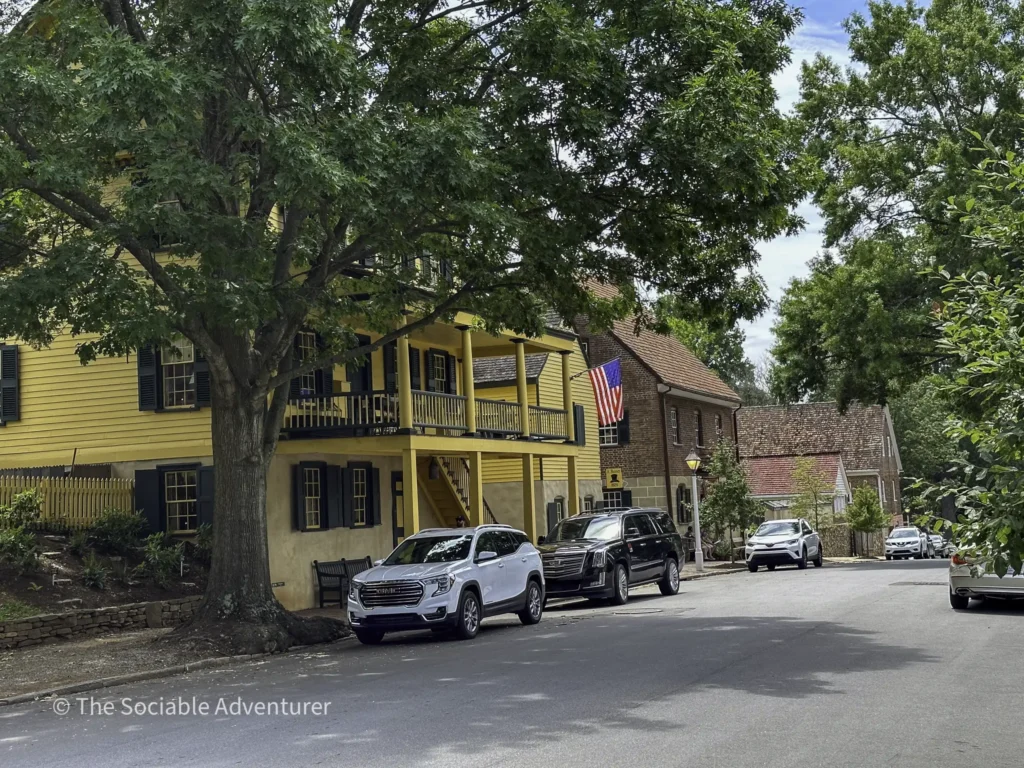
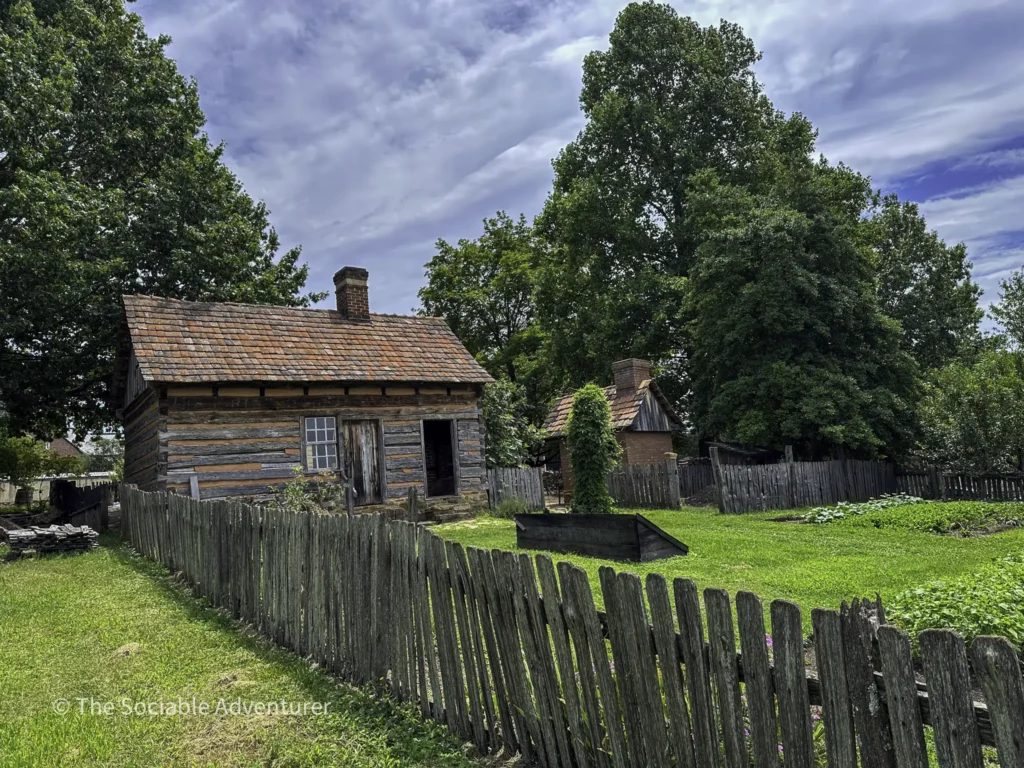
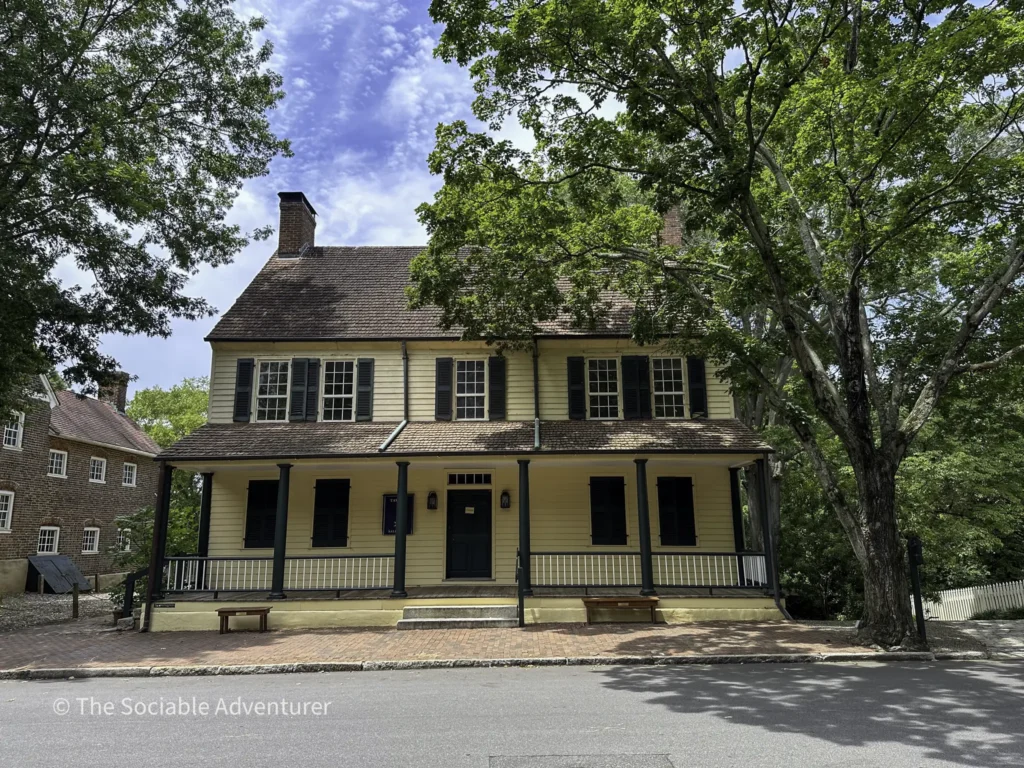
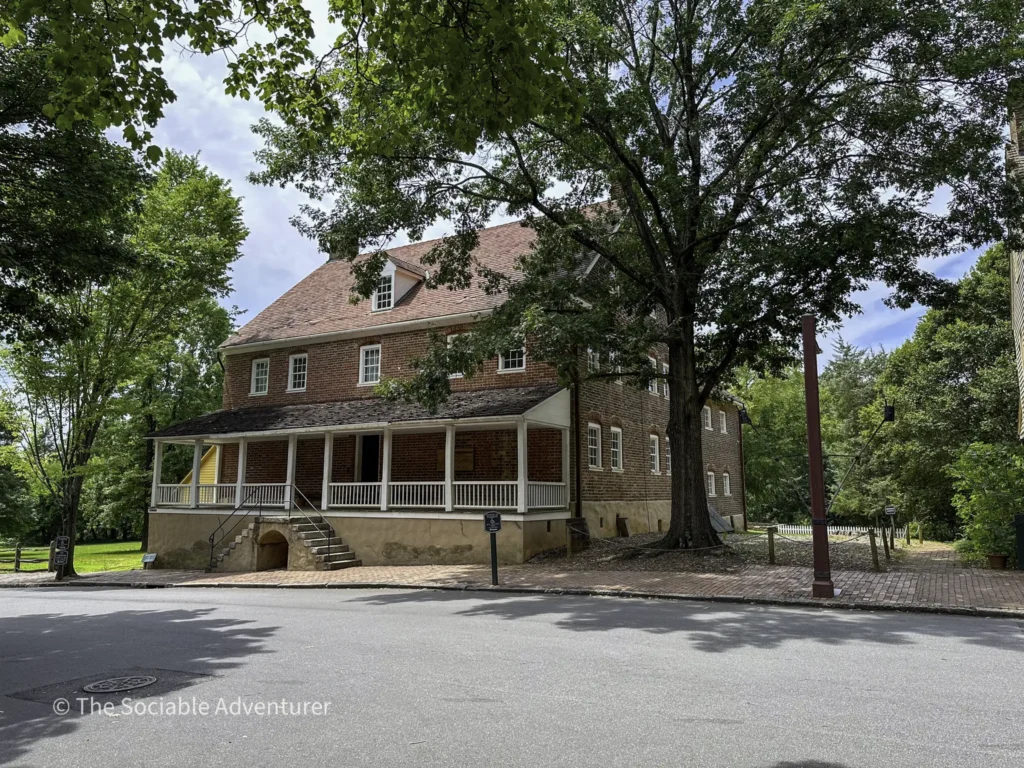
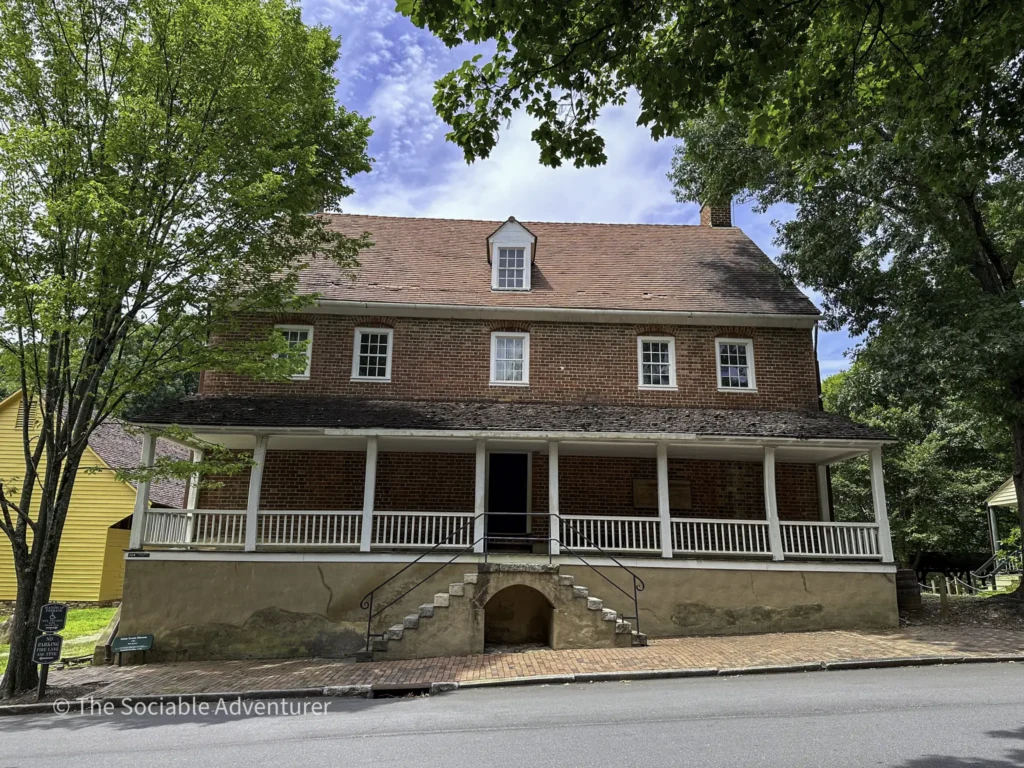
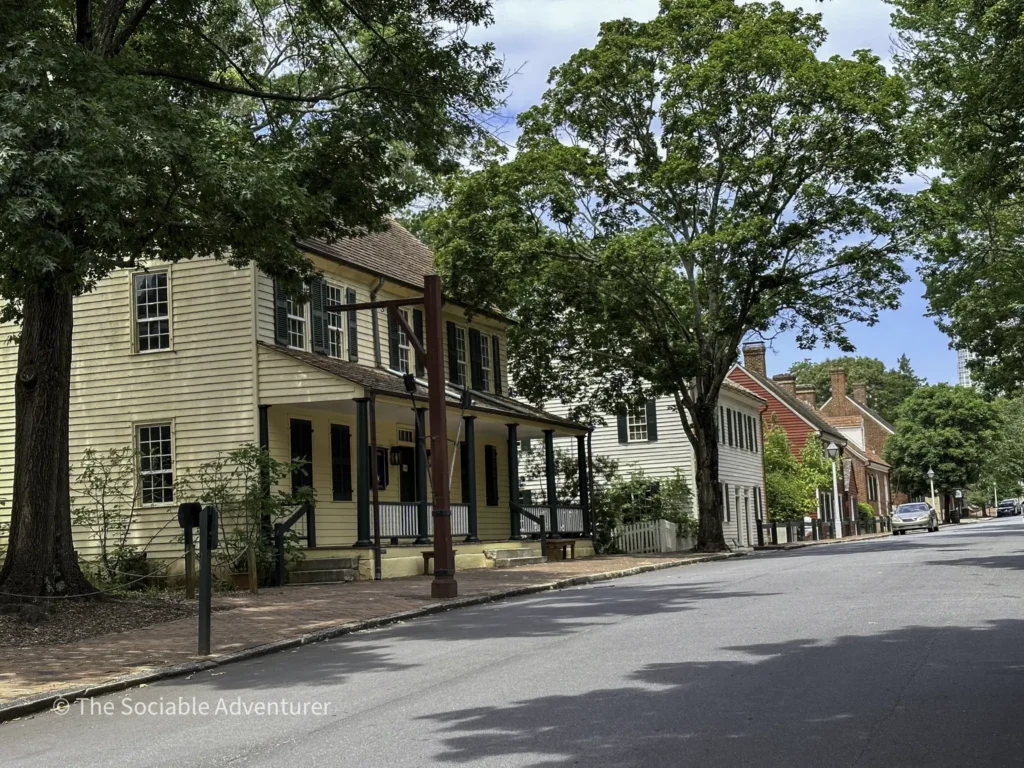
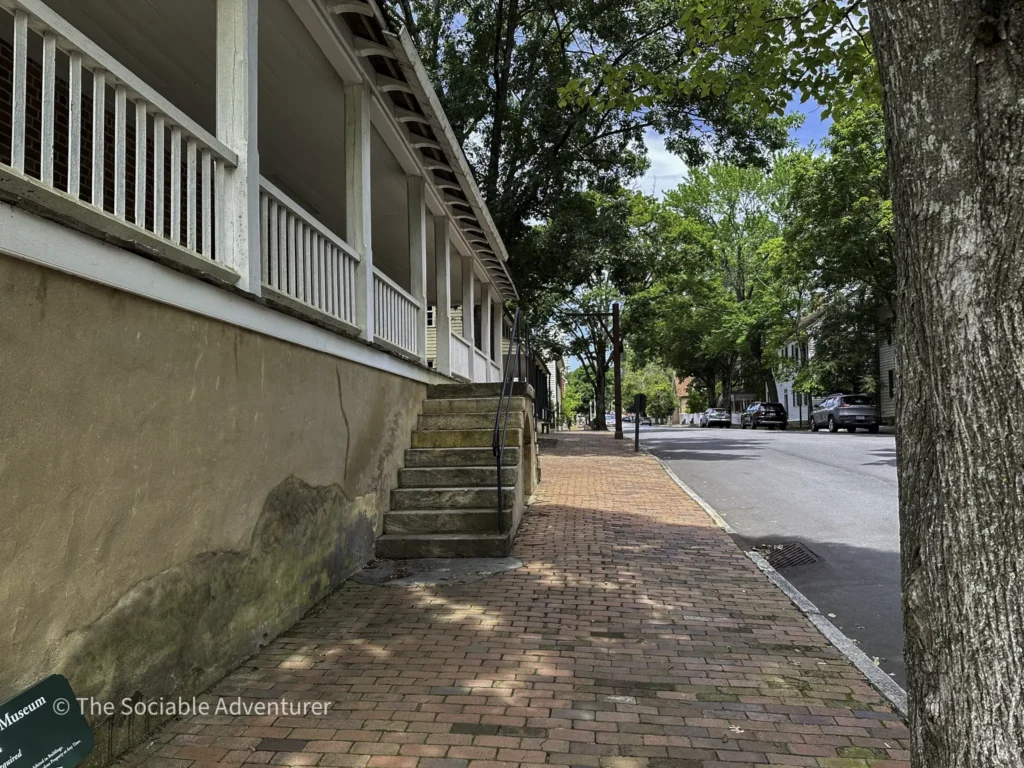
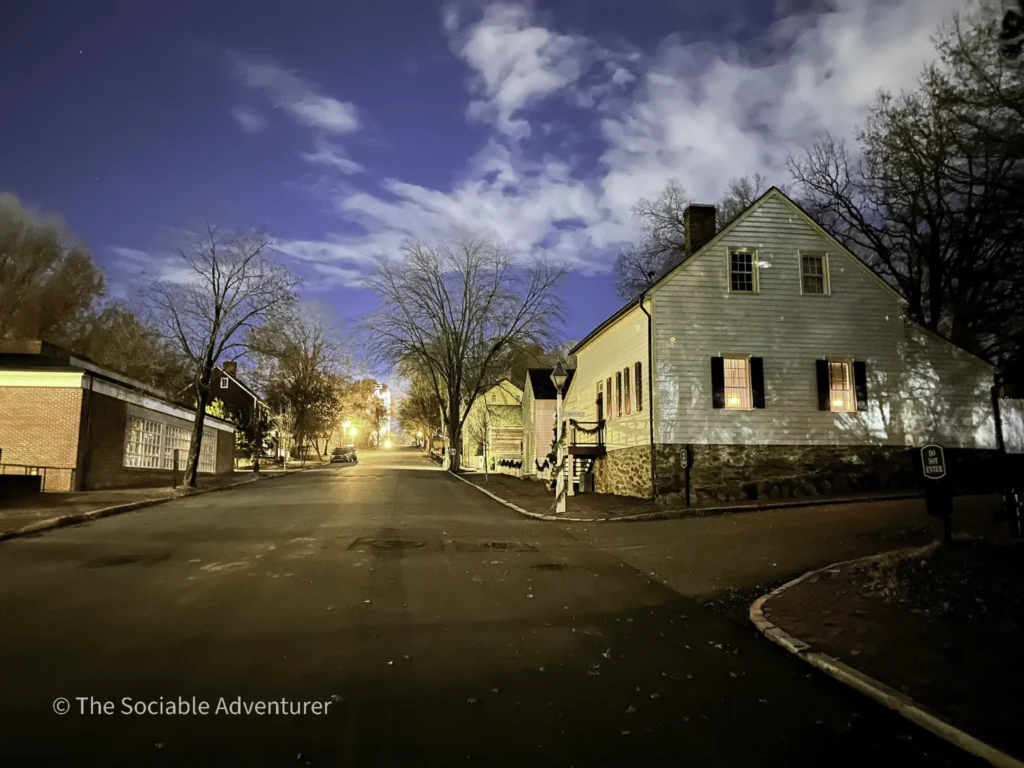
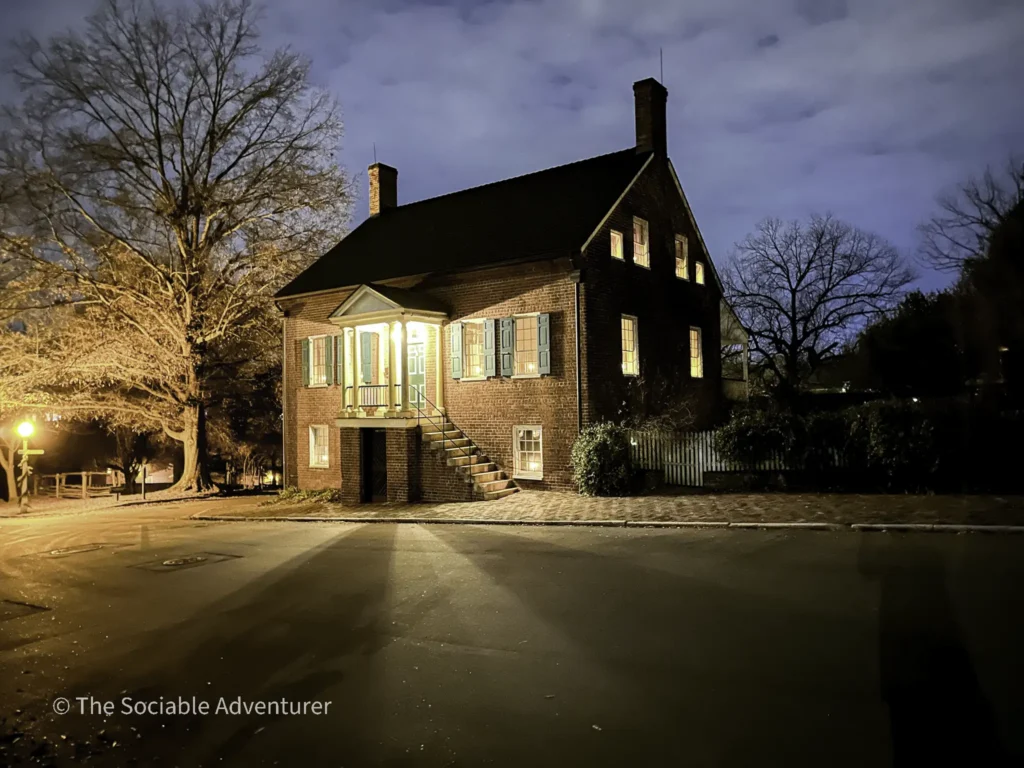
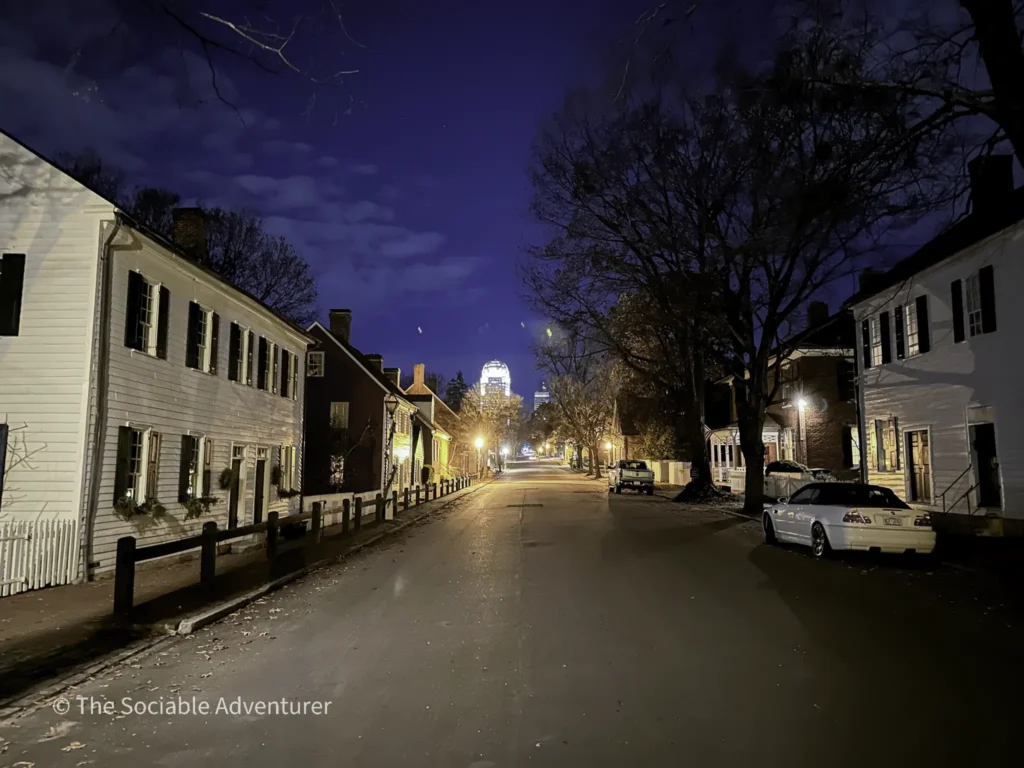
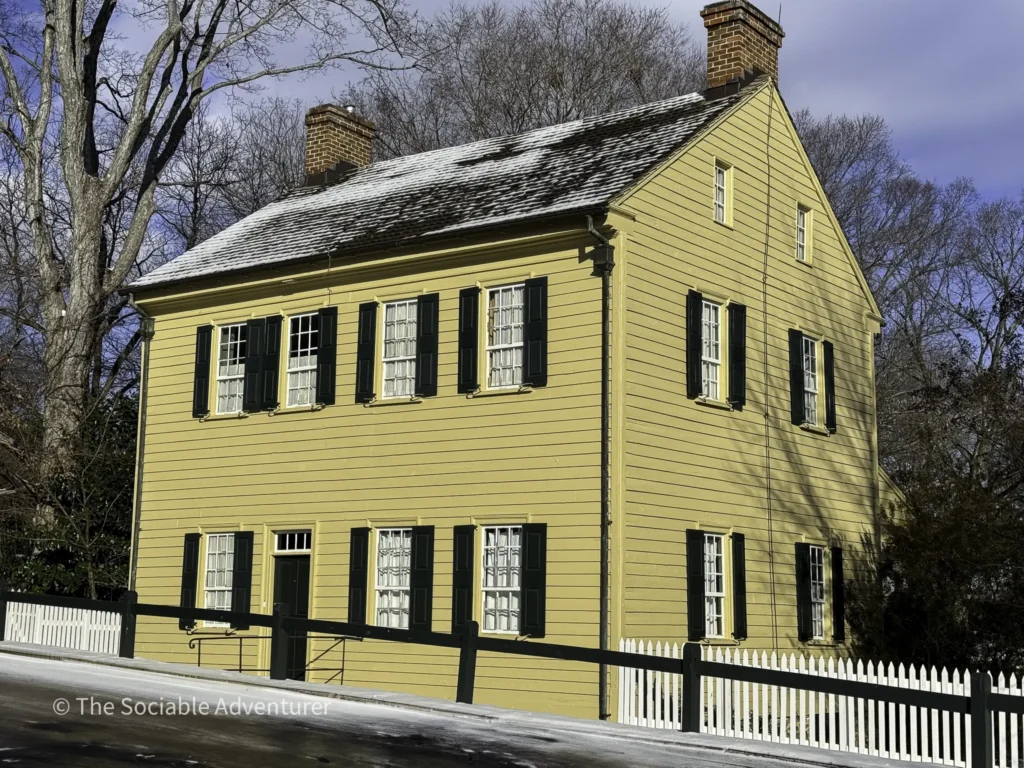
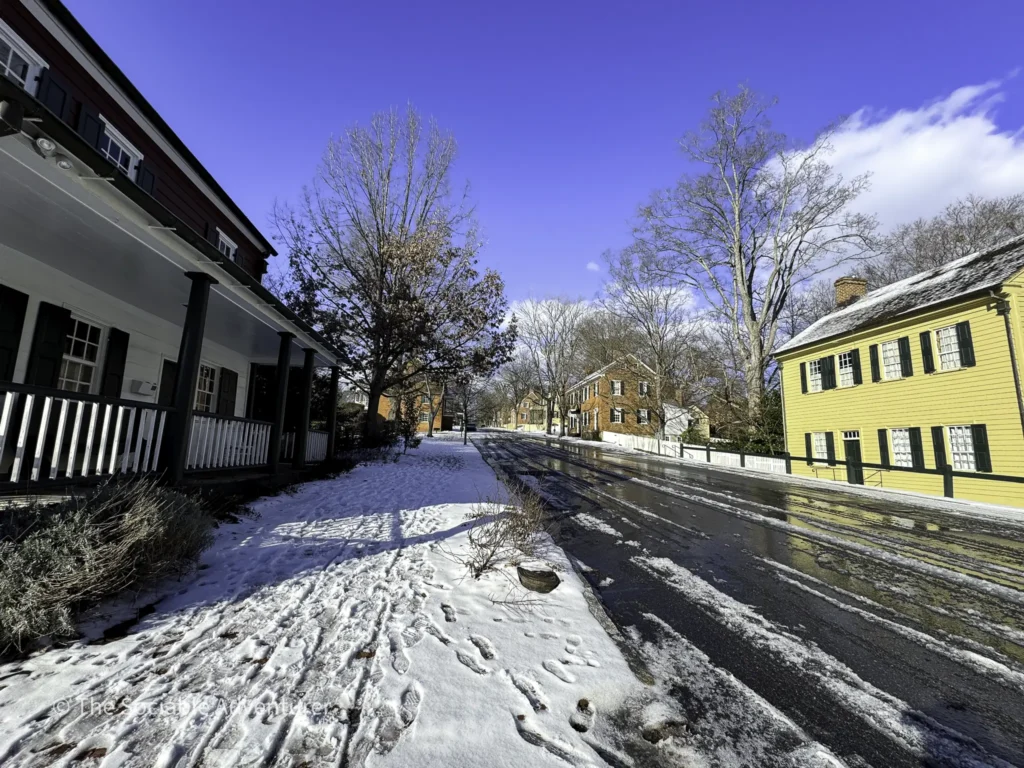
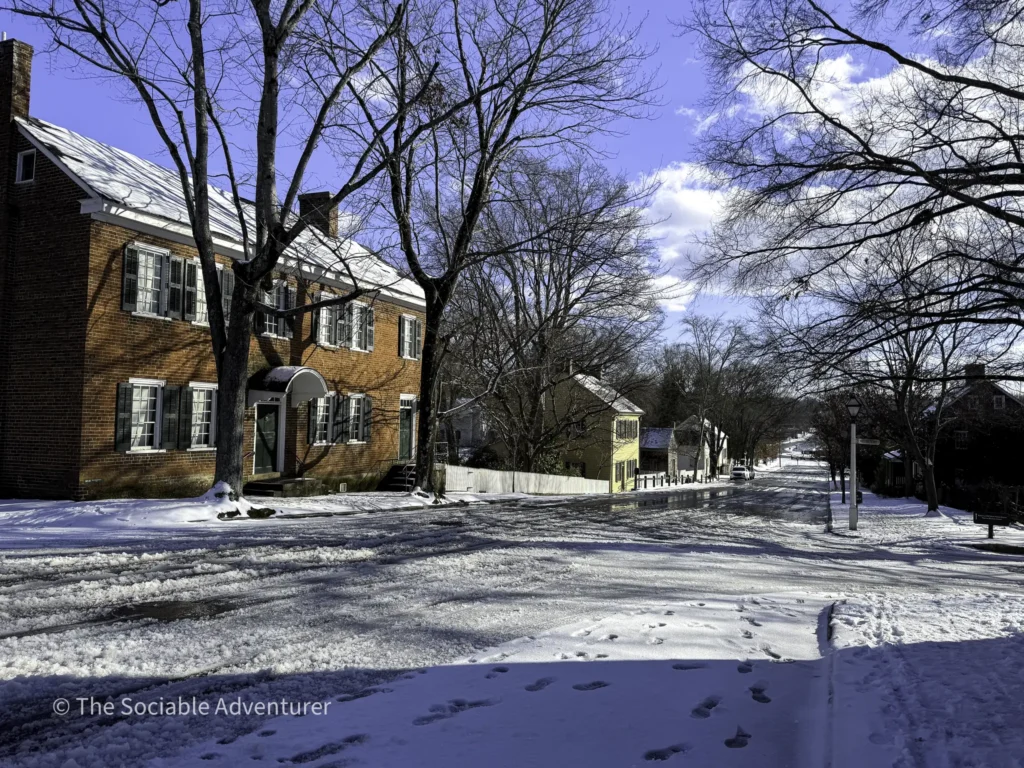
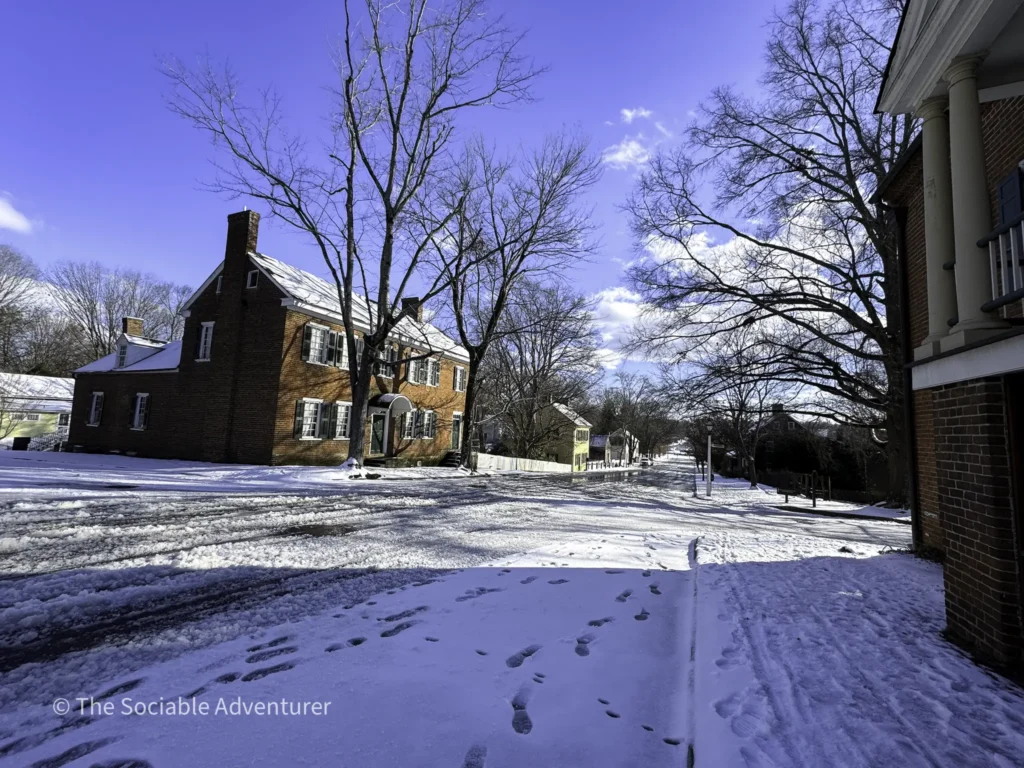
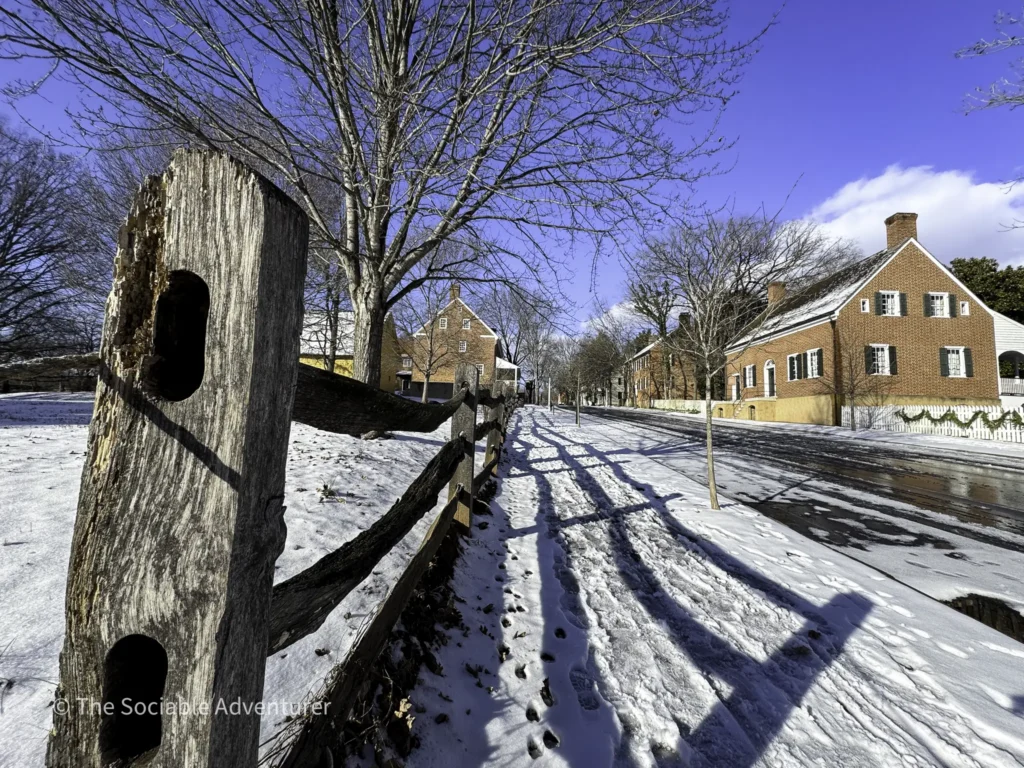
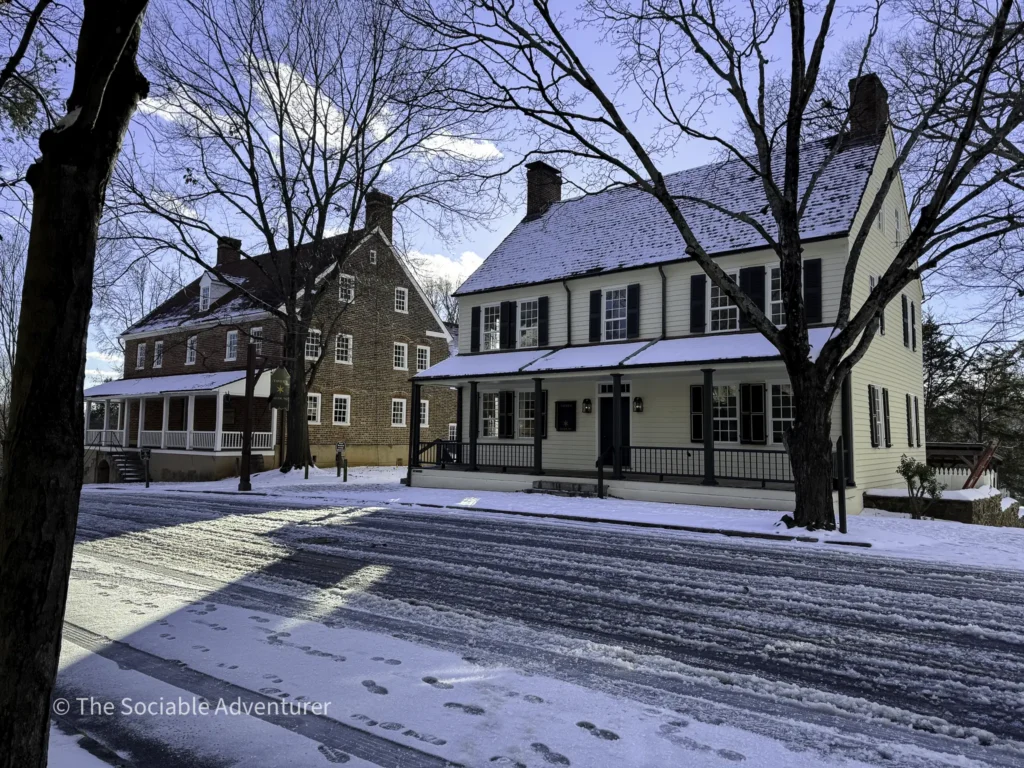
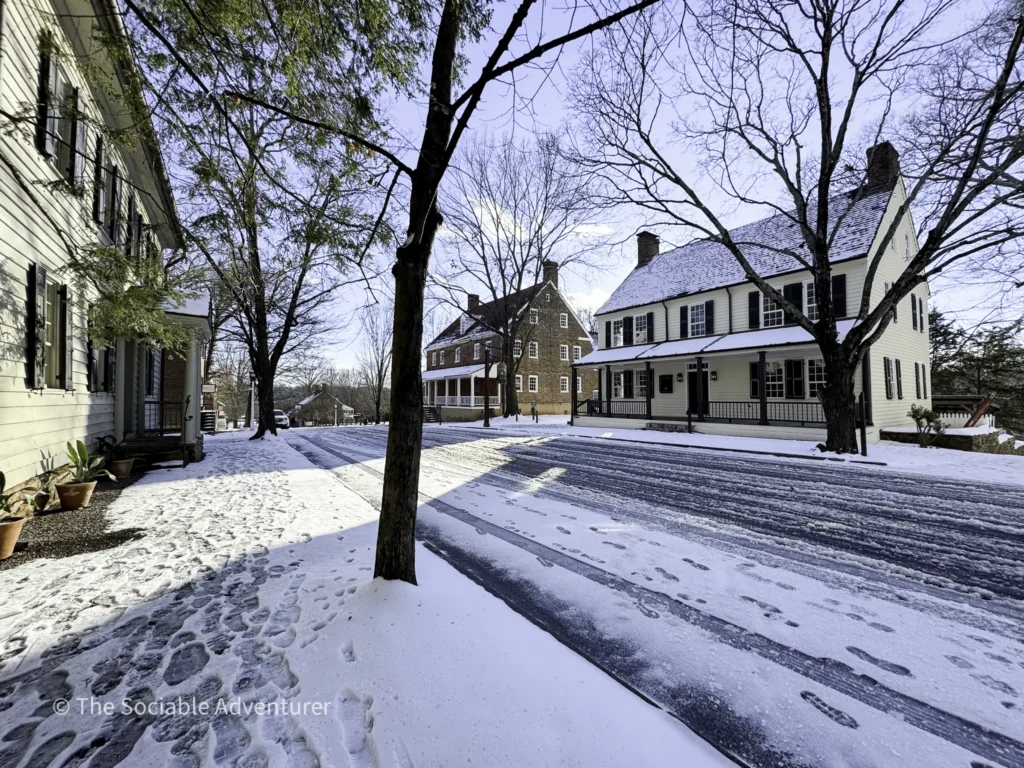
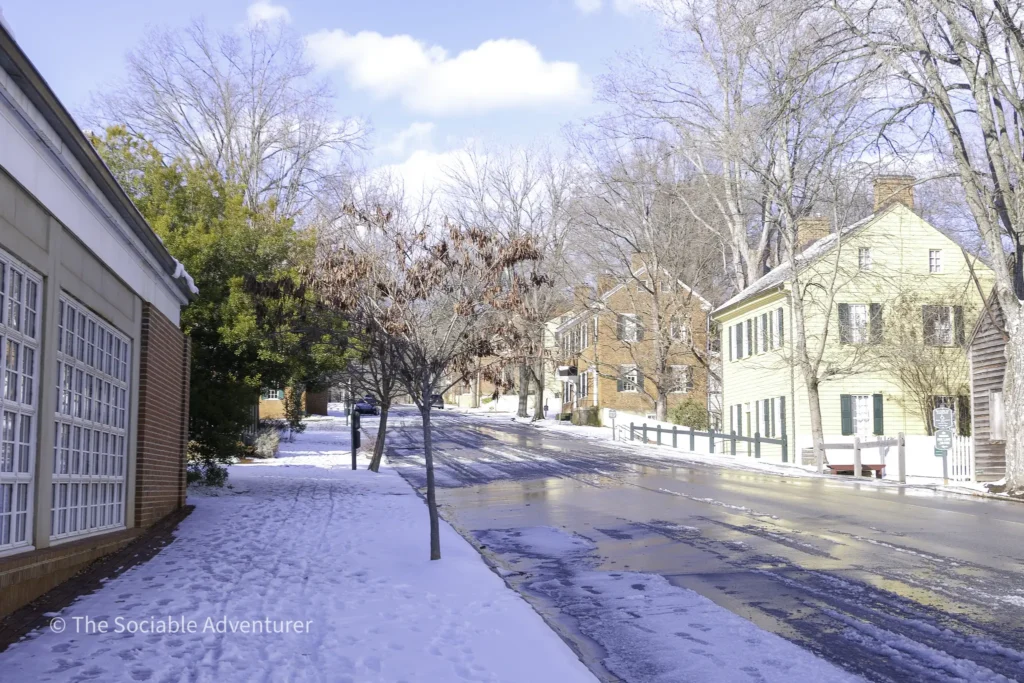
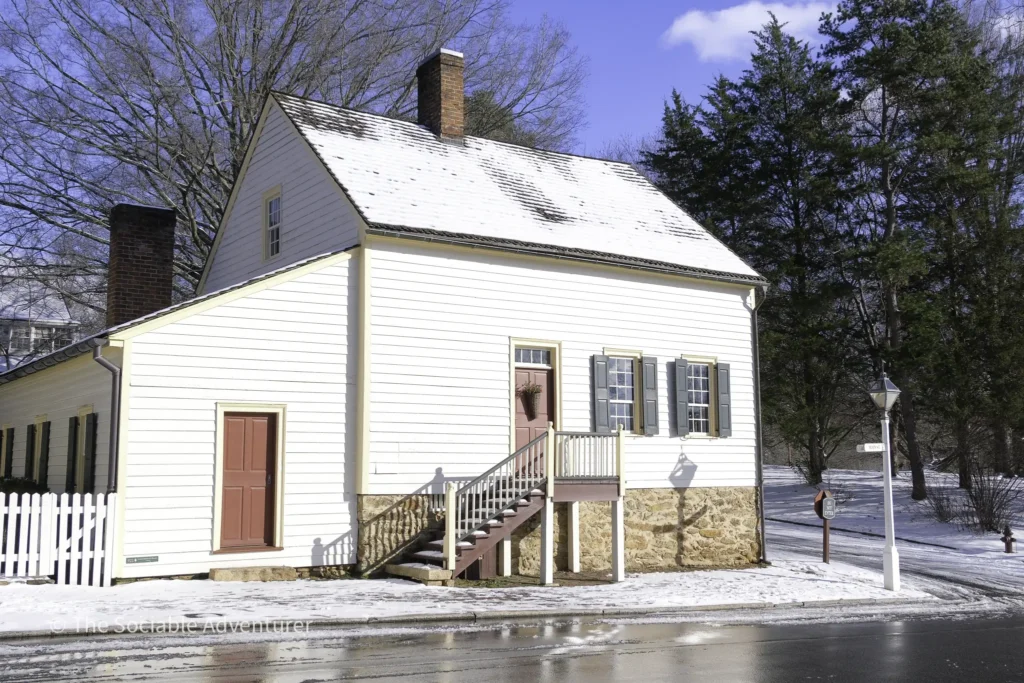
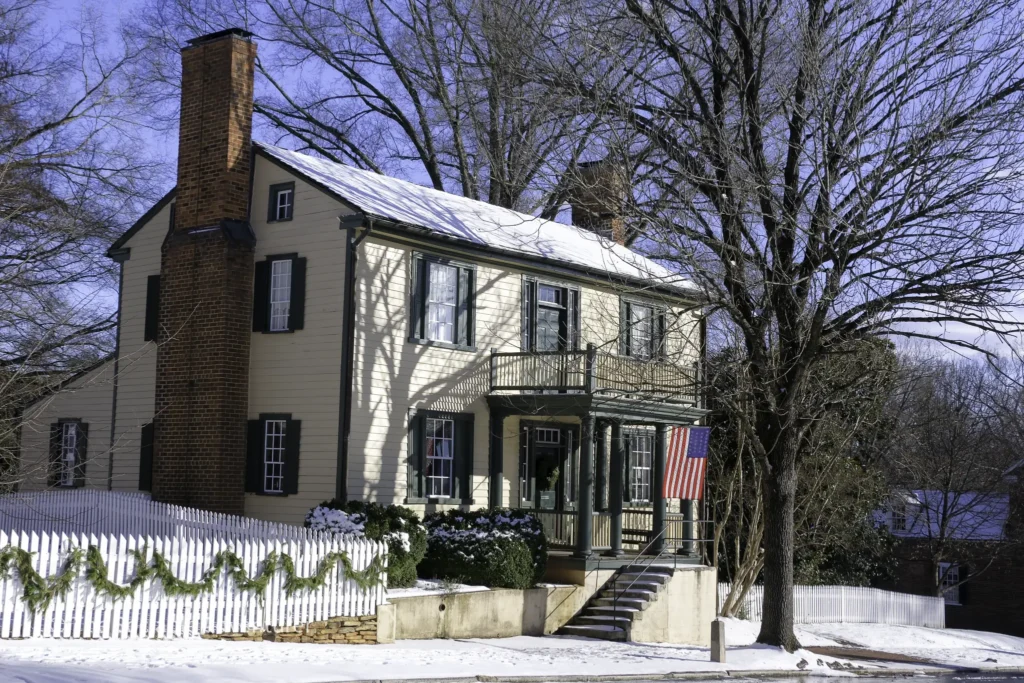
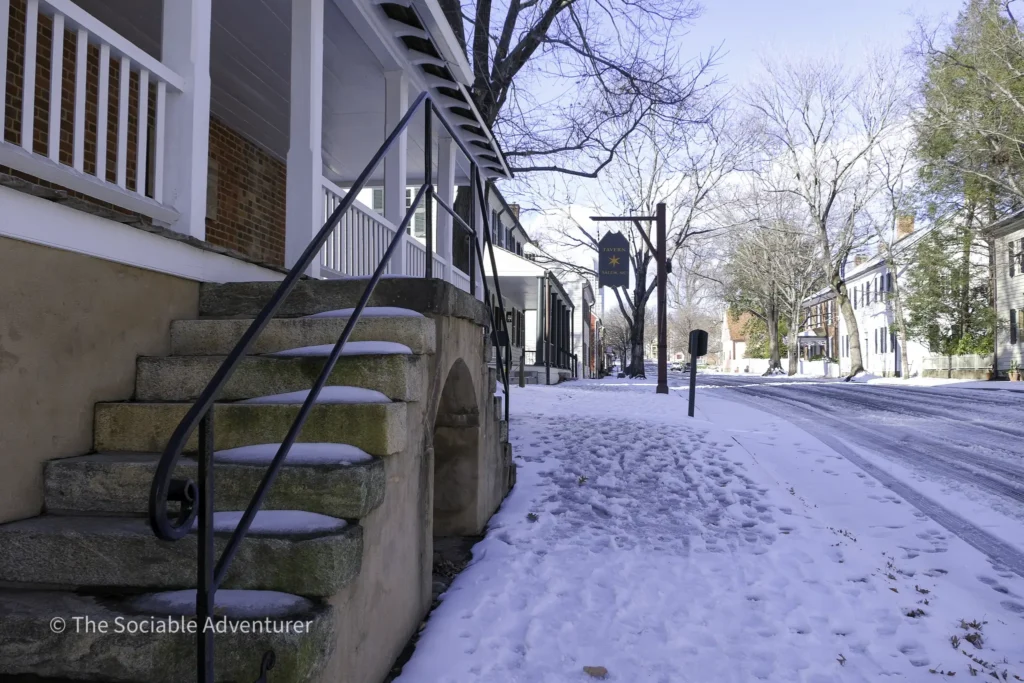
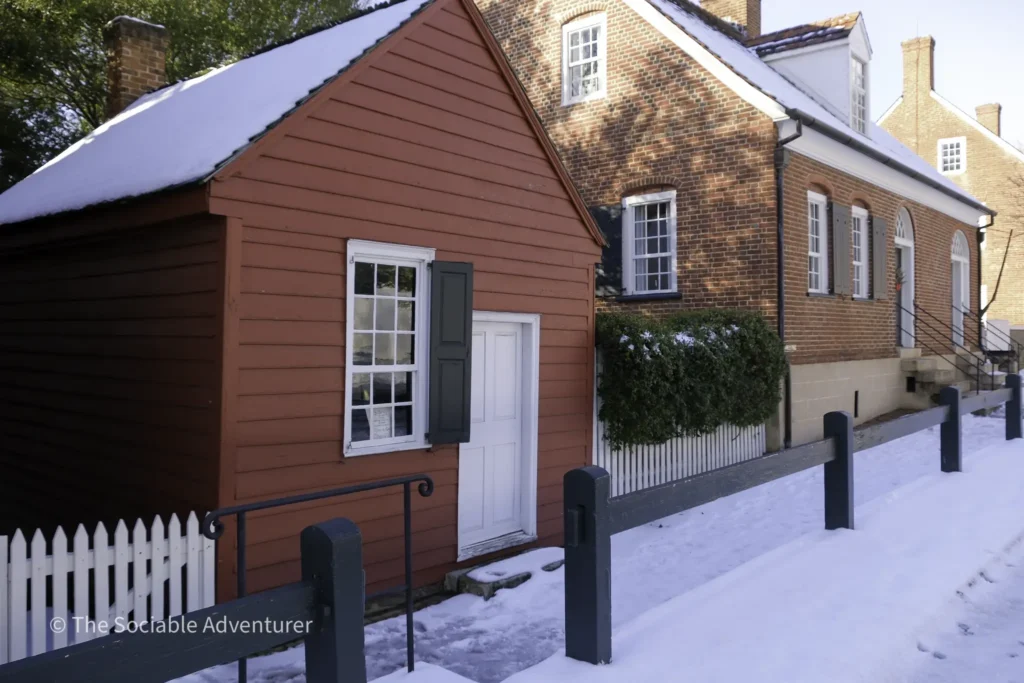
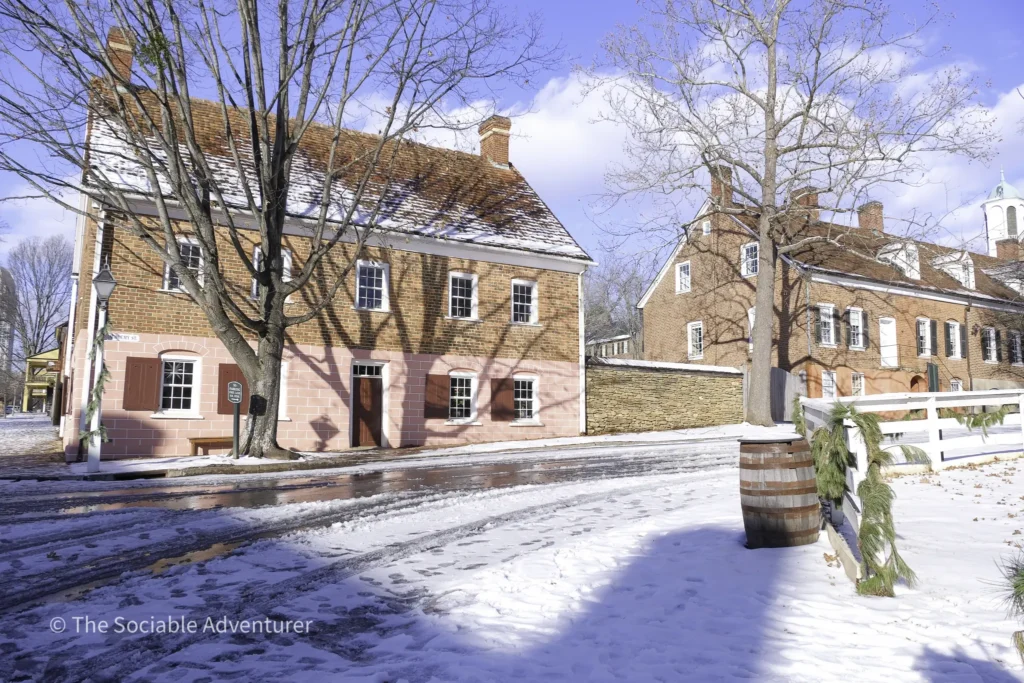
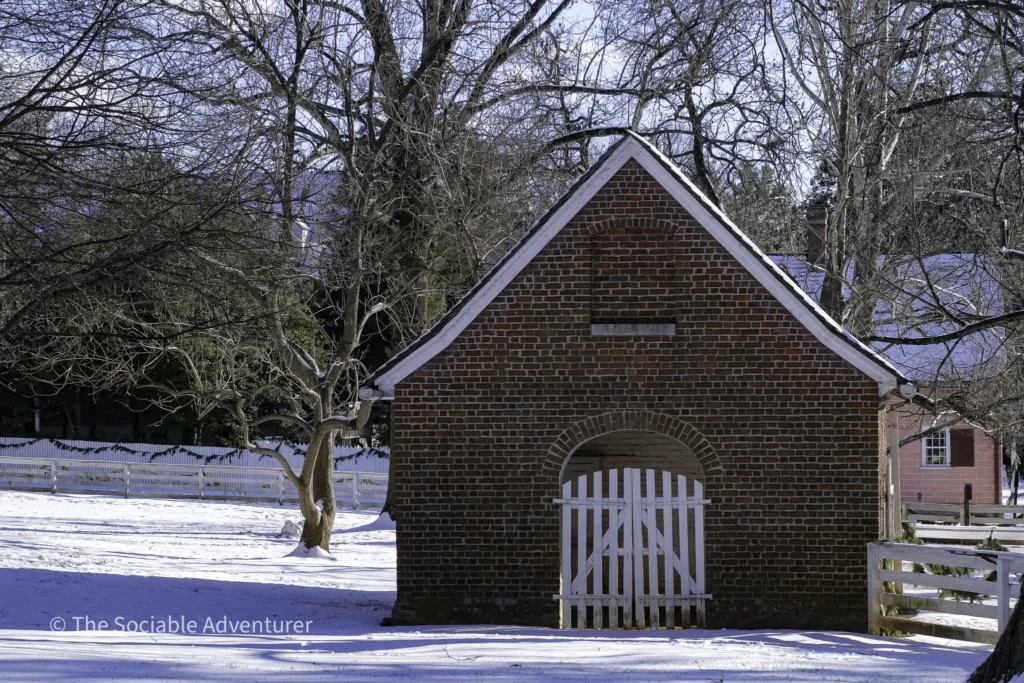
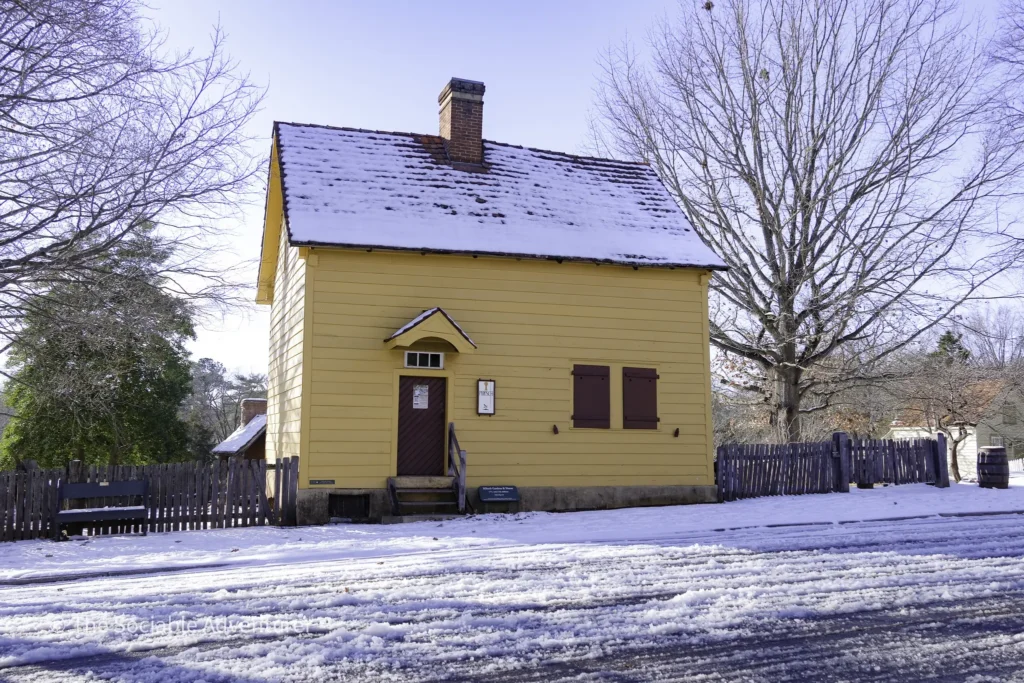
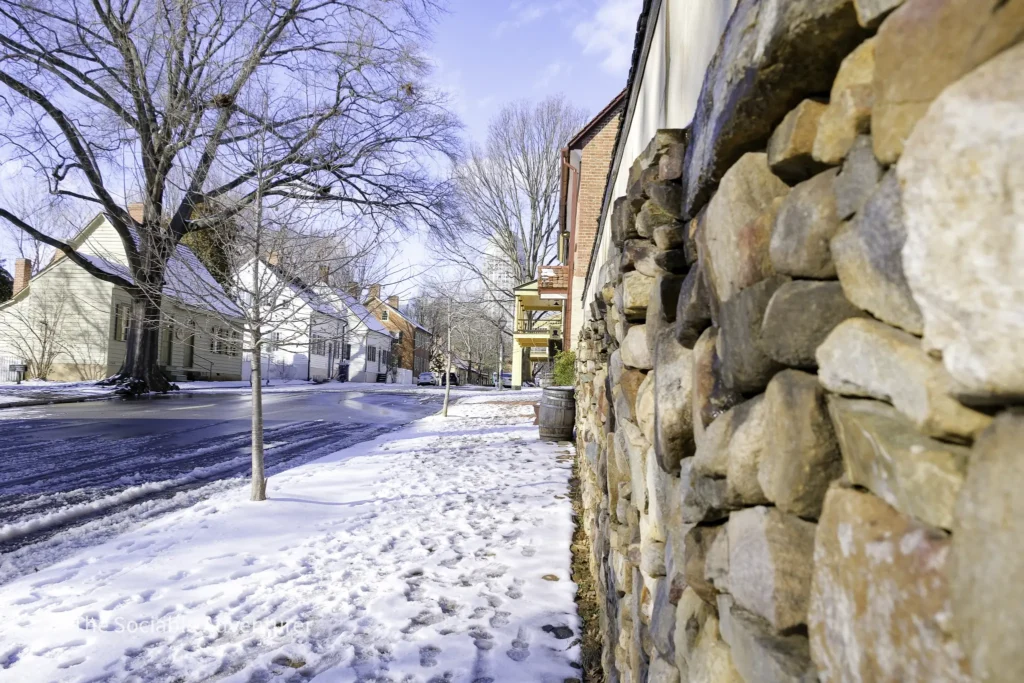
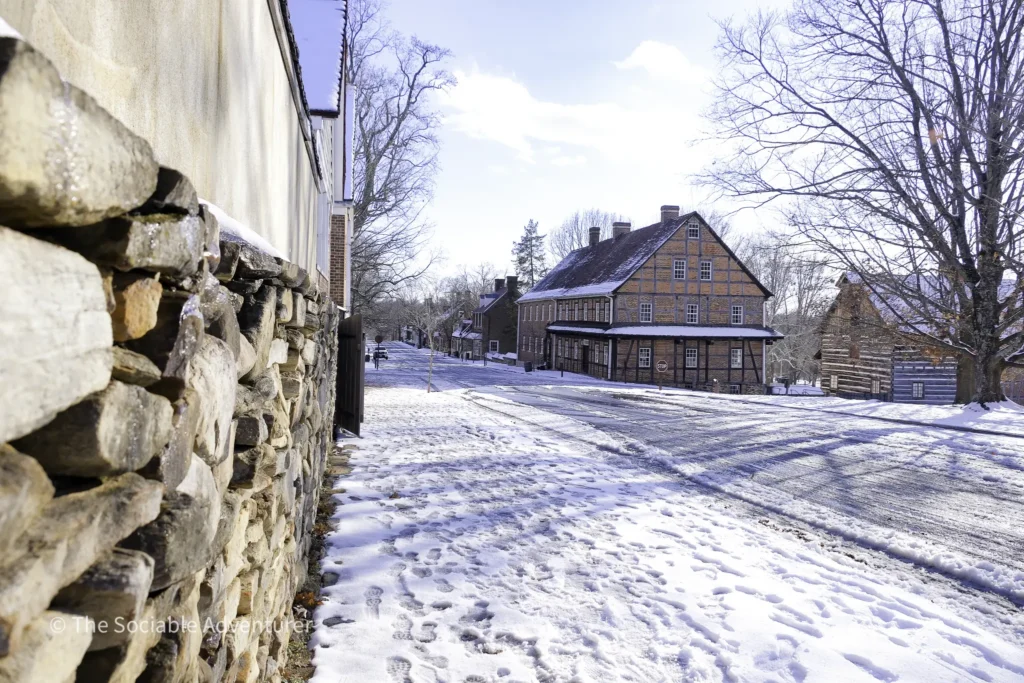
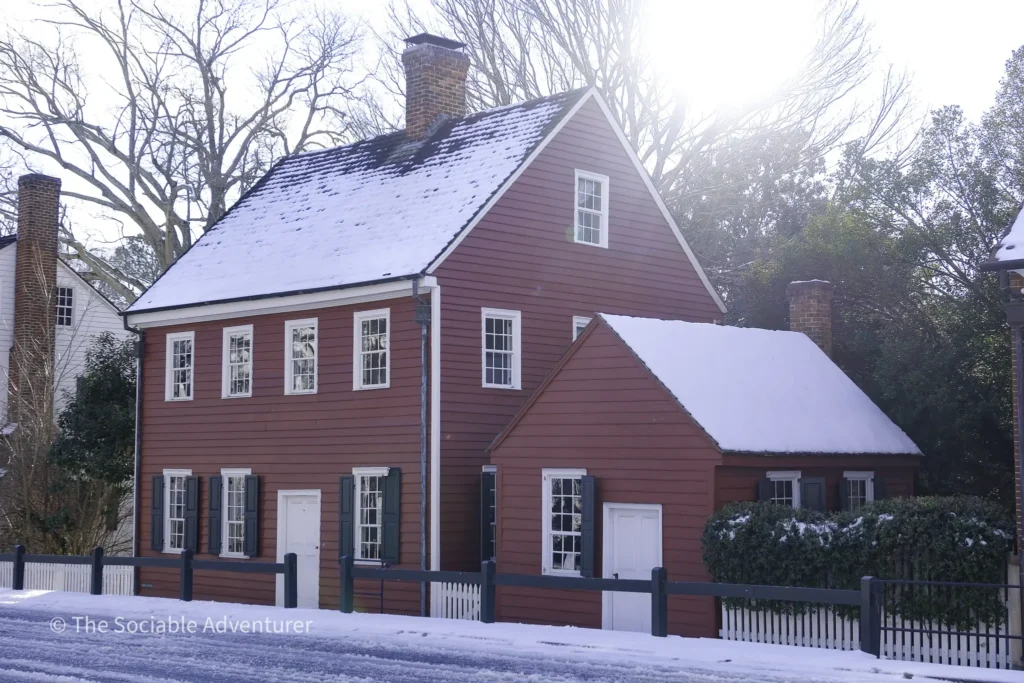
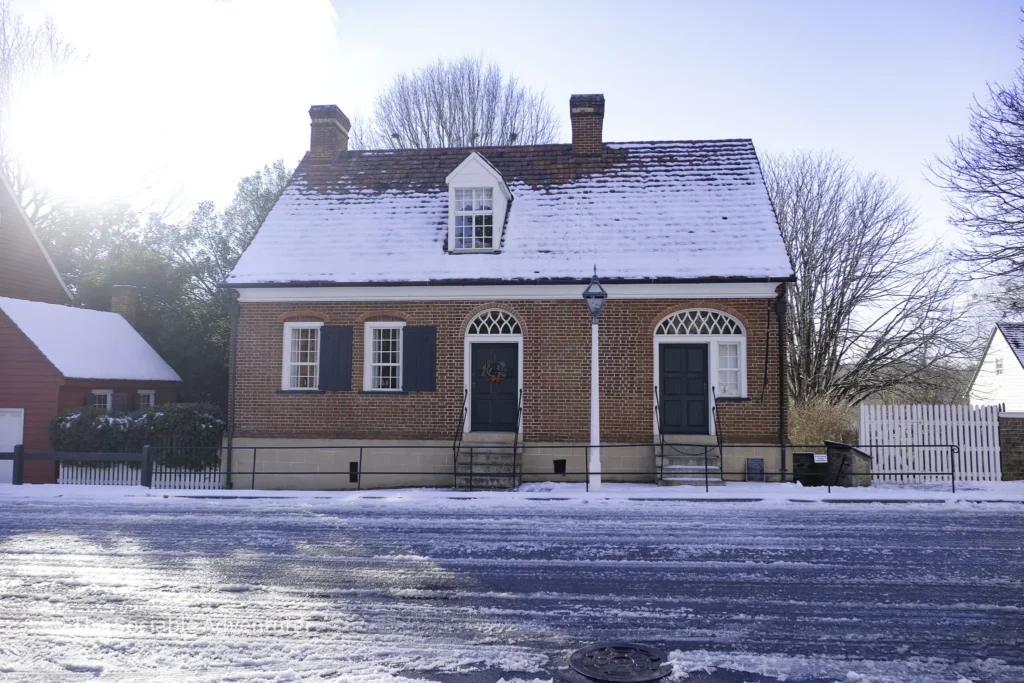
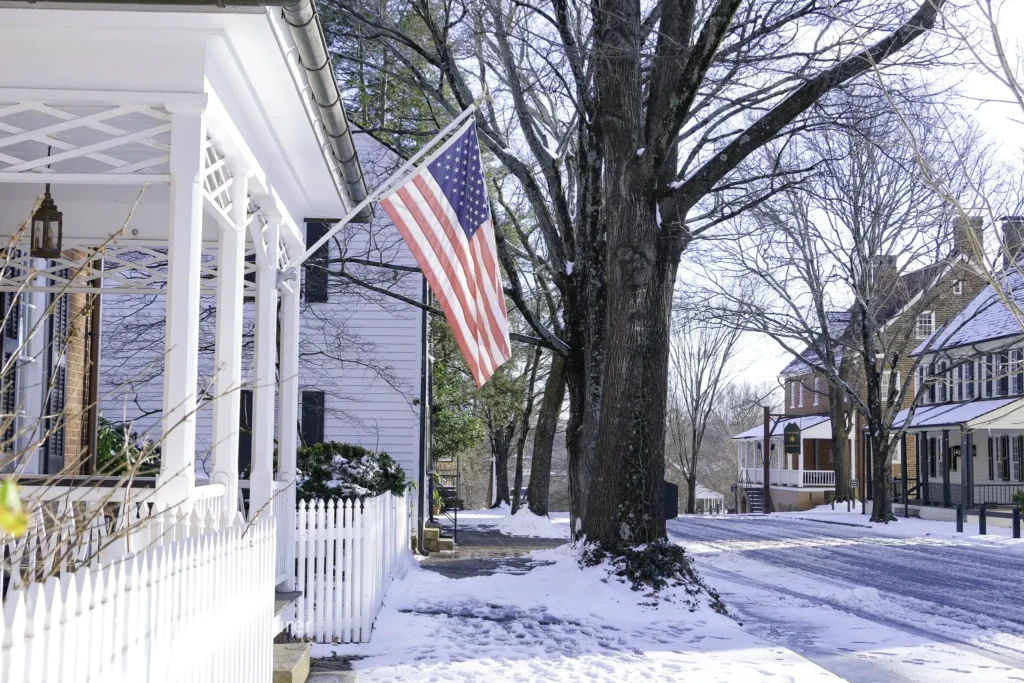
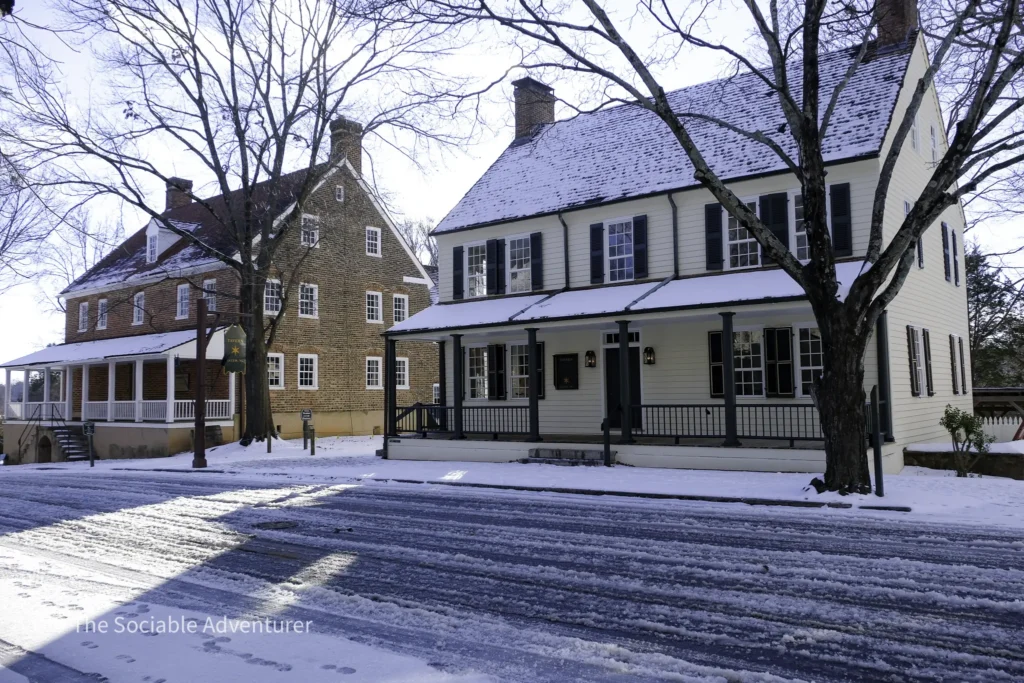
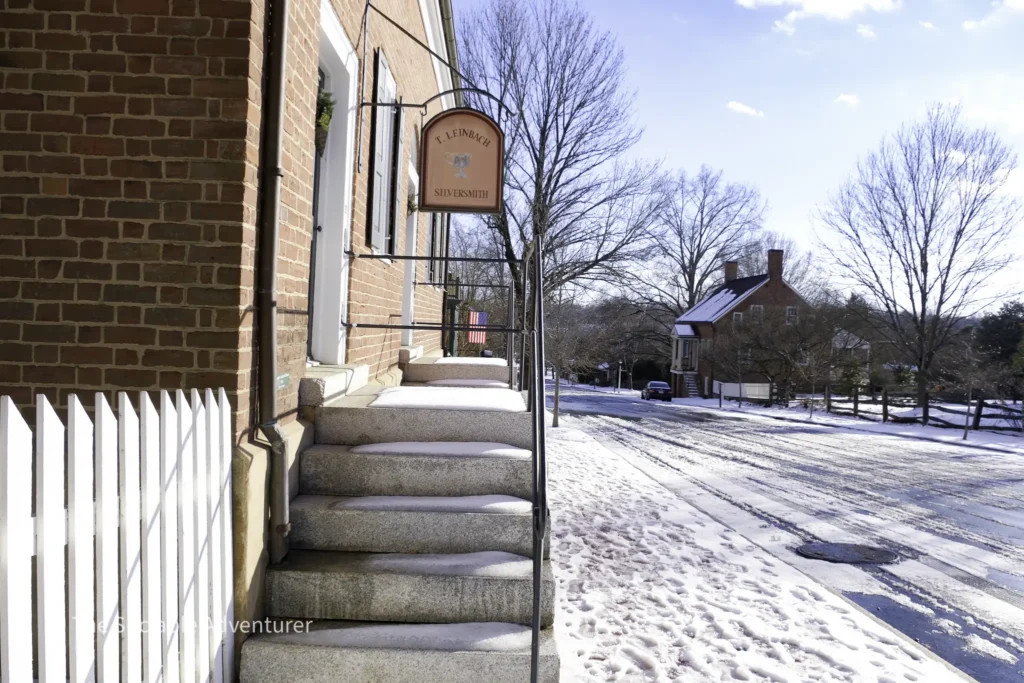
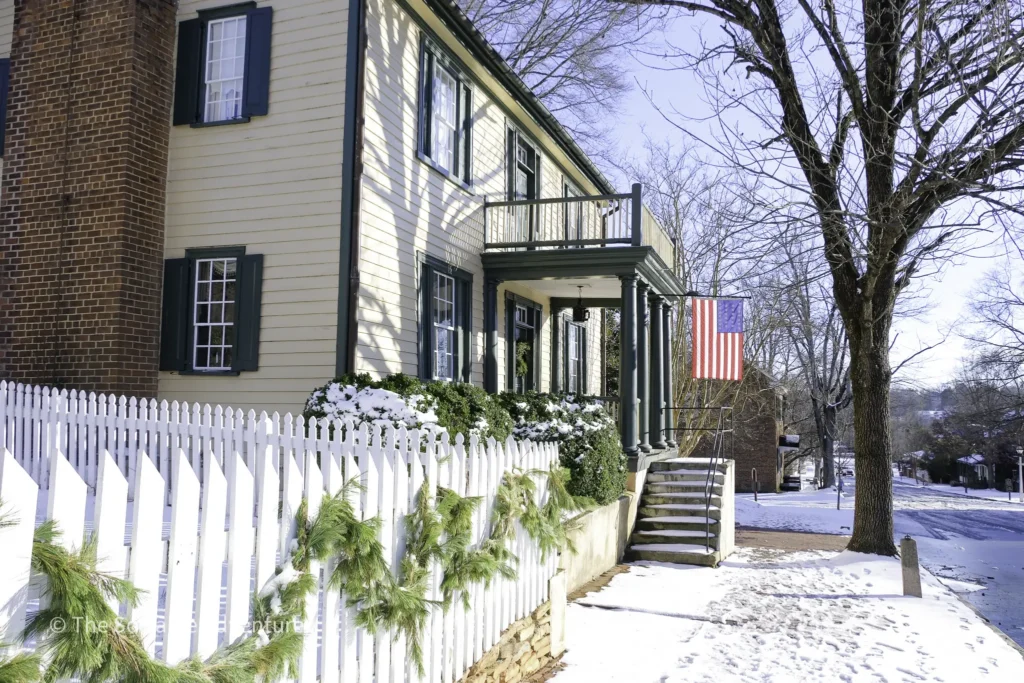
Old Salem Museums & Gardens is one of the flagship Moravian heritage destinations in the American South — a living history museum in Winston-Salem, NC that preserves and interprets the 1766 Moravian town of Salem across approximately 100 acres of restored historic district. Salem was the third and central Moravian settlement in the ~100,000-acre Wachovia Tract — following Bethabara (founded 1753 as the temporary religious and economic outpost) and Bethania (founded 1759 as the second Moravian town).
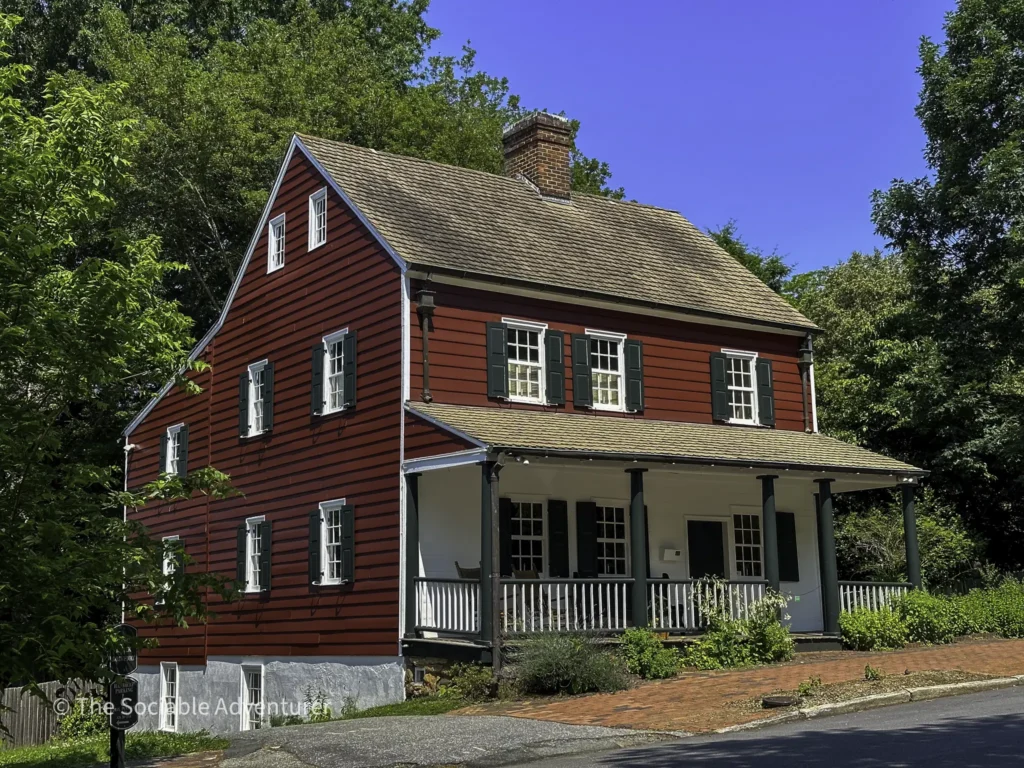
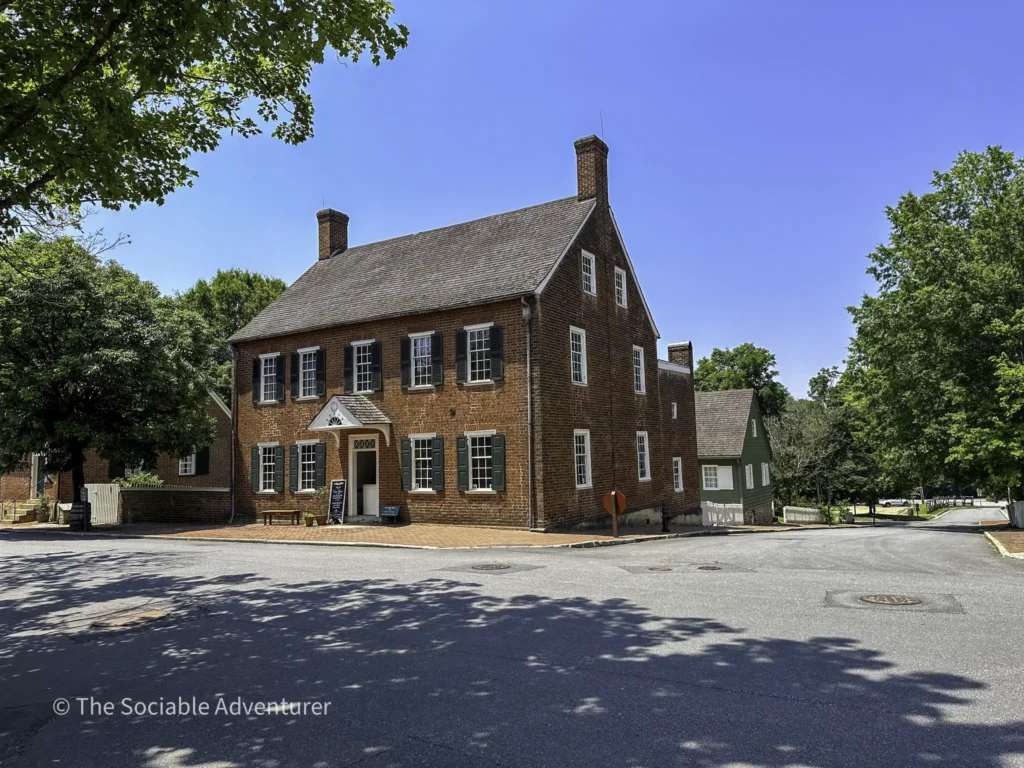
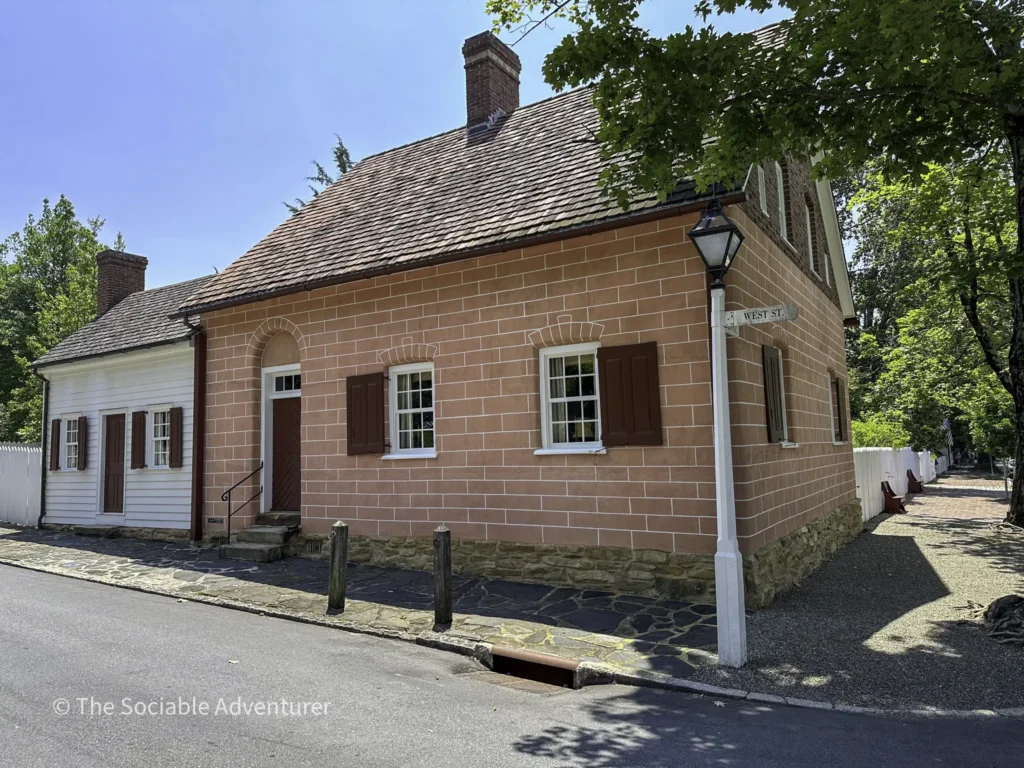
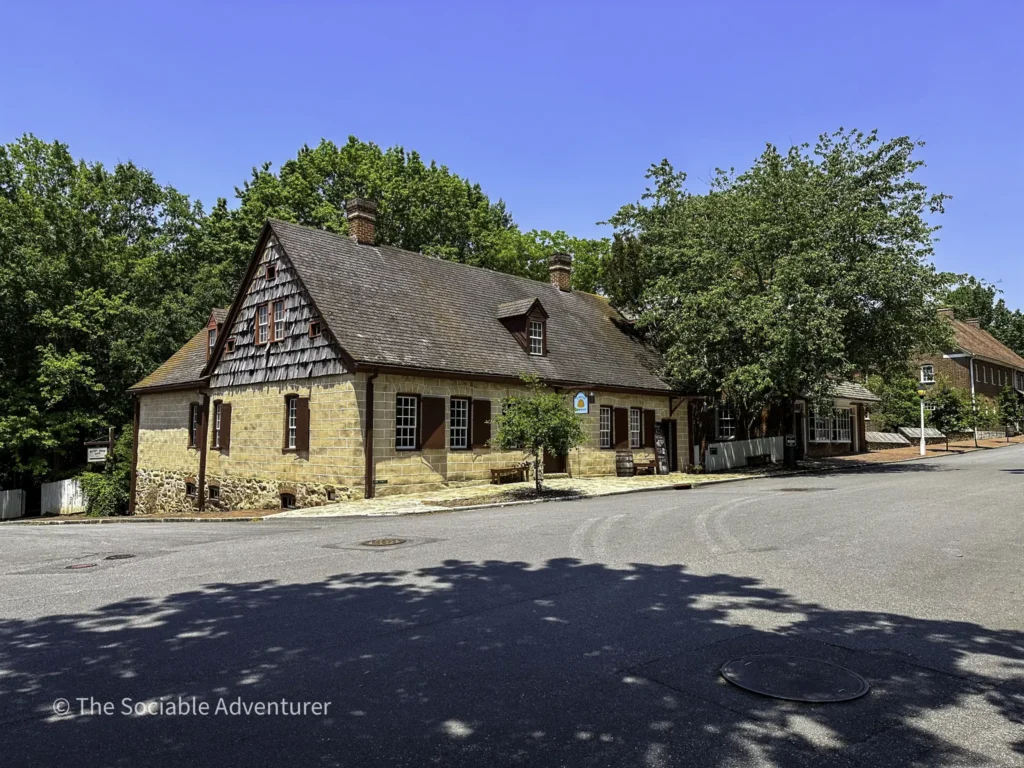
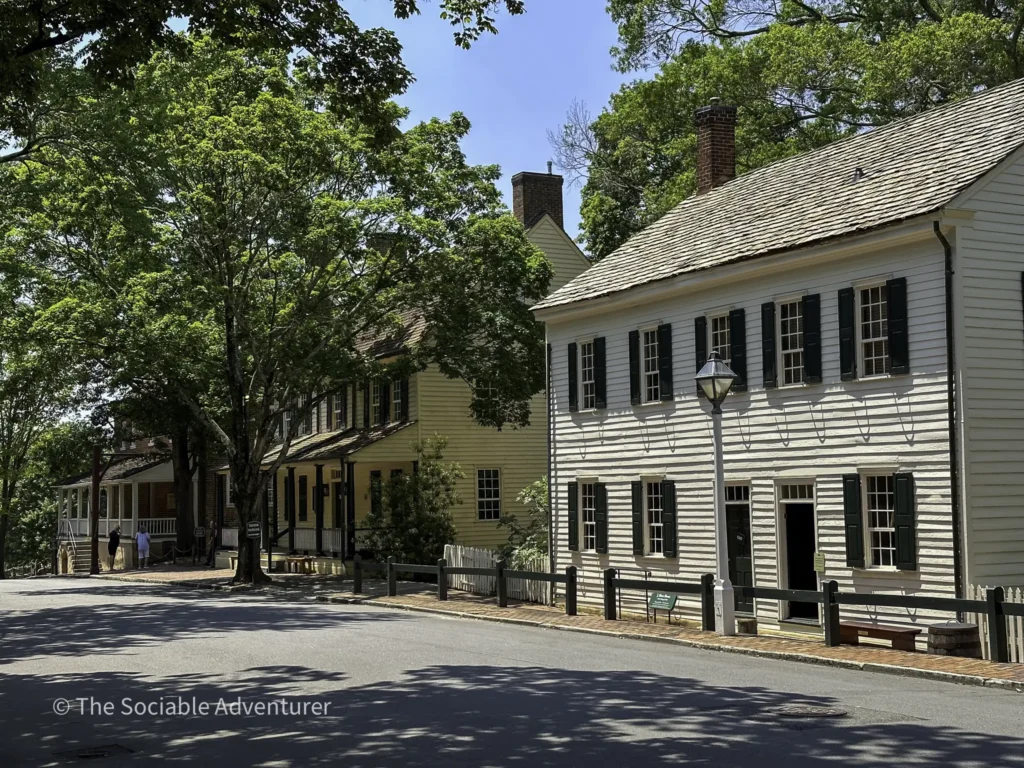
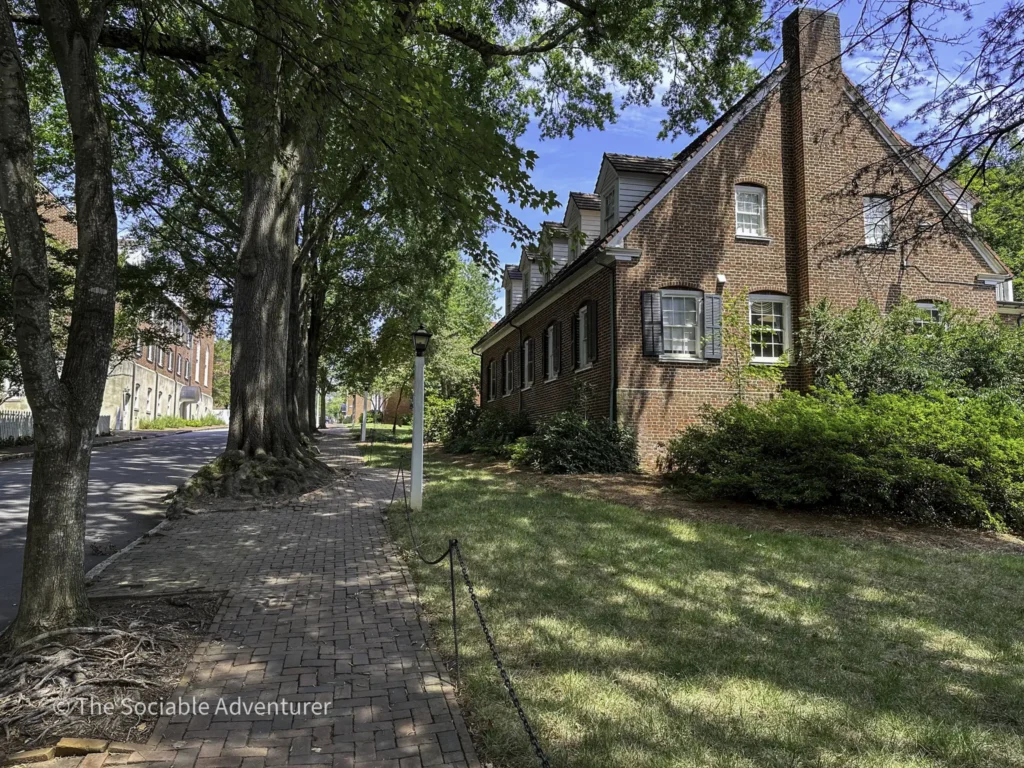
Today, Old Salem operates as three integrated museums: the Historic Town of Salem, the Museum of Early Southern Decorative Arts (MESDA), and the Gardens at Old Salem. Old Salem Inc. was established in 1950 as a non-profit organization to preserve and restore Salem’s historic core, with Frank L. Horton (1918-2004) serving as the first director of restoration. Under Horton’s leadership from 1950 to 1972, roughly 50 buildings were restored in both the Old Salem and Historic Bethabara Park historic districts — which is why approximately 70% of the buildings visible in the Old Salem historic district today are original 18th- and 19th-century Moravian structures, not reconstructions. Old Salem has been recognized as a Distinctive Destination by the National Trust for Historic Preservation.
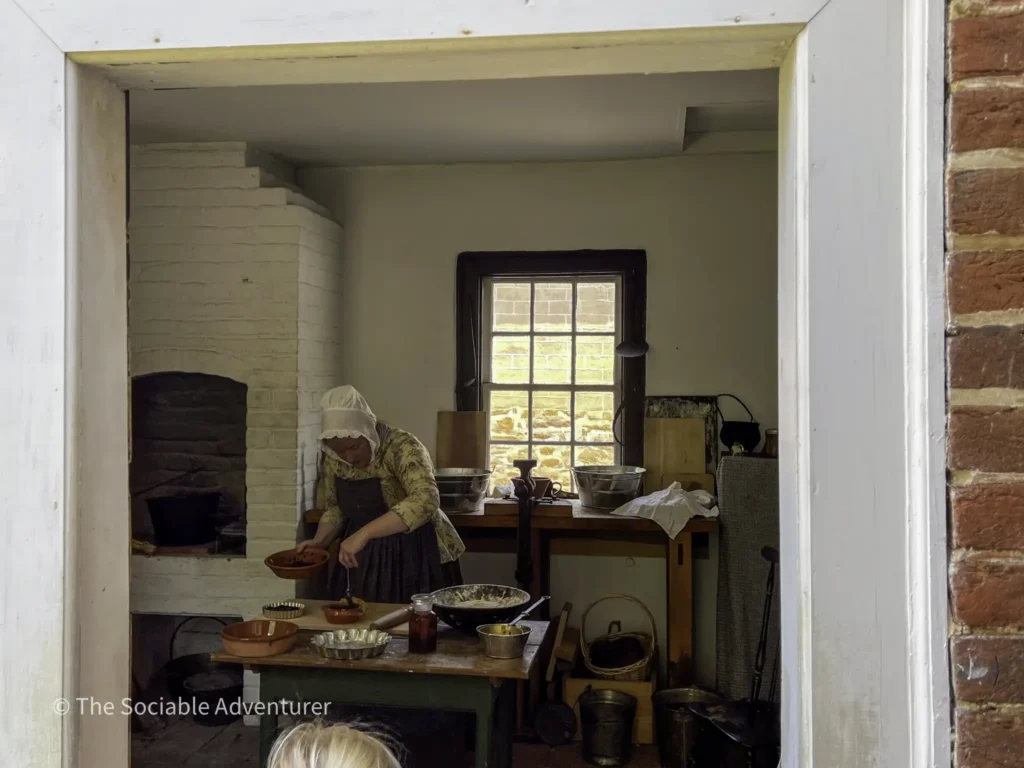
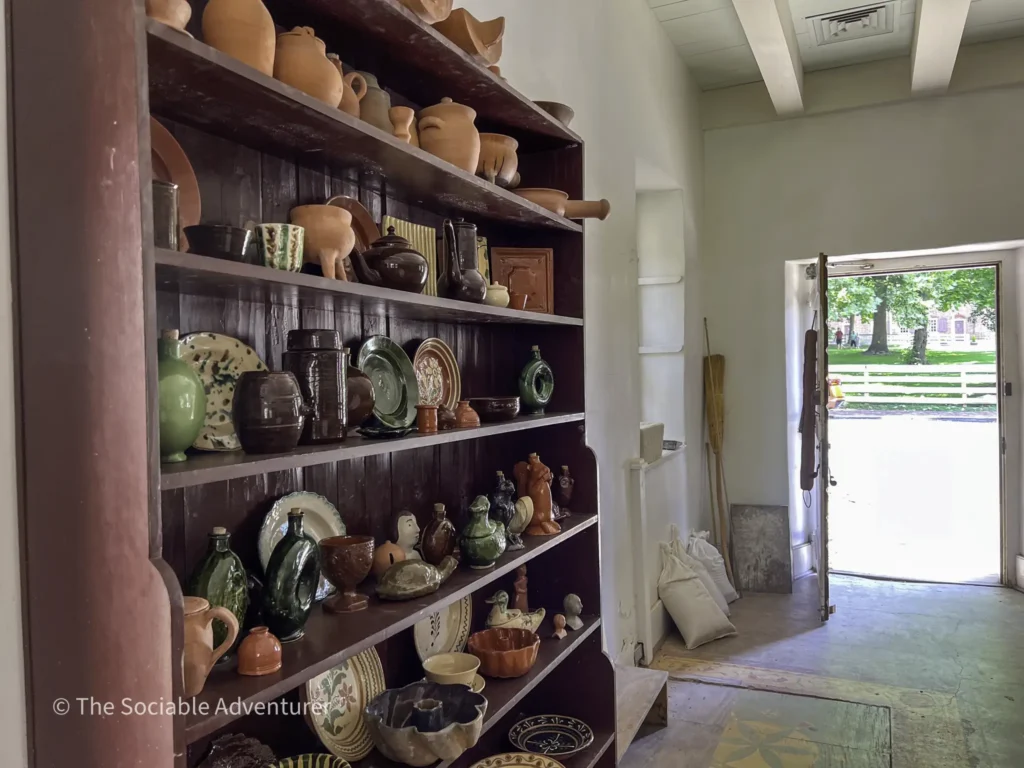
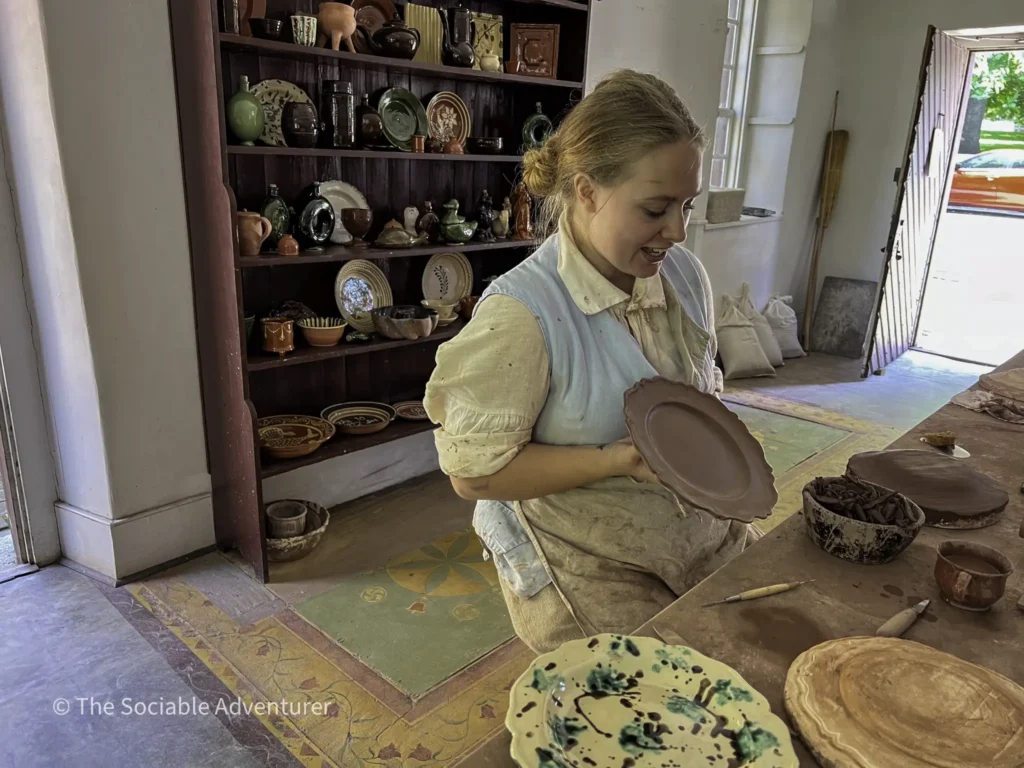
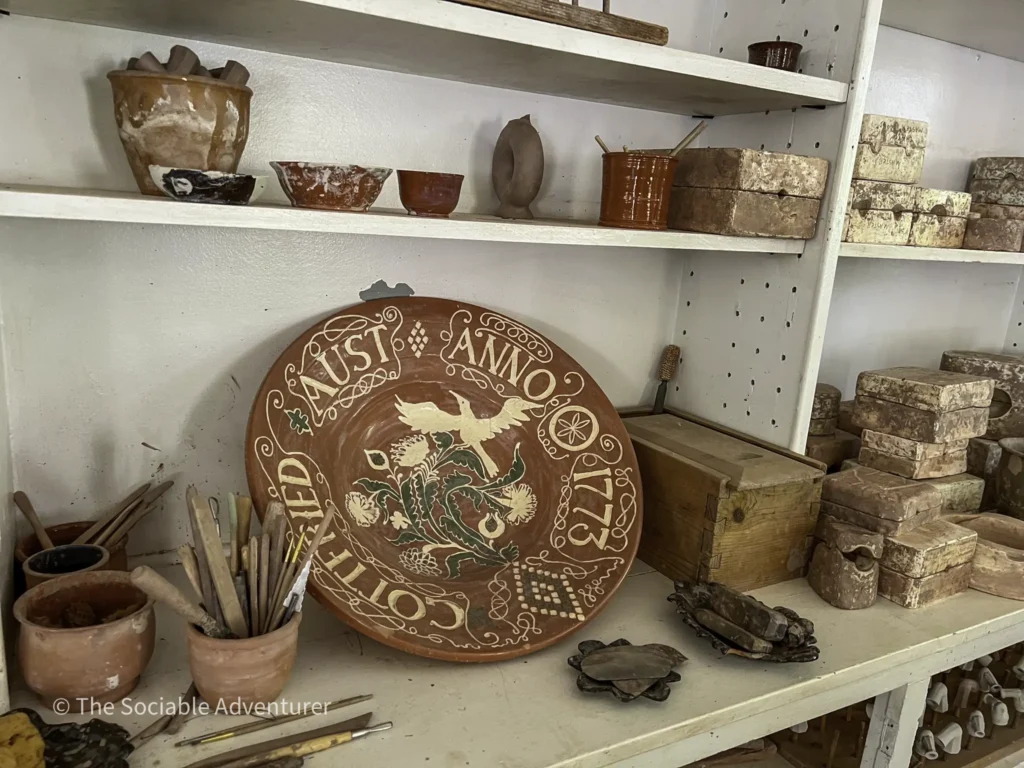
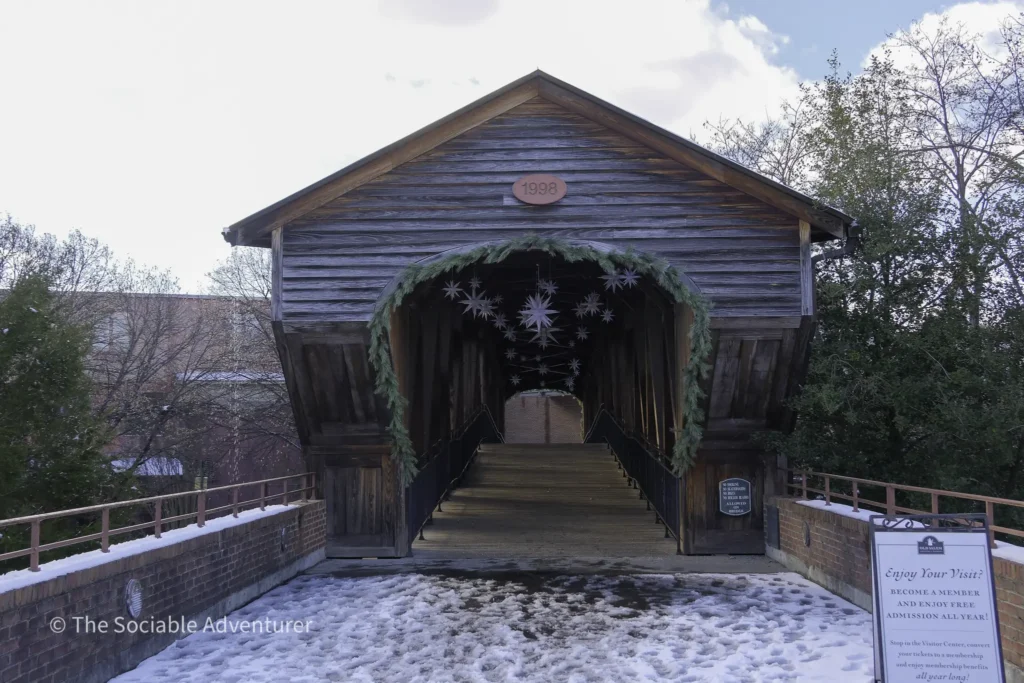
Sydney and Josh got engaged on the Heritage Bridge at Old Salem, and returning here is always something special. We love walking the historic grounds, exploring MESDA, and wandering through the Potter’s Workshop and Boys’ School with our kids.
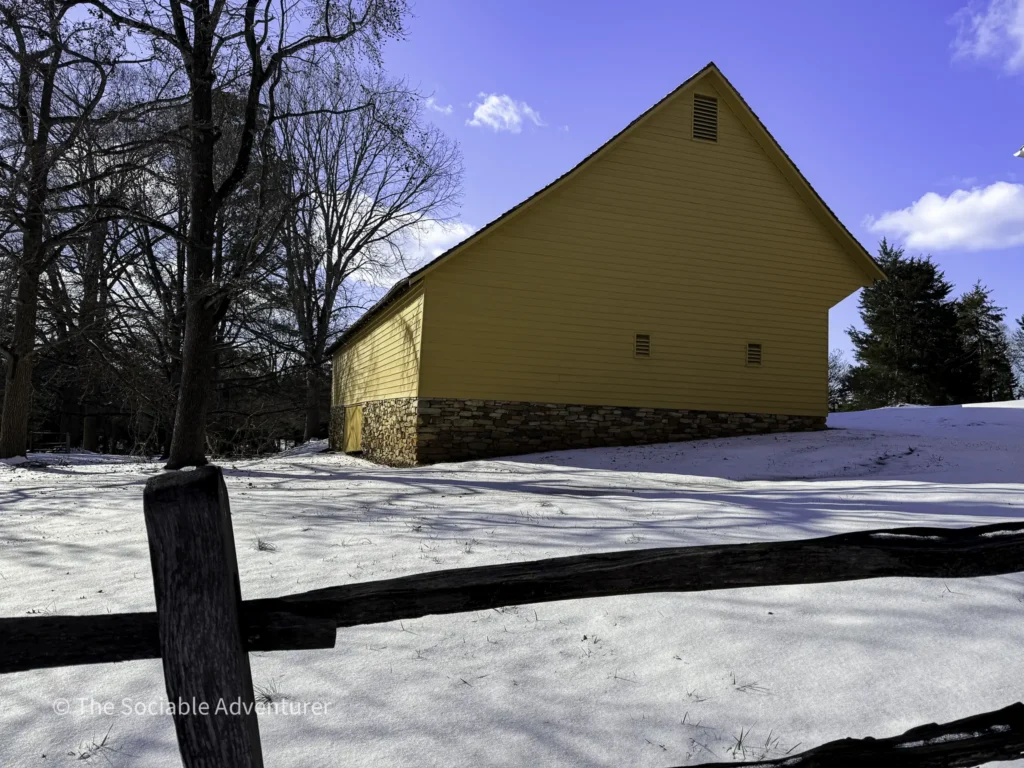
Be sure to check out the YouTube video and pictures below to get a feel for Old Salem Museums & Gardens before you go — or to relive the visit after.
The 1766 Founding — Salem as the Central Moravian Wachovia Settlement
Old Salem’s story begins with the Moravians — a Protestant religious group first organized in the 15th century in what is now the Czech Republic, and known for meticulous record-keeping, self-sufficient community life, and thoughtful town planning. In 1753, the Moravian Church purchased a ~100,000-acre tract of land in North Carolina from Lord Granville, naming the tract Wachovia after Count Nicolaus von Zinzendorf’s ancestral estate.
The first Moravian settlement in Wachovia was Bethabara — built in 1753 as a temporary religious and economic outpost — followed by Bethania in 1759 as the second Moravian town.
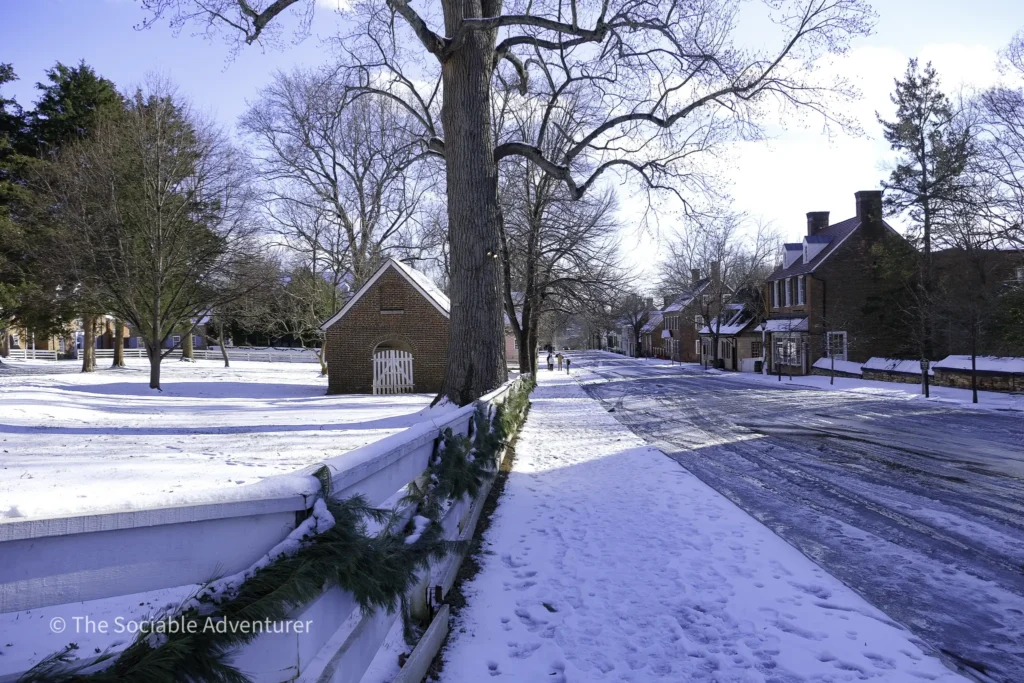
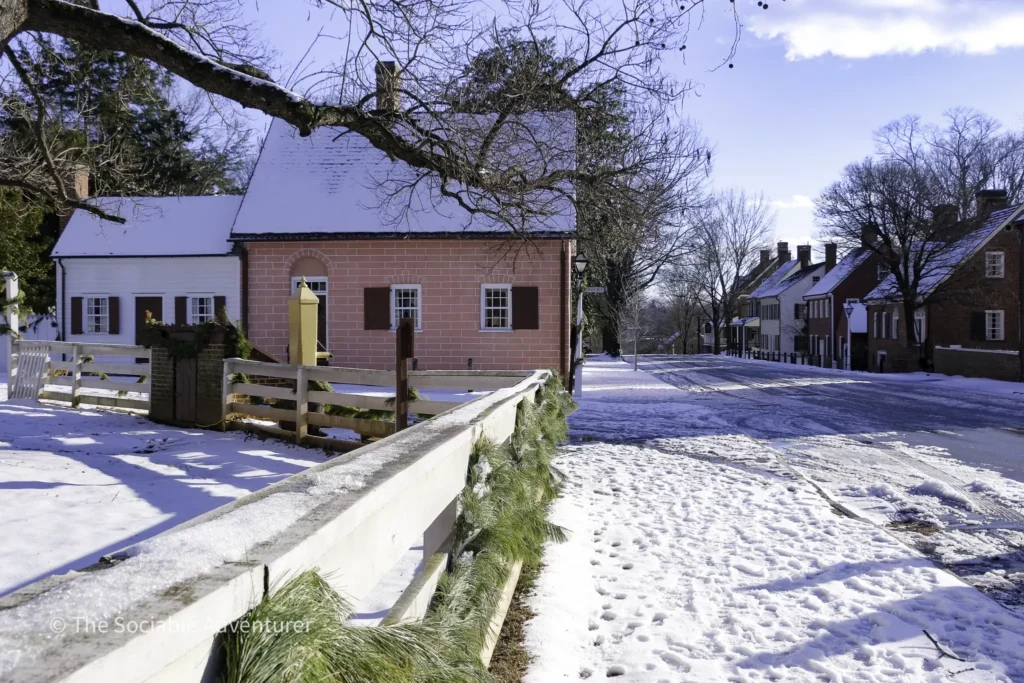
Salem — the Moravian word for “peace” in Hebrew — was designed from the outset as the central town of Wachovia. Construction began in 1766 after careful planning and surveying. The Moravians laid out Salem with a broad main street anchoring the plan, narrower side streets radiating out, and a central square at the town’s heart. The square itself has a wonderful story attached: after 150 fruit trees were planted at the original site, the square was later moved south toward a better water source.
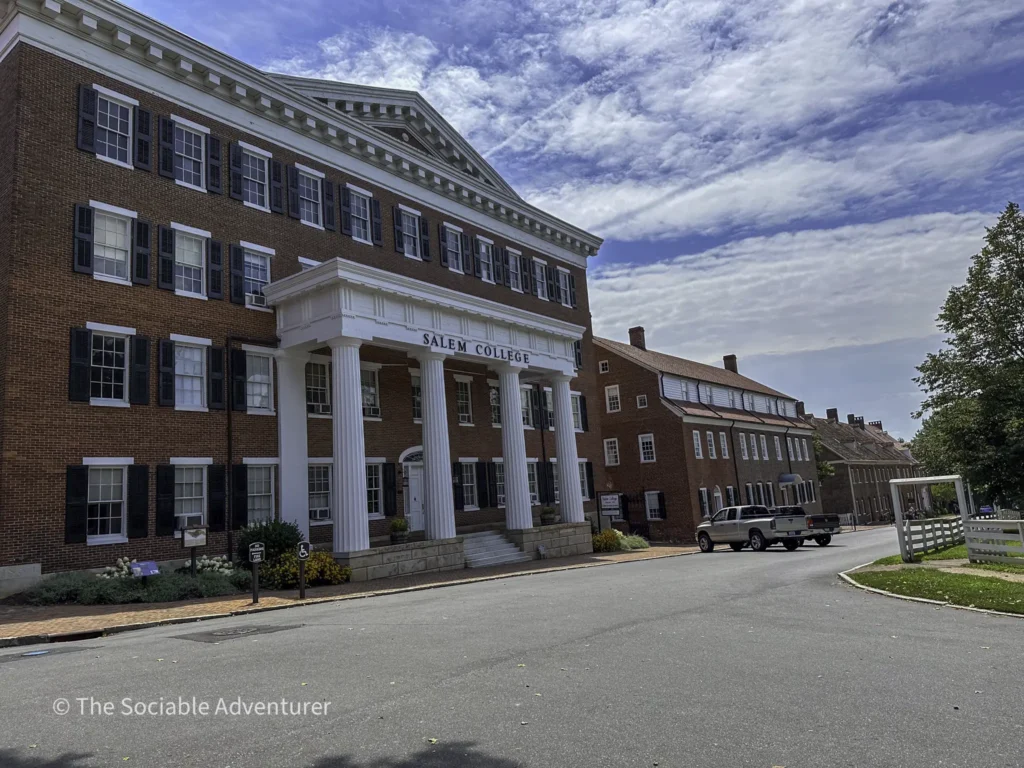
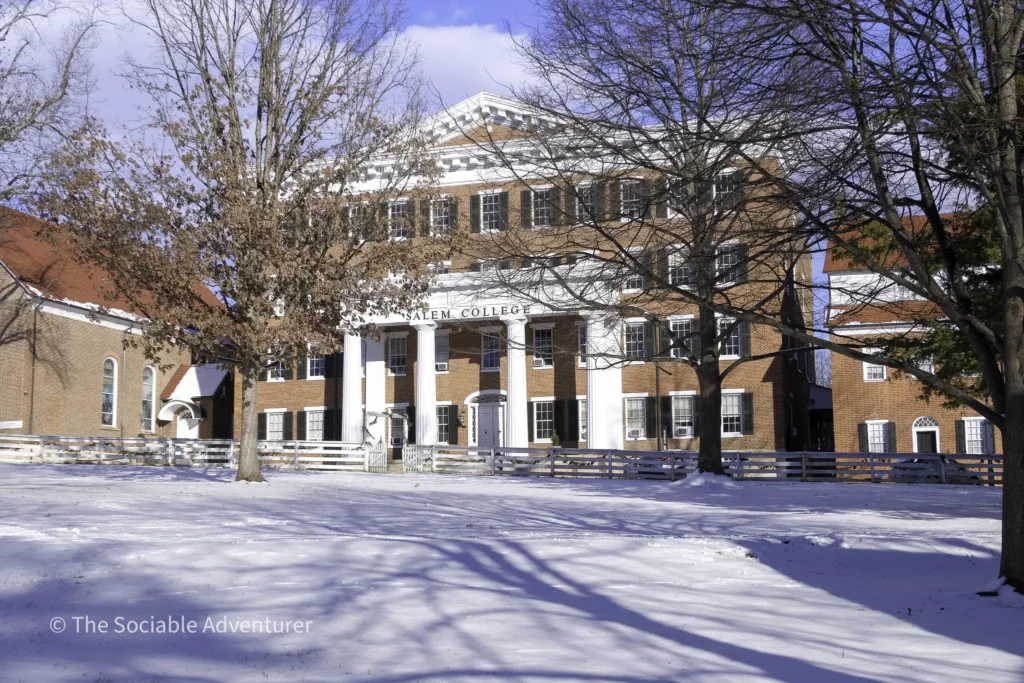
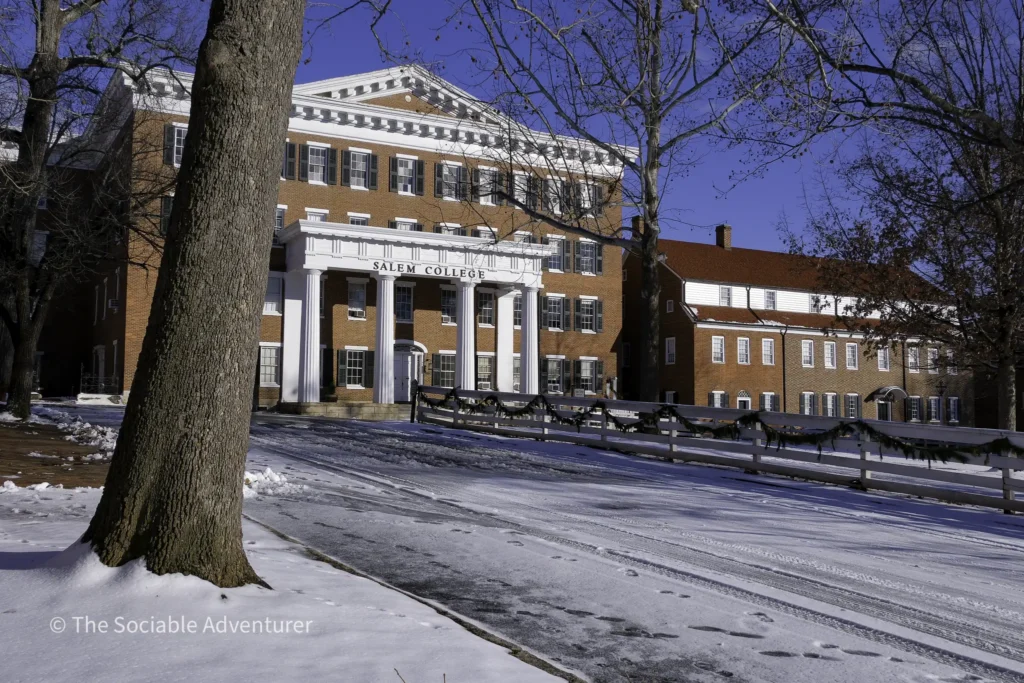
Salem grew steadily through the late 18th and early 19th centuries as the commercial and religious center of Wachovia, eventually developing substantial textile and tobacco industries. In 1913, Salem merged with the neighboring town of Winston to form the modern city of Winston-Salem — and the naming eventually gave rise to the world-famous Winston and Salem cigarette brands. Meanwhile, Salem College — founded within the town in 1772 and one of the oldest women’s colleges in the United States — continues today as a working college adjacent to the historic district.
The 1950 Preservation Effort — Frank L. Horton and Old Salem Inc.
By the mid-20th century, much of Salem’s original architecture faced substantial threats from urban development pressure as Winston-Salem grew. In response, community leaders established Old Salem Inc. in 1950 as a non-profit organization dedicated to preserving and restoring the historic core of Salem. That effort would become one of the most significant urban historic preservation projects of its era in the American South.
Frank L. Horton (March 21, 1918 – February 21, 2004) served as Old Salem Inc.’s first director of restoration from 1950 forward. Under Horton’s leadership through 1972, approximately 50 buildings were restored or reconstructed across both the Old Salem and Historic Bethabara Park historic districts — a Moravian restoration achievement that shaped both properties’ present-day visitor experiences.
In 1965, while still leading restoration efforts at Old Salem, Horton co-founded the Museum of Early Southern Decorative Arts (MESDA) with his mother, Theodosia “Theo” Liipfert Horton Taliaferro — establishing what would become the preeminent research center for Southern decorative arts scholarship.
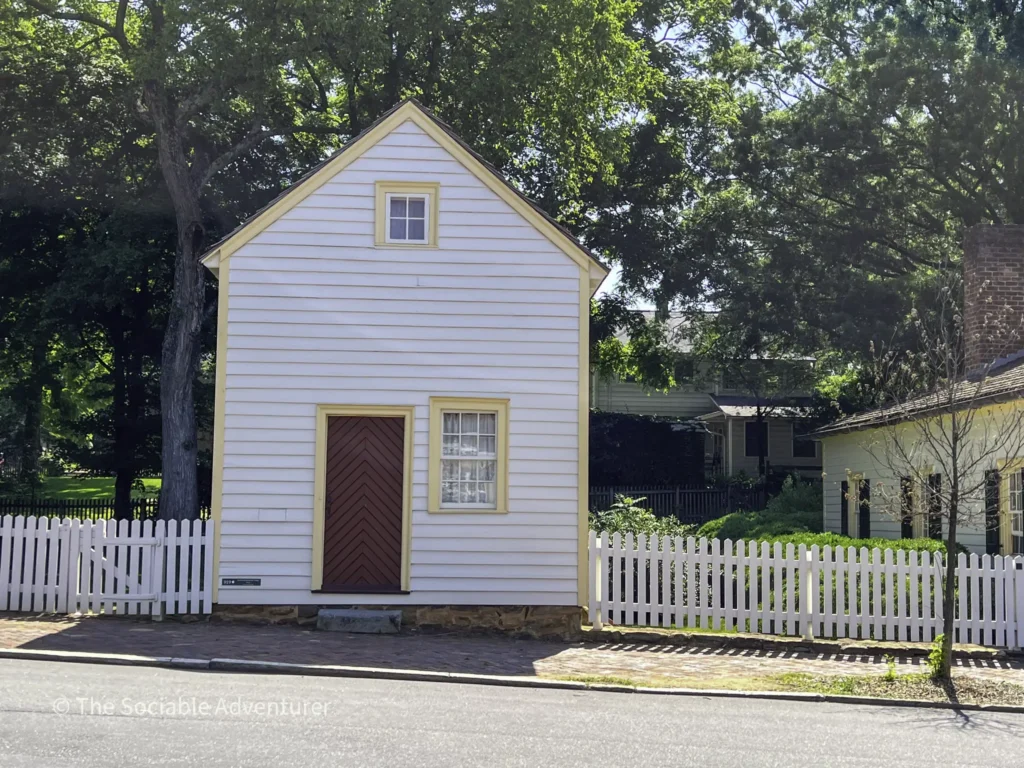
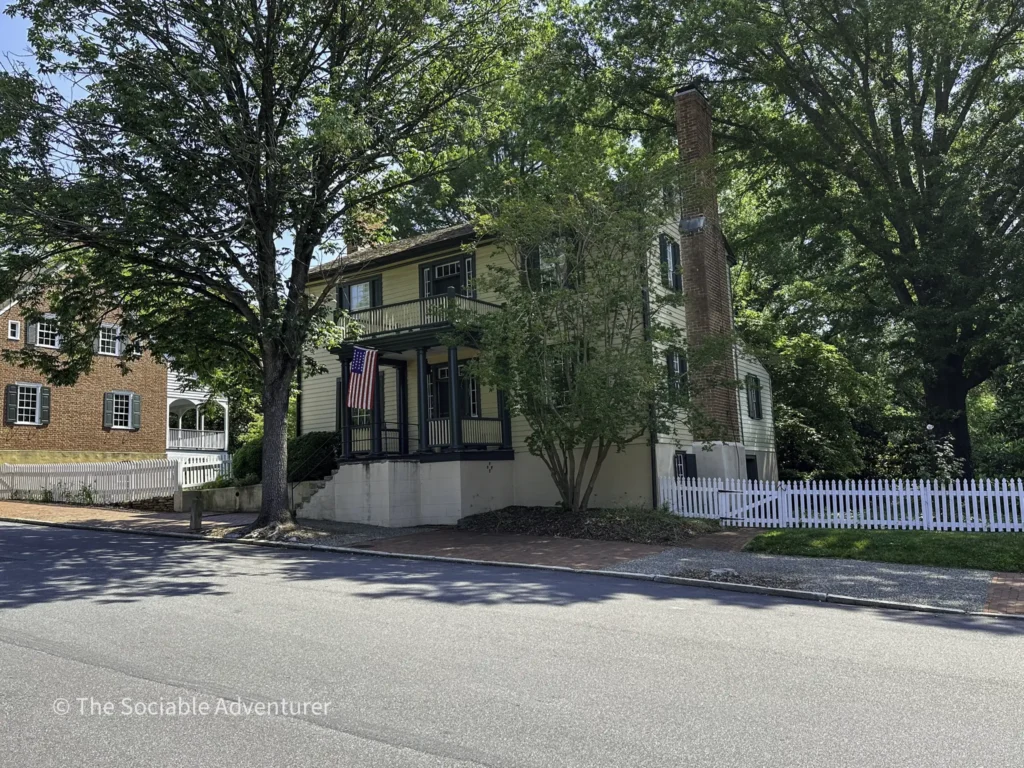
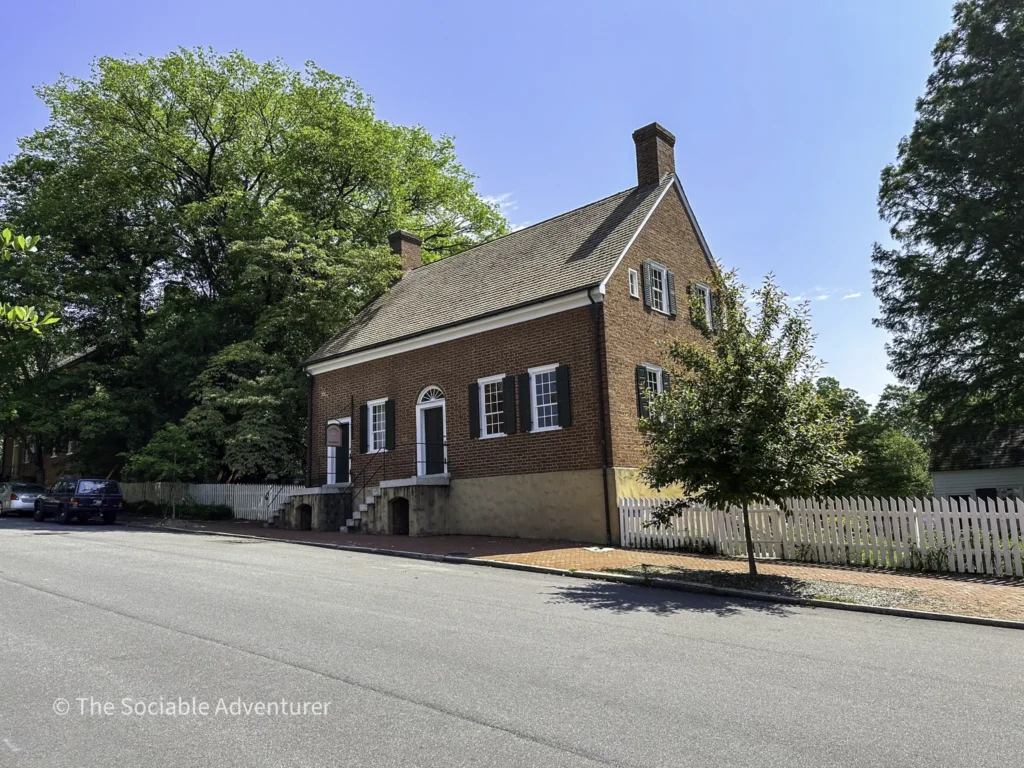
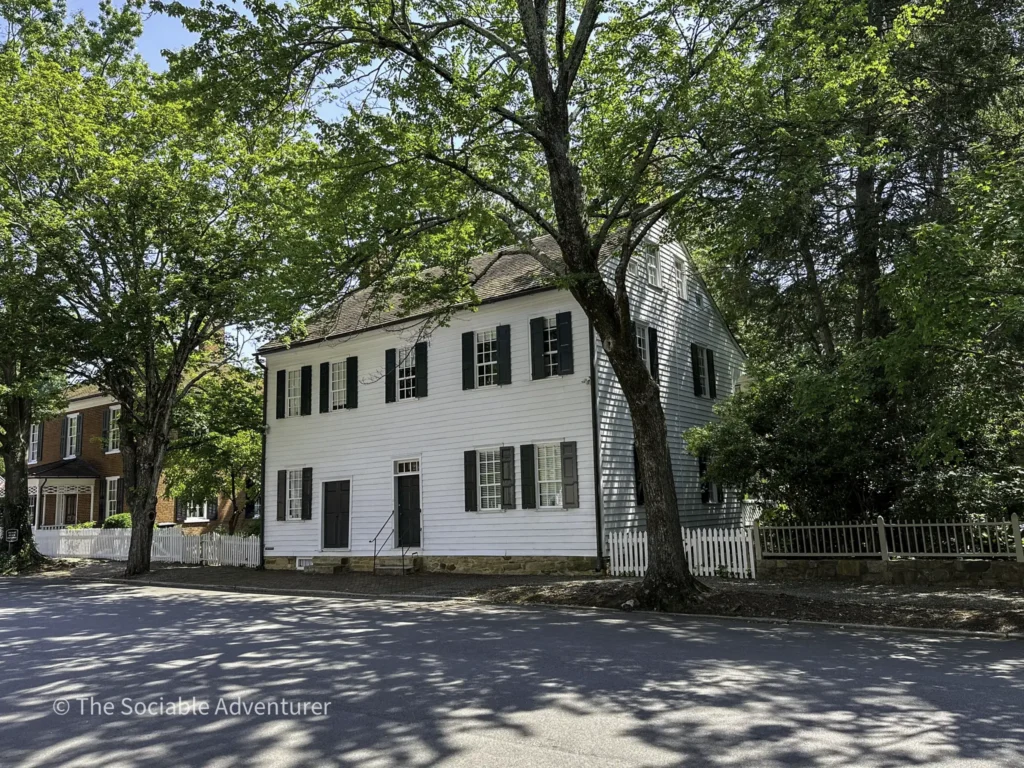
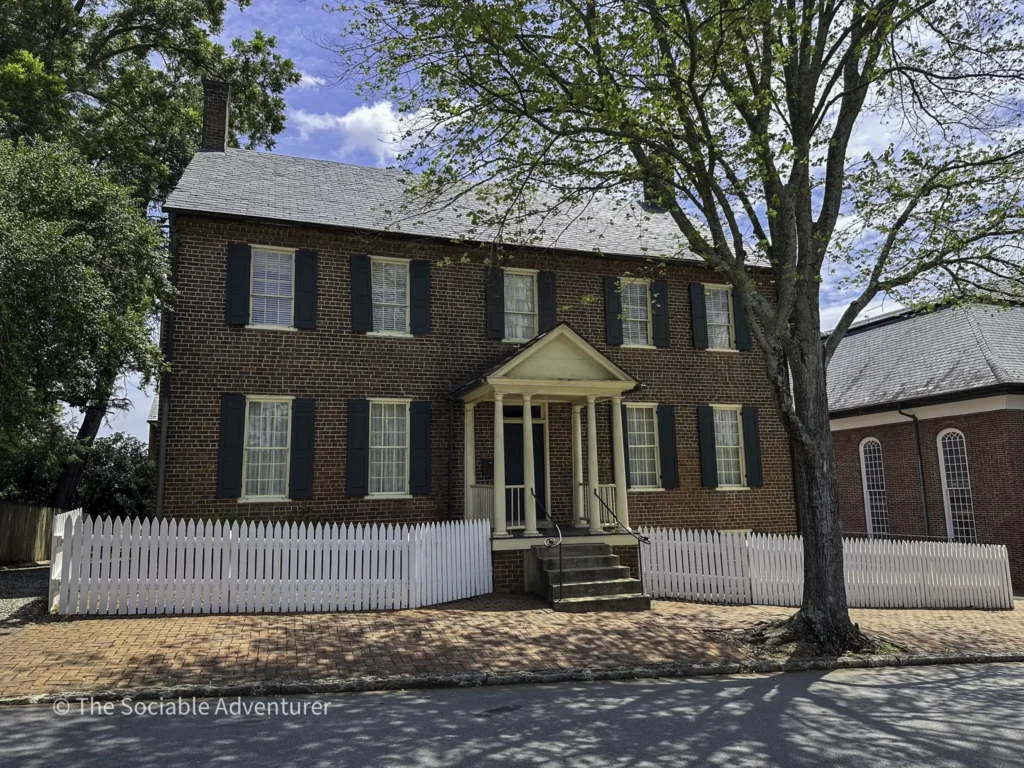
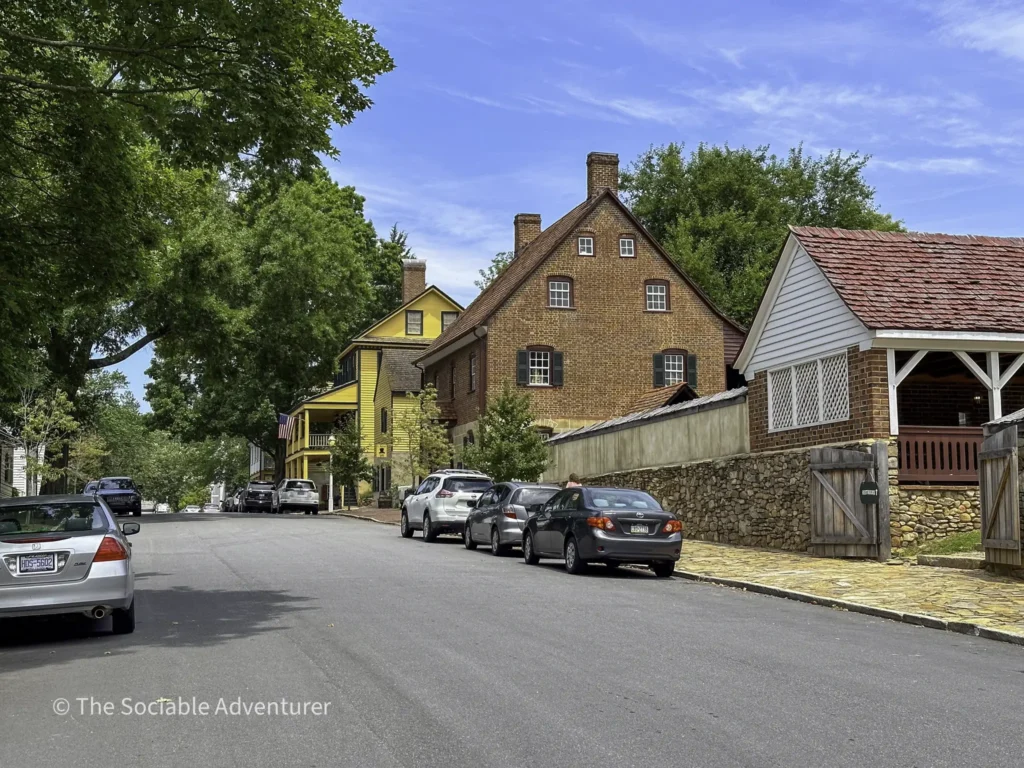
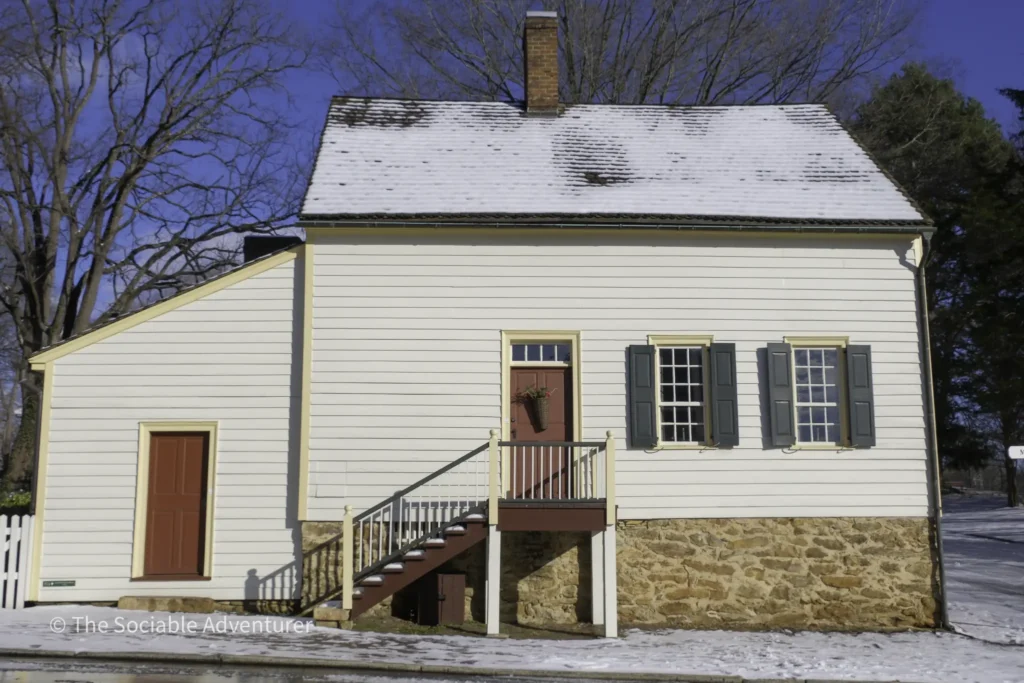
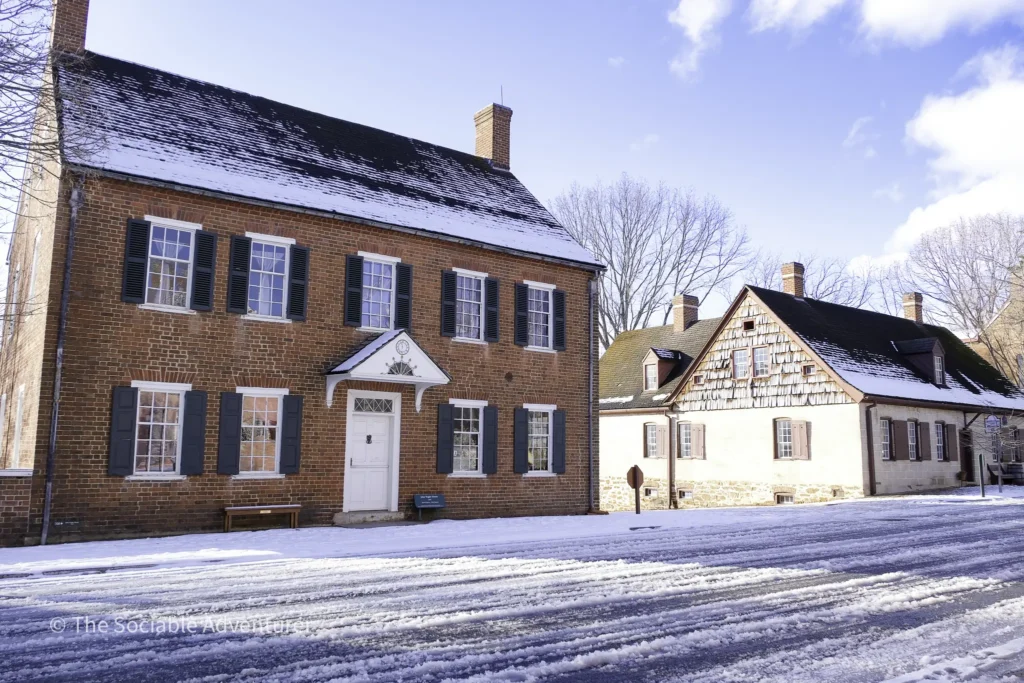
The lasting result of Old Salem Inc.’s work is that roughly three-quarters of the buildings visible in the Old Salem historic district today are original 18th- and 19th-century Moravian structures — not reconstructions or replicas. Combined with the meticulous Moravian archival tradition, Old Salem’s interpretations are grounded in an extraordinary depth of primary sources. Today, Old Salem Museums & Gardens operates three integrated museums:
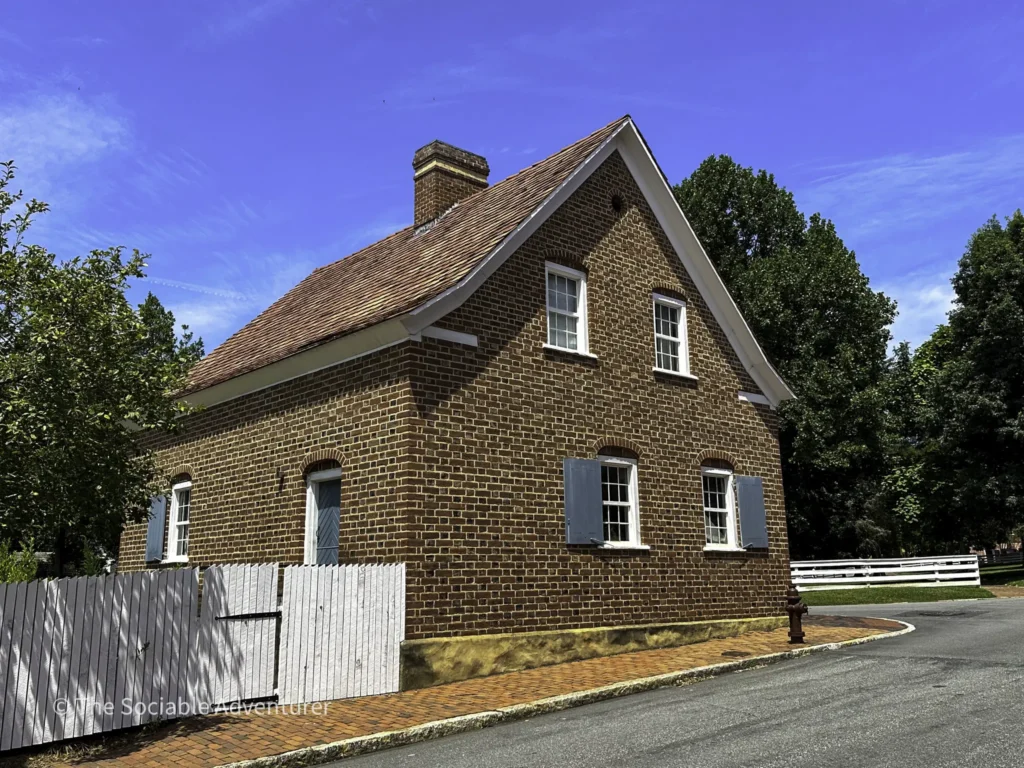
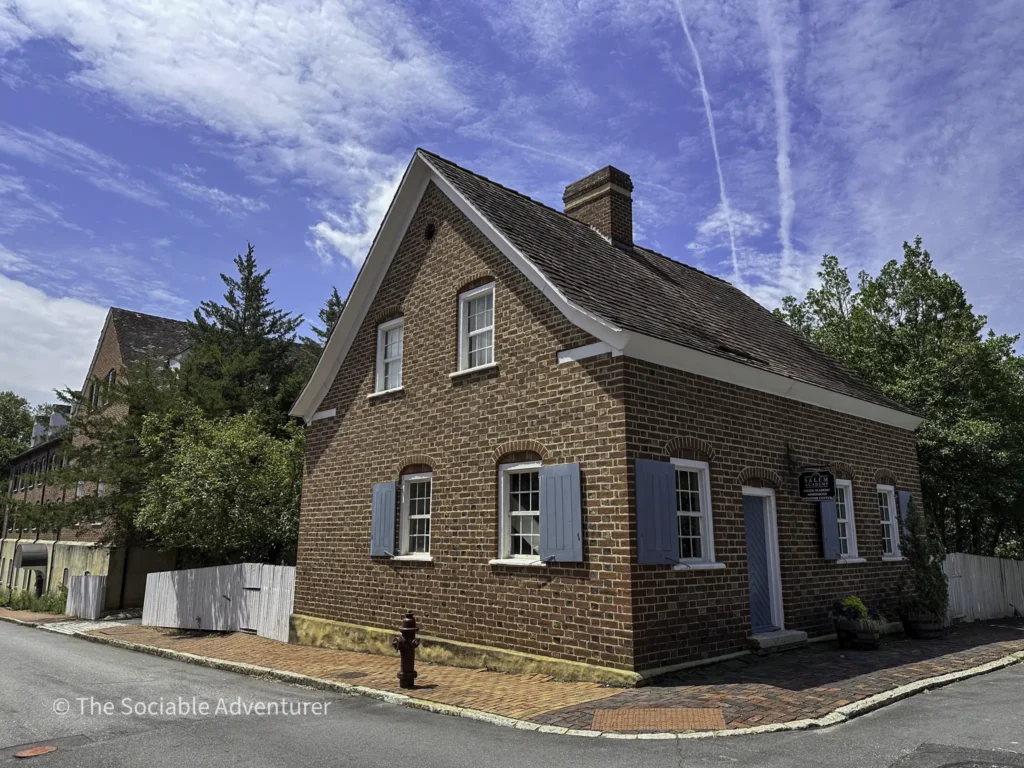
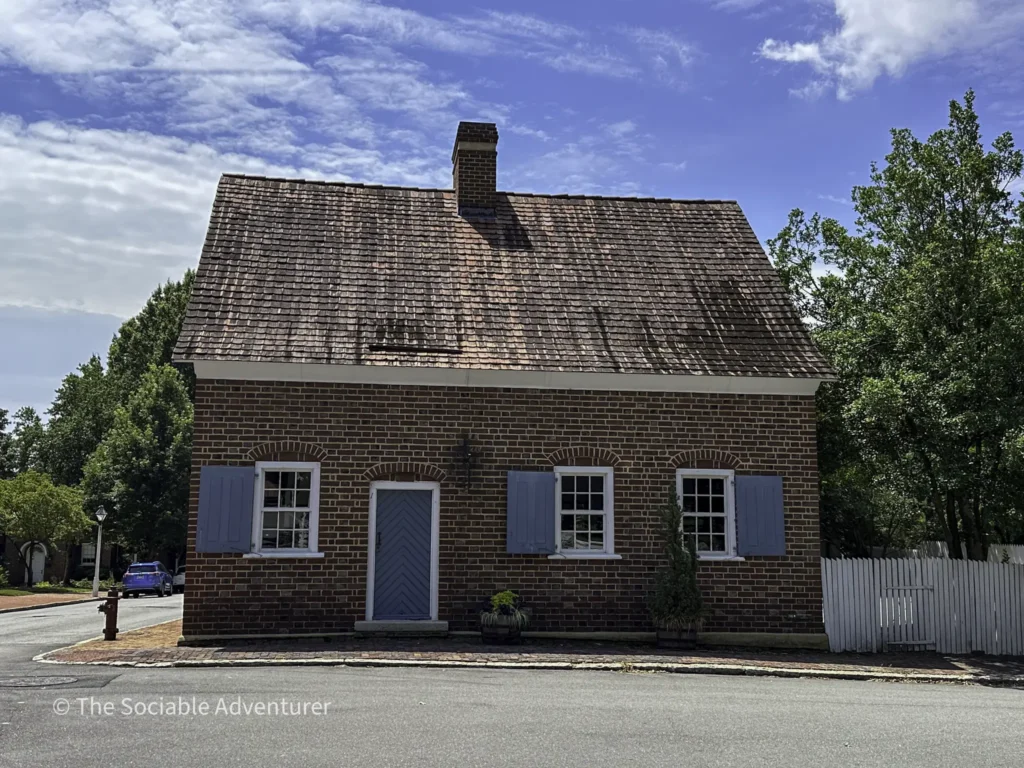
- The Historic Town of Salem — the living history village anchored by working trade shops, restored homes, a tavern, and public buildings
- Museum of Early Southern Decorative Arts (MESDA) — 33 galleries in the Frank L. Horton Museum Center displaying 3,600+ decorative arts objects from the pre-1860 American South
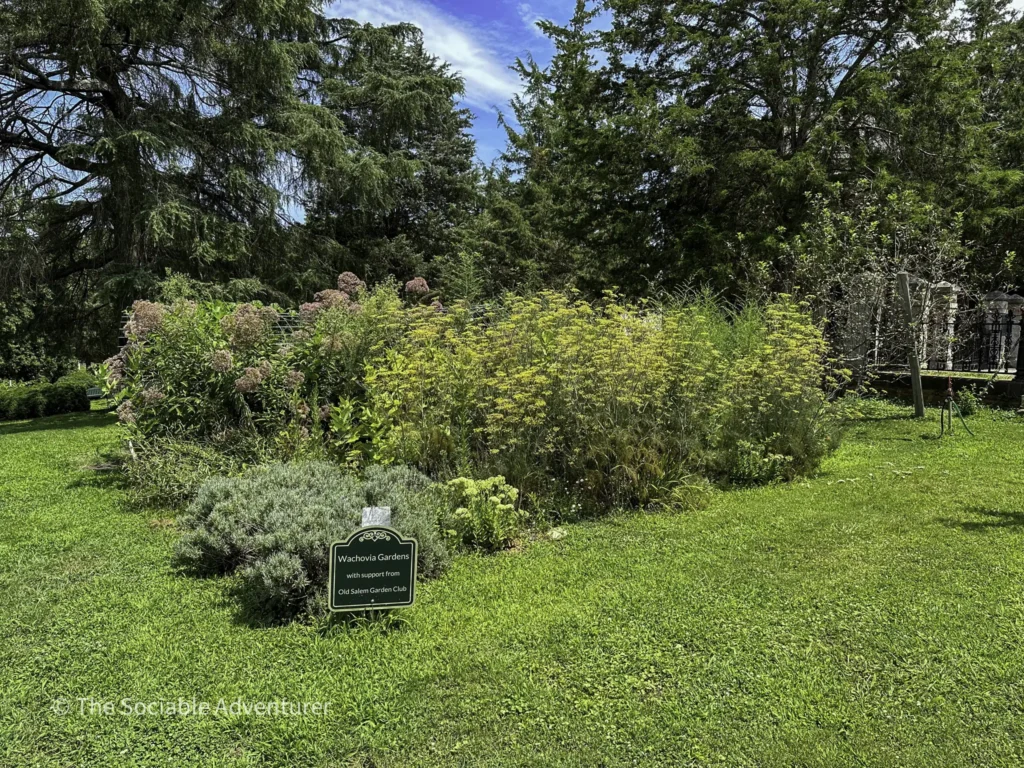
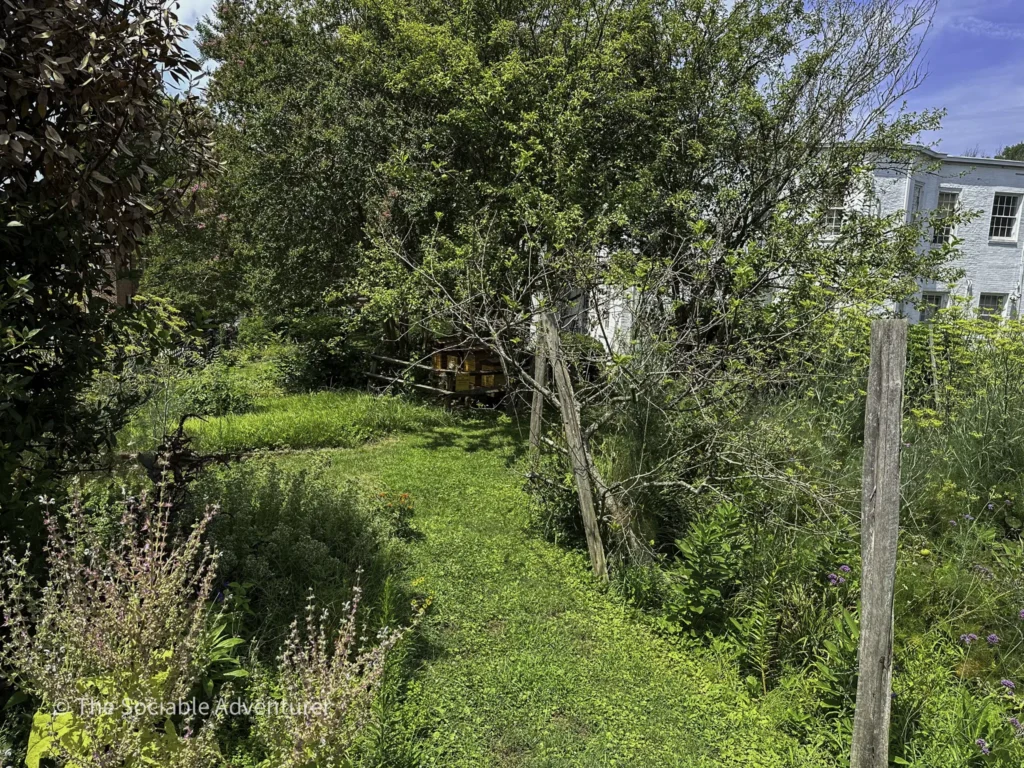
- The Gardens at Old Salem — heirloom Moravian gardens featuring plants and cultivation techniques accurate to the 18th- and 19th-century town
In 2017, Old Salem launched the Hidden Town Project to research and interpret the lives and stories of enslaved and free African Americans who lived in Old Salem from the town’s founding in 1766 through emancipation and beyond.
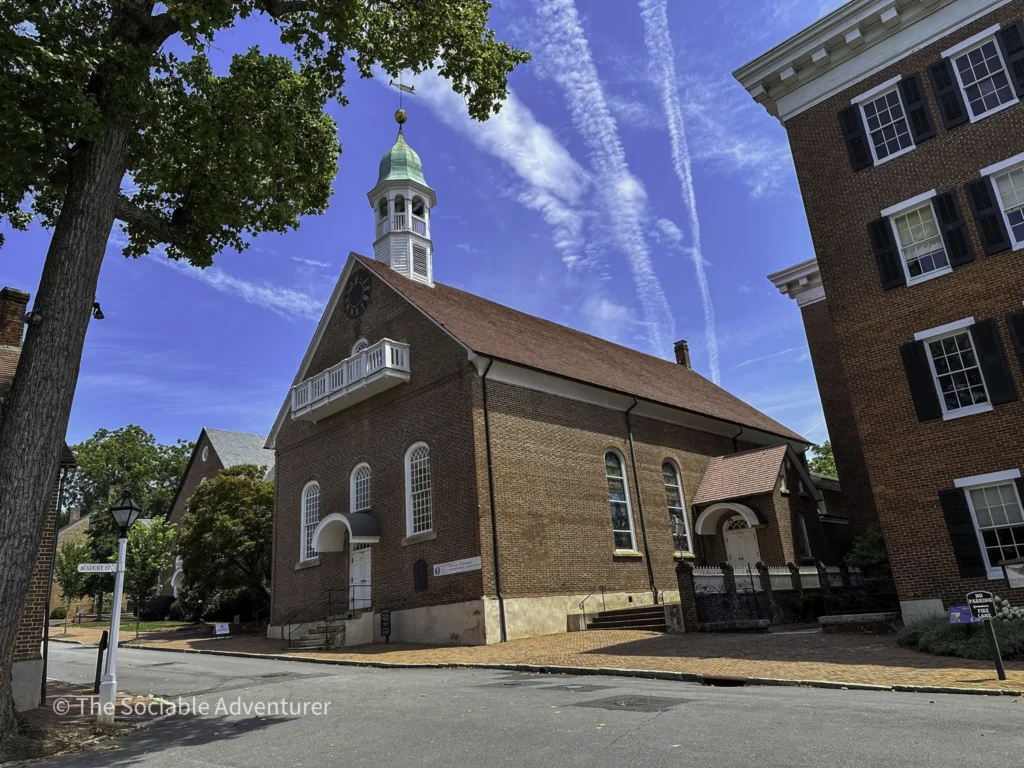
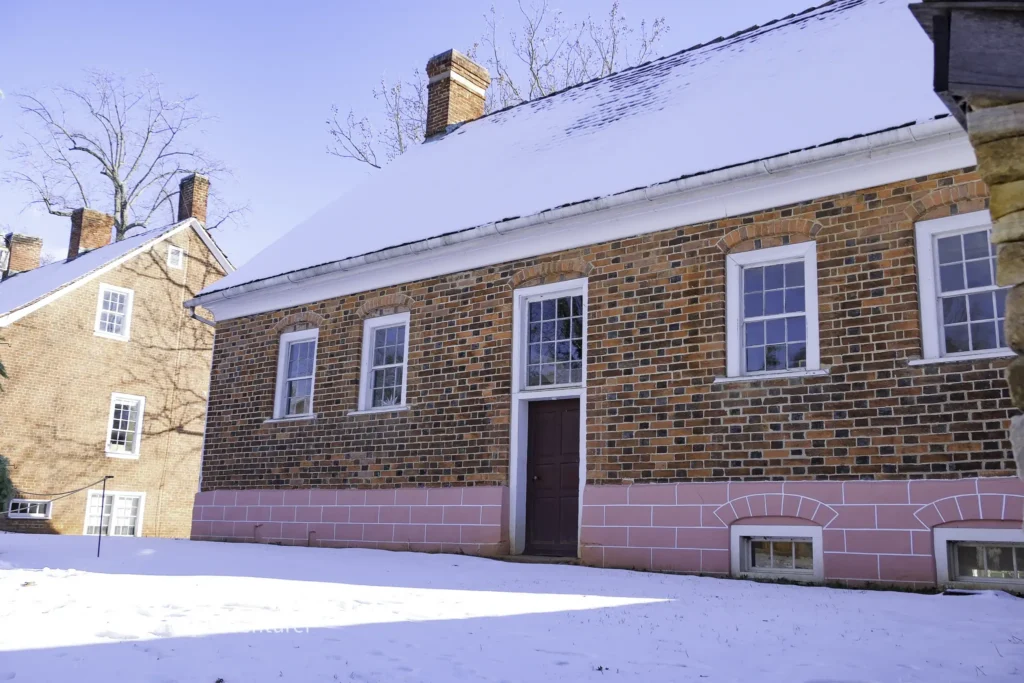
One of the Hidden Town Project’s most compelling anchors is the historic site of St. Philips Moravian Church (1861) — the oldest surviving African American church building in North Carolina. On May 21, 1865, Black community members first heard the news of the Emancipation Proclamation from the St. Philips pulpit, delivered by Rev. Seth G. Clark of the 10th Regiment Ohio Cavalry, reading General Orders 32.
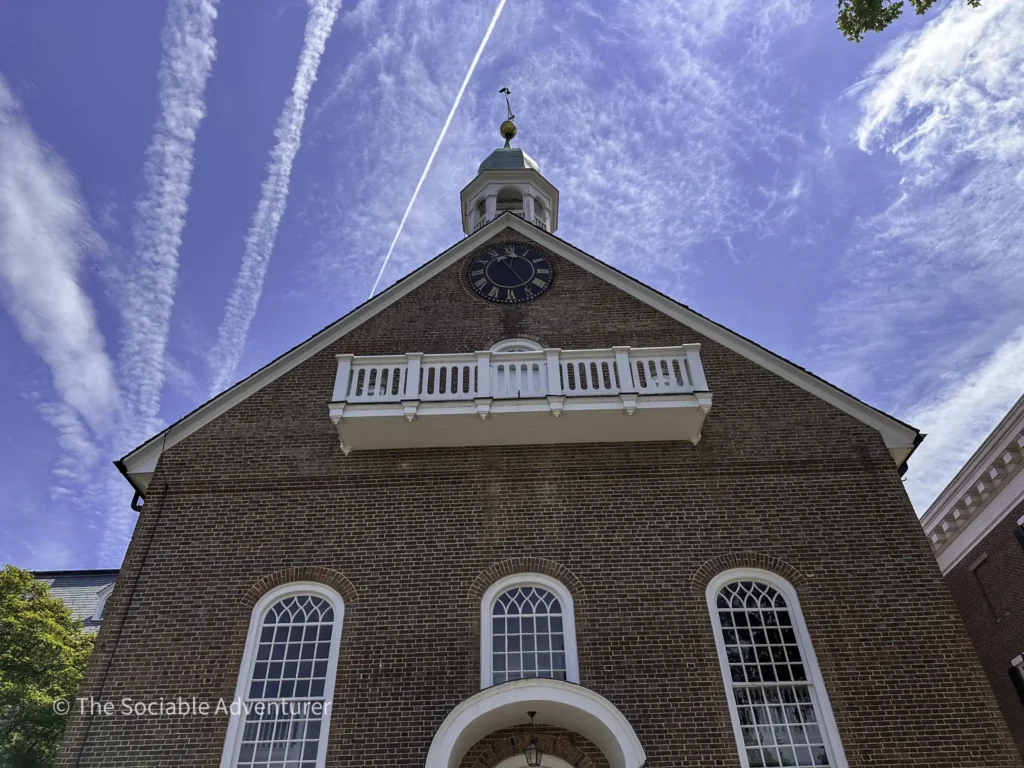
St. Philips is owned by Salem Congregation — a network of 13 Moravian churches — rather than by Old Salem Museums & Gardens. In 2019, the St. Philips Moravian congregation returned to the historic Salem sanctuary after more than five decades of worshipping at their Bon Air Avenue location. The congregation now holds weekly Sunday worship services at the Historic Brick Church, and the site remains open for interpretation as part of the broader Old Salem walking experience.
The Interpreted Buildings — A Complete Roster
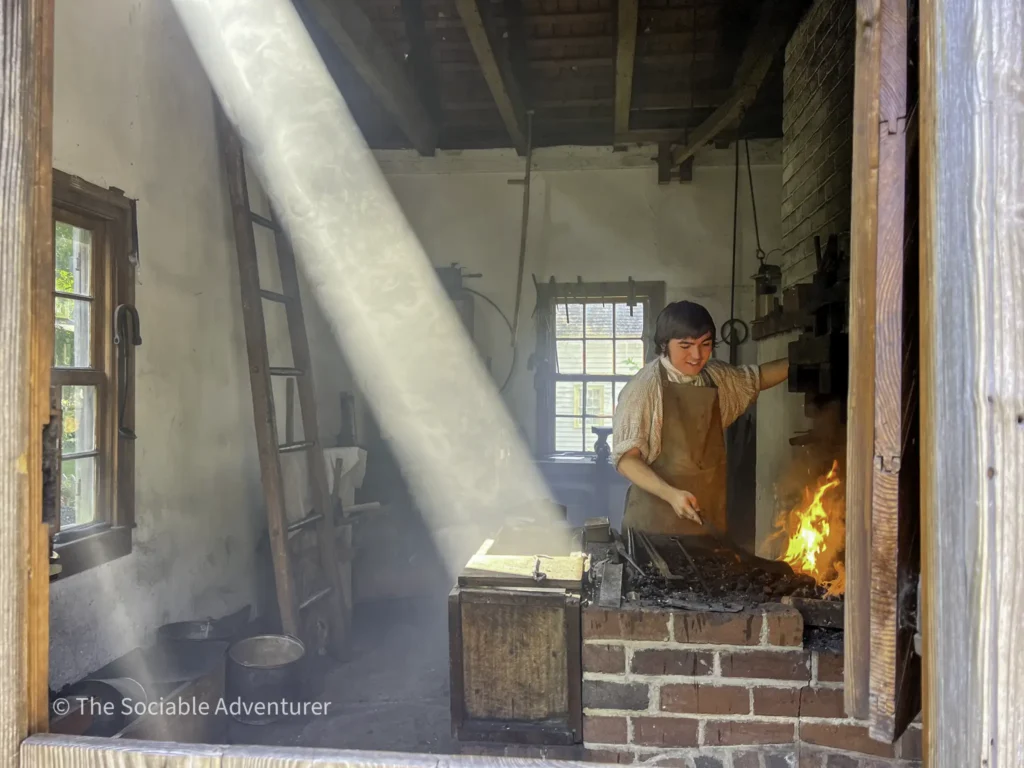
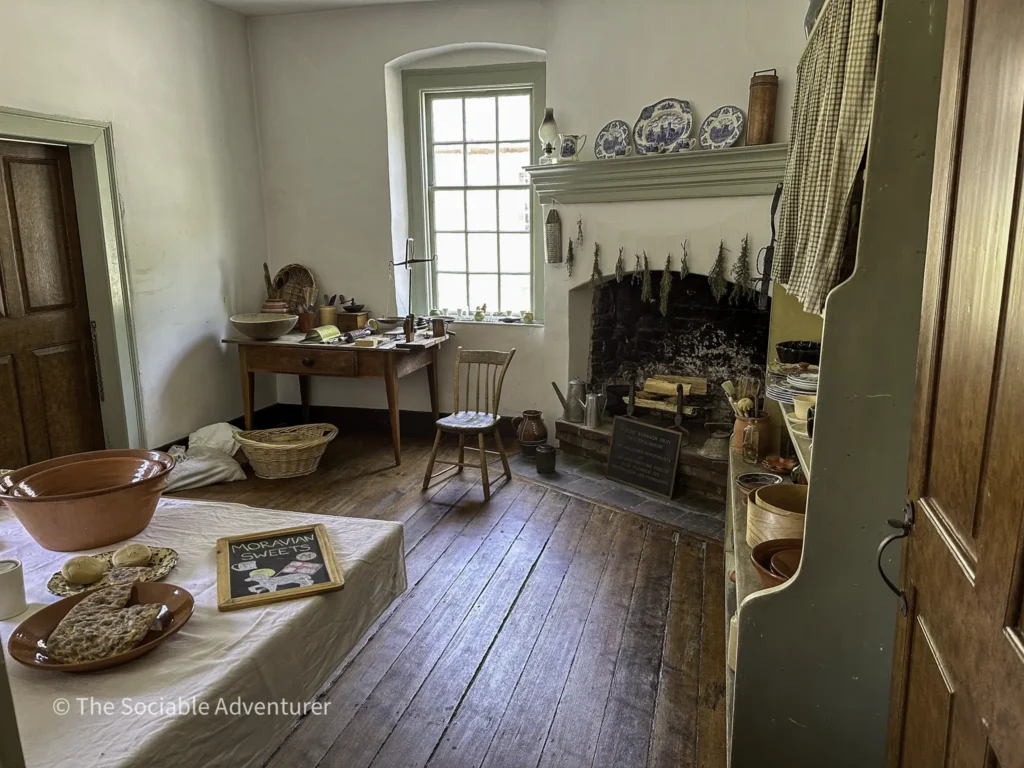
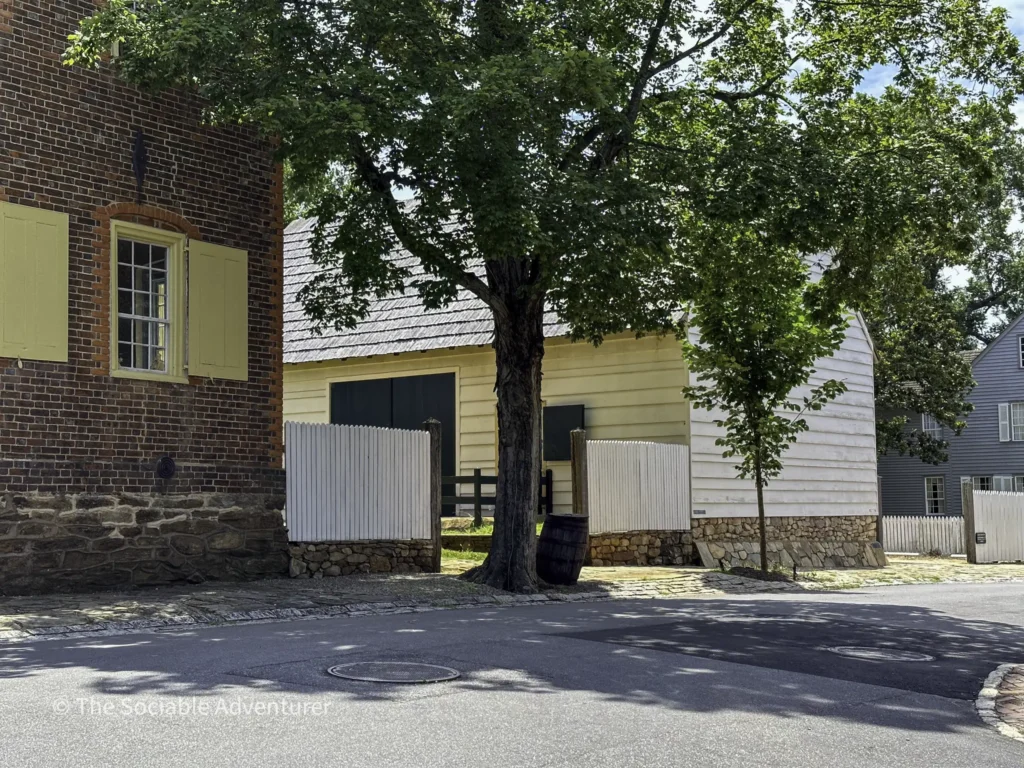
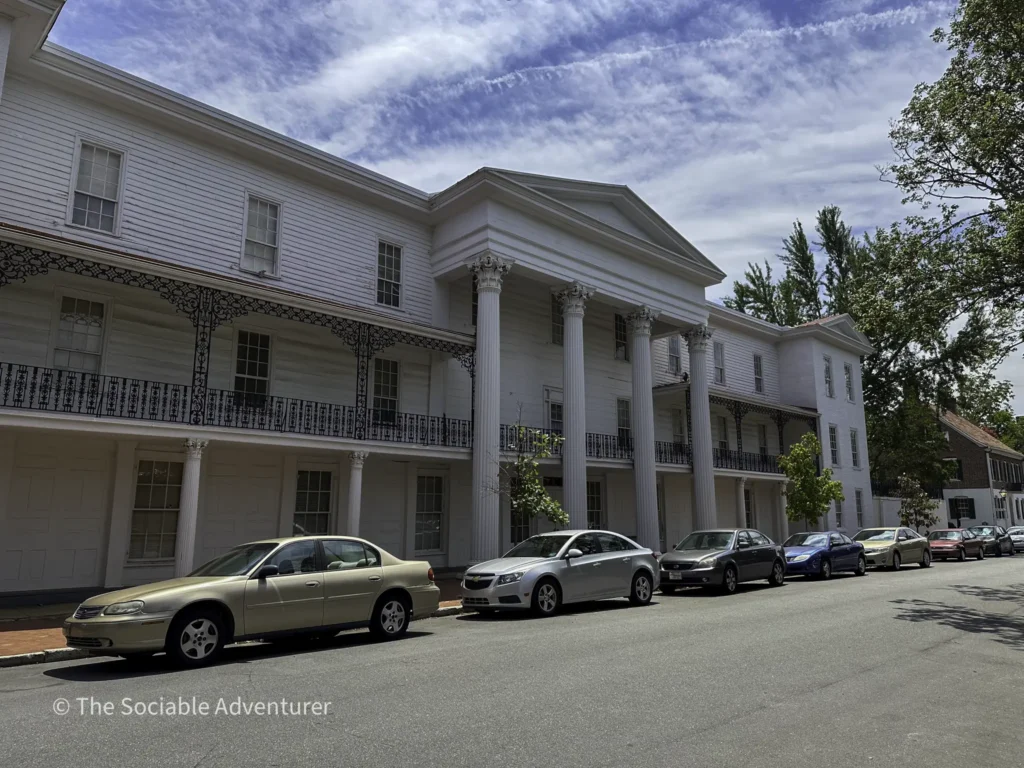
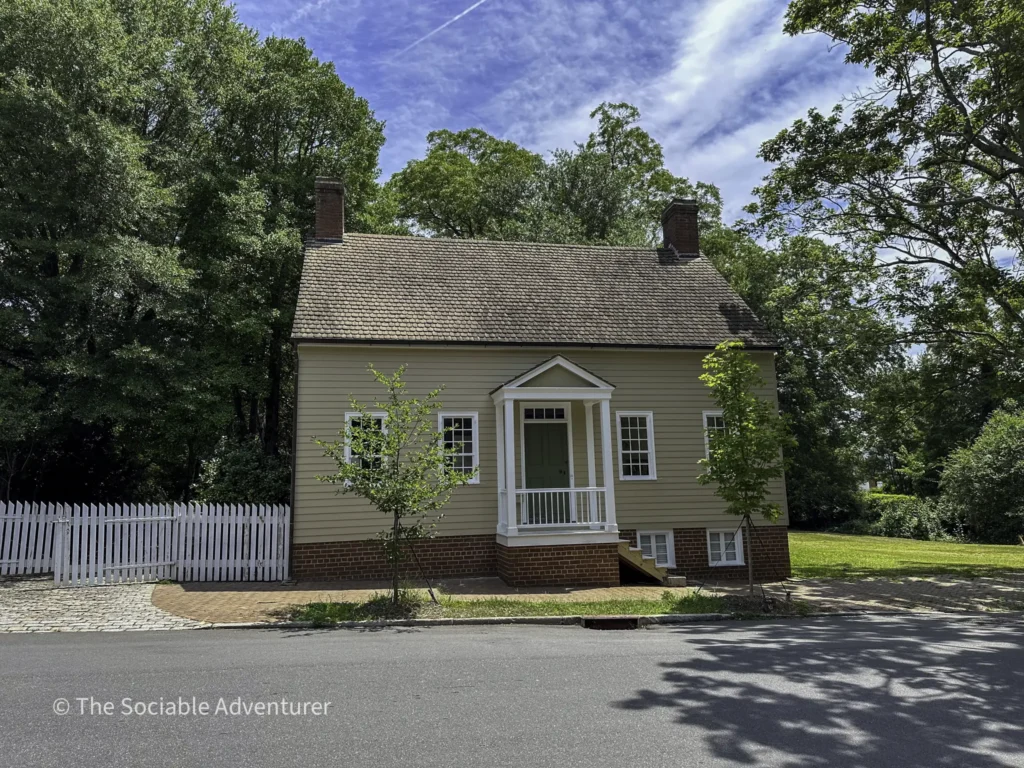
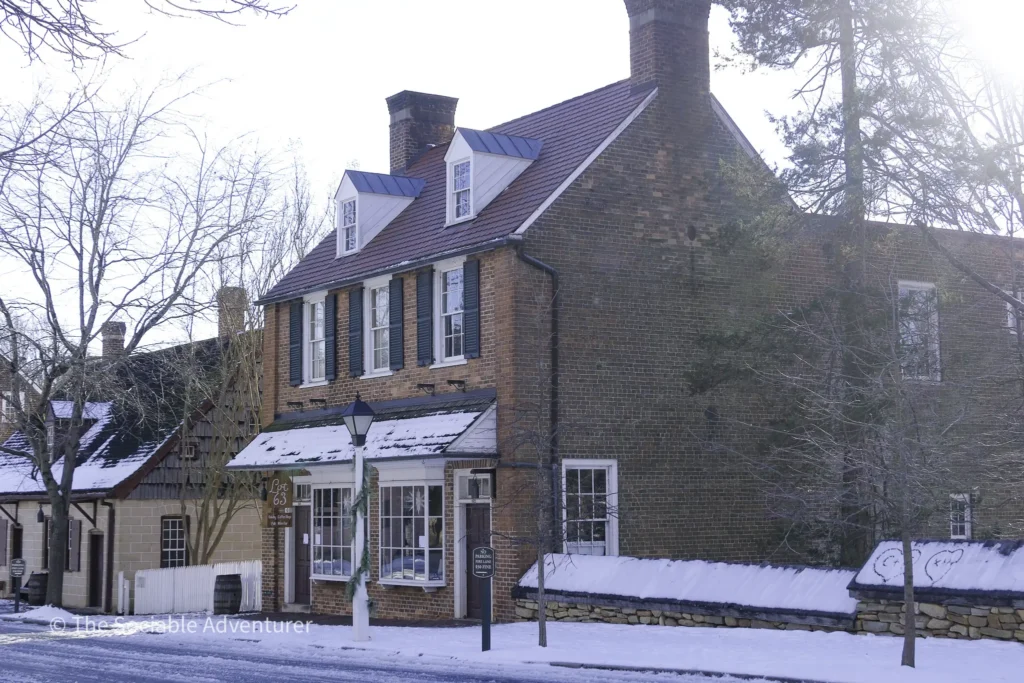
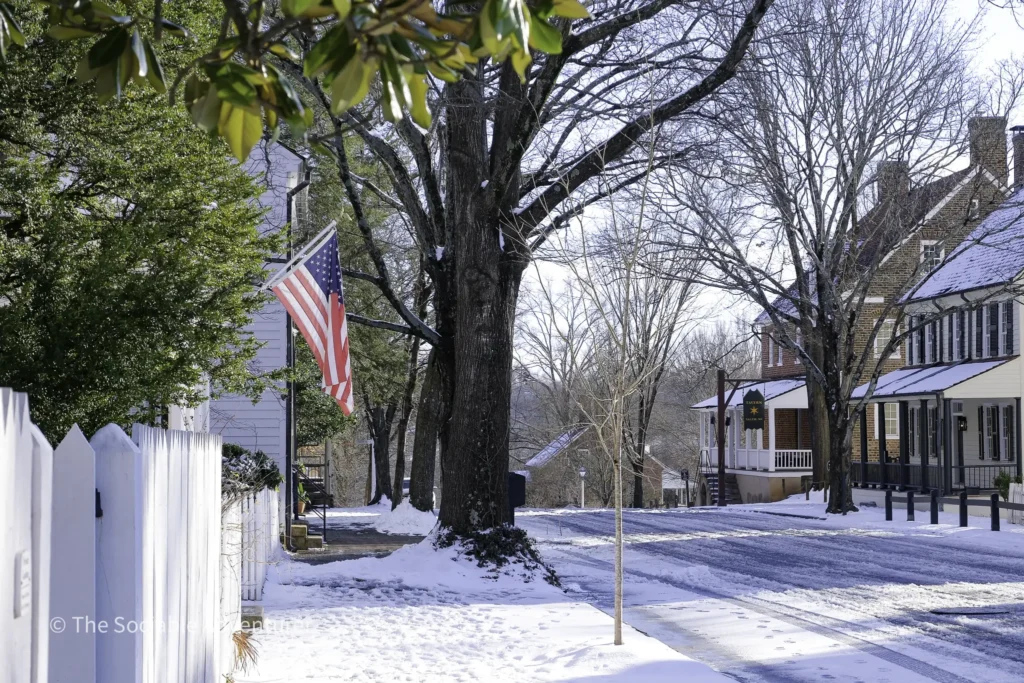
Old Salem’s living history experience is anchored by an extensive roster of interpreted buildings staffed by costumed interpreters who demonstrate trades, cooking, gardening, medicine, and community life as the Moravians practiced them. Old Salem is open Wednesday through Saturday from February through December (closed to the public throughout January), and the specific buildings staffed on any given day rotate through the roster — check the Old Salem website for current schedules.
Visitor Center + MESDA (start here):
- Old Salem Visitor Center — Primary ticket-purchase location; home to the Moravian Church’s Tannenberg Organ, James A. Gray Auditorium, Visitor Center Gift Shop, and Wachovia Conference Room
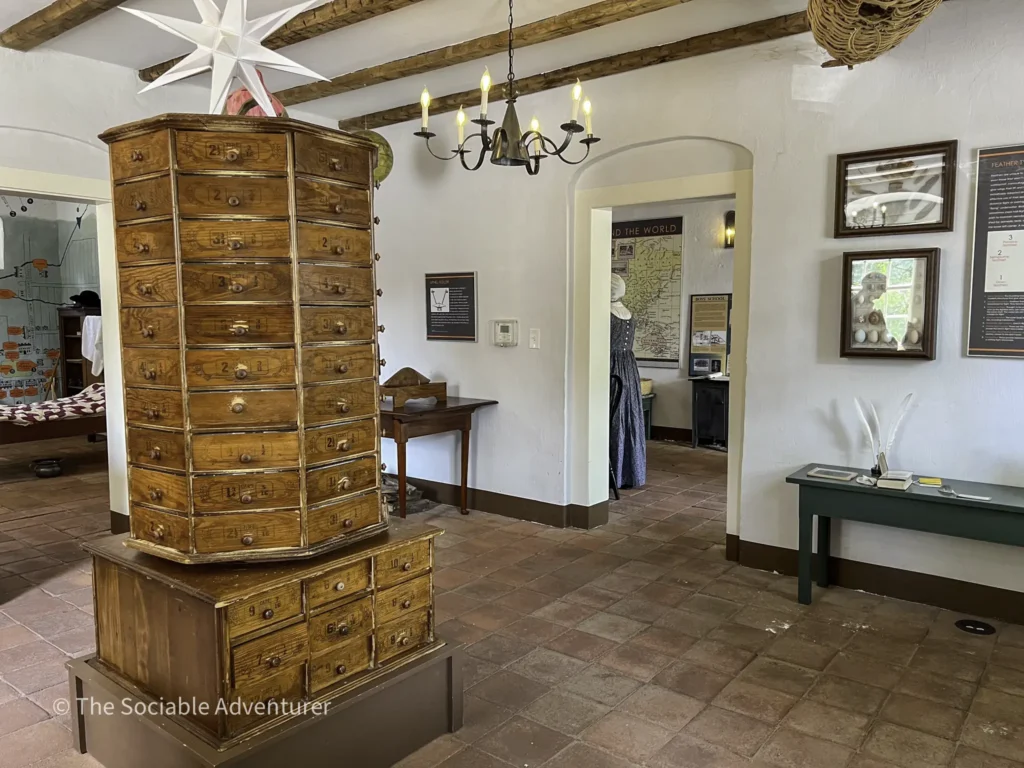
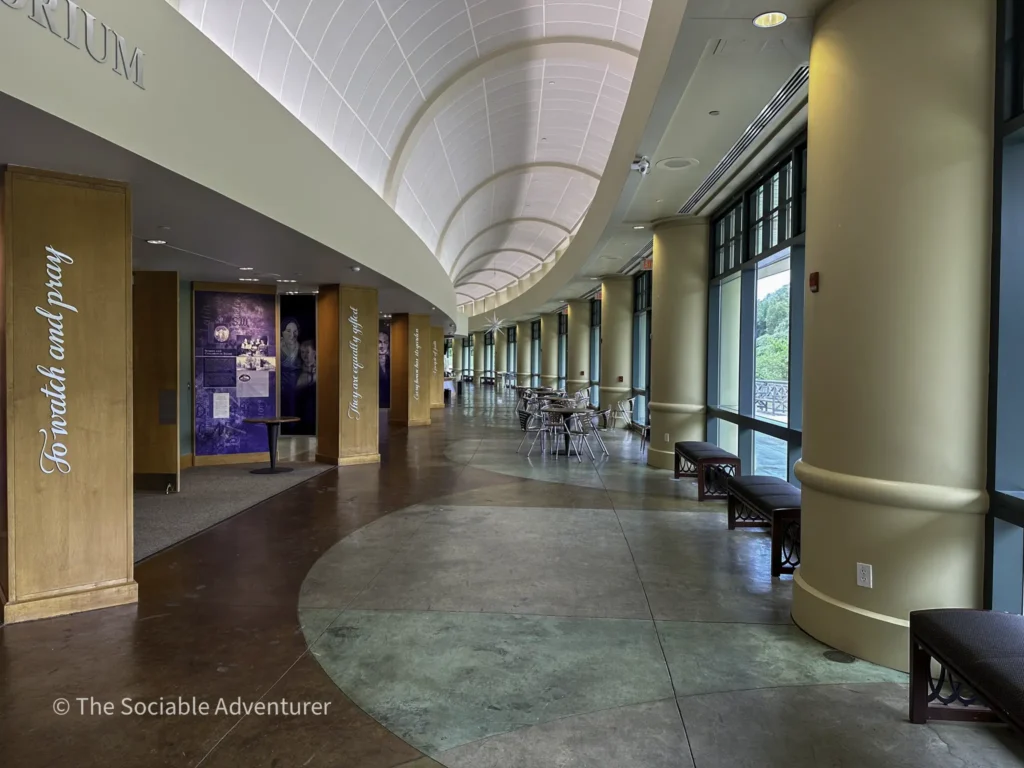
- Museum of Early Southern Decorative Arts (MESDA) — Three self-guided galleries plus additional collection studies by appointment; connoisseur tours available for an added fee; also houses the Anne P. and Thomas A. Gray Library and the MESDA Research Center
Trade shops and workshops:
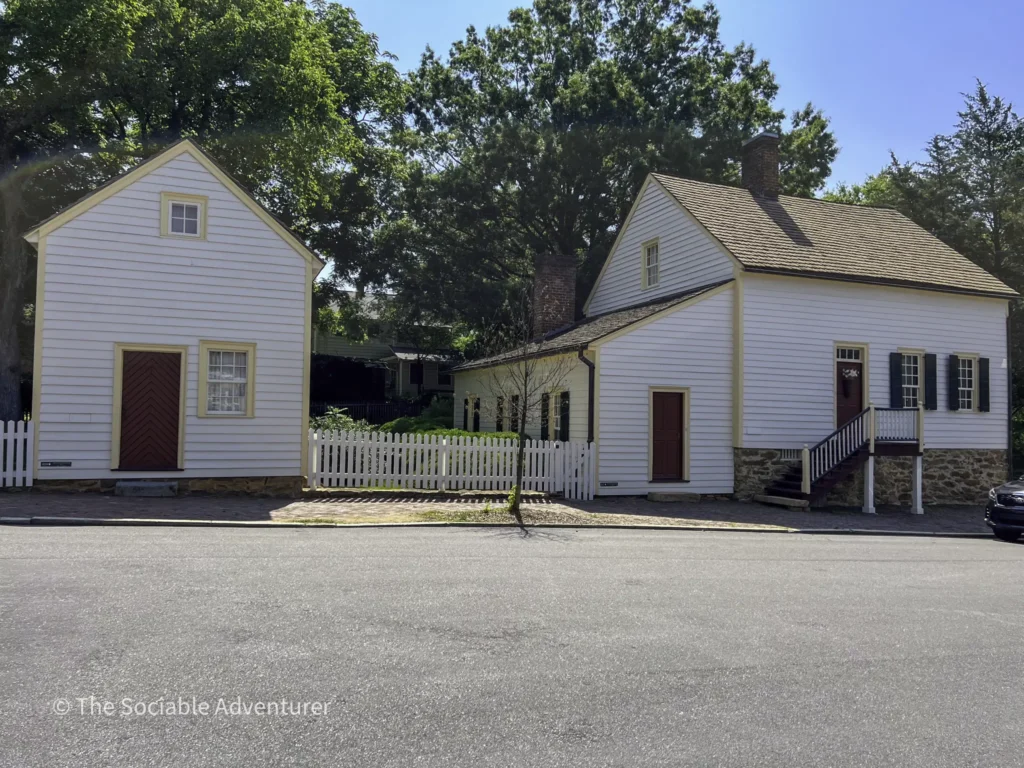
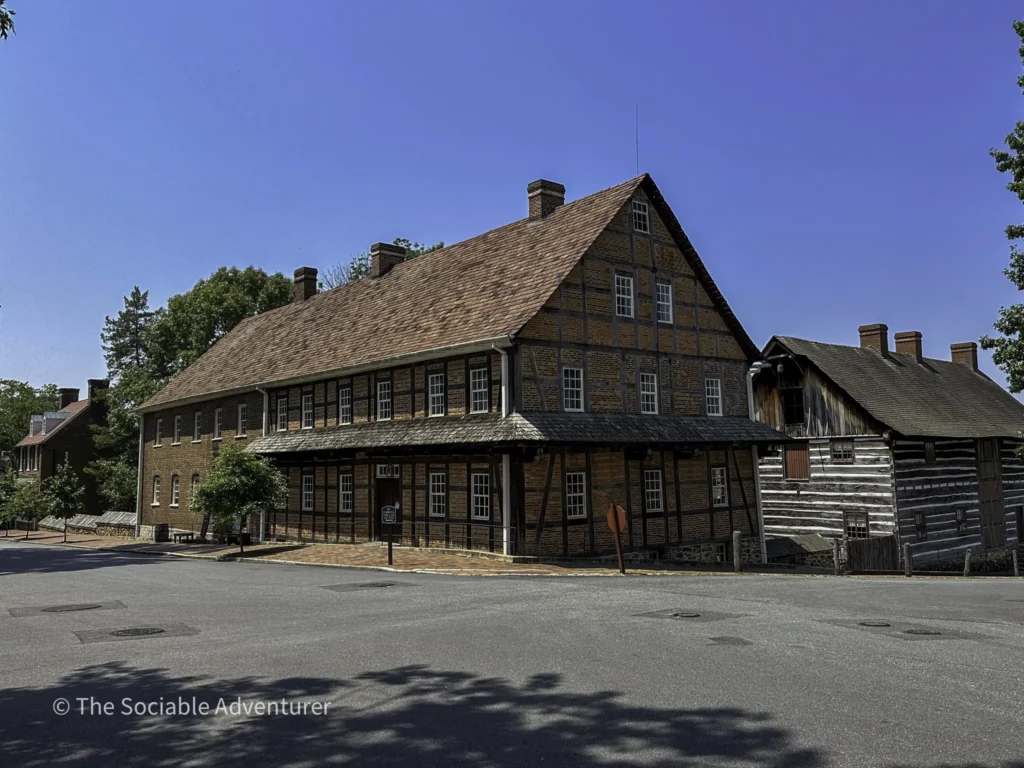
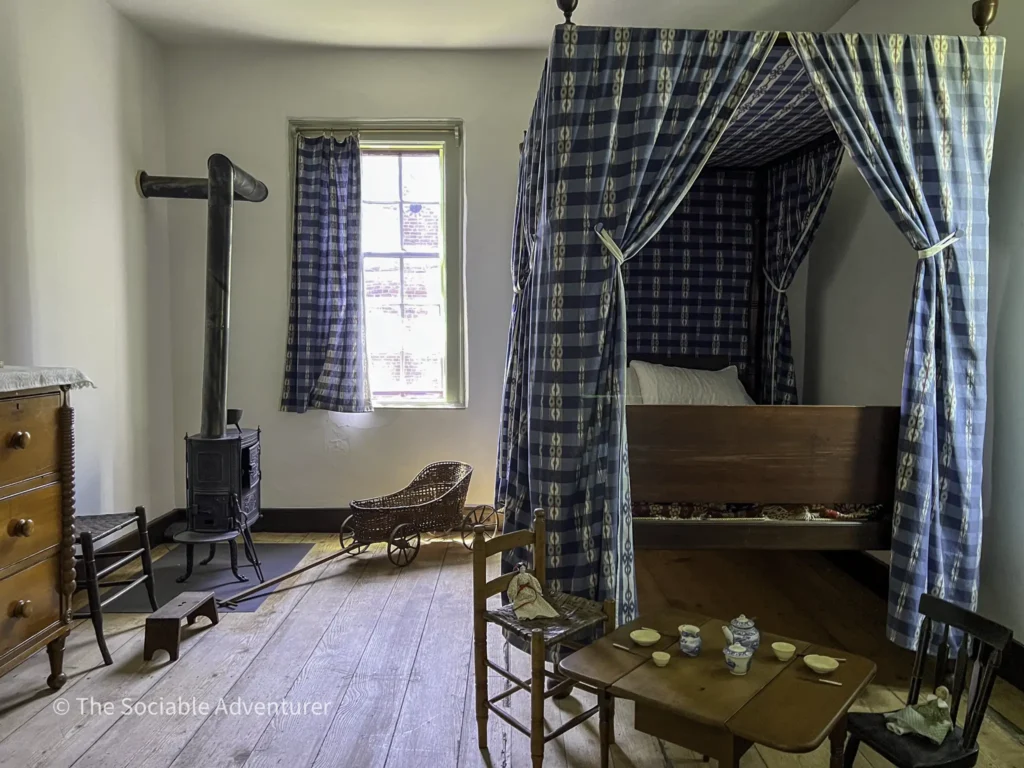
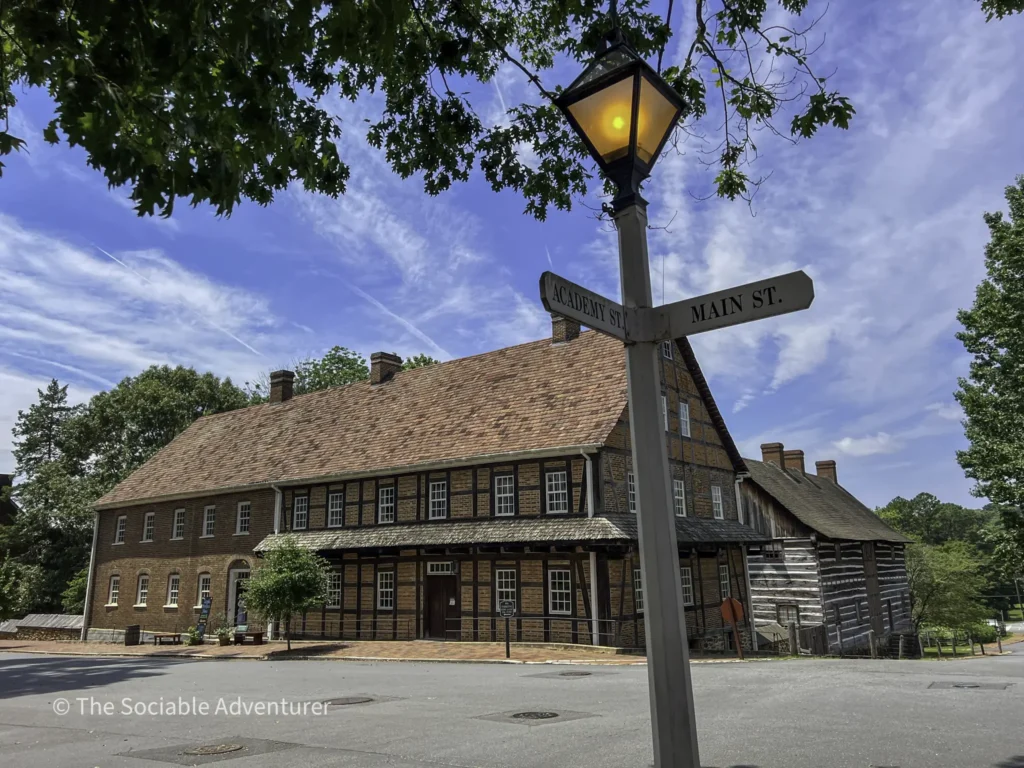
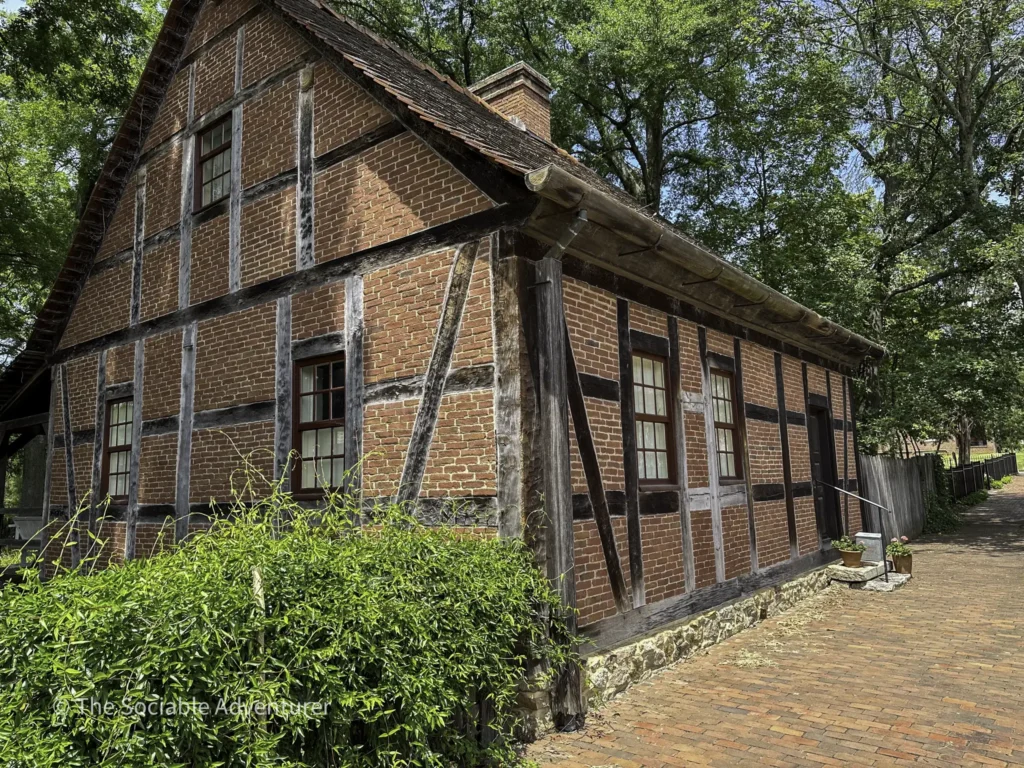
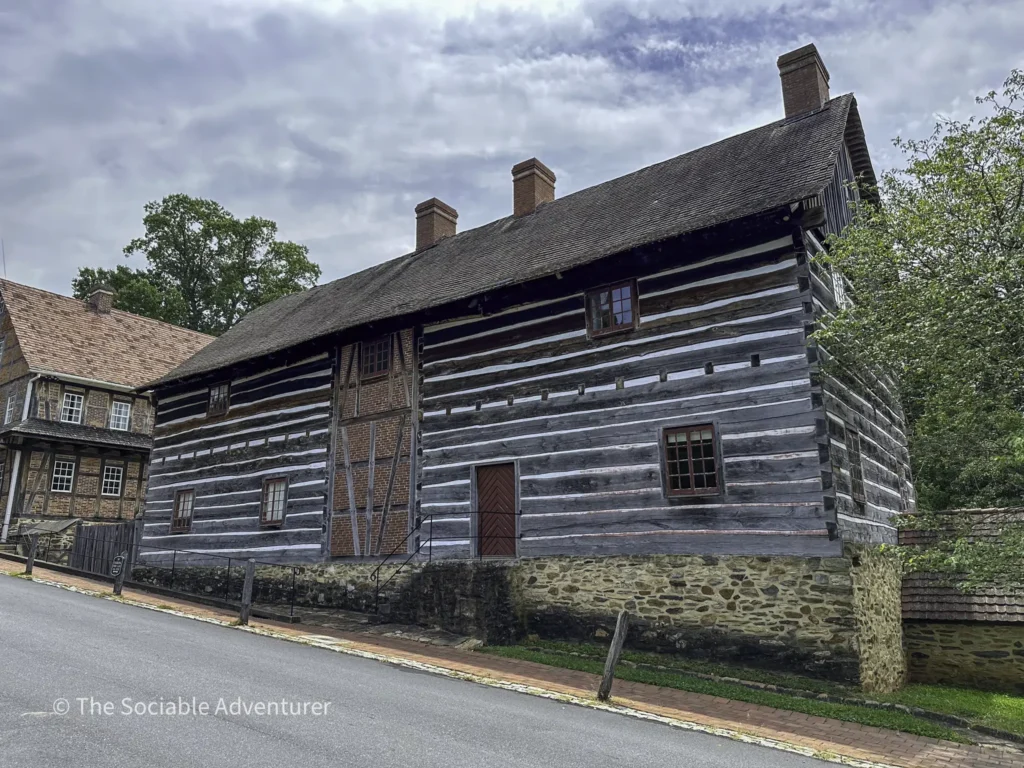
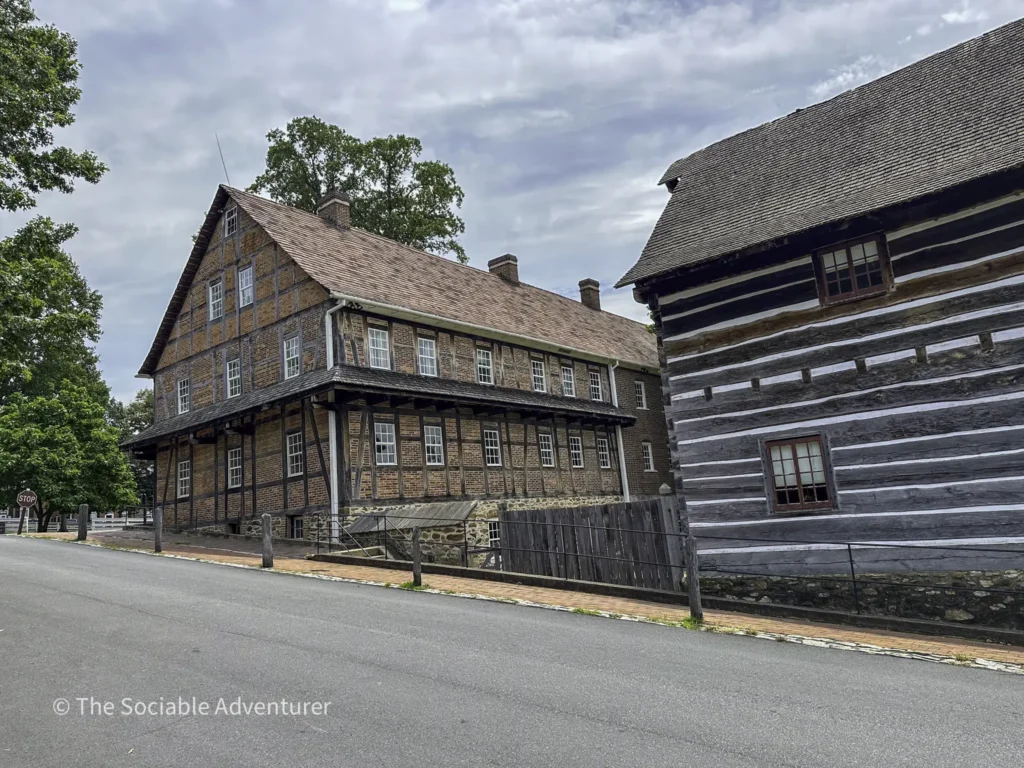
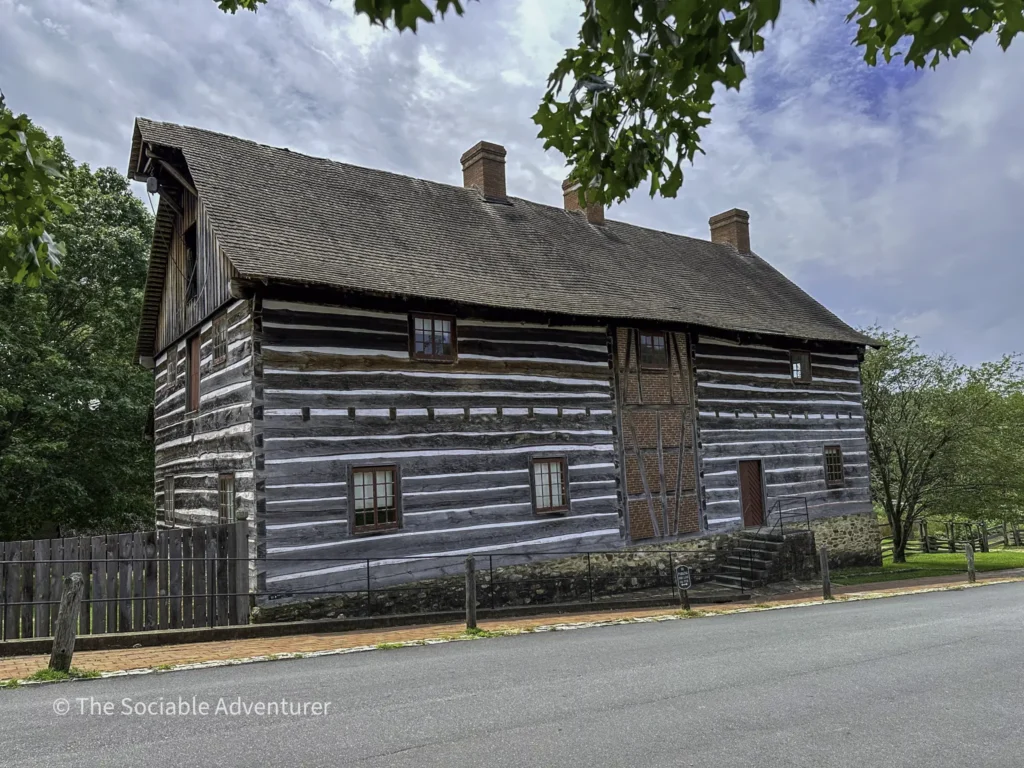
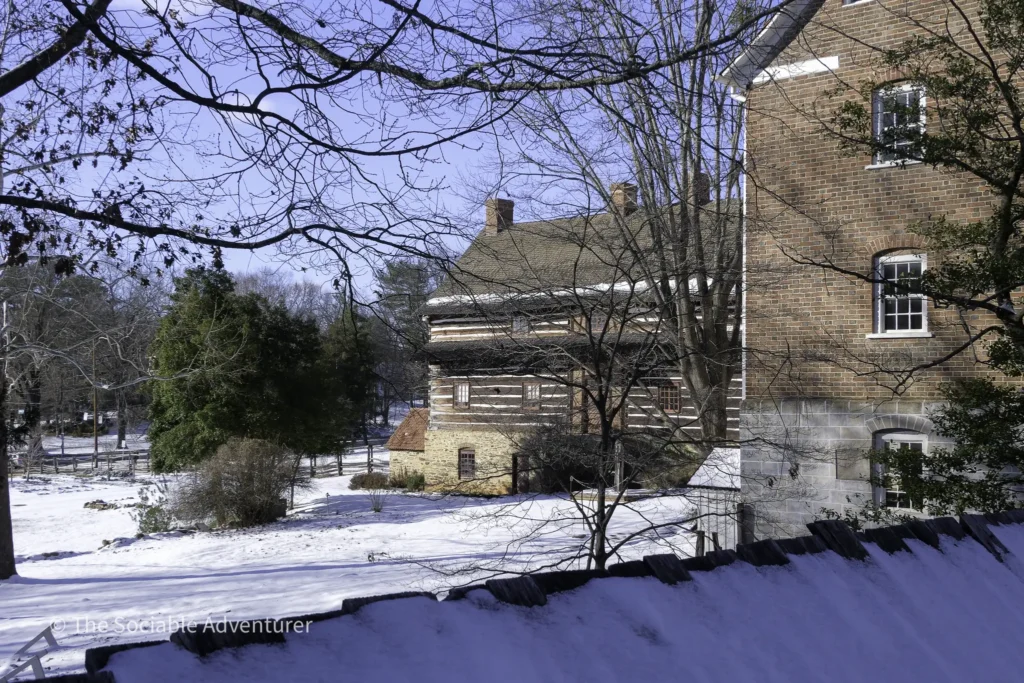
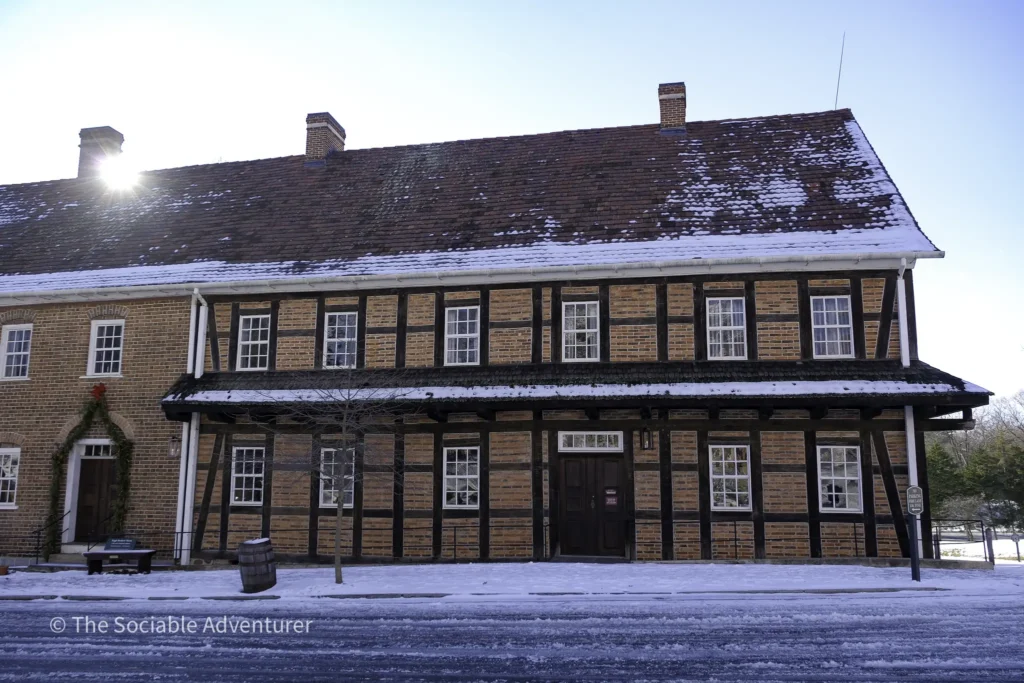
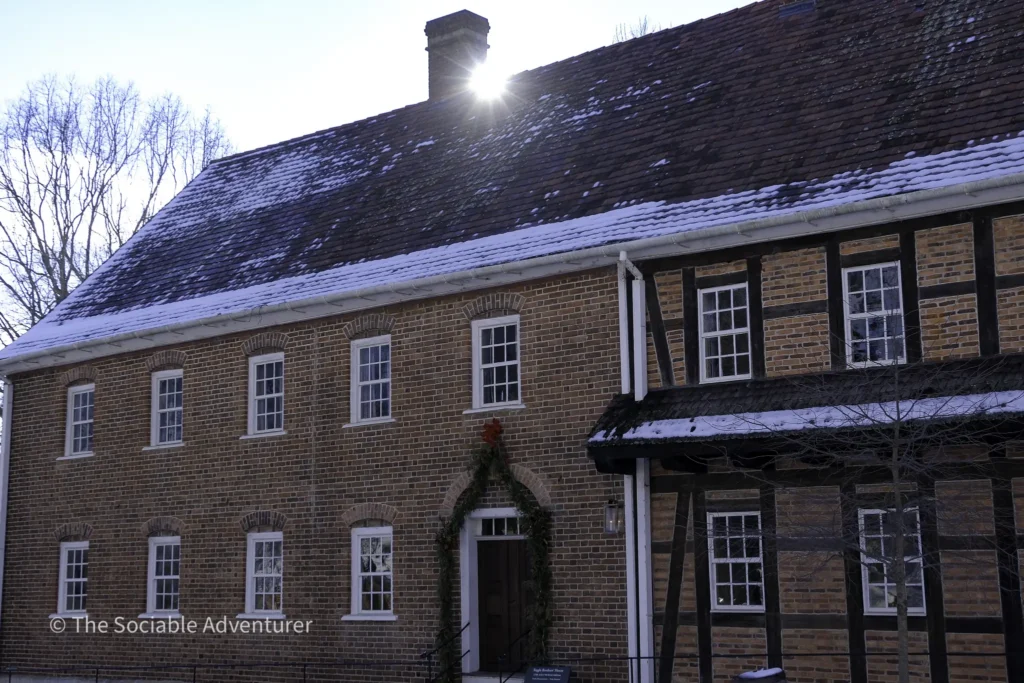
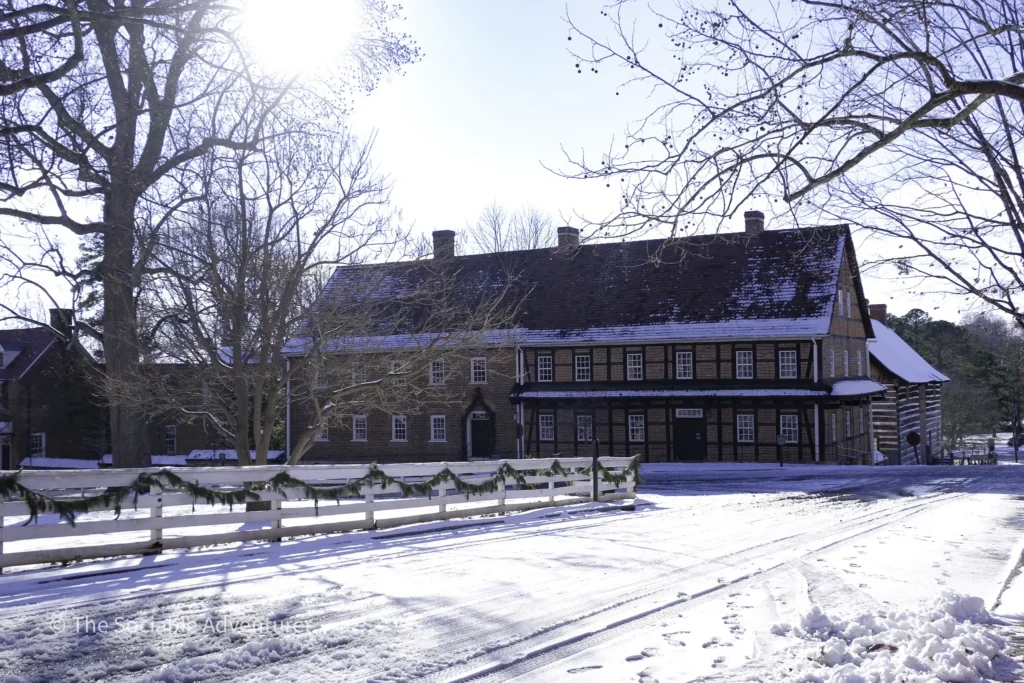
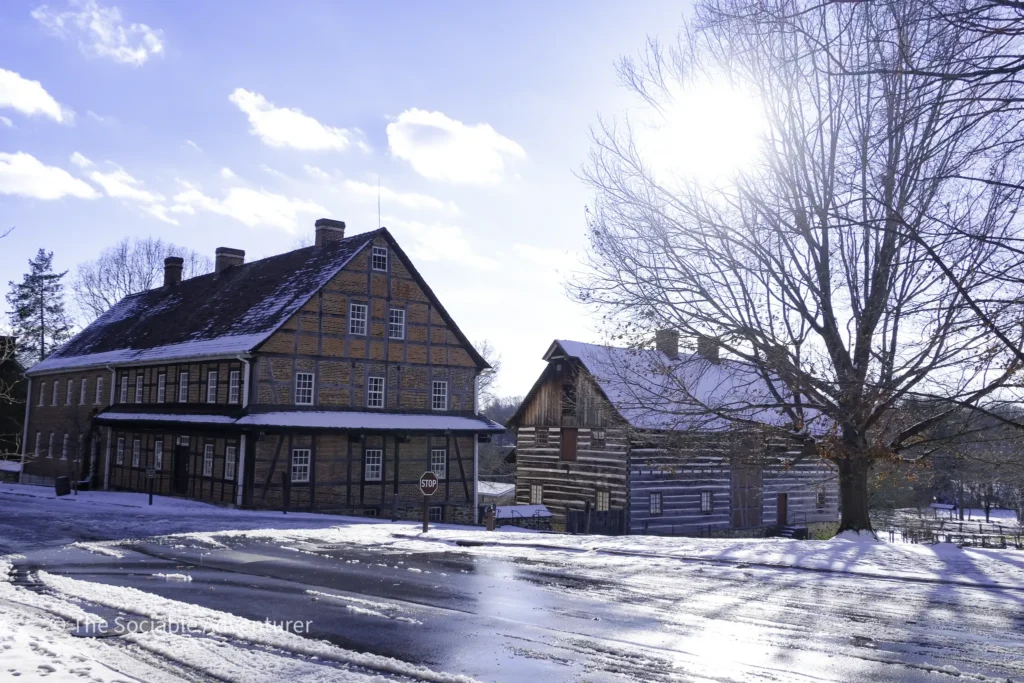
- Single Brothers’ House (1769) — The largest half-timbered building in the Carolinas; historically housed single young Moravian men aged 14-21 during their seven-year “Apprentice Contract” trade training under master craftsmen; now home to five rotating trade shops: Leather Shop, Weaving Shop, Tailor Shop, Pottery Shop, and Dye Shop
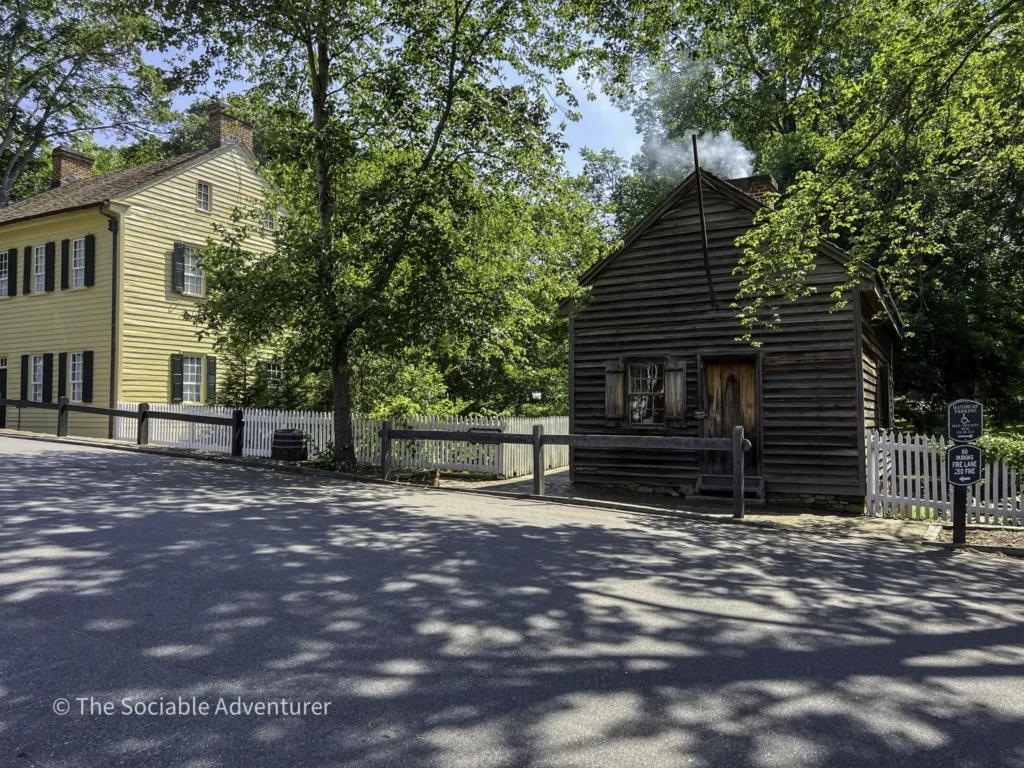
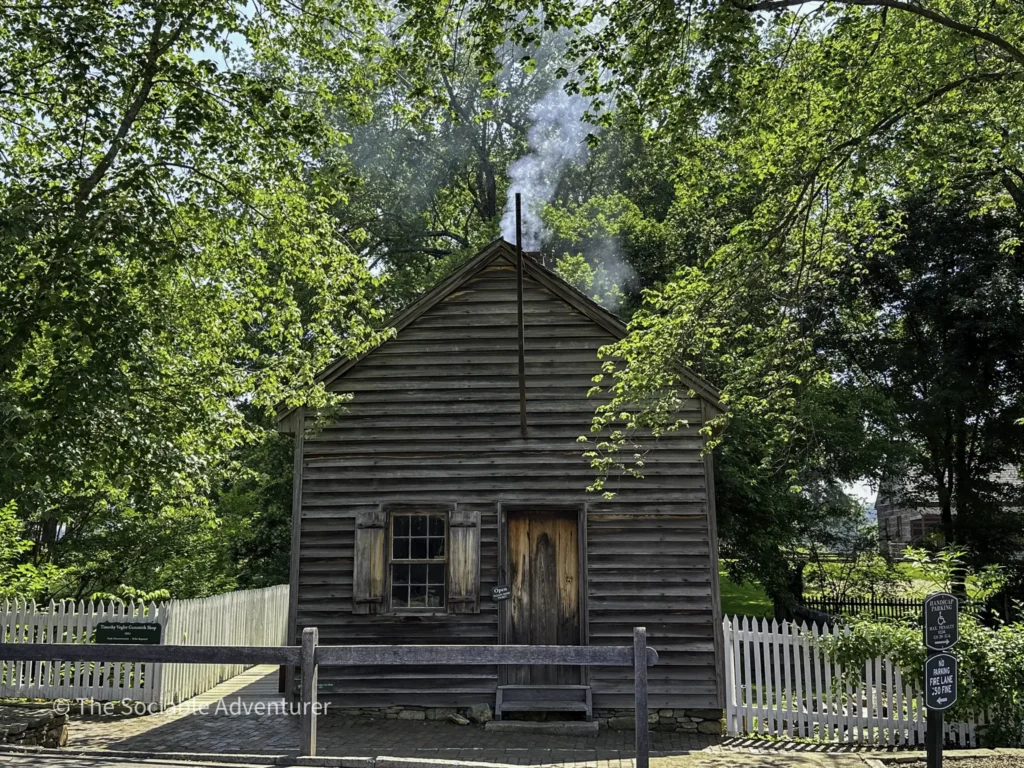
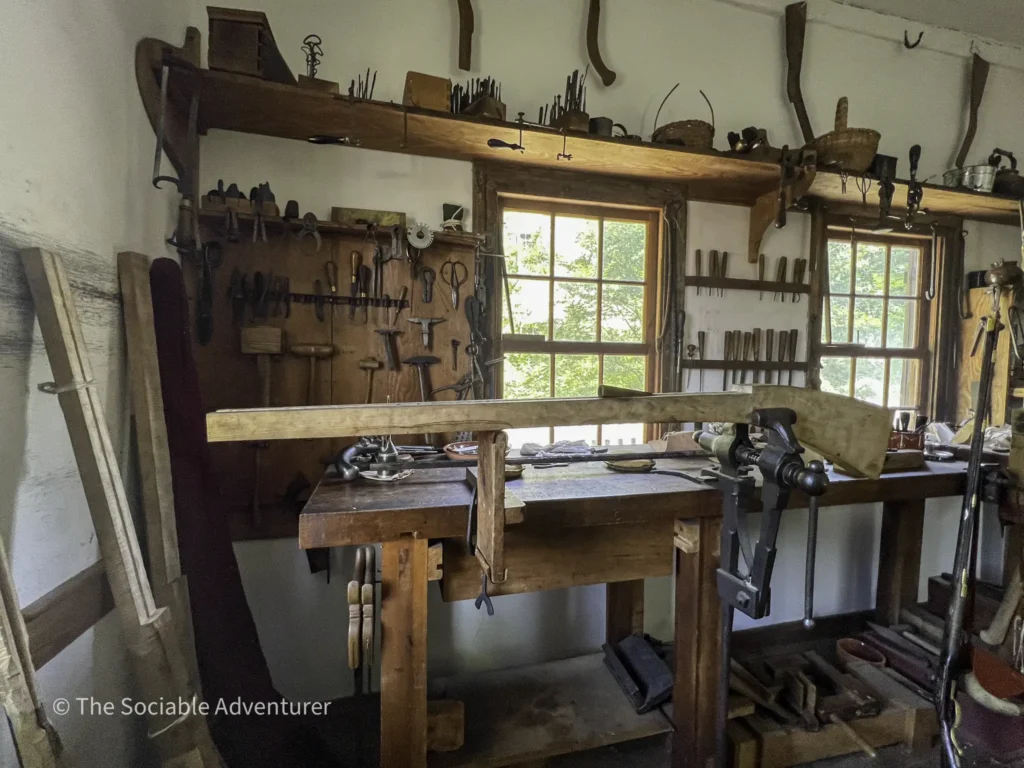
- Timothy Vogler Gun Shop — Salem’s original gunsmith space, where hunting rifles were made for the local community during Salem’s heyday; craftspeople still work in the original space
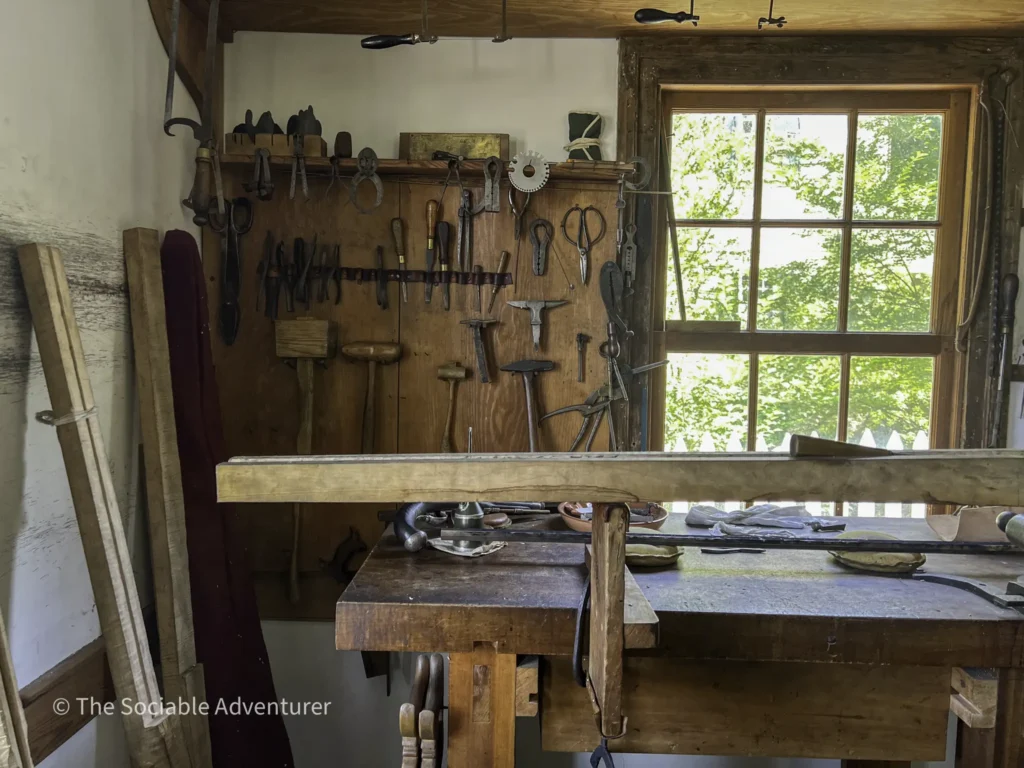
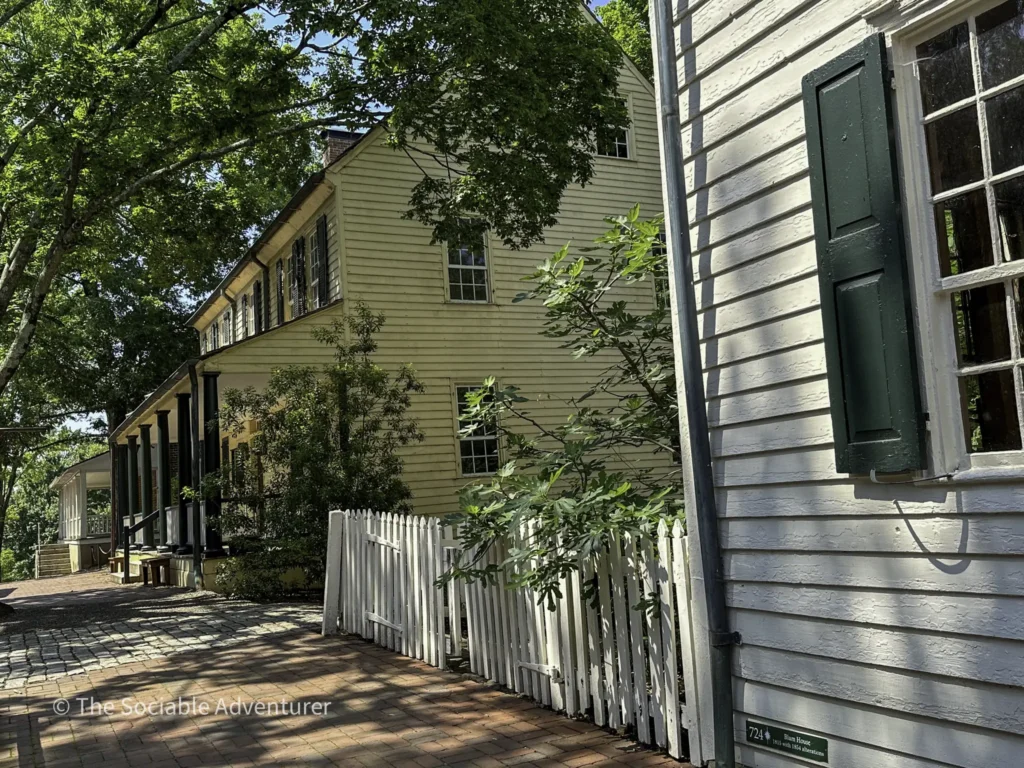
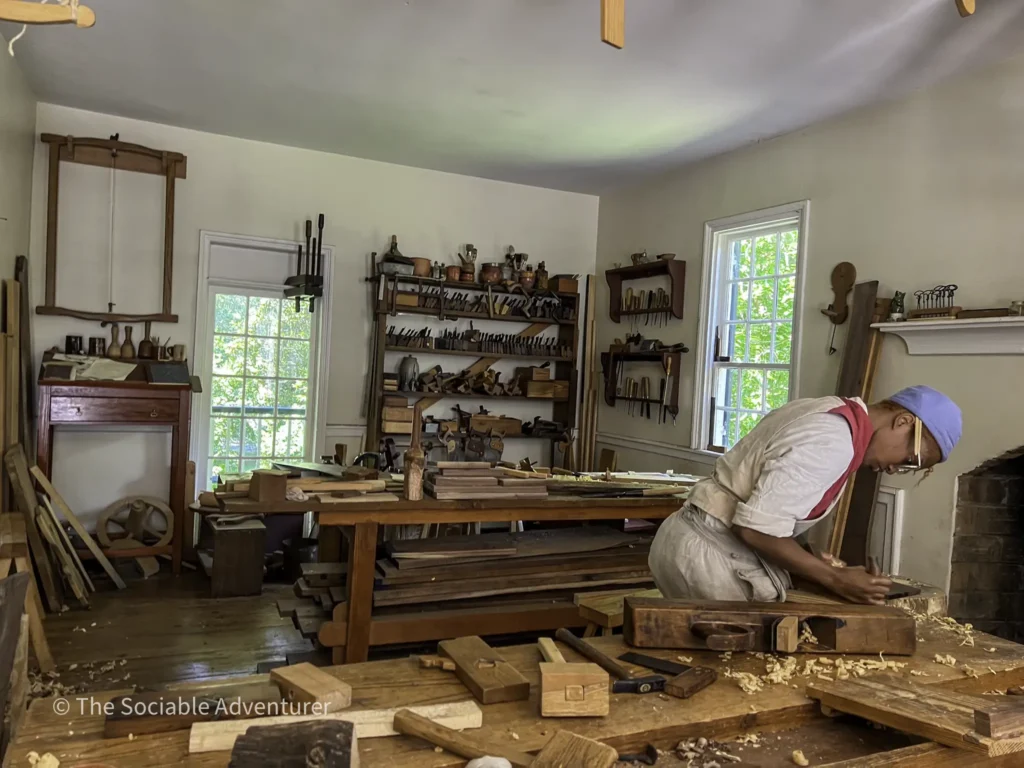
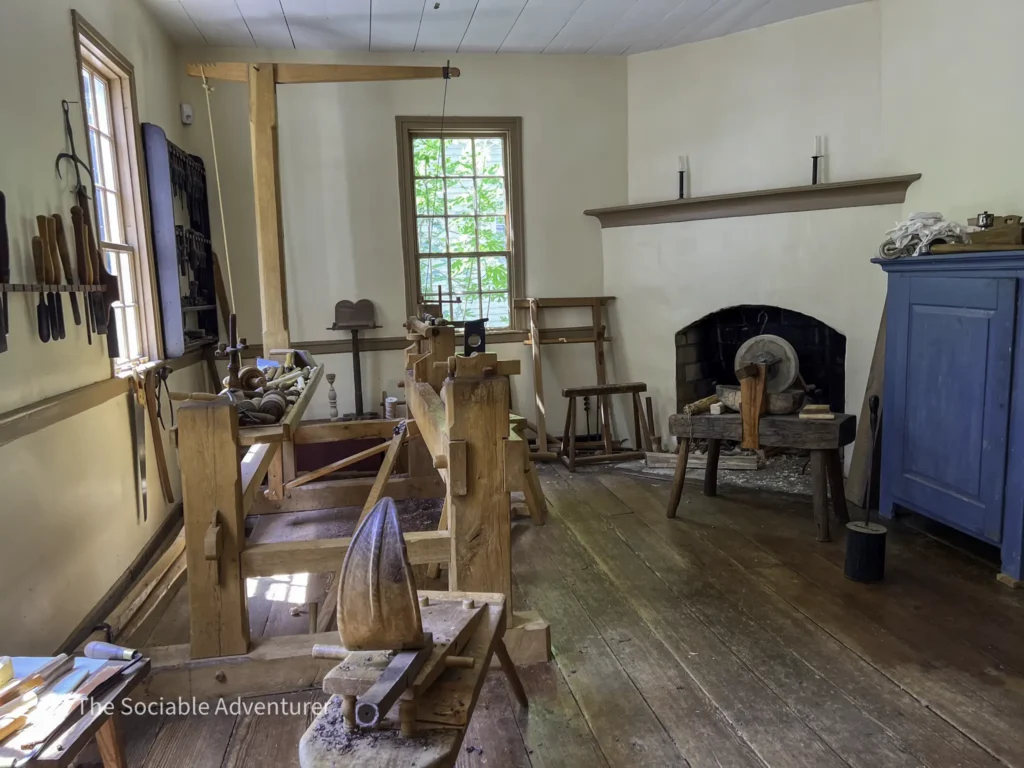
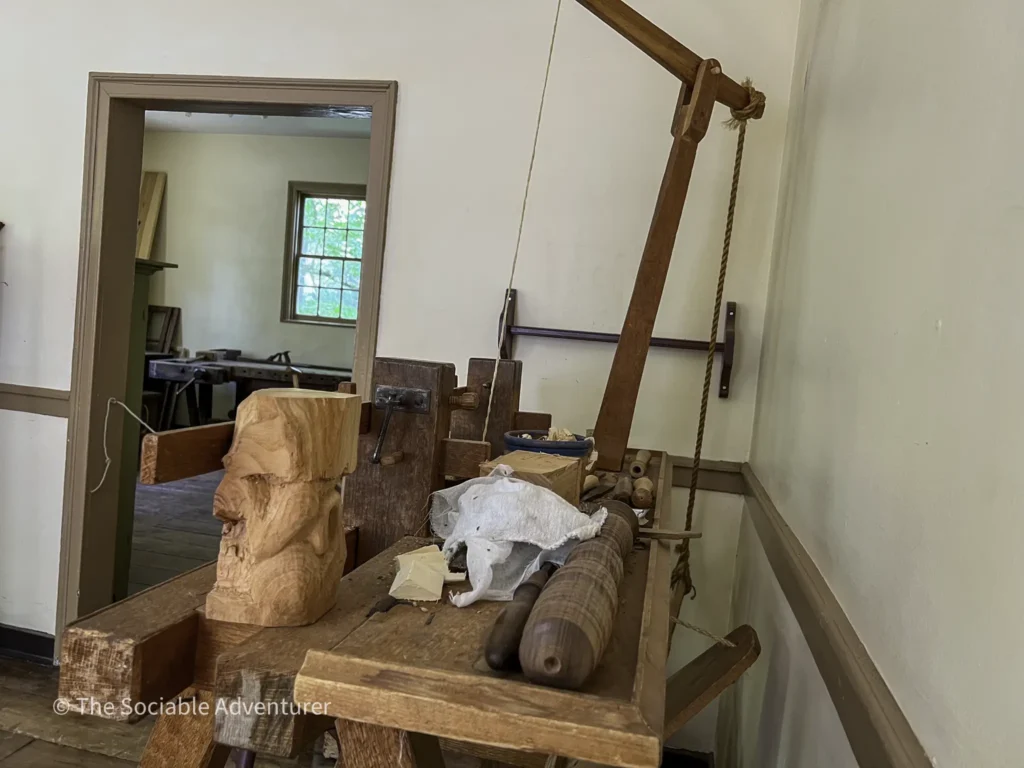
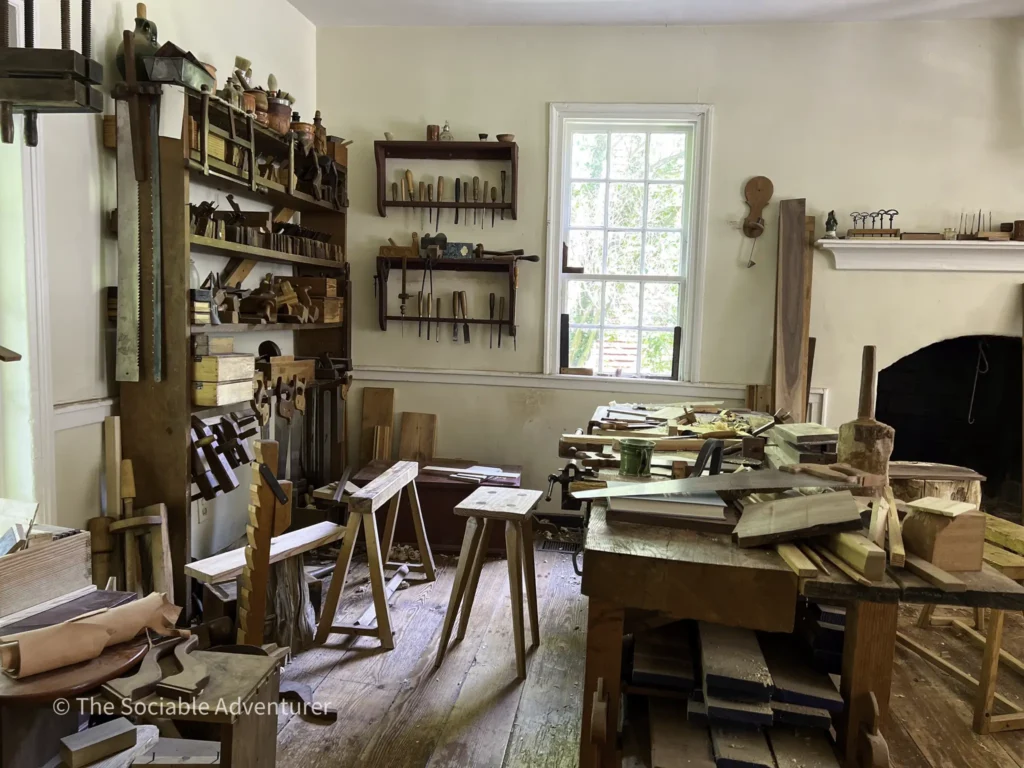
- Blum House Joinery — Traditional 18th-century woodworking with Old Salem’s tradespeople; interpretation of Salem’s provisioning-hub commercial trades
Family life and education:
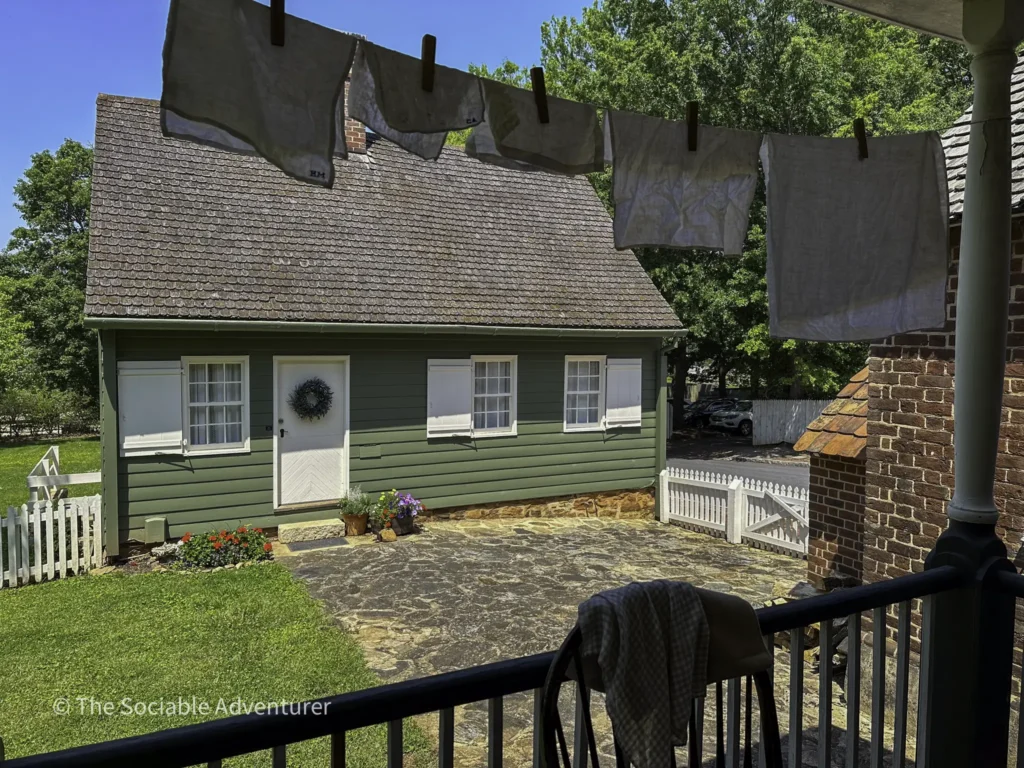
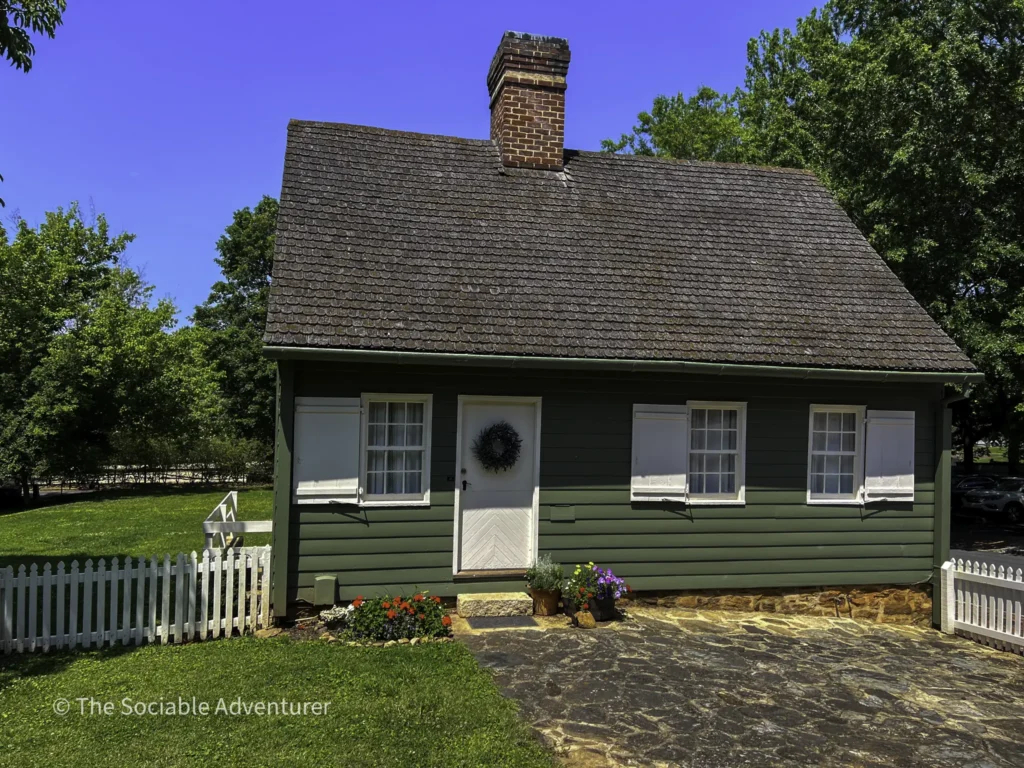
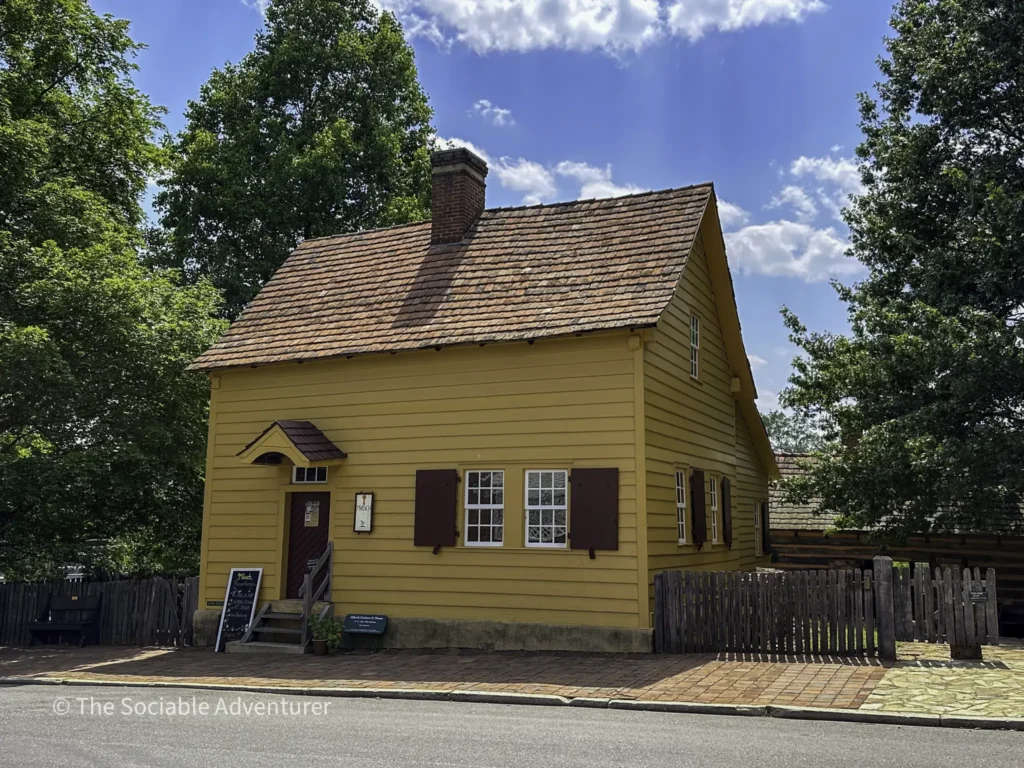
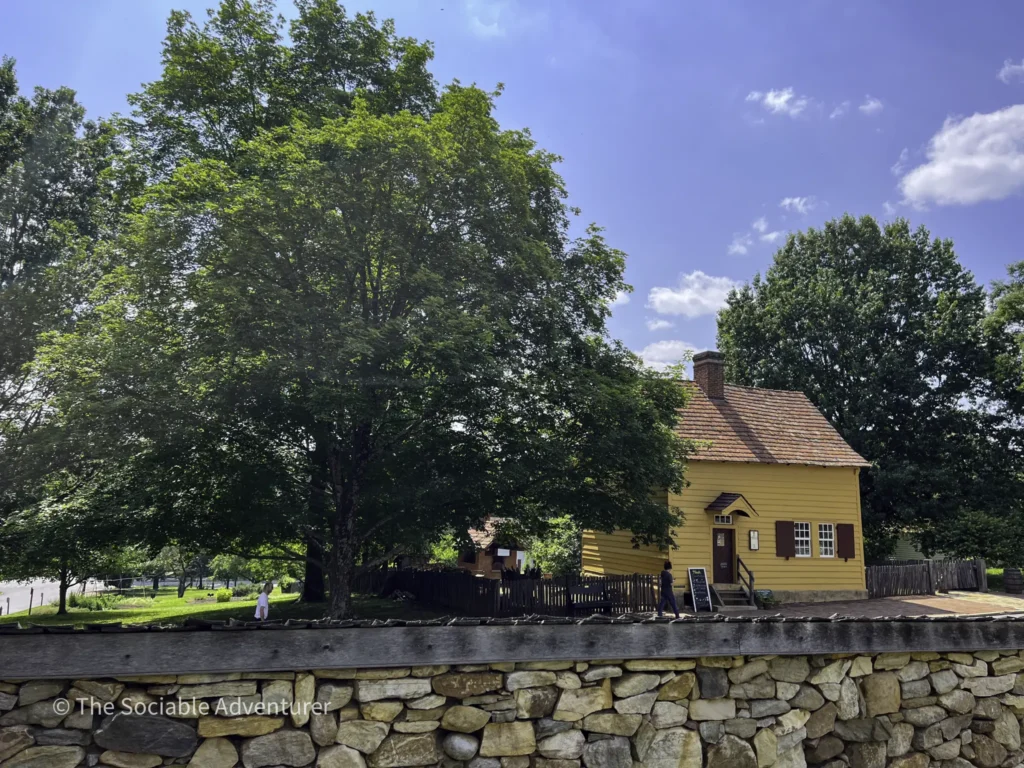
- Miksch House & Garden (1771) — The first family house built in Salem, constructed for Henrietta and Matthew Miksch and their baby daughter Martha Elizabeth; cooking, handcrafting, and daily-chore interpretation from a family perspective
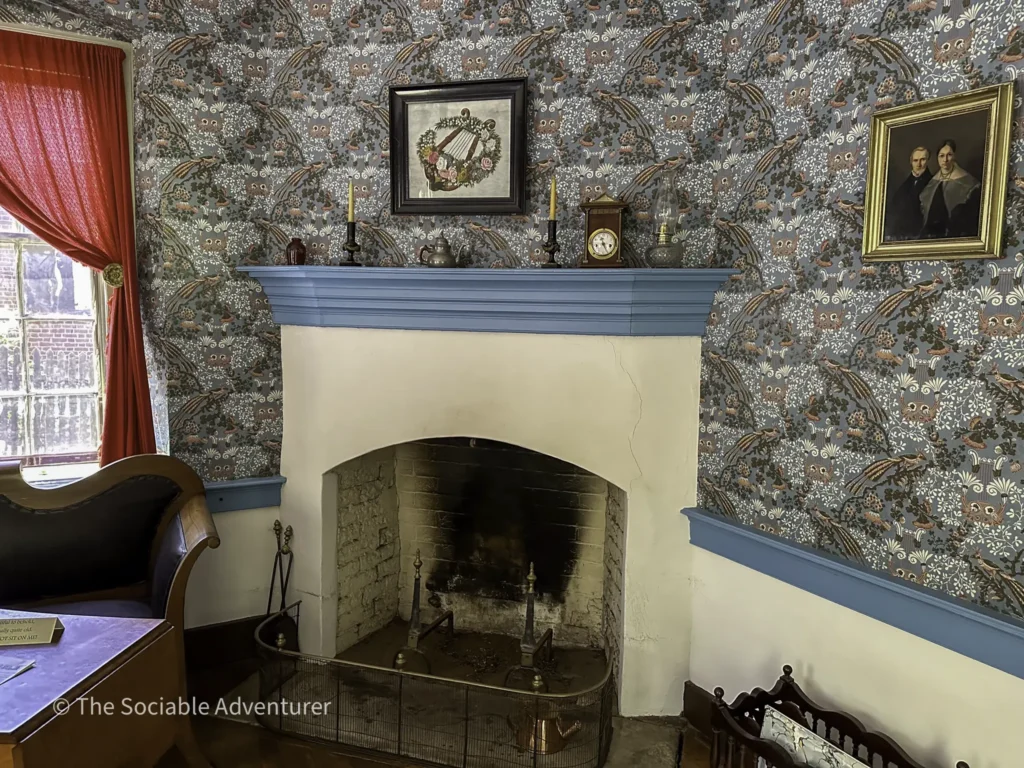
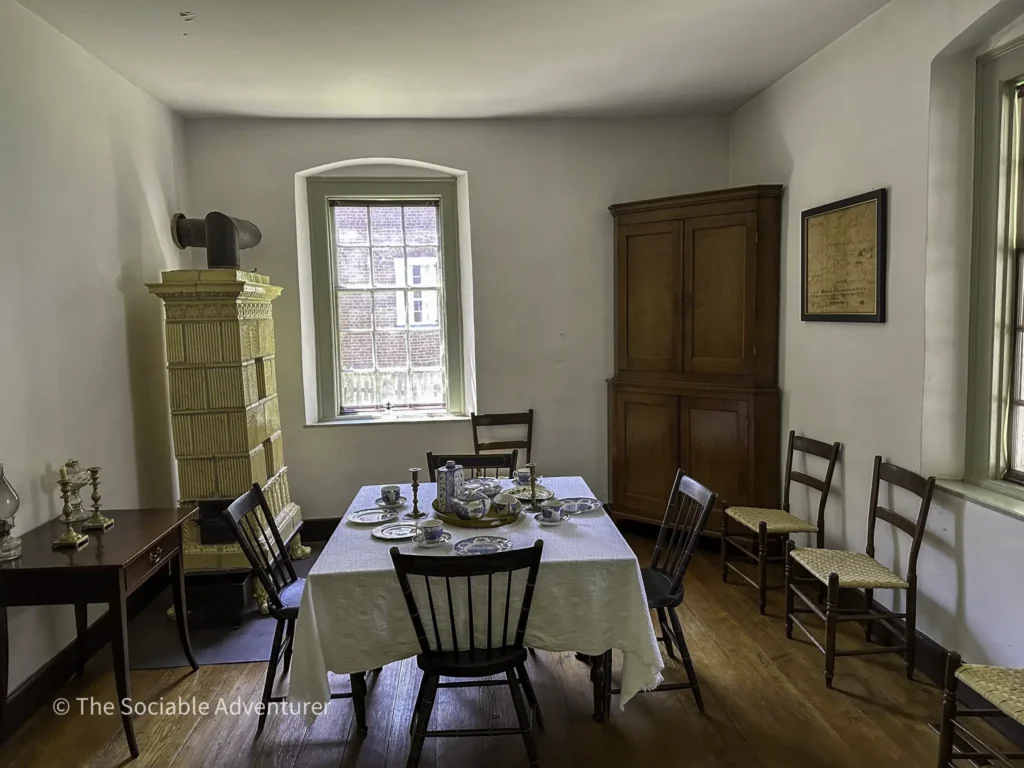
- John Vogler House — Insight into the upscale lifestyle of the Vogler family alongside interpretation of the household’s enslaved residents; features intricate silver and metalwork on display
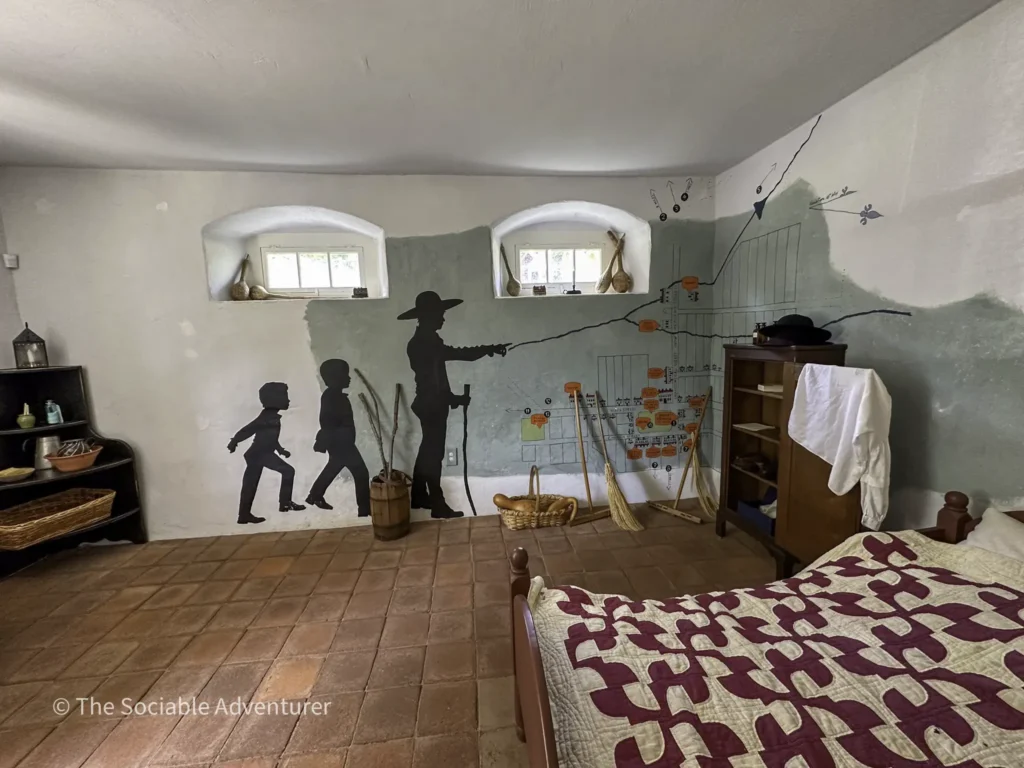
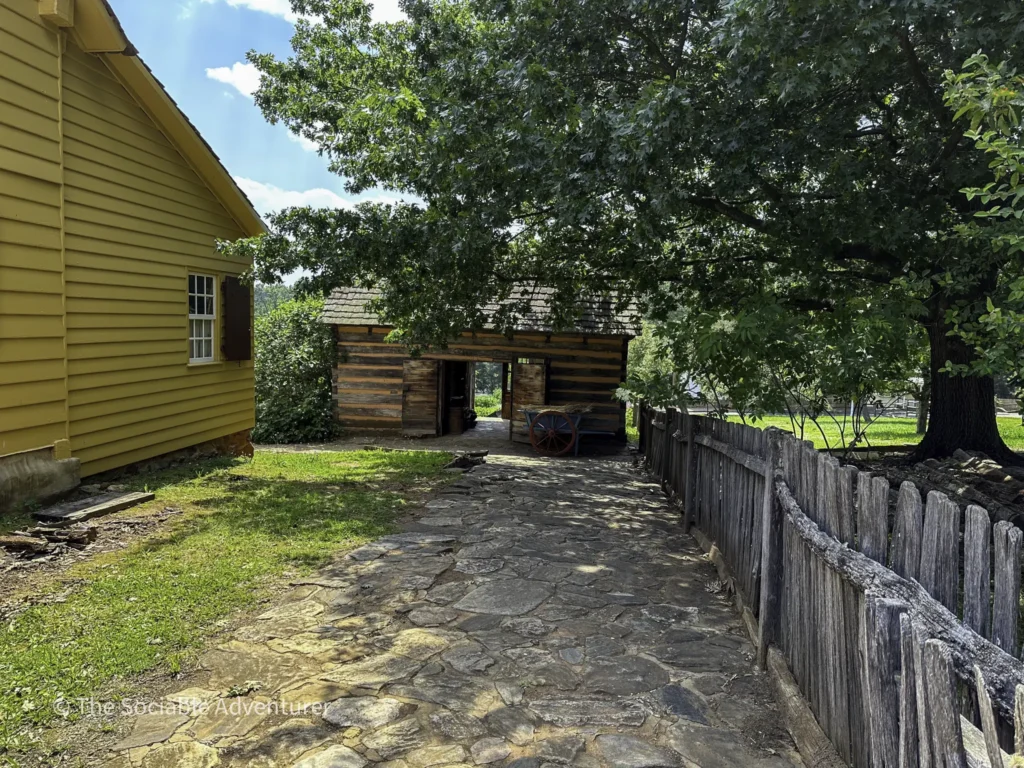
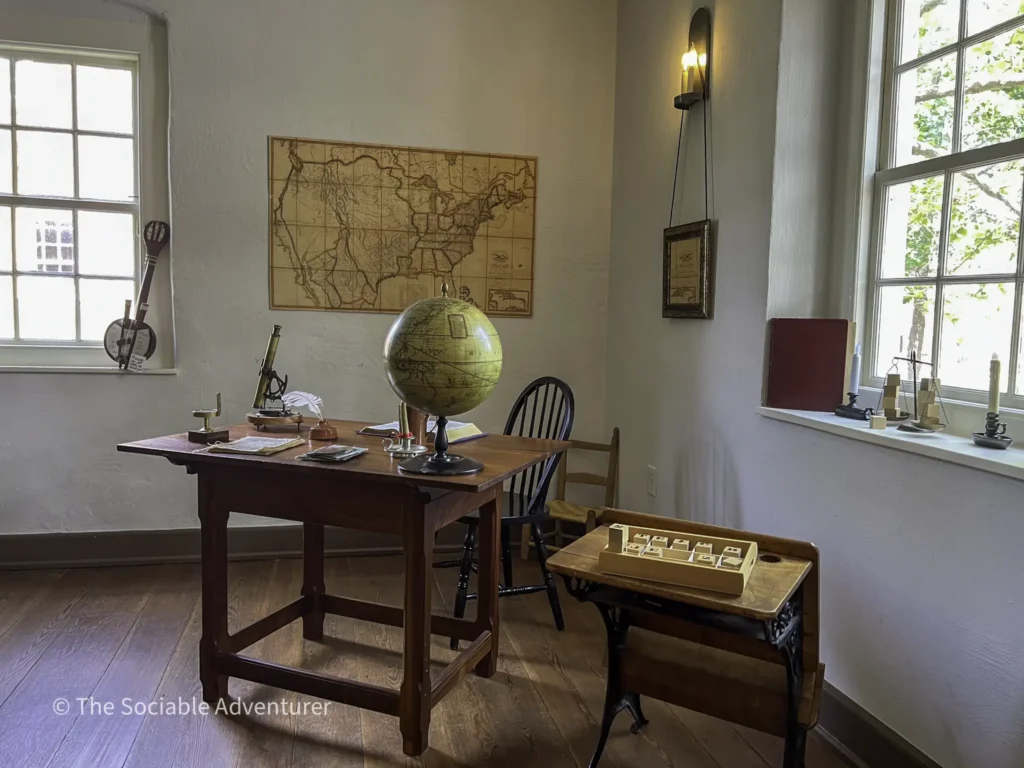
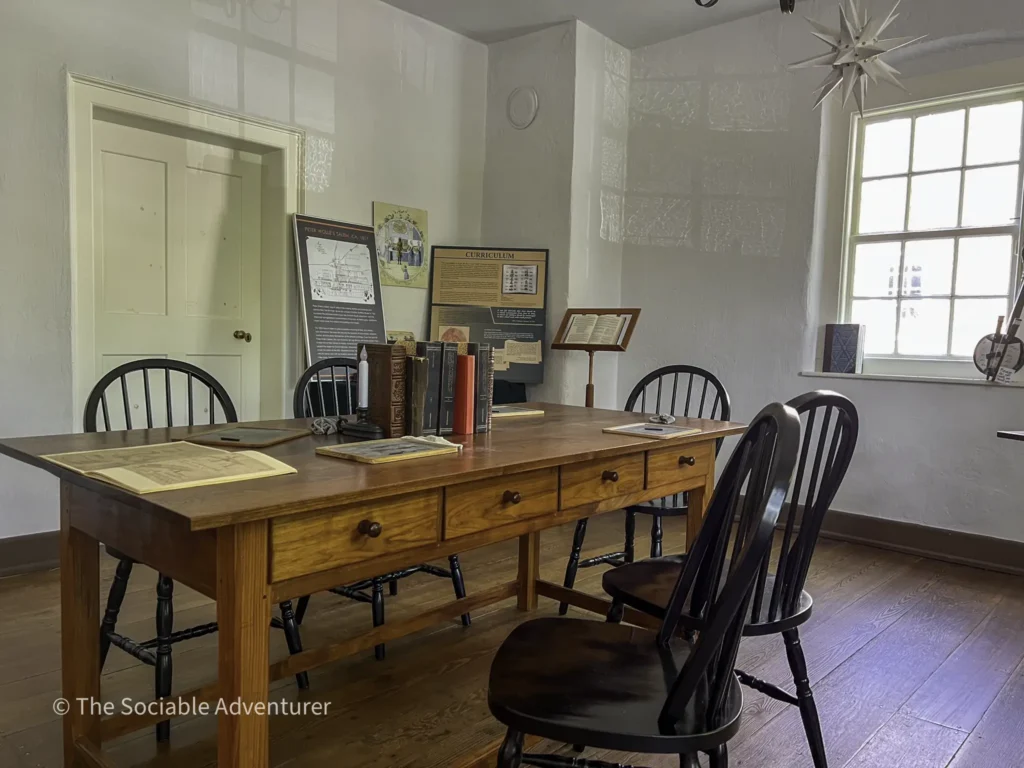
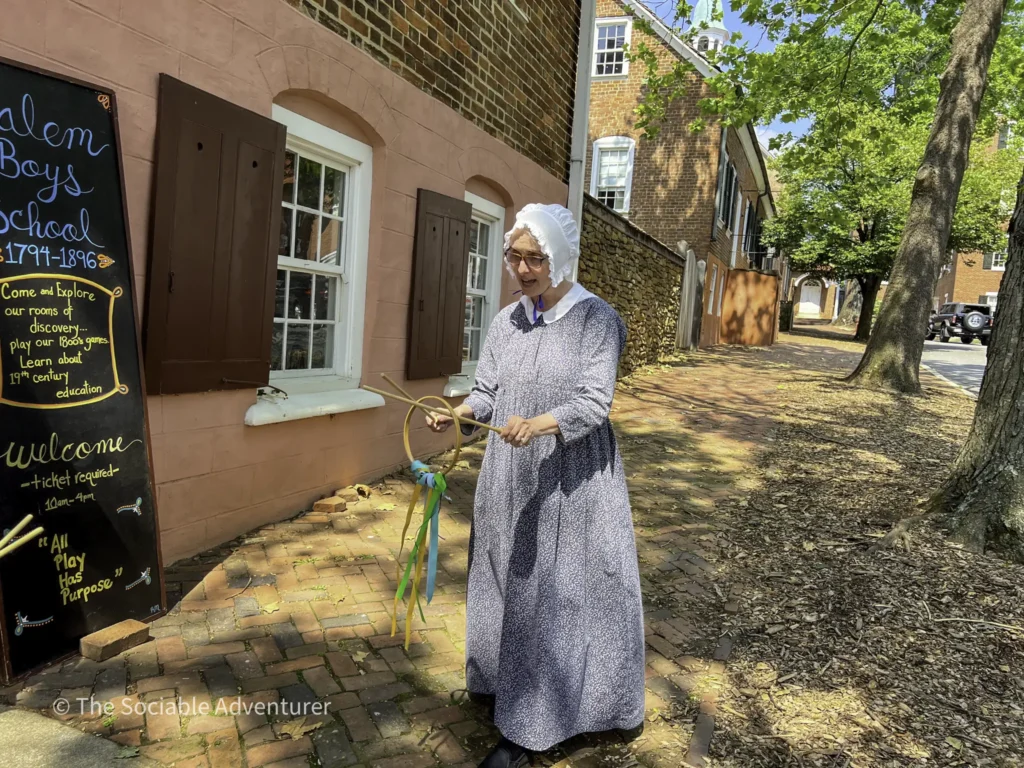
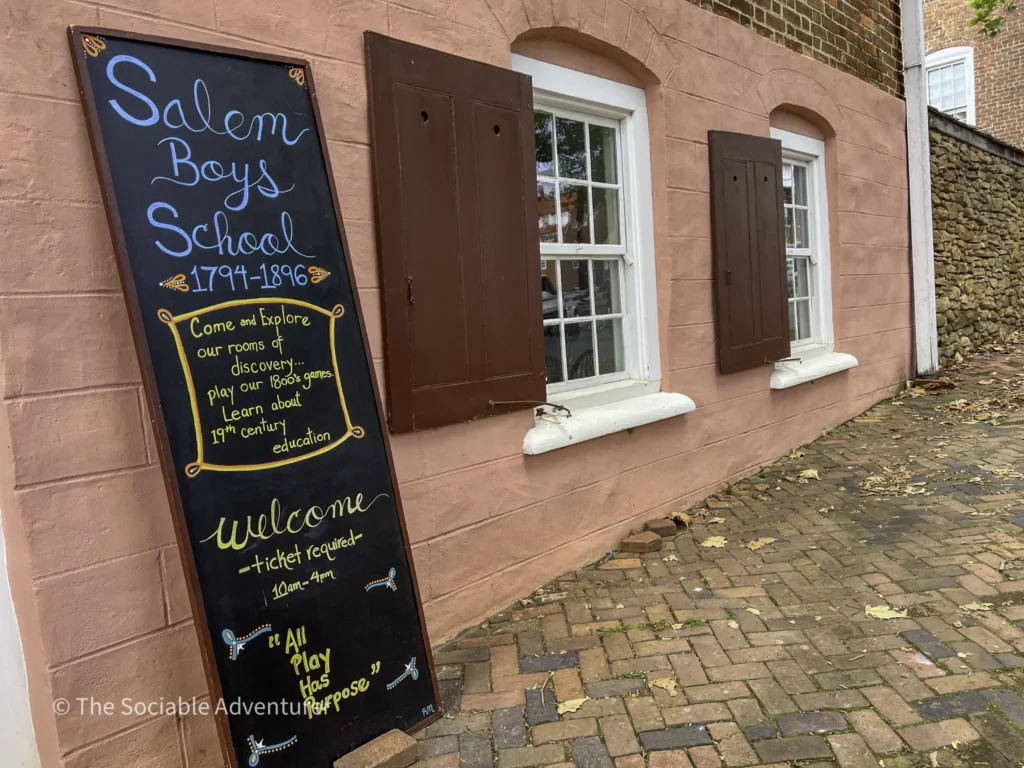
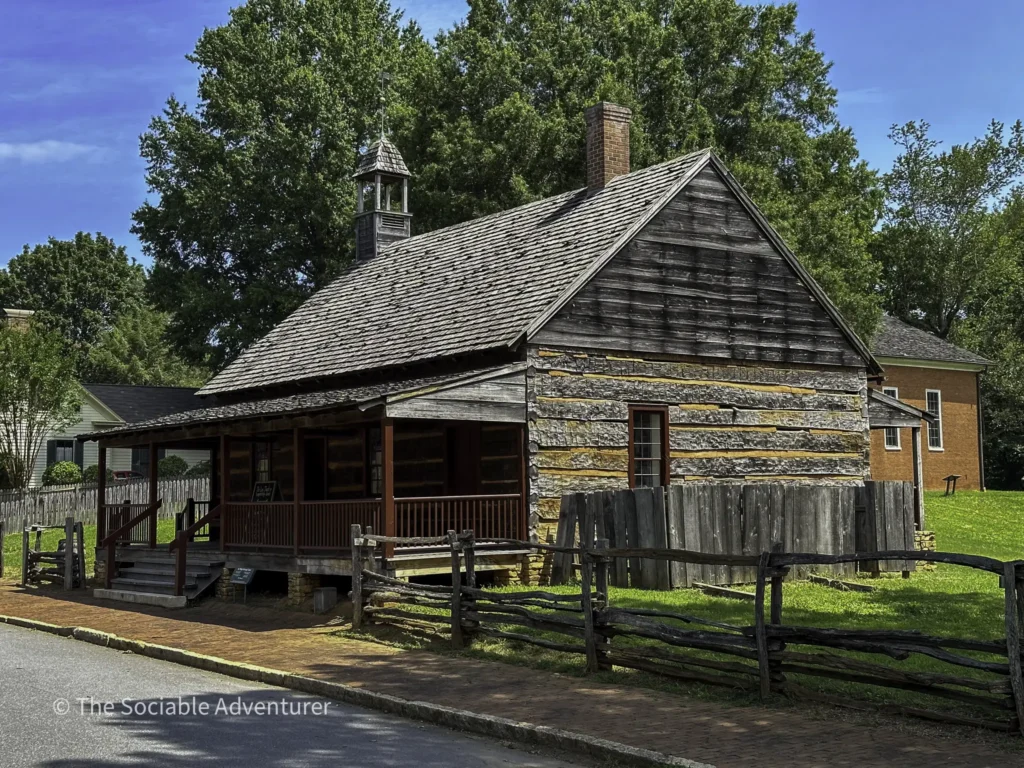
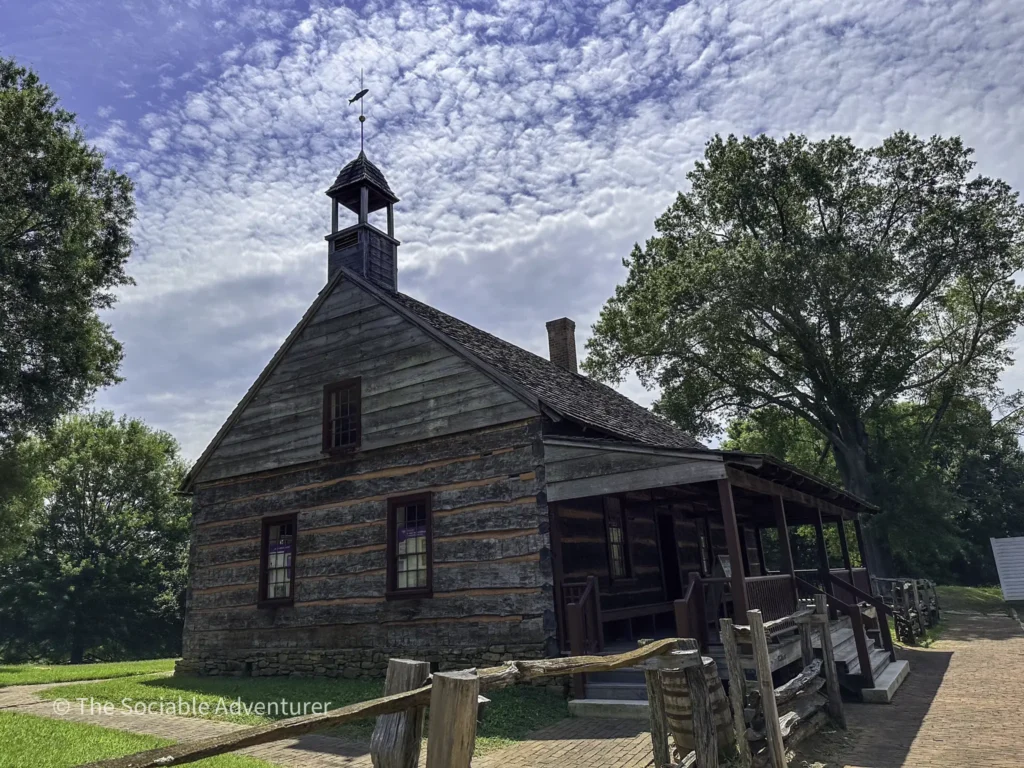
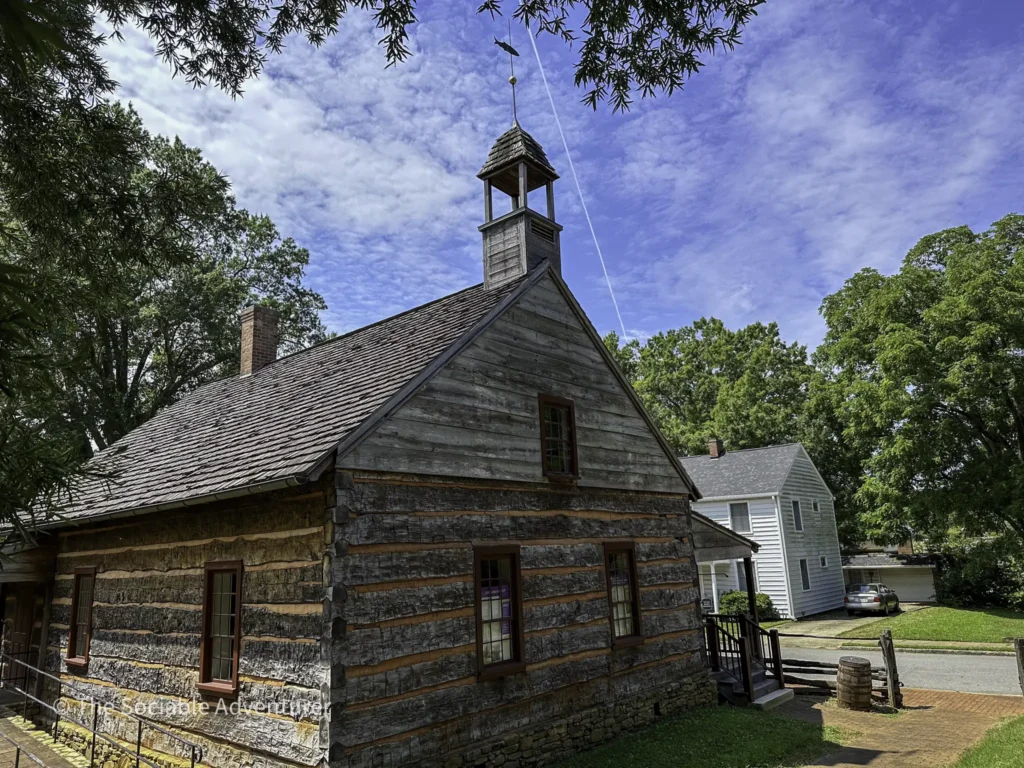
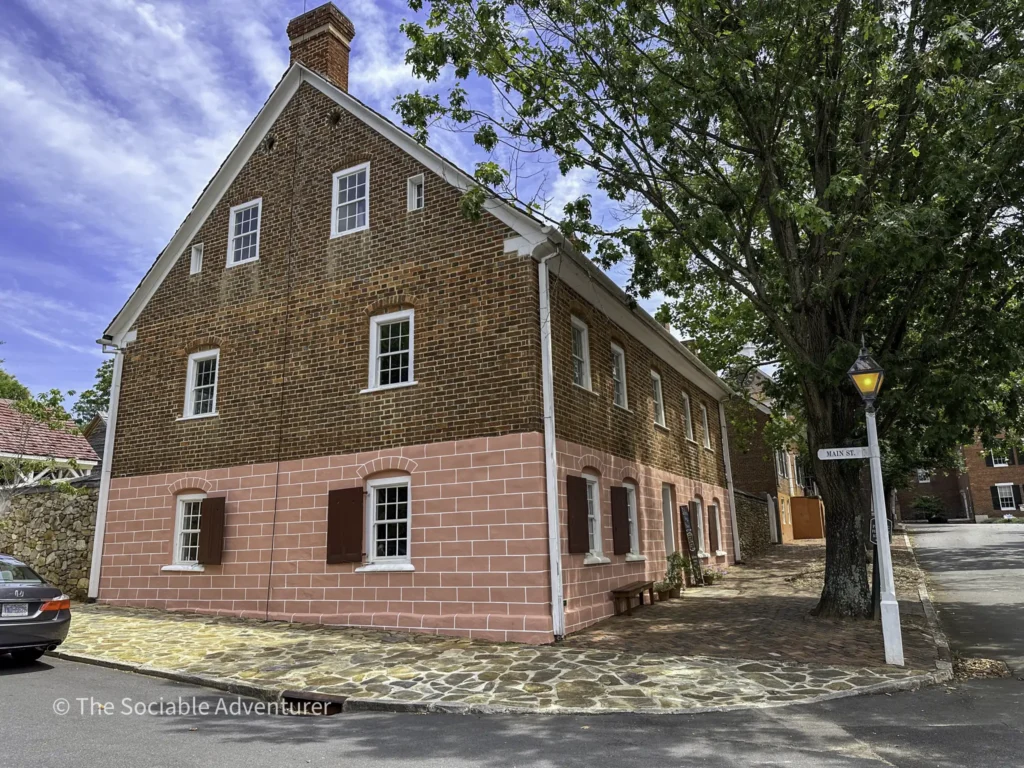
- Boys’ School (1794) — The oldest surviving building in America dedicated to the education of boys; hands-on interpretation of 18th- and 19th-century Moravian education for boys ages 6-14
Medicine, commerce, and community:
- Doctor’s House and Apothecary — Dr. Samuel Benjamin Vierling’s home plus the Apothecary Shop featuring the exhibit “The Moravian Way of Health and Healing” (a holistic physical/spiritual/psychological approach to health developed over generations); some consider this building the birthplace of Winston, NC, because the deed selling the land that would become Winston was signed in the Apothecary space
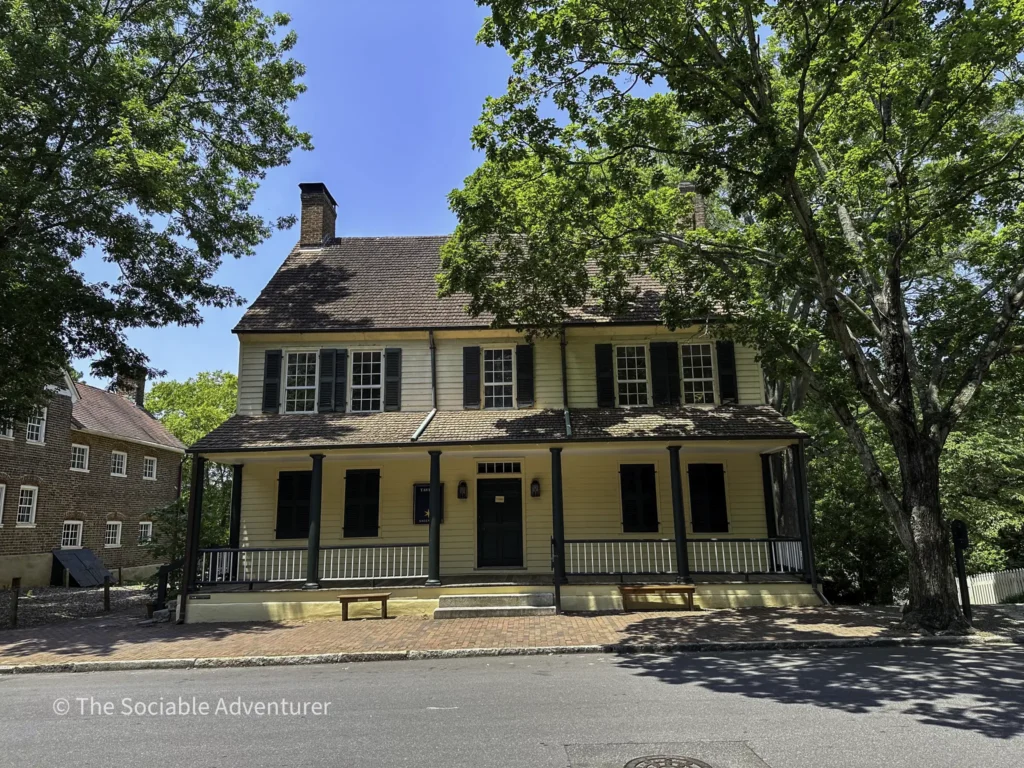
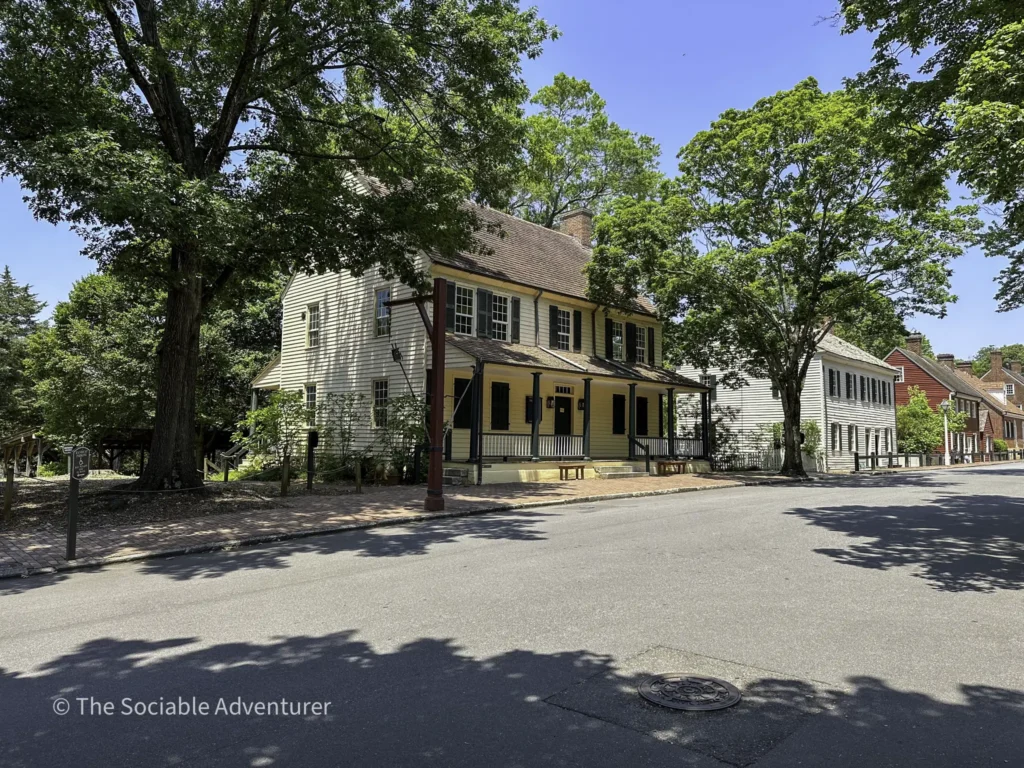
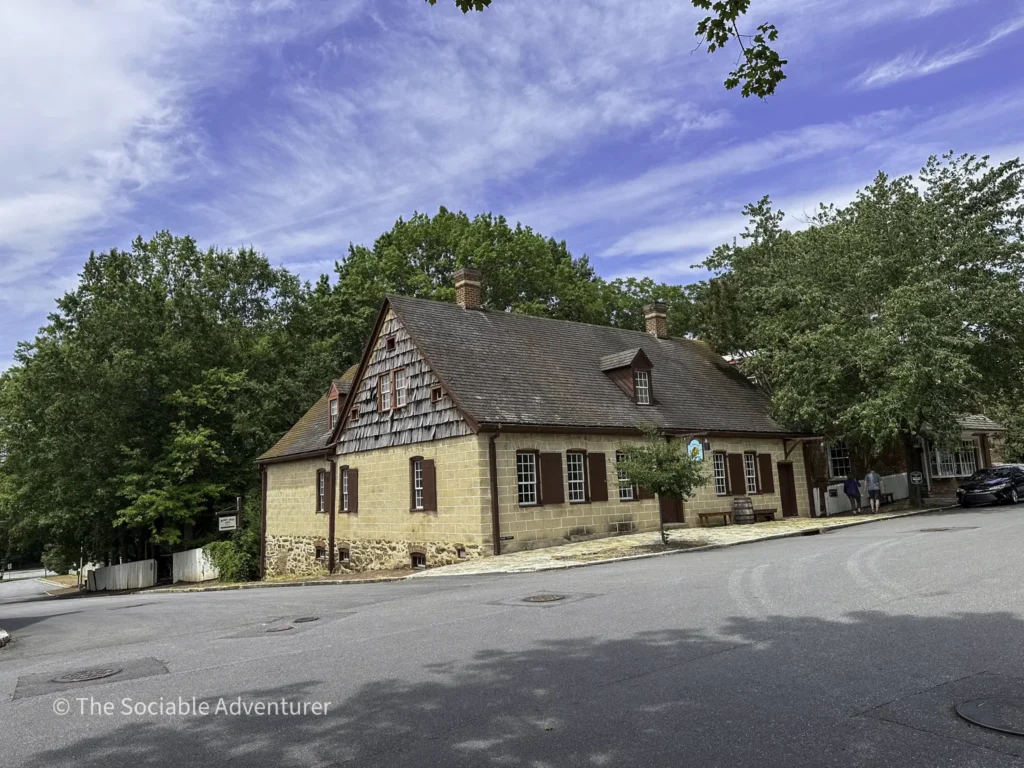
- Salem Tavern Museum — Interpretation of the cultural intersection of Colonial Americans, Central European Moravians, and enslaved people of African descent; important to Salem’s connection with the outside world (NOTE: this is NOT the Tavern Restaurant)
- The historic site of St. Philips Moravian Church — 1861 Brick Church; oldest surviving African American church building in NC; owned by Salem Congregation with active weekly worship since the St. Philips Moravian congregation’s 2019 return
Gardens:
- Garden Education Center and Single Brothers’ Workshop — Interpretation of Salem’s plants-and-people connection; anchor for tours of the Salt Street Garden and Single Brothers’ Garden; also houses Old Salem’s horticulture and seed-saving programs
- The Central Square — The heart of the original Moravian town plan (moved slightly south from the initial 1766 location toward a better water source)
Bakery and café (no ticket required for either):
- Winkler Bakery (521 South Main Street) — One of the oldest continuously operated bakeries in America; famous for Moravian Sugar Cake, Lovefeast buns, cookies, fresh-baked bread, and Moravian sweet treats; also a ticket-purchase location
- Muddy Creek Café & Music Hall — Located in the lower level of the T. Bagge (Community Store) building; casual lunch spot featuring sandwiches, salads, and soups; also hosts folk and traditional musicians (a wonderful complement to a day of walking the historic district)
Two Old Salem Landmarks at the Edges of the District
Two additional landmarks worth building into your visit sit at the edges of the Old Salem historic district. Neither is operated by Old Salem Museums & Gardens, but both define the character of the neighborhood:
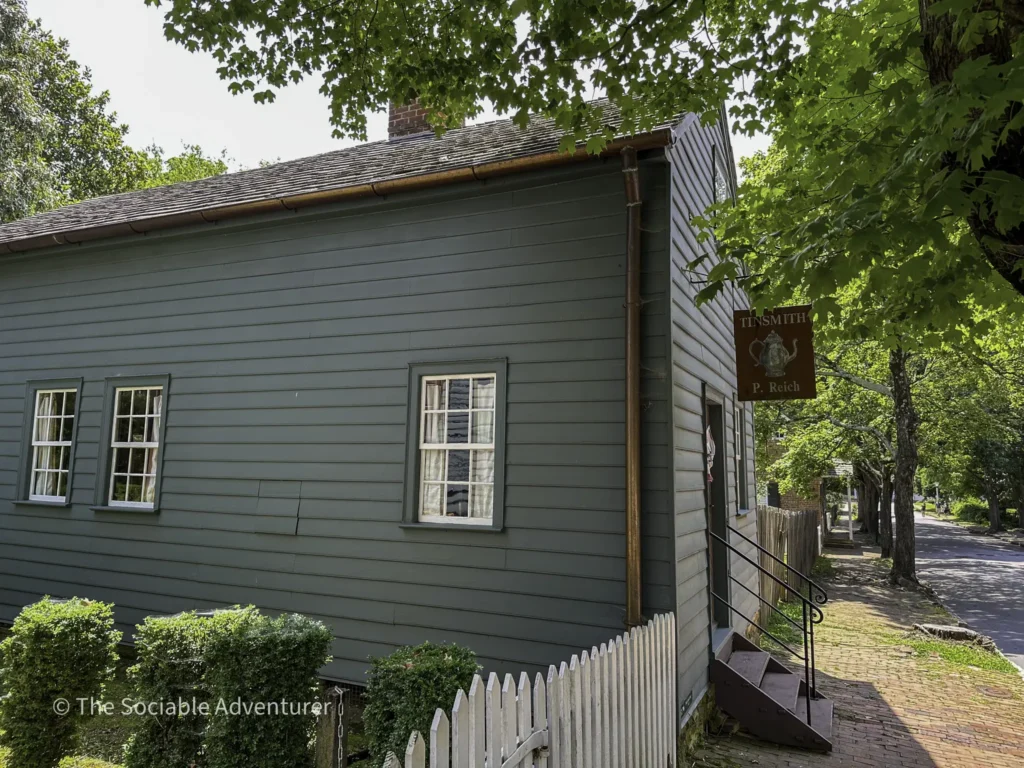
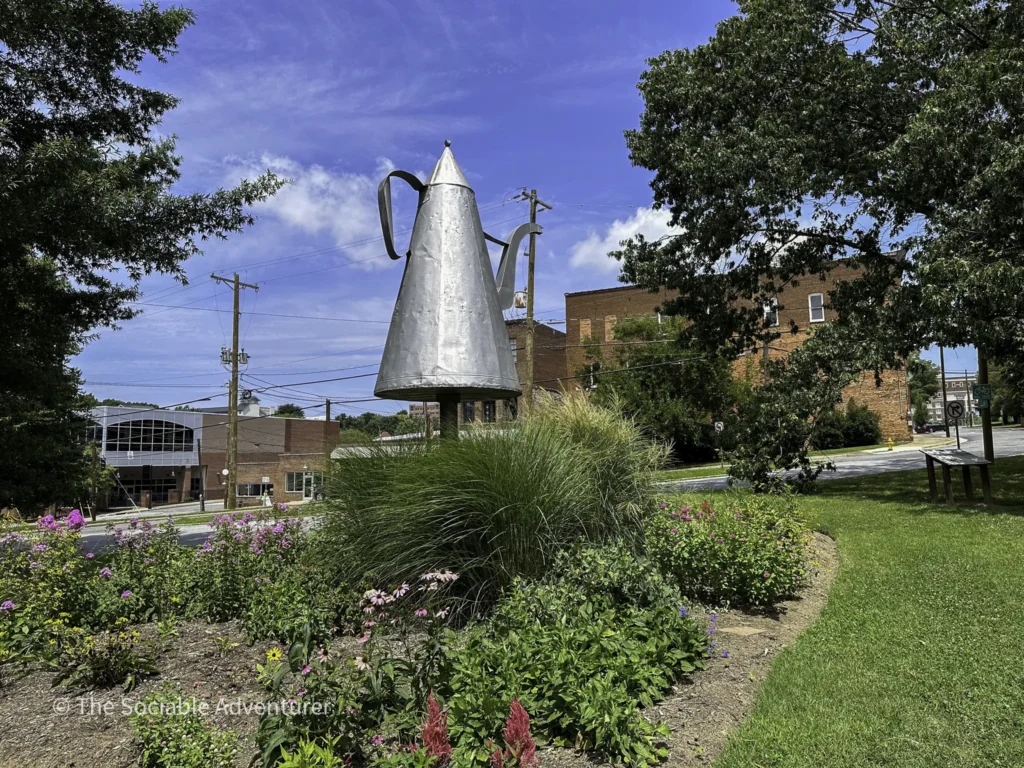
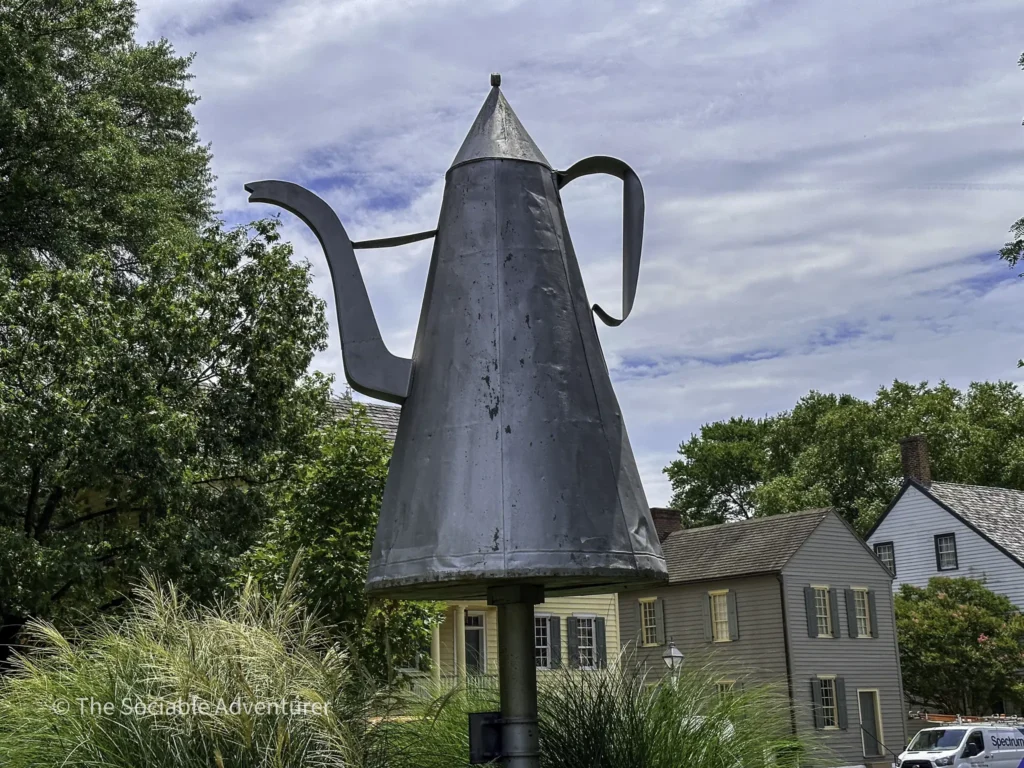
The Mickey Coffee Pot — a genuine Old Salem icon at the north edge of the historic district, where South Main Street meets Old Salem Road and Brookstown Avenue. Built in 1858 by Moravian tinsmith brothers Julius and Samuel Mickey — descendants of Salem’s founders — the giant tin coffee pot originally served as an advertising sign for their tinsmith shop at South Main and Belews Streets.
The pot stands roughly 12 feet tall, including the supporting post (the pot itself is 7’3″), with a 740-gallon capacity (about 11,840 cups of brew). It’s come to be considered an unofficial symbol of Winston-Salem hospitality. The Coffee Pot was relocated to its current spot around 1959-1960, when the original Mickey Tin Shop was claimed by Interstate 40 construction. It’s a city landmark (not operated by Old Salem Museums & Gardens), but no walking tour of Old Salem is complete without a stop for a photo at the Coffee Pot.
The site of the original Krispy Kreme — at the corner of South Main Street and West Academy Street– a commemorative plaque marks the location where Vernon Rudolph opened the very first Krispy Kreme doughnut shop on July 13, 1937. Rudolph had purchased a secret yeast-raised doughnut recipe (originally acquired by his uncle from New Orleans French chef Joe LeBeau in 1933) and rented a building in what is now the historic Old Salem district to sell doughnuts wholesale to local grocery stores.
When the smell of hot doughnuts drew passersby, Rudolph cut a hole in the exterior wall to sell hot Original Glazed doughnuts directly to customers on the sidewalk — the origin of Krispy Kreme’s iconic direct-to-consumer tradition. Rudolph reportedly picked Winston-Salem because he noticed his pocket Camel cigarettes were made there and figured a city that could support one major industry could support another. The original 1937 building has been torn down, but the plaque preserves the spot.
Salem College — founded in 1772 as one of the nation’s oldest women’s colleges — continues operating adjacent to the historic district. Old Salem is fully accessible via free walking around the exterior of the historic district (the streets and public spaces are open), with paid admission required to enter the interpreted buildings and the MESDA galleries.
Christmas in Old Salem — Moravian Stars, the Heritage Bridge, and Historic Traditions
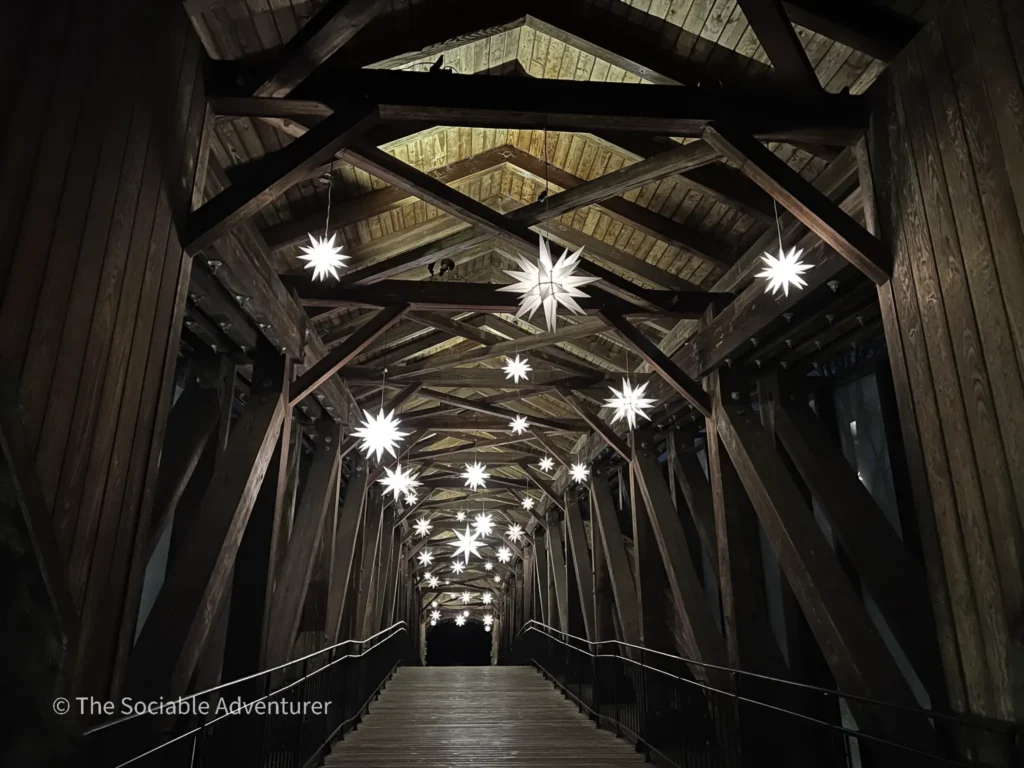
If you can plan an Old Salem visit for the Christmas season, do it. Christmas in Old Salem is one of the most beautiful holiday traditions anywhere in North Carolina — the whole historic district transforms with candlelight, evergreen wreaths, and the distinctive many-pointed Moravian stars that are central to the Moravian Christmas tradition.
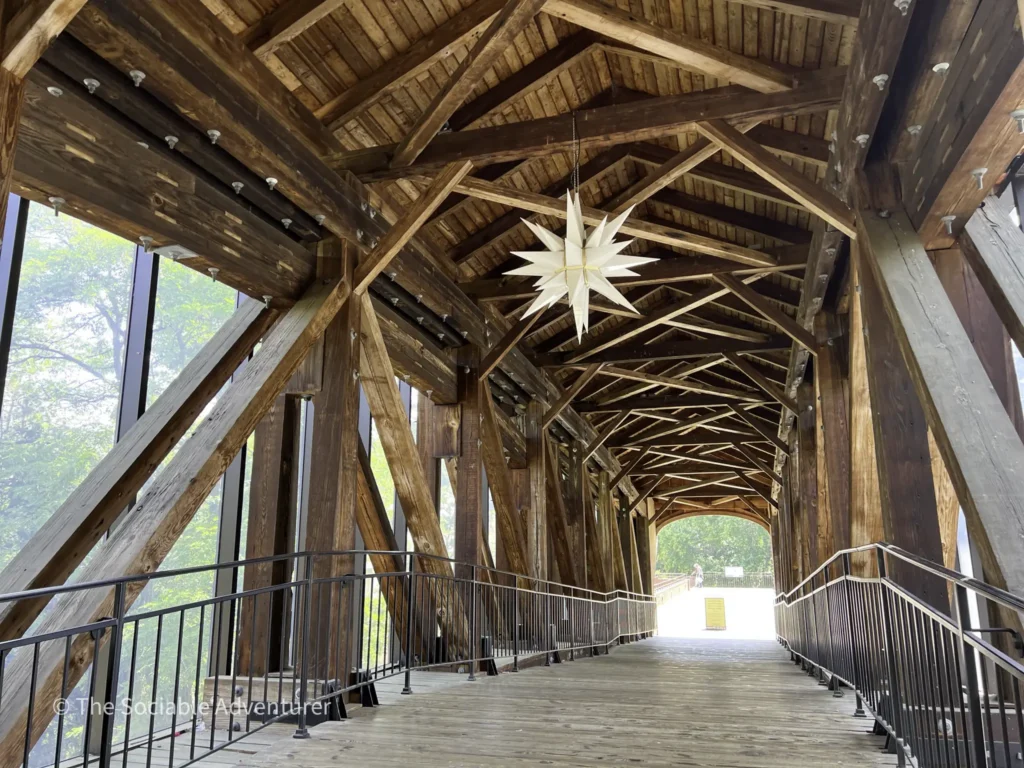
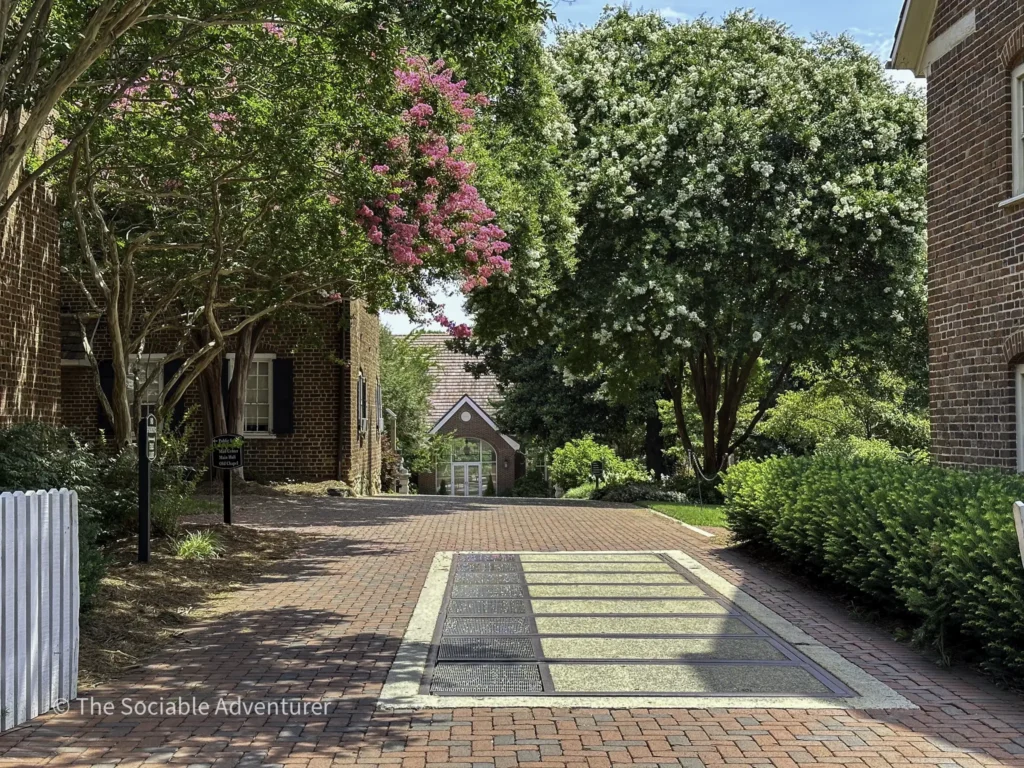
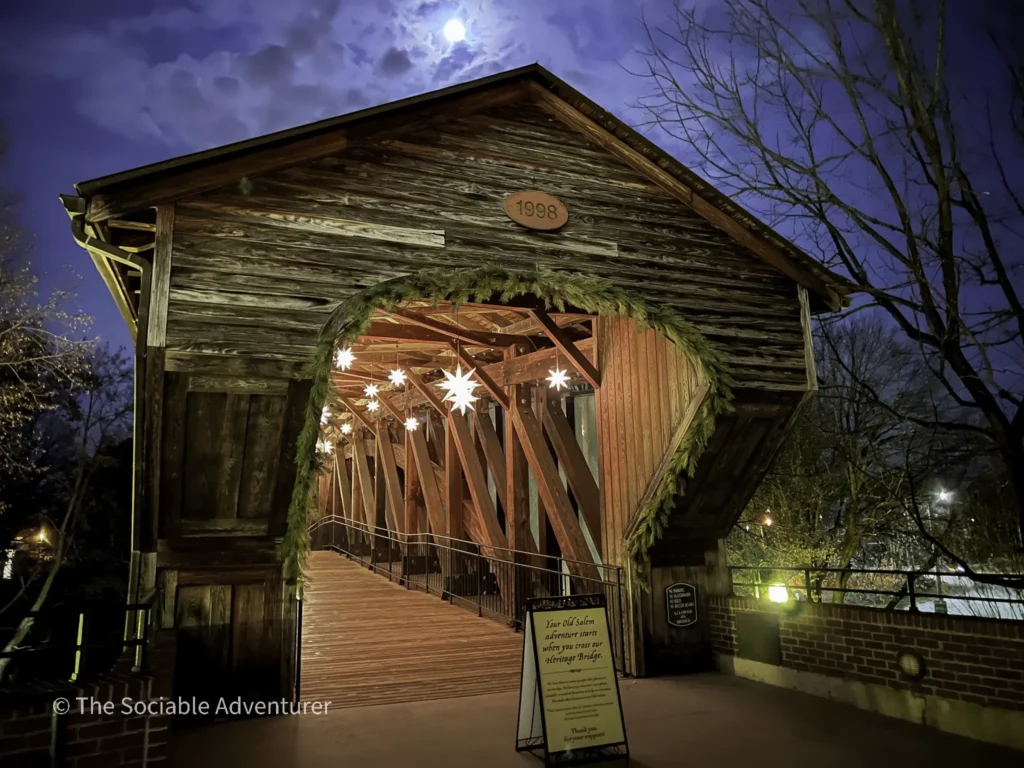
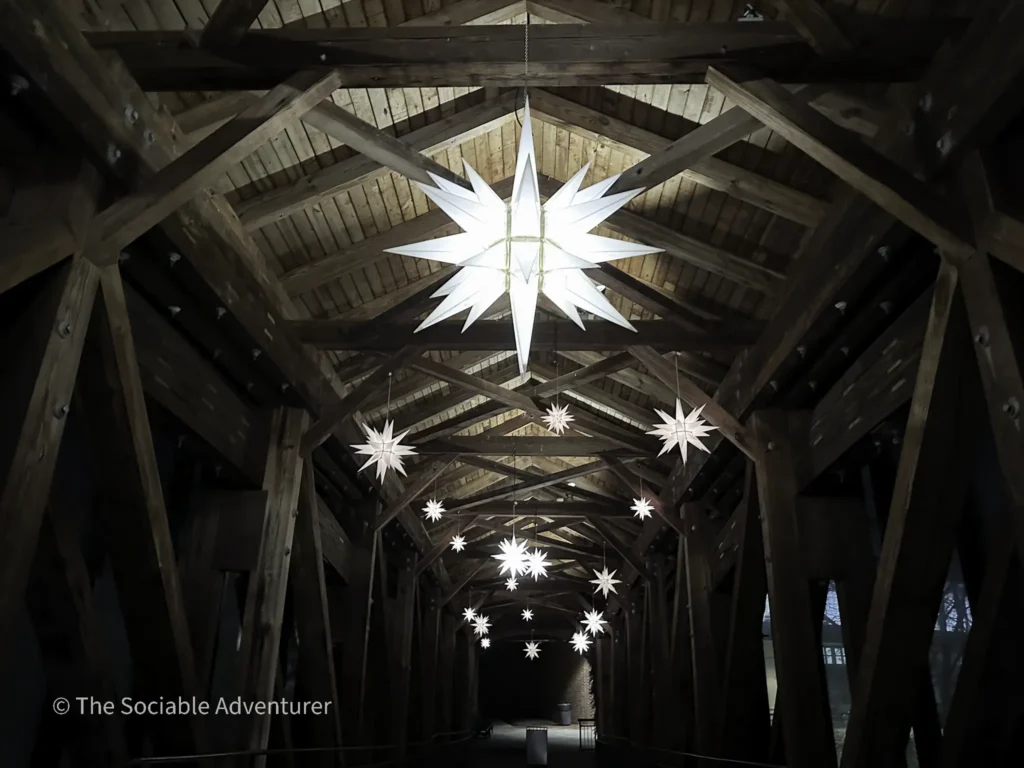
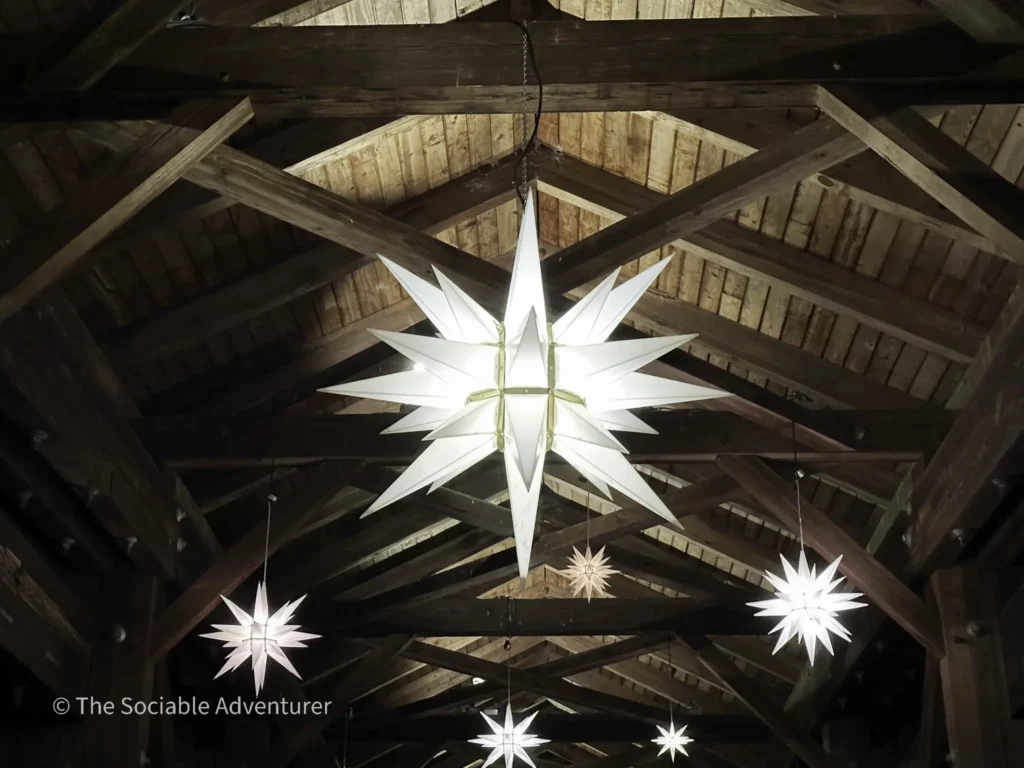
The single most magical spot during Christmas in Old Salem is the Heritage Bridge — the covered wooden pedestrian bridge that connects the Visitor Center to the Frank L. Horton Museum Center (MESDA) over Old Salem Road. During the Christmas season, the bridge is filled with a display of glowing Moravian stars hanging from the ceiling along its length. Walking through the bridge in the evening with the stars suspended overhead is one of those moments that stays with you long after the visit ends. It’s also the same bridge where Sydney and Josh got engaged.
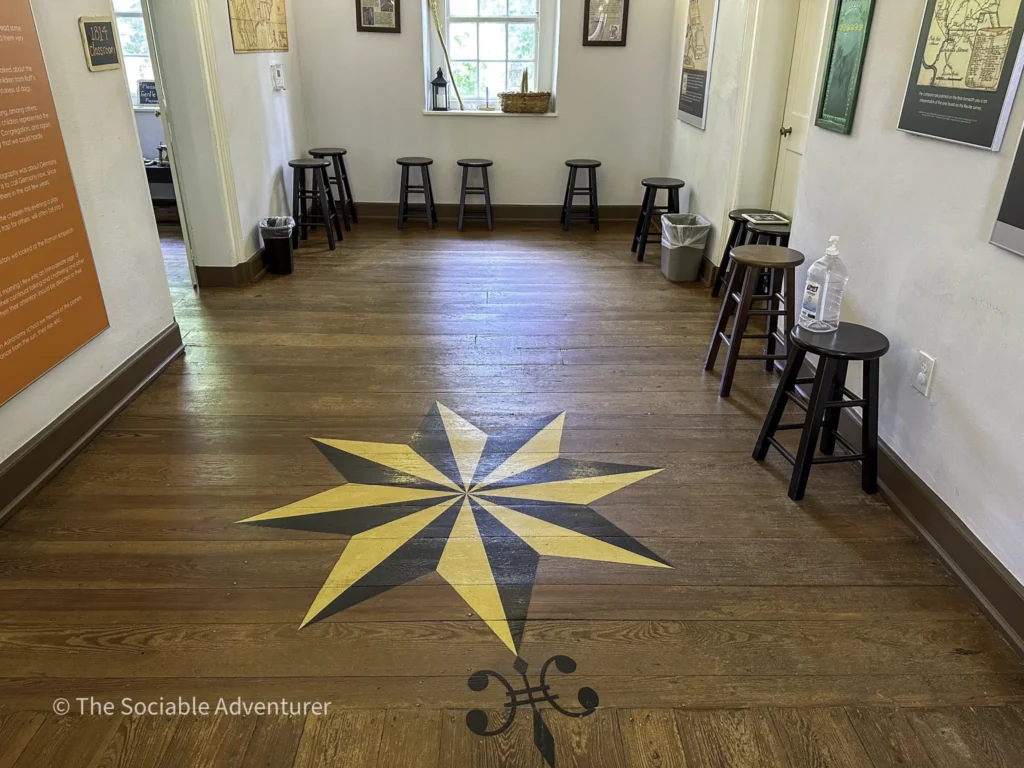
The Moravian star tradition traces back to Moravian schools in Germany in the 1830s, where the geometry of the multi-pointed star was used as a teaching tool. The three-dimensional stars — most commonly 26-point stars — became a Moravian Christmas emblem representing the Star of Bethlehem that guided the Magi. Today, Old Salem and the surrounding Salem Congregation churches produce and display Moravian stars throughout the historic district and beyond, and stars can be purchased from the Old Salem gift shop.
Beyond the stars and the Heritage Bridge, Christmas in Old Salem programming typically includes traditional Moravian Lovefeasts, candlelit tours of the historic district, Christmas trades demonstrations, and holiday markets at Winkler Bakery. Check the Old Salem website for current holiday programming and hours during December, and plan to arrive in the late afternoon or evening to catch the historic district transitioning into candlelight and star-glow.
Good to Know
- Location: 900 Old Salem Road, Winston-Salem, NC 27101 (Visitor Center)
- Phone: 336-721-7350
- Ticket purchase locations (three):
- Visitor Center — 900 Old Salem Road
- MESDA — 924 S Main Street
- Winkler Bakery — 521 S Main Street
- Site coverage: Approximately 100 acres of the historic district
- Founded: 1766 by Moravian settlers in the Wachovia Tract
- Moravian heritage trilogy: Bethabara (1753) + Bethania (1759) + Salem (1766) — the three Moravian settlements in the ~100,000-acre Wachovia Tract purchased from Lord Granville in 1753
- Preservation history: Old Salem Inc. was established in 1950 as a non-profit organization; Frank L. Horton (1918-2004) served as the first director of restoration; approximately 50 buildings were restored or reconstructed across Old Salem and Historic Bethabara Park under Horton’s leadership from 1950 to 1972; roughly three-quarters of the buildings in the historic district are original 18th- and 19th-century structures
- Frank L. Horton: Also co-founded the Museum of Early Southern Decorative Arts (MESDA) in 1965 with his mother, Theodosia “Theo” Liipfert Horton Taliaferro; passed February 21, 2004
- Three integrated museums:
- Historic Town of Salem (living history village)
- Museum of Early Southern Decorative Arts (MESDA) — 33 galleries; 3,600+ objects
- Gardens at Old Salem (heirloom Moravian gardens)
- Complete interpreted buildings roster (open Wednesday–Saturday, rotating schedule; closed to the public throughout January):
- Old Salem Visitor Center (Tannenberg Organ, James A. Gray Auditorium, gift shop)
- Museum of Early Southern Decorative Arts (MESDA) — three self-guided galleries + connoisseur tours + Anne P. and Thomas A. Gray Library + MESDA Research Center
- Single Brothers’ House (1769) — five rotating trade shops (Leather, Weaving, Tailor, Pottery, Dye)
- Timothy Vogler Gun Shop
- Blum House Joinery
- Miksch House & Garden (1771) — first family house in Salem
- John Vogler House
- Boys’ School (1794) — the oldest surviving American building dedicated to boys’ education
- Doctor’s House and Apothecary — including “The Moravian Way of Health and Healing” exhibit
- Salem Tavern Museum
- Garden Education Center and Single Brothers’ Workshop
- Winkler Bakery — no ticket required
- Muddy Creek Café & Music Hall — no ticket required
- The Central Square
- Historic St. Philips Moravian Church site: 1861 Brick Church at 911 S. Church Street; the oldest surviving African American church building in North Carolina; site where Black community members first heard the Emancipation Proclamation on May 21, 1865 (delivered by Rev. Seth G. Clark of the 10th Regiment Ohio Cavalry); owned by Salem Congregation (not Old Salem Museums & Gardens); St. Philips Moravian congregation returned to the historic sanctuary in 2019 after decades at Bon Air Avenue; weekly Sunday worship at 11 am
- Heritage Bridge: The covered wooden pedestrian bridge connecting the Visitor Center to the Frank L. Horton Museum Center (MESDA) over Old Salem Road; a defining architectural feature of the site and the location of the Christmas Moravian star display
- Adjacent historic landmarks (not operated by Old Salem Museums & Gardens):
- The Mickey Coffee Pot — 1858 tin coffee pot advertising sign built by Moravian tinsmith brothers Julius and Samuel Mickey; ~12 feet tall including supporting post; 740-gallon capacity; relocated to north end of Old Salem (junction of South Main, Old Salem Road, and Brookstown Avenue) around 1959-1960 when the original Mickey Tin Shop was claimed by I-40 construction; considered an unofficial symbol of Winston-Salem hospitality
- Site of the original Krispy Kreme — commemorative plaque at the corner of South Main Street and West Academy Street marking where Vernon Rudolph opened the very first Krispy Kreme doughnut shop on July 13, 1937; original 1937 building torn down; secret recipe originally acquired from New Orleans French chef Joe LeBeau in 1933; Rudolph reportedly picked Winston-Salem after noticing his pocket Camel cigarettes were made there
- Salem College: Founded in 1772; one of the nation’s oldest women’s colleges; continues operating adjacent to the historic district
- The Hidden Town Project: Launched 2017; research and interpretation of enslaved and free African Americans living in Old Salem from town founding (1766) through emancipation and beyond
- Recognition: Distinctive Destination of the National Trust for Historic Preservation; Salem Historic District on the National Register of Historic Places
- Merger history: Salem merged with the neighboring town of Winston in 1913 to form modern Winston-Salem
- Christmas in Old Salem: Annual seasonal programming featuring candlelight tours, Moravian Lovefeasts, and the signature display of glowing Moravian stars suspended from the ceiling of the covered Heritage Bridge; check the Old Salem website for current December holiday programming and hours
- Moravian stars: The distinctive many-pointed Moravian Christmas star tradition traces back to Moravian schools in Germany in the 1830s; most commonly 26-point stars representing the Star of Bethlehem; available for purchase from the Old Salem gift shop
- Admission: Free to walk the exterior streets and public spaces of the historic district; paid admission required to enter interpreted buildings and MESDA galleries. Two-Day All-in-One Ticket structure (same price as current admission, valid two consecutive days)
- Seasonal hours (check the Old Salem website for current specific hours)
- Best for: Moravian heritage enthusiasts, colonial American history enthusiasts, decorative arts enthusiasts (MESDA integration), African American history enthusiasts (Hidden Town Project + St. Philips Moravian Church), heirloom gardening enthusiasts, families with children (Potter’s Workshop, Boys’ School, Winkler Bakery), Christmas season visitors (Moravian stars + candlelight programming), doughnut lovers (original Krispy Kreme plaque), and quirky roadside landmark fans (Mickey Coffee Pot)
- Pair with: The full Winston-Salem attractions cluster; the natural Moravian heritage trilogy combining Old Salem with Historic Bethabara Park (1753) and Bethania, NC (1759); the Museum of Early Southern Decorative Arts (MESDA) galleries (accessible via Old Salem admission); Winston-Salem’s flagship art destinations including the Reynolda House Museum of American Art and Reynolda Gardens; or a downtown Winston-Salem walking pattern combining Old Salem with Mast General Store, Bailey Park, and Bailey Power Plant
A Winston-Salem Highlight
Old Salem is a place we’ve come back to time and again. Beyond the personal — Sydney and Josh got engaged on the Heritage Bridge there, and we love walking the historic grounds with our kids through the Potter’s Workshop and Boys’ School — Old Salem carries a depth of preserved Moravian heritage that few American living history sites can match.
The numbers alone tell part of the story. Approximately 100 acres of restored historic district. About three-quarters of the buildings are original, not reconstructed. Roughly 50 buildings were restored under Frank L. Horton’s leadership across both Old Salem and Historic Bethabara Park from 1950 to 1972. A ~100,000-acre Wachovia Tract that produced the Moravian heritage trilogy of Bethabara (1753) + Bethania (1759) + Salem (1766). And 3,600+ decorative arts objects across 33 galleries at MESDA, all housed on the same historic property.
If you can, plan a Christmas-season visit. Christmas in Old Salem transforms the historic district with candlelight, Moravian Lovefeasts, and the display of glowing Moravian stars suspended from the ceiling of the covered Heritage Bridge — a moment that stays with you.
The best way to plan any Old Salem visit is to set aside a full day (or use the Two-Day All-in-One Ticket to spread the visit over two consecutive days). Start at the Visitor Center. Walk the historic district for the working trade shops, the Potter’s Workshop, and the Boys’ School. Stop at Winkler Bakery for Moravian cookies and Sugar Cake. Visit the historic St. Philips Moravian Church site for the Hidden Town Project interpretation. Give yourself real-time inside MESDA. On your way in or out, look for the two landmarks that aren’t officially part of the museum but define the character of the district: the Mickey Coffee Pot at the north edge and the commemorative plaque marking the site of the original Krispy Kreme at South Main and West Academy Streets. Old Salem rewards a slower pace, and it rewards a wanderer.
Resources
Old Salem Museums & Gardens Website
Old Salem Museums & Gardens Facebook
Location
Social Media
@thesociableadventurer Old Salem Museum and Gardens is a historic site that allows guests to step back in time to observe life in one of the largest and earliest Moravian Settlements in the American South while also honoring the free and enslaved Black and Indigenous people who lived there. The property is comprised of the Historic Town of Salem, the galleries at Frank L. Horton Museum Center, including the Museum of Early Southern Decorative Arts (MESDA), and the Gardens at Old Salem. We love walking the historic grounds, reminiscing on the wood bridge where we got engaged, exploring the MESDA museum, and wandering through the Potter’s Workshop and Boys’ School with our kids. @Visit NC @DiscoverTheCarolinas @Old Salem & MESDA @thegotowinstonsalem #WinstonSalem #WinstonSalemNC #ForsythCounty #ForsythCountyNC #VisitNC #myNC #CelebratingNC #ExploreNC #ExploreLocal #discover_carolinas #discoverthecarolinas #BestoftheTarheelState #NC #NorthCarolina #Discover #Adventure #Explore #TheSociableAdventurer #NCTown #NCCity #DTWS #OldSalem #Moravian #NCHistory #1700s #History #VisitWS ♬ Traveller – Beau + Luci
Old Salem Museums & Gardens is a captivating historic site located in Winston-Salem, North Carolina. Stepping into Old Salem feels like entering a living time capsule of Moravian culture from the late 18th and early 19th centuries. @VisitNC #VisitNC pic.twitter.com/kW7yVcd3Pe
— The Sociable Adventurer (@TheSociableAdv) April 11, 2024

Your Complete Guide to Hiking Trails at Elk Knob State Park
Elk Knob State Park is one of North Carolina’s most rewarding mountain destinations — a 4,400-…

A Complete Guide to the Trails at Carolina Beach State Park
Tucked along the Cape Fear River on Pleasure Island, Carolina Beach State Park is one of southeaster…

The Complete Guide to Hiking Trails in Lansing, NC
Set in the rolling hills of Ashe County, just a stone’s throw from the Virginia and Tennessee …

Exploring Ashe County Park: A Hiker’s Guide to North Carolina’s Mountain Gem
If you’re searching for the best hiking trails at Ashe County Park in North Carolina, you̵…
Mountain Masterpieces: A Guide to the Ben Long Frescoes of Ashe County
In the quiet corners of Ashe County, where the Blue Ridge Mountains meet peaceful valleys, thereR…
Granite, Grunts, and Glory: A Day on the Stone Mountain Loop Trail
The Stone Mountain Loop Trail is the signature hike at Stone Mountain State Park in North Carolina —…