
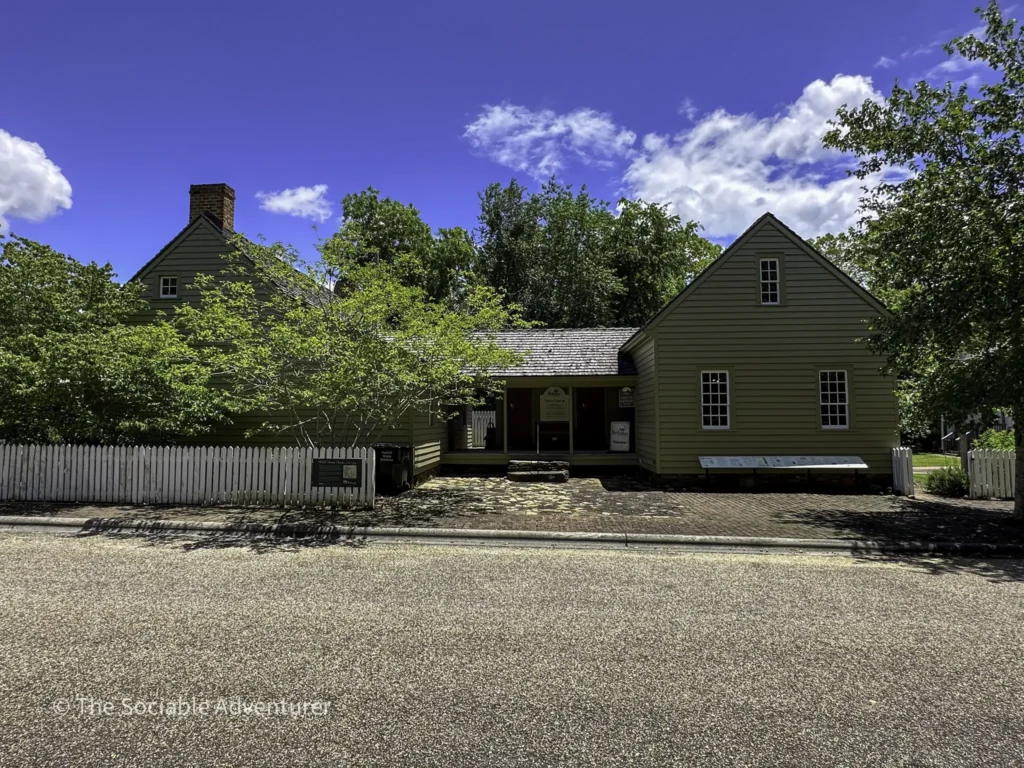
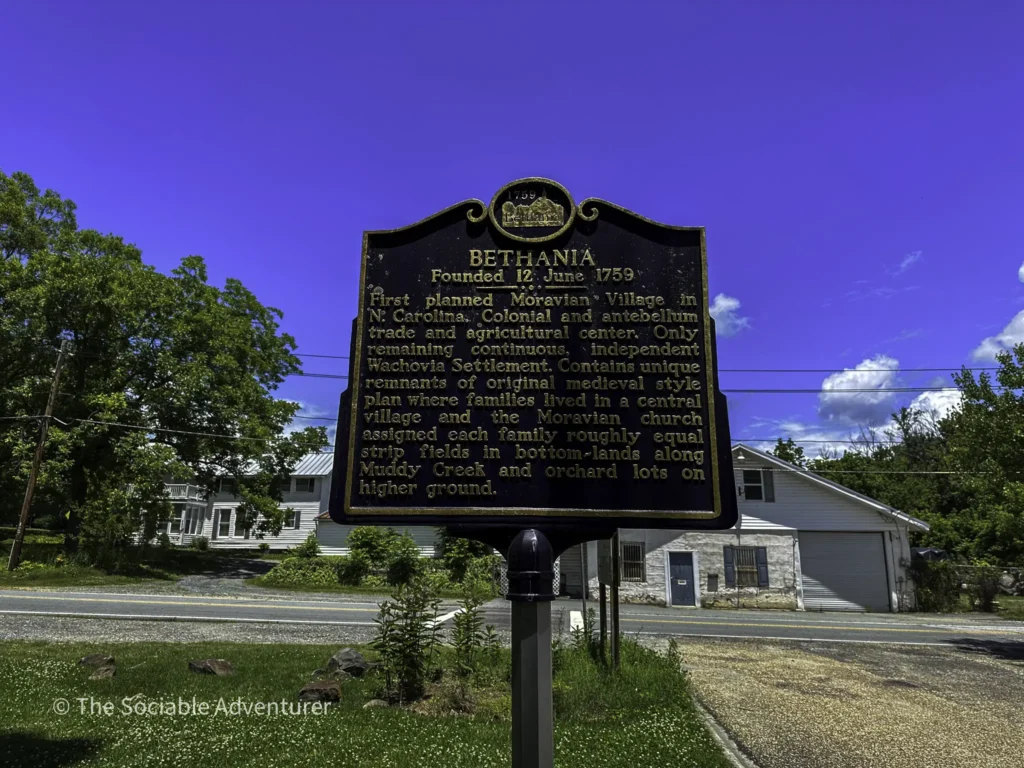
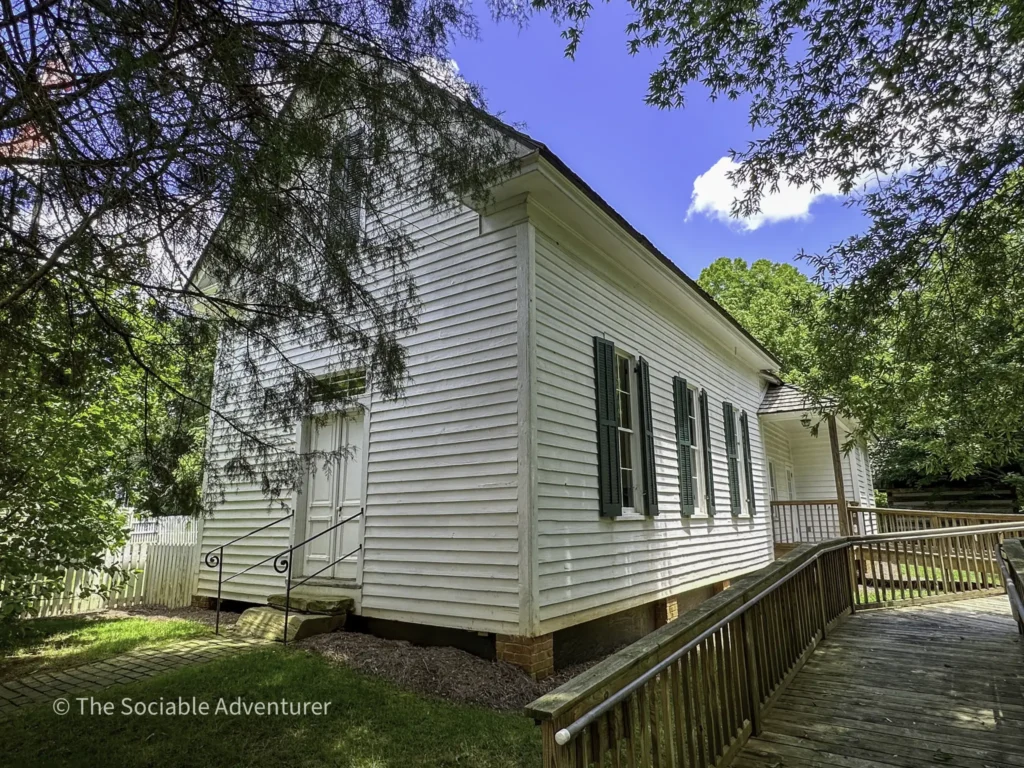
Historic Bethania Visitor Center is the primary orientation point for exploring Bethania, NC — the 500-acre National Historic Landmark District that preserves one of the most historically significant Moravian settlements anywhere in North Carolina. Housed in a restored historic building along the village’s original 1759 street plan, the Visitor Center gives visitors both the interpretive context and the practical planning resources needed to explore Bethania’s broader NHL District.
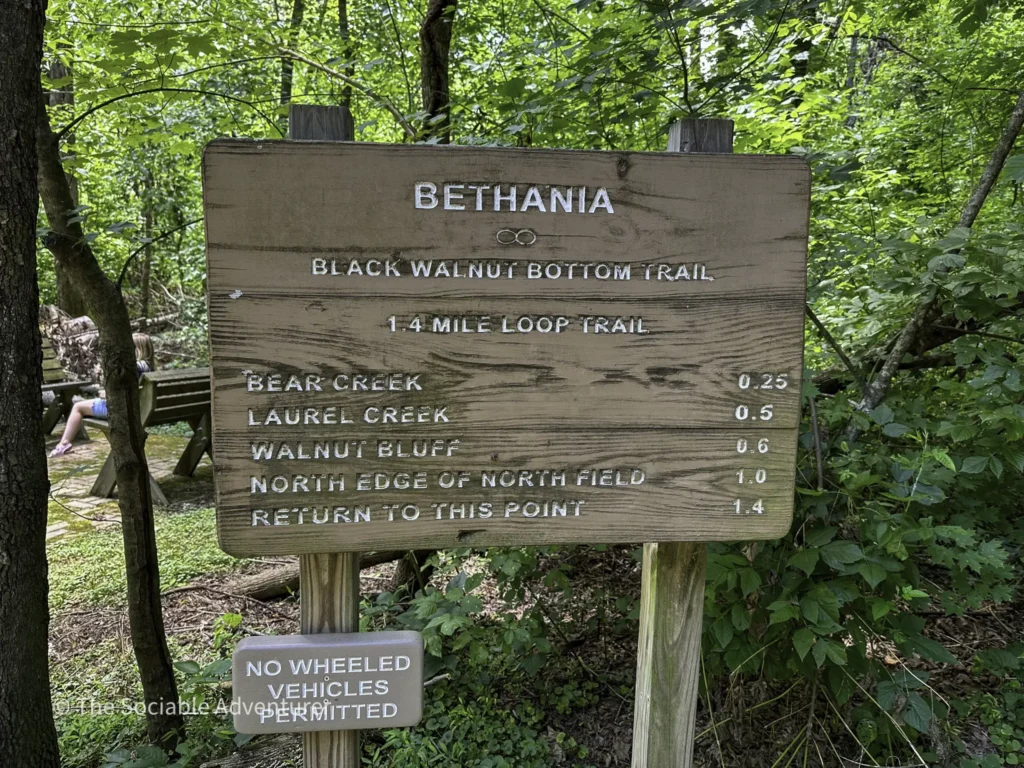
Beyond the interpretive exhibits and orientation materials, the Visitor Center also serves as the trailhead for the Walnut Bottoms Trail, part of the broader Trails of Historic Bethania trail network — giving visitors a natural connection between the village’s historical exploration and its surrounding outdoor recreation.
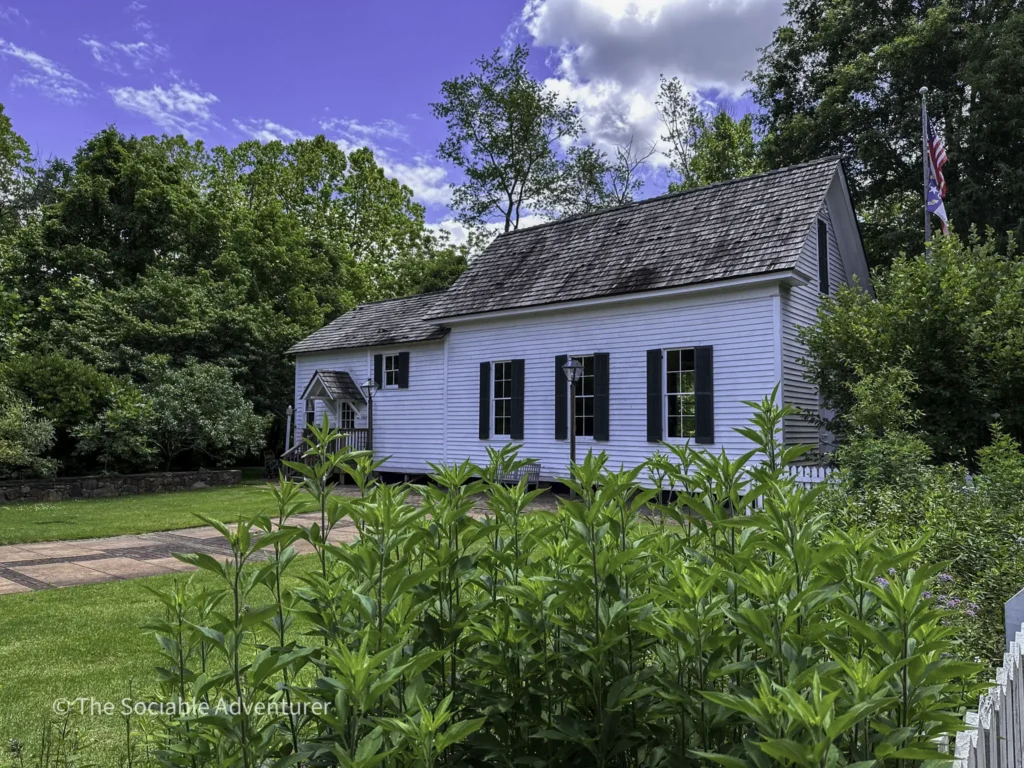
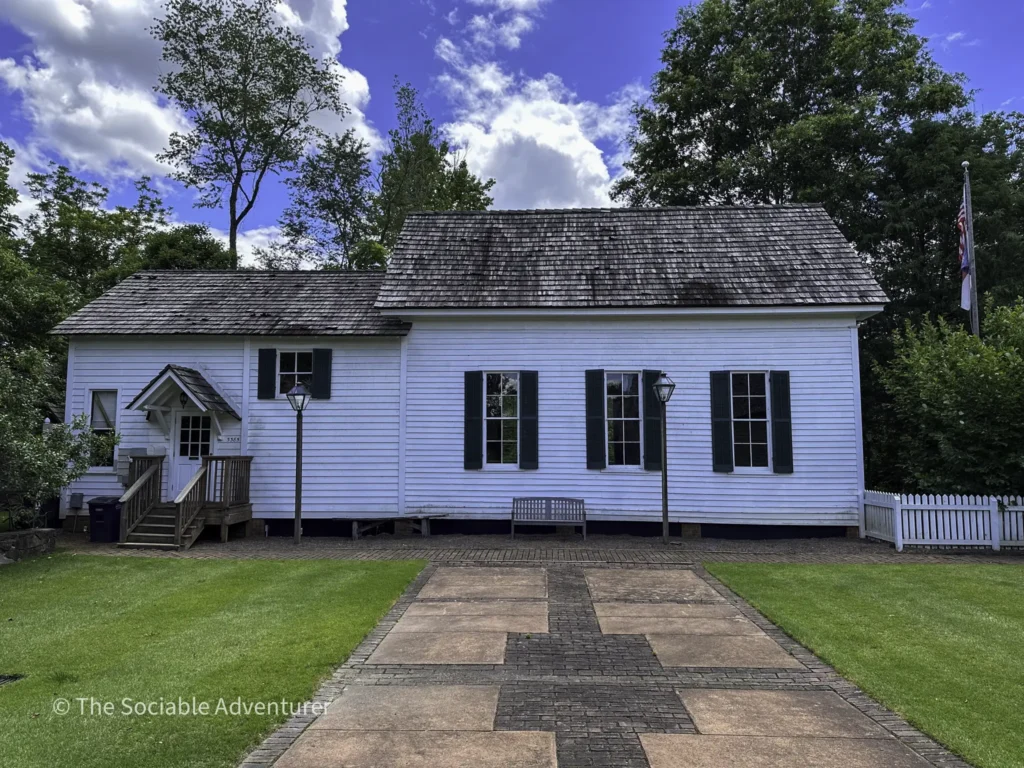
Be sure to check out the pictures below to get a feel for Historic Bethania Visitor Center before you go — or to relive the visit after.
The Visitor Center — Gateway to the National Historic Landmark District
The Historic Bethania Visitor Center functions as the natural starting point for exploring the village’s 500-acre NHL District — one of the largest and most historically significant National Historic Landmark Districts anywhere in North Carolina. Interpretive exhibits cover the Moravian settlement heritage, the story of Bethania’s 1759 founding as the first planned Moravian congregation town in the American colonies, and the village’s role within the broader Wachovia settlement context.
The Wachovia story extends well beyond Bethania alone. Bethania was the second Moravian settlement established in North Carolina — following the 1753 founding of Bethabara (preserved today at Historic Bethabara Park in Winston-Salem) and preceding the 1766 founding of Salem (preserved today at Old Salem Museums & Gardens). Together, the three settlements form a genuine multi-attraction Moravian heritage trail across Forsyth County.
Interactive displays provide additional depth for visitors interested in specific aspects of Moravian community life, religious practice, and daily craftsmanship traditions. Knowledgeable staff on-site can answer questions and help visitors plan their exploration of the surrounding historic village, which includes the 1809 Bethania Moravian Church, the 1795 Wolff-Moser House, and numerous other preserved 18th and 19th-century buildings.
The Visitor Center also provides practical planning resources, including village maps and current guided tour schedules, giving self-guided visitors a solid framework for making the most of a visit to Bethania.
The Walnut Bottoms Trail and Trails of Historic Bethania
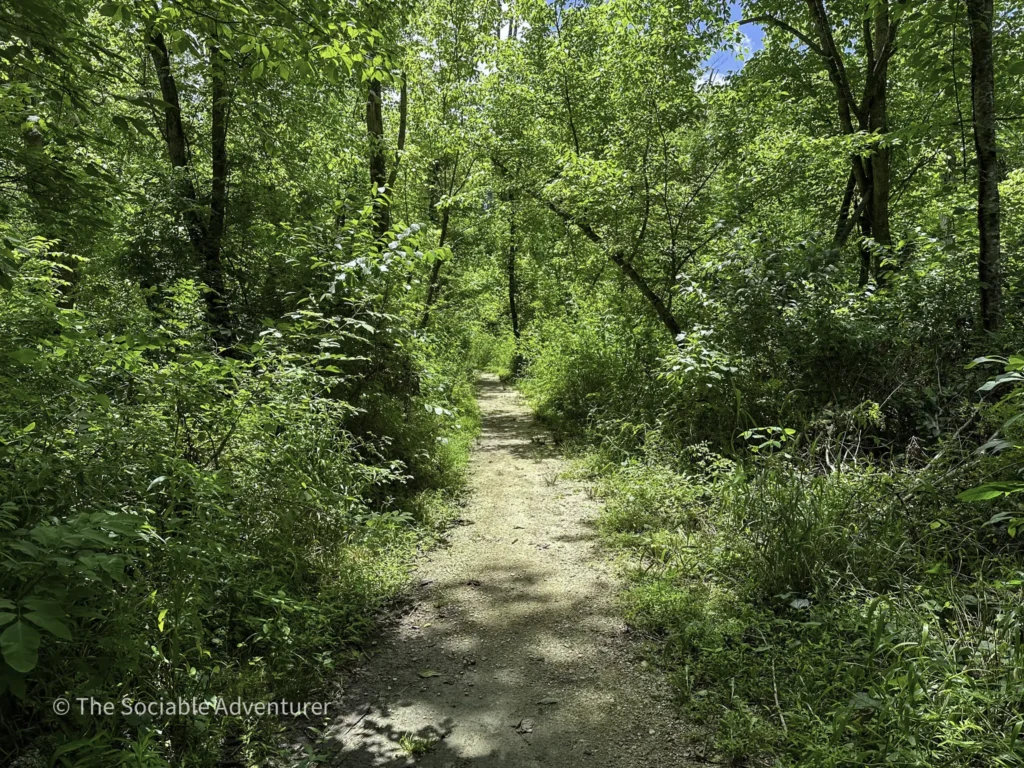
The Visitor Center’s role extends beyond historical interpretation. The trailhead for the Walnut Bottoms Trail is located near the Visitor Center, giving visitors a direct connection between the village’s historic architecture and the surrounding countryside. The Walnut Bottoms Trail is part of the broader Trails of Historic Bethania trail network, which offers walking and light-hiking options through the wooded areas, meadows, and creek corridors surrounding the historic village.
The trail network is particularly well-suited for visitors looking to combine historical exploration with light outdoor recreation — walking the trails offers views of the Yadkin Valley countryside and the natural landscape that shaped Moravian settlement patterns in the region. Combined with the Visitor Center’s indoor interpretive component, the trail network offers Bethania a genuinely versatile visitor experience that extends well beyond a single-stop historic-building tour.
Good to Know
- Location: Bethania, NC — along the village’s original 1759 Moravian street plan
- Building: Housed in a restored historic building appropriate to the village’s 18th and 19th-century architectural fabric
- Role: Primary orientation point for exploring Bethania’s 500-acre National Historic Landmark District
- Interpretive components: Exhibits on Moravian settlement heritage, 1759 founding as the first planned Moravian congregation town in the American colonies, and the Wachovia settlement context; interactive displays; knowledgeable on-site staff
- Practical planning resources: Village maps; current guided tour schedules; self-guided tour recommendations
- Outdoor recreation: Trailhead for the Walnut Bottoms Trail, part of the broader Trails of Historic Bethania trail network — offering walking and light-hiking access to the surrounding Yadkin Valley countryside
- Nearby historic sites (accessible from the village): 1809 Bethania Moravian Church (still-active Moravian congregation); 1795 Wolff-Moser House; numerous preserved 18th and 19th-century buildings
- Hours: Check the Historic Bethania website for current hours
- Best for: History enthusiasts, visitors interested in Moravian religious community heritage, walking-and-history combination visitors, and first-time Bethania visitors looking for orientation and exhibit context before exploring the broader NHL District
- Pair with: A self-guided walking tour of the Bethania NHL District exploring the 1809 Bethania Moravian Church, the 1795 Wolff-Moser House, and the village’s original 1759 street plan; Historic Bethabara Park in Winston-Salem — the FIRST Moravian settlement in NC (1753); Old Salem Museums & Gardens — the third major Moravian settlement (1766) and today one of the American Southeast’s most substantial living history museum districts; or a broader Forsyth County Moravian heritage day exploring all three original Moravian settlements in North Carolina
A Bethania Highlight
Historic Bethania Visitor Center is the kind of stop that stays with you for the depth of Moravian settlement heritage packed into a single interpretive orientation. Standing at the natural entry point for exploring a 500-acre National Historic Landmark District — one of the most significant historic districts anywhere in North Carolina and a genuinely rare example of an intact 18th-century Moravian planned community — gives visitors the essential context to make the most of their exploration of Bethania’s historic streets.
The Walnut Bottoms Trail connection rounds out the appeal. Between the interpretive exhibits on Moravian settlement heritage, the practical planning resources, the interactive displays, the direct trail-network access, and the natural gateway role for the broader Bethania NHL District, the Historic Bethania Visitor Center has become one of the most consistently rewarding entry points for any visit to NC’s Moravian heritage — and a genuine anchor for exploring the wonderful 18th-century Moravian religious community fabric preserved at Bethania.
Resources
Location
Social Media
The Historic Bethania Visitor Center stands as a welcoming gateway to the rich heritage of the village. Housed in a meticulously restored historic building, the visitor center serves as an invaluable resource for those eager to explore Bethania's past. #VisitNC pic.twitter.com/4ULCgUD7P8
— The Sociable Adventurer (@TheSociableAdv) March 10, 2024

Your Complete Guide to Hiking Trails at Elk Knob State Park
Elk Knob State Park is one of North Carolina’s most rewarding mountain destinations — a 4,400-…

A Complete Guide to the Trails at Carolina Beach State Park
Tucked along the Cape Fear River on Pleasure Island, Carolina Beach State Park is one of southeaster…

The Complete Guide to Hiking Trails in Lansing, NC
Set in the rolling hills of Ashe County, just a stone’s throw from the Virginia and Tennessee …

Exploring Ashe County Park: A Hiker’s Guide to North Carolina’s Mountain Gem
If you’re searching for the best hiking trails at Ashe County Park in North Carolina, you̵…
Mountain Masterpieces: A Guide to the Ben Long Frescoes of Ashe County
In the quiet corners of Ashe County, where the Blue Ridge Mountains meet peaceful valleys, thereR…
Granite, Grunts, and Glory: A Day on the Stone Mountain Loop Trail
The Stone Mountain Loop Trail is the signature hike at Stone Mountain State Park in North Carolina —…